Source Nonwoven Fabric Car Body Cover for indoor, dustproof, and scratch protection
Compare 30 listings of Nonwoven Fabric Car Body Cover from verified Chinese suppliers. Buyers can evaluate material types like 210D Oxford cloth and non-woven fabric, check UV rejection rates up to 99%, and review customization options for size and logo.
Updated
Key considerations
Products List
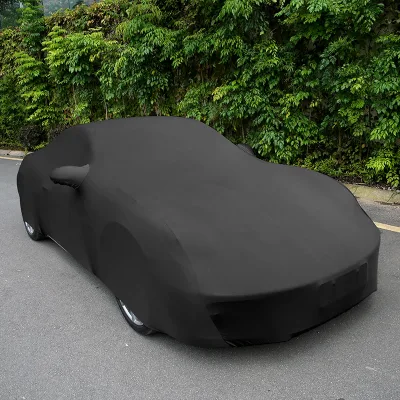
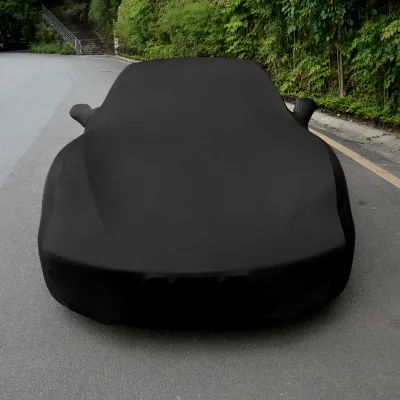
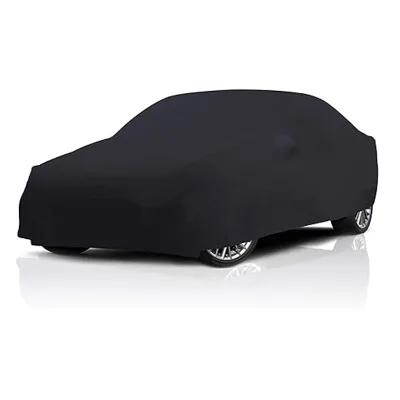
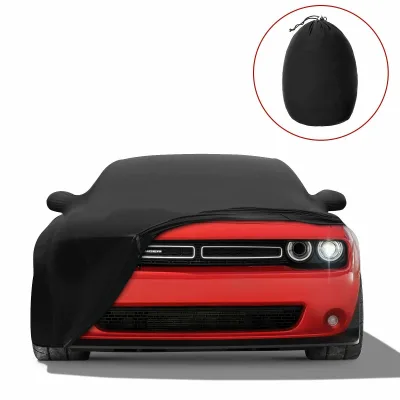
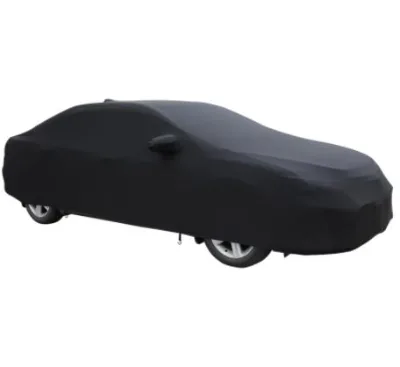
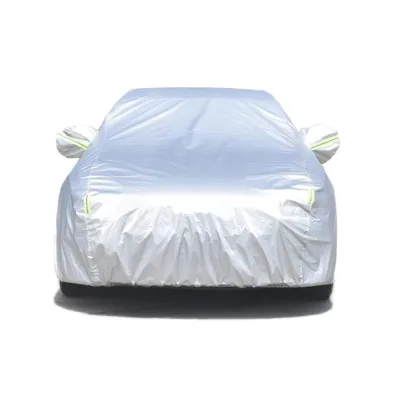
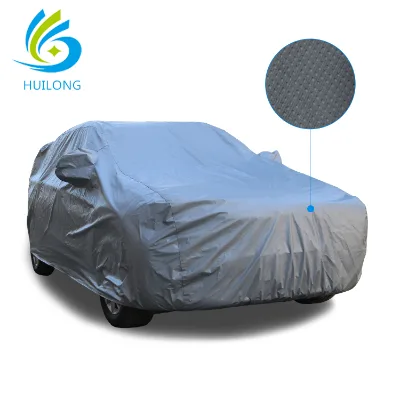
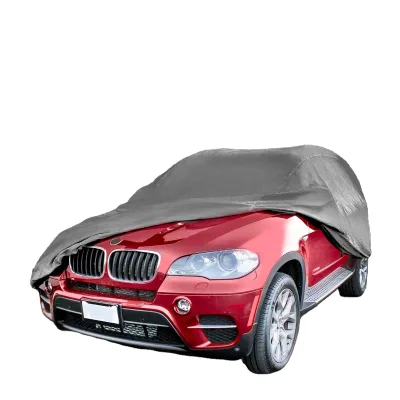
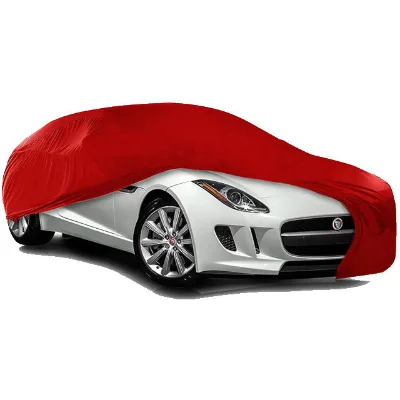
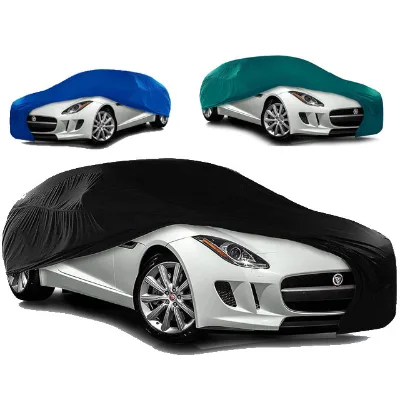


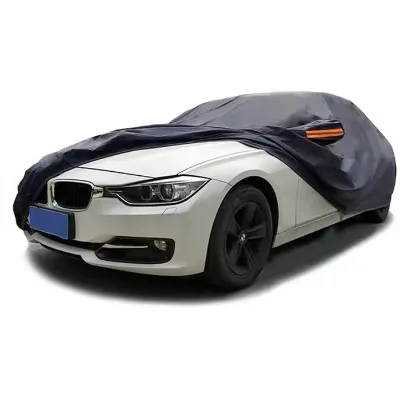
3 Layer Nonwoven Waterproof UV Protection Car Body Cover for Universal Car
$9.00 - $13.00
MOQ: 500 Pieces


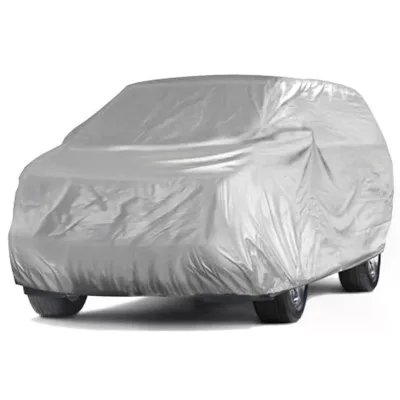
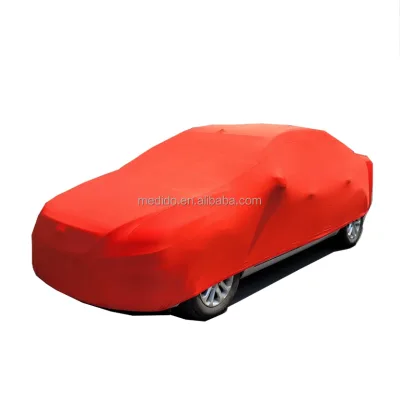
Car Cover Manufacturer Supplier Indoor Polyester Dustproof Sunproof Car Body Covers
$7.60 - $10.60
MOQ: 500 Pieces




Comprehensive Sourcing Guide
Nonwoven Fabric Car Body Cover Sourcing Guide
Product Scope and Observed Listing Signals
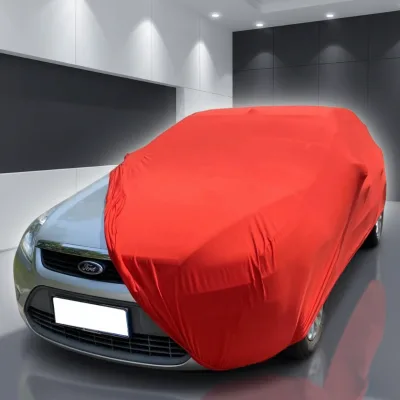
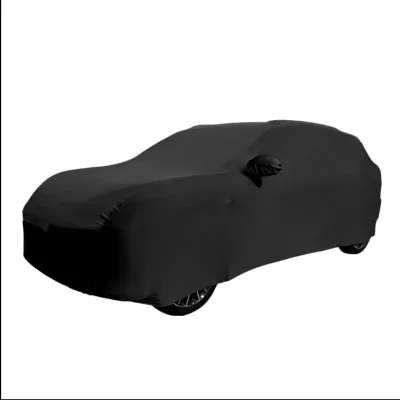
The market for nonwoven fabric car body covers presents a diverse range of options, primarily categorized by material composition and intended use. Listings indicate that while the core keyword specifies nonwoven fabric, many suppliers also offer variants made from milk silk or 210D Oxford cloth, which may influence durability and breathability. Buyers should carefully distinguish between products designed for indoor scratch-proof protection and those engineered for outdoor UV resistance, as the material properties vary significantly between these applications. The observed product attributes suggest a strong emphasis on universal fitment, with many items labeled as having a "Universal" model number or customizable sizes to accommodate various vehicle dimensions.
Observed listing signals reveal a wide price range, typically spanning from $0.70 to $45.00 USD, reflecting differences in fabric weight, thickness, and additional features such as elastic bands or three-dimensional cutting. Minimum order quantities (MOQs) are equally varied, ranging from single units for sampling up to 5,000 pieces for bulk procurement, allowing buyers to scale their orders based on immediate needs. Many suppliers highlight advantages like high elastic fabric that resists deformation, indicating a focus on longevity and fit retention. Additionally, customization options for colors, logos, and packaging are frequently advertised, suggesting that private labeling and brand-specific requirements are common in this sector.
Technical Specifications to Verify
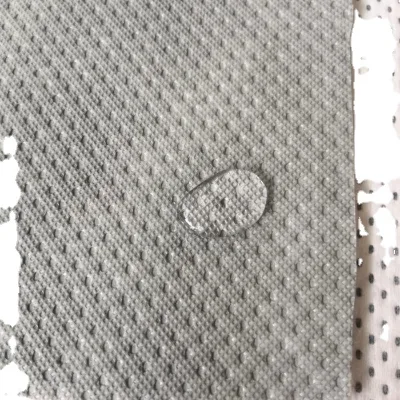
When evaluating technical specifications, buyers must prioritize fabric weight and density, as these factors directly impact protection levels. Observed data shows sizes ranging from 180 grams per square meter to 220 grams per square meter, with some listings specifying "any" size or customized dimensions. It is crucial to verify whether the nonwoven fabric is single-layer or multi-layered, as this affects tear resistance and waterproofing capabilities. Some products are explicitly described as tear-proof and waterproof, while others focus on dustproof and scratch-proof attributes for indoor use. Confirming the exact material composition, such as whether it is pure nonwoven fabric or blended with other textiles, ensures the product meets the specific environmental protection needs of the end-user.
Fitment and structural design are equally critical technical aspects to verify. Many listings emphasize "three-dimensional cutting" and "fit body" features, which suggest a tailored approach rather than a simple loose cover. Buyers should check if the product includes elastic bands or specific cutouts for mirrors and antennas, as these details influence ease of use and security. The single package size and gross weight, often listed around 43x33x20 cm and 2.000 kg respectively, provide insight into shipping volume and handling requirements. Additionally, verifying the UV rejection rate, with some products claiming up to 99% UV and 90% IR rejection, is essential for buyers seeking outdoor protection against sunlight and heat damage.
Compliance and Safety Documentation
Compliance and safety documentation for nonwoven fabric car covers often revolves around material safety and environmental standards rather than complex automotive certifications. Buyers should request material safety data sheets (MSDS) to ensure the nonwoven fabric does not contain harmful chemicals that could off-gas or damage vehicle interiors, especially for indoor storage applications. While specific certification names are not universally listed, verifying that the supplier adheres to general textile safety standards is prudent. The presence of features like "sunproof" and "UV Proof" attributes implies a need for performance verification, so buyers should ask for test reports or certificates that validate these claims, particularly regarding UV stability and colorfastness under prolonged exposure.
Packaging and labeling compliance are also important considerations, especially for international shipments. Suppliers often use OPP bags, non-woven bags, or boxes for packaging, and buyers must ensure that these materials meet the import regulations of the destination country, including recycling and waste disposal requirements. Customized logos and branding on the product or packaging require verification of trademark rights to avoid intellectual property disputes. Additionally, checking for any flammability standards relevant to automotive accessories in the target market is advisable, even if the product is primarily for indoor use, to mitigate liability risks associated with fire hazards.
Cost Drivers and Commercial Terms
Cost drivers for nonwoven fabric car body covers are primarily influenced by material quality, fabric weight, and customization levels. Heavier fabrics, such as those at 220 grams per square meter, typically command higher prices than lighter variants due to increased material usage and enhanced durability. Customization options, including specific colors, logos, and packaging designs, add to the production cost and may affect the minimum order quantity. Buyers should also consider the impact of supply ability, with some suppliers offering up to 30,000 pieces per month, which can influence pricing tiers and availability during peak seasons. Understanding these variables helps in negotiating better terms and aligning costs with budget constraints.
Commercial terms such as payment methods, lead times, and shipping arrangements play a significant role in the overall procurement cost. While specific lead times are not always disclosed, buyers should inquire about production schedules to ensure timely delivery, especially for large orders. The port of dispatch, often listed as Ningbo, Zhejiang, indicates a common shipping route for Chinese suppliers, which can affect freight costs and transit times. Buyers should clarify whether prices are EXW, FOB, or CIF, as this determines who bears the risk and cost of transportation. Additionally, verifying the return policy and warranty terms for defective products is essential to protect against quality issues and unexpected expenses.
Supplier Qualification and Quality Control
Supplier qualification for nonwoven fabric car body covers requires a thorough assessment of manufacturing capabilities and quality control processes. Buyers should verify the supplier's production capacity, as indicated by supply ability figures, to ensure they can meet order volumes without compromising quality. Checking for OEM and ODM acceptance is important for buyers seeking custom designs, as it demonstrates the supplier's flexibility and technical expertise. It is also advisable to review the supplier's history and reputation, looking for consistent performance in delivering products that match the described specifications, such as UV rejection rates and fabric strength.
Quality control measures should be clearly defined and agreed upon before placing orders. Buyers should request samples to physically inspect the fabric texture, stitching quality, and fitment accuracy. Establishing clear acceptance criteria for defects, such as tears, misalignments, or color inconsistencies, helps in maintaining product standards. Implementing pre-shipment inspections can further ensure that the final products meet the agreed-upon specifications. Additionally, verifying the supplier's ability to provide consistent quality across multiple batches is crucial for long-term procurement success, as variations in fabric weight or UV protection levels can impact customer satisfaction.
Long-Term Procurement Checks
Long-term procurement checks for nonwoven fabric car body covers involve monitoring market trends and supplier performance over time. Buyers should regularly review product listings to identify new materials, technologies, or design improvements that could enhance their offerings. Keeping an eye on changes in MOQs and pricing structures helps in anticipating cost fluctuations and adjusting procurement strategies accordingly. Additionally, staying informed about regulatory changes in the target markets, such as new environmental standards for textiles, ensures continued compliance and avoids potential disruptions in supply.
Building a robust supplier relationship is key to long-term success. Regular communication with suppliers about performance feedback, quality issues, and future needs fosters trust and collaboration. Buyers should also consider diversifying their supplier base to mitigate risks associated with single-source dependencies. Periodically re-evaluating supplier qualifications and conducting audits can help maintain high standards and identify potential issues early. By proactively managing these aspects, buyers can ensure a stable and efficient supply chain for nonwoven fabric car body covers, supporting their business growth and customer satisfaction.
FAQs
What material is used for the Nonwoven Fabric Car Body Cover?
The cover is made from non-woven fabric, which provides effective dustproof and scratch-proof protection for indoor use. Some variants utilize milk silk or 210D Oxford cloth for enhanced durability. These materials ensure the cover remains lightweight while offering reliable protection against environmental factors for your vehicle.
Can the Nonwoven Fabric Car Body Cover be customized?
Yes, OEM and ODM services are accepted for customization. Buyers can choose from customized colors such as black, dark gray, or gray. Additionally, customized logos and sizes are available to meet specific branding or fit requirements, ensuring the product aligns perfectly with your business needs and customer preferences.
What are the key features of the nonwoven fabric car cover?
Key features include UV protection, sunproof capabilities, and waterproof functionality. The fabric offers tear resistance and high elasticity to prevent deformation. It also provides privacy protection and fastness against sunlight. These attributes make it suitable for both indoor storage and outdoor use, ensuring comprehensive vehicle protection.
Where are these car covers manufactured?
These car covers are manufactured in China, specifically in Hebei and Zhejiang provinces. The products originate from established industrial regions known for textile production. This location supports efficient supply chains and reliable manufacturing processes, ensuring consistent quality and timely delivery for international buyers seeking durable automotive accessories.
What is the packaging method for the nonwoven car cover?
The standard packaging includes one car cover with a handbag or box, with six pieces packed into a carton box. Individual items may also be packed in OPP bags or non-woven bags. This method ensures safe transport and easy storage, protecting the product from damage during shipping and handling.
What is the supply ability for these car covers?
The supply ability is 30,000 pieces per month. This capacity ensures consistent availability for bulk orders and regular restocking needs. Manufacturers can handle significant volume demands, making them suitable for large-scale distribution channels. This reliable output supports steady supply chains for retailers and wholesalers in the automotive accessory market.