Source PU Coated Embroidery Tulle Fabric for Bridal, Garment, and Home Textile
Find PU Coated Embroidery Tulle Fabric from 30 verified listings. Compare options in Mesh and Polyester materials, including warp-knitted and embroidered styles. View specs for widths, MOQs, and delivery times to source the right fabric for your project; compare the available evidence and request quotations based on your requirements.
Updated
Key considerations
Products List


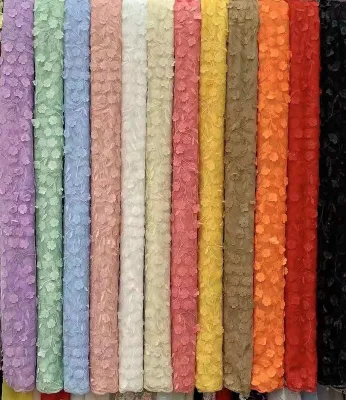
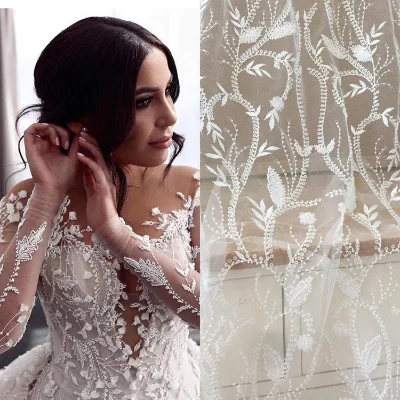
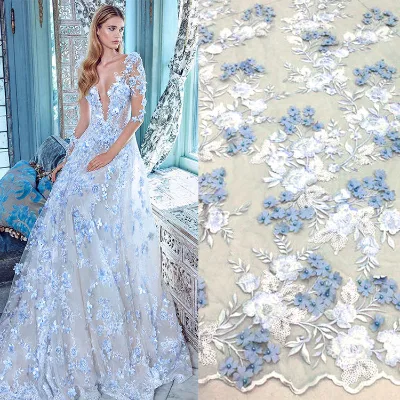
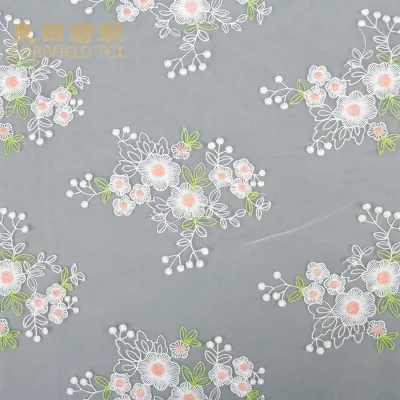


Good Selling Beaded Floral Embroidered Tulle Mesh Fabric for Bridesmaid Gown
$4.00 - $9.00
MOQ: 300 Meters


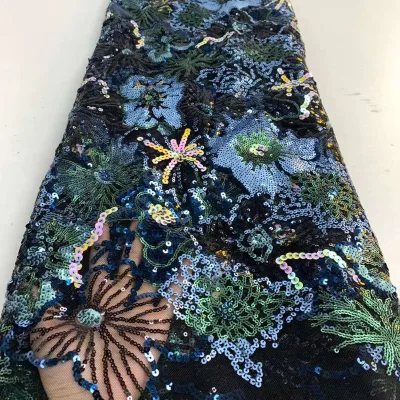
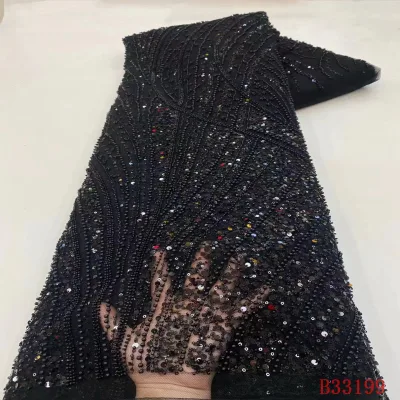
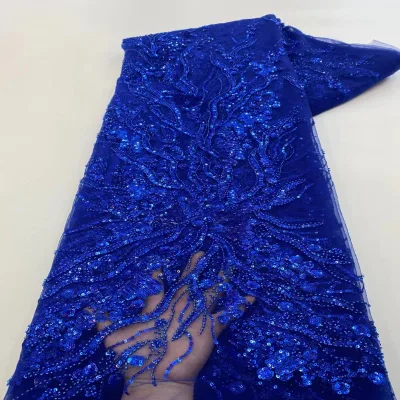
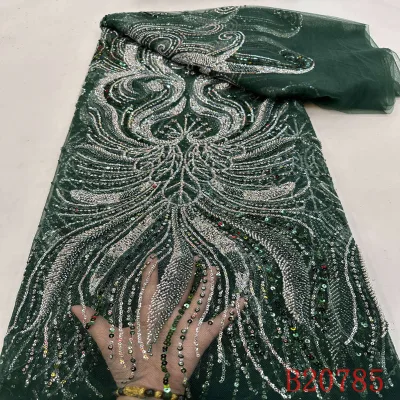
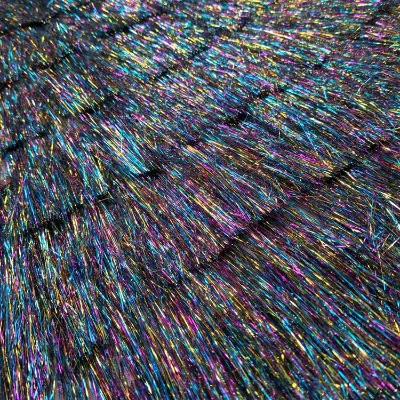
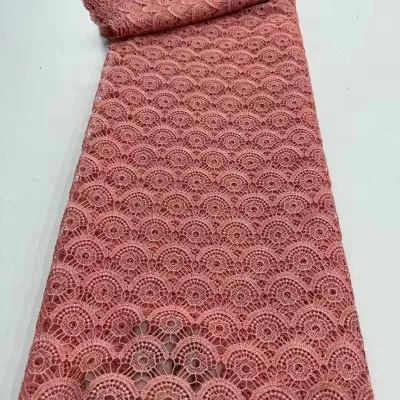
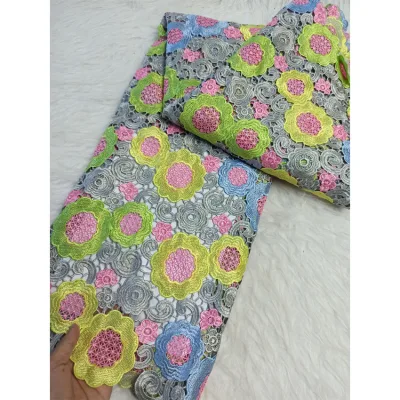
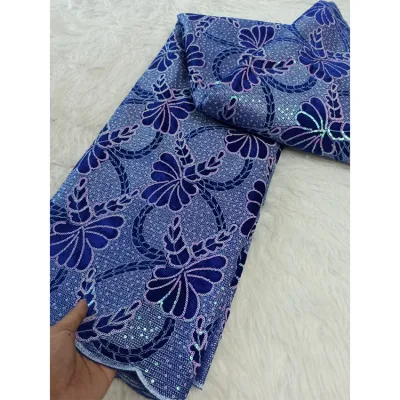
Comprehensive Sourcing Guide
PU Coated Embroidery Tulle Fabric Sourcing Guide
Sourcing PU Coated Embroidery Tulle Fabric requires a nuanced understanding of material composition, as the supplied data indicates a market dominated by 100% Nylon and 100% Polyester variants rather than explicit PU coatings. Buyers must carefully distinguish between standard mesh tulle and specialized coated textiles, verifying whether the "PU coated" descriptor applies to the base fabric or is a mislabeled attribute for embroidered net fabrics. The observed product range includes items labeled as "Mesh," "Tulle Fabric," and "Lace," with specific models like FZ344 and FZ159 highlighting warp-knitted structures. Procurement teams should prioritize suppliers who clearly define the coating process, if any, to ensure the fabric meets specific durability and aesthetic requirements for bridal, garment, or home textile applications.
The visual and technical diversity in current listings suggests that buyers should not assume uniformity across all "embroidery tulle" offerings. Attributes such as "Silk Embroidery," "Net Embroidery," and "Flocked" patterns indicate a wide spectrum of decorative possibilities, ranging from plain styles to complex life-application designs. While some products emphasize eco-friendly features or OEM customization, others focus on specific fiber lengths like short fiber or specific widths such as 58/60 inches and 125cm. Buyers must align their design specifications with the supplier’s actual capabilities, ensuring that the chosen fabric’s weight, transparency, and embroidery density match the intended end-use, whether for delicate dress linings or robust bag decorations.
Product Scope and Observed Listing Signals
The current market landscape for embroidery tulle fabric reveals a broad spectrum of product types, primarily centered around mesh and lace constructions. Listings frequently highlight materials such as 100% Nylon and 100% Polyester, with technical attributes including warp-knitted types and various embroidery techniques like silk and net embroidery. The observed product models, including FZ344, FZ159, FZ347, FZ320, and FZ156, suggest a standardized yet diverse inventory catering to different aesthetic needs. Buyers should note that while "PU coated" is the search intent, the actual listings emphasize embroidered mesh and lace fabrics, requiring careful verification of surface treatments to ensure the desired finish is available.
Commercial signals indicate a flexible purchasing environment with MOQs ranging from 5 yards to 1000 units, and prices observed between $1.29 and $19.50 USD. Stock availability is often noted for specific colors, with options for photo colors or customization, allowing for rapid prototyping and bulk production. Delivery times are generally short, with many suppliers offering 5-7 day lead times and support for 7-day sample orders. This agility supports just-in-time procurement strategies, but buyers must confirm whether the low MOQs apply to customized embroidery designs or only to stock items, as custom work may incur higher minimums or longer production windows.
Technical Specifications to Verify
Verifying technical specifications is critical when sourcing embroidery tulle, as attributes like width, fiber length, and knitting type significantly impact performance. The observed data includes widths of 58/60 inches and 125cm, with fiber lengths specified as short fiber for certain models. Buyers must confirm the exact width required for their pattern layout to minimize waste, especially when dealing with complex embroidery designs that may span multiple fabric widths. Additionally, the distinction between warp-knitted and other knitted types affects the fabric’s stretch and stability, which is crucial for garments that require structural integrity without excessive distortion during sewing or wear.
Embroidery details such as "Silk Embroidery," "Net Embroidery," and "Flocked" patterns require close inspection to ensure quality and consistency. The application of embroidery, noted as "Life" in some contexts, suggests intricate designs that may vary in density and thread quality. Buyers should request physical samples to assess the hand feel, opacity, and durability of the embroidery, particularly if the fabric will undergo rigorous washing or wear. Furthermore, verifying the packing method, such as 50 meters per roll or plastic and carton packaging, ensures that the fabric arrives in optimal condition, preventing damage to delicate embroidered sections during transit.
Compliance and Safety Documentation
While specific certifications like ASTM D3776, ISO 13936, OEKO-TEX, and REACH are mentioned in background contexts, buyers must actively verify the current compliance status of their chosen supplier. These standards relate to tensile testing, moisture regain, and chemical safety, which are essential for textiles intended for direct skin contact or home use. Procurement teams should request up-to-date test reports to confirm that the fabric meets relevant safety regulations, particularly regarding harmful substances and flammability, depending on the end-market requirements. Relying on general claims without documented proof can lead to compliance risks and potential recalls.
Documentation should also cover the origin and manufacturing practices, with many products originating from Zhejiang, China, and labeled as eco-friendly. Buyers should inquire about the specific eco-friendly attributes, such as dyeing processes or material sourcing, to ensure they align with their sustainability goals. Additionally, verifying the brand name, such as "anewdress," and the customization policies (OEM & ODM) helps establish a clear supply chain relationship. Clear documentation of these factors ensures transparency and facilitates smoother audits, especially for large-scale retail or institutional procurement contracts.
Cost Drivers and Commercial Terms
Cost variations in embroidery tulle fabric are driven by material composition, embroidery complexity, and order volume. The observed price range of $1.29 to $19.50 USD reflects differences between basic mesh and intricate embroidered designs, with higher costs associated with silk embroidery or custom patterns. Buyers should analyze the cost per square meter or yard to compare value accurately, considering that wider fabrics (125cm) may offer better efficiency for large patterns. Understanding these drivers helps in budgeting and negotiating favorable terms, especially when balancing quality requirements with cost constraints.
Commercial terms such as MOQ, lead time, and packing details significantly impact total procurement costs. With MOQs as low as 5 yards and delivery times of 5-7 days, buyers can manage cash flow effectively by ordering smaller batches for testing. However, bulk orders may benefit from economies of scale, reducing the unit price. Buyers should also consider shipping costs and packaging requirements, such as 50 meters per roll, to optimize logistics. Clear communication of these terms with suppliers ensures that there are no hidden fees or unexpected delays, contributing to a predictable and efficient procurement process.
Supplier Qualification and Quality Control
Qualifying suppliers for embroidery tulle fabric involves assessing their production capabilities, customization options, and quality control processes. Buyers should verify the supplier’s ability to handle OEM and ODM requests, ensuring they can replicate specific designs or create new ones according to specifications. The availability of stock colors and photo-based customization options indicates flexibility, but buyers must confirm the accuracy of color matching and embroidery precision through sample approvals. Establishing a robust quality control protocol, including pre-production samples and in-line inspections, helps maintain consistency across large orders.
Supplier location, primarily in Zhejiang, China, offers access to a mature textile manufacturing ecosystem, but buyers should conduct due diligence on factory audits and social compliance. Checking for certifications and past performance records can mitigate risks associated with supply chain disruptions or quality issues. Additionally, evaluating the supplier’s responsiveness to sample requests and their ability to meet tight lead times is crucial for maintaining production schedules. Building a relationship with reliable suppliers ensures a steady supply of high-quality fabric, supporting long-term business stability and customer satisfaction.
Long-Term Procurement Checks
Long-term procurement success depends on continuous monitoring of supplier performance, market trends, and product evolution. Buyers should regularly review supplier metrics, including on-time delivery rates, defect percentages, and responsiveness to issues, to ensure ongoing reliability. As embroidery techniques and materials evolve, staying informed about new innovations, such as advanced eco-friendly coatings or digital embroidery methods, can provide competitive advantages. Engaging in periodic supplier reviews and feedback sessions helps identify areas for improvement and fosters a collaborative partnership focused on mutual growth.
Additionally, buyers should assess the stability of supply chains and potential risks related to raw material availability or geopolitical factors. Diversifying suppliers across different regions or capabilities can mitigate risks associated with single-source dependencies. Regularly updating product specifications and requirements based on customer feedback and market demands ensures that the sourced fabric remains relevant and competitive. By maintaining a proactive approach to procurement management, buyers can secure a consistent supply of high-quality embroidery tulle fabric, supporting their business objectives and enhancing their market position.
FAQs
What customization options are available for this fabric?
Customization is available for photo colors or custom designs. The product supports OEM and ODM services, allowing buyers to tailor the embroidery and style to specific needs while maintaining the mesh material and knitted technics.
How long is the delivery time for stock orders?
The delivery time is typically 5 to 7 days for stock availability. This lead time applies to standard orders, though sample orders also support a 7-day lead time for quick evaluation of the fabric quality and features.
What is the minimum order quantity for this tulle fabric?
The minimum order quantity varies between 5 yards and 100 meters depending on the specific product model. Some listings require 100 meters, while others accept orders as low as 5 yards for different fabric types like lace or mesh.
Which materials are used to make this embroidery tulle?
The fabric is primarily made from 100% polyester or 100% nylon mesh. It features short fiber lengths and is produced using warp knitted techniques, ensuring durability and a specific texture suitable for garments and bridal applications.
Can I find this fabric in specific widths like 58 inches?
Yes, the fabric is available in widths of 58 to 60 inches. Some variations also offer a width of 125 centimeters, providing flexibility for different garment construction requirements and home textile applications.
What packaging methods are used for shipping the fabric?
The fabric is packed in rolls, typically containing 50 meters per roll. Additional packaging includes plastic and carton protection to ensure the material remains secure during transit and maintains its quality upon arrival.
Where is the origin of this embroidered tulle fabric?
The product originates from China, specifically the Zhejiang region. This location is known for producing high-quality lace and mesh fabrics with various embroidery applications for global garment and home textile markets.