Source Waterproof Industrial Tablet PC for Kiosks, Factories, and Transport
Compare 30 Waterproof Industrial Tablet PC options featuring capacitive screens, Intel CPUs, and wall-mounted designs. These devices support Windows, Linux, and Android for public inquiry systems and factory automation; compare the available evidence and request quotations based on your requirements.
Updated
Key considerations
Products List


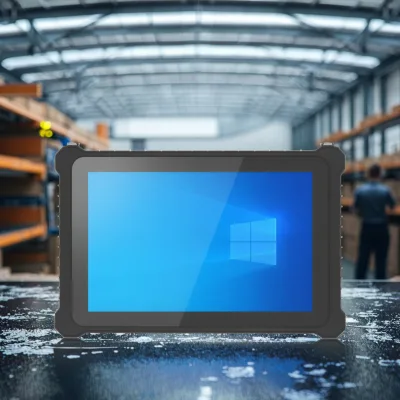
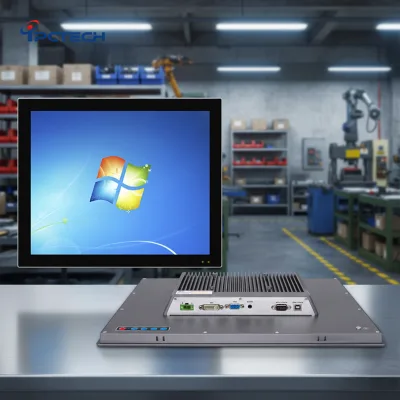
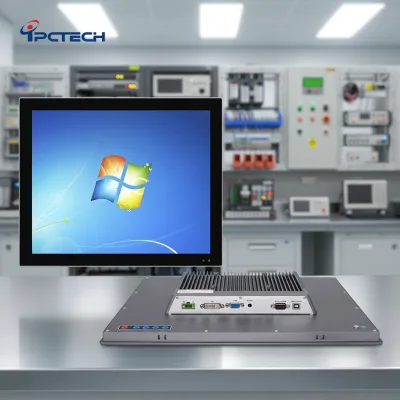
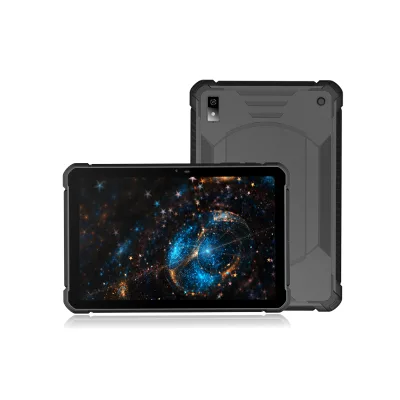
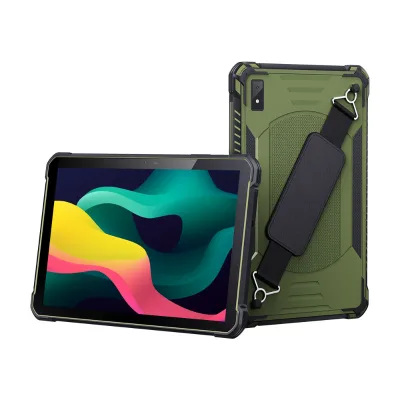
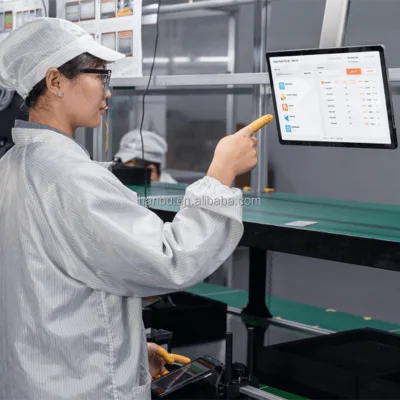
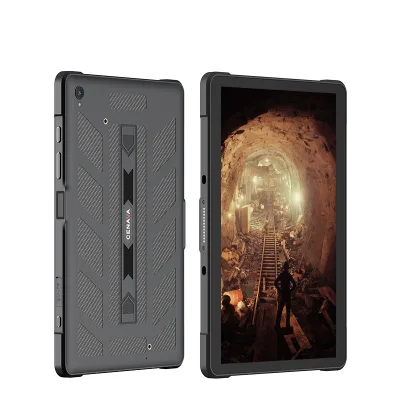
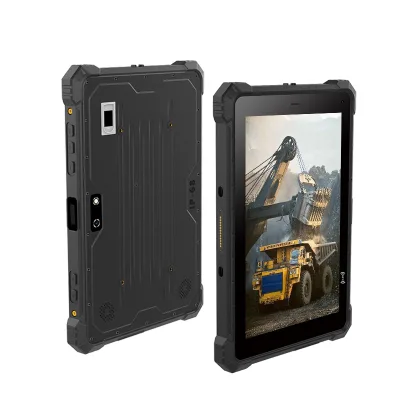
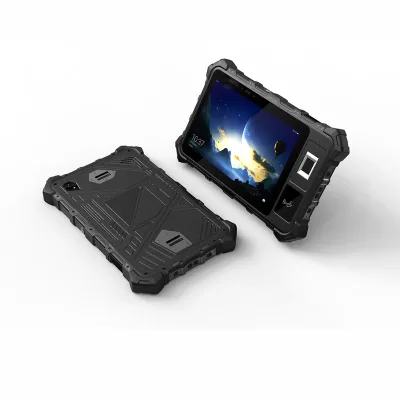
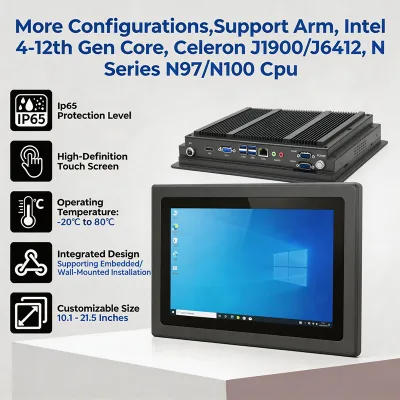
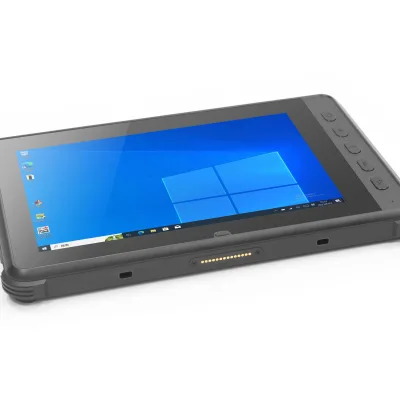
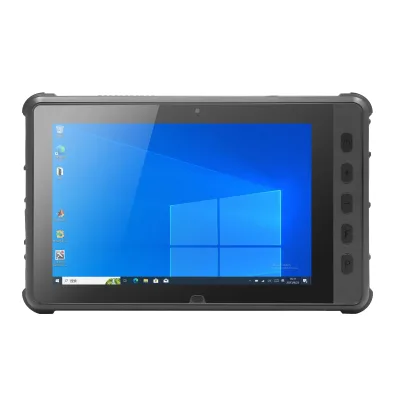
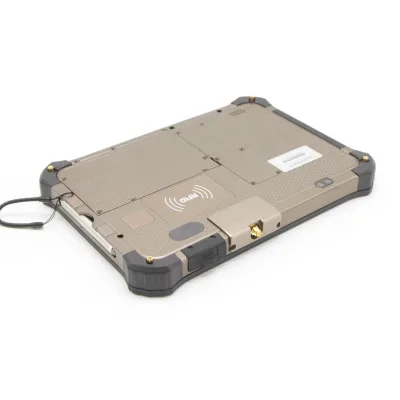
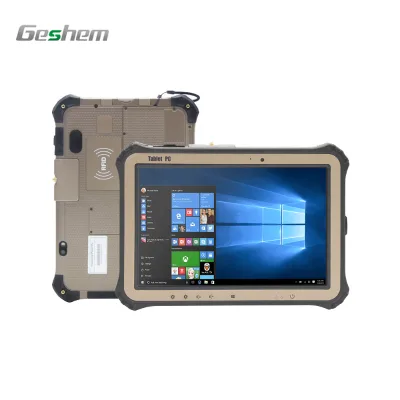
IP65 Waterproof Industrial Tablet PC with Industrial Touchscreen Monitor
$239.00 - $289.00
MOQ: 1 Pieces



Comprehensive Sourcing Guide
Waterproof Industrial Tablet PC Sourcing Guide
Procuring waterproof industrial tablet PCs requires a disciplined approach to verifying hardware resilience and environmental sealing. Buyers must prioritize devices that explicitly state their ingress protection ratings and confirm the integrity of all external ports. The core challenge lies in distinguishing between marketing claims and verified engineering standards, ensuring that the unit can withstand dust, moisture, and physical shock in harsh operational environments.
This guide focuses on evidence-based verification steps for industrial-grade computing hardware. It addresses the critical need to validate specifications such as CPU performance, memory capacity, and screen durability against actual field requirements. By adhering to strict verification protocols, procurement teams can mitigate the risk of deploying underperforming hardware that fails under stress, thereby protecting operational continuity and total cost of ownership.
Product Scope and Observed Listing Signals
The current market for waterproof industrial tablets includes a diverse range of form factors, from wall-mounted panel PCs to portable handheld units. Observed listings indicate a price range of $112.84 to $5,000 USD, reflecting significant variation in component quality and feature sets. The minimum order quantity is consistently observed at one unit, suggesting flexibility for both pilot testing and bulk deployment scenarios. Buyers should note that these figures represent observed market signals rather than fixed pricing structures.
Product statuses are frequently listed as "Stock," which implies immediate availability for rapid deployment. However, customization options are also widely available, allowing for tailored solutions specific to industry needs. The observed product count of thirty items suggests a competitive landscape with multiple suppliers offering similar core functionalities. Procurement teams must carefully cross-reference these signals with technical datasheets to ensure that the listed stock levels and customization capabilities align with their specific project timelines and technical requirements.
Technical Specifications to Verify
Verifying the central processing unit and memory configuration is essential for ensuring adequate computational power. Observed specifications include Intel J6412 processors paired with 8GB DDR3 memory, alongside other configurations featuring 4GB memory capacities. Storage options vary, with some units offering 128GB SSDs and others providing 64GB hard disk capacities. Buyers must confirm that the CPU type and core count, such as single-core or multi-core variants, meet the processing demands of their intended software applications and multitasking requirements.
Screen technology and connectivity ports are equally critical for operational reliability. Capacitive touch screens are commonly observed, with sizes ranging from 5 to 15 inches and specific models supporting dimensions like 10.4 to 19 inches. Waterproofing is often achieved through sealed ports, including dual USB and single LAN connections. Buyers should verify the aspect ratio, which may be customized, and ensure that the operating system, whether Windows 10/11 or Linux, is compatible with their existing infrastructure and security protocols.
Compliance and Safety Documentation
Ensuring that industrial tablets meet relevant safety and electromagnetic compatibility standards is a non-negotiable aspect of procurement. Buyers must request documentation confirming adherence to international standards for electrical safety and radio frequency emissions. While specific certification statuses are not universally listed, suppliers should be able to provide test reports or certificates from accredited laboratories. This documentation is crucial for validating that the device operates safely within industrial environments without causing interference with other critical equipment.
Environmental durability claims, such as anti-dust, waterproof, shockproof, and drop resistance features, require supporting evidence. Buyers should ask for detailed ingress protection ratings, such as IP65 or IP67, which quantify the level of protection against solid particles and water ingress. Additionally, verification of the protection level for rear camera pixels and other exposed components is necessary. Without concrete test data or certified compliance reports, these durability claims remain unverified assertions that pose a significant risk to long-term operational reliability.
Cost Drivers and Commercial Terms
Several technical factors directly influence the final cost of waterproof industrial tablets. The choice of CPU, memory capacity, and storage type are primary drivers, with higher-performance components commanding premium prices. Customization options, such as tailored aspect ratios or specific mounting configurations, also add to the base cost. Buyers should analyze the price-to-performance ratio carefully, considering that lower-priced units may lack the robustness required for harsh industrial applications, potentially leading to higher replacement costs.
Commercial terms, including minimum order quantities and lead times, vary among suppliers. Although observed MOQs are often set at one unit, bulk purchases may offer different pricing tiers. Buyers must clarify whether the listed prices include accessories like industrial power supplies or wall-mounting kits. It is also essential to confirm the warranty period and the supplier’s policy for defective units. Understanding these commercial nuances helps in budgeting accurately and avoiding unexpected expenses during the procurement process.
Supplier Qualification and Quality Control
Evaluating supplier qualifications is vital for ensuring consistent product quality and reliable after-sales support. Buyers should verify the supplier’s manufacturing capabilities, including their quality control processes and testing procedures for waterproofing and durability. Suppliers originating from China, as observed in many listings, may have varying levels of quality assurance. It is advisable to request samples for rigorous testing before committing to large orders, ensuring that the physical product matches the advertised specifications.
Quality control checks should extend to the packaging and shipping methods to prevent damage during transit. Observed packing methods include carton packaging, which must be sufficient to protect sensitive electronic components. Buyers should also assess the supplier’s responsiveness and technical support capabilities. A qualified supplier will provide detailed technical documentation, prompt assistance with integration issues, and clear guidelines for maintenance. Establishing a strong relationship with a reliable supplier reduces the risk of supply chain disruptions and ensures long-term partnership stability.
Long-Term Procurement Checks
Long-term success in sourcing industrial tablets depends on continuous monitoring of product performance and supplier reliability. Buyers should establish key performance indicators to track device uptime, failure rates, and user satisfaction in real-world conditions. Regular feedback from end-users can highlight issues that were not apparent during initial testing, such as screen responsiveness in wet conditions or battery degradation over time. This data-driven approach allows for informed decisions regarding future procurement cycles and potential product upgrades.
Additionally, buyers must stay informed about technological advancements and evolving industry standards. The rapid pace of innovation in industrial computing means that older models may quickly become obsolete. Regularly reviewing the supplier’s product roadmap and new releases can help maintain a competitive edge. It is also important to verify that the supplier continues to provide software updates and security patches for the operating systems installed on the devices. Proactive management of these factors ensures that the procurement strategy remains aligned with long-term business objectives and technological trends.
FAQs
What operating systems does the industrial touch panel PC support?
The device supports Windows 10, Windows 11, and Linux operating systems. This flexibility allows integration with various industrial software environments. Users can select the specific OS based on their application requirements for public information inquiry systems or other industrial tasks.
Which screen sizes are available for this industrial tablet PC?
Available screen sizes range from 5 to 15 inches, including standard options like 10.4, 12.1, 15, 17, and 19 inches. The specific model SK-GK22A supports a 1280x800 resolution. Buyers can choose the size that best fits their installation space and viewing needs.
Can the industrial tablet PC be customized for specific needs?
Yes, customization is available for this industrial touch panel PC. Buyers can request specific configurations to match their unique operational requirements. This service ensures the device meets precise functional demands while maintaining its core durability and performance standards for industrial applications.
How is the industrial tablet PC installed in a facility?
The unit supports wall-mounted and desktop installation methods. It is designed for versatile deployment in various industrial settings. The robust build ensures stability during wall mounting, making it suitable for public information inquiry systems or fixed workstation environments requiring reliable access.
What is the memory capacity of the industrial touch panel PC?
The device features 8GB of DDR3 memory capacity. Some configurations may also include 4GB of memory depending on the specific model selected. This memory configuration supports efficient multitasking and smooth operation of industrial applications requiring responsive performance and data handling capabilities.
Does the industrial tablet PC include a built-in fingerprint sensor?
No, the device does not include a built-in fingerprint sensor. It relies on standard authentication methods for security. This design choice simplifies the hardware while maintaining essential functionality for industrial environments where other security protocols may be preferred or integrated separately.
What is the storage capacity of the industrial touch panel PC?
The device comes with 128GB SSD storage capacity. This solid-state drive ensures fast data access and reliable performance for industrial applications. The storage is sufficient for running operating systems and essential software without the need for external drives in most standard configurations.