Mobile and PC Connect Label Printer Suppliers and Manufacturers
Source Mobile and PC Connect Label Printer options from 30 verified suppliers in China. Compare response times, lead times, certifications, and pricing to find the right partner. Contact suppliers directly to request quotes and verify production capabilities; review the available evidence before requesting comparable quotations from suitable candidates.
Updated
Suppliers List

Guangzhou Bowen Packing Material Co., Ltd
- Verified by TUVRHEINLAND
- Combined
- China Guangdong
- Lead time15 days
- Avg. response≤ 18h
Main productsThermal Transfer Ribbon, Barcode Printer, Self Adhesive Sticker, Hot Coding Foil, Hot Ink Roll, Barcode Foil, Self Adhesive Label
Main marketsDomestic

Xiamen Cashino Technology Co., Ltd.
- Verified by BV
- Combined
- China Fujian
- Lead time30 days
- Avg. response≤ 10h
Main productsThermal Printing Mechanism, Receipt Printer, Panel Printer, Mobile Printer, Kiosk Thermal Printer, Bluetooth Printer, POS Printer, Thermal Printer, Mobile Thermal Printer, Bluetooth Thermal Printer
Main marketsSouth America,Africa,Southeast Asia/ Mideast,East Asia(Japan/ South Korea),Domestic,Europe,Australia,North America
Hunan Pon Information Technology Co., Ltd.
- Trading Company
- Hunan, China
- Lead time7 days
- Avg. response≤ 2h
Main productsFiber optic equipments,OTDR,Fusion Splicer,OLT,Desk Socket
Main marketsSouth America(20.00%), North America(20.00%), Southern Europe(10.00%), Western Europe(10.00%), Southeast Asia(10.00%), Eastern Europe(10.00%), South Asia(5.00%), Mid East(5.00%), Northern Europe(5.00%), Africa(5.00%)
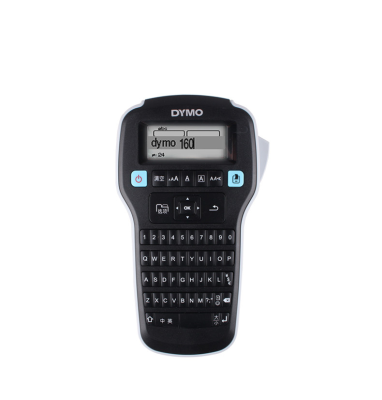
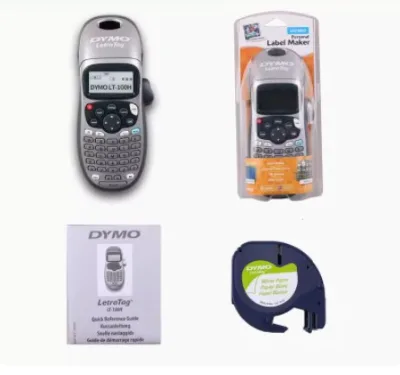
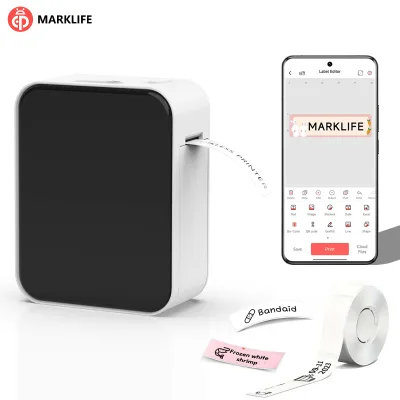
Good price tag label printer portable handheld thermal cable label sticker printer
$25.8989 - $36.2591
MOQ: 1 Minimum

Shenzhen Eastroyce Technology Co., Ltd.
- Manufacturer, Trading Company, Distributor/Wholesaler, Association
- Guangdong, China
- Lead time7 days
- Avg. response≤ 3h
Main productsThermal Printer,Label Printer,Mini Printer,Pos Terminal,Barcode Scanner
Main marketsSoutheast Asia(20.00%), Africa(15.00%), Western Europe(10.00%), South Asia(10.00%), Eastern Asia(10.00%), Eastern Europe(10.00%), Northern Europe(5.00%), Central America(5.00%), Mid East(5.00%), North America(5.00%), South America(3.00%), Domestic Market(1.00%), Southern Europe(1.00%)
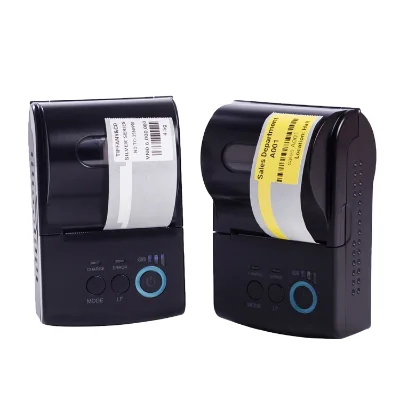
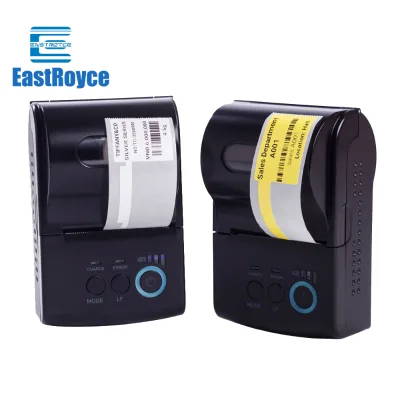
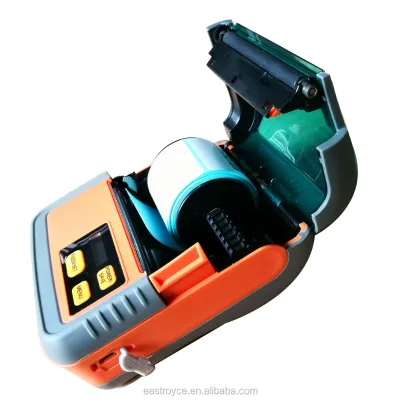
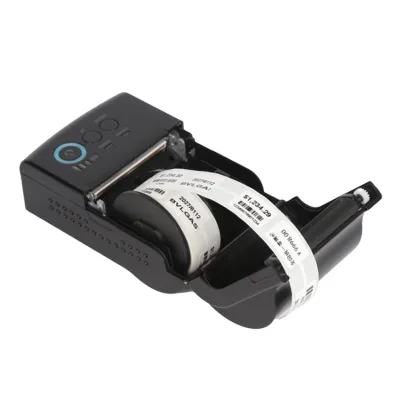
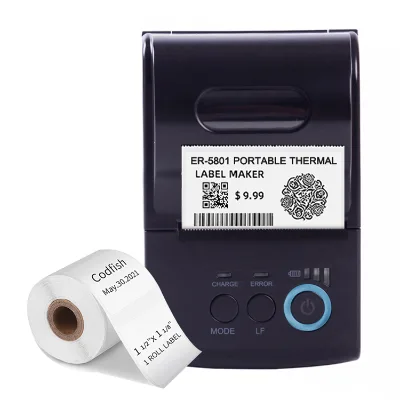
$70.9363 - $99.1032
MOQ: 1 sets
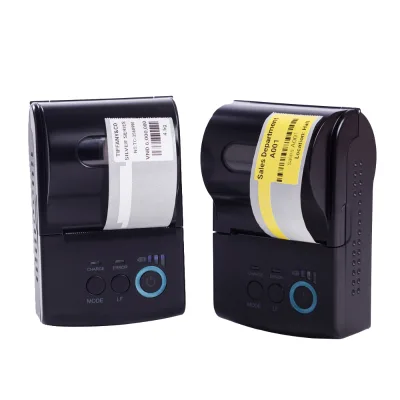
Portable Mobile Pocket-type Waterproof Label Printer for Outdoor Cable Marking
$67.1059 - $98.0786
MOQ: 2 pieces

Jinjiang Jiayi Supply Chain Management Co., Ltd.
- Verified by BV
- Trading Company
- China Fujian
- Lead time30 days
- Avg. response≤ 2h
Main productsGift, Shoe, Garment, Machine
Main marketsDomestic
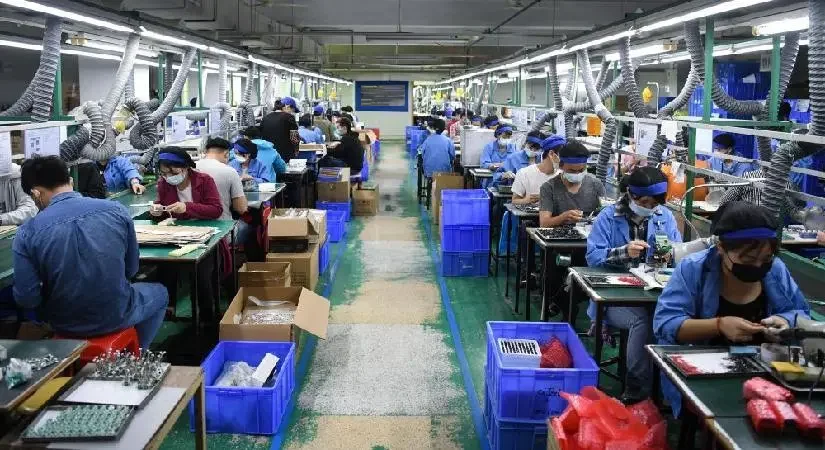
Guangzhou Bide Iot Technology Co., Ltd.
- Manufacturer, Trading Company, Distributor/Wholesaler
- Guangdong, China
- Lead time7 days
- Avg. response≤ 2h
Main productsThermal printer,Barcode Scanner,POS cash register,PDA,Thermal Paper
Main marketsNorth America(40.00%), Mid East(20.00%), Eastern Europe(20.00%), South America(20.00%)
Guangzhou EDS Technology Co., Ltd.
- Manufacturer
- Guangdong, China
- Lead time5 days
- Avg. response≤ 6h
Main productsThermal Receipt Printer,Thermal Label Printer,Mobile Printer,Pos Terminal,Barcode Scanner
Main marketsSoutheast Asia(25.00%), South America(17.00%), Mid East(17.00%), Eastern Europe(15.00%), Western Europe(15.00%), Oceania(8.00%), Africa(3.00%)

Zhengzhou Dana Photoelectric Technology Co., Ltd.
- Verified by TUVRHEINLAND
- Combined
- China Henan
- Lead time15 days
- Avg. response≤ 1h
Main productsLaser Engraving Machine, Tij Printer, Laser Marking
Main marketsSoutheast Asia/ Mideast,Domestic
Guangzhou Heimi Information Technology Co., Ltd.
- Verified by SGS Group
- Manufacturer, Trading Company
- Lead time5 days
- Avg. response≤ 3h
Main productsPos Terminal, Label Printer, Barcode Scanner, Data Collector, Label Sticker
Main marketsDomestic Market(60%), South America(10%), Southeast Asia(10%)

- Verified by SGS
- Manufacturer
- China Fujian
- Lead time30 days
- Avg. response≤ 9h
Main productsThermal Printer Mechanism, Thermal POS Printer, Portable Printer, Photo Printer, Label Printer, Barcode Printer, Barcode Scanner, Tt0 Printer, Digital Textile Printing Printer Machine, Label Printer Ai Weighing Scale
Main marketsSouth America,Others(foreignTradeCapacity.exportBusinessCapacityMarketOther),Southeast Asia/ Mideast,East Asia(Japan/ South Korea),Domestic,Europe,North America


80mm Mobile Printer POS Thermal Printer Label Printer Support USB/LAN/WiFi
$80.00 - $95.00
MOQ: 1 Pieces


Guangzhou AiK Machinery Technology Co., Ltd.
- Verified by SGS
- Trading Company
- China Guangdong
- Lead time30 days
- Avg. response≤ 3h
Main productsVacuum Homogenizer Mixer, Mixing Tank, Cosmetics Mixing Machine, RO Water Treament, Filling Machine, Capping Machine, Lableing Machine, Ink Printer, Shampoo Mixer, Detergent Soap Products Homogenizer Mixer
Main marketsDomestic,Europe

Xiamen Orange Sun Electronic Technology Co., Ltd.
- Verified by SGS
- Combined
- China Fujian
- Lead time15 days
- Avg. response≤ 3h
Main marketsDomestic
Hangzhou Kaima Signage Co., Ltd.
- Verified by TüVRheinland
- Manufacturer, Trading Company
- Lead time7 days
- Avg. response≤ 3h
Main productsWire Number Printer, Cable Marker Ribbon, Automatic Wire Machine, Wire Mark Machine Ribbon, Crimping Machine
Main marketsDomestic Market(30%), Southeast Asia(20%), North America(15%)
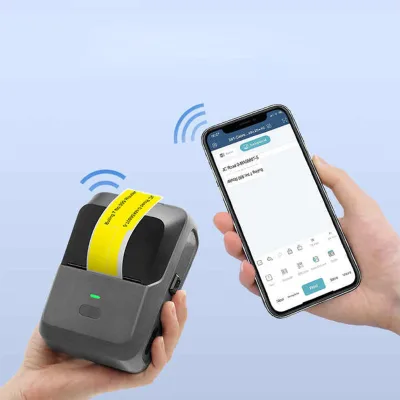
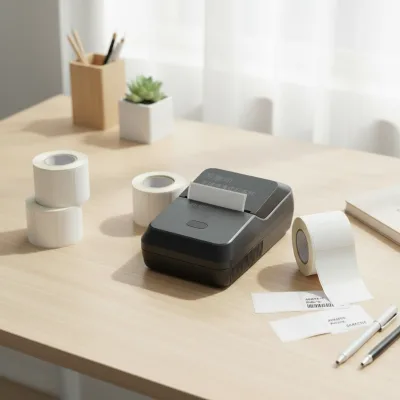
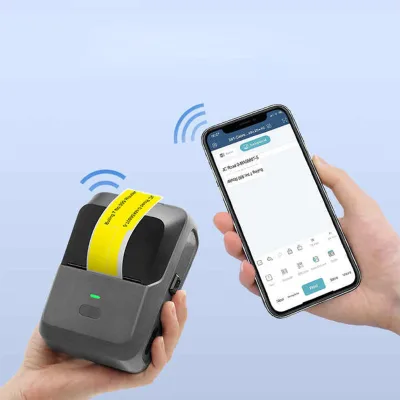
Mini Mobile Handheld 55mm Thermal Label Printer 203 Dpi USB Portable Thermal Printer
$15.30 - $18.10
MOQ: 1
Hunan Dingyizhiyuan Science And Technology Co., Ltd.
- Manufacturer
- Hunan, China
- Lead time5 days
- Avg. response≤ 3h
Main productsThermal Transfer Ribbon,Thermal Transfer Printer
Main marketsDomestic Market(100.00%)

Shenzhen Tianrui Cloud Technology Co., Ltd.
- Verified by SGS
- Trading Company
- China Guangdong
- Lead time23 days
- Avg. response≤ 3h
Main productsTurnstile, Parking System(Lpr & Barrier Gate), Passport Reader, Industrial Motherboard, Qr Code Reader, Iris Recognition, RFID Device, ID Card Reader, PDA & Rugged Tablet
Main marketsDomestic

5.5inch Handheld Label Printer with Adhesive Label Printing and Scanning Function
$150.00 - $180.00
MOQ: 2 Pieces

Portable Handheld Label Printer for Efficient Label Printing Solutions
$150.00 - $180.00
MOQ: 2 Pieces

Xiamen Jingpu Electronic Technology Co., Ltd.
- Verified by TüVRheinland
- Manufacturer, Trading Company
- Lead time15 days
- Avg. response≤ 3h
Main productsThermal Printer
Main marketsDomestic Market(50%), Southeast Asia(30%), North America(15%)
$5.6055 - $7.6443
MOQ: 2 units
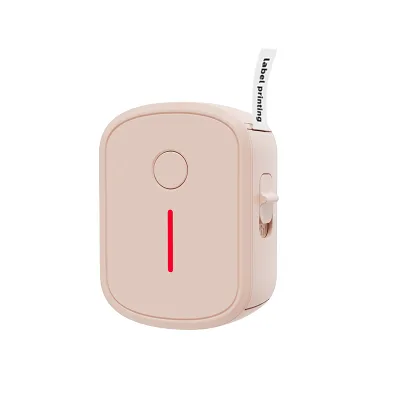
$5.6055 - $7.6443
MOQ: 2 units
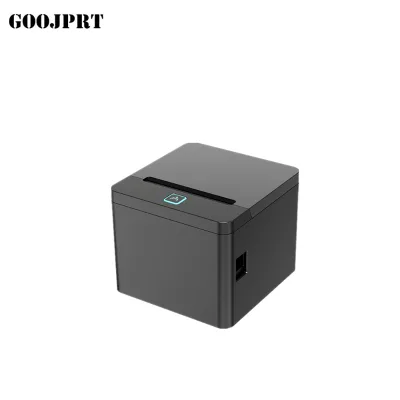
$24.0264 - $25.875
MOQ: 1 units
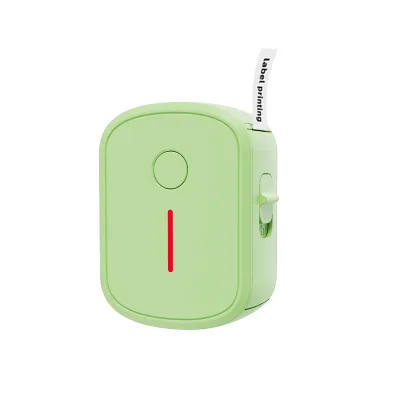
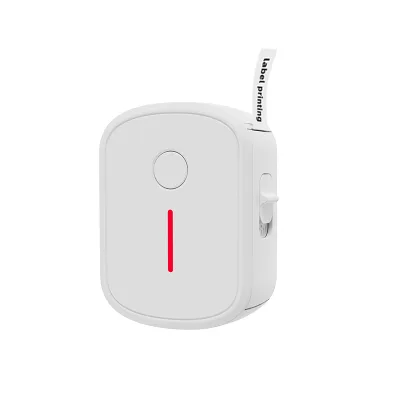
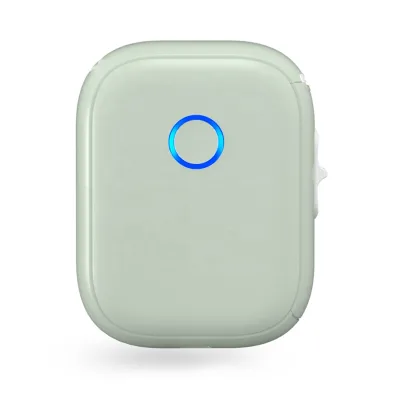
0.5-inch Wireless Printing Bluetooth L1 Portable Label Printer for Offices, Homes, and Supermarkets
$5.6055 - $7.6443
MOQ: 2 units
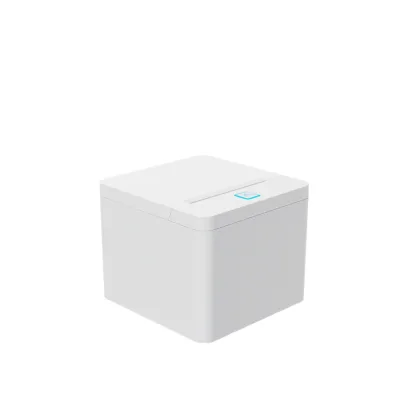
Xiamen Lujiang Technology Co., Ltd.
- Verified by SGS Group
- Manufacturer, Trading Company
- Lead time30 days
- Avg. response≤ 2h
Main productsMini Pocket Printer, Label Printer, Tattoo Printer, A4 Printer, AI Printer
Main marketsWestern Europe(70%), Domestic Market(20%), North America(10%)
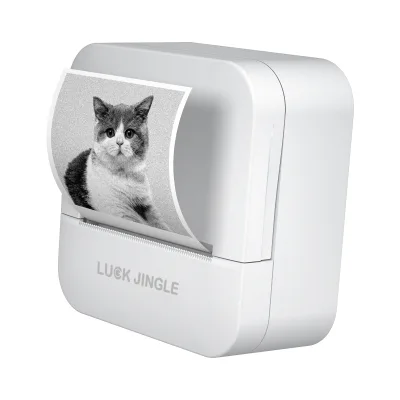
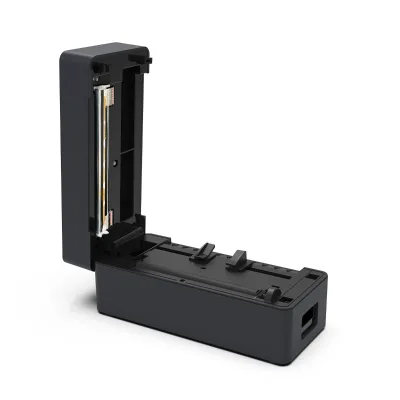
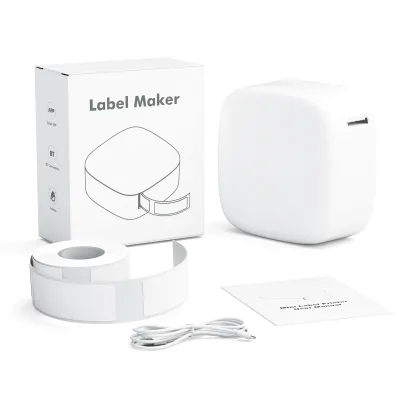
$32.0782 - $34.7521
MOQ: 10 pieces

Shenzhen Edoo-Iot Technology Co., Ltd.
- Verified by SGS
- Combined
- China Guangdong
- Lead time15 days
- Avg. response≤ 1h
Main productsPDA, Barcode Scanner, Printer, Cash Register, Handheld Barcode Scanners, Wireless Barcode Scanners, Barcode Scan Engine, Desktop Scanner, POS System, POS
Main marketsSouth America,Africa,Southeast Asia/ Mideast,East Asia(Japan/ South Korea),Domestic,Europe,Australia,North America

Beijing Spirit Technology Development Co., Ltd.
- Verified by SGS
- Combined
- China Beijing
- Lead time15 days
- Avg. response≤ 6h
Main marketsSouth America,Africa,Others(foreignTradeCapacity.exportBusinessCapacityMarketOther),Europe,North America

Portable 80mm Sticker Label Printer Thermal Blue tooth Shipping Label Mobile Printer
$35.00 - $44.00
MOQ: 20 Pieces

Multi Language Support Mobile Mini Thermal Label Printer 80mm Portable Barcode Sticker Printer
$37.00 - $46.00
MOQ: 20 Pieces

- Manufacturer/Factory
- China Beijing
- Lead time15 days
- Avg. response≤ 3h
Main productsWireless Calling System, Nurse Calling System, Mini Fan, Networking Products, Intercom System
Main marketsSouth America,Eastern Europe,Mid East,North America,Southeast Asia,Eastern Asia,Oceania,Western Europe,Africa
Hspos Technology Co., Ltd. (zhongshan)
- Verified by SGS Group
- Manufacturer, Trading Company
- Lead time20 days
- Avg. response≤ 3h
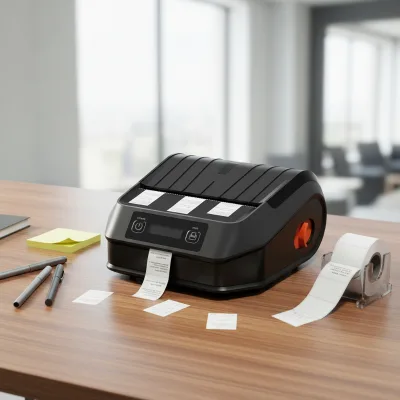
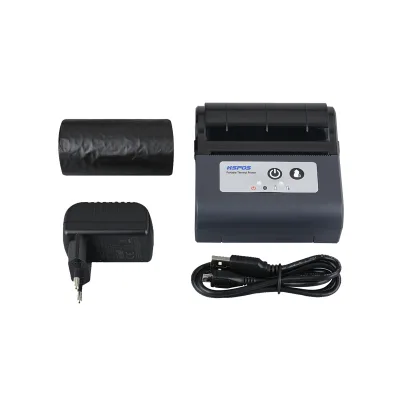
Main productsThermal Printer, Portable Printer, POS Printer, Kiosk Printer, Label Printer
Main marketsSouth America(20%), Eastern Europe(20%), Mid East(10%)
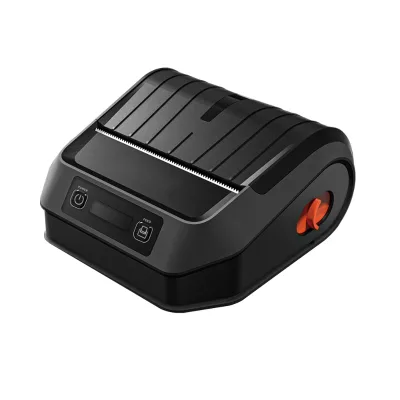
80mm Mobile Thermal Label Printer Applied Shop Price Tagging
$33.80 - $39.80

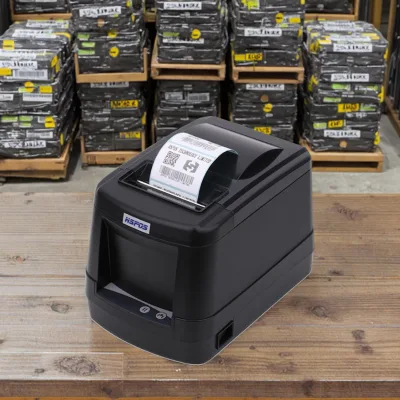
$52.00 - $56.00
MOQ: 1 pieces

Dongguan Aitgm Technology Co., Ltd
- Verified by SGS
- Combined
- China Guangdong
- Lead time15 days
- Avg. response≤ 2h
Main productsAutomatic Labeling Machine, Barcode Printer, Data Collector, Barcode Scanner, Barcode Label, Blank Adhesive Label, RFID Label, High Temperature Label, Removable Label, Anti-Counterfeiting Code Label
Main marketsDomestic


MP231 Hight Quality Portable Thermal Label Barcode Sticker Mobile Bluetooth Printer
$35.00 - $38.00
MOQ: 20 Pieces

Label Printer Can Maintain High Quality and Clarity Even After Long-Term Printing
$150.00 - $170.00
MOQ: 4 Pieces


Beijing Daqin New Universe Electronic Co., Ltd.
- Trading Company
- China Beijing
- Lead time15 days
- Avg. response≤ 16h
Main productsMobile Phone Skin Design Software, Mobile Phone Screen Protector Cutter, Custom Mobile Sticker Design System, Screen Protective Film Cutter, DIY Sticker System, Wrapping Mobile Sticker, Mobile Phone Beauty, Sticker, Laptop, Cell Phone Protector
Main marketsSouth America,Africa,Southeast Asia/ Mideast,East Asia(Japan/ South Korea),Domestic,Europe,Australia,North America
Shenzhen Yinxiaoqian Technology Co., Ltd.
- Manufacturer, Trading Company
- Guangdong, China
- Lead time10 days
- Avg. response≤ 2h
Main productsHalf-Inch Printer, Two-Inch Printer, A4 Printer, Face Machine, Label Paper
Main marketsDomestic Market(40.00%), North America(20.00%), Eastern Europe(10.00%), Eastern Asia(10.00%), Northern Europe(5.00%), Mid East(5.00%), Southeast Asia(5.00%), Africa(3.00%), Oceania(2.00%)

- Verified by BV
- Trading Company,Manufacturer/Factory,Other
- China Guangdong
- Lead time15 days
- Avg. response≤ 4h
Main productsPOS System, POS Terminal, Thermal Printer, Label Printer, Barcode Scanner, Cash Drawer, PDA, Customer Display, Money Counter, Coin Sorter
Main marketsSouth America,Eastern Europe,Mid East,North America,Southeast Asia,Eastern Asia,Oceania,Western Europe,Africa

Cheap Price Desktop Receipt Thermal Barcode Sticker Mobile Label Printer
$28.90 - $29.90
MOQ: 2 Pieces

New Listing 80mm Handheld Thermal Printing Mobile Thermal Label Printer with CE FCC
$2.00 - $29.90
MOQ: 2 Pieces


Guangzhou Fuluke Cosmetics Equipment Co., Ltd.
- Verified by CTI
- Combined
- China Guangdong
- Lead time15 days
- Avg. response≤ 9h
Main productsVacuum Cosmetics Emulsifier Mixer, Mixing Machine, Water Treatment System, Cosmetics Cream Making Machine, Shampoo Detergent Mixing Machine, Label Machine, Filling and Sealing Machine, Capping Machine, Cream Loction Making Machine, Inkjet Print
Main marketsAfrica,Southeast Asia/ Mideast,Domestic,Europe,Australia,North America
Shenzhen Chiky Technology Co., Ltd.
- Manufacturer, Trading Company
- Guangdong, China
- Lead time7 days
- Avg. response≤ 3h
Main productsInkjet Printer, Ink Cartridge, Split Laser Marking Machine, Sealing Machine
Main marketsDomestic Market(50.00%), Mid East(20.00%), Africa(10.00%), Southeast Asia(10.00%), South Asia(5.00%), South America(5.00%)

Shanghai Guanzhong Information Technology Co., Ltd.
- Verified by CTI
- Combined
- China Shanghai
- Lead time30 days
- Avg. response≤ 3h
Main productsInkjet Printer, Inkjet System, Inkjet Machine, UV Inkject System, RFID Inkjet System, Variable Data Inkjet Printer, High Speed Digital Inkjet System, RFID Read-Wirte Inkjet System, High Precision Water-Based Inkjet System, Side Jet Inkjet System
Main marketsDomestic


Precise Positioning High Speed Digital Label Printer for Traceability Labels
$13000.00 - $28000.00
MOQ: 1 Pieces
Guangzhou D-Code Electronic Technology Co., Ltd.
- Verified by Intertek
- Trading Company
- Lead time2 days
- Avg. response≤ 4h
Main productsThermal Printer, Barcode Printer, Dot Matrix Printer
Main marketsDomestic Market(20%), North America(15%), South America(15%)
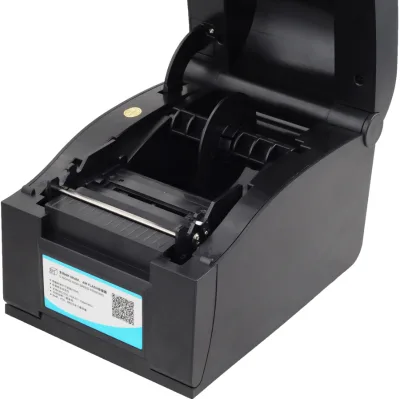
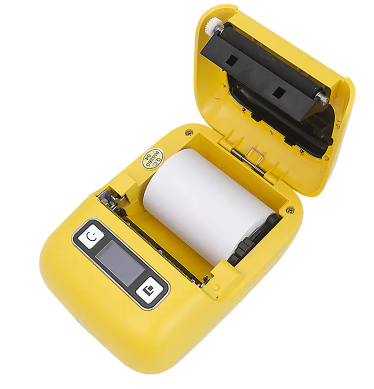
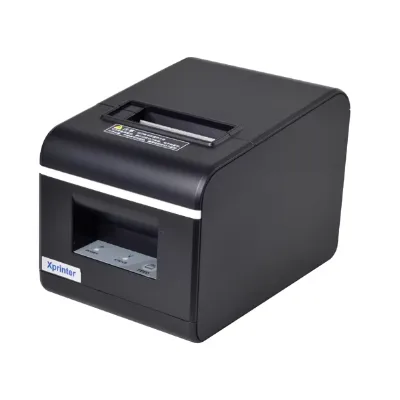
$26.5685 - $30.6551
MOQ: 2 pieces

Shenzhen HCC Technology Co., Ltd.
- Verified by BV
- Manufacturer/Factory
- China Guangdong
- Lead time15 days
- Avg. response≤ 5h
Main productsPOS Terminal, Unattended Payment Terminal, Thermal Printer, EMV Card Reader, IC Card Reader, Bus Ticket Validator, Passport Scanner, Smart Card Reader, Barcode Scanner, PDA
Main marketsSouth America,Eastern Europe,Mid East,Southeast Asia,Eastern Asia,Oceania,Western Europe,Africa


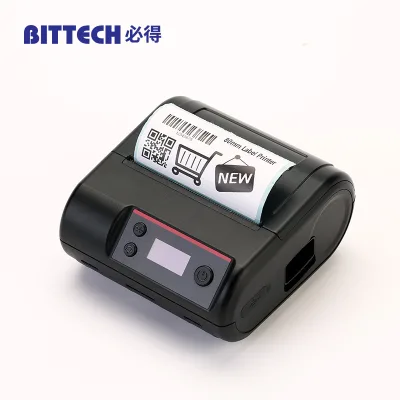
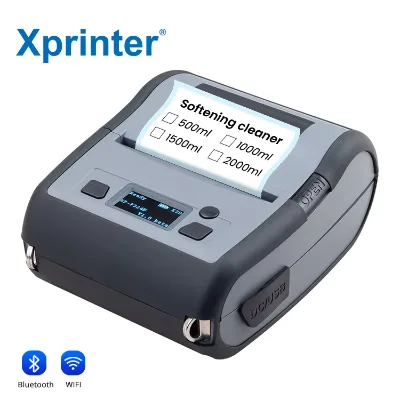
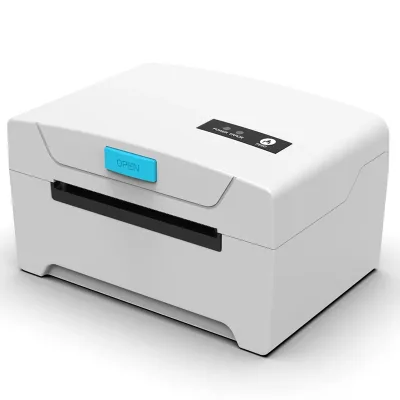
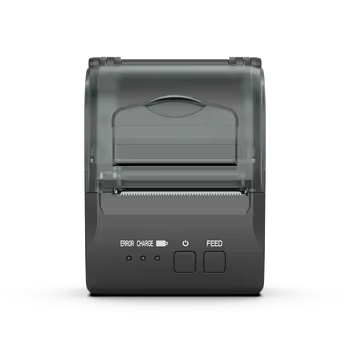
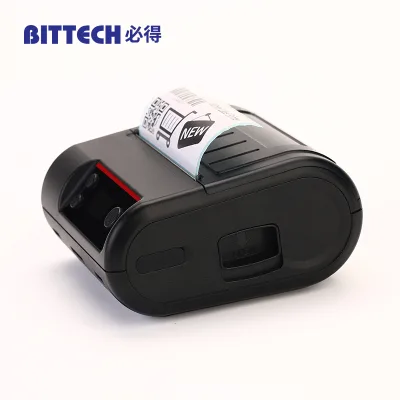
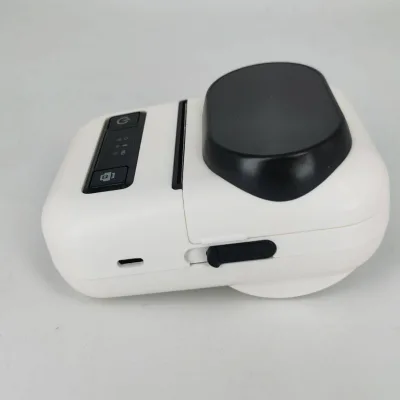
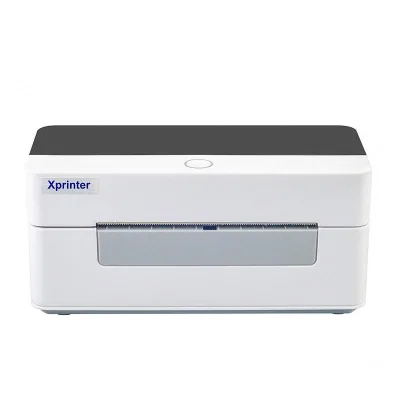


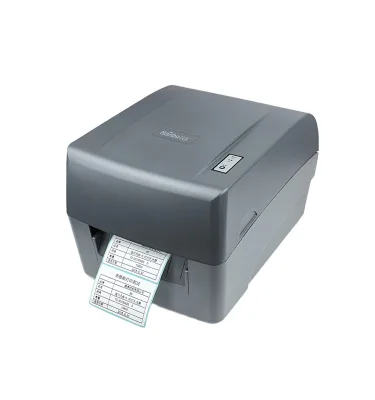
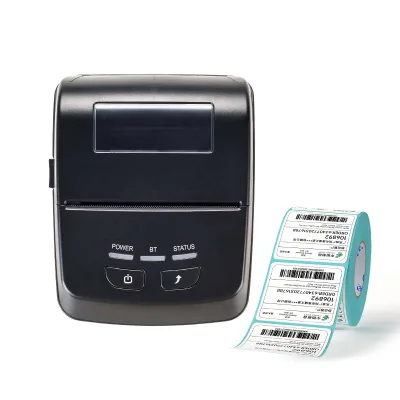








Comprehensive Sourcing Guide
Mobile and PC Connect Label Printer Supplier Concentration and Factory Types
The current supplier landscape for mobile and pc connect label printers reveals a distinct geographic concentration within China, specifically highlighting manufacturing hubs in Guangdong and Fujian provinces. These regions are well-established centers for consumer electronics and computer hardware, providing the necessary ecosystem for producing thermal printers and associated accessories. Suppliers in these areas often operate as combined entities, meaning they function as both manufacturers and trading companies. This dual role can offer buyers flexibility, as they may access a broader range of product variations while still benefiting from direct factory pricing on standard items. The presence of these specific locations in the search results indicates that buyers looking for this category should prioritize sourcing from these established industrial clusters to ensure supply chain stability and access to specialized component suppliers.
In terms of company structure, many of the observed suppliers offer ODM (Original Design Manufacturing) and OEM (Original Equipment Manufacturing) capabilities, alongside their own brand offerings. This suggests that the market is not limited to off-the-shelf products but also supports customized solutions for businesses with specific branding or technical requirements. The main products listed by these suppliers frequently include thermal transfer ribbons, barcode printers, self-adhesive stickers, and various mobile printer models. This indicates that a single supplier might serve as a one-stop shop for both the printing hardware and the consumables required for its operation. Buyers should recognize that while some suppliers focus heavily on the printer mechanism, others provide a comprehensive suite of labeling solutions, including the necessary media and ribbons, which can simplify the procurement process for end-users who need integrated systems.
How to Verify Mobile and PC Connect Label Printer Suppliers
Verification is a critical step when evaluating suppliers for mobile and pc connect label printers, as the technical specifications and build quality can vary significantly between manufacturers. Buyers should prioritize suppliers who have undergone third-party verification processes, such as those conducted by TÜV Rheinland or Bureau Veritas (BV). These certifications provide an additional layer of confidence regarding the supplier’s operational legitimacy and adherence to certain quality standards. For instance, some suppliers in the current results hold ISO9001:2015 system certifications, which indicates a structured approach to quality management in their production processes. Additionally, the presence of product-specific certifications like CE, MSDS, and ISO on the product listings suggests that the items meet specific safety and environmental regulations, which is particularly important for electronic devices sold in international markets.
Beyond certifications, buyers should assess the responsiveness and reliability of the supplier through their communication metrics. Response time is a key indicator of how quickly a supplier can address inquiries, resolve issues, or provide necessary documentation. In the observed data, response times vary, with some suppliers demonstrating rapid engagement while others may take longer to reply. A faster response time often correlates with better customer service and more efficient order processing. Furthermore, buyers should look for clear evidence of the supplier’s capabilities, such as detailed product attributes, resolution specifications, and interface types. Ensuring that the supplier can provide accurate and comprehensive technical data, such as print speed, resolution, and connectivity options, is essential for verifying that they truly understand the product and can support the buyer’s technical requirements effectively.
What to Compare Across Mobile and PC Connect Label Printer Suppliers
When comparing suppliers, it is essential to evaluate a range of operational and commercial metrics to determine the best fit for your specific needs. Key dimensions to compare include lead time, minimum order quantity (MOQ), and price ranges. For example, some suppliers offer a lead time of 15 days, while others may require up to 30 days for production and delivery. Similarly, MOQs can vary significantly, with some suppliers accepting orders as low as one unit, which is ideal for testing or small-scale operations, while others may require a minimum of 100 units, catering to larger bulk purchases. Price is another critical factor, with costs ranging from approximately $28 to $200 depending on the model, features, and customization options. Buyers should align these metrics with their inventory requirements and budget constraints to ensure they are selecting a supplier that offers the best value proposition.
In addition to operational metrics, buyers should compare the technical specifications and customization options available from different suppliers. Features such as connectivity interfaces (USB, Bluetooth, WiFi, Ethernet), print resolution (203dpi or 300dpi), and supported label materials are crucial for ensuring compatibility with existing systems. Some suppliers offer advanced customization, including software development support and specific printer dimensions, which can be vital for embedded applications or specialized industrial uses. It is also important to compare the warranty terms and after-sales support provided by each supplier. A one-year warranty, for instance, is a common offering, but the terms and conditions can vary. By systematically comparing these factors, buyers can make informed decisions that balance cost, quality, and service, ensuring they select a supplier that can meet their long-term business needs.
Common Mobile and PC Connect Label Printer Sourcing Risks
Sourcing mobile and pc connect label printers from international suppliers introduces several potential risks that buyers must proactively manage. One significant risk is the variability in product quality and performance, particularly regarding print speed, resolution, and connectivity stability. While suppliers may list specifications such as 203dpi resolution or 200mm/s print speed, real-world performance can differ based on the quality of components used and the manufacturing process. Buyers should be cautious of suppliers who do not provide detailed technical documentation or who are unwilling to share sample units for testing. Additionally, the risk of receiving products that do not meet the specified interface requirements, such as USB or Bluetooth compatibility, can lead to integration issues with existing POS or logistics systems. Ensuring that the supplier has robust quality control measures in place is essential to mitigate these risks.
Another common risk is the potential for delays in lead times and communication breakdowns. While some suppliers advertise short lead times, external factors such as raw material shortages or production bottlenecks can cause delays. Furthermore, if a supplier has a slower response time, it can hinder the ability to resolve issues quickly, leading to project delays. Buyers should also be aware of the risks associated with customization, as ODM and OEM orders may require longer development cycles and higher MOQs. There is also the risk of intellectual property infringement if working with suppliers who do not adhere to strict confidentiality agreements. To mitigate these risks, buyers should conduct thorough due diligence, request detailed contracts, and establish clear communication channels with their suppliers. Regular monitoring of production progress and quality checks can also help ensure that the final products meet the agreed-upon standards and specifications.
Mobile and PC Connect Label Printer Regional Sourcing and Logistics
The geographic location of suppliers plays a crucial role in determining logistics costs, lead times, and overall supply chain efficiency. In the current market, many suppliers for mobile and pc connect label printers are located in China, specifically in provinces like Guangdong and Fujian. These regions are well-connected to major shipping ports, which can facilitate efficient export logistics. However, buyers should consider the specific logistics implications of sourcing from these areas, including transit times to their destination countries and the availability of reliable freight forwarders. For instance, suppliers in Guangdong may have easier access to international shipping routes compared to those in more inland locations. Understanding the logistical advantages and disadvantages of each supplier’s location can help buyers optimize their supply chain and reduce overall costs.
Additionally, buyers should evaluate the packaging and handling practices of suppliers to ensure that products are protected during transit. The observed data indicates that some suppliers use standard paper cartons for packaging, while others may offer customized packaging solutions. Proper packaging is essential to prevent damage to the printers and their components during shipping. Buyers should also consider the environmental impact of packaging materials and whether the supplier offers sustainable options. Furthermore, the weight and dimensions of the products, as listed in the supplier data, can impact shipping costs. For example, a printer weighing 0.5kg with specific dimensions will have different shipping costs compared to a heavier or larger unit. By carefully considering these logistical factors, buyers can make informed decisions that balance cost, speed, and product safety, ensuring a smooth and efficient supply chain process.
Mobile and PC Connect Label Printer Commercial Terms and Order Planning
Effective order planning and understanding commercial terms are vital for successful procurement of mobile and pc connect label printers. Buyers should carefully review the pricing structures, including any volume discounts or tiered pricing models that suppliers may offer. The observed price ranges, from approximately $28 to $200, suggest that there is significant variation based on features and customization. Buyers should negotiate terms that align with their budget and volume requirements, ensuring that they receive the best possible value. Additionally, it is important to clarify the payment terms, such as whether the supplier requires a deposit or offers escrow services to protect the buyer’s funds. Understanding these financial terms can help buyers manage their cash flow and reduce financial risk.
Beyond pricing and payment, buyers should also consider the warranty and after-sales support provided by the supplier. A one-year warranty is a common offering, but the specifics, such as coverage for parts and labor, can vary. Buyers should ensure that the supplier has a clear and accessible process for handling warranty claims and technical support. Furthermore, buyers should plan for the long-term supply of consumables, such as thermal transfer ribbons and labels, to ensure continuity of operations. Some suppliers offer a range of ribbons, including wax, wax-resin, and resin types, which can be sourced from the same vendor. By establishing a comprehensive order plan that includes both hardware and consumables, buyers can streamline their procurement process and maintain a steady supply of labeling solutions for their business needs.
FAQs
What is the price range for mobile and pc connect label printers?
Prices for these printers typically range from $28 to $200 depending on the model and features. Entry-level units start around $28, while advanced desktop models with wireless connectivity can cost up to $200. Buyers should check specific product listings for exact pricing based on their required specifications and order volume.
What certifications are available for thermal label printers?
Manufacturers offer products with various certifications including CE, ISO, and MSDS. Some suppliers also hold ISO9001:2015 system certification for quality management. Buyers should verify specific product documentation to ensure compliance with regional safety and environmental standards before placing bulk orders for international shipping.
What are the typical lead times for ordering label printers?
Standard lead times generally range from 15 to 30 days for production and shipping. Some suppliers offer faster turnaround times of 15 days, while others may require up to 30 days depending on order quantity and customization needs. Buyers should confirm specific delivery schedules with suppliers before finalizing purchase agreements.
What is the minimum order quantity for these printers?
Minimum order quantities vary significantly, with some suppliers accepting orders as low as one unit. Other manufacturers may require a minimum of 100 units for certain models. Buyers seeking small batches should look for suppliers with low MOQs, while large-scale operations can negotiate better terms with higher volume requirements.
What connectivity options are available for mobile and pc label printers?
Printers support multiple interfaces including USB, Bluetooth, WiFi, and Ethernet. Some models offer wireless network capabilities for seamless mobile integration, while others provide wired connections for stable PC operation. Buyers should select the interface that best matches their existing hardware infrastructure and workflow requirements for optimal performance.
Where are these label printers manufactured?
Manufacturing facilities are primarily located in China, specifically in Guangdong and Fujian provinces. These regions are known for their robust electronics manufacturing ecosystems. Buyers can verify supplier locations to assess logistics costs and shipping times, ensuring efficient supply chain management for their specific geographic requirements.
What printing resolutions are available for thermal label printers?
Common resolutions include 203dpi and 300dpi for clear barcode and text printing. Higher resolution options ensure better quality for detailed labels and small text. Buyers should choose the resolution based on their specific labeling needs, with 203dpi being sufficient for most standard logistics applications.