Source Sliding Wall Rack Mounted Shelf for Retail, Home, and Office
Find 30 Sliding Wall Rack Mounted Shelf options from Guangdong suppliers. Compare specifications like 600x300mm and 1000x600mm sizes, wood and metal materials, and customization features for retail stores, living rooms, and study areas; compare the available evidence and request quotations based on your requirements.
Updated
Key considerations
Products List






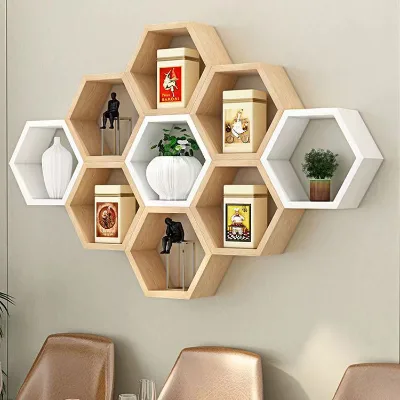


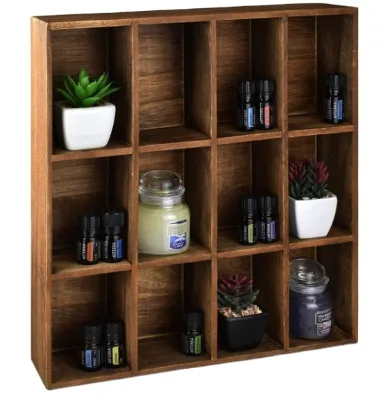
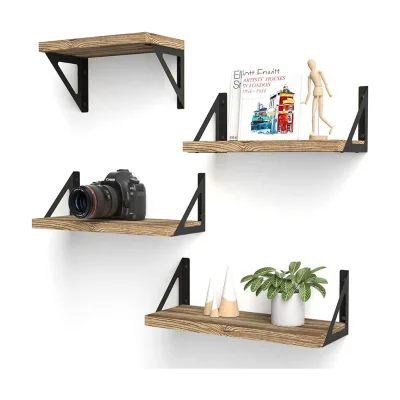

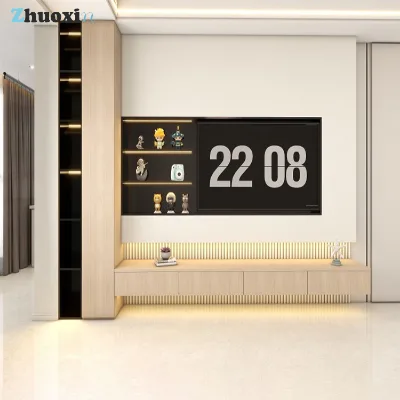


Comprehensive Sourcing Guide
Sliding Wall Rack Mounted Shelf Sourcing Guide
The market for sliding wall rack mounted shelves presents a diverse array of configurations, ranging from single-layer units to multi-functional storage solutions designed for retail and residential environments. Buyers must distinguish between products explicitly labeled as wall-mounted shelves and those categorized as general storage racks, as the mounting mechanisms and load-bearing requirements differ significantly. The observed product listings indicate a strong presence of items originating from Guangdong, China, with specifications varying from compact 600mm widths to expansive 1400mm lengths, necessitating careful alignment with the intended installation space.
Procurement decisions should prioritize the specific application context, whether for exhibition shows, specialty stores, or indoor living rooms, as the design intent dictates the necessary durability and aesthetic finish. While some listings highlight a classical or pastoral style, others emphasize modern functionality with metal or wood construction, requiring the buyer to verify that the selected unit matches the visual and structural demands of the target environment. Understanding these distinctions ensures that the acquired inventory serves its intended purpose without requiring costly modifications or replacements.
Product Scope and Observed Listing Signals
Buyers should scrutinize the listed product types to confirm they match the specific "sliding" or "wall mounted" requirements, as many available items are static shelves or general storage racks rather than dynamic sliding systems. The observed data includes models with dimensions like 1000600400mm and others with standard 600*400mm profiles, indicating that size customization is a common feature but not universal across all suppliers. It is critical to verify whether the "sliding" mechanism is an inherent design feature or a separate accessory, as some listings describe fixed wall shelves that may not offer the mobility implied by the core keyword.
The commercial signals regarding packaging and delivery times provide early indicators of supplier capability and logistical readiness. Most observed listings specify carton or EPE packaging, which suggests standard protection for transit, yet the sample times vary from 7 to 15 working days, reflecting differences in production complexity. Buyers must assess whether the supplier can meet the required lead time of 20-25 working days for bulk orders while maintaining the specified customization options, such as custom logos or specific color finishes like silvery or black.
Technical Specifications to Verify
Dimensional accuracy is paramount when sourcing wall-mounted units, as the observed specifications range from 600mm to 1400mm in length with consistent depths of 300mm or 400mm. Buyers must verify that the selected model, such as the WSS or WP-001 series, aligns with the physical constraints of the installation site, particularly regarding the mounting surface and available wall space. The presence of multiple layer options, including single-layer designs, requires confirmation that the chosen configuration supports the intended load without compromising the structural integrity of the wall or the shelf itself.
Material composition and connection methods are equally critical for ensuring long-term stability and safety. The market data indicates a mix of wood and metal constructions, with some units utilizing welding as the primary connection method while others rely on different assembly techniques. Procurement teams should request detailed material certificates to confirm the grade of metal or wood used, ensuring it meets the necessary strength requirements for the specified application, whether it is a heavy-duty supermarket display or a lightweight living room storage solution.
Compliance and Safety Documentation
Safety compliance for wall-mounted storage systems often hinges on the structural integrity of the mounting hardware and the stability of the unit under load. While specific certification standards are not universally listed in the provided data, buyers must request evidence of load-bearing testing and wall-anchor specifications to prevent accidents during use. The distinction between antitheft and non-antitheft designs is also relevant, as certain retail environments may require additional security features that are not standard on all models.
Documentation regarding the manufacturing process and material safety is essential for B2B procurement, especially when products are destined for public spaces like exhibition shows or supermarkets. Buyers should verify that the supplier adheres to relevant safety standards for indoor furniture and storage racks, ensuring that finishes and materials do not pose health risks. Although some listings mention customized standards, the absence of explicit certification data in the general overview necessitates a proactive request for compliance reports before finalizing any purchase agreement.
Cost Drivers and Commercial Terms
The cost of sliding wall rack mounted shelves is influenced by several factors, including material selection, customization levels, and the complexity of the manufacturing process. Listings show a wide price range, suggesting that basic models may be available at lower costs while units with custom logos, specific colors, or unique dimensions command higher prices. Buyers must analyze the total cost of ownership, considering that customization options like OEM and ODM services often incur additional fees that impact the final unit price.
Minimum Order Quantities (MOQ) and payment terms are significant commercial variables that affect procurement strategy and cash flow management. The observed MOQ ranges from 1 to 1000 units, with specific listings indicating thresholds of 10 or 100 pieces, which can be a barrier for small-scale buyers or a requirement for larger distributors. Understanding these thresholds is crucial for negotiating favorable terms, as suppliers may offer more flexible pricing or reduced lead times for orders that meet or exceed their standard volume requirements.
Supplier Qualification and Quality Control
Evaluating supplier qualification requires a deep dive into their production capabilities, particularly their ability to handle custom drawings and specialized processing methods. The data indicates that many suppliers accept OEM and ODM requests, suggesting a flexible manufacturing environment, but buyers must verify the supplier's track record in delivering consistent quality for customized orders. Requesting references or case studies from previous clients can provide insight into the supplier's reliability and their ability to meet specific design and functional requirements.
Quality control protocols should be established early in the sourcing process to ensure that the final products meet the agreed-upon specifications and performance standards. Buyers should inquire about the supplier's internal inspection procedures, including checks for dimensional accuracy, surface finish quality, and structural stability. Given the variation in packaging methods, such as carton boxes or EPE, it is also important to confirm that the packaging strategy adequately protects the product during transit to prevent damage before it reaches the end user.
Long-Term Procurement Checks
Sustaining a successful procurement relationship involves regular performance reviews and ongoing quality assurance checks to ensure consistency over time. Buyers should establish a schedule for periodic audits or sample testing to verify that the supplier continues to meet the initial quality standards and delivery timelines. This proactive approach helps identify potential issues early, allowing for corrective actions before they impact the supply chain or customer satisfaction.
Future-proofing the procurement strategy requires monitoring market trends and technological advancements in wall-mounted storage solutions. As the industry evolves, suppliers may introduce new materials, finishes, or mechanisms that could offer improved performance or cost efficiency. Buyers should maintain open communication with their suppliers to stay informed about these developments and assess whether adopting new technologies or designs could provide a competitive advantage in their respective markets.
FAQs
What specifications are available for wall mounted shelves?
Available specifications include dimensions such as 600*300*230mm, 800*300*230mm, 900*300*230mm, 1000*300*230mm, 1200*300*230mm, and 1400*300*230mm. Other options include 1000*600*400 and 1000*600*250. Customized standards like 20*20*126cm are also supported for tailored storage needs.
Can I customize the logo and style of the shelf?
Yes, customization is available for logos and styles. Buyers can request custom logos and choose from styles such as Classical, Modern, or Pastoral. The product supports OEM and ODM services, allowing for tailored designs to meet specific branding or aesthetic requirements for indoor use.
What is the minimum order quantity for these shelves?
The minimum order quantity varies by product model. Some items have an MOQ of 10 units, while others require 100 pieces. Buyers should check specific product listings for exact MOQ requirements, as values range from 1 to 1000 depending on the selected model and customization level.
How long does delivery take for wall shelves?
Delivery time typically ranges from 20 to 25 working days after order confirmation. Sample preparation takes 7 to 15 working days depending on the specific product model. These lead times apply to standard production runs and may vary based on order volume and customization complexity.
What materials are used for these wall mounted shelves?
Shelves are constructed from materials including wood and metal. Metal options may feature welding connections and come in colors like black or silvery. Wood variants offer a classical or modern aesthetic. The choice of material impacts the shelf's weight, durability, and suitability for indoor living room or office applications.
Where are these wall shelves manufactured?
These wall shelves are manufactured in Guangdong, China. The production origin is consistently listed as Guangdong for various models. This location supports the supply chain for both standard and customized storage solutions, ensuring efficient logistics for international buyers seeking reliable manufacturing sources in this region.