Source Portable Mini Pocket Label Printer for Business School Office
Compare 30 portable mini pocket label printers from verified suppliers. These devices support thermal printing for daily industrial use, promotions, and office tasks with resolutions up to 600dpi and ink solutions for various surfaces; compare the available evidence and request quotations based on your requirements.
Updated
Key considerations
Products List


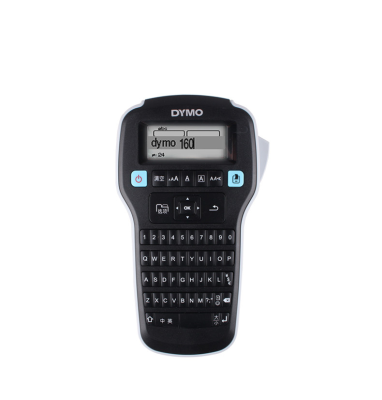
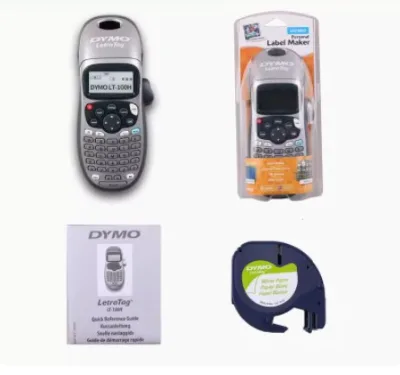
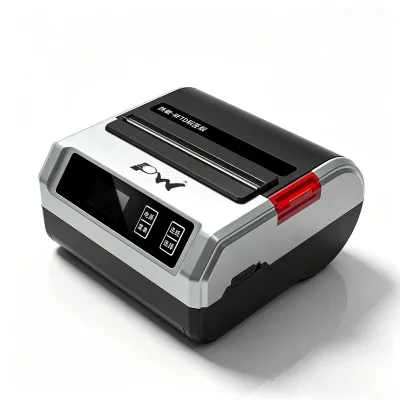
Good price tag label printer portable handheld thermal cable label sticker printer
$25.9162 - $36.2833
MOQ: 1 Minimum
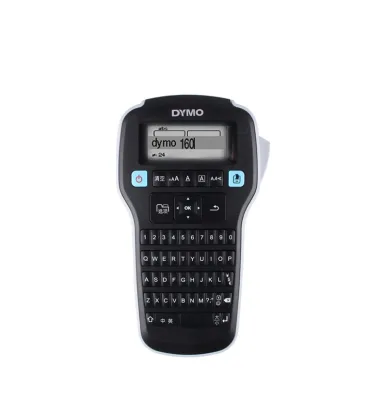


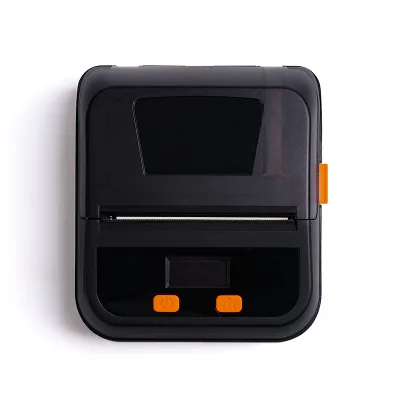
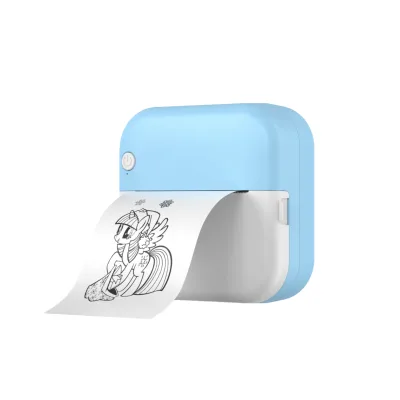
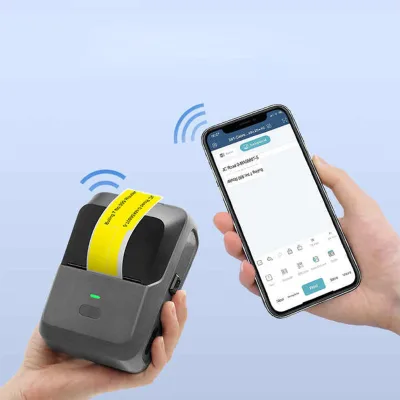
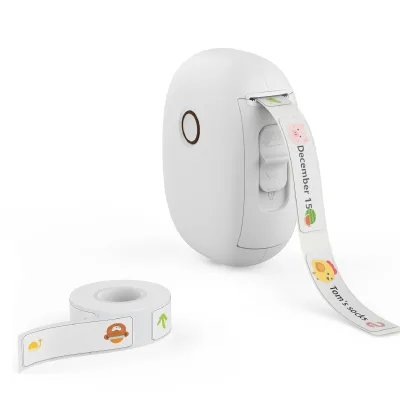
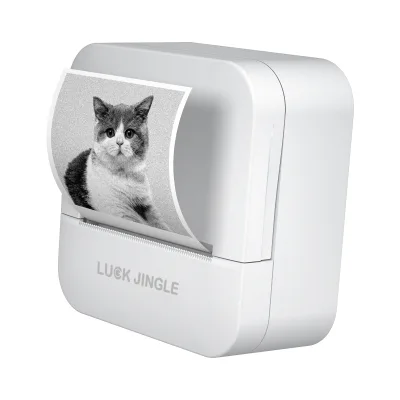
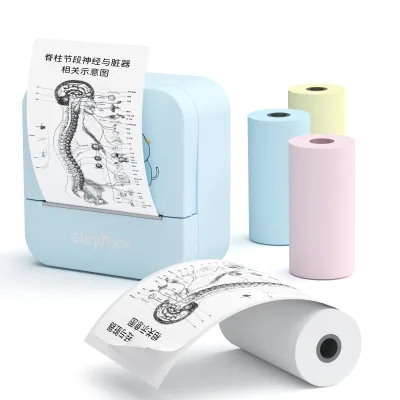
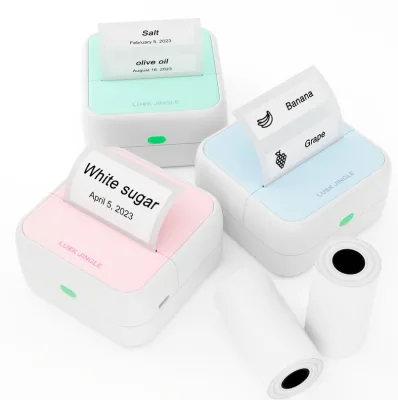



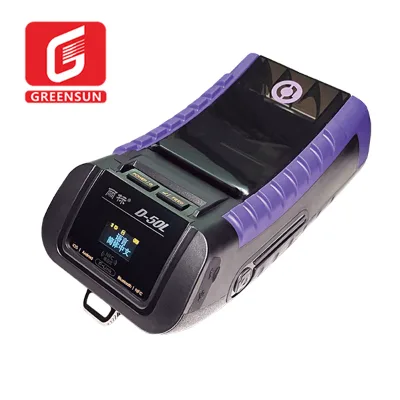
Portable Handheld Label Printer for Efficient Label Printing Solutions
$150.00 - $180.00
MOQ: 2 Pieces



Comprehensive Sourcing Guide
Portable Mini Pocket Label Printer Sourcing Guide
Procuring portable mini pocket label printers requires a clear understanding of the diverse technological approaches available in the current market. Buyers must distinguish between thermal inkjet coding machines designed for high-resolution industrial applications and compact handheld devices intended for daily office or promotional use. The observed product landscape includes devices ranging from mobile thermal foam coding machines supporting multi-print head seamless joints to small Bluetooth-enabled scanners and label makers. Understanding these fundamental differences is critical for aligning procurement with specific operational needs, whether for high-volume industrial marking or low-volume personal organization.
The selection process should also account for the varying customization options and supply chain dynamics observed in listings. Many suppliers offer customization services, allowing buyers to tailor devices for specific branding or functional requirements. However, the diversity in product models, such as the T-YS thermal printer versus the HNPON label maker, indicates that buyers must carefully verify compatibility with existing workflows. This guide provides a structured approach to evaluating these devices, ensuring that procurement decisions are based on verified technical specifications and commercial terms rather than generic marketing claims.
Product Scope and Observed Listing Signals
The current market for portable label printers exhibits a wide range of applications, from daily industrial use to promotional business tools and school office environments. Listings indicate that some devices function as high-resolution inkjet printers using thermal inkjet technology, while others are specialized handheld label makers or barcode printers. Buyers should note that the term "portable" encompasses both battery-operated handheld units and mobile coding machines, each serving distinct purposes. The presence of devices supporting porous, semi-porous, and non-porous ink solutions suggests versatility in material compatibility, which is a key factor for industrial buyers requiring durable markings on various surfaces.
Observed listing signals also highlight significant variations in physical specifications and packaging details. Dimensions range from compact handheld units measuring approximately 15x13x8 cm to larger industrial models with dimensions like 235x100x150 mm. Packaging is typically described as box or palletized, with some suppliers offering customized packaging solutions. The supply ability for certain models reaches up to 100,000 pieces per month, indicating robust manufacturing capacity for high-demand items. Buyers must carefully review these physical and logistical details to ensure the selected device fits within their operational space and volume requirements, avoiding mismatches between expected and actual product form factors.
Technical Specifications to Verify
When evaluating technical specifications, buyers must prioritize resolution and print speed to ensure the device meets their clarity and throughput needs. Observed data indicates resolution ranges from 150-600 dpi for thermal inkjet models to 200 dpi for specific handheld label printers. Print speeds for black-and-white printing can reach 70-90 mm/s, which is crucial for high-volume labeling tasks. Buyers should verify the maximum paper size compatibility, with some devices supporting up to 58mm paper rolls, and confirm whether the device supports automatic paper supply modes to enhance operational efficiency. These parameters directly impact the quality and speed of label production, making them essential verification points.
Connectivity and power specifications are equally critical for portable devices, especially those marketed for mobile or on-the-go use. Listings mention Bluetooth connectivity for mini printers, facilitating wireless printing from smartphones or tablets, which is ideal for office or promotional settings. Battery capacity is another key factor, with some devices featuring 1000mAh batteries to ensure extended usage without frequent recharging. Buyers should also check language support, as some models offer multilingual interfaces including English, Japanese, French, German, Spanish, and Portuguese, which is vital for international teams. Verifying these technical details ensures the device integrates seamlessly into existing workflows and user environments.
Compliance and Safety Documentation
Compliance with international safety and quality standards is a non-negotiable aspect of sourcing portable label printers. Buyers must verify that devices carry recognized certifications such as CE and SGS, which indicate adherence to European safety and quality benchmarks. These certifications are crucial for ensuring that the electrical components, particularly batteries and power supplies, meet rigorous safety requirements. Buyers should request valid certification documents from suppliers to confirm that the specific models being purchased are up-to-date with current regulatory standards. This verification process helps mitigate risks associated with non-compliant products, which could lead to customs delays or safety hazards in the workplace.
In addition to product-level certifications, buyers should inquire about the supplier’s quality management systems and testing protocols. While specific test results are not always listed, suppliers claiming strong technical support and free training often have established quality control processes. Buyers should ask for details on how devices are tested for durability, print quality consistency, and battery safety. Understanding the supplier’s approach to quality assurance provides insight into the long-term reliability of the products. This due diligence is essential for maintaining operational continuity and ensuring that the purchased devices perform reliably under various usage conditions, reducing the likelihood of premature failures or performance issues.
Cost Drivers and Commercial Terms
Understanding the cost drivers for portable label printers involves analyzing the relationship between features, materials, and pricing. The observed price range of 2-1000 USD reflects significant variations in technology, build quality, and functionality. High-resolution thermal inkjet machines with multi-print head capabilities and industrial-grade durability command higher prices compared to basic handheld label makers. Buyers should consider the total cost of ownership, including the cost of consumables such as ink and label paper, which can vary based on the device’s ink solution compatibility. Devices supporting a wide range of porous and non-porous materials may have higher initial costs but offer greater versatility, potentially reducing long-term expenses.
Commercial terms, including minimum order quantities (MOQ) and delivery times, also impact the overall procurement strategy. Observed MOQs range from 1 to 50 units, offering flexibility for both small-scale and bulk purchases. Delivery times are generally described as "in time," but buyers should confirm specific lead times with suppliers to align with their inventory needs. Payment terms and warranty periods, such as the 1-year warranty observed for some models, are critical factors in assessing risk and value. Buyers should negotiate clear terms regarding returns, repairs, and technical support to ensure a smooth procurement experience. Transparent commercial terms help avoid hidden costs and ensure that the supplier is committed to long-term customer satisfaction.
Supplier Qualification and Quality Control
Supplier qualification is a critical step in ensuring the reliability and consistency of portable label printer procurement. Buyers should verify the supplier’s manufacturing capabilities, including their supply ability, which can reach up to 100,000 pieces per month for certain models. This capacity indicates the supplier’s ability to handle large orders and maintain consistent production quality. Buyers should also assess the supplier’s technical support infrastructure, as many listings highlight strong technical support and free training services. These resources are invaluable for ensuring that end-users can operate the devices effectively, reducing downtime and enhancing productivity. A supplier with robust support systems is more likely to provide a positive long-term partnership.
Quality control measures should be explicitly discussed during the supplier evaluation process. Buyers should inquire about the supplier’s inspection protocols, including pre-shipment checks and quality assurance testing. While specific test data may not be publicly listed, suppliers with established standards like CE and SGS typically have rigorous internal quality control processes. Buyers should request samples to evaluate print quality, build durability, and user interface responsiveness before placing large orders. Additionally, verifying the supplier’s packaging details, such as the use of hard cartons for protection, ensures that products arrive in optimal condition. A thorough supplier qualification process minimizes risks and ensures that the purchased devices meet the required quality standards.
Long-Term Procurement Checks
Long-term procurement success depends on establishing ongoing performance monitoring and supplier relationship management. Buyers should implement regular audits of device performance, tracking metrics such as print quality consistency, battery longevity, and maintenance frequency. These data points provide valuable insights into the device’s reliability and help identify potential issues before they impact operations. Buyers should also maintain open communication with suppliers to address any emerging technical challenges or supply chain disruptions. A proactive approach to supplier management ensures that any issues are resolved quickly, minimizing downtime and maintaining operational efficiency. Regular performance reviews help buyers make informed decisions about future procurement cycles.
Additionally, buyers should stay informed about technological advancements and market trends in the portable label printer sector. As technology evolves, new features such as improved connectivity, higher resolutions, and enhanced battery efficiency may become available. Buyers should periodically reassess their procurement needs to ensure that their devices remain aligned with operational requirements. Engaging with suppliers for product updates and new model introductions can provide opportunities to upgrade to more efficient or versatile devices. By maintaining a forward-looking procurement strategy, buyers can maximize the value of their investments and ensure that their labeling operations remain competitive and efficient in the long term.
FAQs
What printing technology does the Portable Mini Pocket Label Printer use?
The device utilizes thermal inkjet technology for high-resolution printing. It supports porous, semi-porous, and non-porous ink solutions to ensure clear text on various surfaces. This method allows for reliable daily industrial usage without complex maintenance requirements for the user.
Can the printer handle different languages for international labeling needs?
Yes, the system supports multiple languages including English, Japanese, French, German, Spanish, and Portuguese. This capability ensures that users can create labels in their preferred language for business or school applications without needing additional software or translation tools for basic operations.
What is the maximum resolution achievable by this thermal foam coding machine?
The machine offers a resolution range between 150 and 600 dpi for sharp text output. Some specific models support a maximum resolution of 200 dpi for standard label printing tasks. This ensures high-quality results for both promotional materials and detailed industrial coding requirements.
How long is the warranty period for the handheld label printer?
The product comes with a standard one-year warranty to cover manufacturing defects. Buyers also receive free training and strong technical support to ensure proper operation. This support structure helps maintain productivity and reduces downtime during daily industrial or office usage scenarios.
What are the physical dimensions and weight of the portable label maker?
The device measures approximately 235 by 100 by 150 millimeters and weighs 0.0 kilograms per single unit. It is packed in a box or on a pallet for safe shipping. These compact dimensions make it easy to carry for field applications like FTTH network work.
Does the printer support automatic paper supply modes for continuous operation?
Yes, the system features an automatic supply paper mode to facilitate continuous printing tasks. It can handle paper sizes up to 58mm with a print speed of 70 to 90mm per second. This automation helps streamline workflows in office or promotional environments requiring rapid label generation.
Is customization available for the Portable Mini Pocket Label Printer packaging?
Customization is available for the product packaging, which can be delivered in boxes or customized options. The standard packing details indicate hard cartons for English label makers. This flexibility allows buyers to tailor the packaging to their specific branding or shipping requirements.