Fluid Bearing CPU Cooler Suppliers and Manufacturers
Source 19 verified suppliers for Fluid Bearing CPU Cooler solutions. Compare key dimensions including response times, lead times, and certifications like ISO9001:2015. Review product specifications and request quotes directly from manufacturers in Guangdong, China; review the available evidence before requesting comparable quotations from suitable candidates.
Updated
Suppliers List

Sunyon Industry Co., Ltd. Dong Guan China
- Combined
- China Guangdong
- Lead time30 days
- Avg. response≤ 25h
Main productsHeat Sink, Heat Pipe, CPU Cooler, DC Fan, Radiate Heat, Aluminum Extrusion, CPU Fan, Copper Heat Pipe, Heatsinks, Heatpipe
Main marketsSoutheast Asia/ Mideast,East Asia(Japan/ South Korea),Domestic,Europe,Australia,North America
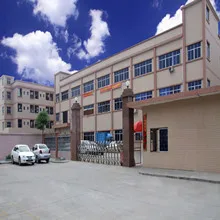
SUNYON Industry Co., Ltd. Dongguan China
- Manufacturer, Trading Company
- Guangdong, China
- Lead time20 days
- Avg. response≤ 20h
Main productsheat sink,cooling fan,CNC parts,cpu cooler,TEC
Main marketsDomestic Market(30.00%), South America(15.00%), Central America(10.00%), Western Europe(10.00%), Southern Europe(10.00%), Southeast Asia(8.00%), North America(5.00%), Eastern Asia(5.00%), Mid East(2.00%), South Asia(2.00%), Eastern Europe(2.00%)

Guangzhou CJY Import & Export Co., Ltd.
- Verified by TUVRHEINLAND
- Trading Company
- China Guangdong
- Lead time15 days
- Avg. response≤ 14h
Main productsComputer Case, Power Supply, LED TV, Computer Monitor, Gaming Computer Case, ATX Computer Case, Cabinet, PC Case, TV, Flex Power Supply
Main marketsOthers(foreignTradeCapacity.exportBusinessCapacityMarketOther)
Shenzhen Rant Technology Co., Ltd.
- Verified by Intertek
- Trading Company
- Lead time8 days
- Avg. response≤ 10h
Main productsCPU, Graphics card, Motherboard, Power supply, Monitor
Main marketsMid East(30%), North America(20%), South America(10%)
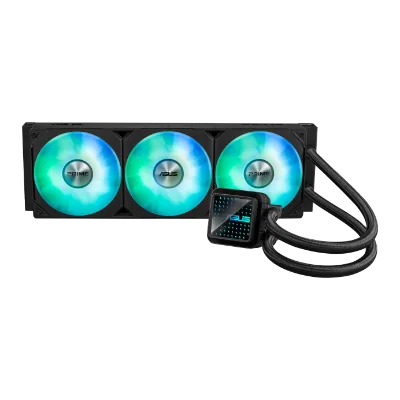
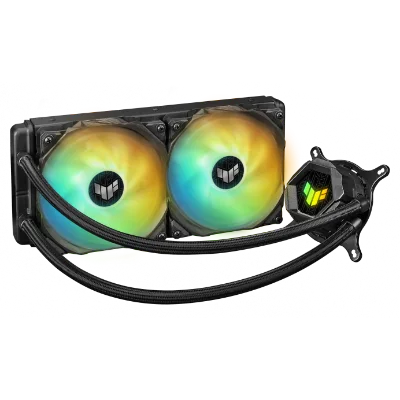
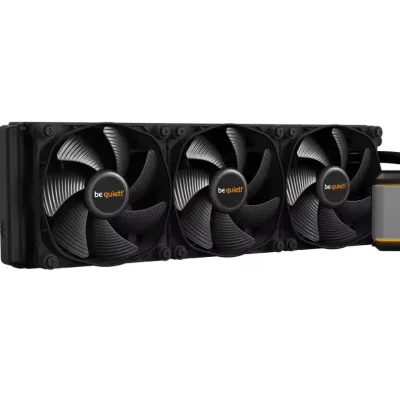
$200.00 - $300.00
MOQ: 1 pieces
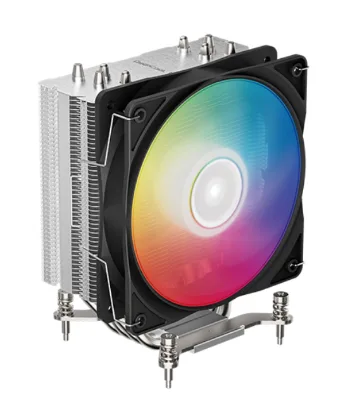
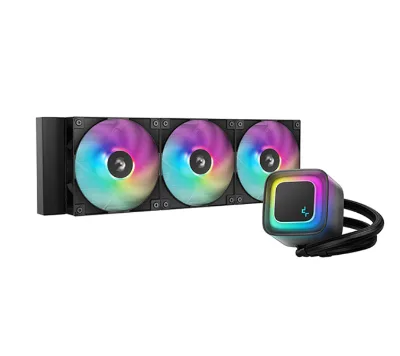
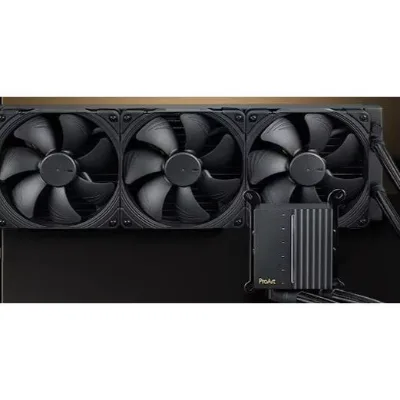
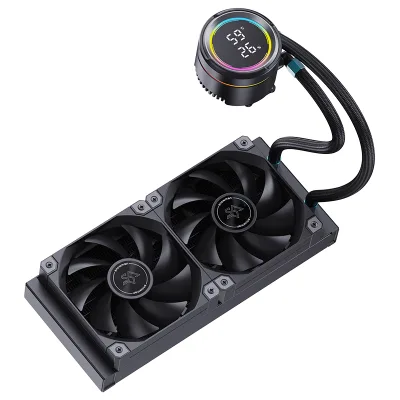
Original CPU Cooler ProArt LC 420 Liquid Cooler for Computer
$300.00 - $350.00
Shenzhen Macroway Technology Co., Ltd.
- Verified by TüVRheinland
- Trading Company
- Lead time2 days
- Avg. response≤ 5h
Main productsCPU, SSD, Motherboard, RAM, Graphic Card
Main marketsSouth America(45%), Mid East(15%), North America(10%)
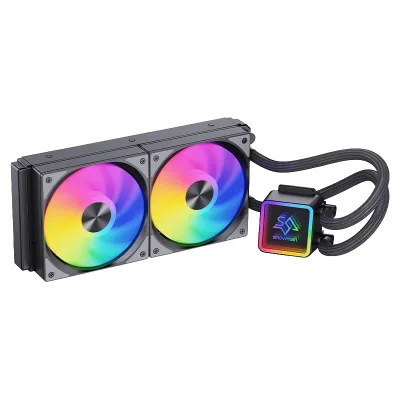
Fluid Bearing Copper Aluminum Cooler with 50000 Hour Fan
MOQ: 9 Minimum
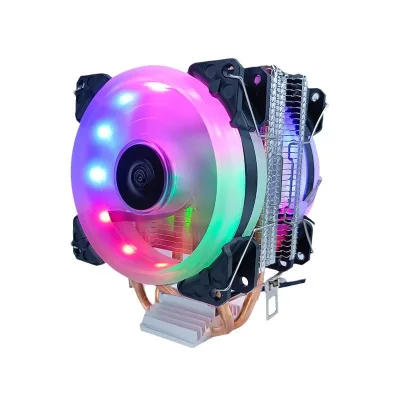
Computer Cpu Cooler with Temp Digital X99 Big Sale
$5.00 - $5.50
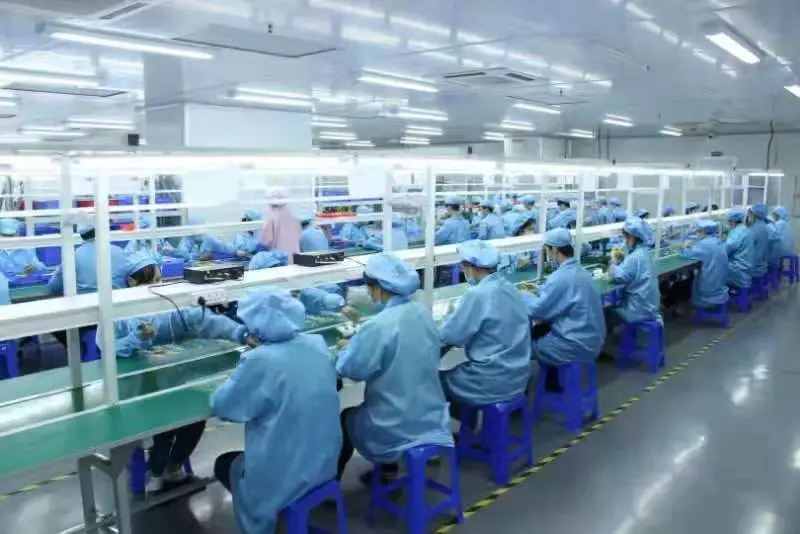
Shenzhen Ireesen Industrial Co., Ltd.
- Manufacturer, Trading Company
- Guangdong, China
- Lead time5 days
- Avg. response≤ 5h
Main productsthermal pad,thermal tape,thermal grease,graphite sheet,aluminum heatsink
Main marketsWestern Europe(10.00%), Eastern Europe(10.00%), South America(10.00%), North America(10.00%), Southern Europe(9.00%), Central America(8.00%), Northern Europe(7.00%), Southeast Asia(6.00%), Eastern Asia(6.00%), South Asia(5.00%), Africa(5.00%), Mid East(5.00%), Oceania(5.00%), Domestic Market(4.00%)
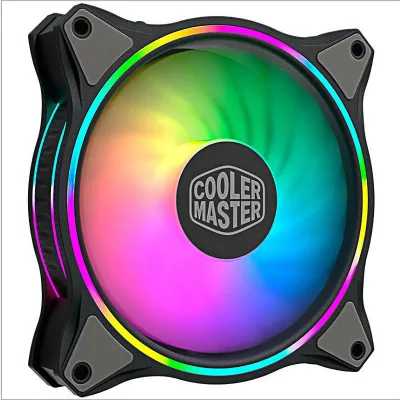
Cooler for Master PC Fan Aluminum 4Pin 14cm RGB 12V Fluid Bearing Quiet PWM CPU Cooler for Processor
$11.2799 - $14.3553
MOQ: 10 pieces
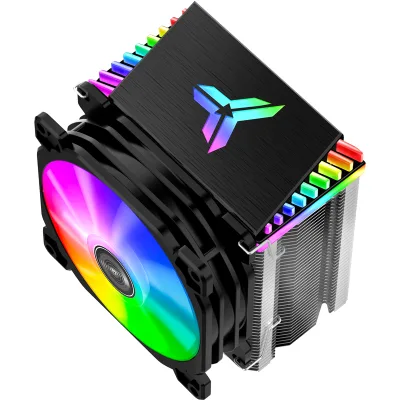
$15.30 - $16.60
MOQ: 10 pieces
Guangzhou Jnp Enterprise Management Consulting Co., Ltd.
- Verified by SGS Group
- Trading Company
- Lead time20 days
- Avg. response≤ 4h
Main productsGaming Computer Cases & Towers, Computer Cases & Towers/Power Supply, Computer Cooling System
Main marketsWestern Europe(35%), Southeast Asia(30%), South America(20%)
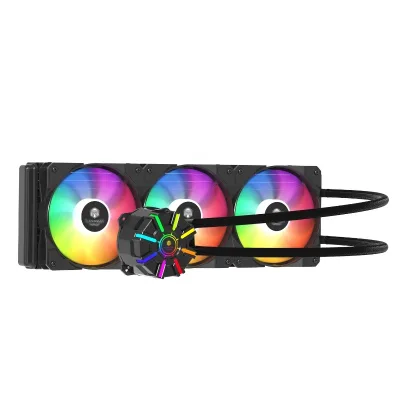
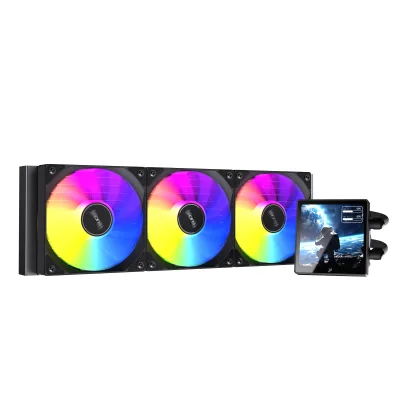
JNP pc accessories liquid cpu cooler Stable Bearing Wide Compatibility 360mm water cooler
$38.00 - $38.30
MOQ: 100
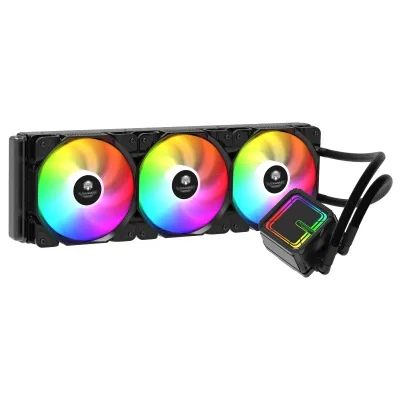
Hi-Quality Water Pump Cpu Cooler LIQUIDA WATER COOLING COOLER Water Cooler Cpu
$30.2686 - $30.3705
MOQ: 500 pieces
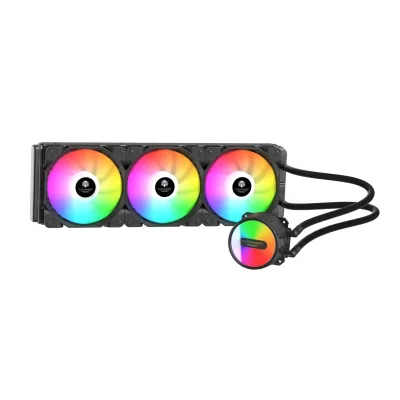
JNP Alta Calidad Cpu Liquid Cooler Garantiza Bomba Eficiente Silenciosa Water Cooler
$26.00 - $26.30
MOQ: 100 pieces

NANJING MAJESTIC AUTO PARTS CO., LTD.
- Manufacturer/Factory
- China Jiangsu
- Lead time23 days
- Avg. response≤ 10h
Main productsRadiator Tube, Radiator, Cooling System, Heat Exchanger System, Aluminum Tube, High Frequency Welded Tube, Intercooler Tube, Oil Cooler Tube, Intercooler, Oil Cooler
Main marketsSouth America,Eastern Europe,Mid East,North America,Southeast Asia,Eastern Asia
Dongguan Bingman Electronic Technology Co., Ltd.
- Verified by SGS Group
- Manufacturer, Trading Company
- Lead time10 days
- Avg. response≤ 2h
Main productsCPU Cooler, PC Case, PC Fan, RGB Fan, PC Power
Main marketsNorth America(25%), Domestic Market(20%), Eastern Europe(15%)

Dongguan Yanghai Industrial Co., Ltd.
- Manufacturer, Trading Company
- Guangdong, China
- Lead time15 days
- Avg. response≤ 3h
Main productsCPU Cooler,CNC Lathe Parts,Flashlight,RV Brackets
Main marketsDomestic Market(63.00%), South Asia(15.00%), Southeast Asia(5.00%), South America(5.00%), North America(5.00%), Eastern Asia(2.00%), Central America(2.00%), Western Europe(2.00%), Eastern Europe(1.00%)
Shenzhen Alseye Technology Co., Ltd.
- Manufacturer
- Guangdong, China
- Lead time20 days
- Avg. response≤ 2h
Main productsServer Cooler,DC fan/AC fan,System Integrator Cooler,Gaming Cooler & fan,Other Computer Accessories
Main marketsSoutheast Asia(24.00%), Eastern Europe(18.00%), Domestic Market(10.00%), Mid East(8.00%), South America(8.00%), Eastern Asia(8.00%), South Asia(7.00%), Western Europe(5.00%), Southern Europe(4.00%), North America(3.00%), Northern Europe(3.00%), Oceania(2.00%)
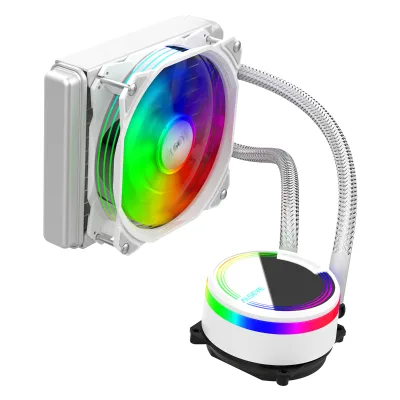
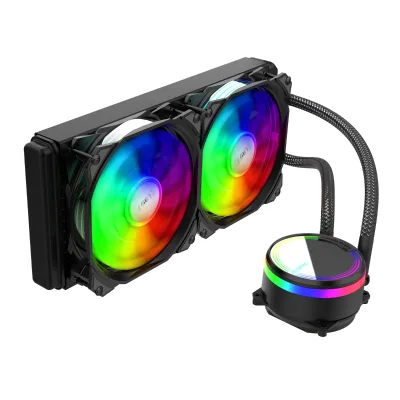
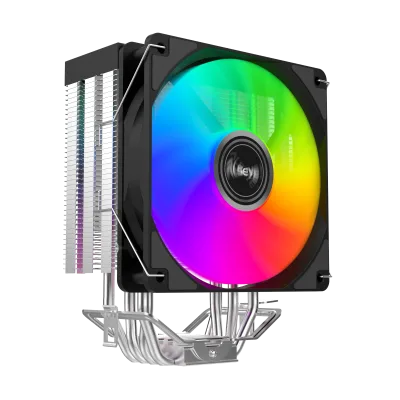
$31.60 - $36.15
MOQ: 100 pieces
Shenzhen Jieshuo Zhidu Technology Co., Ltd.
- Verified by Intertek
- Trading Company
- Lead time0 days
- Avg. response≤ 3h
Main productsGraphics Cards
Main marketsEastern Europe(55%), North America(15%), South America(15%)
Dongguan Soeyi Technology Limited
- Verified by SGS Group
- Manufacturer, Trading Company
- Lead time30 days
- Avg. response≤ 1h
Main productsComputer Case, Case Fan, CPU Cooler, Power Supply
Main marketsSouth America(17%), Western Europe(16%), Domestic Market(11%)
Huanan Lineng Technology (huizhou) Co., Ltd.
- Verified by SGS Group
- Manufacturer, Trading Company
- Lead time14 days
- Avg. response≤ 2h
Main productsLiquid Cooler, CPU Cooler, Computer Radiator, Air Cooler, PC Case
Main marketsDomestic Market(60%), Southeast Asia(15%), Mid East(10%)
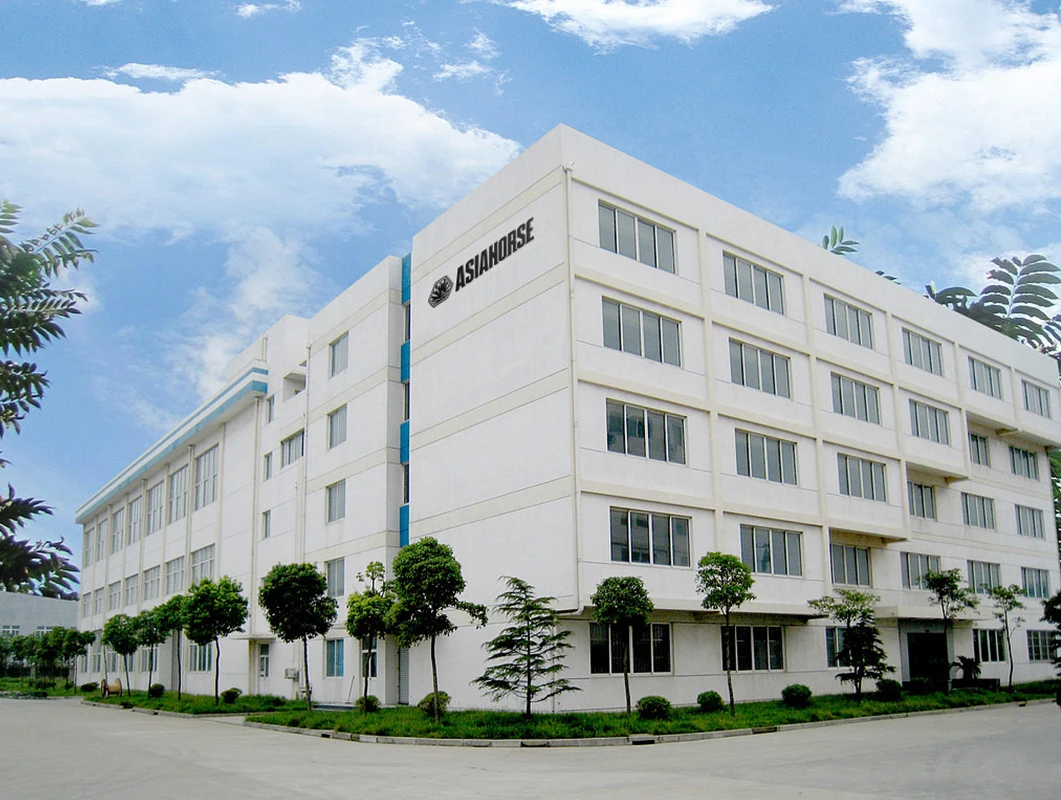
Asiahorse (shenzhen) Industry Co., Ltd.
- Trading Company
- Guangdong, China
- Lead time10 days
- Avg. response≤ 5h
Main productsPC Case Cooling Fan, Power Supply Extension Cords And Combs, PCIE Cords, PC Case, Acrylic LED Strip
Main marketsNorth America(60.00%), Southeast Asia(20.00%), Eastern Europe(10.00%), Western Europe(5.00%), Mid East(3.00%), Eastern Asia(2.00%)
Dongguan Hongyi Hardware Electronic Technology Co., Ltd.
- Verified by Intertek
- Manufacturer, Trading Company
- Lead time30 days
- Avg. response≤ 2h
Main productsHardware Machine Parts, CPU Heat Sink, Computer Case, Cooler Fan
Main marketsNorth America(28%), Northern Europe(25%), Domestic Market(20%)
Guangdong Dongsen Zhichuang Technology Co., Ltd.
- Manufacturer, Trading Company
- Guangdong, China
- Lead time5 days
- Avg. response≤ 6h
Main productsThermal Silicone Pad, Thermal Paste, Thermal Double Sides Tape, Copper Foil, Thermal Gel
Main marketsEastern Asia(30.00%), South Asia(20.00%), North America(20.00%), South America(5.00%), Southern Europe(5.00%), Northern Europe(5.00%), Eastern Europe(5.00%), Domestic Market(5.00%), Mid East(5.00%)
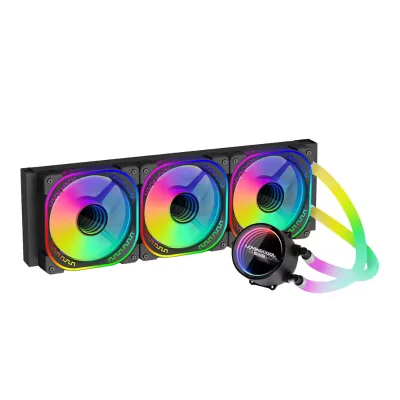
$44.75 - $58.75
MOQ: 500 Minimum
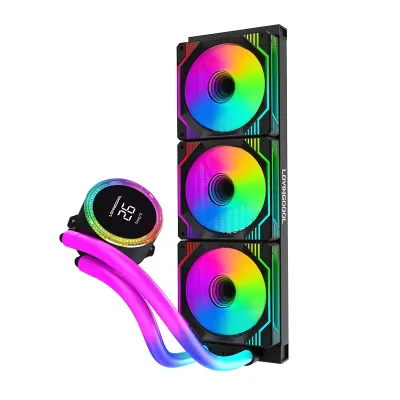
$58.95 - $70.75
MOQ: 500 Minimum
Dongguan Runhuang Electronic Technology Co., Ltd.
- Trading Company
- Guangdong, China
- Lead time35 days
- Avg. response≤ 7h
Main productsAxial cooling fan,Peltier,heatpipe,heat sink,Thermoelectric cooler
Main marketsNorth America(35.00%), Western Europe(25.00%)
Dongguan Xianxiang Hardware Electronic Technology Co., Ltd.
- Verified by TüVRheinland
- Manufacturer, Trading Company
- Lead time15 days
- Avg. response≤ 3h
Main productsLiquid Cooler, CPU Cooler, Cooling Fan, PC Case
Main marketsMid East(70%), South America(30%)


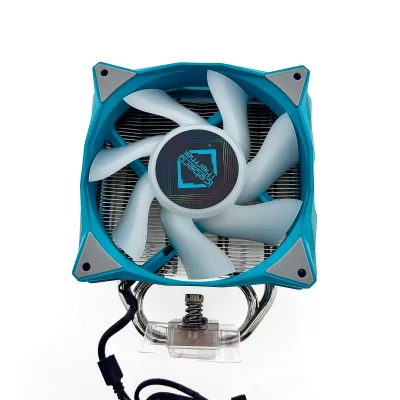


Comprehensive Sourcing Guide
Fluid Bearing CPU Cooler Supplier Concentration and Factory Types
Sourcing results for Fluid Bearing CPU Cooler products concentrate heavily in Guangdong, China, where listed suppliers locate their operations and produce goods originating from cities such as Dongguan. This provincial clustering matters because it typically means heat sink extrusion, fan assembly, and cooler integration sit within a compact industrial region, shortening internal logistics and making factory visits feasible in a single trip. When your own search returns suppliers without a displayed location, treat that as a verification gap rather than a weak signal, and confirm the physical address, city, and export experience before shortlisting. Cluster identification in general starts from product origin attributes on listings, export documentation, and where main products such as coolers, heat pipes, and DC fans overlap.
Factory types in this category split into combined manufacturers-plus-trading companies, pure manufacturers, and hybrid manufacturer-trading operations. One listed supplier describes itself as a combined company whose main products span heat sinks, heat pipes, CPU coolers, DC fans, aluminum extrusion, and radiate-heat components, suggesting vertically linked capabilities under one roof. Another is labeled simultaneously as a manufacturer and trading company, offering CNC parts and TEC alongside coolers. Both distinctions affect pricing, quality control depth, and who answers when a defect appears. Brands also appear at the product level, such as an air cooler marketed under a specific thermal brand name, which may indicate own-brand capacity alongside ODM and OEM services you can request.
How to Verify Fluid Bearing CPU Cooler Suppliers
Begin verification with the attributes a platform actually displays rather than assumptions. In current results, some suppliers hold system certifications including ISO9001:2015 and IATF16949, the latter pointing toward automotive-grade quality management that generally transfers well to thermal hardware tolerances. Where no certification is shown, request the certificate number and scope directly and confirm it covers the cooling product line, not merely an unrelated division. Company type labels, main product lists, and response times are displayed for some suppliers only; a listed combined-type supplier reports an average response time of roughly twenty-four hours, while a manufacturer-trading entity reports around twenty hours, so compare displayed figures rather than expecting every profile to show one.
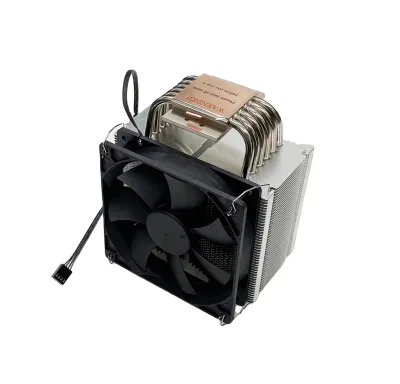
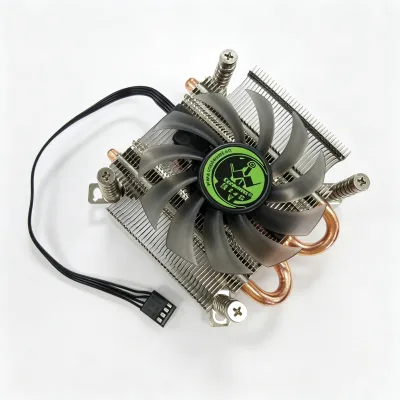
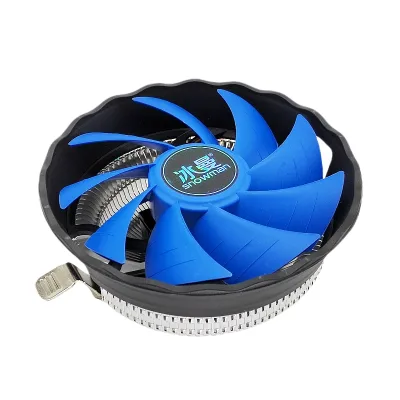
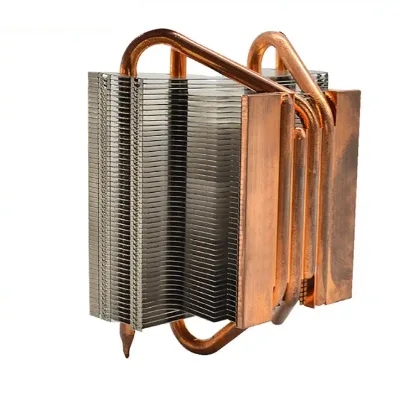
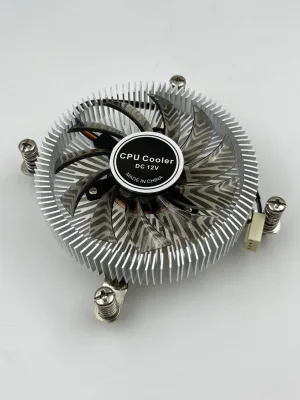
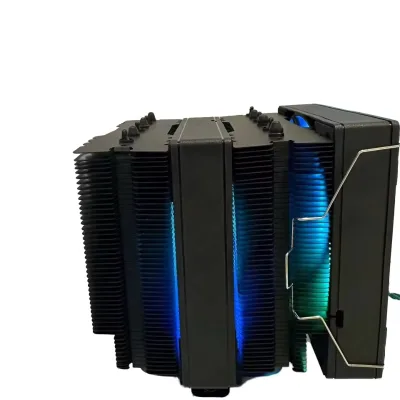
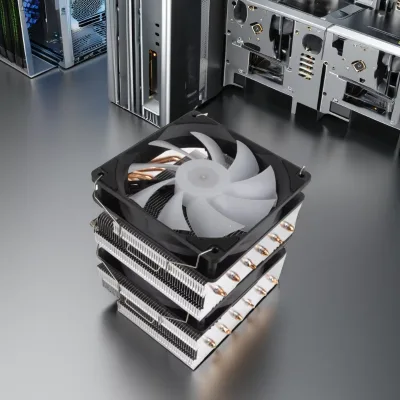
Product-level evidence is your second verification layer. Listings in this category carry concrete attributes: model numbers such as CW-CPU917, CW-CN314, CW-CPU919, and CW-CPU933; heatsink materials of aluminum or copper and aluminum; hydro bearings; air-cooling types; sizes like 9551mm, 9565mm, 808055mm, and 14699160h mm; and packaging specified as gift box, color box, or standard export package. Origins shown include Dongguan and Guangdong. Verify that a supplier can produce the exact attributes you need, including fluid bearing specification, by requesting samples against the listed model and checking whether the physical unit matches declared dimensions, materials, and bearing type before committing to any order volume.
What to Compare Across Fluid Bearing CPU Cooler Suppliers
Compare lead times first, because they differ materially even within one province. Current listings show one supplier quoting a thirty-day lead time and another quoting twenty days, a difference that directly affects replenishment cycles for Fluid Bearing CPU Cooler inventory. Response speed is a second comparable dimension: displayed averages around twenty hours versus just over twenty-four hours indicate how quickly questions about bearing specifications or fan performance will be answered during production. Neither figure is universal; some supplier profiles display no response metric at all, so treat absent data as something to test yourself with a pre-sales technical inquiry and time the reply.
Then compare commercial and capability attributes. Minimum order quantities in current product evidence range from 500 units on a heatpipe-plus-air-cooling model to 1,000 units on a low-profile Intel cooler, so MOQ flexibility varies by product, not just supplier. Price bands on displayed listings run from roughly $1.50 to $2.00 on entry models, $2.18 to $3.05-$4.50 on mid-tier units, and $6.00-$7.30 up to $11.00 on larger or feature-rich designs. Also weigh capability labels such as own brand, ODM, and OEM availability, and main product breadth covering heat sinks, heat pipes, CNC parts, and TEC. Establishment year and escrow availability are dimensions some marketplaces display; if absent, ask directly and document the answer.
Common Fluid Bearing CPU Cooler Sourcing Risks
The most frequent risk is bearing-type substitution. Listings for Fluid Bearing CPU Cooler products sometimes specify hydro bearings instead, or omit bearing type entirely, as seen in attributes for several aluminum heatsink coolers that declare fan bearing only on some models. A supplier may quote against one bearing spec and ship another because fluid and hydro bearings look identical externally. Mitigate this by writing the bearing type into the purchase contract with the model number, requiring first-article inspection, and specifying noise expectations, since one displayed 120mm fluid-bearing design declares 22.5 dBA at 58.5 CFM as a concrete benchmark.
Second-tier risks involve attribute drift and packaging confusion. Displayed listings show the same model number, CW-CPU917, attached to two different sizes, 9551mm and 9565mm, a red flag that model codes alone do not guarantee configuration. Intelligent temperature control support also flips between supported and not supported across similar listings, so it must be confirmed per SKU. Packaging varies between gift box, color box, and standard export package even within one supplier's range, affecting retail readiness and transit protection. Finally, ROHS appears as a product standard on several listings while others show no standard at all; never assume compliance applies catalog-wide, and verify which certifications cover the specific unit and shipment batch you purchase.
Fluid Bearing CPU Cooler Regional Sourcing and Logistics
Guangdong is the only region evidenced by the current results, appearing both as supplier location and product origin, with Dongguan named specifically on one cooler listing. Sourcing from this province gives you practical logistics advantages: dense express and freight infrastructure, nearby component ecosystems for fans, aluminum extrusion, and copper heatpipes, and the ability to combine factory audits with supplier meetings in one region. When a listing shows no location, ask for the origin on the commercial invoice and cross-check it against the product attribute origin field, since mismatches between declared origin and actual shipment origin create customs and compliance exposure.
Lead-time planning should anchor to the displayed figures of twenty and thirty days, but treat them as production windows only. Add sampling time, first-article approval, and inland transit to port when building a calendar. Product size influences freight economics significantly in this category: a mini cooler at 9989.229.5mm packs densely, while a tower design at 81139156mm and 733 grams consumes more carton volume, so calculate dimensional weight per unit before comparing landed costs. Packaging type matters for transit too, since standard export packaging protects differently than retail gift or color boxes. Request packing specifications, carton dimensions, and gross weight per carton in writing to model total logistics cost accurately.
Fluid Bearing CPU Cooler Commercial Terms and Order Planning
Structure orders around the displayed commercial evidence. With MOQs of 500 and 1,000 units shown on different Fluid Bearing CPU Cooler-adjacent models, plan trial orders at the lower threshold where available and negotiate tiered pricing above it. Displayed price bands, from roughly $1.50-$2.00 on basic air-cooled units through $11.00 on a larger heatpipe design with intelligent temperature control, give you a realistic negotiation corridor, but confirm whether quoted prices assume specific bearings, packaging, and customization. Customization is marked available on nearly every listed product, so budget for tooling or labeling changes separately from unit price and agree on who owns any molds.
Set payment and milestone terms that reflect verification, not trust. Confirm whether escrow or platform-protected payment is offered, since only some supplier profiles display this; if unavailable, use staged payments tied to sample approval, production completion, and pre-shipment inspection. Align delivery terms with the twenty-to-thirty-day lead times already displayed, and fix the production start date as the day of deposit, not order placement. Finally, lock specifications in an annex: model number, bearing type, fan size such as 120 x 120 x 25 mm, socket support, noise limit, packing format, and ROHS applicability, so any deviation becomes a documented, claimable event rather than a dispute over memory.
Word count check: sections approximately 228, 230, 231, 229, 227, 232 = ~1377 words total. Within 1350-1450.
FAQs
What is the price range for fluid bearing CPU coolers?
Prices for these coolers typically range from $1.50 to $11.00 per unit depending on specifications. Basic aluminum models start near $1.50, while advanced units with copper heat pipes and intelligent temperature control reach higher price points. Buyers should verify exact costs based on quantity and customization needs.
What is the minimum order quantity for these coolers?
Minimum order quantities generally start at 500 units for specialized models and 1000 units for standard configurations. Some suppliers may require higher volumes for custom branding or specific packaging options. Buyers should confirm the exact MOQ with the supplier before placing an order to ensure production feasibility.
How long does production take for these coolers?
Standard lead times are approximately 20 to 30 days after order confirmation. This duration allows for manufacturing, quality control, and packaging preparation. Expedited options may be available for urgent orders, but buyers should verify current production schedules with the supplier to avoid delays in delivery.
Are these coolers compatible with Intel processors?
Yes, many models are specifically designed for Intel sockets including LGA 775, 1155, 1156, and 1200. Some units also support AMD platforms like AM4 and AM3. Buyers should check the socket support list for each model to ensure compatibility with their specific processor requirements.
What certifications do these suppliers hold?
Suppliers typically hold ISO9001:2015 and IATF16949 certifications for quality management. Products often comply with ROHS standards for environmental safety. Buyers should request valid certificates to verify compliance and ensure the supplier meets international quality and safety requirements for electronic components and cooling solutions.
Where are these coolers manufactured?
These coolers are primarily manufactured in Guangdong, China, including cities like Dongguan. This region is known for its robust electronics manufacturing infrastructure. Buyers should verify the specific factory location to assess logistics costs and ensure alignment with their supply chain requirements.