Source Multi-Port 1U Platform Server for Enterprise, Data Center, and Edge Computing
Find and compare 30 multi-port 1U platform server options from verified suppliers in China. Explore models like the FC-CMS-6004HN-1U-GX and R4900G5, featuring Intel Xeon processors, 32GB RAM, and 6TB storage for enterprise-level applications; compare the available evidence and request quotations based on your requirements.
Updated
Key considerations
Products List


Multi-Functional Server, Workstation, Computer Server for Diverse Applications
$699.00 - $1699.00
MOQ: 1 Pieces


Robust Server, Workstation, Computer Server with Enhanced Performance
$899.00 - $1699.00
MOQ: 1 Pieces

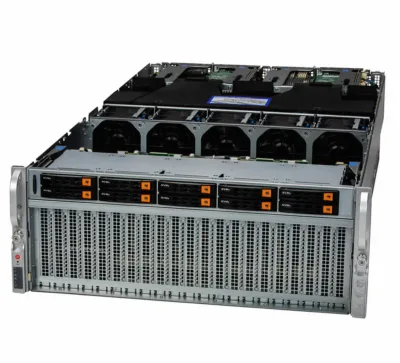
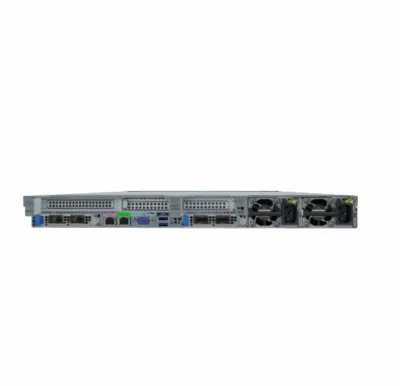
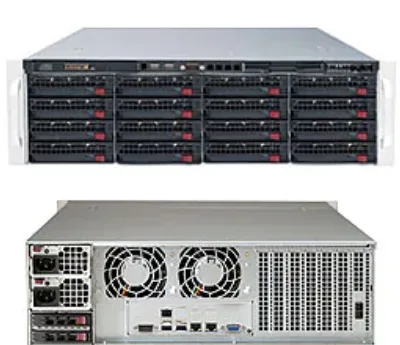
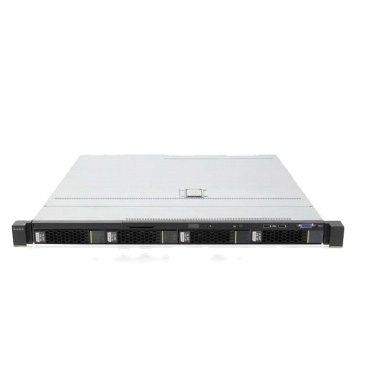



Comprehensive Sourcing Guide
Multi-Port 1U Platform Server Sourcing Guide
Procuring a multi-port 1U platform server requires balancing dense compute power with robust network connectivity in a constrained chassis. Buyers must prioritize models that support high-density I/O while maintaining thermal efficiency for continuous enterprise operations. The observed market includes systems with Intel Xeon processors and significant RAM capacities, indicating suitability for virtualization and database workloads.
Sourcing decisions should focus on verifying the physical form factor against rack space constraints and ensuring the server supports the required number of network ports. Evidence suggests availability of 1U and 2U variants with varying storage configurations, allowing buyers to select hardware that aligns with specific data throughput and storage density requirements for their infrastructure.
Product Scope and Observed Listing Signals
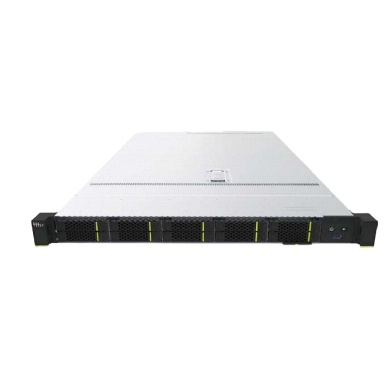
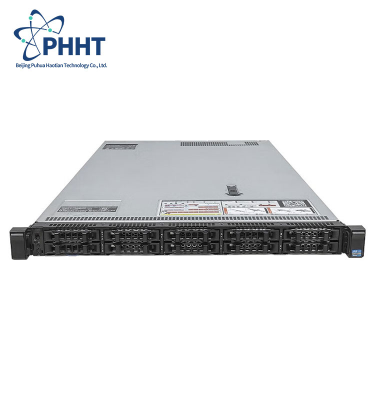
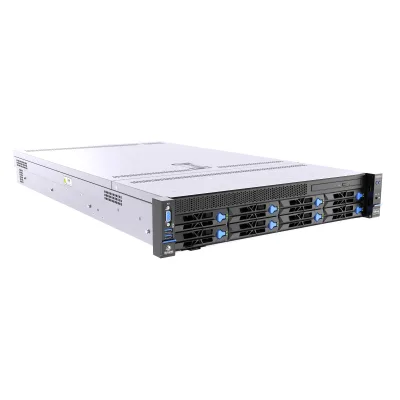
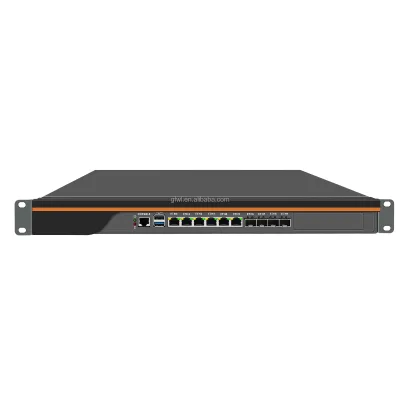
The current market landscape for 1U servers includes models like the FC-CMS-6004HN-1U-GX, which explicitly denotes a 1U form factor suitable for high-density deployments. These units often feature Intel Xeon processors and support for substantial memory, such as 32GB or more, catering to enterprise-level applications. Buyers should note that customization is available, allowing for tailored configurations that meet specific operational needs without compromising the compact 1U design.
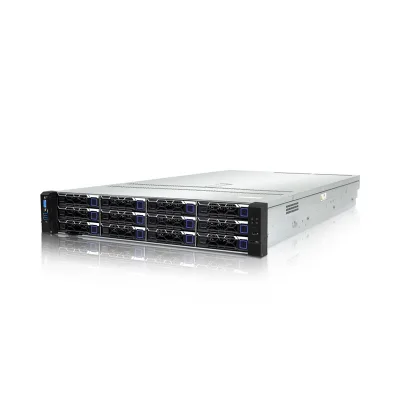
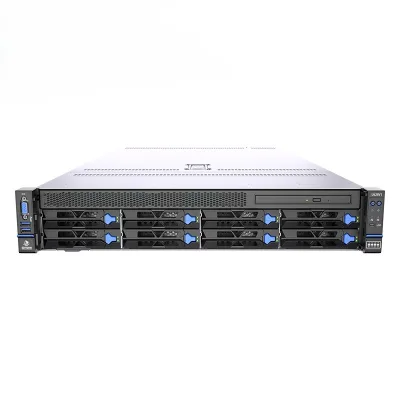
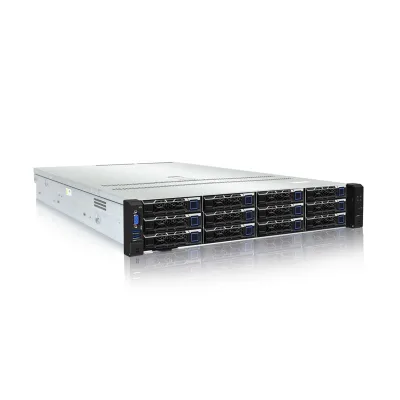
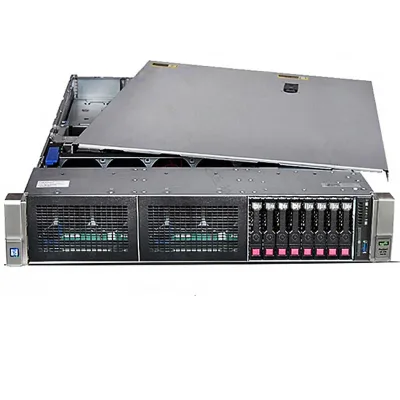
Observed listings also reveal a broader range of server types, including 2U rack servers and desktop workstations, which may offer different performance profiles. While the core keyword focuses on 1U platforms, understanding the distinction between these form factors is crucial. The presence of products with 6TB hard disk sizes and RAID support indicates that storage-intensive applications are well-supported within the available hardware ecosystem, providing flexibility for diverse use cases.
Technical Specifications to Verify
When evaluating technical specifications, buyers must confirm the processor type and memory architecture to ensure compatibility with existing software environments. Intel Xeon Scalable processors are commonly observed, offering robust performance for demanding workloads. It is essential to verify the number of CPU threads and the maximum memory capacity, as some listings indicate support for up to 64GB or more, which directly impacts the server’s ability to handle concurrent tasks efficiently.
Network connectivity is another critical specification, with some models featuring four-port gigabit network cards to facilitate high-speed data transfer. Buyers should also inspect storage options, noting that configurations may include eight 3.5-inch hard disk slots or larger capacities exceeding 1TB. Ensuring that the server supports redundant power supplies and adequate cooling is vital for maintaining uptime and reliability in a 1U chassis where thermal management is challenging.
Compliance and Safety Documentation
Compliance with international safety and electromagnetic compatibility standards is non-negotiable for enterprise hardware procurement. Buyers must request documentation verifying that the server meets relevant regulatory requirements for the target market, such as CE or FCC certifications, although specific certification statuses should be confirmed with the supplier. This ensures that the equipment can be legally installed and operated within the buyer’s facility without regulatory penalties.
Additionally, safety documentation should include information on power consumption and thermal output, which are critical for data center planning. The observed power requirements of 550W or more indicate that adequate power distribution units and cooling infrastructure must be in place. Verifying that the manufacturer provides comprehensive safety manuals and compliance certificates helps mitigate risks associated with electrical hazards and operational failures.
Cost Drivers and Commercial Terms
Cost drivers for 1U servers include the processor generation, memory capacity, and storage configuration, with prices ranging significantly based on these factors. Buyers should expect variations in pricing due to customization options and the inclusion of redundant components like power supplies and network cards. Understanding these variables helps in budgeting accurately and avoiding unexpected costs during the procurement process.
Commercial terms such as minimum order quantities (MOQ) and lead times also influence the total cost of ownership. Observed MOQs range from 1 to 100 units, offering flexibility for both small-scale deployments and large enterprise purchases. Buyers should negotiate clear terms regarding shipping, warranty, and after-sales support to ensure that the financial investment is protected and that any potential issues are addressed promptly.
Supplier Qualification and Quality Control
Supplier qualification is paramount when sourcing specialized hardware like 1U servers. Buyers should verify the supplier’s manufacturing capabilities, particularly their ability to produce custom configurations and maintain consistent quality standards. Evidence of production in regions like Zhejiang or Beijing suggests a robust manufacturing base, but buyers must still conduct due diligence to ensure that the supplier adheres to strict quality control protocols.
Quality control measures should include rigorous testing of components such as processors, memory modules, and network interfaces. Buyers should request test reports or quality assurance certificates to confirm that the servers meet performance expectations. Additionally, verifying the supplier’s ability to provide timely support and spare parts is essential for maintaining long-term operational stability and minimizing downtime in critical infrastructure environments.
Long-Term Procurement Checks
Long-term procurement checks involve assessing the supplier’s ability to provide consistent supply and support over the product lifecycle. Buyers should evaluate the availability of replacement parts and the supplier’s responsiveness to technical inquiries to ensure that the servers can be maintained effectively. This is particularly important for 1U servers, which may require specialized handling and expertise for repairs or upgrades.
Furthermore, buyers should monitor technological advancements and plan for future scalability. As workloads evolve, the ability to upgrade components such as memory or storage becomes crucial. Establishing a relationship with a supplier who offers continuous product updates and technical guidance ensures that the procurement strategy remains aligned with the organization’s long-term IT goals and operational requirements.
FAQs
What is the standard form factor for this server?
The standard form factor is 1U rack mount, designed for high-density data centers. This compact design allows efficient space utilization while supporting Intel Xeon processors and up to 6TB hard disk sizes for robust enterprise storage needs.
Can I customize the server specifications for my needs?
Yes, customization is available for this server model to meet specific enterprise requirements. Buyers can request tailored configurations including memory capacity, processor types, and storage options while maintaining the core X86 server architecture and 2U or 1U form factors.
Which processor types are supported in this platform?
This platform supports Intel Xeon Scalable processors and other compatible Intel or AMD options. These processors ensure high performance for enterprise-level applications, offering multiple CPU threads and robust computing power for demanding workloads in a rack server environment.
What is the maximum memory capacity available?
The maximum memory capacity is at least 64GB, with some configurations supporting up to 32GB or higher depending on the specific model. The system features 24 memory slots, allowing flexible expansion to meet diverse enterprise computing and storage requirements effectively.
How many hard disk slots does the server have?
The server typically includes 8 slots for 3.5-inch hard disk drives. This configuration supports storage capacities ranging from 500GB to over 1TB per drive, enabling scalable storage solutions for various enterprise applications and data management needs.
Where are these servers manufactured and shipped from?
These servers are manufactured in Zhejiang and Beijing, China, with origins clearly stated for transparency. Products are packed in cartons and shipped globally, ensuring reliable delivery for international buyers seeking high-quality rack servers with specific customization options.
Does the server support redundant power supply?
Yes, the server supports redundant power supply to ensure continuous operation during power failures. It includes power units of at least 550W, providing essential reliability for critical enterprise applications and maintaining system uptime in demanding data center environments.