Source Waterproof Irregular Self-Adhesive Paper Labels for Beverages, Shipping, and Food
Compare 30 options for waterproof irregular self-adhesive paper labels suitable for beverage, shipping, and food applications. Buyers can review specifications like pulp material, coating sides, and adhesive types from suppliers in China.
Key considerations
Products List


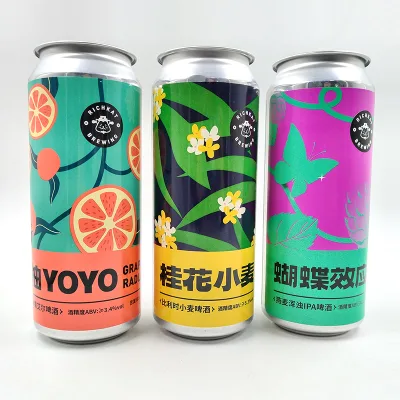
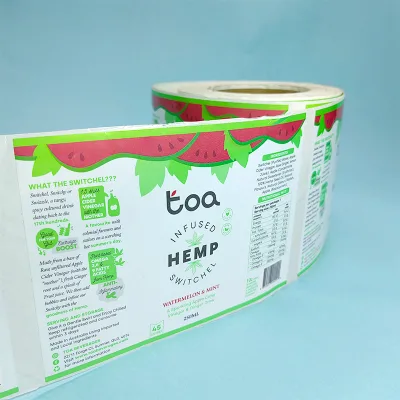


Custom Coated Paper Printing Label Waterproof Matte Self Adhesive Label
$0.25 - $0.30
MOQ: 5000 Square Meters


$0.27 - $0.30
MOQ: 4590 Square Meters


OEM Waterproof Printed Roll Self Adhesive Paper Packaging Sticker Label
$0.02 - $0.05
MOQ: 3000 Pieces


Custom Waterproof Label Stickers Printed Label Food Self-Adhesive for Food
$0.02 - $0.05
MOQ: 1000 Pieces


Comprehensive Sourcing Guide
Strategic Sourcing Guide for Waterproof Irregular Self-Adhesive Paper Labels
Understanding Technical Specifications and Material Composition
The procurement of waterproof irregular self-adhesive paper labels requires a granular understanding of the underlying material science and construction methods. Unlike standard paper labels, these products must balance the aesthetic and printability of paper with the durability of synthetic or treated materials to withstand moisture and grease. Based on available market data, the core substrate often utilizes wood pulp as the primary pulp material, which can be sourced in virgin forms to ensure high purity and structural integrity. The manufacturing process frequently involves a double-side coating technique, which is critical for enhancing the label's resistance to water and grease while maintaining a smooth surface for high-quality printing.
The physical construction of these labels often includes a specific backing material, such as yellow, blue, or white release paper, or glassine paper, which facilitates the peeling process during application. The adhesive component is equally vital; suppliers typically offer hot melt or water-based glue options, with some specialized variants featuring high or strong adhesive properties designed for specific industrial uses. The surface materials may vary, with options including transparent PVC, PP, PET, PE, or standard paper, depending on the required rigidity and finish. For irregular shapes, the cutting process must be precise to ensure that the adhesive remains intact along the custom contours without bleeding or lifting.
When evaluating technical specifications, buyers should verify the available standard sizes, which often include formats like A4, 51x70cm, and 70x100cm, alongside fully customizable dimensions. The product models observed in the market, such as CS48, CS79, and CS17, indicate that manufacturers offer specific series tailored to different performance needs. Furthermore, the printing capabilities are a significant technical differentiator, with offset printing and full-color CMYK processes being standard for achieving vibrant, accurate graphics. The ability to produce customized colors, including pink or standard white/kraft options, allows for brand-specific customization. The final product is often packed in sheets or rolls, with individual units sometimes bagged in OPP bags before being consolidated into standard export cartons.
Compliance, Certification, and Regulatory Verification
In the B2B procurement landscape, compliance is not merely a formality but a critical risk mitigation strategy. While specific certification names and status are not universally asserted for every listed product, buyers must rigorously verify that the materials used meet the regulatory requirements of their target markets. For labels intended for food and beverage applications, the materials must be compliant with food safety standards, ensuring that the wood pulp, adhesives, and coatings do not leach harmful substances into the product. The observed industrial uses, such as bottled beverages and food packaging, necessitate that the adhesive and surface materials are non-toxic and safe for indirect food contact.
Buyers should also investigate the environmental certifications of the pulp material. Since the core material is often virgin wood pulp, verifying the sustainability of the source is essential for companies with green procurement mandates. The manufacturing location, often cited as Henan or Guangdong in China, implies that the supplier must adhere to local environmental regulations, but international buyers should request documentation proving compliance with standards like FSC (Forest Stewardship Council) or equivalent local forestry certifications. Additionally, the adhesive properties, described as high-temperature adhesive in some contexts, suggest that the product may be used in environments with thermal stress, requiring verification that the adhesive does not degrade or leave residue under such conditions.
It is crucial to note that while "waterproof" and "greaseproof" are common feature claims, the specific test results and performance data supporting these claims should be requested from the supplier. Buyers should not assume that all products labeled as waterproof meet the same standard of resistance. Verification should include asking for test reports related to water immersion, grease resistance, and adhesion strength after exposure to moisture. For industrial uses involving shipping labels or price tags, the durability of the label under various environmental conditions must be confirmed through third-party testing or supplier-provided data sheets.
Cost Drivers and Pricing Structure Analysis
The pricing of waterproof irregular self-adhesive paper labels is influenced by a complex interplay of material costs, customization complexity, and order volume. The observed price range in the market spans from 0 to 4300 USD, reflecting the vast difference between small, single-item orders and large-scale industrial procurement. This wide variance is primarily driven by the scale of production and the level of customization required. For instance, orders with a Minimum Order Quantity (MOQ) of 100 pieces may carry a higher unit cost compared to bulk orders where the MOQ can extend up to 10,000 units, allowing for economies of scale in material purchasing and machine setup.
Material selection is a primary cost driver. The choice between standard paper, PVC, PET, or specialized release papers significantly impacts the final price. Virgin wood pulp is generally more expensive than recycled alternatives, and the inclusion of double-side coatings or specialized adhesives like hot melt or water-based glues adds to the material cost. Furthermore, the complexity of the irregular shapes and the precision required for die-cutting can increase production time and waste, thereby raising the unit price. Customized sizes and colors, such as the specific pink or kraft options, may also incur additional setup fees or higher material costs compared to standard white or clear options.
Printing methods also play a significant role in cost determination. Offset printing, while efficient for large runs, involves higher initial setup costs compared to digital printing. However, for orders requiring full-color CMYK printing with high fidelity, offset is often the preferred method. The packaging requirements, such as individual OPP bagging or standard export cartons, add to the overall cost but are essential for protecting the labels during transit. Buyers should be aware that the "Selling Units" often listed as single items may not reflect the true economic order quantity, and negotiating based on bulk tiers is essential for optimizing the cost structure.
Typical Applications and Industrial Use Cases
Waterproof irregular self-adhesive paper labels serve a diverse range of industrial applications, driven by their unique combination of aesthetic appeal and functional durability. The observed usage cases include beverage labeling, where the waterproof and greaseproof features are critical for bottles that may be chilled or condensation-prone. In this sector, the labels must adhere securely to curved surfaces and resist peeling when exposed to moisture. Similarly, for food packaging, the labels must withstand the rigors of refrigeration, freezing, and potential contact with oily or greasy food products without degrading or losing adhesion.
Shipping labels and price tags represent another significant application area. These labels often require high adhesion to ensure they remain attached to packages during transit, which may involve rough handling, temperature fluctuations, and exposure to the elements. The ability to customize the size and shape allows for efficient use of space on irregular packaging or for creating unique branding opportunities. The "Custom Sticker" usage indicates that these labels are also employed for promotional purposes, where the irregular shapes and vibrant colors can enhance brand visibility.
The versatility of these labels extends to industrial uses where specific performance characteristics are required. For example, the high-temperature adhesive properties make them suitable for applications involving heat exposure, such as labeling on machinery or in environments with thermal variations. The availability of different backing materials, such as glassine or release paper, allows for easy application in high-speed automated labeling systems. Buyers should consider the specific environmental conditions of their end-use scenario when selecting the appropriate material and adhesive combination to ensure long-term performance and reliability.
Supplier Evaluation and Selection Criteria
Selecting the right supplier for waterproof irregular self-adhesive paper labels requires a thorough evaluation of their capabilities, reliability, and alignment with the buyer's specific needs. The manufacturing location, often cited as Henan or Guangdong in China, provides insight into the supplier's logistical capabilities and potential lead times. Buyers should verify the supplier's capacity to handle custom orders, as the "Custom Order: Accept" and "Service: OEM Orders Are Available" attributes indicate a willingness to tailor products to specific requirements. However, the ability to accept custom orders does not guarantee the quality of the execution, making it essential to review the supplier's track record and past performance.
When evaluating suppliers, buyers should assess their technical expertise in handling irregular shapes and custom sizes. The ability to produce precise die-cuts and maintain consistent adhesive application is crucial for high-quality output. Suppliers should be able to provide samples that demonstrate their capability to meet the specific waterproof and greaseproof requirements of the buyer's application. Additionally, the supplier's quality control processes should be transparent, with clear protocols for inspecting materials, printing accuracy, and adhesive strength.
The supplier's flexibility in terms of MOQ and lead times is another critical factor. While some suppliers may offer low MOQs of 100 pieces, others may require higher volumes to achieve cost-effective pricing. Buyers should negotiate terms that balance their inventory needs with the supplier's production capabilities. Communication and responsiveness are also key indicators of a reliable supplier, as custom projects often require close collaboration to resolve design and technical challenges. Buyers should prioritize suppliers who demonstrate a clear understanding of the technical specifications and can provide guidance on material selection and design optimization.
Quality Control and Long-Term Procurement Considerations
Ensuring consistent quality in waterproof irregular self-adhesive paper labels requires a robust quality control framework that covers the entire production lifecycle. Buyers should implement a multi-stage inspection process that includes raw material verification, in-process checks, and final product testing. The raw materials, such as wood pulp, adhesives, and backing papers, must be inspected for consistency and compliance with specified standards. In-process checks should focus on the precision of the die-cutting, the accuracy of the printing, and the uniformity of the adhesive application. Final product testing should verify the waterproof and greaseproof performance, as well as the adhesion strength under various conditions.
Long-term procurement considerations involve building a sustainable relationship with suppliers that ensures a steady supply of high-quality labels. This includes establishing clear communication channels, agreeing on quality standards, and implementing a continuous improvement process. Buyers should also consider the scalability of the supplier's production capabilities to accommodate future growth or changes in demand. The ability to adapt to new designs, materials, or regulatory requirements is essential for maintaining a competitive edge in the market.
Furthermore, buyers should evaluate the supplier's commitment to innovation and sustainability. As the industry evolves, there is a growing demand for eco-friendly materials and processes. Suppliers who invest in sustainable practices, such as using recycled materials or reducing waste, can provide a strategic advantage. By prioritizing quality control and long-term partnership, buyers can ensure a reliable supply chain that meets their operational needs and supports their brand reputation.
FAQs
What customization options are available for these labels?
Customization is available for size, color, and shape. Buyers can request specific dimensions like A4 or 50x70cm, choose from white, kraft, or pink colors, and specify irregular shapes for unique branding needs.
Which materials are used to construct these waterproof labels?
The core material is virgin wood pulp with double-side coating for water and grease resistance. Backing options include yellow, blue, white release paper, or glassine, while surface materials may feature PVC or PP.
Can I order small quantities of these adhesive labels?
Yes, suppliers accept orders starting from 100 pieces as the minimum order quantity. Some vendors may allow single item purchases, though bulk orders up to 10,000 units are often available for better pricing.
How are these labels packed for shipping and export?
Labels are typically packed in sheets or rolls, often individually bagged in OPP bags. Standard export cartons contain 1,000 pieces, ensuring protection during transit and maintaining the integrity of the adhesive surface.
What printing methods are used for custom sticker production?
Offset printing is commonly used for full-color CMYK graphics. This method ensures high fidelity for custom designs, allowing for vibrant colors and precise details on the paper or synthetic label surfaces.
Where are these waterproof labels manufactured and shipped from?
Manufacturing origins include Henan and Guangdong provinces in China. These locations provide access to established supply chains for wood pulp and adhesive materials, facilitating efficient production and export logistics.
What adhesive types are suitable for beverage and food use?
Hot melt and water-based glues are standard options. These adhesives offer strong bonding properties suitable for beverage bottles and food packaging, ensuring labels remain attached under moisture and temperature variations.