Source Waterproof Saltwater Spinning Fishing Reel for River, Lake, Stream
Compare 30 Waterproof Saltwater Spinning Fishing Reel options with varying gear ratios, bearing counts, and line capacities. These reels feature aluminum bodies, CNC machining, and waterproof designs suitable for river, lake, and stream fishing applications; compare the available evidence and request quotations based on your requirements.
Updated
Key considerations
Products List
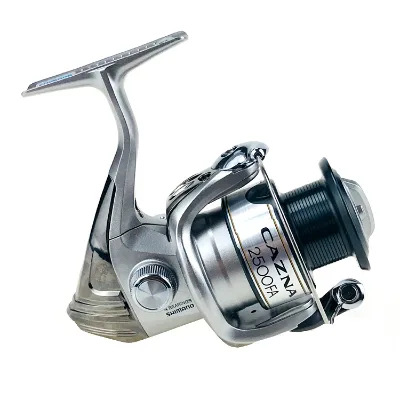
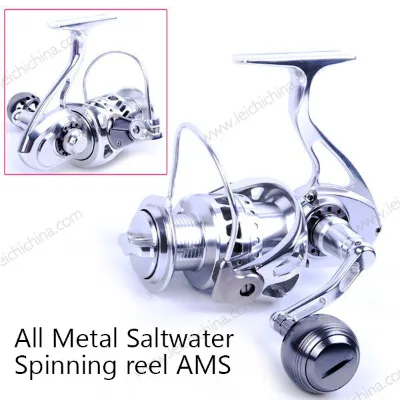
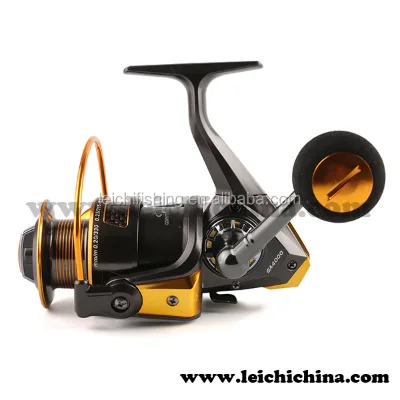
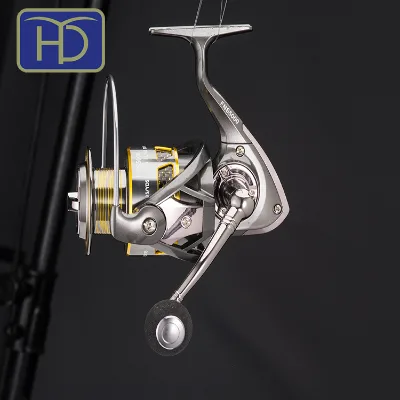
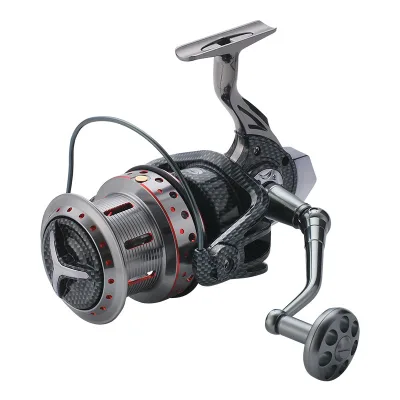
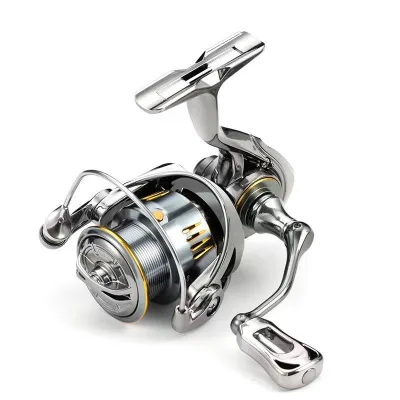
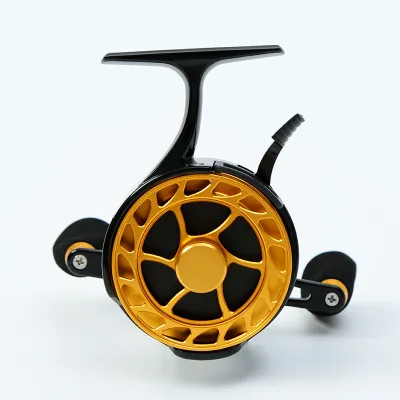
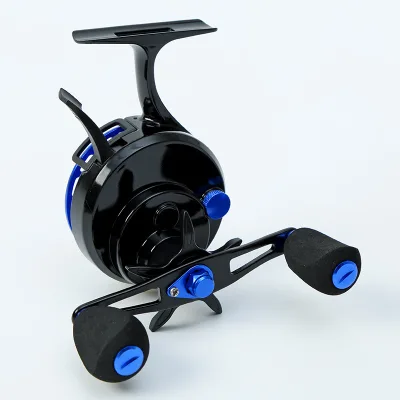
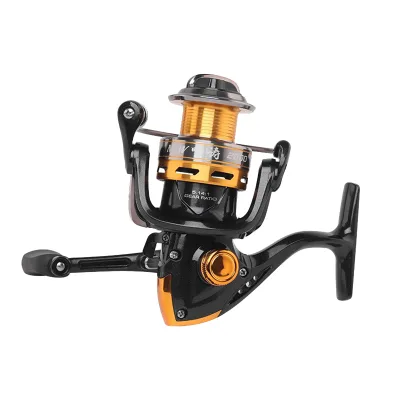


Spinning Fishing Reel Freshwater Saltwater High Speed Right Left Fishing Reel
$20.00 - $24.00
MOQ: 50 Pieces

13+1bb Freshwater Saltwater Spinning Fishing Reel High Speed Fishing Reel
$4.80 - $6.40
MOQ: 100 Pieces


Spinning Fishing Reels 2000-7000 Series Fishing Reel 5.1: 1 Gear Ratio Spinning Reel
$79.00 - $119.00
MOQ: 100 Pieces


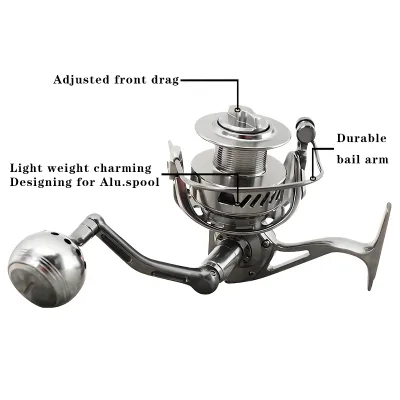
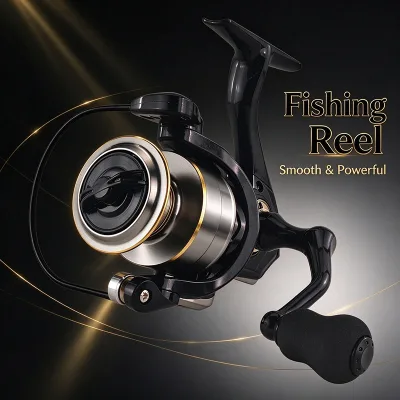
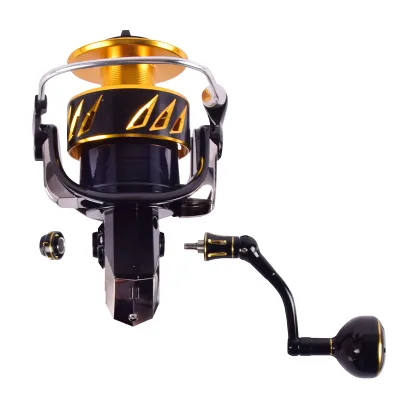
Comprehensive Sourcing Guide
Waterproof Saltwater Spinning Fishing Reel Sourcing Guide
Procuring high-performance spinning reels for marine environments requires careful attention to material integrity and sealing mechanisms. Buyers must prioritize reels constructed from corrosion-resistant alloys, such as aluminum, to withstand the harsh effects of saltwater exposure. The observed market data indicates a strong presence of OEM manufacturers offering customizable solutions, which allows retailers to brand products effectively while maintaining quality control. Understanding the specific construction details, such as the use of QPQ treated stainless steel components, is essential for ensuring long-term durability in abrasive coastal conditions.
The sourcing landscape features a wide variety of models, including those designated as 5000, 4000, and 6000 series, catering to different fishing techniques and target species. Suppliers often highlight features like complete waterproof designs and computer-balanced rotors to enhance casting smoothness and reduce fatigue during extended use. Buyers should evaluate the bearing systems closely, as the presence of Japanese high-performance bearings and specific quantities, such as 10 or 12 bearings, directly impacts the reel's operational efficiency. Verifying these technical attributes ensures that the selected equipment meets the rigorous demands of sea fishing and spinning applications.
Product Scope and Observed Listing Signals
The current market listings reveal a diverse range of spinning reels designed for both river and sea fishing applications. Key observations include models with gear ratios ranging from 4.7:1 to 6.3:1, which cater to different retrieval speeds and fishing styles. The product scope encompasses various color options, including black, silver, and light blue, allowing for aesthetic customization. Listings frequently mention the availability of samples in stock, which facilitates rapid prototyping and quality assessment for new buyers entering the market. This flexibility supports quick decision-making and reduces the initial risk associated with large-volume orders.
Supply capabilities vary significantly among vendors, with some offering up to 5000 pieces per month while others claim capacities of 100 million pieces per month. This disparity highlights the importance of verifying actual production capacity against order requirements. Most suppliers emphasize fast delivery and standard export packaging, ensuring that products arrive in optimal condition. The presence of CNC technology in manufacturing processes suggests a high level of precision in component fabrication. Buyers should cross-reference these supply claims with historical performance data to ensure reliability and consistency in bulk procurement scenarios.
Technical Specifications to Verify
When evaluating technical specifications, the material composition of the reel body and spool is a primary concern. Aluminum construction is commonly cited, providing a balance of lightweight handling and structural strength. Buyers must verify the specific type of aluminum used and the quality of the anodizing or coating processes to prevent corrosion. The spool capacity, often listed in series formats like 5000 or 7000, should be matched with the appropriate line capacity for braid and mono lines. For instance, some models specify line capacities such as 445/30 for braid, which helps in selecting the right reel for specific fishing conditions.
The bearing system is another critical technical aspect that requires thorough verification. Listings mention bearing quantities ranging from 3 to 12, with some specifying Japanese high-performance bearings. Buyers should confirm the type and quality of these bearings, as they significantly influence the smoothness of the retrieve. Additionally, the gear ratio, observed between 4.7:1 and 6.3:1, determines the retrieval speed and torque. Ensuring that the rotor is computer balanced can enhance casting performance and reduce vibration. These technical details must be validated through product datasheets or direct supplier communication to avoid discrepancies.
Compliance and Safety Documentation
While specific safety certifications are not explicitly detailed in the provided data, buyers should request documentation related to material safety and environmental compliance. Reels intended for marine use must adhere to standards that ensure the non-toxicity of coatings and materials, protecting both the user and the aquatic environment. Suppliers should provide certificates of conformity for the aluminum alloys and stainless steel components used in construction. Verifying that the QPQ treatment process meets industry standards for corrosion resistance is also essential for long-term product reliability.
Packaging and labeling compliance are equally important for international trade. Standard export packaging is mentioned, but buyers must ensure that the packaging meets the specific requirements of the destination country, including labeling laws and recycling directives. Documentation should clearly state the single package dimensions and gross weight, such as 10x10x10 cm and 1.0 kg, to facilitate accurate logistics planning. Buyers should also verify that the supplier provides necessary commercial invoices and packing lists that accurately reflect the product specifications and values for customs clearance purposes.
Cost Drivers and Commercial Terms
Several factors influence the final cost of waterproof saltwater spinning reels, including the complexity of the bearing system and the quality of the materials used. Models with higher bearing counts and Japanese components typically command a premium price. The gear ratio and the precision of the CNC manufacturing process also contribute to cost variations. Buyers should analyze the price range of 1.4 to 119 USD to understand the market segmentation and identify the value proposition of different models. Understanding these cost drivers helps in negotiating better terms and selecting products that offer the best balance of performance and price.
Minimum order quantities (MOQ) and supply ability are key commercial terms that affect procurement strategy. Observed MOQs range from 1 to 500 pieces, offering flexibility for small businesses and larger enterprises alike. Suppliers with higher supply abilities, such as 5000 pieces per day, may offer more competitive pricing for bulk orders. Buyers should also consider the availability of OEM services and custom packaging options, which may incur additional costs but provide significant branding benefits. Clear communication regarding lead times and delivery terms, such as dispatch from Qingdao, is essential for effective supply chain management.
Supplier Qualification and Quality Control
Supplier qualification is a critical step in ensuring the reliability of the procurement process. Buyers should verify the supplier's manufacturing capabilities, including the use of CNC technology and the availability of an own factory for OEM services. The claim of having a factory suggests better control over quality and production schedules. It is advisable to request factory audits or virtual tours to assess the production environment and quality control measures. Suppliers with a history of stable supply and fast delivery are preferable for maintaining consistent inventory levels.
Quality control procedures should be clearly defined and agreed upon before placing orders. Buyers should specify inspection criteria for critical components such as the rotor balance, bearing smoothness, and waterproof integrity. The use of standard export packing should be verified to prevent damage during transit. Additionally, buyers should establish a protocol for handling defective items and requesting replacements. Regular communication with the supplier regarding production progress and quality reports can help identify and resolve issues early in the manufacturing process, ensuring that the final products meet the required standards.
Long-Term Procurement Checks
Establishing long-term procurement relationships requires ongoing monitoring of supplier performance and product quality. Buyers should track key performance indicators such as delivery times, defect rates, and responsiveness to inquiries. Regular feedback loops with the supplier can help identify areas for improvement and foster a collaborative partnership. It is also important to stay updated on market trends and technological advancements in reel manufacturing to ensure that the sourced products remain competitive. Continuous evaluation of the product range, including new models with improved features, can help in expanding the product portfolio.
Risk management strategies should include diversifying the supplier base to mitigate the impact of potential disruptions. Maintaining a buffer stock of critical components or finished goods can help in responding to sudden demand spikes. Buyers should also review contractual terms periodically to ensure they remain favorable and aligned with current market conditions. Engaging in regular performance reviews with suppliers can help in identifying opportunities for cost savings and efficiency improvements. By proactively managing these aspects, buyers can build a resilient and efficient supply chain for waterproof saltwater spinning fishing reels.
FAQs
What gear ratios are available for this spinning reel?
The reel offers gear ratios of 5.5:1, 4.7:1, and 6.3:1 to suit different fishing techniques. These options allow anglers to choose between retrieval speed and torque. The model supports both left-hand and right-hand use modes. This versatility ensures comfortable operation for various user preferences during extended fishing sessions.
Can the reel handle saltwater environments effectively?
Yes, the reel features a complete waterproof design suitable for saltwater use. It includes QPQ treated stainless steel components to resist corrosion. The aluminum body and rotor are computer balanced for smooth operation. This construction helps maintain performance and durability when exposed to harsh marine conditions and frequent water contact.
What is the minimum order quantity for bulk purchases?
The minimum order quantity ranges from 1 to 500 pieces depending on the specific configuration. Samples are available in stock for quality verification before large orders. The supply ability supports up to 5000 pieces per month with fast delivery. This flexibility accommodates both small trial orders and larger commercial procurement needs.
How many bearings does the reel contain?
The reel contains either 10 or 12 ball bearings depending on the specific model variant. These bearings are described as Japanese high-performance units for smooth casting. The bearing quantity contributes to the overall rotational stability. This feature enhances the fishing experience by reducing friction during line retrieval and casting operations.
Is OEM branding and custom packaging available?
Yes, the supplier offers OEM services with custom logo design and packaging options. Buyers can include their own company information on the packaging. The standard export packing ensures safe transit. This customization capability allows brands to maintain their identity while leveraging the manufacturer's production capacity and quality standards.
What materials are used in the reel construction?
The reel body is constructed from aluminum for lightweight durability. The spool is also made of aluminum to reduce overall weight. Components include QPQ treated stainless steel for corrosion resistance. These material choices ensure a balance between strength and weight, which is critical for effective spinning reel performance in various fishing scenarios.