Source Waterproof Woven Vinyl Tablecloth for Hotels, Homes, and Outdoors
Find 30 Waterproof Woven Vinyl Tablecloth options from China. Compare features like oilproof, anti-static, and high-temperature resistance across models such as OT-112 and TJ0818-812. View specs including GSM, width, and MOQ for home, hotel, and outdoor use; compare the available evidence and request quotations based on your requirements.
Updated
Key considerations
Products List


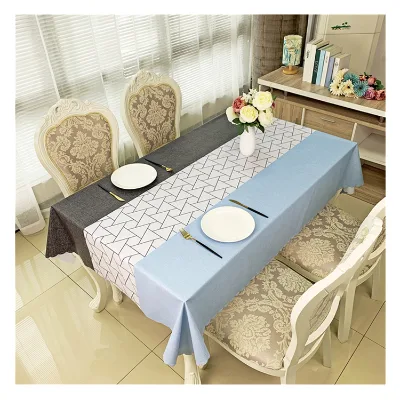

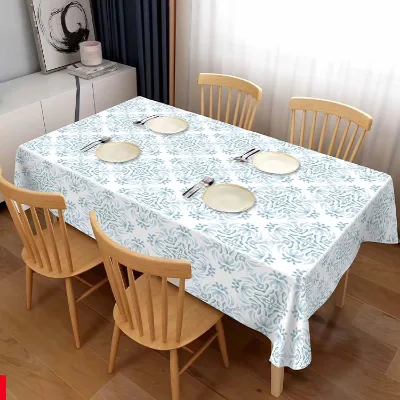
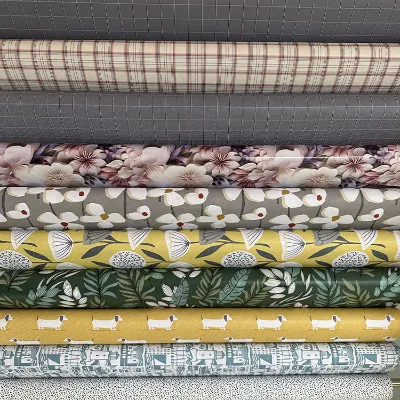
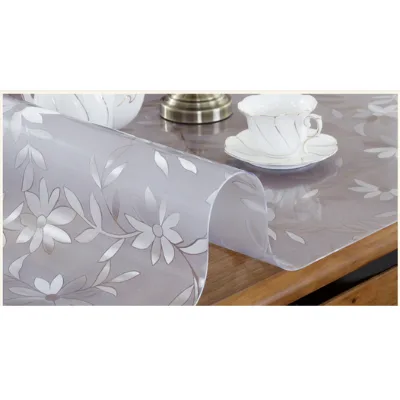
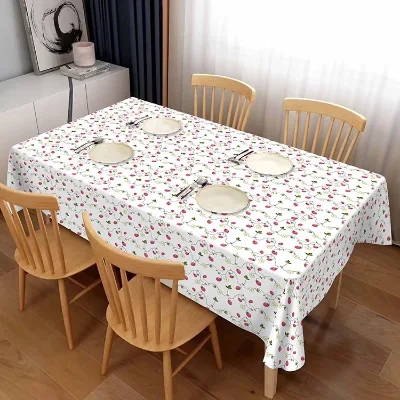
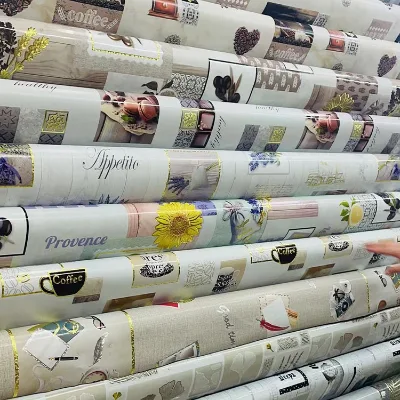


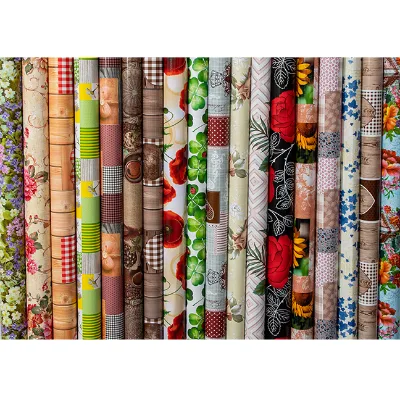
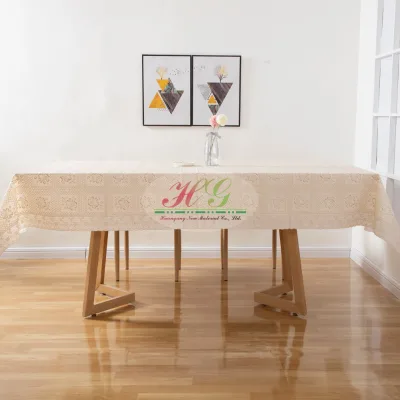
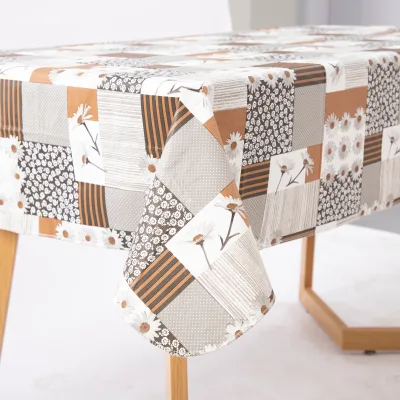
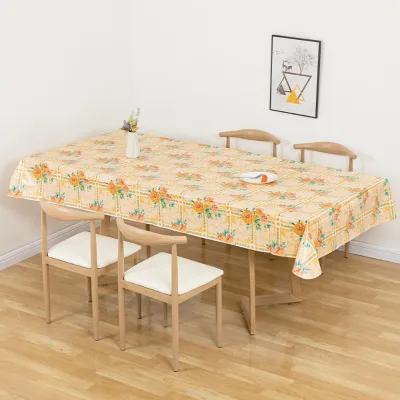
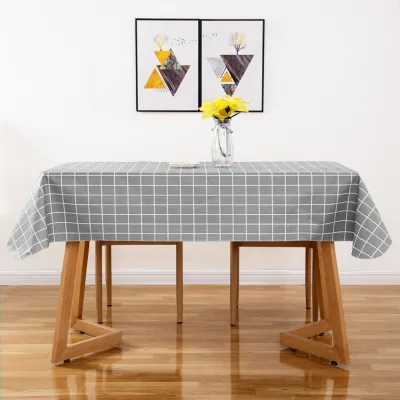


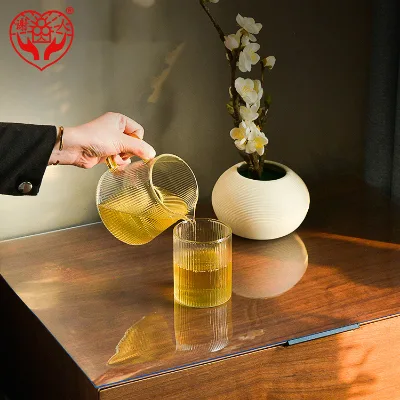
Comprehensive Sourcing Guide
Waterproof Woven Vinyl Tablecloth Sourcing Guide
Sourcing waterproof woven vinyl tablecloths requires a clear understanding of material distinctions and functional requirements. Buyers must differentiate between pure PVC options and polyester blends, as each offers unique durability and texture profiles. The observed market includes products labeled as decorative or practical, with customization available to meet specific branding or dimensional needs. Understanding these baseline attributes helps in filtering suppliers who can deliver the exact performance characteristics required for your project.
Procurement decisions should also account for the diverse usage environments, ranging from indoor hotel settings to outdoor events and seasonal Christmas decorations. The availability of free samples allows buyers to physically assess the material’s hand feel, opacity, and print quality before committing to bulk orders. This tactile verification is critical, as visual images alone cannot convey the true weight, flexibility, or surface finish of the vinyl or woven fabric, ensuring the final product aligns with your aesthetic and functional expectations.
Product Scope and Observed Listing Signals
The current market landscape for waterproof table coverings presents a wide variety of material compositions and structural designs. Observed listings indicate a primary focus on polyester and PVC materials, with some products combining these elements for enhanced performance. The gram weight ranges significantly, from lightweight options around 18-220 GSM to heavier duty variants up to 260 GSM, allowing buyers to select based on the intended frequency of use and required durability. This variation in weight directly impacts the drape, stiffness, and overall premium feel of the final tablecloth.
Listing signals also highlight specific technical features such as waterproof, oilproof, anti-static, and easy-wipe capabilities, which are essential for high-traffic hospitality environments. Products are often available in rectangular shapes with customized specifications, including widths up to 180cm and lengths of 20m per roll. The presence of multiple design options, with some suppliers offering over 400 designs, suggests a strong emphasis on aesthetic customization. Buyers should verify if the printed patterns are consistent across the entire roll and if the backing material, such as non-woven fabric or flannel, meets their comfort and stability requirements.
Technical Specifications to Verify
When evaluating technical specifications, thickness and width are critical parameters that influence both the product’s longevity and its fit for specific table sizes. Observed data shows PVC thickness ranging from 0.08 to 0.30mm, with some products specified at 2 mil, indicating a need to confirm the exact gauge for your durability needs. Widths are commonly available in standard sizes like 1m, 1.2m, 1.4m, or 137cm/140cm, but customized lengths are also offered. Verifying these dimensions ensures that the tablecloth will cover the intended surface area without excessive overhang or shortage, particularly for irregularly shaped tables.
Print quality and pattern consistency are equally important technical aspects to verify before placing large orders. The production techniques listed include printed designs, which require scrutiny to ensure color fastness and resistance to fading or smudging during cleaning. Buyers should request detailed information on the printing process and the type of inks used, especially if the tablecloths will be exposed to direct sunlight or frequent washing. Additionally, confirming the packing method, whether by sheet, roll, or with specific protective films, helps prevent damage during transit and ensures the product arrives in pristine condition.
Compliance and Safety Documentation
Compliance with international safety and environmental standards is a non-negotiable aspect of sourcing table coverings for global markets. Some observed products explicitly mention adherence to standards such as LFGB, REACH, Oeko-Tex 100, and EN-71, which are crucial for food-contact safety and chemical restrictions. Buyers must verify that the supplier can provide valid certificates for these standards, ensuring that the materials used do not contain harmful phthalates, heavy metals, or other restricted substances. This documentation is particularly important for products intended for use in hotels, restaurants, or households where direct contact with food or skin is likely.
Beyond chemical compliance, buyers should also inquire about the testing protocols used to validate the claimed features like waterproofing and oilproofing. While specific test results are not always listed, understanding the methodology behind these claims helps assess their reliability. For instance, verifying how the anti-static property is achieved and whether it persists after multiple wash cycles can prevent operational issues in dry environments. Requesting third-party lab reports for key performance indicators adds an extra layer of assurance, reducing the risk of receiving products that fail to meet the advertised functional standards.
Cost Drivers and Commercial Terms
Cost structures for waterproof tablecloths are influenced by material composition, customization levels, and order volume. The observed price range of 0.15 to 15.26 USD reflects significant variation based on factors such as gram weight, thickness, and the complexity of the printed design. Higher-end products with specialized features like high-temperature resistance or premium backing materials will naturally command higher prices. Buyers should analyze the cost per unit in the context of the product’s lifespan and performance, rather than focusing solely on the initial purchase price, to ensure long-term value.
Commercial terms also play a significant role in the total cost of ownership. The standard payment term of 30% T/T in advance with the balance before shipping is common, but buyers should negotiate for more favorable terms if possible, especially for repeat orders. The minimum order quantity (MOQ) ranges from 1 to 3000 units, offering flexibility for both small-scale trials and large-scale deployments. Understanding these terms helps in planning cash flow and inventory management, ensuring that the procurement process aligns with your business’s financial and logistical capabilities.
Supplier Qualification and Quality Control
Supplier qualification is a critical step in mitigating procurement risks, requiring a thorough assessment of their manufacturing capabilities and quality control processes. Buyers should verify the supplier’s origin, with many products originating from Dongguan, China, a hub for textile and vinyl manufacturing. Assessing the supplier’s experience in producing customized tablecloths, including their ability to handle complex designs and specific material blends, is essential. Requesting references or case studies from previous clients can provide insights into the supplier’s reliability and consistency in meeting deadlines and quality expectations.
Quality control measures should be explicitly defined in the purchase agreement, including inspection points during production and pre-shipment checks. Buyers should inquire about the supplier’s internal testing procedures for features like waterproofing, oilproofing, and color fastness. Establishing clear acceptance criteria for defects, such as print misalignment, material tears, or inconsistent thickness, helps in managing expectations and resolving disputes. Implementing a third-party inspection service for large orders can provide an independent verification of quality, ensuring that the delivered products meet the agreed-upon specifications before payment is finalized.
Long-Term Procurement Checks
Long-term procurement success depends on establishing a robust relationship with suppliers who can consistently deliver high-quality products. Regular performance reviews should be conducted to assess the supplier’s adherence to quality standards, delivery times, and responsiveness to issues. Tracking metrics such as defect rates, customer feedback, and product durability over time helps in identifying potential problems early and making informed decisions about future orders. Maintaining open communication channels with the supplier facilitates continuous improvement and ensures that any changes in material availability or production processes are communicated promptly.
Additionally, buyers should stay informed about evolving industry standards and market trends that may impact product specifications or compliance requirements. As environmental regulations become stricter, suppliers may need to adapt their materials and processes to meet new criteria. Proactively engaging with suppliers on these developments ensures that your procurement strategy remains compliant and competitive. By focusing on long-term partnership rather than transactional buying, buyers can secure better pricing, priority production slots, and access to innovative product offerings that enhance their market position.
FAQs
What materials are used for waterproof woven vinyl tablecloths?
These tablecloths are primarily manufactured from PVC or polyester blends. Some variants incorporate flannel or non-woven fabric backing to enhance durability and texture. The material choice impacts the gram weight, which typically ranges from 20 to 260 GSM, allowing buyers to select options suitable for heavy-duty hotel use or lightweight outdoor events.
Can I customize the size and design of these tablecloths?
Yes, customization is widely available for these products. Buyers can request specific widths, such as 137cm or 140cm, and lengths like 20m per roll. Manufacturers often offer over 400 design options, including plain patterns, and can accommodate custom specifications to meet unique branding or dimensional requirements for home and commercial settings.
What are the key features of waterproof woven vinyl tablecloths?
Key features include waterproof, oilproof, and anti-static properties. Many products are also high-temperature resistant and easy to wipe clean. These characteristics make them practical for home, hotel, and outdoor use. Some variants are disposable, while others are designed for repeated use, offering versatility for various decorative and functional applications in different environments.
What is the typical MOQ for ordering these tablecloths?
The minimum order quantity varies by supplier but often starts at 3000 meters. Some suppliers may accept lower MOQs, such as 1 unit, for samples or small batches. Buyers should verify specific MOQ requirements with manufacturers, as these thresholds can influence pricing tiers and production scheduling, especially for customized designs or specific material blends.
How are these tablecloths packaged for shipping?
Packaging methods include roll packing with paper labels and shrink film, or sheet packing. Some products are packed in clear PVC bags with insert cards and hangers for retail readiness. Others use clear PVC film with one label and a paper core. These methods protect the material during transit and ensure easy handling upon arrival at the destination.
Are there safety certifications for these tablecloths?
Yes, many manufacturers provide products certified to standards like LFGB, REACH, Oeko-Tex 100, and EN-71. These certifications ensure the materials are safe for food contact and environmental compliance. Buyers should request specific certification documents to verify that the products meet the regulatory requirements of their target markets, particularly for hotel and home use applications.