Source Disposable Flannel Cotton Face Cover for Spa, Hotel, and Salon
Find and compare 27 listings for Disposable Flannel Cotton Face Cover options tailored for commercial use. Evaluate specifications such as material, sterilization methods, and certifications to select the right solution for spa, hospital, or beauty salon applications; compare the available evidence and request quotations based on your requirements.
Updated
Key considerations
Products List


Beauty Salon Disposable Hole Towel Non-Woven Face Cover Disposable Headrest Covers
$0.018 - $0.035
MOQ: 200000 Pieces

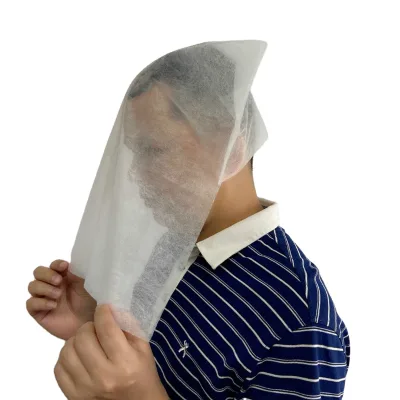
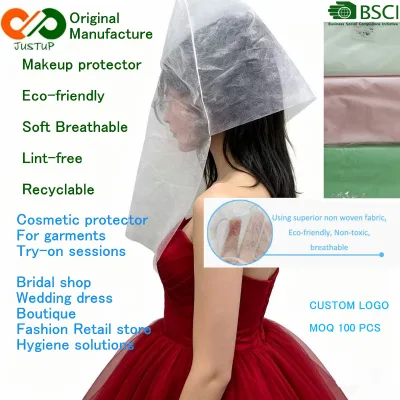
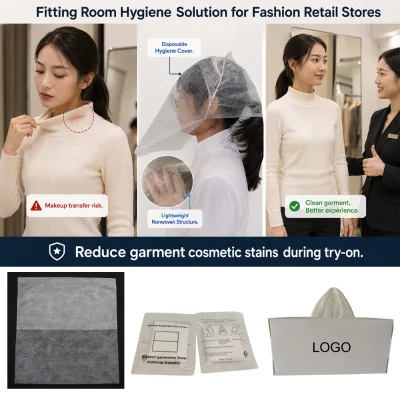
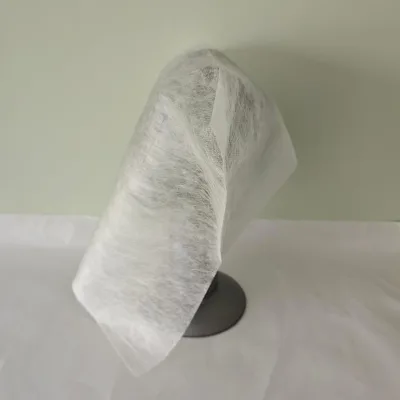



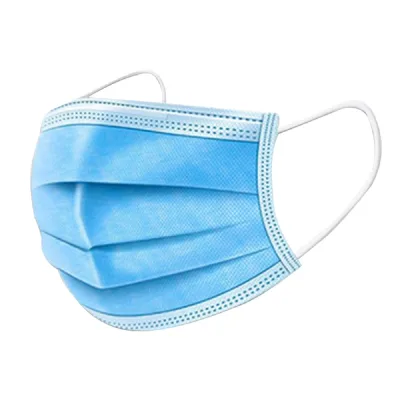
Disposable 3-Ply Safety Protective Breathable Non-Woven Face Cover with High Filtration
$0.013 - $0.015
MOQ: 200000 Pieces

Cool Fashion Surgical Disposable Face Mask Stylish 3-Ply Medical Face Cover
$0.02 - $0.03
MOQ: 200000 Pieces


Disposable Face Masks, Breathable Non-Woven Multicolor Mask Facial Mouth Cover 3 Layer
$0.006 - $0.01
MOQ: 100000 Pieces



Comprehensive Sourcing Guide
Disposable Flannel Cotton Face Cover Sourcing Guide
Procuring disposable flannel cotton face covers requires a nuanced understanding of material composition and intended use, as the term "flannel" often implies a specific texture that may differ from standard non-woven fabrics. Buyers must distinguish between true cotton flannel and synthetic alternatives that mimic the feel, ensuring the selected material aligns with comfort and hygiene requirements. The observed market data indicates a strong prevalence of non-woven fabric options, which offer consistent quality and cost-efficiency for high-volume commercial applications.
Sourcing decisions should be guided by the specific operational environment, whether for healthcare, hospitality, or beauty services. The available product range includes items explicitly designed for commercial use, such as disposable towels and protective gear, which often share supply chains with face covers. Understanding these overlaps helps buyers identify suppliers with robust manufacturing capabilities and established quality control processes, reducing the risk of receiving substandard materials that fail to meet hygiene or durability expectations.
Product Scope and Observed Listing Signals
The current market landscape for disposable face protection features a diverse array of product types, including face masks, aprons, and gloves, often sourced from the same manufacturing bases. Observed listings highlight models like TLJ-DD10 and TLJ-cover6, which utilize soft non-woven materials and are packaged in convenient units such as bags or cartons. These signals suggest that buyers should look for suppliers offering modular packaging solutions, such as 100 pieces per pack or 2,000 pieces per carton, to streamline inventory management and distribution logistics.
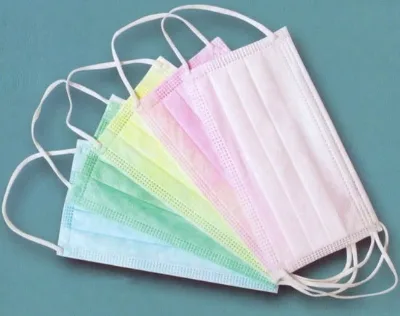
Color and size variations are critical selection criteria, with white, blue, green, and pink options commonly available to suit different departmental needs or aesthetic preferences. Standard dimensions observed include 30x41cm and 38x40+38x20cm, providing adequate coverage for various face shapes and usage scenarios. Buyers should verify these specifications against their internal requirements, as custom sizes and patterns are frequently offered, allowing for tailored solutions that enhance brand visibility through logo printing and customized packaging designs.
Technical Specifications to Verify
Material composition is the primary technical factor, with non-woven fabric being the dominant choice due to its balance of softness, breathability, and cost-effectiveness. Buyers must confirm whether the material is indeed cotton-based or a synthetic blend, as this impacts both user comfort and environmental impact. The presence of features like eco-friendly claims and specific weights, such as 300g per OPP bag, provides tangible metrics for evaluating product density and perceived quality, which are essential for maintaining consistent user experience across large orders.
Packaging integrity and storage conditions are equally important technical considerations. Products are often packed in OPP bags or cartons with strict weight limits, such as 11.9kg per carton, to ensure safe handling and transport. Buyers should verify the single package dimensions, such as 42x22x4 cm, to optimize warehouse space and shipping costs. Additionally, features like folding styles and 100% QC checks indicate a supplier’s commitment to quality, ensuring that each unit meets the required standards before leaving the factory.
Compliance and Safety Documentation
Regulatory compliance is non-negotiable for disposable face covers, particularly when used in healthcare or beauty settings. Certifications such as ISO13485, CE, and FDA approval are critical indicators of a supplier’s adherence to international quality and safety standards. Buyers must request valid certificates and verify their authenticity, as these documents confirm that the manufacturing process meets rigorous hygiene and material safety requirements. The absence of such certifications can pose significant legal and reputational risks, especially in regulated markets.
Sterilization methods and ethical production practices are also key documentation areas. Ethylene oxide sterilization is a common process for medical-grade products, ensuring that items are free from harmful pathogens. Buyers should inquire about the sterilization validation reports and ensure that the supplier follows proper aeration procedures to remove residual chemicals. Furthermore, verifying that the products are free from hazardous substances and comply with local environmental regulations is essential for maintaining a sustainable and responsible supply chain.
Cost Drivers and Commercial Terms
Pricing in the disposable face cover market is influenced by material costs, order volume, and customization requirements. Observed price ranges are highly competitive, with some listings starting as low as $0.01 per unit, reflecting the economies of scale in mass production. However, buyers should be cautious of unusually low prices, as they may indicate compromised material quality or hidden costs. Minimum order quantities (MOQs) vary significantly, ranging from small batches of 100 cartons to large volumes of 800,000 units, allowing flexibility for both small businesses and large enterprises.
Commercial terms such as payment methods, lead times, and shipping options also impact the total cost of ownership. Suppliers often offer free samples to allow buyers to evaluate quality before committing to large orders, which is a valuable risk mitigation strategy. Buyers should negotiate clear terms regarding packaging customization, logo printing, and delivery schedules to avoid unexpected expenses. Understanding the loading ports, such as Wuhan and Shanghai, helps in estimating transit times and freight costs, ensuring accurate budgeting and timely delivery.
Supplier Qualification and Quality Control
Supplier qualification involves a thorough assessment of manufacturing capabilities, quality management systems, and past performance. Buyers should prioritize suppliers with established certifications and a track record of consistent quality, as evidenced by 100% QC checks and detailed inspection reports. The presence of a quality guarantee period, such as two years for certain products, indicates a supplier’s confidence in their manufacturing processes and provides an additional layer of protection for the buyer.
Due diligence should also include site audits or third-party inspections to verify production conditions and labor practices. Buyers must ensure that the supplier adheres to ethical standards and maintains a clean, organized production environment. Requesting references from existing clients and reviewing feedback can provide insights into the supplier’s reliability and responsiveness. By focusing on suppliers with robust quality control systems, buyers can minimize the risk of defects and ensure a steady supply of high-quality disposable face covers.
Long-Term Procurement Checks
Long-term procurement success depends on continuous monitoring of supplier performance and market trends. Buyers should establish key performance indicators (KPIs) to track delivery times, product quality, and customer satisfaction, allowing for data-driven decisions and timely interventions. Regular audits and feedback loops help maintain high standards and foster a collaborative relationship with suppliers, ensuring that both parties remain aligned on quality and service expectations.
Adapting to regulatory changes and evolving consumer preferences is also crucial for long-term sustainability. Buyers should stay informed about new certifications, material innovations, and environmental regulations that may impact product requirements. By maintaining a flexible and informed procurement strategy, buyers can navigate market fluctuations and secure a reliable supply of disposable face covers that meet current and future needs. This proactive approach ensures resilience and competitiveness in an increasingly dynamic marketplace.
FAQs
What certifications do the disposable face covers hold?
The products hold ISO13485 and CE certifications for medical and commercial use. Some listings also reference FDA and ISO standards. These certifications ensure the non-woven fabric meets safety requirements for hospitals, hotels, and beauty salons.
Can I request custom logo printing on the face covers?
Yes, logo printing is available for the disposable face covers. Buyers can choose from various colors like white, blue, green, or pink. Customization options extend to specific sizes and slit shapes to meet unique branding or functional needs.
What is the minimum order quantity for these products?
The minimum order quantity varies by supplier but typically starts at 100 cartons. Some listings indicate an MOQ range from 5 to 800,000 units. Buyers should verify specific carton counts and packaging details like 100 pieces per pack.
How are the disposable face covers packaged for shipping?
Packaging options include bags, cartons, and boxes depending on the model. Common configurations are 100 pieces per bag with 3,000 pieces per carton. Other options involve 50 pieces per box with 2,000 pieces per carton for efficient logistics.
Are free samples available for testing the product quality?
Free samples are available for many of the listed disposable face cover models. Buyers can request these to verify the soft non-woven material and inspection standards. This allows for quality assessment before committing to larger bulk orders.
Which locations are the primary origins for these products?
The products originate from China, specifically from regions like Hubei and Fujian. Loading ports include Wuhan and Shanghai for international shipping. This location data helps buyers estimate lead times and logistics costs for their specific destination.