Source Waterproof WPC Flooring Clips for decks, pools, and projects
Compare 30 listings for Waterproof WPC Flooring Clips designed for outdoor decking, swimming pool areas, and engineering projects. Buyers can evaluate specifications like click locks, dual locks, and material compositions from verified Chinese manufacturers; compare the available evidence and request quotations based on your requirements.
Updated
Key considerations
Products List
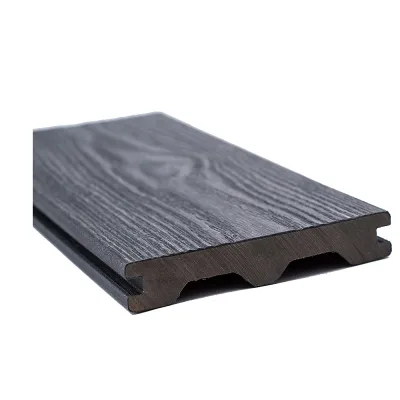
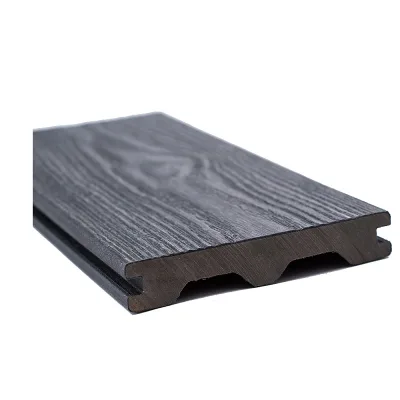
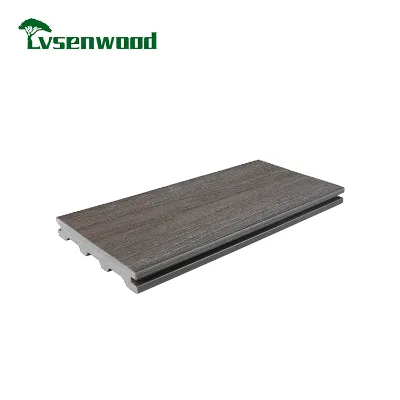
Good Quality Decking Clip Wpc Accessories Wooden Floor Garden Extrusion Wpc Decking
$3.4147 - $4.1387
MOQ: 1000 meters
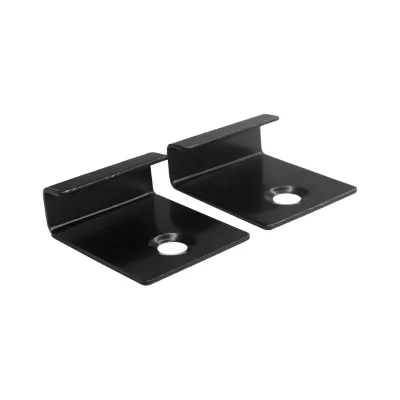
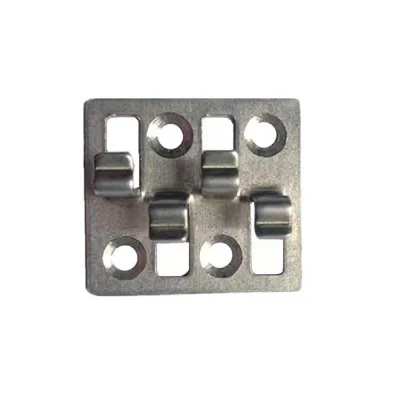
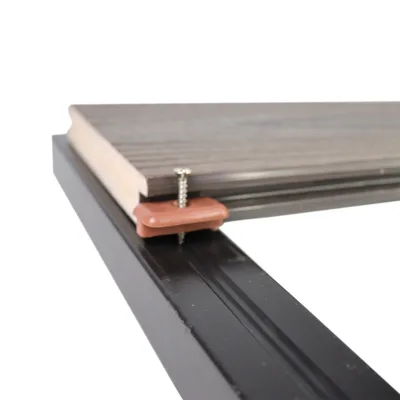
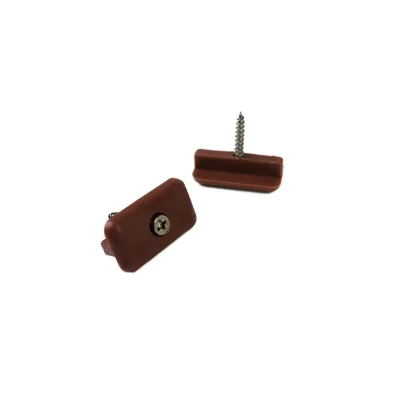
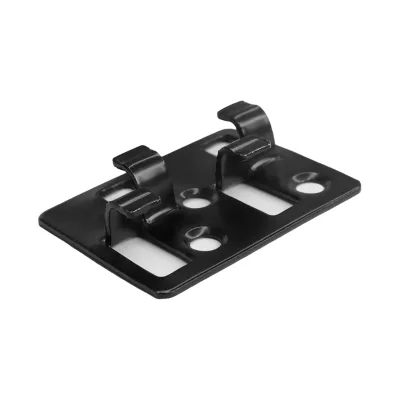
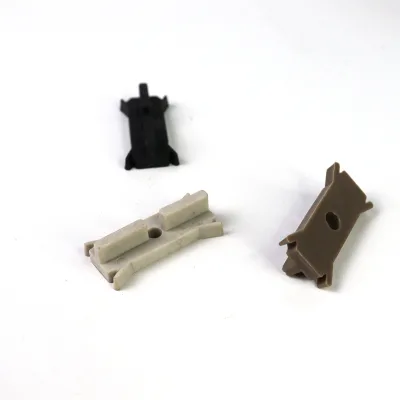

Outdoor WPC Decking Flooring Clips Hidden 304 Stainless Steel Decking Clips
$0.058 - $0.075
MOQ: 1000 Pieces

WPC Flooring Buckle WPC Decking Clips Floor Plastic Buckle Decking Ss Clip
$0.058 - $0.075
MOQ: 1000 Pieces

Exterior Decking WPC Decking Stainless Steel Clips for Flooring Board
$0.058 - $0.075
MOQ: 1000 Pieces


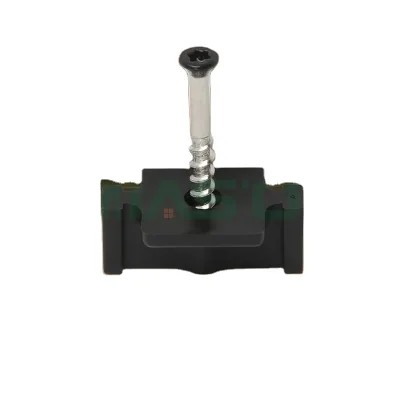
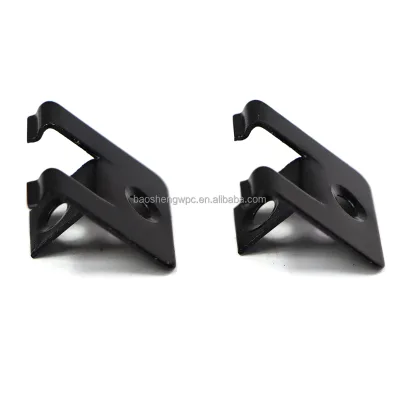
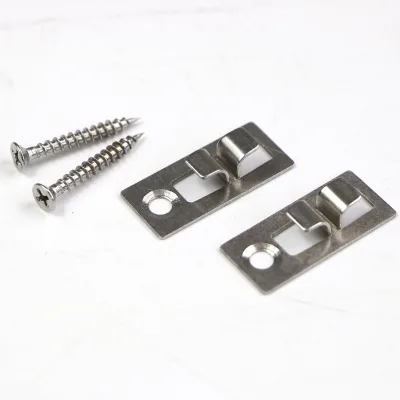
Exterior Wpc Wood Composite Wall Panel Fixing Clips Composite Wall Cladding Clips
$0.0412 - $0.0823
MOQ: 1 pieces
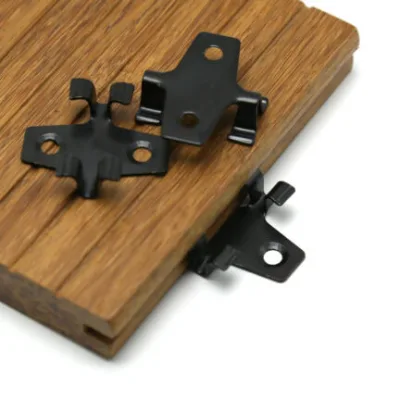
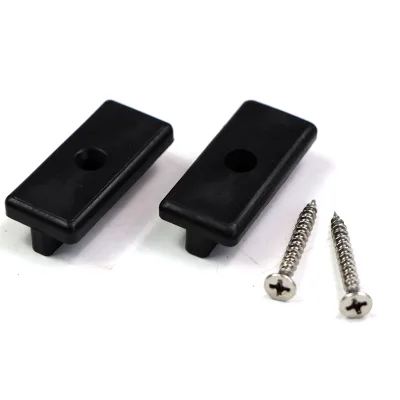
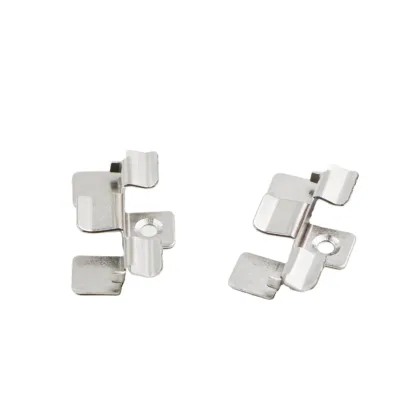
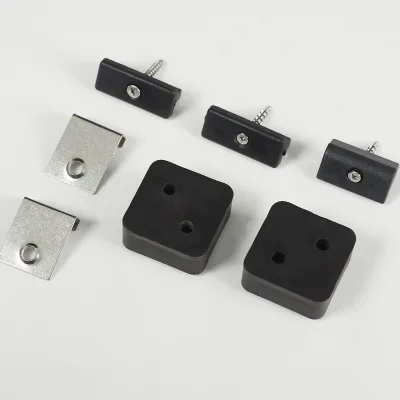
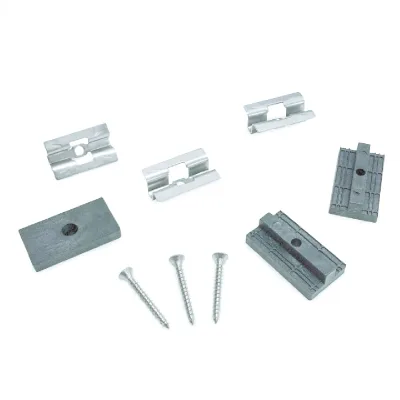
WPC Decking Clips Outdoor Engineered Flooring Plastic Fastener Spacer Clip
$0.0205 - $0.0411
MOQ: 1000 pieces

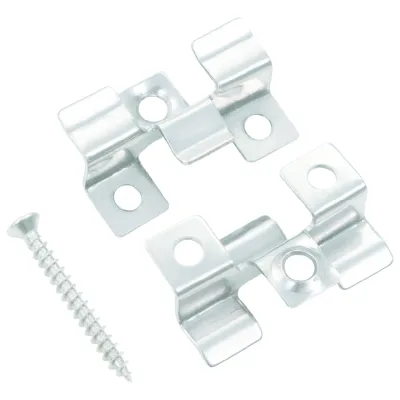
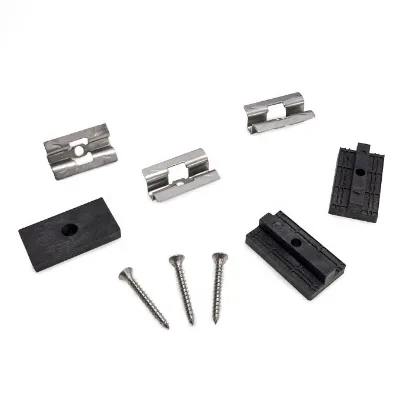
Comprehensive Sourcing Guide
Waterproof WPC Flooring Clips Sourcing Guide
Procuring Waterproof WPC Flooring Clips requires a nuanced understanding of the broader decking ecosystem, as these small components are integral to the performance of larger wood-plastic composite systems. Buyers must recognize that the clips serve as critical connectors for engineered wood and WPC decking, ensuring stability while maintaining the waterproof integrity of the installation. The supplied data indicates that modern installations often utilize click-lock or dual-lock systems, which rely heavily on the precision of these fastening accessories. Consequently, sourcing decisions should not be isolated to the clips themselves but must consider their compatibility with the primary decking materials, such as those composed of wood, HDPE, and additives.
The market landscape for these accessories is diverse, with suppliers offering solutions tailored for both indoor and outdoor applications. Observed product attributes highlight usage in swimming pool decking and outdoor engineering projects, suggesting that the clips must withstand moisture, UV exposure, and heavy foot traffic. Buyers should prioritize suppliers who demonstrate project solution capabilities, such as 3D model design, as this indicates a higher level of technical support and integration expertise. Understanding the specific installation method, whether it involves easy installation features or more complex tongue-and-groove mechanisms, is essential for selecting the right clip type that aligns with the overall structural requirements of the deck.
Product Scope and Observed Listing Signals
The observed product listings reveal a wide range of specifications that buyers must navigate when sourcing Waterproof WPC Flooring Clips. Key attributes include surface treatments like sanding embossing woodgrain and sanded wood grain, which suggest a focus on aesthetic integration with the decking material. The presence of various color options, including brown, chocolate, orange, light grey, black, dark grey, and burgundy, indicates that buyers can match clips to specific design styles, particularly modern aesthetics. Additionally, the material composition often involves WPC or wood-plastic composites, ensuring that the clips share similar thermal expansion and water-proof characteristics with the main decking planks.
Listing signals also point to significant variations in physical dimensions and packaging. For instance, single package sizes range from 100x14x2.2 cm to 220x14x2.2 cm, reflecting different decking plank dimensions that the clips must accommodate. The gross weight per unit varies, with observations of 2.800 kg and 4.000 kg, which impacts shipping costs and handling logistics. Buyers should pay close attention to these physical specifications to ensure that the clips they order are compatible with their specific decking thickness and length. Furthermore, the mention of model numbers like SF-2.8 and LSSD-66 suggests that standardization is not universal, requiring careful verification of part numbers before placing bulk orders.
Technical Specifications to Verify
When evaluating technical specifications, buyers must verify the compatibility of the clips with the specific installation system being used. The data highlights installation methods such as click-lock and dual-lock tongue-and-groove types, which dictate the mechanical design of the clips. It is crucial to confirm that the clips are designed to work seamlessly with these locking mechanisms to prevent shifting or separation over time. Additionally, the surface treatment of the clips should match the decking material to ensure uniform aging and resistance to environmental factors. Buyers should request samples to test the fit and finish, ensuring that the clips do not compromise the waterproof seal of the deck.
Material composition is another critical technical aspect that requires verification. While some products are described as wood-plastic composite flooring, others may use different blends of wood, HDPE, and additives. Buyers must ensure that the clips are made from materials that are resistant to rot, insects, and moisture, as these are key benefits of WPC decking. The thickness of the decking, observed to be above 18mm in some listings, also influences the clip design, as thicker planks may require deeper or more robust fastening solutions. Verifying these technical details with the supplier can prevent installation failures and ensure the long-term durability of the deck structure.
Compliance and Safety Documentation
Compliance and safety documentation are essential for ensuring that the sourced clips meet international standards and regulatory requirements. The observed listings mention certifications such as CE and ISO9001, which indicate that the suppliers adhere to specific quality management and product safety standards. Buyers should request copies of these certificates to verify their validity and ensure that they cover the specific products being purchased. Additionally, compliance with local building codes and fire safety regulations is crucial, especially for commercial projects or installations in areas with strict safety requirements.
Beyond certifications, buyers should inquire about the environmental impact and sustainability of the materials used in the clips. WPC products are often marketed as eco-friendly alternatives to traditional wood, but it is important to verify the source of the wood fibers and the recyclability of the plastic components. Suppliers should provide material safety data sheets (MSDS) and information on the additives used in the composite material. This documentation helps buyers assess the potential health and environmental risks associated with the product, ensuring that the decking installation is safe for both workers and end-users.
Cost Drivers and Commercial Terms
Cost drivers for Waterproof WPC Flooring Clips include material costs, manufacturing complexity, and order volume. The observed price range of 0.02 to 23.17 USD suggests significant variation based on product type and quantity. Buyers should consider the minimum order quantity (MOQ), which ranges from 1 to 20,000 units, as this can impact the unit price and overall budget. Larger orders typically benefit from economies of scale, but buyers must balance this with storage capacity and project timelines. Additionally, the complexity of the clip design, such as dual-lock mechanisms or custom colors, can increase manufacturing costs and lead times.
Commercial terms also play a significant role in the total cost of ownership. Buyers should negotiate clear terms regarding shipping, insurance, and payment methods to avoid unexpected expenses. The place of origin, primarily Shandong and Anhui in China, can influence logistics costs and delivery times. It is advisable to request detailed quotations that break down costs for materials, labor, and shipping. Furthermore, buyers should consider the warranty period, with some suppliers offering more than five years, as this can provide long-term value and reduce the risk of replacement costs.
Supplier Qualification and Quality Control
Supplier qualification is a critical step in ensuring the reliability and consistency of the sourced clips. Buyers should verify the supplier's production capabilities, including their factory size, equipment, and quality control processes. The observed brand names, such as Lvsen Vdi and Funuote, indicate that there are established players in the market, but buyers should conduct due diligence to assess their reputation and track record. Requesting references from previous clients and visiting the factory, if possible, can provide valuable insights into the supplier's operational efficiency and commitment to quality.
Quality control measures should be clearly defined and agreed upon before placing orders. Buyers should specify inspection criteria, such as dimensional accuracy, surface finish, and material composition, and request pre-shipment inspections. The observed surface treatments, like sanding embossing woodgrain, require careful attention to detail to ensure consistency across batches. Additionally, buyers should establish a process for handling defects or non-conforming products, including return policies and compensation terms. Effective communication and clear quality standards are essential for maintaining a successful supply chain and ensuring that the clips meet the project's requirements.
Long-Term Procurement Checks
Long-term procurement checks involve monitoring supplier performance and product durability over time. Buyers should establish key performance indicators (KPIs) to track delivery times, product quality, and customer service responsiveness. Regular audits and feedback sessions can help identify areas for improvement and strengthen the partnership with the supplier. Additionally, buyers should stay informed about industry trends and technological advancements in WPC decking and accessories, as this can inform future sourcing decisions and product upgrades.
Product durability is another critical aspect of long-term procurement. Buyers should monitor the performance of the clips in real-world conditions, paying attention to issues such as loosening, discoloration, or material degradation. The observed warranty periods of more than five years suggest that suppliers are confident in the longevity of their products, but buyers should verify this through field testing and customer feedback. By maintaining a proactive approach to supplier management and product evaluation, buyers can ensure that their decking installations remain stable, safe, and aesthetically pleasing for years to come.
FAQs
What material is used for the Waterproof WPC Flooring Clips?
The clips are manufactured using a composite of wood, HDPE, and additives. This composition ensures high durability and resistance to moisture, making them ideal for outdoor decking applications. The material choice supports the overall waterproof characteristics of the installed flooring system.
Can these clips be used for swimming pool decking projects?
Yes, the product is explicitly designed for usage in swimming pool decking. The waterproof feature and robust construction allow it to withstand wet environments. This makes it a suitable choice for marine or high-moisture areas where standard wood products might fail quickly.
Which certifications are available for the decking accessories?
The accessories hold CE and ISO9001 certifications. These credentials verify compliance with international quality and safety standards. Buyers can rely on these documented certifications to ensure the products meet regulatory requirements for engineering projects and international trade transactions.
How is the installation process handled for these clips?
The installation is designed to be easy and efficient. The system utilizes a click lock or dual lock mechanism for secure attachment. This design allows for quick assembly without complex tools, facilitating faster project completion for both small and large engineering projects.
What is the typical warranty period for these products?
The warranty period is more than five years. This long-term coverage reflects the durability of the wood-plastic composite material. Buyers benefit from extended protection against defects, ensuring long-term reliability for outdoor decking and flooring applications in various climates.
Where are these Waterproof WPC Flooring Clips produced?
The products are produced in China, specifically in Shandong and Anhui provinces. This location indicates a strong manufacturing base for wood-plastic composite materials. Buyers can source directly from these regions to access competitive pricing and established supply chains for bulk orders.