Office Building Plastic Composite Flooring Suppliers and Manufacturers
Find 29 verified suppliers offering Office Building Plastic Composite Flooring with ISO9001:2015 certification and TUVRHEINLAND verification. Compare response times, lead times, and product specifications like waterproof and anti-static features before requesting quotes; review the available evidence before requesting comparable quotations from suitable candidates.
Updated
Suppliers List

Jiangsu Senyu New Material Co., Ltd.
- Verified by TUVRHEINLAND
- Combined
- China Jiangsu
- Lead time15 days
- Avg. response≤ 9h
Main productsWPC Flooring, WPC Decking, WPC Fencing, WPC Outdoor Pergola, WPC Flower Box, WPC Dustbin, Garden Bench, WPC Keel, WPC Pavilion, WPC Wall Cladding
Main marketsSoutheast Asia/ Mideast,Domestic,Europe,North America

Qingdao Jadelight International Trading Co., Ltd
- Verified by TUVRHEINLAND
- Group Corporation
- China Shandong
- Lead time23 days
- Avg. response≤ 3h
Main productsRaised Floor, Computer Floor, Raised Floor System, Access Floor, Raised Access Flooring, False Floor, OA Floor, Steel Floor, Tate Access Floors, Antistatic Floors
Main marketsSouth America,Eastern Europe,Mid East,North America,Southeast Asia,Eastern Asia,Oceania,Western Europe,Africa

Spc Composite Flooring Manufacturer Floor for Commercial Office Building Material
$7.25 - $8.02
MOQ: 300 Square Feet


Embossed Stone Plastic Composite Flooring/Vinyl Composite Flooring for Offices
$4.23 - $4.56
MOQ: 300 Square Meters


Commercial Floor Wood Design Waterproof Wooden Plastic Composite WPC Flooring
$15.60 - $17.60
MOQ: 500 Square Meters

Solid Co-Extrusion Composite Waterproof Coextrusion Composite WPC Flooring
$15.60 - $17.60
MOQ: 500 Square Meters
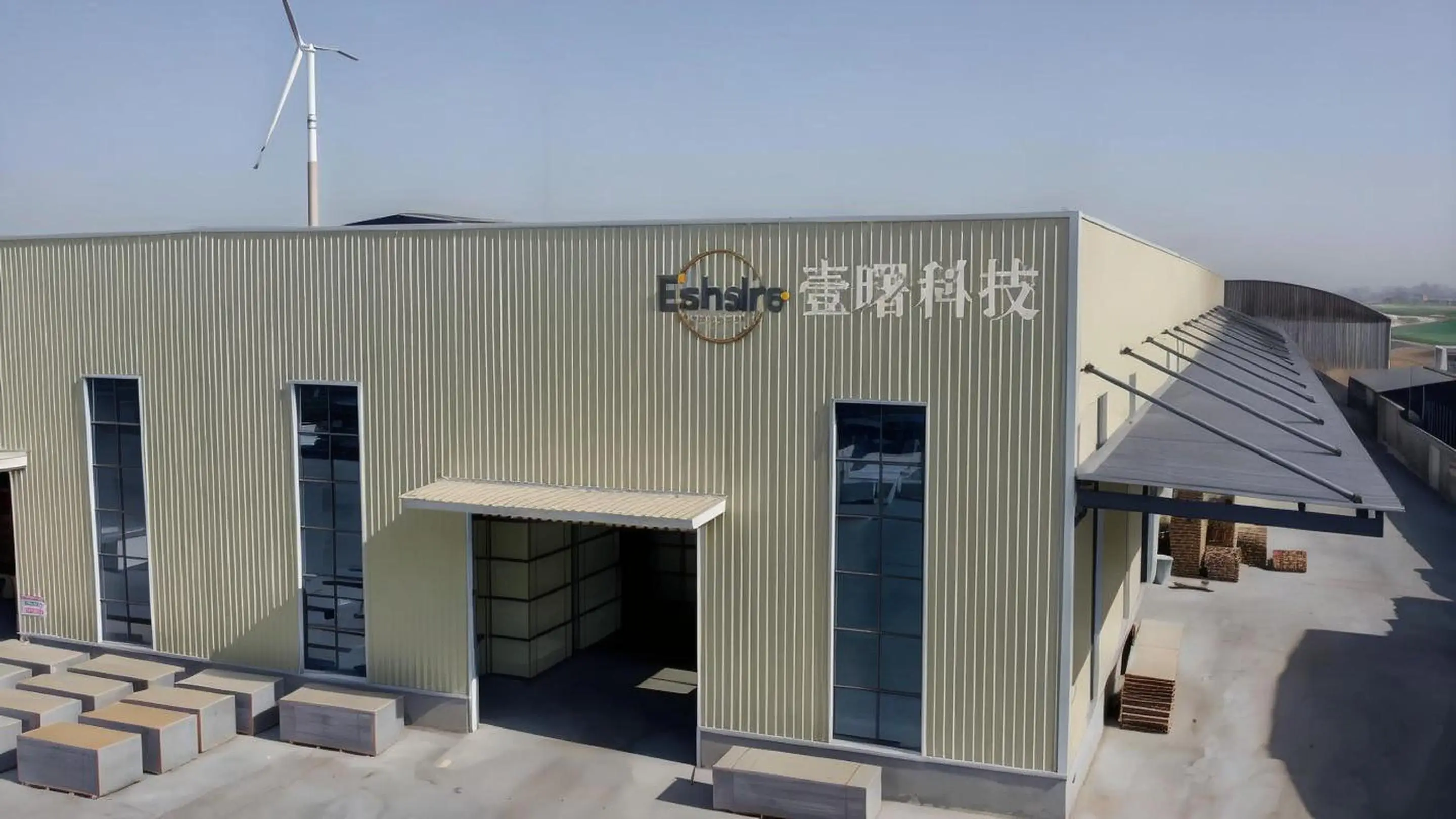
Beijing Yishu Technology Co., Ltd.
- Trading Company
- Beijing, China
- Lead time30 days
- Avg. response≤ 1h
Main productsWPC Wall Panel,SPC Flooring,Ceramic Tile,Grille,PU Artificial Stone
Main marketsDomestic Market(21.00%), Africa(14.00%), Southeast Asia(14.00%), Mid East(12.00%), South America(9.00%), Eastern Europe(8.00%), Southern Europe(5.00%), Oceania(3.00%), Western Europe(3.00%), South Asia(3.00%), Eastern Asia(3.00%), Northern Europe(1.00%), Central America(1.00%), North America(1.00%)
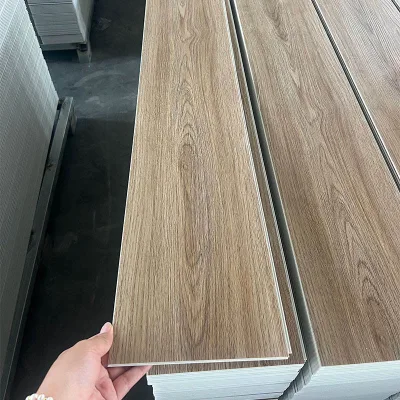
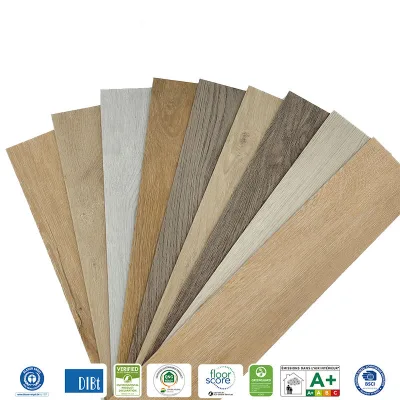
Office Renovation Building Project Supply Rigid Core Flooring for Building Projects
$0.20 - $0.55
MOQ: 500
Zhangjiagang Jifu Building Materials Co., Ltd.
- Manufacturer
- Jiangsu, China
- Lead time30 days
- Avg. response≤ 9h
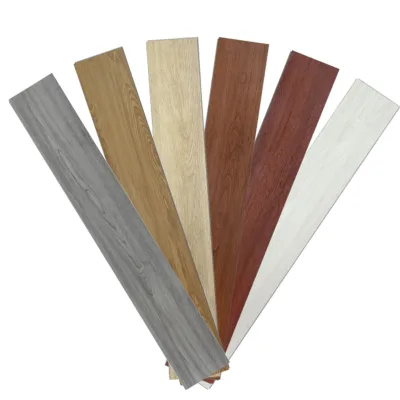
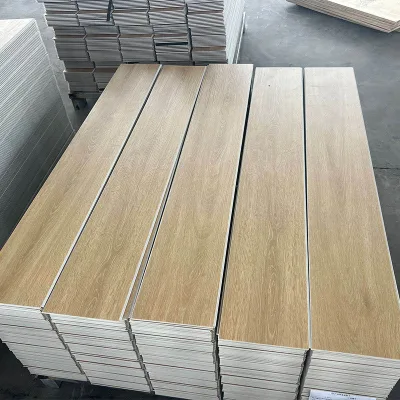
Main productsPlastic Floor
Main marketsDomestic Market(50.00%), Southeast Asia(25.00%), Africa(20.00%), North America(5.00%)

Anhui Guofeng Wood-Plastic Composite Co., Ltd.
- Verified by TUVRHEINLAND
- Combined
- China Anhui
- Lead time30 days
- Avg. response≤ 4h
Main productsWood Plastic Composite (WPC) Decking/Floor, Wood Plastic Composite (WPC) Fence, Wood Plastic Composite (WPC) Wall Cladding, Wood Plastic Composite (WPC) Decking Tile, Co-Extrusion WPC Profiles, Wood Plastic Composite (WPC) Others
Main marketsEurope


Hollow Composite Flooring Wood Plastic Composite Decking Plastic Flooring
$19.50 - $21.50
MOQ: 800 Square Meters


Dong'E Dong Yuan Seven Technology Co., Ltd.
- Verified by Intertek
- Manufacturer, Trading Company
- Shandong, China
- Lead time0 days
- Avg. response≤ 2h
Main productsAluminum composite panel, Stone plastic flooring, Sandwich panel
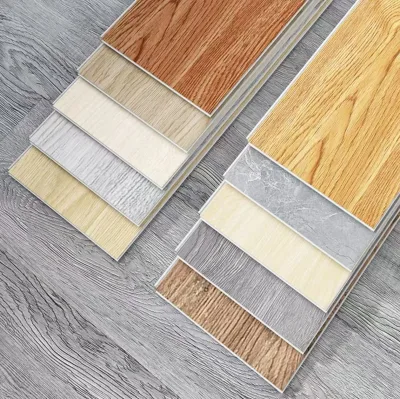
5mm Thick Stone Plastic Composite Flooring Anti-slip Fireproof for Commercial Office Mall
$5.9411 - $6.8234
MOQ: 500 square
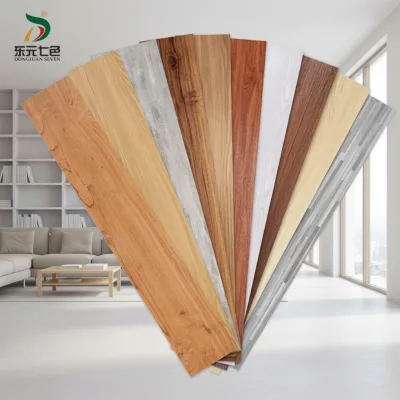
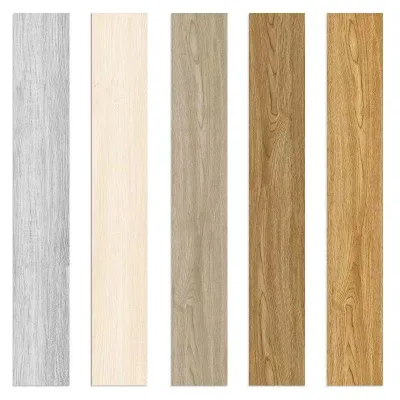
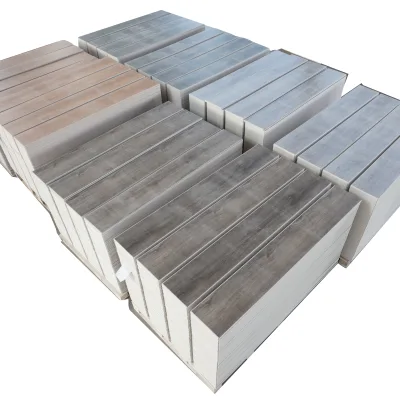
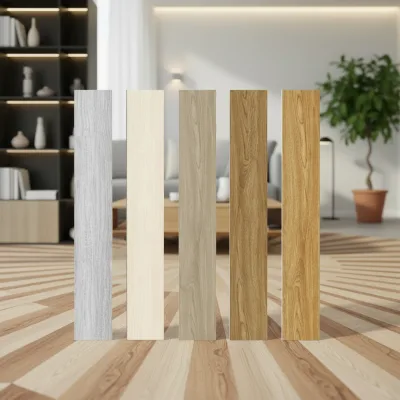
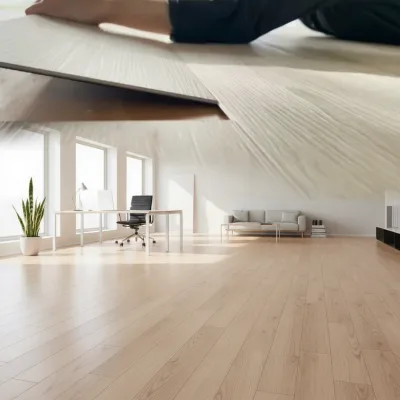
Commercial Grade SPC Flooring, High Traffic Resistant, 8mm Thick, for Hotel Shop Office
$4.3921 - $6.362
MOQ: 100 square

Qingdao Barefoot Construction Material Co., Ltd.
- Verified by BV
- Combined
- China Shandong
- Lead time30 days
- Avg. response≤ 5h
Main productsComposite Decking, WPC Wall Panels, Plastic Wood Deck Profile Extruder, PP/PE WPC Profile Extrusion Line, 3D Flooring, Engineered Flooring, Co - Extruded Outdoor Decking, Wood Plastic Composite Decking, Outdoor Flooring, WPC Decking
Main marketsSouth America,Africa,Southeast Asia/ Mideast,Europe,Australia,North America

Suzhou Joyshine New Material Co., Ltd.
- Trading Company,Manufacturer/Factory
- China Jiangsu
- Lead time15 days
- Avg. response≤ 5h
Main productsSpc Floor, PVC Floor, Acoustic Panel, Square Carpet, Plastic Pellets
Main marketsSouth America,Eastern Europe,Mid East,North America,Southeast Asia,Eastern Asia,Oceania,Western Europe,Africa
Haining Mingyuan Decorative Materials Co., Ltd.
- Verified by TüVRheinland
- Manufacturer, Trading Company
- Lead time20 days
- Avg. response≤ 2h
Main productsSPC Flooring, LVT Flooring, UV Wall Panel, Acoustic Panel
Main marketsNorth America(15%), South America(12%), Southeast Asia(12%)
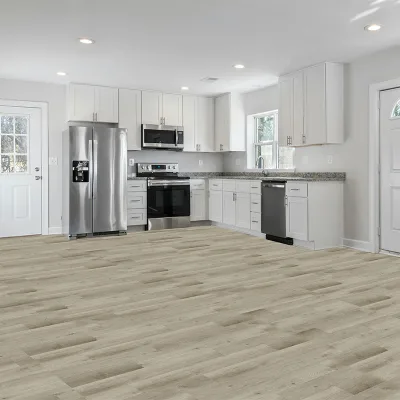
$7.0781 - $8.5236
MOQ: 1000 square

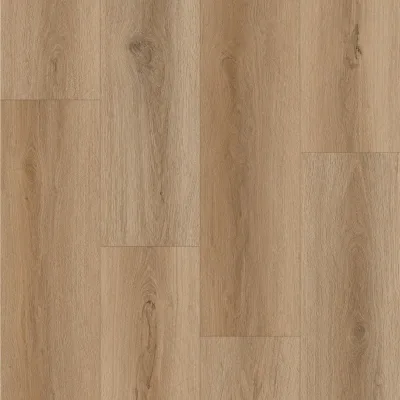
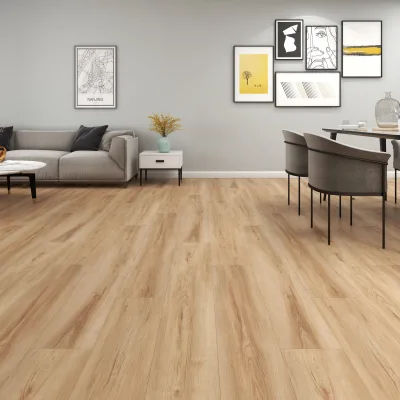
SPC Flooring PVC Plastic OEM ODM Interlocking Home Office Apartment Flooring Indoor Decoration
$7.0436 - $8.4832
MOQ: 1 square
$5.7059 - $6.9927
MOQ: 500 square

Zhangjiagang Yihua Rundong New Material Co., Ltd.
- Combined
- China Jiangsu
- Lead time30 days
- Avg. response≤ 16h
Main productsVinyl Floor Tile, PVC Leather, PVC Floor, Leather, Artificial Leather, Vinyl Floor, PVC Flooring, Yihua Floor, China Biggest Manufacture, China Factory
Main marketsSoutheast Asia/ Mideast,Europe,North America

Xiamen Fortune Construction Co., Ltd.
- Manufacturer, Trading Company, Distributor/Wholesaler
- Fujian, China
- Lead time25 days
- Avg. response≤ 5h
Main productspvc flooring/vinyl flooring,LVT Flooring/SPC Flooring/WPC Flooring,vinyl sheet,Sport floor,anti static/Conductive floor
Main marketsNorth America(20.00%), South America(10.00%), South Asia(8.00%), Eastern Asia(8.00%), Domestic Market(8.00%), Eastern Europe(7.00%), Africa(5.00%), Southern Europe(5.00%), Northern Europe(5.00%), Central America(5.00%), Southeast Asia(5.00%), Western Europe(5.00%), Mid East(5.00%), Oceania(4.00%)
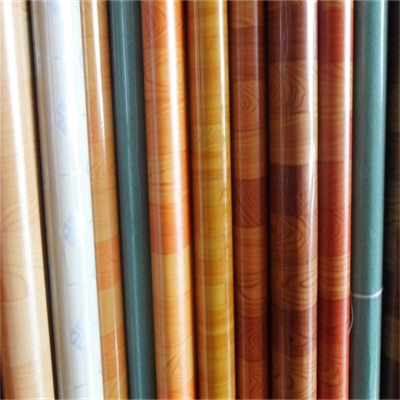
$1.12 - $2.97
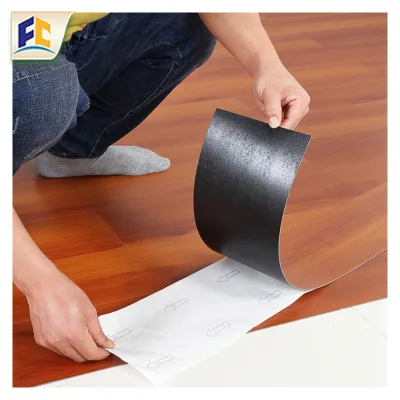

Intercontinental (Shandong) New Building Materials Co., Ltd
- Verified by SGS
- Trading Company
- China Shandong
- Lead time30 days
- Avg. response≤ 7h
Main productsSpc Flooring, Spc Wall Panel, WPC Decking, Laminate Flooring
Main marketsDomestic

Pet Friendly Stone Plastic Composite Flooring for Home Office with Scratch Resistant Surface
$4.20 - $8.30
MOQ: 1000 Square Meters

Walnut Wood Stone Plastic Composite Flooring for Executive Office with 12mil Wear Layer
$4.30 - $8.40
MOQ: 1000 Square Meters

Dark Wood Stone Plastic Composite Plank Flooring for Office with 20mil Wear Layer
$4.20 - $8.30
MOQ: 1000 Square Meters

Easy Install Stone Polymer Composite Flooring for Offices with Sound Absorption Pad
$4.20 - $8.30
MOQ: 1000 Square Meters

Commercial Easy Installation Flooring for Office with 5mm Core Thickness
$4.20 - $8.30
MOQ: 1000 Square Meters
- Manufacturer, Trading Company
- Lead time旺季: "1 - 1000":15,"> 1000":"To be negotiated", 淡季: "1 - 1000":15,"> 1000":"To be negotiated"
- Avg. response≤ 3h
Main productsVinyl Flooring, Rubber Flooring, WPC Wall Panel, Artificial Grass, Mosaic Tile
Linyi Weiye New Materials Co., Ltd.
- Trading Company
- Shandong, China
- Lead time30 days
- Avg. response≤ 2h
Main productshomogeneous vinyl flooring,PVC flooring mat,anti slip PVC flooring mat,door mat,bathroom mat
Main marketsSouth America(20.00%), Southeast Asia(20.00%), Domestic Market(10.00%), Western Europe(10.00%), Eastern Asia(10.00%), Mid East(10.00%), Oceania(10.00%), North America(10.00%)
Henan Aobeite Machine Room Equipment Co., Ltd.
- Trading Company
- Henan, China
- Lead time20 days
- Avg. response≤ 2h
Main productsconductive floor,raised flooring,OA network floor,Aluminum alloy anti-static floor,PVCfloor
Main marketsAfrica(40.00%), North America(20.00%), Mid East(10.00%), South America(10.00%), Central America(5.00%), Southeast Asia(5.00%), Eastern Europe(5.00%), South Asia(2.00%), Eastern Asia(2.00%), Northern Europe(1.00%)

Anhui Red Forest New Material Technology Co., Ltd.
- Verified by BV
- Combined
- China Anhui
- Lead time15 days
- Avg. response≤ 4h
Main productsWPC Decking, WPC Cladding, Wood Plastic Composite Decking, WPC Flooring, WPC Fencing, WPC Deck Tile, Wood Plastic Flooring, WPC Wall Panel, WPC Louver
Main marketsSouth America,Southeast Asia/ Mideast,Domestic,Europe

WPC Scratch-Resistant and Wear-Resistant Wood-Plastic Composite Flooring
$5.86 - $6.50
MOQ: 200 Pieces

WPC Water-Resistant and Corrosion-Resistant Wood-Plastic Composite Flooring
$5.86 - $6.50
MOQ: 200 Pieces


WPC High-Load-Bearing and Scratch-Resistant Wood-Plastic Composite Flooring
$4.53 - $5.00
MOQ: 200 Pieces


- Trading Company,Manufacturer/Factory
- China Guangdong
- Lead time23 days
- Avg. response≤ 5h
Main productsWPC, Composite Decking, Composite Wood, Wood Plastic Composite, Fencing, Fence, WPC Decking, Wall Clading, Home Decor, WPC Fence
Main marketsSouth America,Eastern Europe,Mid East,North America,Southeast Asia,Eastern Asia,Oceania,Western Europe,Africa

Factory Produced Best Price Coextrusion Plastic Composite Flooring
$28.79 - $34.76
MOQ: 100 Square Meters


- Manufacturer
- Jiangsu, China
- Lead time5 days
- Avg. response≤ 1h
Main productsRaised floor,Anti-static floor,access floor,Calcium sulfate flooring,Ventilated panel
Main marketsEastern Asia(20.00%), Northern Europe(10.00%), Western Europe(10.00%), North America(10.00%), Mid East(10.00%), Oceania(10.00%), Africa(10.00%), Eastern Europe(10.00%), South America(10.00%)
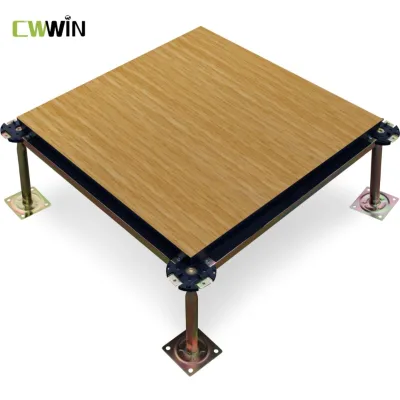
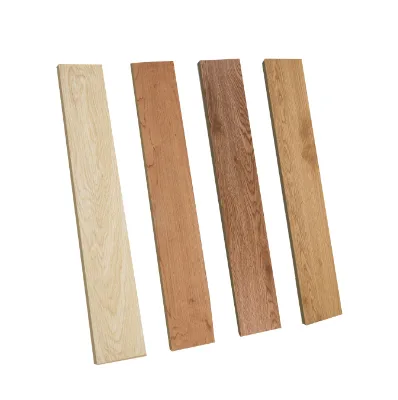
Luxury Vinyl Flooring Fireproof PVC Vinyl Plastic Plank Flooring Glue-down Vinyl Flooring
$2.0508 - $2.5646
MOQ: 40 square

Hanzhong Xinda Decoration Industry Co., Ltd.
- Verified by BV
- Combined
- China Shaanxi
- Lead time15 days
- Avg. response≤ 9h
Main productsAluminium Alloy Window, PVC Window, Tempered Glass, Insulating Glass, Building Doors and Windows
Main marketsSoutheast Asia/ Mideast,East Asia(Japan/ South Korea),North America
Henan Longdi New Material Technology Development Co., Ltd.
- Trading Company
- Henan, China
- Lead time15 days
- Avg. response≤ 2h
Main productsWPC Wall Panel, SPC Floor, LVT/PVC Floor, Soft Stone, PVC/UV Wall Panel
Main marketsWestern Europe(55.00%), North America(45.00%)
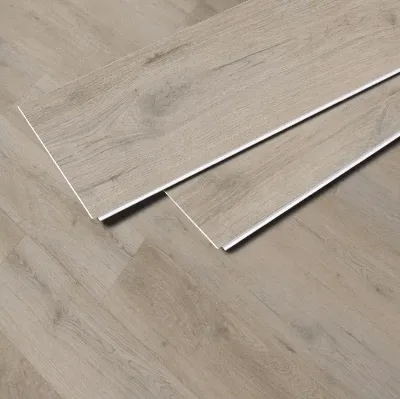
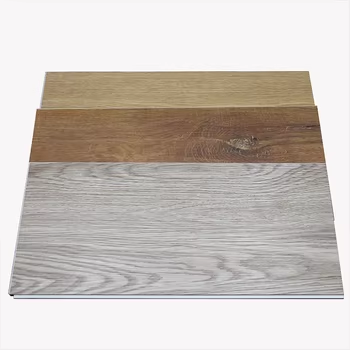
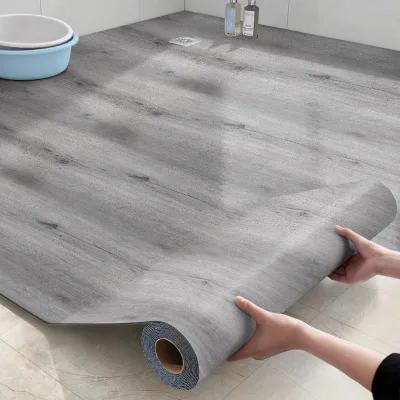
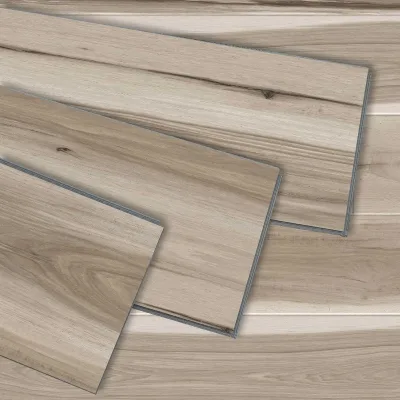
Locking Low Formaldehyde Wear-resistant Living Room Store Office SPC Floor for Decoration Materials
$6.741 - $6.9867
MOQ: 50 square
Shandong Clouvia Building Materials Co., Ltd.
- Trading Company
- Shandong, China
- Lead time20 days
- Avg. response≤ 6h
Main productsSPC flooring,LVT flooring,Wall panel
Main marketsNorth America(30.00%), Southeast Asia(30.00%), Western Europe(15.00%), Southern Europe(10.00%), Eastern Europe(10.00%), South America(5.00%)
Xiamen Fortune Construction Co., Ltd.
- Trading Company
- Lead time旺季: "1 - 1000":35,"1001 - 2500":60,"> 2500":"To be negotiated", 淡季: "1 - 1000":35,"1001 - 2500":60,"> 2500":"To be negotiated"
- Avg. response≤ 4h
Main productsVinyl Flooring, PVC Flooring, LVT Flooring, SPC Flooring, ESD Flooring
$5.4857 - $6.4624
MOQ: 300 pieces

Shanghai 3C Industry Co., Ltd.
- Verified by BV
- Trading Company,Manufacturer/Factory
- China Shanghai
- Lead time45 days
- Avg. response≤ 13h
Main productsRigid Vinyl Plank, Spc Flooring, PVC Vinyl Roll, Lvt Flooring, PVC Vinyl Flooring, WPC Flooring, Vinyl Floor, Luxury Vinyl Tile, Sports Floor, 3D Digital Printed Floor
Main marketsSouth America,Eastern Europe,Mid East,North America,Southeast Asia,Western Europe,Africa
Chiping Jingda Commerce And Trade Co., Ltd.
- Verified by SGS Group
- Manufacturer, Trading Company
- Lead time30 days
- Avg. response≤ 1h
Main productsLaminate Floor, SPC Floor, Skirting Board, Flooring Underlay
Main marketsCentral America(25%), South America(16%), Africa(15%)

Zhejiang New Insight Wood Composite Co., Ltd
- Verified by SGS
- Combined
- China Zhejiang
- Lead time30 days
- Avg. response≤ 4h
Main productsVinyl Flooring, Composite Decking, Spc Flooring, WPC Decking, Wall Cladding, Fence, Vinyl Floor, WPC, Wood Plastic Composite, WPC Flooring
Main marketsEurope


CE Certified Environmentally Friendly WPC Wood-Plastic Composite Floor
$20.00 - $40.00
MOQ: 100 Square Meters

QINGDAO APT NEW MATERIAL TECHNOLOGY CO., LTD.
- Manufacturer, Trading Company
- Shandong, China
- Lead time15 days
- Avg. response≤ 1h
Main productsSPC Flooring,UV Marble Sheet,PVC Ceiling Panel,LVT Flooring
Main marketsNorthern Europe(30.00%), North America(30.00%), Eastern Europe(10.00%), Western Europe(5.00%), Southern Europe(5.00%), Mid East(5.00%), South America(5.00%), Southeast Asia(5.00%), Africa(3.00%), Eastern Asia(2.00%)
$0.4629 - $0.7805
MOQ: 5 Minimum

Feiyue New Materials Technology Co., Ltd
- Verified by SGS
- Trading Company
- China Jiangsu
- Lead time15 days
- Avg. response≤ 1h
Main productsCommercial Vinyl Flooring, PVC/Spc Flooring, Self- Adhesive PVC Flooring, PVC Linoleum Flooring, Homogeneous Vinyl Flooring, Heterogeneous Vinyl Flooring, PVC Sports Flooring, Quartz Vinyl Tiles, Conductive /ESD Flooring, PVC Wall Panel
Main marketsAfrica,East Asia(Japan/ South Korea),North America

Shandong Maichi Building Materials Co., Ltd.
- Verified by SGS
- Trading Company
- China Shandong
- Lead time15 days
- Avg. response≤ 2h
Main productsWPC Panel, WPC Foma Board, UV Marble Board, PVC Gypsum Ceiling, Ceiling Accessories, Mineral Fiber Board, UV Wall Board, Wall Panel
Main marketsSouth America,Africa,Southeast Asia/ Mideast,Europe
Chiping Jiabao Decoration Materials Co., Ltd.
- Verified by SGS Group
- Manufacturer, Trading Company
- Lead time20 days
- Avg. response≤ 2h
Main productsLaminate Flooring, SPC Flooring, LVT Flooring
Main marketsDomestic Market(60%), South Asia(9%), South America(8%)










Comprehensive Sourcing Guide
Office Building Plastic Composite Flooring Supplier Concentration and Factory Types
The current supplier landscape for Office Building Plastic Composite Flooring reveals a distinct geographic and structural diversity that buyers must navigate carefully. Evidence indicates that manufacturing capabilities are concentrated in specific industrial hubs, with one notable cluster located in China Jiangsu. This region hosts suppliers who operate as combined entities, meaning they blend manufacturing prowess with trading flexibility. These combined suppliers often offer a broader range of related products, such as WPC flooring, decking, and outdoor pergolas, which can be advantageous for buyers seeking comprehensive exterior and interior solutions. The presence of ISO9001:2015 certification and TUVRHEINLAND verification in this cluster suggests a baseline of quality management and third-party validation that buyers can rely on when assessing factory credibility. Understanding this concentration helps buyers target regions with established supply chains for composite materials, reducing the risk of dealing with unverified small workshops.
In contrast, another significant segment of the market is represented by group corporations located in China Shandong. These entities typically focus on specialized systems, such as raised floors and computer flooring, which are critical for commercial office buildings requiring robust structural integrity and anti-static properties. The company type here is distinctly different from the combined suppliers in Jiangsu, indicating a more specialized, large-scale industrial approach. These group corporations often have dedicated OEM capacities, suggesting they are equipped to handle large-volume custom orders for commercial projects. The distinction between combined trading-manufacturing firms and specialized group corporations is crucial for buyers. A buyer looking for standard plastic composite flooring might find the Jiangsu suppliers more suitable due to their diverse product lines, while those needing specialized raised access flooring systems might find the Shandong group corporations better aligned with their technical requirements. Recognizing these factory types allows for more precise supplier targeting.
How to Verify Office Building Plastic Composite Flooring Suppliers
Verifying the legitimacy and capability of suppliers requires a multi-layered approach that goes beyond simple profile reviews. Buyers should prioritize suppliers who display third-party verification badges, such as TUVRHEINLAND, which serves as a tangible indicator of operational scrutiny. This verification process often includes audits of production facilities, quality control systems, and business licenses. For suppliers in China Jiangsu, the presence of ISO9001:2015 certification is a key metric to check, as it confirms adherence to international quality management standards. Buyers should request copies of these certificates and verify their validity through the issuing bodies. Additionally, examining the supplier’s main products list can provide insight into their specialization. A supplier listing a wide array of WPC products alongside office flooring may have broader manufacturing capabilities, whereas a supplier focusing solely on raised floors may offer deeper expertise in that specific niche.
Response time is another critical verification metric that reflects a supplier’s operational efficiency and customer service readiness. Data shows that response times can vary significantly, with some suppliers responding within hours while others take longer. A rapid response time, such as under three hours, often indicates a well-staffed sales team and efficient internal communication processes, which are vital for resolving technical queries quickly. Buyers should also look for evidence of product attributes that align with office building requirements, such as anti-static, soundproof, and waterproof functions. Suppliers who provide detailed product specifications, including environmental protection grades and water absorption rates, demonstrate a higher level of transparency and technical competence. By cross-referencing verification badges, certification documents, response speeds, and detailed product data, buyers can build a comprehensive profile of each supplier’s reliability and suitability for their specific procurement needs.
What to Compare Across Office Building Plastic Composite Flooring Suppliers
When evaluating multiple suppliers, buyers must compare key operational metrics to determine the best fit for their project. Lead time is a primary factor, with observed data showing variations such as 15 days for some suppliers and 23 days for others. These differences can significantly impact project timelines, especially for large commercial installations. Buyers should align their project schedules with suppliers who offer lead times that match their delivery requirements. Minimum Order Quantity (MOQ) is another critical comparison point, ranging from 500 to 1000 units depending on the product type and supplier. Smaller MOQs may be preferable for trial orders or smaller projects, while larger MOQs might offer better unit economics for bulk purchases. Understanding these thresholds helps buyers plan their inventory and cash flow more effectively, avoiding overstocking or production delays.
Price and customization options are also essential comparison criteria. Price ranges vary, with some products listed between $2.35 and $2.60 per unit, while others may be priced higher based on specific features or materials. Buyers should compare not just the unit price but also the total cost, including shipping and customization fees. Customization availability is a key differentiator, with many suppliers offering options for pattern, size, and surface finish. For office buildings, specific requirements like wood grain patterns, embossed surfaces, or specific thicknesses may be necessary. Suppliers who provide detailed customization options, such as 14025mm or 14023mm standards, offer greater flexibility. Additionally, comparing the range of main products can reveal a supplier’s versatility. A supplier offering both flooring and related accessories may provide a more integrated solution, reducing the complexity of sourcing from multiple vendors.
Common Office Building Plastic Composite Flooring Sourcing Risks
Sourcing Office Building Plastic Composite Flooring involves several inherent risks that buyers must proactively manage. One significant risk is the mismatch between product specifications and actual delivery. Suppliers may list products with attributes like "Waterproof" or "Anti-Static," but without rigorous testing and certification, these claims may not hold up in real-world conditions. Buyers should insist on third-party test reports for critical performance metrics, such as fire resistance, slip resistance, and durability. Another risk is the variability in lead times, which can disrupt project schedules. Suppliers who promise short lead times may struggle to meet them during peak seasons, leading to delays. Buyers should establish clear communication channels and regular updates to monitor production progress and mitigate potential bottlenecks.
Quality consistency is another major concern, particularly when dealing with suppliers who have diverse product lines. A supplier offering both WPC decking and office flooring may not have specialized expertise in commercial-grade materials. Buyers should verify the supplier’s production capabilities for the specific product type they are ordering. Additionally, the risk of non-compliance with local building codes is significant. Buyers must ensure that the flooring products meet the relevant safety and environmental standards in their target market. This includes checking for certifications like CE or SGS, which indicate compliance with international standards. Finally, financial risks associated with payment terms and escrow services should be considered. Using secure payment methods and verifying the supplier’s financial stability can help protect buyers from fraud or non-delivery. By identifying and addressing these risks early, buyers can ensure a smoother sourcing process.
Office Building Plastic Composite Flooring Regional Sourcing and Logistics
Regional sourcing decisions are heavily influenced by the geographic location of suppliers and the associated logistics costs. Evidence points to two primary manufacturing hubs: China Jiangsu and China Shandong. Jiangsu, with its concentration of combined suppliers, offers a diverse range of products, including WPC flooring and decking. This region’s industrial ecosystem may provide advantages in terms of material availability and supply chain integration. Buyers sourcing from Jiangsu should consider the proximity to major ports, which can facilitate efficient export logistics. On the other hand, Shandong’s group corporations, specializing in raised floors and computer flooring, may offer different logistical advantages. The distance from these hubs to the buyer’s location will impact shipping costs and transit times. Buyers should evaluate the total landed cost, including freight, insurance, and customs duties, to make an informed decision.
Logistics planning also involves understanding the packaging and handling requirements of the products. Suppliers often use standard export packing or palletized shipping to ensure product safety during transit. Buyers should verify the packaging methods to prevent damage during shipping, especially for fragile or heavy composite flooring materials. Additionally, the lead time for production and shipping should be factored into the overall project timeline. Suppliers with shorter lead times, such as 15 days, may offer faster turnaround, but buyers must also account for shipping duration. For large commercial projects, coordinating with freight forwarders early in the process can help optimize logistics and reduce costs. Buyers should also consider the supplier’s experience in exporting to their region, as this can impact the smoothness of the customs clearance process. By carefully planning regional sourcing and logistics, buyers can minimize disruptions and ensure timely delivery.
Office Building Plastic Composite Flooring Commercial Terms and Order Planning
Commercial terms and order planning are critical for successful procurement of Office Building Plastic Composite Flooring. Buyers must negotiate clear payment terms, delivery schedules, and warranty conditions to protect their interests. Many suppliers offer flexible payment options, but buyers should prioritize secure methods, such as escrow services, to mitigate financial risk. Understanding the supplier’s return and refund policies is also essential, especially in case of product defects or non-conformance. Buyers should document all agreed-upon terms in a formal contract to avoid disputes. Additionally, order planning involves determining the optimal order quantity based on project needs and supplier MOQs. Placing larger orders may secure better pricing, but buyers must balance this with storage capacity and cash flow constraints.
Lead time management is another key aspect of order planning. Buyers should align their order placement with project milestones to ensure timely delivery. Suppliers with varying lead times, such as 15 or 23 days, require different planning strategies. Buyers should communicate their project timeline clearly to suppliers and request regular production updates. Customization requests, such as specific sizes or finishes, may extend lead times, so buyers should factor this into their planning. Furthermore, buyers should consider the supplier’s after-sales support, including technical assistance and warranty claims. A supplier with a strong track record of customer service can provide valuable support during installation and maintenance. By carefully managing commercial terms and order planning, buyers can ensure a seamless procurement process and successful project completion.
FAQs
What types of plastic composite flooring suit office building projects?
For office buildings, buyers typically compare WPC decking and SPC composite flooring. WPC suits outdoor terraces and entrance areas, while SPC laminate flooring fits indoor commercial and office spaces with anti-static, soundproof, waterproof and thermal insulation functions. Many suppliers list both categories, so check whether the manufacturer's main products cover commercial raised access flooring as well.
What minimum order quantities apply to composite flooring orders?
Observed MOQs vary by product type: one WPC flooring listing starts at 500 square meters, another at 700, and a third at 1000. Customized sizes or special surface finishes may carry different thresholds. Always confirm the MOQ for your chosen model, thickness and color before requesting a quotation, because per-SKU requirements differ within the same catalog.
How long does production and delivery usually take?
Listed lead times among the verified suppliers range from 15 to 23 days, depending on the supplier and product category. WPC decking producers report around 15 days, while raised floor system manufacturers report roughly 23 days. Order volume, customization level and seasonal demand can extend these timelines, so confirm a written production schedule before placing a deposit.
How quickly do these flooring suppliers respond to inquiries?
Recorded average response times among the listed suppliers range from about 2.65 to 8.52 hours. Faster responders are typically larger organizations with dedicated sales teams, such as group corporations. Response speed often signals post-order communication quality, so send a detailed specification request first and measure how completely and quickly each supplier answers technical questions.
What certifications should I verify before ordering composite flooring?
Listings reference CE, SGS and ISO9001 certificates, and one supplier holds an ISO9001:2015 system certificate verified by TUV Rheinland. For office projects, ask for copies of the current certificates and check they match the exact product model and thickness you plan to buy. Certificate scope can be limited, so request test reports for the specific flooring specification.
Can composite flooring be customized for office building specifications?
Yes, several listings state customization is available, covering size, surface finish and type. Available surface treatments include brushed, grooved, sanded and embossed finishes, with wood grain or embossed patterns. Standard sizes such as 140x25mm and 148x23mm are listed, and SPC flooring is offered at 15mm thickness. Confirm customization fees, tooling costs and sample availability in writing.
What durability features do these composite floors offer?
Listed WPC flooring products advertise waterproof, anti-static, soundproof and thermal insulation functions, high UV stability, rot resistance and low maintenance, with stated service durations of 15 to 20 years. One SPC listing reports a water absorption expansion rate below 2.5%. Durability claims should be validated with third-party test reports covering wear, load and fire performance.
Where are these composite flooring suppliers located?
The verified suppliers on this page are located in Jiangsu and Shandong provinces in China, both established flooring production regions. One supplier's WPC products originate from Yangzhou in Jiangsu. Jiangsu manufacturers focus on WPC decking and outdoor products, while Shandong suppliers concentrate on raised access and commercial flooring systems for office buildings.