Waterproof Anti-Slip Vinyl Tiles Suppliers and Manufacturers
Compare 26 verified suppliers offering waterproof anti-slip vinyl tiles with varying lead times, certifications, and response speeds. Review product specs like thickness and fire ratings to select the right factory for your project needs; review the available evidence before requesting comparable quotations from suitable candidates.
Updated
Suppliers List

Changzhou Titan Decoration Materials Co., Ltd.
- Combined
- China Jiangsu
- Lead time15 days
- Avg. response≤ 4h
Main productsRaised Floor, Acoustic Ceiling Tiles, Antistatic Flooring, Hospital Flooring, ESD Tile, Fiberglass Ceilings, Flooring Accessories, Homogeneous Vinyl Flooring, Access Floor, Acoustic Baffles
Main marketsSouth America,Southeast Asia/ Mideast,East Asia(Japan/ South Korea),Domestic,North America
NINGBO CICKO BUILDING MATERIALS CO.,LTD
- Verified by Intertek
- Manufacturer, Trading Company
- Lead time20 days
- Avg. response≤ 5h
Main productsPVC Flooring
Main marketsDomestic Market(70%), Southeast Asia(10%), North America(5%)

Shanghai 3C Industry Co., Ltd.
- Verified by BV
- Trading Company,Manufacturer/Factory
- China Shanghai
- Lead time45 days
- Avg. response≤ 13h
Main productsRigid Vinyl Plank, Spc Flooring, PVC Vinyl Roll, Lvt Flooring, PVC Vinyl Flooring, WPC Flooring, Vinyl Floor, Luxury Vinyl Tile, Sports Floor, 3D Digital Printed Floor
Main marketsSouth America,Eastern Europe,Mid East,North America,Southeast Asia,Western Europe,Africa

Feiyue New Materials Technology Co., Ltd
- Verified by SGS
- Trading Company
- China Jiangsu
- Lead time15 days
- Avg. response≤ 1h
Main productsCommercial Vinyl Flooring, PVC/Spc Flooring, Self- Adhesive PVC Flooring, PVC Linoleum Flooring, Homogeneous Vinyl Flooring, Heterogeneous Vinyl Flooring, PVC Sports Flooring, Quartz Vinyl Tiles, Conductive /ESD Flooring, PVC Wall Panel
Main marketsAfrica,East Asia(Japan/ South Korea),North America


Durable Waterproof Vinyl Flooring with Non-Slip Anti-Scratch Feature
$3.90 - $6.90
MOQ: 200 Square Meters

Homogeneous Floor Tile PVC Roll Flooring Waterproof Vinyl Roll Flooring
$3.30 - $5.50
MOQ: 200 Square Meters

- Verified by SGS
- Manufacturer/Factory
- China Guangdong
- Lead time23 days
- Avg. response≤ 3h
Main productsSpc Flooring, PVC Flooring, Rubber Flooring, Lvt Flooring, Sports Flooring, Flooring Accessories
Main marketsSouth America,Eastern Europe,Mid East,North America,Oceania,Western Europe


Homogeneous Vinyl Flooring - Anti Static PVC Floor Tile for Safety
$5.50 - $8.50
MOQ: 100 Square Meters

Jiangyin Duomeida New Building Materials Co., Ltd.
- Combined
- China Jiangsu
- Lead time15 days
- Avg. response≤ 9h
Main productsVinyl Spc Floor, Spc Flooring, WPC Flooring, Heating Flooring, Lvt Flooring, WPC Wall Covering Board, PVC Vinyl Flooring, PVC Floor Tile, Vinyl Flooring, Wood Flooring
Main marketsDomestic

Anti-Slip Waterproof Vinyl Floor Tile PVC Vinyl Linoleum Flooring
$5.00 - $12.00
MOQ: 1000 Square Meters

Waterproof Rigid PVC Vinyl Flooring Plank Vinyl Composition Tiles PVC Tiles
$5.00 - $12.00
MOQ: 1000 Square Meters


Waterproof Wooden PVC Vinyl Multi Function Flooring/ Vinyl Tiles
$5.00 - $12.00
MOQ: 1000 Square Meters


Hangzhou Hanhent Industries Co., Ltd.
- Verified by SGS Group
- Manufacturer, Trading Company
- Lead time20 days
- Avg. response≤ 3h
Main productsVinyl Flooring, SPC Flooring, Rigid Core Vinyl Flooring, PVC Flooring, Vinyl Sheet Flooring
Main marketsWestern Europe(25%), North America(20%), Northern Europe(13%)
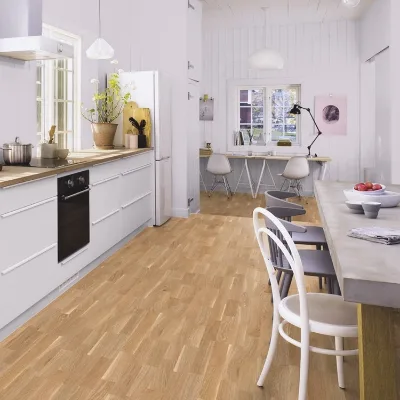
2mm UV Coating Dry Back and Glue Down Waterproof Anti-slip Luxury Vinyl Flooring Tiles
$3.2926 - $5.0213
MOQ: 500 square
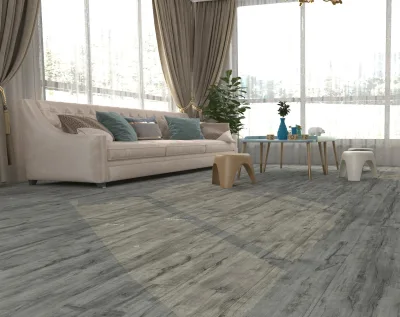
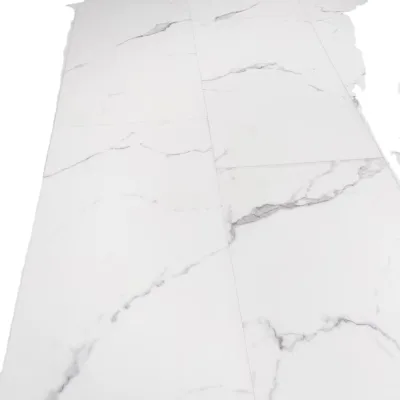
Factory Wholesale Price Anti-slip PVC Floor Tile,marble Design Vinyl Tile,high Gloss Floor Tile
$6.4654 - $6.6706
MOQ: 500 square

- Manufacturer/Factory
- China Shanghai
- Lead time23 days
- Avg. response≤ 4h
Main productsJade Roller, Yoga Mat, WPC Decking, Artificial Grass, Safety Shoes, Vinyl PVC Spc Lvt Flooring, Fireproof MGO Board Wall Panel, Guasha Scrapper, Yoga Ball, WPC Tile WPC Cladding
Main marketsSouth America,Eastern Europe,Mid East,North America,Southeast Asia,Eastern Asia,Oceania,Western Europe,Africa


Waterproof Self Adhesive Lvt Resistant Waterproof PVC Vinyl Plastic Flooring Tile
$6.00 - $12.00
MOQ: 1000 Square Meters

Zhangjiagang Jifu Building Materials Co., Ltd.
- Manufacturer
- Jiangsu, China
- Lead time30 days
- Avg. response≤ 9h
Main productsPlastic Floor
Main marketsDomestic Market(50.00%), Southeast Asia(25.00%), Africa(20.00%), North America(5.00%)

Zhangjiagang Yihua Rundong New Material Co., Ltd.
- Combined
- China Jiangsu
- Lead time30 days
- Avg. response≤ 16h
Main productsVinyl Floor Tile, PVC Leather, PVC Floor, Leather, Artificial Leather, Vinyl Floor, PVC Flooring, Yihua Floor, China Biggest Manufacture, China Factory
Main marketsSoutheast Asia/ Mideast,Europe,North America
Zhejiang Hoy Technology Co., Ltd.
- Verified by Intertek
- Manufacturer, Trading Company
- Lead time30 days
- Avg. response≤ 1h
Main productsSPC Flooring, LVT Click Flooring, LVT Dry Back, LVT Loose Lay , ABA Flooring
Main marketsWestern Europe(30%), Southeast Asia(25%), North America(15%)

Qingdao Jadelight International Trading Co., Ltd
- Verified by TUVRHEINLAND
- Group Corporation
- China Shandong
- Lead time23 days
- Avg. response≤ 3h
Main productsRaised Floor, Computer Floor, Raised Floor System, Access Floor, Raised Access Flooring, False Floor, OA Floor, Steel Floor, Tate Access Floors, Antistatic Floors
Main marketsSouth America,Eastern Europe,Mid East,North America,Southeast Asia,Eastern Asia,Oceania,Western Europe,Africa
Haining Mingyuan Decorative Materials Co., Ltd.
- Verified by TüVRheinland
- Manufacturer, Trading Company
- Lead time20 days
- Avg. response≤ 2h
Main productsSPC Flooring, LVT Flooring, UV Wall Panel, Acoustic Panel
Main marketsNorth America(15%), South America(12%), Southeast Asia(12%)
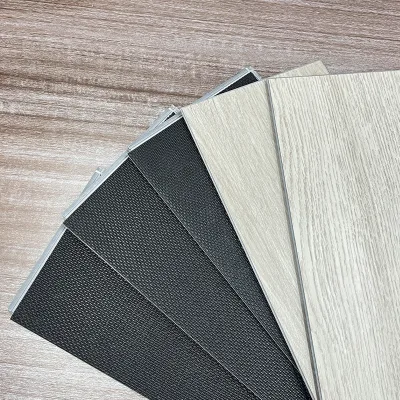
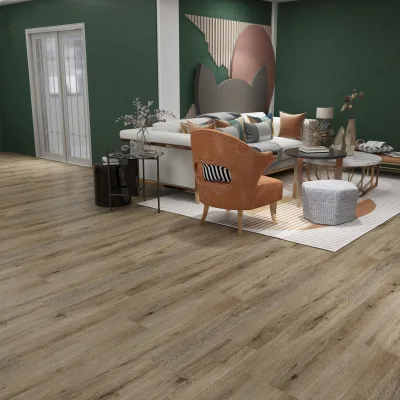
$7.0436 - $8.4832
MOQ: 1 square
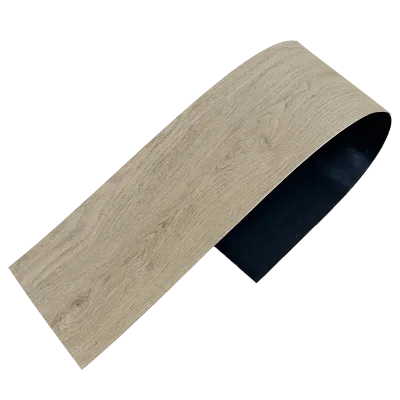
$5.42 - $6.78
MOQ: 500 square
Lu'an Baona Import And Export Trade Co., Ltd.
- Trading Company
- Lead time旺季: "1 - 1000":5,"1001 - 10000":10,"10001 - 20000":14,"> 20000":"To be negotiated", 淡季: "1 - 1000":5,"1001 - 10000":10,"10001 - 20000":14,"> 20000":"To be negotiated"
- Avg. response≤ 1h
Main productsGarage Floor Tiles, Led Work Lights, Tool Cabinet
Xiamen Fortune Construction Co., Ltd.
- Trading Company
- Lead time旺季: "1 - 1500":15,"> 1500":"To be negotiated", 淡季: "1 - 1500":15,"> 1500":"To be negotiated"
- Avg. response≤ 4h
Main productsVinyl Flooring, PVC Flooring, LVT Flooring, SPC Flooring, ESD Flooring
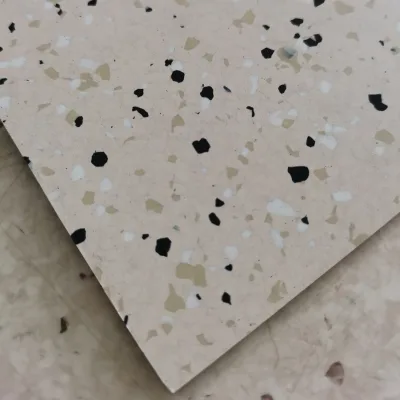
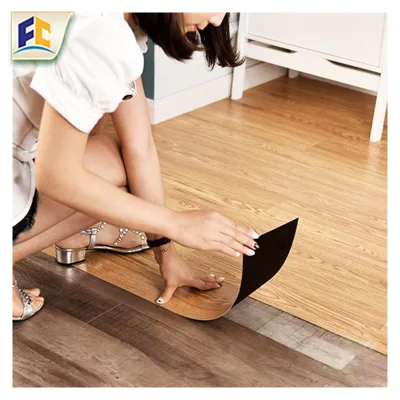
$6.1703 - $7.4031
MOQ: 200 square
Shandong Fokia New Decorative Products Co., Ltd.
- Verified by SGS Group
- Manufacturer, Trading Company
- Lead time20 days
- Avg. response≤ 2h
Main productsSPC Flooring, LVT Flooring, Flooring accessory, WPC Wall Panel, SPC Wall Panel
Main marketsSouth Asia(13%), North America(10%), Eastern Asia(10%)
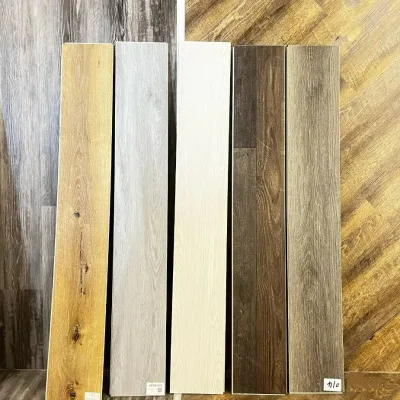
$0.4824 - $0.6367
MOQ: 600 square
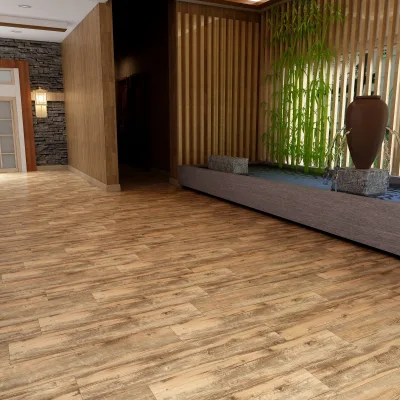
$0.5093 - $0.5603
MOQ: 600 square
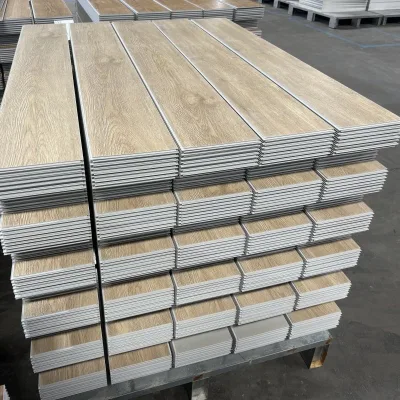
$0.4194 - $0.6037
MOQ: 600 square
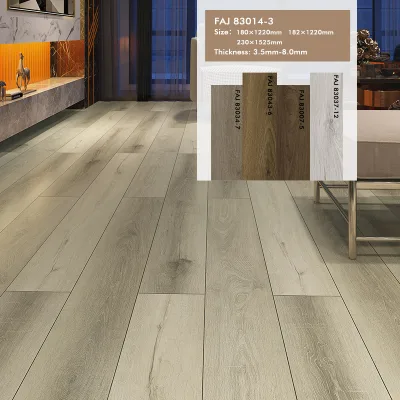
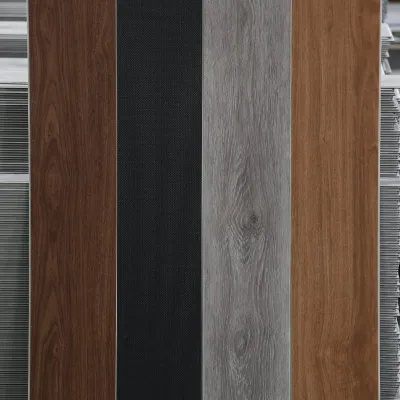
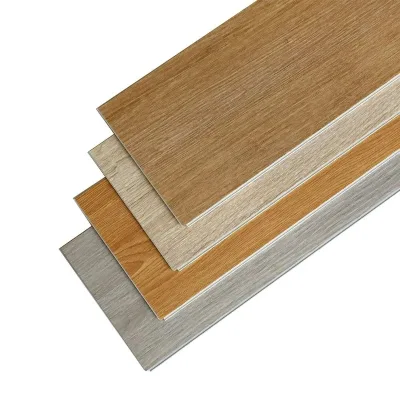
$6.4279 - $7.4645
MOQ: 600 square

LINYI NOVA DECORATION MATERIALS CO., LTD.
- Manufacturer/Factory
- China Shandong
- Lead time23 days
- Avg. response≤ 3h
Main productsSpc Flooring, Flexible Stone, WPC Panel, PVC Marble Sheet, Bamboo Charcoal Wood Venner, PU Stone, PS Wall Panel, Artifucal Turf, Bamboo Wall Panel, Lvt Flooring
Main marketsSouth America,Eastern Europe,Mid East,North America,Southeast Asia,Eastern Asia,Oceania,Western Europe,Africa


Adhesive Floor Tiles 100% Waterproof Self Adhesive Vinyl Tiles PVC Flooring
$2.00 - $3.50
MOQ: 100 Square Meters


Intercontinental (Shandong) New Building Materials Co., Ltd
- Verified by SGS
- Trading Company
- China Shandong
- Lead time30 days
- Avg. response≤ 7h
Main productsSpc Flooring, Spc Wall Panel, WPC Decking, Laminate Flooring
Main marketsDomestic

Waterproof and Stain-Resistant Self Adhesive Spc Waterproof PVC Vinyl Plastic Spc Flooring Tile
$4.00 - $4.30
MOQ: 500 Square Meters

Waterproof PVC Plastic Vinyl Floor Spc Plastic Tile for Flooring
$4.20 - $8.30
MOQ: 1000 Square Meters

- Verified by CTI
- Trading Company,Manufacturer/Factory
- China Shanghai
- Lead time45 days
- Avg. response≤ 8h
Main productsVinyl/Lvt/Looselay/Dry Back/WPC Vinyl Floor, Engineered Wood/Hardwood Flooring/Wooden Floor, Spc Flooring/ABA Rigid Spc/ Wood Spc Flooring, WPC Decking/Wall Panel/Wall Cladding, Interior Door/Exterior Door/Fire Rated Door, Bamboo Floor/Laminate Floor/Parquet Floor, HDF Moulded Door/Wooden Door/Kitchen Cabinet, Cordless Drill, Angle Grinder, Electric Mixer
Main marketsSouth America,Eastern Europe,Mid East,North America,Southeast Asia,Eastern Asia,Oceania,Western Europe,Africa
Henan Aobeite Machine Room Equipment Co., Ltd.
- Trading Company
- Henan, China
- Lead time20 days
- Avg. response≤ 2h
Main productsconductive floor,raised flooring,OA network floor,Aluminum alloy anti-static floor,PVCfloor
Main marketsAfrica(40.00%), North America(20.00%), Mid East(10.00%), South America(10.00%), Central America(5.00%), Southeast Asia(5.00%), Eastern Europe(5.00%), South Asia(2.00%), Eastern Asia(2.00%), Northern Europe(1.00%)

Foshan Green Ceramics Co., Ltd.
- Verified by SGS
- Manufacturer/Factory
- China Guangdong
- Lead time15 days
- Avg. response≤ 5h
Main productsGlaze Porcelain Tile, Ceramic Tile, Wall Tile, Wooden Tile, Thickness Tile, Matt Rustic Tile, Polish Tile
Main marketsSouth America,Eastern Europe,Mid East,North America,Southeast Asia,Eastern Asia,Oceania,Western Europe,Africa


Waterproof & Moisture-Proof Tile Ideal for Wet Areas Like Kitchens and Bathrooms.
$9.50 - $10.80
MOQ: 1 Square Meters
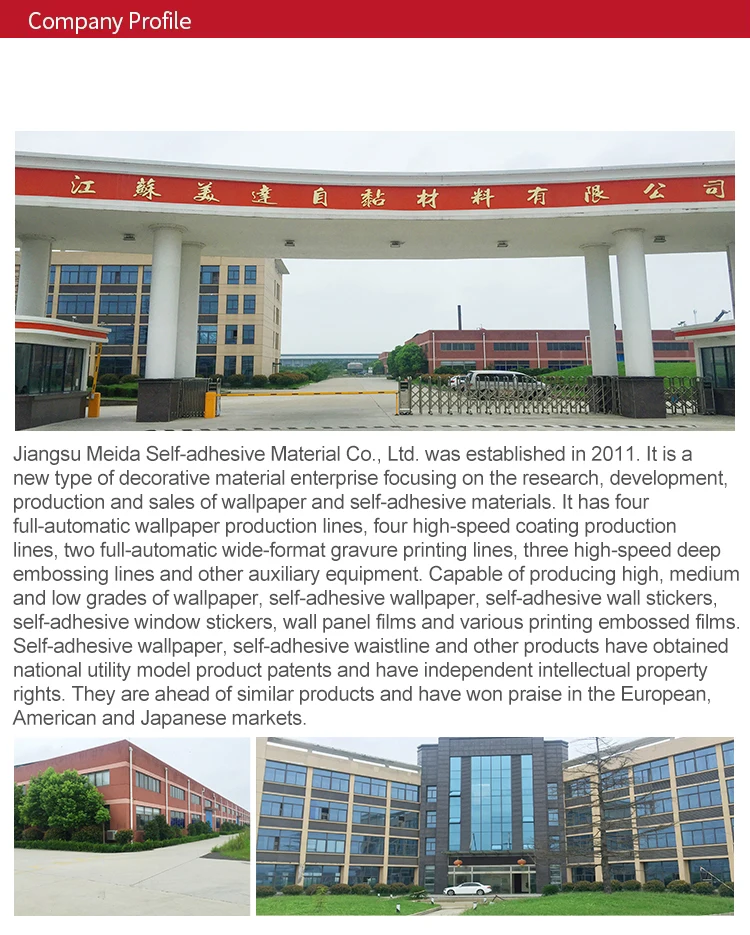
Jiangsu Meida Self-Adhesive Materials Co., Ltd.
- Manufacturer, Trading Company
- Jiangsu, China
- Lead time15 days
- Avg. response≤ 1h
Main productsSelf-adhesive Floor stickers,Self-adhesive wallpaper,Self-adhesive waist line,Self-adhesive window stickers
Main marketsNorth America(30.00%), South America(20.00%), Northern Europe(10.00%), Central America(10.00%), Southeast Asia(10.00%)
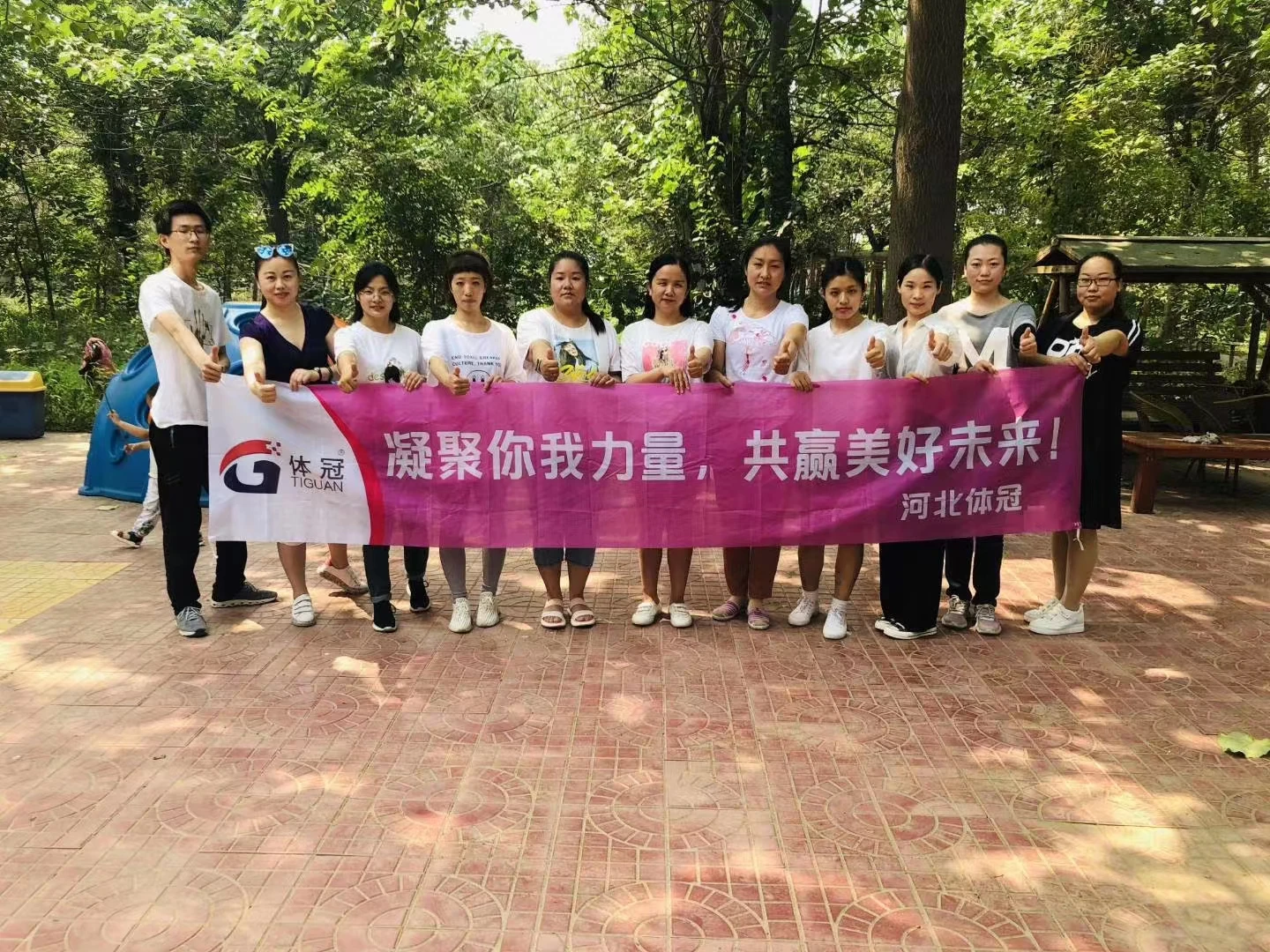
Hebei Tiguan Sports Goods Co.,Ltd
- Trading Company
- Hebei, China
- Lead time30 days
- Avg. response≤ 2h
Main productsOutdoor Sports Flooring,PP Interlocking Flooring,Suspended floor,Assembled flooring
Main marketsNorth America(35.00%), Western Europe(20.00%), South America(20.00%), Southeast Asia(15.00%), Northern Europe(10.00%)
Guangzhou Jiecheng Technology Co., Ltd.
- Trading Company
- Guangdong, China
- Lead time15 days
- Avg. response≤ 2h
Main productsSelf Adhesive Vinyl, Cold Lamination Film, One Way Vision Vinyl
Main marketsDomestic Market(40.00%), South Asia(24.00%), Southeast Asia(13.00%), Africa(5.00%), Mid East(5.00%), South America(4.00%), Oceania(4.00%), North America(3.00%), Eastern Asia(2.00%)
Linyi Guanou New Materials Co., Ltd.
- Verified by SGS Group
- Manufacturer, Trading Company
- Lead time10 days
- Avg. response≤ 2h
Main productsWPC Wall Panel, PU Stone, UV Marble Sheet, Soft Stone, Acoustic Wall Panel
Main marketsNorth America(35%), Southeast Asia(25%), South America(10%)

Xiamen Fortune Construction Co., Ltd.
- Manufacturer, Trading Company, Distributor/Wholesaler
- Fujian, China
- Lead time25 days
- Avg. response≤ 5h
Main productspvc flooring/vinyl flooring,LVT Flooring/SPC Flooring/WPC Flooring,vinyl sheet,Sport floor,anti static/Conductive floor
Main marketsNorth America(20.00%), South America(10.00%), South Asia(8.00%), Eastern Asia(8.00%), Domestic Market(8.00%), Eastern Europe(7.00%), Africa(5.00%), Southern Europe(5.00%), Northern Europe(5.00%), Central America(5.00%), Southeast Asia(5.00%), Western Europe(5.00%), Mid East(5.00%), Oceania(4.00%)










Comprehensive Sourcing Guide
Waterproof Anti-Slip Vinyl Tiles Supplier Concentration and Factory Types
The current supplier landscape for waterproof anti-slip vinyl tiles reveals a distinct geographic concentration in China, with specific operational hubs identified in Jiangsu and Shanghai. These regions serve as primary manufacturing and trading centers, offering buyers access to a dense network of production facilities. The Jiangsu-based entities often present as combined companies, indicating a hybrid operational model that may blend manufacturing capabilities with trading services. This structure can provide flexibility in sourcing, allowing buyers to access a broader range of product variations, including raised floors, acoustic ceiling tiles, and various flooring accessories alongside the core vinyl products. The presence of these combined entities suggests a mature industrial ecosystem where supply chain integration is common, potentially streamlining the procurement process for complex orders that require multiple related construction materials.
In contrast, suppliers located in Shanghai frequently operate as trading companies or manufacturer-factory hybrids, emphasizing a wide array of flooring solutions such as rigid vinyl planks, SPC flooring, and luxury vinyl tiles. This diversity in company types means buyers must carefully distinguish between pure manufacturers and trading intermediaries to understand the true source of their products. The Shanghai-based results highlight a focus on commercial applications, with products designed for offices, hotels, and schools. Understanding this distinction is crucial for evaluating pricing structures and communication efficiency. While manufacturers may offer more direct control over production specifications, trading companies might provide better service flexibility and a wider catalog. Buyers should assess whether the supplier’s primary business model aligns with their specific needs for customization, volume, or technical support, as this will significantly impact the overall sourcing experience and long-term partnership viability.
How to Verify Waterproof Anti-Slip Vinyl Tiles Suppliers
Verification is a critical step in ensuring the reliability of suppliers offering waterproof anti-slip vinyl tiles, particularly given the varying levels of industry certification and third-party validation. Buyers should prioritize suppliers who hold recognized system certifications, such as ISO9001:2015 and ISO45001:2016, which indicate a commitment to quality management and occupational health and safety standards. Additionally, product-specific certifications like ASTM, ISO, and CE are essential for ensuring that the vinyl tiles meet international safety and performance benchmarks. These certifications are not merely decorative; they serve as proof that the manufacturer has undergone rigorous testing and adheres to strict production protocols. For buyers targeting markets with stringent regulatory requirements, verifying these credentials directly with the issuing bodies or through the supplier’s provided documentation is non-negotiable to avoid compliance issues upon delivery.
Beyond certifications, third-party verification services provide an additional layer of trust and due diligence. Some suppliers in the current results have undergone verification by reputable agencies such as Intertek and BV, which can offer insights into the supplier’s operational legitimacy and financial stability. Buyers should request to see the verification reports or badges to confirm the scope and date of these assessments. Furthermore, assessing the supplier’s response time and lead time can serve as indirect indicators of their operational efficiency and customer service quality. A supplier with a rapid response time, such as those averaging around three to five hours, often demonstrates a more agile and customer-centric approach. Conversely, longer response times may signal potential bottlenecks in communication. Buyers should also inquire about the supplier’s capacity for OEM and ODM services, as this reflects their ability to customize products to specific brand requirements, which is often a key differentiator in the competitive vinyl flooring market.
What to Compare Across Waterproof Anti-Slip Vinyl Tiles Suppliers
When evaluating multiple suppliers for waterproof anti-slip vinyl tiles, buyers must conduct a comprehensive comparison of key operational metrics to identify the most suitable partner. One of the primary factors to assess is the lead time, which can vary significantly across different suppliers. For instance, some manufacturers may offer a lead time of fifteen days, while others might require up to twenty or even forty-five days. This variance can impact project timelines and inventory management strategies, making it essential for buyers to align supplier capabilities with their delivery schedules. Additionally, the minimum order quantity (MOQ) is a critical consideration, as it determines the financial commitment required to initiate an order. Suppliers may have MOQs ranging from five hundred units to larger bulk quantities, which can influence the feasibility of trial orders or small-scale projects. Buyers should seek suppliers with flexible MOQs if they are testing the market or have limited storage capacity.
Price and customization options are also vital dimensions for comparison. The price range for vinyl tiles can fluctuate based on material thickness, wear layer quality, and specific functional attributes such as anti-static properties or fire resistance. Buyers should compare unit prices while considering the total value proposition, including shipping costs and payment terms. Furthermore, the availability of customization services, such as OEM and ODM, allows buyers to tailor products to their brand identity and specific application needs. Suppliers that offer customized sizes, colors, and packaging can provide a competitive advantage in the market. Buyers should also evaluate the supplier’s main product focus; those specializing in a narrow range of high-quality vinyl products may offer better expertise and consistency compared to those with a broad, generic catalog. By systematically comparing these factors, buyers can make informed decisions that balance cost, quality, and operational efficiency.
Common Waterproof Anti-Slip Vinyl Tiles Sourcing Risks
Sourcing waterproof anti-slip vinyl tiles from international suppliers introduces several potential risks that buyers must proactively manage to ensure a smooth procurement process. One significant risk is the discrepancy between product samples and bulk production. While samples may exhibit high quality, with features like anti-static properties, waterproofing, and fireproofing, the bulk order might not consistently meet these standards. This risk is heightened when dealing with suppliers who have limited quality control processes or who outsource parts of the production. Buyers should insist on detailed product specifications and testing reports that match the sample quality. Additionally, the risk of delayed shipments is prevalent, especially if the supplier has a long lead time or faces production bottlenecks. Delays can disrupt construction projects or retail inventory plans, leading to financial losses and reputational damage. Establishing clear communication channels and regular progress updates can help mitigate this risk.
Another common risk is the lack of transparency regarding certifications and compliance. Some suppliers may claim to have certain certifications without providing valid documentation or may use outdated standards. This can lead to customs clearance issues or rejection of goods in the destination market. Buyers must verify that the certifications, such as CE or ASTM, are current and applicable to the specific product type. Furthermore, the risk of intellectual property infringement exists when working with suppliers who offer OEM services. Buyers should ensure that their brand designs and specifications are protected through proper legal agreements. Additionally, the variability in packaging and labeling can cause logistical challenges, especially if the supplier does not adhere to the buyer’s specific requirements. Mislabeling or improper packaging can lead to damage during transit or confusion at the destination. By identifying and addressing these risks early in the sourcing process, buyers can establish a more secure and reliable supply chain.
Waterproof Anti-Slip Vinyl Tiles Regional Sourcing and Logistics
The regional sourcing of waterproof anti-slip vinyl tiles from China involves navigating specific logistical advantages and challenges associated with major manufacturing hubs. Suppliers located in Jiangsu and Shanghai benefit from proximity to major ports, such as Ningbo, which facilitates efficient export operations. This geographic advantage can reduce transit times and shipping costs, making these regions attractive for buyers seeking timely delivery. The presence of established industrial clusters in these areas also means that suppliers have access to a robust network of raw material providers and logistics partners, which can enhance supply chain resilience. Buyers should consider the port of dispatch when evaluating suppliers, as this can impact the overall shipping schedule and customs clearance procedures. Understanding the logistical infrastructure of the supplier’s region can help buyers plan their inventory more effectively and avoid unexpected delays.
Logistics planning also requires careful attention to packaging and handling specifications. Vinyl tiles are often packaged in pallets or boxes, with specific quantities per unit to ensure safe transport. Buyers should verify the packaging details with the supplier to prevent damage during transit. For instance, some suppliers may pack sixty pieces per box, while others might use different configurations. Proper packaging is crucial for maintaining the integrity of the tiles, especially those with specific thicknesses or wear layers. Additionally, buyers should consider the impact of seasonal factors and global shipping trends on logistics costs and availability. Fluctuations in freight rates and container availability can affect the final landed cost of the products. By working with suppliers who have experience in international shipping and who can provide accurate logistics estimates, buyers can better manage their supply chain risks and ensure that their orders arrive in optimal condition.
Waterproof Anti-Slip Vinyl Tiles Commercial Terms and Order Planning
Effective order planning for waterproof anti-slip vinyl tiles requires a thorough understanding of commercial terms and payment structures to protect the buyer’s interests. Buyers should negotiate clear terms regarding payment methods, such as using escrow services or letters of credit, to ensure financial security. Escrow services can provide an additional layer of protection by holding funds until the goods are received and verified. This is particularly important for first-time transactions or when dealing with new suppliers. Additionally, buyers should clarify the warranty terms and after-sales service policies. Some suppliers offer online technical support and warranties of up to two years, which can provide peace of mind regarding product durability and performance. Understanding these commercial terms helps buyers assess the total cost of ownership and the level of support they can expect post-purchase.
Order planning also involves aligning production schedules with project timelines to avoid stockouts or excess inventory. Buyers should communicate their volume requirements and delivery deadlines clearly to the supplier to ensure that production can be scheduled accordingly. For suppliers with limited capacity, early booking may be necessary to secure production slots. Furthermore, buyers should consider the impact of customization on lead times and costs. Customized products, such as those with specific sizes or colors, may require additional time for production and quality control. By planning orders well in advance and maintaining open communication with the supplier, buyers can minimize disruptions and ensure a steady supply of vinyl tiles. Additionally, buyers should review the supplier’s supply ability, such as monthly production capacity, to ensure they can meet large-scale demands. This comprehensive approach to commercial terms and order planning helps buyers build a resilient and efficient sourcing strategy.
FAQs
What certifications do anti-static vinyl tiles have?
Anti-static vinyl tiles typically hold ASTM, ISO, and CE certifications to ensure quality and safety standards. These documents verify that the flooring meets international requirements for electrical resistance and fire safety. Buyers should request these certificates to confirm compliance with specific project regulations and industry benchmarks.
What is the typical lead time for orders?
Manufacturers generally require 15 to 45 days to produce and ship orders. The exact duration depends on the supplier location and order volume. Some facilities in Jiangsu offer faster turnaround times around 15 days, while others may need up to 45 days for complex custom specifications or large quantities.
What is the minimum order quantity for tiles?
The minimum order quantity is often set at 500 square meters for specialized anti-static products. Standard vinyl tiles may have different thresholds. Buyers should verify the specific MOQ with the supplier before placing an order to ensure it aligns with their project scale and budget constraints.
What is the price range for these tiles?
Prices for anti-static vinyl tiles typically range from $5.00 to $9.00 per square meter. The cost varies based on thickness, certification requirements, and customization options. Standard conductive tiles may start around $5.00, while premium options with specific fire ratings or thicker wear layers can reach higher price points.
Can suppliers provide OEM and ODM services?
Many manufacturers offer both OEM and ODM services to meet specific brand or design needs. Buyers can request custom sizes, colors, and packaging solutions. This flexibility allows businesses to tailor the flooring to their exact specifications while maintaining the core anti-static and waterproof performance required for their facilities.
What are the common applications for these tiles?
These tiles are commonly used in offices, computer rooms, banks, and electrical factories. They are also suitable for cleanrooms, electronic plants, and semiconductor labs. The anti-static and waterproof properties make them ideal for environments requiring strict control over static electricity and moisture protection for sensitive equipment.