Source Whitening Nourishing Body Oil for Face, Body, and Skin
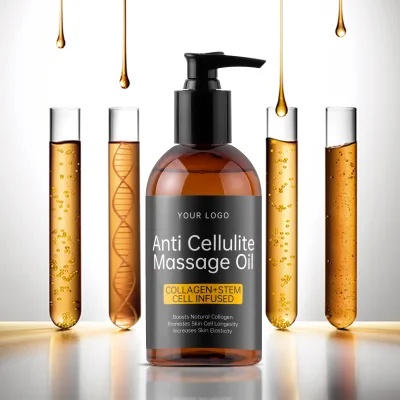
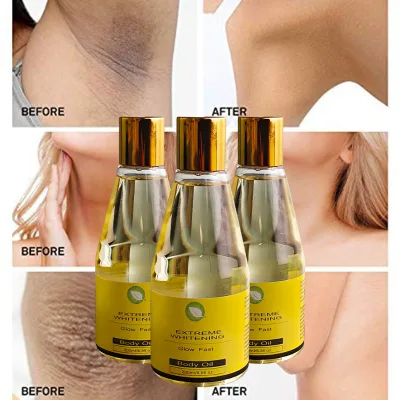
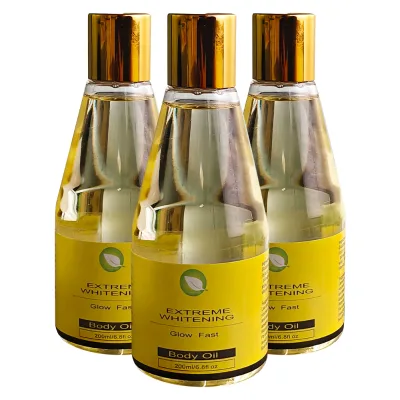
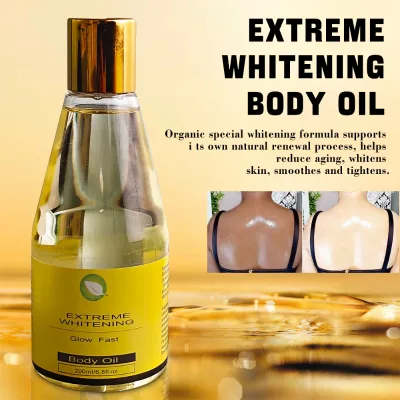
Explore 30 listings for Whitening Nourishing Body Oil with features like anti-aging, firming, and dark circle reduction. Buyers can compare specifications, certifications, and customization options from suppliers in China to find the right product for their needs.
Key considerations
Products List




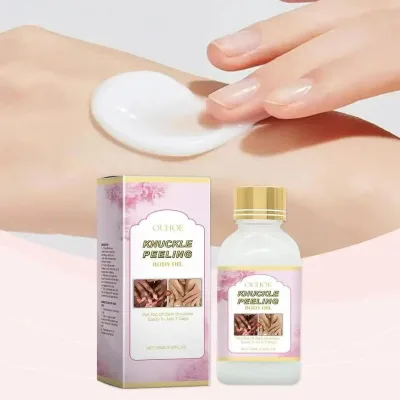
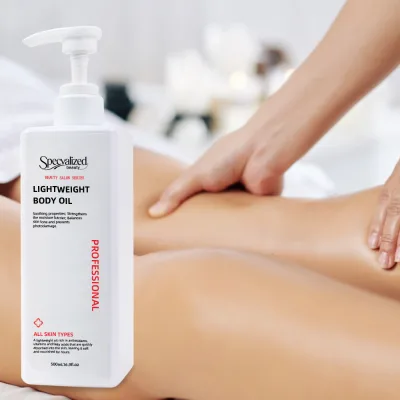

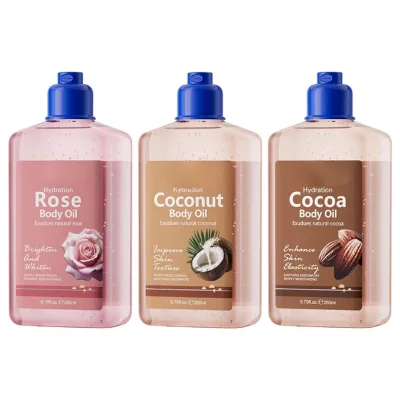


Comprehensive Sourcing Guide
Strategic Sourcing Guide for Whitening Nourishing Body Oil
Understanding Product Composition and Raw Material Sources
When sourcing Whitening Nourishing Body Oil, the foundational step involves a rigorous analysis of the raw material composition. The market for these products is diverse, ranging from formulations derived from botanical flowers to those extracted from seeds. Buyers must recognize that the efficacy of the final product is directly tied to the grade of separation and the specific botanical source used. In the current supply landscape, high-quality options are frequently categorized by their raw material origin, with "Flowers" and "Seeds" being the primary categories observed in verified listings.
The grade of separation is a critical differentiator. Products labeled as "Pure Grade" often indicate a higher concentration of active botanical compounds, which is essential for achieving the desired whitening and nourishing effects. Conversely, "Perfume Grade" materials suggest a formulation optimized for fragrance and sensory experience, which may still contain active ingredients but prioritizes aromatic properties. The specific ingredients listed in product specifications, such as "Rose" and "Lemon," play a pivotal role in the product's profile. Rose is traditionally associated with soothing and anti-aging properties, while Lemon is frequently linked to brightening and antioxidant capabilities.
The extraction method employed to derive these oils is another technical specification that demands attention. The "Extraction" method is the standard process for isolating active compounds from the raw plant material. Buyers should verify that the extraction process preserves the integrity of the active ingredients, such as Vitamin C or Glutathione, which are often highlighted in product models like "Vitamin C Body Oil" and "Glutathione Whitening Body Oil." The method of extraction influences the purity and stability of the oil, directly impacting its ability to address skin concerns like dullness, pigmentation, and fine lines.
Technical Specifications and Performance Attributes
The technical landscape of whitening nourishing body oils is defined by a specific set of performance attributes and functional claims. When evaluating potential suppliers, buyers should look for products that explicitly list features such as "Whitening," "Anti-Aging," "Anti-Wrinkle," and "Firming." These attributes are not merely marketing terms but indicate the intended functional outcome of the formulation. The product type is often categorized as "Compound Essential Oil," suggesting a blend of multiple active ingredients designed to work synergistically.
One of the most critical performance metrics is the product's ability to address specific skin concerns. The observed market data highlights features such as "Dark Circles," "Face-lift," and "Weight Loss" in certain formulations, indicating a multifaceted approach to skin care. However, the core requirement for a "whitening" product remains the primary focus. The efficacy claims often include "Improve Skin Dullness," "Brightening Skin," and "Pigmentation Correctors." These claims are supported by the inclusion of specific functional categories like "Skin Care," "Skin Beauty," and "Skin Lightening."
Packaging and standardization are also key technical specifications. The market offers a variety of standard sizes, including 60ml, 100ml, 125ml, 150ml, 250ml, and custom options like 150g. The packaging format varies from "Paper Box" to "Private Customized Packaging," allowing for significant flexibility in branding. The product model codes, such as "BO" and "MO," serve as internal identifiers for different formulations or batches. Buyers must ensure that the selected product model aligns with their specific volume requirements and branding strategies.
The application scope is another vital technical consideration. While many products are designed for "Body" application, specific formulations are tailored for "Face" use, such as those targeting "Dry Skin" or "Reduce Fine Lines." The target demographic is typically broad, with products suitable for both "Female or Male" users. The usage pattern is generally defined as "Daily Skin Care Treatments," implying that the product is intended for regular, consistent application to achieve cumulative results.
Compliance, Certification, and Regulatory Standards
Navigating the regulatory landscape is a non-negotiable aspect of sourcing high-quality body oils. The supply chain for these products is subject to various certification requirements that ensure safety and quality. The most frequently observed certifications in the market include "MSDS" (Material Safety Data Sheet) and "GMP" (Good Manufacturing Practice). These certifications indicate that the supplier adheres to specific safety protocols and manufacturing standards. Additionally, some listings include "CE" certification, which suggests compliance with European health, safety, and environmental protection standards.
Buyers must verify the authenticity and scope of these certifications. The presence of an MSDS is crucial for understanding the chemical composition and handling requirements of the product, especially for international shipping. GMP certification ensures that the manufacturing facility maintains a controlled environment, reducing the risk of contamination and ensuring batch-to-batch consistency. While "CE" is a common observation, its specific application to cosmetic products should be confirmed, as it often relates to the safety of the manufacturing process rather than the cosmetic efficacy of the final product.
Standardization is another area where compliance plays a significant role. The product standards, such as "100ml" or "250ml," represent the volume and packaging specifications that must be met. However, beyond volume, buyers should inquire about the chemical standards and purity levels that define the "Pure Grade" or "Perfume Grade" classifications. The origin of the product, often listed as "China" or specifically "Guangdong, China," can also influence the regulatory framework under which the product is manufactured. Buyers should ensure that the supplier's location aligns with the regulatory requirements of their target market.
Cost Drivers and Pricing Dynamics
The pricing of whitening nourishing body oils is influenced by a complex interplay of factors, including raw material costs, extraction methods, certification levels, and packaging customization. The observed price range in the market spans from $0.30 to $12.80 USD, reflecting the diversity of product quality and specifications. This wide range indicates that buyers can find options at various price points, but the cost per unit is often correlated with the complexity of the formulation and the level of customization required.
The raw material source is a primary cost driver. Oils derived from "Flowers" or "Seeds" that are classified as "Pure Grade" typically command a higher price due to the scarcity of the material and the intensive extraction process required. Similarly, the inclusion of specific active ingredients like "Vitamin C" or "Glutathione" can increase the production cost. The extraction method, while standard, can vary in efficiency and yield, affecting the final price.
Customization is another significant factor in pricing. The availability of "OEM/ODM" services and "Private Customized Packaging" allows buyers to tailor the product to their brand, but these services often incur additional costs. The MOQ (Minimum Order Quantity) also plays a crucial role in the unit price. The observed MOQ range spans from 1 to 30,000 units, suggesting that larger orders may benefit from economies of scale, potentially lowering the cost per unit. However, buyers must balance the lower unit cost against the inventory holding costs associated with large orders.
Supplier Evaluation and Service Capabilities
Selecting the right supplier is critical for ensuring a reliable supply chain and product quality. The market offers suppliers with "OEM/ODM" capabilities, providing flexibility for buyers who require private labeling or custom formulations. The "Service" category often includes "OEM ODM Private Label Service," indicating that the supplier can handle the entire process from formulation to packaging. Buyers should evaluate suppliers based on their ability to meet specific customization needs, such as the "Private Customized Packaging" and specific product models like "Brightening Body Oil."
The location of the supplier is another important consideration. With many suppliers located in "China" and specifically "Guangdong, China," buyers should assess the logistical advantages and potential challenges of sourcing from this region. The proximity to raw material sources and manufacturing hubs can influence lead times and shipping costs. Additionally, the supplier's experience with international trade and compliance with various certification standards is essential for a smooth procurement process.
Buyers should also consider the supplier's track record in delivering products with specific features and applications. The ability to produce oils with features like "Whitening," "Anti-Puffiness," and "Firming" demonstrates the supplier's technical capability. The availability of different product types, such as "Compound Essential Oil" and specific models like "Vitamin C Body Oil," indicates a diverse product portfolio that can meet various market demands.
Quality Control and Long-Term Procurement Strategy
Implementing a robust quality control (QC) strategy is essential for maintaining product integrity and brand reputation. Buyers should establish clear QC protocols that cover raw material inspection, in-process testing, and final product verification. The focus should be on verifying the "Grade Separation" and ensuring that the "Extraction" method has preserved the active ingredients. Regular testing for purity and consistency is necessary to confirm that the product meets the specified "Standard" and "Feature" requirements.
Long-term procurement considerations involve building a sustainable relationship with suppliers who can consistently deliver high-quality products. This includes negotiating favorable terms for "Private Customized Packaging" and ensuring that the supplier can scale production to meet increasing demand. The ability to maintain a stable supply of "Flowers" or "Seeds" is crucial for long-term production stability. Buyers should also consider the environmental and ethical implications of sourcing raw materials, ensuring that the supply chain aligns with their corporate social responsibility goals.
Finally, buyers should remain vigilant about market trends and regulatory changes. The demand for "Whitening" and "Anti-Aging" products is likely to grow, requiring suppliers to adapt their formulations and certifications accordingly. By staying informed and maintaining a proactive approach to supplier management, buyers can ensure a competitive edge in the market and deliver high-quality products to their customers.
Comparative Analysis of Product Specifications
To facilitate informed decision-making, the following table summarizes the key technical specifications and attributes observed in the market for whitening nourishing body oils. This comparison highlights the diversity of product options available to buyers.
| Specification Category | Product Model A | Product Model B | Product Model C |
|---|---|---|---|
| Raw Material | Flowers | Seeds | Flowers |
| Grade Separation | Pure Grade | Perfume Grade | Pure Grade |
| Key Ingredients | Rose | Lemon | Vitamin C |
| Primary Features | Anti-Aging, Whitening | Whitening, Dark Circles | Whitening, Anti-Wrinkle |
| Application Area | Body | Face | Body |
| Packaging Standard | 100ml | 250ml | 150g/customized |
| Certifications | MSDS, GMP | MSDS, CE, GMP | MSDS, GMP |
| Service Type | OEM/ODM | OEM/ODM | OEM/ODM |
This table illustrates that while the core function of whitening and nourishing remains consistent, the specific formulation, application, and packaging can vary significantly. Buyers should use this data to align their procurement strategy with their specific market needs and brand positioning. By carefully evaluating these specifications, buyers can select the most suitable product to meet their customers' expectations and drive business growth.
FAQs
What certifications do Whitening Nourishing Body Oil suppliers provide?
Suppliers typically provide MSDS and GMP certifications for safety and manufacturing standards. Some listings also include CE certification for European compliance. Buyers should verify the authenticity of these documents before placing orders.
Which raw materials are used for Whitening Nourishing Body Oil?
Products are commonly derived from flowers like rose or seeds such as lemon. The grade separation is often Pure Grade or Perfume Grade depending on the intended use. These botanical sources determine the specific active compounds in the oil.
Can I get private customized packaging for this product?
Yes, private customized packaging is available for most Whitening Nourishing Body Oil orders. Suppliers offer options ranging from paper boxes to fully branded solutions. This service supports OEM and ODM requirements for distinct brand identities.
What are the standard volume specifications for these oils?
Standard volumes include 60ml, 100ml, 125ml, 150ml, and 250ml sizes. Custom specifications like 150g are also offered based on client needs. The product model codes help identify specific formulation batches within these standard ranges.
How does the MOQ affect the unit price for buyers?
The minimum order quantity ranges from 1 to 30,000 units, influencing the final unit cost. Larger orders often benefit from economies of scale, potentially lowering the price per bottle. Buyers must balance inventory costs with the lower unit price of bulk purchases.
Where are the manufacturers of these oils located?
Manufacturers are primarily located in China, with specific hubs in Guangdong. This location impacts shipping logistics and regulatory compliance for international buyers. Sourcing from this region offers access to established extraction and manufacturing facilities.
What features do whitening nourishing body oils typically offer?
Common features include whitening, anti-aging, anti-wrinkle, and firming effects. Some formulations also target dark circles, puffiness, and weight loss. These attributes are derived from the specific extraction methods and active ingredients used in the blend.