Source Wild Barley Grass Powder for Food, Health Care, and Medicine
Explore 30 listings for Wild Barley Grass Powder suitable for food, health care, and medicine applications. Buyers can compare specifications, certifications, and pricing to find the right herbal extract supplier.
Key considerations
Products List

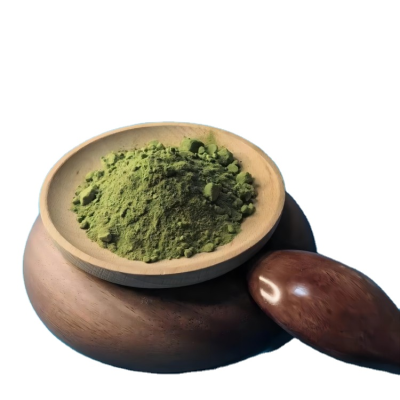
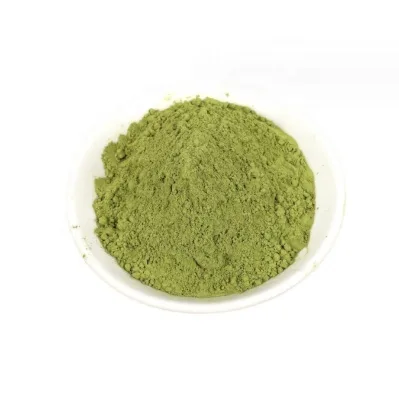
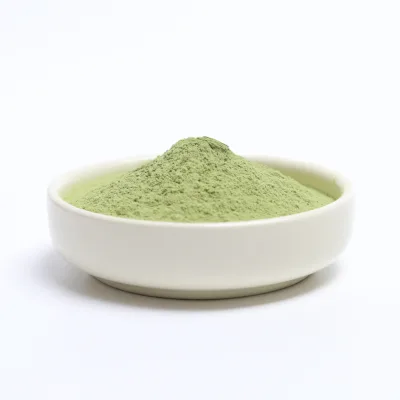
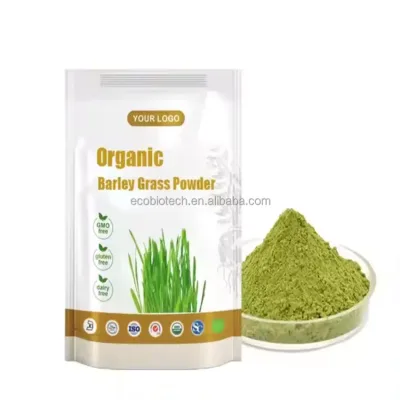
Barley Grass Pure Powder Organic Barley Grass Powder Barley Grass Powder
$18.88 - $24.05
MOQ: 1 kilograms
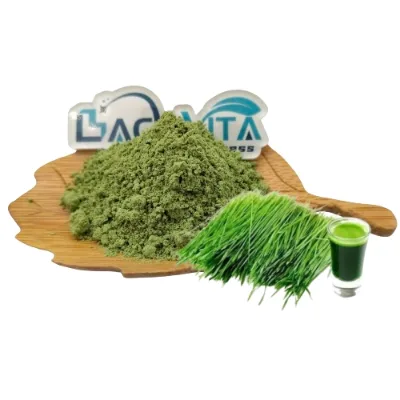


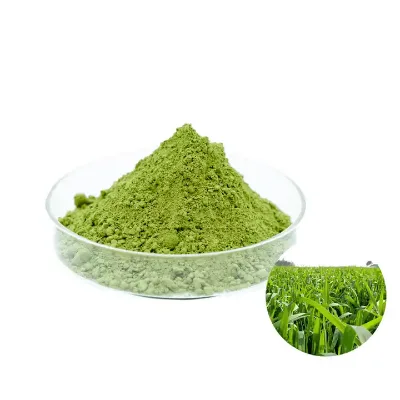


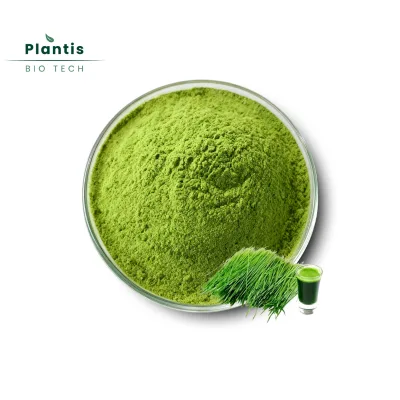
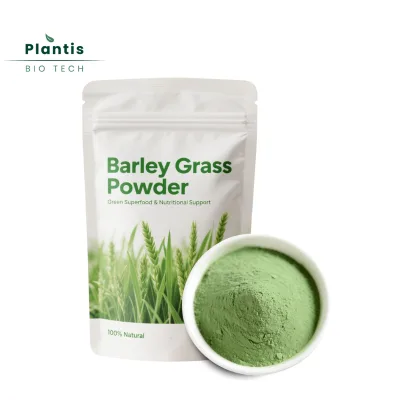
Hot Selling Green Superfood Nutritional Support Barley Grass Extract Powder
$8.13 - $25.39
MOQ: 25 Minimum
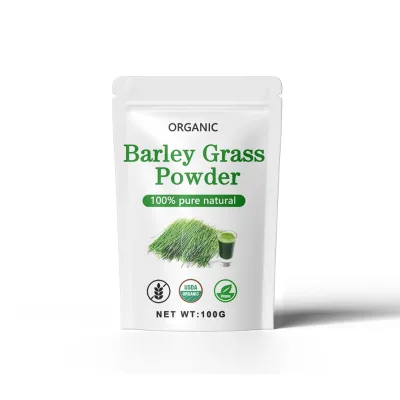
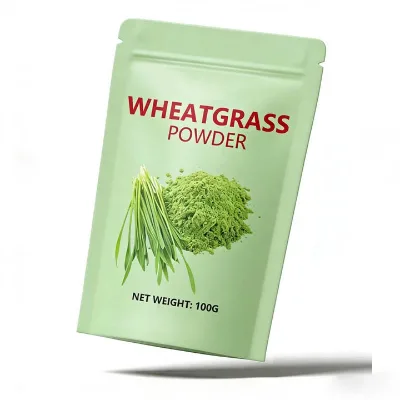


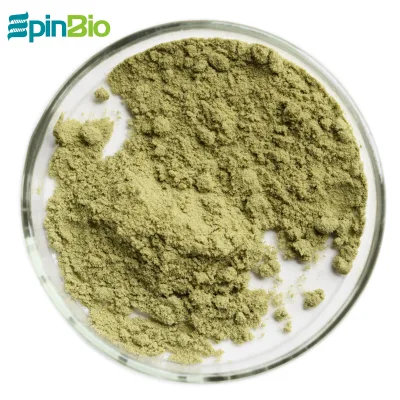


Natural Plant Extract Bulk Sale Health Food Additive Barley Grass Powder
$15.00 - $30.00
MOQ: 1 kilogram


Juice Extract 100% Pure Green Soluble Pines Concentrate Barley Grass Powder Organic
$8.00 - $15.00
MOQ: 1 kilograms
Comprehensive Sourcing Guide
Strategic Sourcing Guide for Wild Barley Grass Powder Procurement
Navigating the global market for barley grass powder requires a disciplined approach that distinguishes between wild-harvested and cultivated varieties, as the supply chain dynamics differ significantly. While the core search term often focuses on "wild" sources, the actual commercial landscape is dominated by products derived from artificial planting methods to ensure consistent yield and quality control. Buyers must align their procurement strategy with verified product attributes, understanding that the term "wild" in marketing materials may not reflect the agricultural reality of the supply. This guide provides a structured framework for evaluating suppliers, verifying technical specifications, and ensuring compliance with international standards for herbal extracts and food-grade ingredients.
Understanding Product Origin and Cultivation Methods
The foundation of a successful sourcing strategy lies in verifying the botanical origin and cultivation method. In the current market, the majority of high-volume barley grass powder is not harvested from wild populations but is instead produced through artificial planting. This distinction is critical for buyers seeking consistency in active ingredient profiles and supply stability. Wild-harvested crops often suffer from seasonal variability, contamination risks from soil pollutants, and inconsistent particle sizes. Conversely, artificially planted barley grass, as observed in the current supply data, allows for controlled agricultural practices that mitigate these risks.
Buyers should explicitly request documentation regarding the cultivation method. The presence of "artificial planting" as a standard attribute suggests a controlled environment, which is preferable for industrial applications in food and pharmaceuticals. When evaluating potential suppliers, do not assume that a product labeled as "Barley Grass Powder" is wild-sourced unless specific wild-harvest certifications are provided. Instead, prioritize suppliers who can demonstrate a robust agricultural protocol for their cultivated crops. The origin of these products is predominantly located in China, with specific manufacturing hubs in regions such as Guangdong and Shaanxi. Understanding these geographic clusters helps in assessing logistics costs and the likelihood of finding specialized processing facilities.
Technical Specifications and Physical Attributes
Technical due diligence is essential when specifying barley grass powder for B2B applications. The product is typically supplied in a powder state, with a color profile described as yellow. The physical form is a critical variable, as it dictates the suitability for different manufacturing processes. The market offers a range of mesh sizes, including 100, 200, 500, and 1000 mesh options. Selecting the correct mesh size depends on the intended application; finer meshes are generally required for encapsulation or liquid formulations, while coarser meshes may suffice for bulk food blending.
Assay methods are another vital technical specification. High-quality suppliers utilize High-Performance Liquid Chromatography (HPLC) to verify the purity and potency of the extract. The standard specification for the product often cites a purity level of 99%, though buyers must verify if this refers to the dry weight, the active compound concentration, or the absence of fillers. The extraction type is typically water-based, which is a standard method for preserving the nutritional integrity of the grass without using harsh chemical solvents.
Furthermore, the shelf life of the product is a key operational parameter. Data indicates a shelf life ranging from 18 months to 2 years, provided the product is stored correctly. Storage conditions are non-negotiable; the product must be kept in a dry and cool place to prevent degradation. Packaging plays a significant role in maintaining these conditions, with common options including foil bags for smaller quantities and 25kg drums for bulk industrial use. Buyers should ensure that the packaging details match their logistical needs, with options for 1kg bags or custom cartons available upon request.
Compliance, Certification, and Regulatory Standards
In the B2B herbal extract market, compliance is the primary gatekeeper for market access. The most frequently cited certifications for barley grass powder include FDA registration and ISO standards. While specific ISO standards like ISO22000 and ISO9001 are often mentioned in general industry contexts, buyers must verify the specific certification status of the supplier rather than assuming blanket compliance. The product is generally classified as Food Grade, which is a prerequisite for use in health foods, beverages, and dietary supplements.
When evaluating a supplier's compliance posture, buyers should request current certificates of analysis (CoA) and valid certification documents. The product's application scope is broad, covering medicine, health care products, and general food items. This versatility requires that the supplier adheres to strict quality management systems. For instance, the instruction for use often suggests dissolving the powder in hot water, which implies a safety profile suitable for human consumption. However, buyers must confirm that the specific batch being purchased meets the regulatory requirements of the destination market, whether it be the United States, the European Union, or Asia.
The "Grade" of the product is another compliance indicator. The supply data consistently lists "Food Grade" as the standard, but buyers should verify if higher grades, such as pharmaceutical grade, are available if the end product is intended for medicinal use. Additionally, the "Ingredients" field in some listings indicates "No," which may refer to the absence of added fillers or artificial additives, but this requires clarification to ensure the product is 100% pure barley grass powder.
Cost Drivers and Procurement Economics
The pricing structure for barley grass powder is influenced by several dynamic factors, including the mesh size, packaging requirements, and the volume of the order. The observed price range in the market spans from $0.82 to $51.07 per unit, a wide variance that reflects differences in quality, purity, and packaging. Lower prices often correlate with standard mesh sizes and bulk drum packaging, while higher prices may be associated with custom specifications, finer meshing, or organic certifications.
The Minimum Order Quantity (MOQ) is another significant cost driver. The market typically presents an MOQ of 1kg, which allows for small-scale testing and prototyping. However, for large-scale production, buyers should negotiate based on the supplier's supply ability, which can range from 1000 bags per day to larger capacities. The unit of sale is often the single item or the kilogram, but bulk discounts are common for orders exceeding the standard MOQ.
Logistics costs also play a substantial role in the total landed cost. The port of dispatch is a critical variable, with major Chinese ports like Tianjin, Shanghai, Qingdao, and Ningbo serving as primary dispatch points. Buyers should factor in the distance from these ports to their destination and the associated freight rates. Additionally, the "Selling Units" being listed as single items suggests flexibility in order sizing, but buyers must clarify if this applies to the MOQ or the standard packaging unit.
Supplier Evaluation and Quality Control Protocols
Selecting the right supplier requires a rigorous evaluation process that goes beyond price comparison. Buyers should assess the manufacturer's capacity, location, and reputation. The supply data identifies manufacturers such as "ANHUI YAOZHIYUAN" and brands like "CSJY" and "YAOZHIYUAN," indicating a competitive market with multiple players. However, buyers should not rely on brand names alone but rather on the supplier's ability to provide consistent quality and documentation.
Quality control protocols are paramount. Buyers should request a detailed Quality Control (QC) plan that outlines the testing procedures for heavy metals, pesticides, and microbial contamination. The use of HPLC for assay methods is a positive indicator of technical capability, but buyers must ensure that the testing is performed by an accredited third-party laboratory. The "Process Type" being listed as "Raw" suggests that the product is minimally processed, which is desirable for preserving natural compounds, but it also necessitates strict hygiene controls during harvesting and drying.
When evaluating suppliers, consider their ability to handle customization. The availability of customization options is a key differentiator, allowing buyers to tailor the product to their specific needs, such as custom mesh sizes or unique packaging. The "Instruction for use" provided by suppliers can also serve as a proxy for their customer support capabilities; clear and accurate instructions indicate a mature quality management system.
Long-Term Procurement and Application Strategy
For long-term procurement, buyers must establish a strategic partnership with suppliers that can scale with their business needs. The seasonal availability of barley grass is listed as "All Seasons," which is a significant advantage for continuous production planning. However, buyers should verify if this claim holds true for the specific supplier and region, as weather patterns can impact agricultural yields.
The application of barley grass powder is diverse, ranging from health care foods to tea drinks and general food products. Buyers should align their product development with the specific attributes of the powder, such as its solubility in hot water and its color profile. The "Model Number" and "Specification" fields often serve as internal identifiers for the supplier, so buyers should ensure these codes are clearly communicated in purchase orders to avoid mix-ups.
Finally, buyers should plan for the shelf life of the product in their inventory management. With a shelf life of 18 months to 2 years, proper storage conditions are essential to maintain product integrity. The "Storage Type" should be strictly enforced in the supply chain, from the supplier's warehouse to the buyer's facility. By adhering to these long-term considerations, buyers can ensure a stable supply of high-quality barley grass powder that meets their operational and regulatory requirements.
Comparative Overview of Key Product Attributes
| Attribute Category | Typical Observation | Verification Requirement |
|---|---|---|
| Cultivation Method | Artificial Planting | Confirm via agricultural documentation |
| Form | Powder | Verify mesh size (100-1000 mesh) |
| Color | Yellow | Visual inspection upon receipt |
| Assay Method | HPLC | Request Certificate of Analysis (CoA) |
| Purity/Standard | 99% | Verify definition of "99%" (active vs. dry weight) |
| Packaging | Foil Bag / 25kg Drum | Confirm custom packaging capabilities |
| Origin | China (Guangdong/Shaanxi) | Verify specific factory location |
| Shelf Life | 18 Months - 2 Years | Check storage conditions and expiry date |
| Certifications | FDA, ISO | Request valid, current certification copies |
| MOQ | 1kg | Negotiate based on volume requirements |
This table summarizes the critical attributes that buyers must verify during the sourcing process. By systematically checking each item against the supplier's documentation, buyers can mitigate risks and ensure that the final product meets their specific quality and compliance standards. The interplay between these attributes defines the value proposition of the barley grass powder in the global B2B market.
FAQs
How is Wild Barley Grass Powder cultivated in the market?
Most commercial barley grass powder is produced through artificial planting rather than wild harvesting. This method ensures consistent yield and quality control for industrial applications in food and pharmaceuticals.
What mesh sizes are available for barley grass powder?
The product is typically supplied in various mesh sizes including 100, 200, 500, and 1000 mesh options. Buyers should select the correct mesh size based on their specific manufacturing process requirements.
Which certifications are commonly associated with this product?
Common certifications include FDA registration and ISO standards for quality management. Buyers must verify specific certification status of the supplier rather than assuming blanket compliance with industry standards.
Can buyers customize the packaging for bulk orders?
Yes, customization is available for packaging requirements such as foil bags or 25kg drums. Suppliers often offer options like 1kg bags or custom cartons upon request to match logistical needs.
What is the typical shelf life of barley grass powder?
The shelf life ranges from 18 months to 2 years provided the product is stored correctly. It must be kept in a dry and cool place to prevent degradation and maintain quality.
How is the purity of the powder verified by suppliers?
High-quality suppliers utilize High-Performance Liquid Chromatography or HPLC to verify purity and potency. The standard specification often cites a purity level of 99% for the active compound concentration.
What are the primary application forms for this powder?
The powder is suitable for use in capsules, tablets, health care products, and food items. It is also used in tea drinks and other health food formulations requiring soluble herbal extracts.