Find Wild Kanna Extract Powder for supplements, wellness, and research
Source 30 listings of Wild Kanna Extract Powder from verified suppliers. Compare specifications like extraction ratios, purity levels, and packaging options to find the right herbal extract for your needs.
Key considerations
Products List
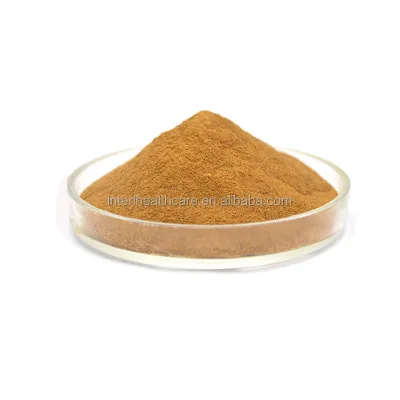
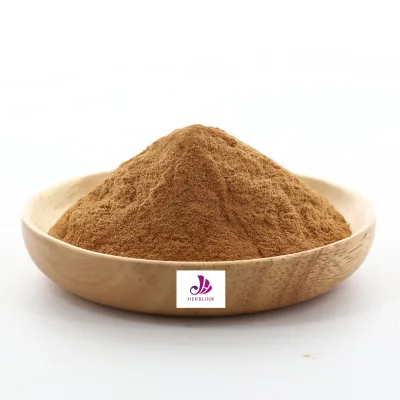
High Quality Natural Manufacture Supply Kanna Extract Kanna Extract Powder
$10.32 - $51.60
MOQ: 1 Minimum


Wellgreen High Quality Kava Root Extract Food Grade Kava Extract Powder
$45.00 - $115.00
MOQ: 25 kilograms


Wholesale Bulk Sale Kava Root Extract Powder 10% 30% 70% Kavalactone Powder
$35.00 - $45.00
MOQ: 1 kilograms


Comprehensive Sourcing Guide
Strategic Sourcing Guide for Wild Kanna Extract Powder
Navigating the global market for Wild Kanna Extract Powder requires a disciplined approach that balances botanical authenticity with rigorous supply chain verification. As a B2B procurement specialist, your primary objective is to secure a product that meets specific functional requirements while adhering to international safety and quality standards. The following guide synthesizes observed market data and technical specifications to provide a framework for evaluating potential suppliers and managing the procurement lifecycle effectively.
Technical Specifications and Botanical Variability
When sourcing kanna extract powder, the first critical step is defining the precise technical specifications required for your application. The market offers a wide spectrum of extraction ratios, which directly influence the potency and intended use of the final product. Observed data indicates that suppliers commonly offer specifications ranging from 4:1 up to 200:1, with specific listings highlighting 10:1 and 20:1 ratios as standard options. This variation suggests that the concentration of active compounds can differ significantly between batches and suppliers.
The physical form of the extract is another non-negotiable specification. The product is consistently described as a brown-yellow powder, with particle size requirements often stipulating that 100% of the material must pass through an 80-mesh sieve. This ensures uniformity in mixing and dosing for downstream manufacturing processes. Furthermore, the part of the plant used is a crucial differentiator. While some listings specify the use of the whole herb or leaves, other data points indicate that root-based extracts are available, particularly those containing Kavalactones. Buyers must explicitly verify whether the "wild" designation refers to the harvesting method of the plant or the specific botanical variety, as this impacts the chemical profile of the extract.
Compliance, Certification, and Regulatory Alignment
In the realm of herbal extracts, compliance is not merely a formality but a prerequisite for market access. The supply chain for kanna extract powder must be vetted against a matrix of international certifications. Available data highlights that reputable suppliers often hold ISO9001, Halal, and Kosher certifications, which are essential for accessing diverse global markets. Additionally, some product listings reference compliance with BP (British Pharmacopoeia) and USP (United States Pharmacopeia) standards, alongside GMP (Good Manufacturing Practice) and HSE (Health, Safety, and Environment) certifications.
Buyers must treat these certifications as dynamic requirements rather than static labels. The presence of a certificate does not guarantee that every batch meets the standard; rather, it indicates the supplier's commitment to a quality management system. When evaluating a supplier, you should request current, valid certificates and verify their scope. For instance, if your target market requires Halal certification, ensure the supplier's certificate covers the specific extraction solvents and processing aids used, as these can sometimes invalidate the status of the final product. Similarly, for pharmaceutical or high-end supplement applications, USP or BP compliance is often mandatory, whereas food-grade applications may prioritize ISO9001 and GMP.
Cost Drivers and Pricing Structure Analysis
Understanding the cost drivers for kanna extract powder is essential for budgeting and negotiation. The observed price range in the market spans from 5 to 550 USD, a variance that reflects differences in extraction ratios, purity levels, and supplier positioning. A 200:1 extract will naturally command a higher price per kilogram than a 4:1 extract due to the volume of raw material required and the complexity of the solvent extraction process. The "wild" aspect of the sourcing may also introduce cost premiums if the harvesting involves sustainable, non-cultivated methods that are more labor-intensive than artificial planting.
Minimum Order Quantities (MOQs) play a significant role in the total cost of ownership. Market observations show MOQs ranging from 1 kg to 25 kg, with 1 kg being a common entry point for sample or small-batch testing. However, larger orders often unlock better unit pricing. Packaging costs are another variable; options include foil bags for 1 kg units and drums for 25 kg units. The choice between a plastic container, vacuum-packed drum, or standard drum can affect both the initial cost and the long-term storage integrity of the product. Buyers should calculate the total landed cost, including packaging, shipping, and potential customs duties, rather than focusing solely on the unit price.
Typical Applications and Functional Suitability
The versatility of kanna extract powder allows it to be utilized across various industries, though the specific application dictates the required purity and specification. The product is generally categorized as a herbal extract suitable for adults, children, and the elderly, indicating a broad safety profile when used correctly. Common applications include dietary supplements, functional beverages, and traditional wellness products. The presence of specific active ingredients, such as Kavalactones, suggests potential use cases in stress relief or relaxation formulations, while the general "kanna extract" designation supports broader herbal supplement applications.
The application also influences the required storage and handling protocols. For instance, products intended for direct consumption may require higher purity levels, such as >99%, and stricter testing for contaminants. In contrast, extracts used as flavoring agents or in industrial formulations might have different tolerances. The "Food Grade" designation observed in several listings confirms suitability for consumable products, but buyers must ensure that the specific grade aligns with the regulatory requirements of their destination country. Additionally, the extraction type, typically solvent extraction, must be verified to ensure no residual solvents remain, which is critical for consumer safety.
Supplier Evaluation and Operational Reliability
Evaluating a supplier for kanna extract powder requires a multi-faceted approach that goes beyond price comparison. Key operational metrics include the place of origin, lead times, and sample availability. Most observed listings indicate that the product originates from Shaanxi, China, a region known for herbal processing. However, the distinction between "wild" and "artificial planting" is vital; while some suppliers utilize artificial planting for consistency, others may source from wild populations, which can introduce variability in the chemical profile.
Lead times are another critical factor in supply chain planning. Express delivery options are available, with some suppliers offering arrival within 5-7 days, which is beneficial for urgent orders or sample testing. However, for bulk production runs, standard lead times must be confirmed. The availability of samples is a standard industry practice, with most suppliers offering kanna extract samples for evaluation. Buyers should utilize these samples to conduct their own internal testing before committing to large orders. Furthermore, the supplier's ability to provide customization, such as specific extraction ratios or packaging formats, is a strong indicator of operational flexibility and partnership potential.
Quality Control and Testing Protocols
Robust quality control is the backbone of a reliable supply chain for herbal extracts. The testing methods employed by suppliers are a primary indicator of product integrity. High-performance liquid chromatography (HPLC) and UV spectroscopy are the standard analytical techniques observed for verifying the concentration of active ingredients and ensuring batch-to-batch consistency. Buyers should insist on a Certificate of Analysis (CoA) for every shipment, which should detail the results of HPLC testing for key markers like Kavalactones.
In addition to chemical analysis, physical and microbiological testing is essential. The product must meet specific appearance standards, such as the brown-yellow powder description, and particle size requirements, typically 100% passing 80 mesh. Shelf life is another critical quality parameter, with most suppliers guaranteeing a 2-year shelf life provided the product is stored correctly. Storage conditions are paramount; the product should be kept in a well-closed container away from moisture and stored in a cool, dry place. Failure to adhere to these storage guidelines can degrade the active ingredients and compromise the product's efficacy.
Long-Term Procurement and Supply Chain Resilience
Sourcing kanna extract powder is not a one-time transaction but a long-term partnership that requires strategic planning. Buyers should consider the scalability of the supplier's production capabilities. With specifications ranging from 4:1 to 200:1, the supplier must have the capacity to adjust production lines to meet changing demand profiles. The packaging options, including drums, plastic containers, and vacuum-packed bags, should be evaluated for their ability to protect the product during long-term storage and international transit.
Sustainability and ethical sourcing are increasingly important considerations. The distinction between wild-harvested and artificially planted kanna has implications for environmental impact and supply stability. Artificial planting ensures a consistent supply and reduces pressure on wild populations, but it may alter the chemical profile compared to wild-grown plants. Buyers should align their sourcing strategy with their corporate sustainability goals. Finally, establishing a clear communication channel for quality issues and maintaining a buffer stock strategy can mitigate the risks associated with supply chain disruptions, ensuring business continuity in the face of market volatility.
FAQs
What specifications are available for Wild Kanna Extract Powder?
Available specifications range from 4:1 to 200:1, with standard options like 10:1 and 20:1. The product appears as a brown-yellow powder where 100% passes through an 80-mesh sieve.
Which certifications do suppliers typically hold for this product?
Suppliers often hold ISO9001, Halal, and Kosher certifications. Some listings also reference compliance with BP, USP, GMP, and HSE standards to ensure international safety and quality.
How is the Wild Kanna Extract Powder packaged for shipment?
Packaging options include foil bags for 1 kg units and drums for 25 kg units. Additional methods involve plastic containers, vacuum packing, and various bottle or jar types for smaller quantities.
Can buyers request samples of the Wild Kanna Extract Powder?
Yes, samples are available for evaluation before placing bulk orders. This allows buyers to verify quality, active ingredients like Kavalactones, and physical appearance prior to commitment.
What is the typical shelf life for Wild Kanna Extract Powder?
The product has a shelf life of 2 years when stored properly. It must be kept in a well-closed container away from moisture in a cool, dry place to maintain efficacy.
Which part of the kanna plant is used for the extract?
The extract is derived from different parts including the whole herb, leaves, and roots. Root-based extracts specifically contain Kavalactones, while others may utilize the entire plant material.
How does the price range vary for Wild Kanna Extract Powder?
The observed price range spans from 5 to 550 USD depending on the extraction ratio and purity. Higher ratios like 200:1 generally command higher prices due to processing complexity and raw material volume.