Source Yoga Bra Cup for Gym, Fitness, and Sports Training
Compare 30 verified listings for Yoga Bra Cup options including half cup and push up pads. Buyers can evaluate materials like polyester and nylon, customization features, and technical specifications for various sports applications.
Key considerations
Products List


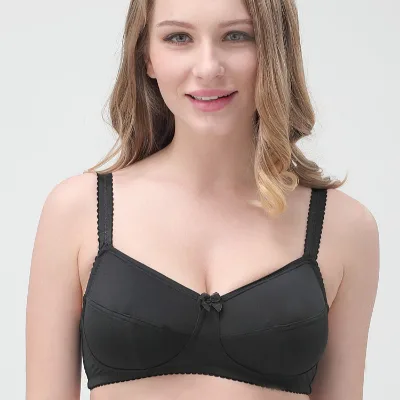


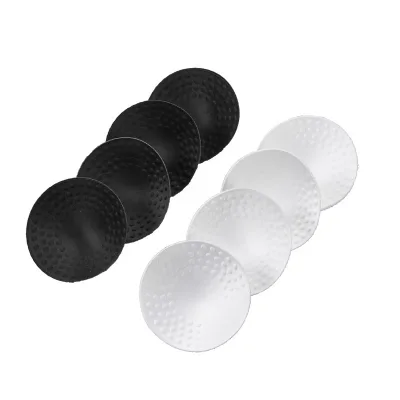
Wholesale Ladies Green Triangle Sponge Molded Bra Cups Foam Sport Yoga Padding
$0.10 - $0.60
MOQ: 100 Pairs



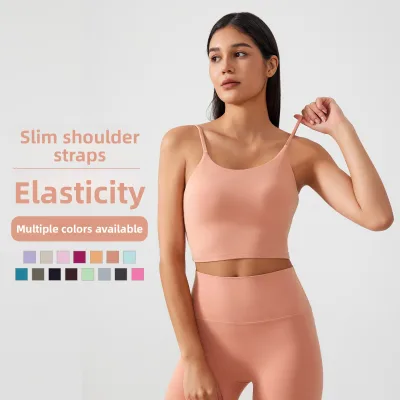

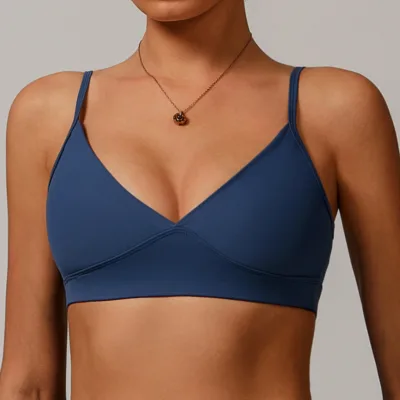
Yoga Women's Support Strapy Cross Back Wirefree Removable Cups Yoga Sport Bra
$4.85 - $5.25
MOQ: 500 Pieces
Comprehensive Sourcing Guide
Yoga Bra Cup Sourcing Guide
Sourcing yoga bra cups requires a nuanced understanding of the intersection between athletic performance and aesthetic design. The market offers a diverse array of options, ranging from traditional half-cup structures to specialized sports-specific padding. Buyers must navigate a landscape where material composition, such as polyester or nylon blends, directly influences the cup’s functionality, breathability, and durability. This guide provides a structured approach to evaluating suppliers, verifying technical specifications, and ensuring compliance with safety standards, enabling procurement teams to make informed decisions that align with their brand’s quality and ethical requirements.
The procurement process for yoga bra components is heavily influenced by customization capabilities and production flexibility. Many suppliers offer extensive customization options, including custom colors, logos, and labels, which are essential for brands seeking to differentiate their products in a competitive market. However, this flexibility often comes with minimum order quantities (MOQs) that can range significantly, requiring buyers to balance inventory costs with design specificity. Understanding these commercial dynamics is crucial for negotiating favorable terms and ensuring a steady supply chain that can adapt to fluctuating demand patterns.
Product Scope and Observed Listing Signals
The observed product listings reveal a wide spectrum of Yoga Bra Cup configurations, highlighting the importance of precise specification matching. Key attributes include various cup shapes, such as half cups and three-quarter cups, which cater to different support needs and aesthetic preferences. The presence of features like push-up functionality and wire-free designs indicates a market segment focused on both comfort and enhancement. Buyers should carefully review these attributes to ensure they align with their target audience’s expectations, as the wrong configuration can lead to customer dissatisfaction and increased return rates.
Material selection is another critical signal observed in the listings, with polyester and nylon being prominent choices. These materials are often selected for their durability, moisture-wicking properties, and ability to maintain shape after repeated washing. Additionally, technical details such as yarn-dyed fabrics and knitted constructions suggest a focus on longevity and texture. Buyers must verify that the chosen material meets the specific performance requirements of their yoga apparel, considering factors like elasticity, breathability, and resistance to wear and tear. The availability of custom colors and patterns further expands the design possibilities, allowing for greater brand expression.
Technical Specifications to Verify
Verifying technical specifications is paramount to ensuring the quality and functionality of yoga bra cups. Buyers should prioritize the verification of cup size accuracy, as even minor deviations can affect the fit and comfort of the final garment. Specifications such as C cup and B cup sizes must be cross-referenced with industry standards to ensure consistency. Additionally, the type of strap, whether invisible or backless, should be confirmed to match the design intent of the yoga bra. These details are not merely aesthetic choices but functional elements that impact the overall performance and user experience of the product.
The structural integrity of the bra cup is determined by its construction techniques and support features. Buyers must assess whether the cups are wire-free or include additional support mechanisms, as this affects the level of stability provided during physical activity. Features such as quick-drying, moisture-wicking, and anti-UV properties are essential for athletic wear, ensuring that the garment remains comfortable and functional under various conditions. It is also important to verify the packing specifications, such as the number of units per bag or carton, to optimize logistics and storage efficiency. These technical details form the foundation of a reliable product specification sheet.
Compliance and Safety Documentation
Compliance with safety and environmental standards is a non-negotiable aspect of sourcing yoga bra cups. Certifications such as SGS and Oeko-Tex indicate that the products have undergone rigorous testing for harmful substances and quality assurance. Buyers should request and verify these certifications to ensure that the materials used are safe for skin contact and environmentally responsible. The presence of these certifications not only mitigates legal risks but also enhances the brand’s reputation among health-conscious consumers who prioritize sustainability and safety in their apparel choices.
In addition to material safety, buyers must ensure that the production processes adhere to relevant industry standards. This includes verifying that the manufacturing facilities follow ethical labor practices and maintain high standards of quality control. Documentation such as test reports and compliance certificates should be readily available and up-to-date. Buyers should also be aware of any specific regulatory requirements in their target markets, as these can vary significantly. By prioritizing compliance, buyers can protect their brand from potential liabilities and build trust with their customer base.
Cost Drivers and Commercial Terms
Understanding the cost drivers associated with Yoga Bra Cup sourcing is essential for effective budget management. Factors such as material quality, customization complexity, and order volume significantly influence the final price. Buyers should analyze the relationship between MOQs and unit costs, as larger orders often result in lower per-unit prices due to economies of scale. However, it is important to balance cost savings with the need for inventory flexibility, especially for products with seasonal or trend-driven demand. Negotiating favorable commercial terms, including payment schedules and shipping conditions, can further optimize the total cost of ownership.
Customization services, such as custom logos and labels, often incur additional costs that must be factored into the procurement budget. Buyers should clarify these costs upfront to avoid unexpected expenses during the production phase. Additionally, the choice of packaging, whether standard cartons or custom bags, can impact both cost and sustainability goals. By carefully evaluating these commercial terms, buyers can make informed decisions that align with their financial objectives and brand values. Transparent communication with suppliers regarding cost structures is key to establishing a mutually beneficial partnership.
Supplier Qualification and Quality Control
Supplier qualification is a critical step in ensuring the reliability and consistency of Yoga Bra Cup supplies. Buyers should conduct thorough due diligence to assess the supplier’s production capabilities, quality control processes, and track record. This includes verifying the supplier’s location, such as Zhejiang, China, and evaluating their ability to meet specific production timelines and quality standards. A robust quality control system should be in place to monitor every stage of production, from material sourcing to final packaging, ensuring that each batch meets the agreed-upon specifications.
Regular quality audits and sample approvals are essential practices for maintaining product integrity. Buyers should request pre-production samples to verify that the final product matches the approved specifications in terms of size, color, and material. Implementing a systematic inspection process, such as pre-shipment inspections, can help identify and rectify any defects before the goods are dispatched. By establishing clear quality expectations and maintaining open communication with suppliers, buyers can minimize the risk of receiving substandard products and ensure a consistent supply of high-quality yoga bra cups.
Long-Term Procurement Checks
Long-term procurement success depends on continuous monitoring and evaluation of supplier performance. Buyers should establish key performance indicators (KPIs) to track metrics such as on-time delivery, product quality, and responsiveness to issues. Regular reviews of these metrics can help identify potential problems early and facilitate corrective actions. Additionally, maintaining a diversified supplier base can mitigate risks associated with supply chain disruptions, ensuring that the business can adapt to changing market conditions and demand fluctuations.
Building strong, collaborative relationships with suppliers is also vital for long-term success. Open communication and mutual respect can lead to better cooperation, innovation, and problem-solving. Buyers should engage in regular dialogues with their suppliers to discuss future needs, share feedback, and explore opportunities for improvement. By fostering a partnership-oriented approach, buyers can secure a reliable supply of high-quality yoga bra cups that support their brand’s growth and sustainability goals. This strategic focus on relationship management and performance monitoring is essential for maintaining a competitive edge in the apparel industry.
FAQs
What materials are used for yoga bra cups?
Yoga bra cups are commonly made from polyester or nylon to ensure durability and comfort. These materials support features like quick-drying and moisture-wicking capabilities required for sports activities.
Can I customize the logo and label on the cups?
Yes, customization is available for logos, labels, and tags on these products. Buyers can request custom colors and specific branding elements to match their unique business requirements.
Which certifications do the products meet?
The products meet the Oeko certification standard and are tested according to SGS standards. These certifications ensure the materials are safe and suitable for direct skin contact during exercise.
What is the minimum order quantity for these cups?
The minimum order quantity ranges from 2 to 5000 units depending on the specific product model. Buyers should check the specific model details to confirm the exact MOQ for their order.
Are the cups available in stock immediately?
No, the stock status for these items is currently listed as non or no. Buyers should expect a lead time for production rather than immediate shipment from existing inventory.
How are the products packed for shipping?
Products are packed in various ways such as 100 pairs per bag or 1 piece per polybag. The outer packaging typically consists of cartons with dimensions around 60x40x40cm for efficient transport.
What cup shapes are available for these bras?
Available cup shapes include half cup, three quarters cup, and specific sizes like B Cup or C Cup. The design supports styles ranging from traditional to sports and push-up configurations.
Where are these products manufactured?
These products originate from Zhejiang, China, or generally from China. The manufacturing location ensures access to established supply chains for textile production and garment assembly.