Source ACL Injury Knee Brace with Stay for Sports, Rehab, and Hiking
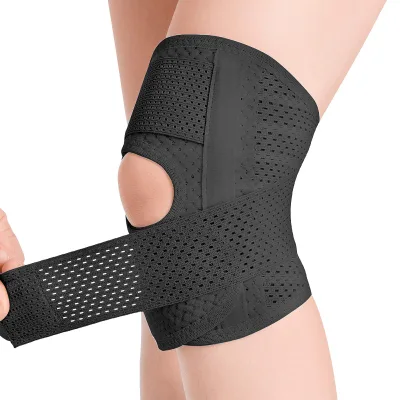
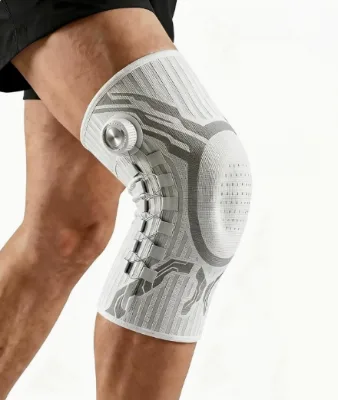
Find 30 ACL Injury Knee Brace with Stay options from China. Compare materials like neoprene and nylon, protection classes, and sizes for sports, rehabilitation, and hiking applications. These braces offer basic to professional protection, featuring breathable designs and customizable logos for various athletic and medical needs.
Updated
Key considerations
Products List
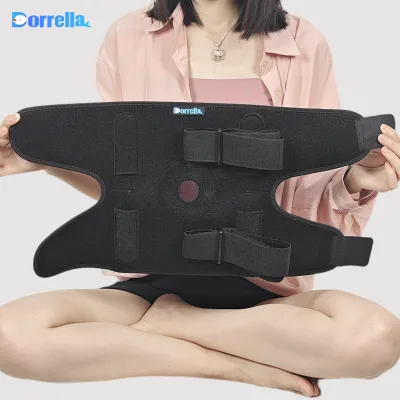
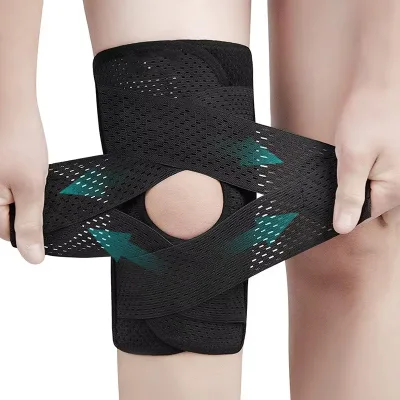
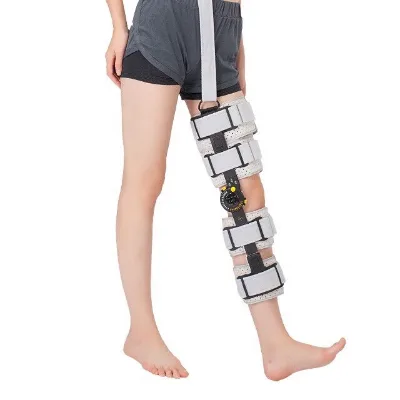
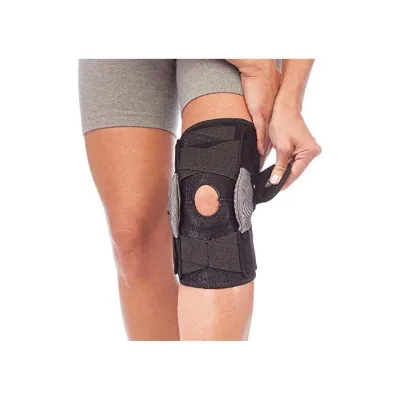
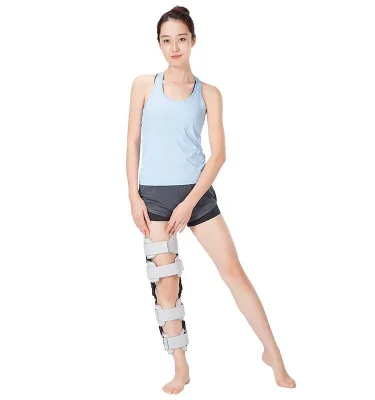
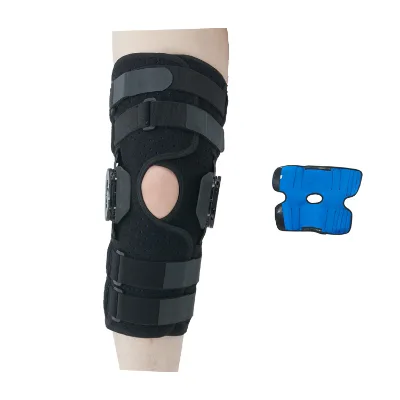
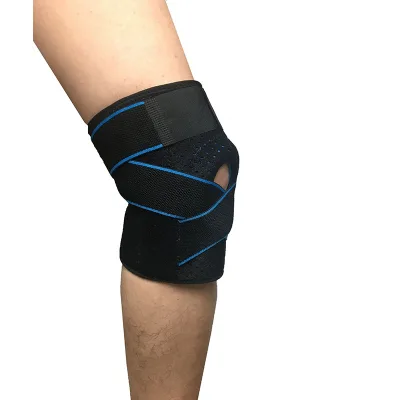
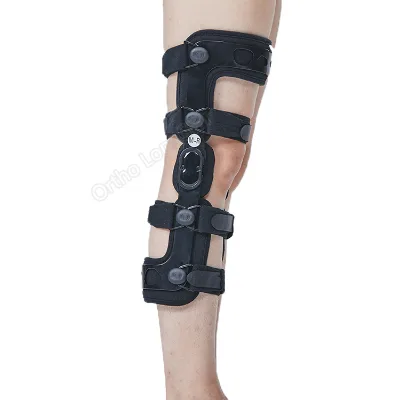
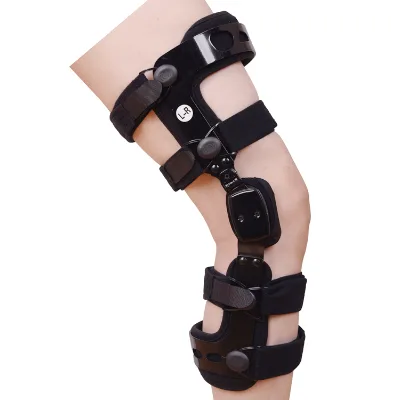
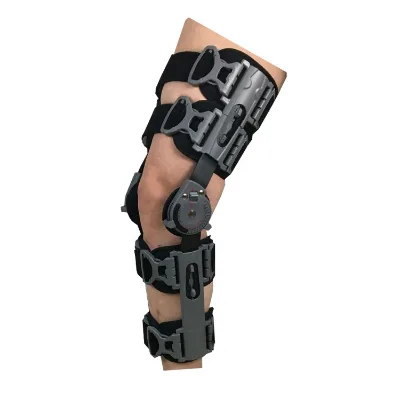


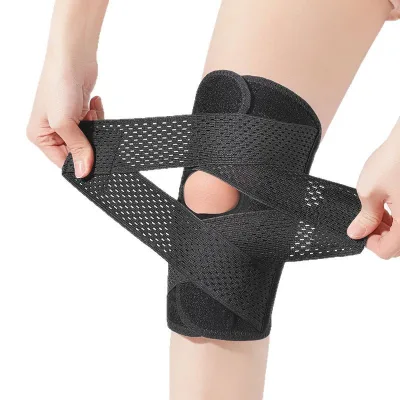


Custom Medical Adjustable Knee Support Orthopedic Knee Brace for Post Op Recovery
$15.50 - $17.50
MOQ: 500 Pieces

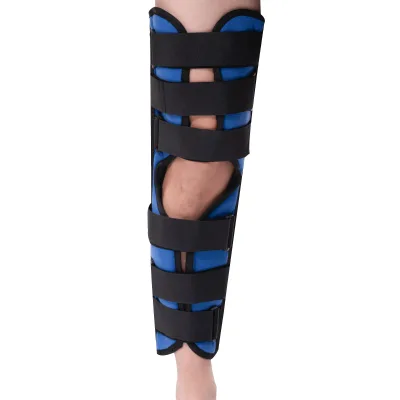



Comprehensive Sourcing Guide
ACL Injury Knee Brace with Stay Sourcing Guide
Procuring an ACL Injury Knee Brace with Stay requires careful alignment of structural support with clinical rehabilitation needs. Buyers must distinguish between soft compression sleeves and rigid orthotic devices that incorporate lateral or medial stays for joint stabilization. The presence of stays indicates a design intended to limit harmful lateral motion while allowing controlled flexion and extension, which is critical for post-operative recovery or ligamentous instability. Sourcing decisions should prioritize manufacturers who explicitly define the brace type as an orthopedic knee orthosis or medical knee stabilizer rather than a general fitness accessory.
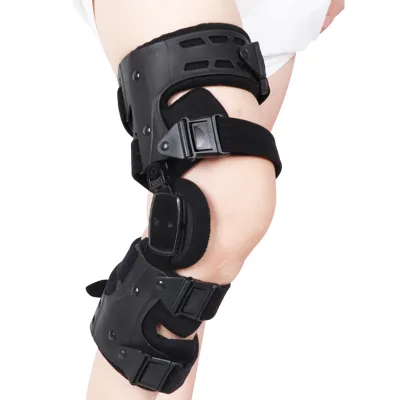
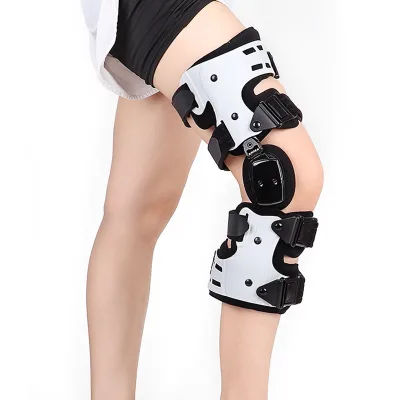
The market offers a spectrum of options ranging from basic protection sleeves to professional-grade immobilization devices. Observations indicate that some products are labeled as hard shell types with hook-and-loop closures, designed for fracture immobilization or post-op support, while others are soft, breathable neoprene sleeves for general sports use. Buyers must verify whether the specific model includes the necessary stays to address ACL deficiencies, as soft sleeves alone may not provide sufficient mechanical restraint. Understanding the distinction between these categories ensures that the selected brace meets the specific biomechanical requirements of the patient or end-user.
Product Scope and Observed Listing Signals
Current market listings reveal a diverse range of knee support products, with observed prices spanning from $0.90 to $46.08 USD and minimum order quantities varying from 1 to 10,000 units. This wide variance suggests that buyers can source both low-volume samples and bulk commercial orders, but price alone is not a reliable indicator of structural integrity or stay inclusion. Some listings highlight features such as open patella designs, elastic breathable materials, and customized colors, which are typical of soft neoprene or spandex-nylon blends. These attributes are suitable for general sports protection but may lack the rigid components necessary for serious ACL injury management.
Other observed signals point toward more specialized medical applications, with products described as having hard shell types, hook-and-loop closures, and specific functions like fracture knee immobilization or post-op knee support. These items often carry higher gross weights, such as 2.0 kg per package, indicating the presence of heavier materials or structural components like stays. Brands such as Dorrella and Hebei Jingkang appear in the data, offering OEM/ODM services and customized logos. Buyers should scrutinize these listings to confirm if the "stay" feature is explicitly mentioned, as many products labeled as "knee braces" are actually simple compression sleeves without lateral reinforcement.
Technical Specifications to Verify
When evaluating technical specifications, the material composition is a primary differentiator between soft sleeves and braces with stays. Observed materials include neoprene, spandex, nylon, and combinations involving PVC or angle chuck components, which may contribute to rigidity. Buyers must verify if the product description explicitly mentions lateral or medial stays, as these are essential for limiting valgus and varus stress on the knee joint. The closure type is also critical; hook-and-loop fasteners are commonly associated with adjustable braces that can accommodate swelling and provide secure fitment, whereas simple slip-on designs are less suitable for unstable knees.
Size and fitment specifications vary significantly across listings, with options ranging from specific sizes like S, M, L, XL, and XS to one-size-fits-all designs. Buyers should confirm the single package dimensions and gross weight to assess the bulk and potential shipping costs, especially for heavier hard-shell models. Additionally, the operating instructions, such as "do not wash," may indicate the presence of non-washable structural components or adhesives that could be compromised by improper care. Verifying these details ensures that the selected brace provides the necessary mechanical support and durability for long-term rehabilitation use.
Compliance and Safety Documentation
Compliance and safety documentation are paramount when sourcing medical-grade knee braces, particularly those intended for ACL injury support. Buyers should request evidence that the products meet relevant regional medical device regulations, such as CE marking in Europe or FDA clearance in the United States, although specific certification statuses are not provided in the current data. It is essential to verify that the manufacturer has established quality management systems, such as ISO 13485, to ensure consistent production of safe and effective orthotic devices. Without proper documentation, there is a risk of sourcing products that do not meet the necessary safety standards for clinical use.
Trade assurance and supplier reliability are also key components of safety assurance. Some listings mention 100% trade assurance, which can provide a layer of financial protection for buyers. However, buyers must independently verify the supplier's ability to provide detailed product specifications, including material safety data sheets and biocompatibility test results, especially for products in direct contact with skin. Ensuring that the brace materials are hypoallergenic and free from harmful substances is crucial for patient comfort and safety during prolonged wear. Buyers should prioritize suppliers who are transparent about their compliance efforts and quality control processes.
Cost Drivers and Commercial Terms
Cost drivers for ACL injury knee braces with stays include material complexity, manufacturing processes, and the inclusion of structural components like stays and hinges. Products with hard shell types and hook-and-loop closures tend to be more expensive due to the additional materials and assembly steps required. Observed gross weights of up to 2.0 kg per package suggest that some models are substantial, which can impact shipping costs and handling requirements. Buyers should consider the total landed cost, including freight, duties, and insurance, rather than focusing solely on the unit price.
Commercial terms such as minimum order quantities (MOQ) and lead times vary widely, with observed MOQs ranging from 1 to 10,000 units. This flexibility allows buyers to start with small orders for testing or market validation before committing to larger volumes. OEM/ODM services are widely available, enabling customization of logos, colors, and packaging, which can add to the cost but enhance brand identity. Buyers should negotiate clear terms regarding sample availability, payment methods, and return policies to mitigate risks associated with bulk purchases. Understanding these commercial dynamics helps in budgeting and planning for successful product launches.
Supplier Qualification and Quality Control
Supplier qualification involves assessing the manufacturer's production capabilities, quality control processes, and track record in the medical device or sports equipment industry. Buyers should verify the supplier's experience in producing knee braces with stays, as this requires specialized tooling and expertise. Observations indicate that suppliers are located in regions like Fujian and Hebei, China, which are known for manufacturing these types of products. Buyers should request factory audits or third-party inspections to ensure that production facilities meet international standards for hygiene, precision, and consistency.
Quality control measures should include rigorous testing of the brace's structural integrity, including the strength and durability of the stays and closures. Buyers should inquire about the supplier's testing protocols for materials, such as tensile strength and elasticity, to ensure that the brace maintains its supportive properties over time. Additionally, verifying the supplier's ability to provide consistent product quality across batches is crucial for maintaining brand reputation. Establishing a strong relationship with a qualified supplier ensures that the knee braces meet the required performance standards and patient expectations.
Long-Term Procurement Checks
Long-term procurement checks involve monitoring supplier performance, product quality, and market feedback to ensure ongoing satisfaction. Buyers should establish key performance indicators (KPIs) for delivery times, defect rates, and customer complaints to track supplier reliability. Regular quality audits and product testing should be conducted to identify any potential issues early in the supply chain. Maintaining open communication with the supplier allows for continuous improvement and adaptation to changing market demands or regulatory requirements.
Additionally, buyers should stay informed about advancements in knee brace technology and materials to ensure that their product offerings remain competitive. This includes monitoring trends in lightweight, breathable, and customizable designs that enhance patient comfort and compliance. By proactively managing the procurement process and fostering strong supplier relationships, buyers can mitigate risks and ensure the successful long-term supply of high-quality ACL injury knee braces with stays. Continuous evaluation and adjustment of sourcing strategies will help maintain a competitive edge in the market.
FAQs
What materials are used for ACL Injury Knee Brace with Stay?
The product utilizes neoprene, angle chuck, and PVC materials for structural support. Some variants also feature spandex and nylon blends for flexibility. These materials ensure durability and comfort during rehabilitation or sports activities, providing the necessary stability for knee protection.
Can I customize the logo on the ACL Injury Knee Brace with Stay?
Yes, customized logos are accepted for this knee brace. The supplier offers OEM and ODM services to meet specific branding requirements. Buyers can request personalized designs to align with their corporate identity or retail packaging needs while maintaining product quality.
What sizes are available for the ACL Injury Knee Brace with Stay?
Available sizes include S, M, L, XL, XS, and One Size Fits All. This range accommodates various adult body types. Buyers should select the appropriate size based on their specific fit requirements to ensure optimal support and comfort during use.
How does the ACL Injury Knee Brace with Stay support rehabilitation?
It provides fracture knee immobilization and post-op support to relieve knee pain. The design aids in ACL and PCL injury recovery. By stabilizing the joint, it facilitates safe movement during the rehabilitation process, helping patients regain strength and mobility effectively.
Where are these ACL Injury Knee Brace with Stay products manufactured?
These products are manufactured in Fujian and Hebei, China. The origin ensures access to established supply chains and manufacturing expertise. Buyers can rely on these locations for consistent production quality and efficient logistics when sourcing these medical and sports support devices.
What is the MOQ for the ACL Injury Knee Brace with Stay?
The MOQ ranges from 1 to 10,000 units depending on the supplier. This flexibility allows both small and large buyers to place orders. Customers can negotiate specific quantities based on their inventory needs and budget constraints while securing the desired product specifications.