Acrylic Tufted Carpet Suppliers and Manufacturers - 26 Factories
Compare 26 verified Acrylic Tufted Carpet suppliers by location, response time, lead time, and capacity. Review product specs like material, thickness, and customization options. Contact suppliers directly to request quotes for your project needs; review the available evidence before requesting comparable quotations from suitable candidates.
Updated
Suppliers List

QINGYUAN HUAMAO CARPET WEAVING CO.,LTD
- Verified by TUVRHEINLAND
- Combined
- China Guangdong
- Lead time30 days
- Avg. response≤ 18h
Main productsHand Tufted Carpet, Area Carpet, Hotel Carpet, Handmade Carpet, New Zealand Carpet, Acrylic Carpet, Nylon Carpet, Table Light, Floor Light, Pendant Light
Main marketsDomestic

Foshan Shengyibo Carpet Co.,Ltd.
- Verified by BV
- Combined
- China Guangdong
- Lead time15 days
- Avg. response≤ 4h
Main productsCarpet, Rug, Wool Carpet, Wool Rug, Carpet Tile, Wall to Wall Carpet, Commercial Carpet, Residential Carpet, Hotel Carpet, Floor Carpet
Main marketsAfrica,Southeast Asia/ Mideast,Domestic,Europe,North America
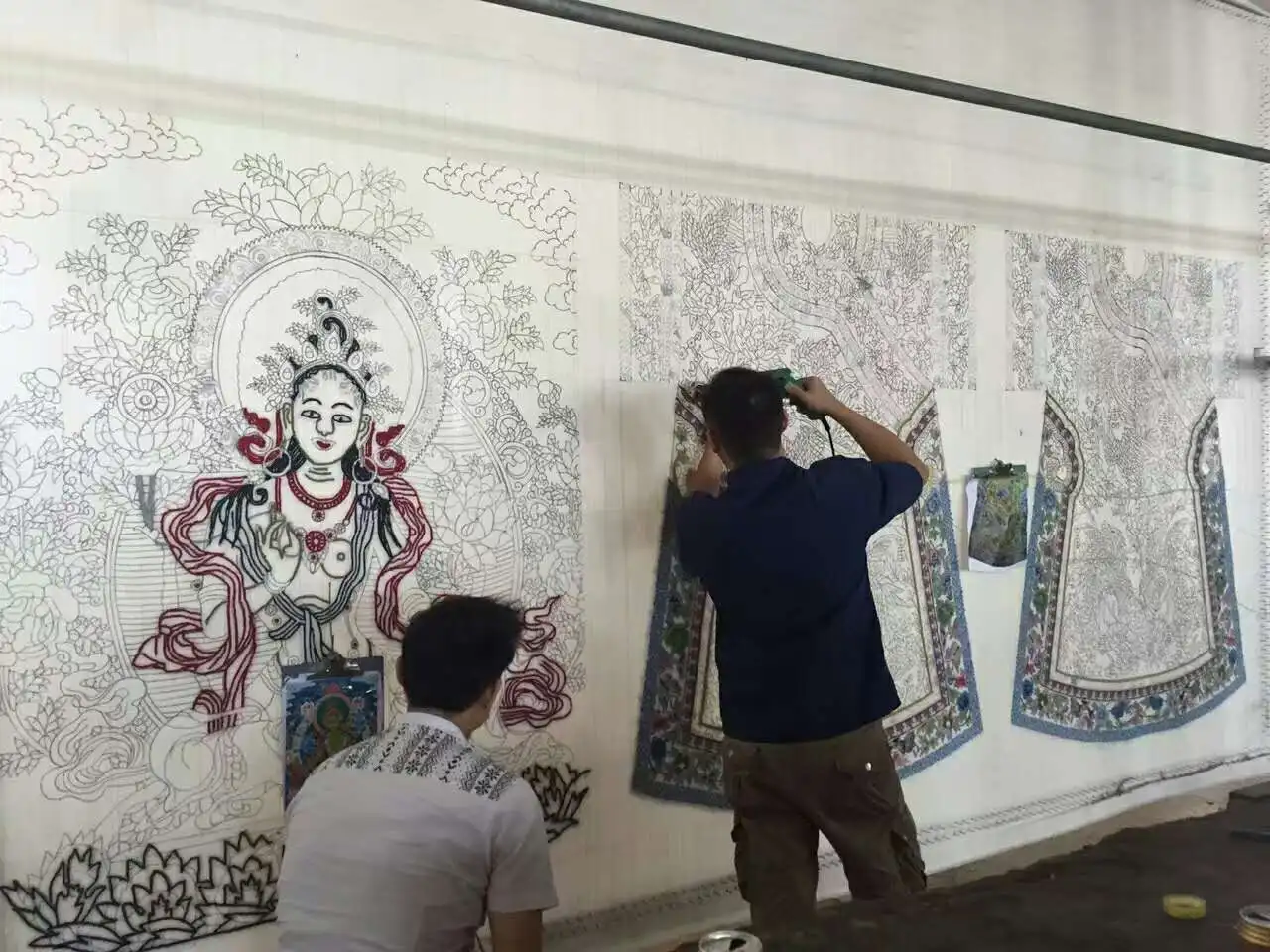
Guidant Carpet Manufacturing Co., Ltd.
- Trading Company
- Guangdong, China
- Lead time30 days
- Avg. response≤ 4h
Main productswool Carpet,Bamboo fiber carpet,Versace carpet,Household carpets,Acme Carpet
Main marketsMid East(50.00%), North America(21.00%), Southeast Asia(8.00%), Eastern Europe(5.00%), Northern Europe(4.00%), Africa(3.00%), Western Europe(3.00%), Eastern Asia(3.00%), South America(3.00%)
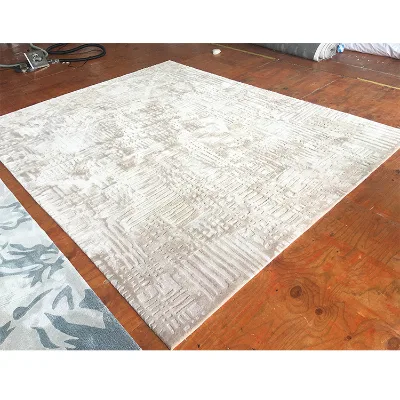
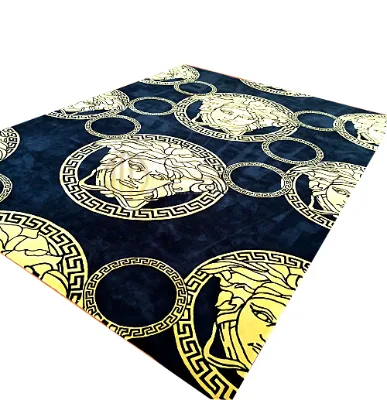
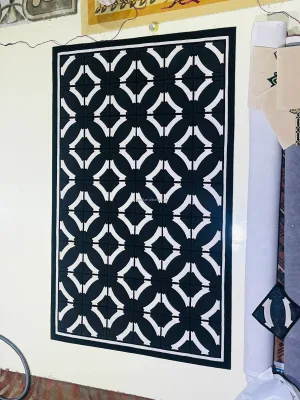
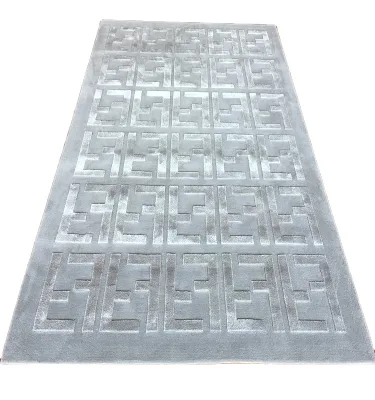
Acrylic Rug and Carpet Home Decorative Floor Hand Tufted
$50.00 - $65.00
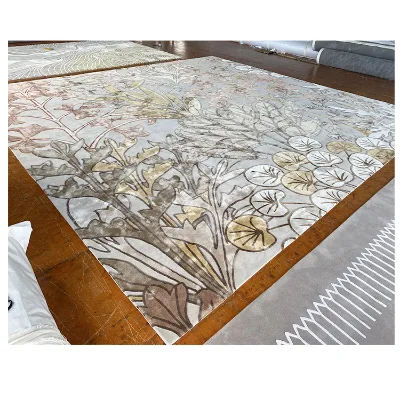
Shenyang Autovi Floor Materials Co., Ltd.
- Trading Company
- Liaoning, China
- Lead time15 days
- Avg. response≤ 1h
Main productsCarpet Tiles,Axminster Carpet,Printed Carpet,Hand-Tufted Carpet,Sisal carpet
Main marketsSouthern Europe(25.00%), Western Europe(25.00%), Eastern Asia(25.00%), South America(25.00%)
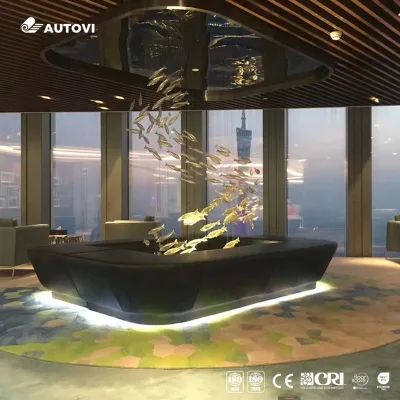
Hand Tufted Acrylic Carpet for Office Carpet Modern Minimalist Design Wear Resistant
$68.50 - $76.00
MOQ: 1
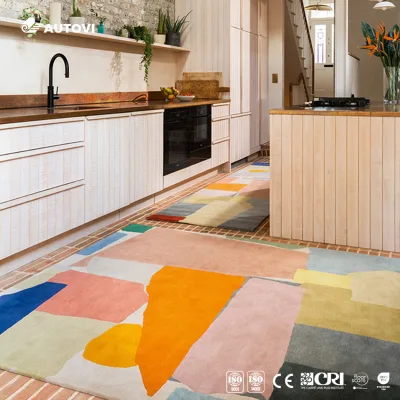
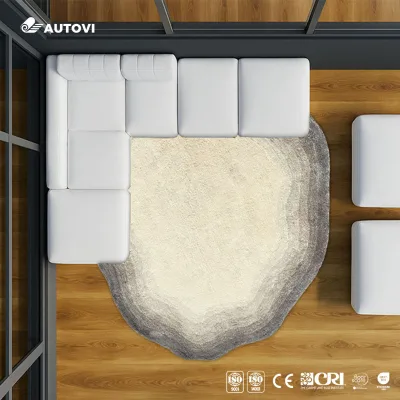
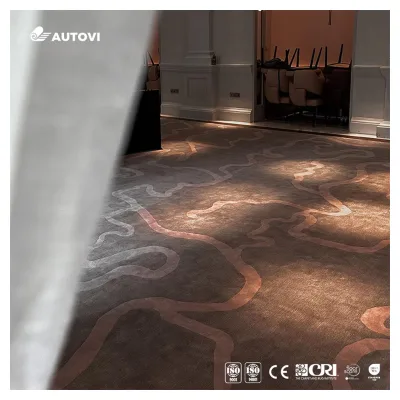
Hand Tufted Acrylic Area Rug for Living Room Shaggy Texture Soft Plush Eco Friendly
$68.50 - $76.00
MOQ: 1
Beijing Silver Stone International Trade Co., Ltd.
- Verified by SGS Group
- Trading Company
- Lead time15 days
- Avg. response≤ 2h
Main productsCarpet Tiles, Axminster Carpet, Handtufted Carpet, Area Rug , Printed Carpet
Main marketsSouth Asia(30%), North America(20%), South America(20%)
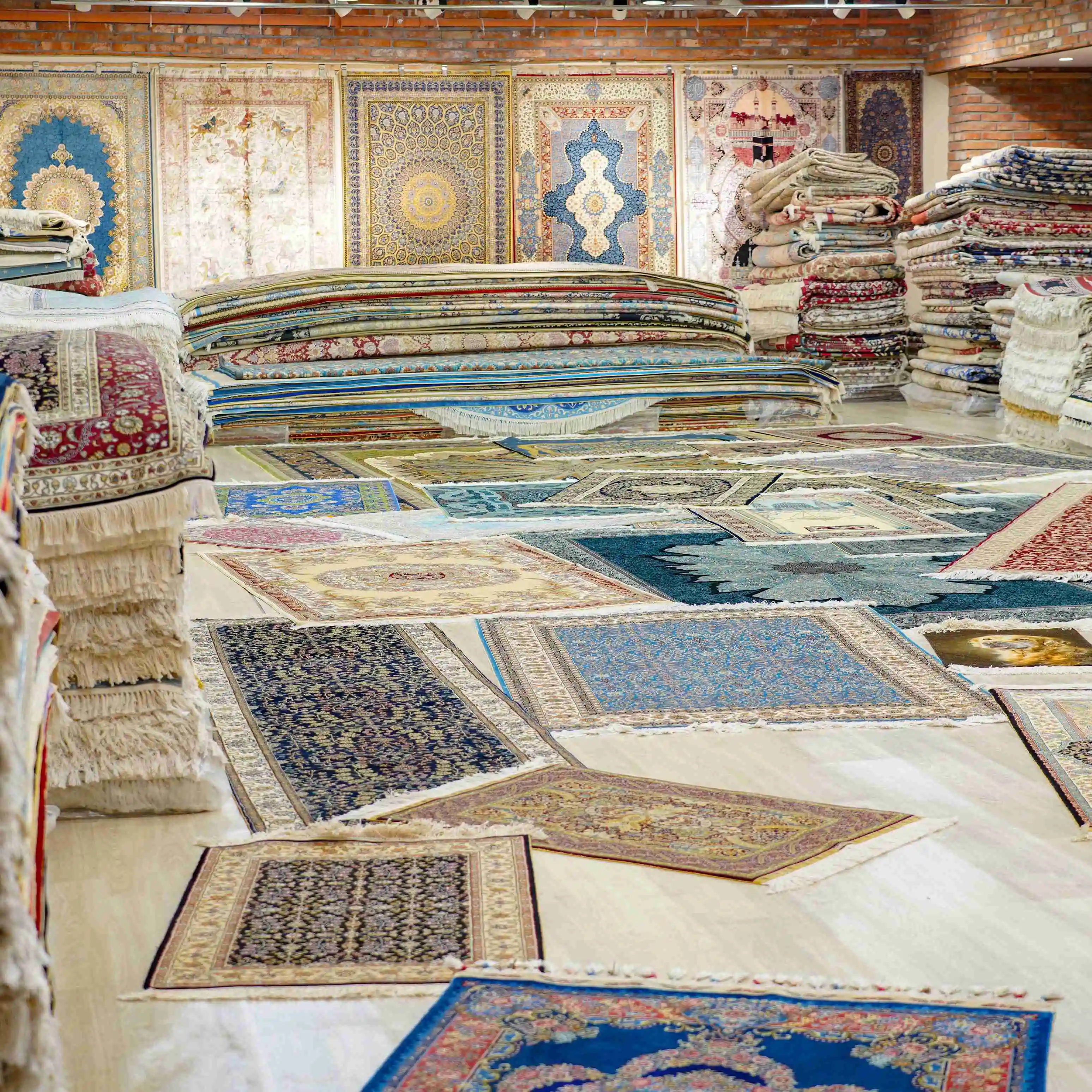
- Manufacturer, Trading Company
- Henan, China
- Lead time3 days
- Avg. response≤ 7h
Main productsCustomized Hand Tufted Carpet,Hand Knotted Carpet,Handmade Carpet,Silk Carpet,Persian Carpet
Main marketsNorth America(40.00%), Mid East(37.00%), Domestic Market(10.00%), Western Europe(5.00%), Eastern Asia(5.00%), Northern Europe(3.00%)

Suzhou Changyue Imp. & Exp. Co., Ltd.
- Trading Company
- China Jiangsu
- Lead time30 days
- Avg. response≤ 2h
Main productsCarpet, Rug, Handmade, Hand Tufted, Shaggy, Mats, PVC Rug Pad, Bath Mats, Anti-Slip Carpet Undelay, PVC Printed Mats
Main marketsAfrica,Southeast Asia/ Mideast,Europe,Australia,North America
- Trading Company
- Lead time旺季: "1 - 200":31,"201 - 2000":50,"> 2000":"To be negotiated", 淡季: "1 - 200":31,"201 - 2000":50,"> 2000":"To be negotiated"
- Avg. response≤ 2h
Main productsCarpets and Rugs, Throw Blanket, Faux Fur, Decorative Pillow
Shaoxing Love Home Textile Co., Ltd.
- Trading Company
- Zhejiang, China
- Lead time35 days
- Avg. response≤ 2h
Main productstufted carpet,mug rug,embroidered patches,throw pillows,punch needle coaster
Main marketsNorth America(40.00%), Western Europe(18.50%), Oceania(8.00%), South America(6.00%), Eastern Asia(5.00%), Central America(4.00%), Southeast Asia(4.00%), Southern Europe(4.00%), Northern Europe(3.00%), Domestic Market(3.00%), Mid East(3.00%), Eastern Europe(1.00%), Africa(0.50%)
Shijiazhuang Jiutu Carpet Co., Ltd.
- Verified by Intertek
- Trading Company
- Lead time20 days
- Avg. response≤ 1h
Main productsCarpet
Main marketsDomestic Market(50%), North America(15%), Southeast Asia(8%)
Foshan Shengyibo Carpet Co.,ltd
- Verified by SGS Group
- Manufacturer, Trading Company
- Lead time15 days
- Avg. response≤ 2h
Main productsCarpet
Main marketsMid East(50%), Southeast Asia(30%), Northern Europe(20%)
Shanghai Fairmont Industries Co., Ltd.
- Verified by SGS Group
- Manufacturer, Trading Company
- Lead time20 days
- Avg. response≤ 2h
Main productsCarpet Tiles, Logo Mat, Custom Rug, Axminster Carpet, Printed Carpet
Main marketsMid East(20%), North America(15%), Southeast Asia(15%)
Guangdong Yatu Carpet CO., Ltd.
- Trading Company
- Guangdong, China
- Lead time20 days
- Avg. response≤ 2h
Main productscarpet,Handmade custom carpets,Living room bedroom carpet,Hotel carpet,Office carpet
Main marketsDomestic Market(45.59%), Mid East(15.23%), North America(10.23%), Oceania(7.68%), Northern Europe(6.23%), Western Europe(4.56%), South America(2.67%), Eastern Asia(1.94%), Eastern Europe(1.89%), Southeast Asia(1.69%), Southern Europe(1.23%), South Asia(1.03%), Central America(0.03%)
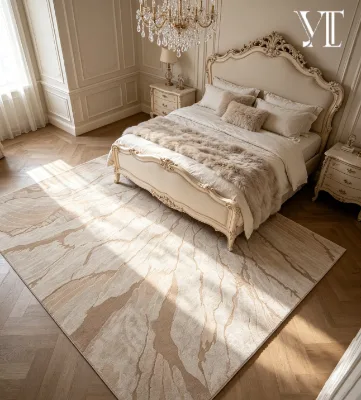
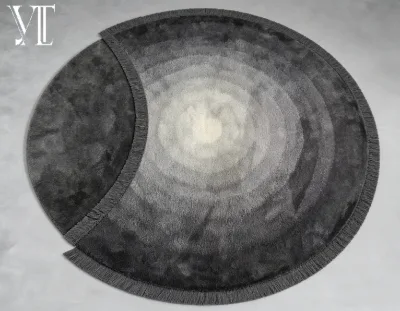
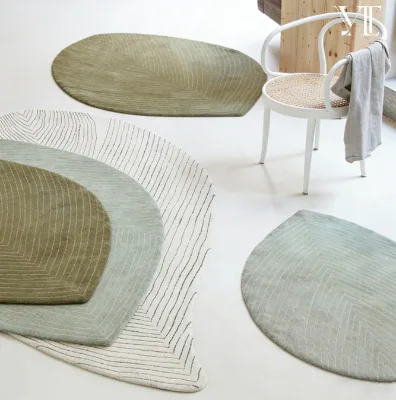
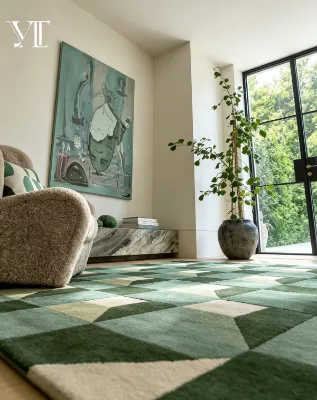
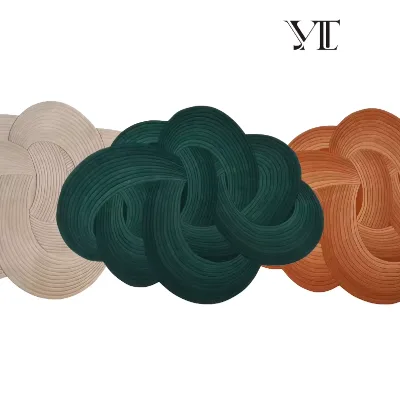
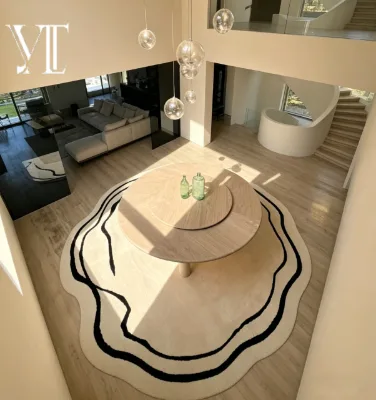
Luxury Handcrafted Area Rug, Custom Size for Home
$48.00 - $63.00
Tianjin Chenxing Carpets Co., Ltd.
- Verified by TüVRheinland
- Manufacturer, Trading Company
- Lead time50 days
- Avg. response≤ 3h
Main productsTufted Carpets, Woven Carpets, Printed Carpets, Faux Fur Rugs, Bath Rugs
Main marketsNorth America(25%), Western Europe(20%), South Asia(15%)
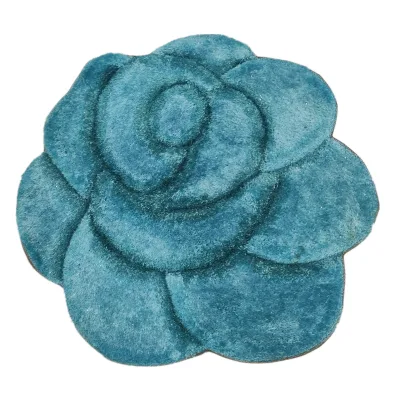
Living Room Fluffy Cheap Price 3D Carpet Rose Tufted Rugs
$11.86 - $12.80
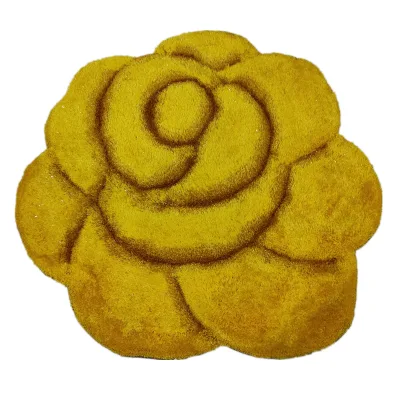
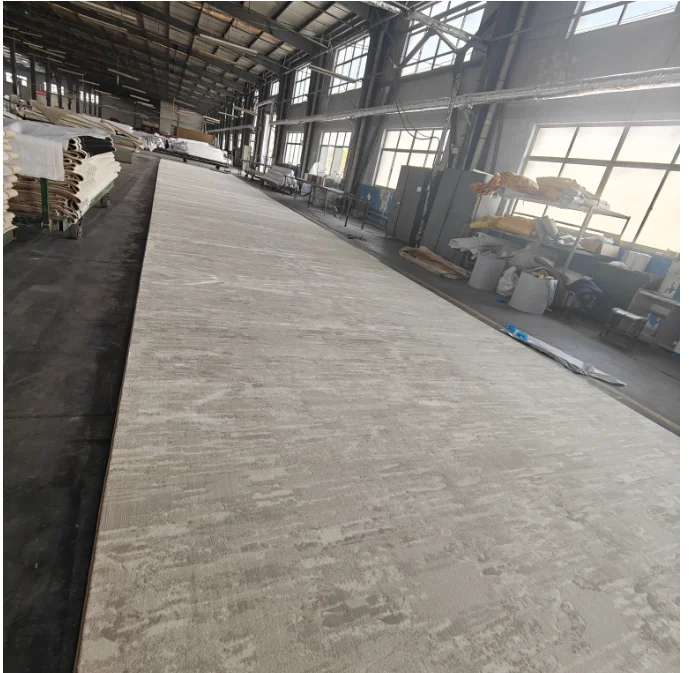
Tianjin Domisun Houseware Co., Ltd.
- Trading Company
- Tianjin, China
- Lead time30 days
- Avg. response≤ 4h
Main productscarpet,rug,tufted rug,Printed Logo Mat,wall to wall carpet
Main marketsWestern Europe(25.00%), North America(25.00%), Northern Europe(20.00%), Eastern Europe(15.00%), Mid East(10.00%), Southeast Asia(5.00%)
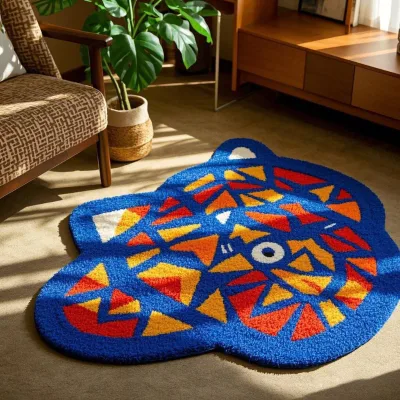
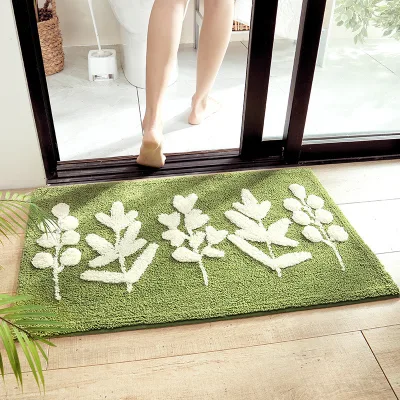
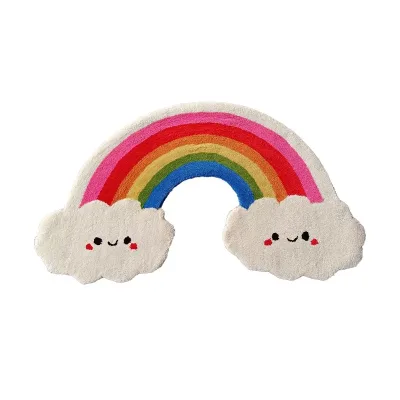
Factory Handmade Tufted Carpet Polyester Rug Home Decor Custom Flower Shape Rugs
$16.80 - $18.50
MOQ: 1
Tianjin Jiaxunda Import & Export Ltd.
- Manufacturer, Trading Company
- Tianjin, China
- Lead time25 days
- Avg. response≤ 1h
Main productscarpet,Area rug,Mat,shaggy rug,rug Carpet
Main marketsNorth America(40.00%), Western Europe(30.00%), South Asia(3.00%), Southern Europe(3.00%), Northern Europe(3.00%), South America(3.00%), Eastern Asia(3.00%), Mid East(3.00%), Oceania(3.00%), Africa(3.00%), Southeast Asia(3.00%), Eastern Europe(3.00%)
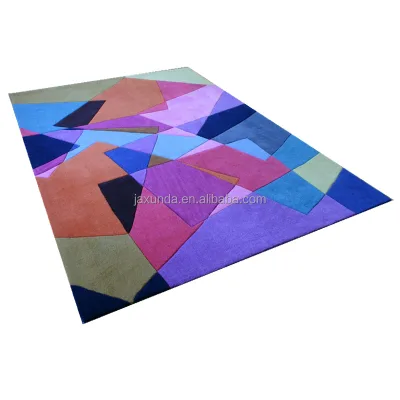
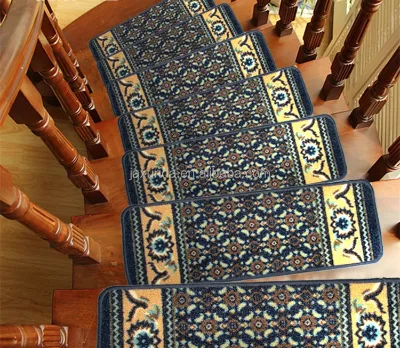
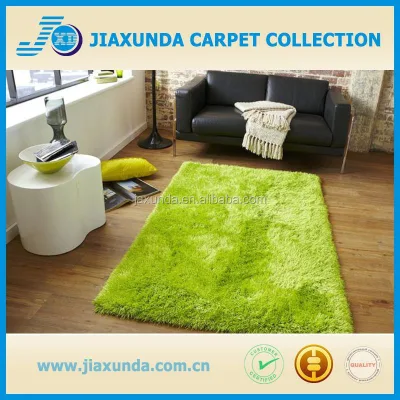
Single Green Hot Sale High Quality Polyester Elegant Shaggy Carpet
$7.1577 - $13.2931
MOQ: 300 Minimum
Guangzhou Zhaoyu Trading Co., Ltd.
- Manufacturer, Trading Company, Distributor/Wholesaler
- Guangdong, China
- Lead time20 days
- Avg. response≤ 2h
Main productsCarpet,carpet and rug,office carpet tiles,hotel carpet,commercial carpet
Main marketsCentral America(10.00%), Africa(10.00%), Southeast Asia(10.00%), Eastern Europe(10.00%), South America(10.00%), North America(10.00%), Domestic Market(5.00%), South Asia(5.00%), Southern Europe(5.00%), Northern Europe(5.00%), Oceania(5.00%), Western Europe(5.00%), Eastern Asia(5.00%), Mid East(5.00%)
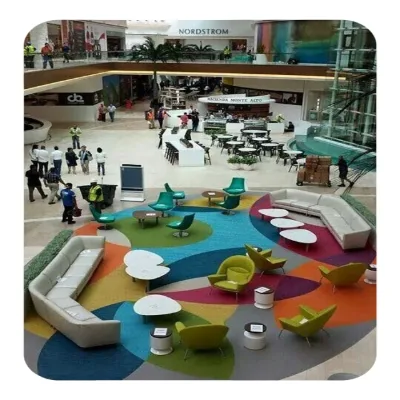
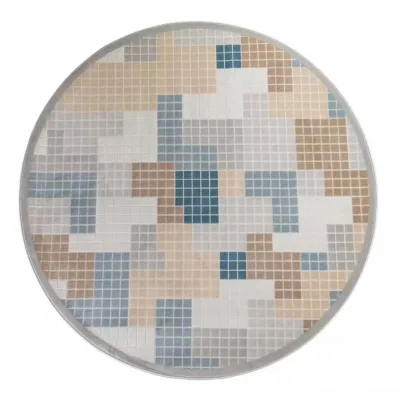
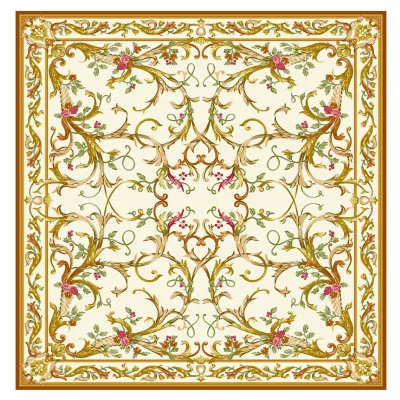
Hand Tufting Carpet Green Rug for Living Room Large Size
$45.00 - $50.00
Tianjin Shuhuashi Carpet Co., Ltd.
- Manufacturer, Trading Company
- Tianjin, China
- Lead time15 days
- Avg. response≤ 3h
Main productscarpet,rug,mat
Main marketsSouth America(20.00%), North America(15.00%), Oceania(15.00%), Southeast Asia(12.00%), Eastern Europe(5.00%), Africa(5.00%)
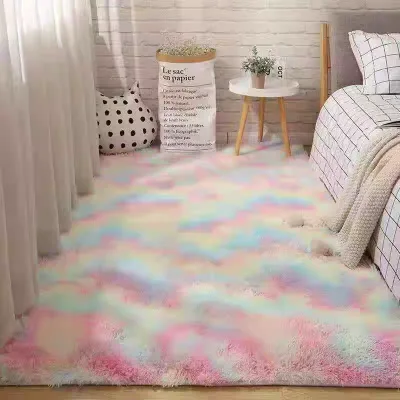
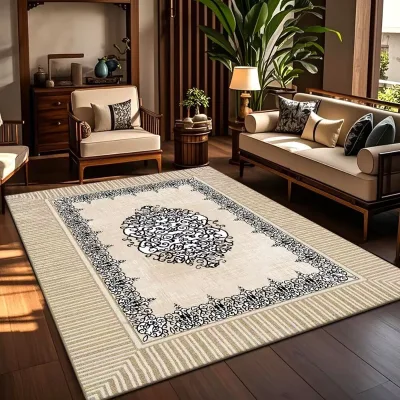
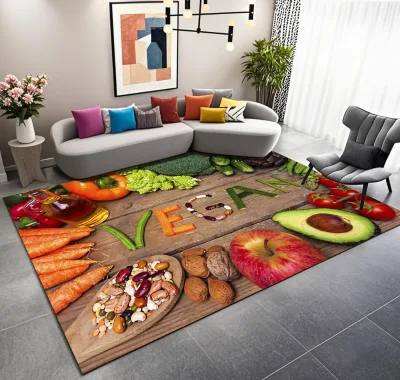
Modern style living room carpet bedroom high-end lightweight luxurious carpet new model
$1.65 - $2.00
MOQ: 3000 square
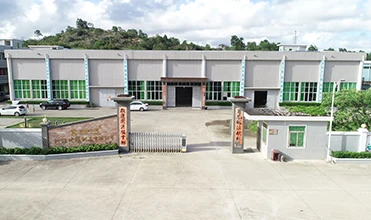
Shanwei Cynthia Carpet Made Industry Co., Ltd.
- Manufacturer
- Guangdong, China
- Lead time10 days
- Avg. response≤ 6h
Main productsCarpet
Main marketsDomestic Market(50.00%), North America(18.00%), Mid East(10.00%), Southeast Asia(5.00%), Eastern Asia(3.00%), South America(3.00%), Africa(3.00%), Western Europe(2.00%), South Asia(1.00%), Oceania(1.00%), Southern Europe(1.00%), Central America(1.00%), Northern Europe(1.00%), Eastern Europe(1.00%)
Shaoxing Qi Yao Electronic Commerce Co., Ltd.
- Trading Company
- Zhejiang, China
- Lead time10 days
- Avg. response≤ 3h
Main productstufted mirror,coasters,small rugs,wall hanging,carpets
Main marketsNorth America(32.50%), South America(25.00%), Eastern Europe(15.50%), Northern Europe(11.20%), Western Europe(5.60%), South Asia(5.10%), Southeast Asia(2.10%), Eastern Asia(1.30%), Domestic Market(1.10%), Mid East(0.25%), Africa(0.23%), Oceania(0.11%), Southern Europe(0.01%)
Liaoning Taiyi Carpet Co., Ltd.
- Trading Company
- Liaoning, China
- Lead time3 days
- Avg. response≤ 1h
Main productsSisal Carpet,Prayer Carpet,Handmade Carpet,Carpet Tiles,Wall to Wall Carpet
Main marketsNorth America(25.00%), Mid East(15.00%), Western Europe(15.00%), Southeast Asia(10.00%), Oceania(10.00%), Africa(10.00%), Northern Europe(5.00%), Central America(5.00%), Eastern Europe(5.00%)
Guangzhou Kaili Carpet Co., Ltd.
- Verified by SGS Group
- Trading Company
- Lead time10 days
- Avg. response≤ 3h
Main productsHotel Carpet, Office Carpet, Rug, Carpet Tile, Axminster Carpet
Main marketsMid East(20%), North America(10%), Southeast Asia(10%)
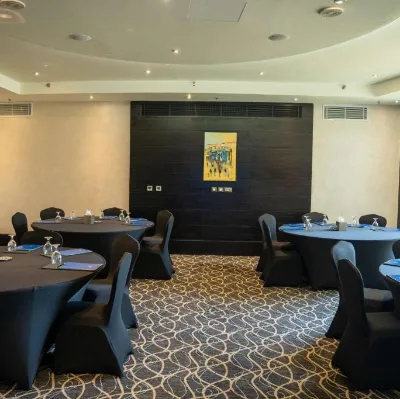
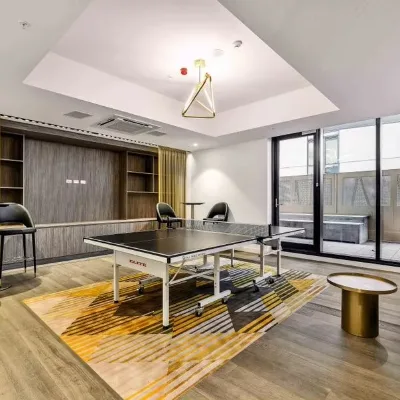
Thick Custom Modern Abstract Handmade Wool or Silk Logo Rugs and Carpets-Cushioned & Pet Friendly
$511.9535 - $614.3442
MOQ: 1 pieces

Wuxi Kaize Import and Export Co., Ltd.
- Verified by TUVRHEINLAND
- Trading Company
- China Jiangsu
- Lead time30 days
- Avg. response≤ 2h
Main marketsSoutheast Asia/ Mideast,East Asia(Japan/ South Korea),North America


Modern Square Tufted Carpet for Cozy and Pet-Friendly Living Room
$4.91 - $6.20
MOQ: 100 Square Meters

Modern Square Tufted Carpet for Cozy Living Room and Prayer Areas
$4.91 - $6.20
MOQ: 100 Square Meters

- Verified by TüVRheinland
- Manufacturer, Trading Company
- Lead time15 days
- Avg. response≤ 2h
Main productsFaux Fur Rug, Color Felt Products, Cap, Polishing Pad, Pet Bed
Main marketsDomestic Market(50%), North America(10%), Mid East(10%)
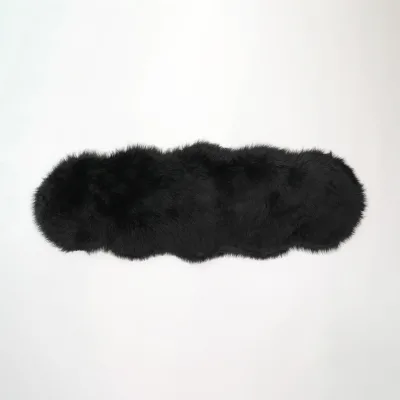
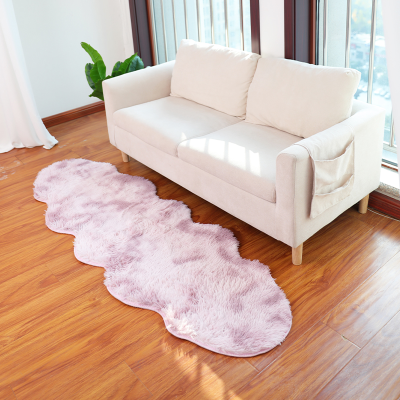
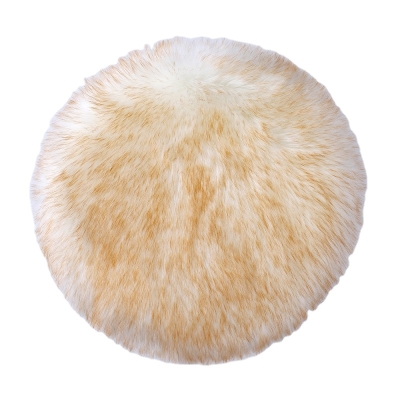
Quality Rugs Living Room Carpets and Rugs High Density Thickening Multicolor Rug
$4.00 - $4.50
MOQ: 10 pieces
Fujian Quanzhou Jiele Trading Co., Ltd.
- Verified by TüVRheinland
- Manufacturer, Trading Company
- Lead time7 days
- Avg. response≤ 3h
Main productsLiving Room Furniture, Bedroom Furniture, Dining Room Furniture, Furniture Outdoor Supplies, Iron Art Furniture
Main marketsNorth America(50%), Southeast Asia(10%), Oceania(10%)
Shanghai Lejing Building Materials Co., Ltd.
- Verified by Intertek
- Trading Company
- Lead time15 days
- Avg. response≤ 1h
Main productsLoop Pile Carpet, Fireproof Carpet, Printed Carpet, Exhibition Carpet, Custom Carpet
Main marketsSouth America(20%), Africa(20%), North America(10%)




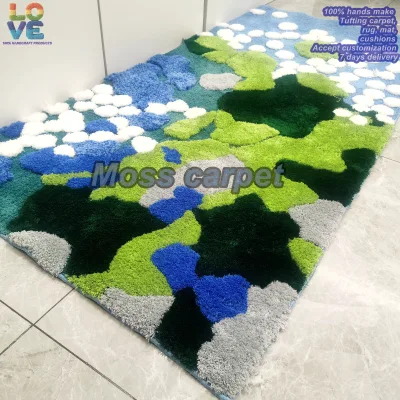

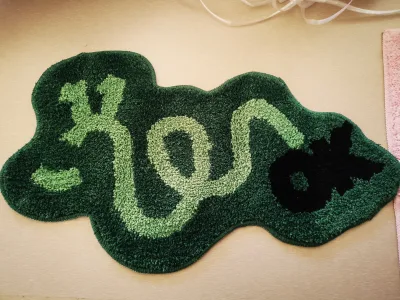
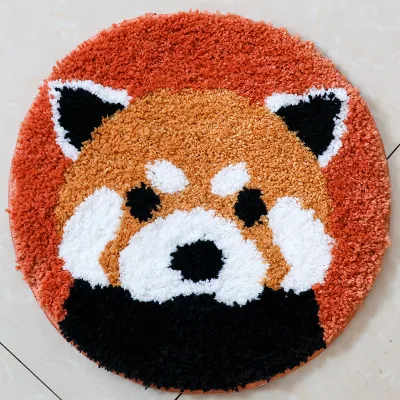
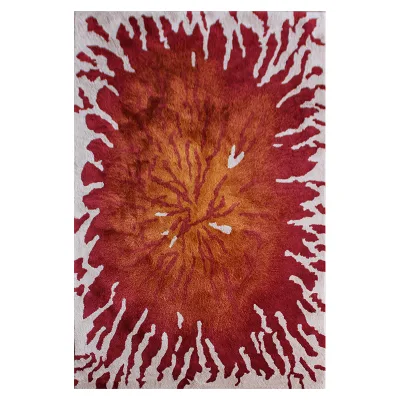
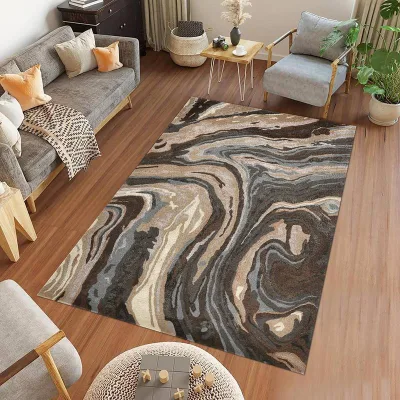
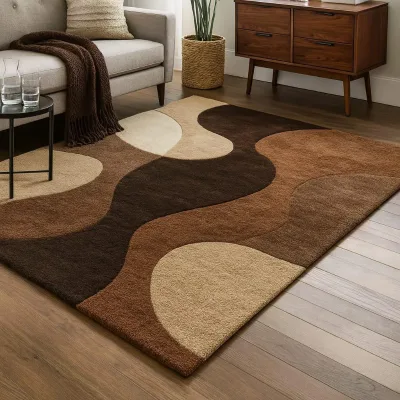
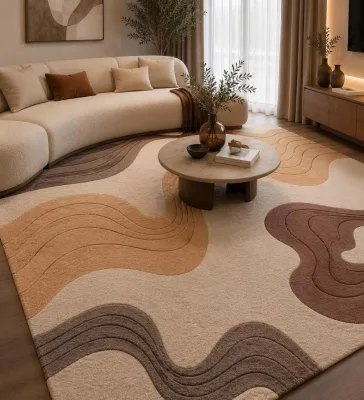
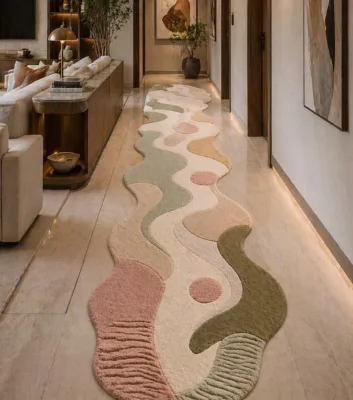
Comprehensive Sourcing Guide
Acrylic Tufted Carpet Supplier Concentration and Factory Types
The current supplier landscape for acrylic tufted carpets reveals a distinct geographic concentration in China, specifically within the Guangdong province. This regional clustering is significant for buyers because it indicates a mature industrial ecosystem where raw material sourcing, manufacturing infrastructure, and logistics networks are highly optimized. Factories located in this area, such as those in Qingyuan and Foshan City, benefit from established supply chains that reduce overhead costs and improve production efficiency. When evaluating potential partners, buyers should prioritize suppliers who explicitly list Guangdong as their origin, as this location is associated with a high density of verified manufacturers capable of handling both residential and commercial orders. The presence of multiple suppliers in this region suggests that competition is fierce, which often drives innovation in design and customization options. Buyers can expect to find a wide variety of acrylic tufted products, ranging from hotel corridor carpets to custom area rugs, all originating from this specific manufacturing hub. Understanding this geographic concentration helps buyers narrow their search and focus on suppliers who are already integrated into a robust local network, potentially reducing communication barriers and logistical complexities.
In terms of company types, the market features a mix of combined entities that operate as both manufacturers and trading companies. These combined suppliers often offer the flexibility of direct factory pricing while maintaining the service-oriented approach of a trading firm. Many of these entities are verified by third-party inspection agencies such as TÜV Rheinland and Bureau Veritas, which adds a layer of credibility to their operational claims. The verification status is a critical indicator of a supplier’s legitimacy and their ability to meet international quality standards. Buyers should look for suppliers who display these verification badges prominently, as it suggests that their facilities have undergone rigorous audits. Additionally, the product evidence shows that many suppliers offer Original Design Manufacturing (ODM) and Original Equipment Manufacturing (OEM) services, allowing buyers to customize designs, materials, and specifications. This flexibility is particularly important for acrylic tufted carpets, where specific thicknesses, pile heights, and anti-slip features may be required for different applications. By focusing on verified combined suppliers in Guangdong, buyers can access a diverse range of products while ensuring a baseline level of quality and reliability.
How to Verify Acrylic Tufted Carpet Suppliers
Verifying suppliers requires a multi-layered approach that goes beyond simple profile reviews. Buyers should start by examining the verification badges provided by reputable third-party inspection agencies. In the current results, suppliers are verified by TÜV Rheinland and Bureau Veritas, which are globally recognized standards for quality and compliance. These verifications indicate that the supplier’s business license, factory conditions, and production capabilities have been independently assessed. However, verification is not a static guarantee; buyers should check the date of the last audit to ensure the information is current. Additionally, buyers should look for detailed product attributes that align with their specific requirements. For acrylic tufted carpets, key attributes include material composition, such as wool or chemical fiber blends, and technical specifications like thickness and pile height. Suppliers who provide comprehensive product data, including model numbers and packing details, are more likely to be transparent and reliable. Buyers should also verify the supplier’s response time, as a quick and professional response often correlates with better customer service and operational efficiency.
Another critical aspect of verification is assessing the supplier’s capacity for customization and production scale. The product evidence shows that many suppliers offer customization options for size, design, and color, which is essential for meeting specific project requirements. Buyers should inquire about the supplier’s ability to handle custom orders, including minimum order quantities and lead times for customized products. It is also important to verify the supplier’s main products to ensure they specialize in acrylic tufted carpets rather than offering a broad, unfocused catalog. Suppliers who list acrylic tufted carpets as a primary product are more likely to have the necessary expertise and equipment to produce high-quality items. Buyers should also check for any certifications or standards that the supplier adheres to, although specific certification details may not always be explicitly listed. In such cases, buyers should request documentation directly from the supplier to confirm compliance with relevant industry standards. By combining verification badges, product data analysis, and direct communication, buyers can build a comprehensive picture of a supplier’s reliability and capability.
What to Compare Across Acrylic Tufted Carpet Suppliers
When comparing suppliers, buyers should focus on key operational metrics such as lead time, minimum order quantity (MOQ), and response speed. The current data shows a range of lead times, with some suppliers offering as little as 15 days and others requiring up to 30 days. This variation can significantly impact project timelines, so buyers should align their choice with their delivery requirements. Similarly, MOQs vary widely, from as low as one piece to higher thresholds like 50 or 12 pieces. Buyers with smaller budgets or trial orders may prefer suppliers with lower MOQs, while those placing large commercial orders might benefit from suppliers who offer volume discounts. Response time is another crucial factor, with some suppliers responding within hours and others taking longer. A faster response time often indicates a more responsive and customer-centric operation, which can be vital for resolving issues quickly. Buyers should also compare the price ranges, which vary from approximately $35 to $120 per unit depending on the product specifications. It is important to note that prices are influenced by factors such as material quality, thickness, and customization options.
Beyond operational metrics, buyers should compare the specific product attributes and customization capabilities of each supplier. The product evidence highlights various features such as anti-slip properties, installation locations, and design styles like Oriental or Modern. Buyers should select suppliers whose product offerings align with their target market and end-user needs. For instance, suppliers offering hotel-grade carpets with specific thicknesses and anti-slip features are ideal for commercial projects, while those offering home-use rugs with customizable designs are better suited for residential clients. Additionally, buyers should compare the packing and shipping methods, as these can affect the condition of the carpets upon arrival. Some suppliers use plastic bags and rolling techniques, while others may offer different packaging solutions. It is also important to compare the supplier’s main products to ensure they have a strong focus on acrylic tufted carpets. Suppliers who specialize in this niche are more likely to have deeper expertise and better quality control processes. By systematically comparing these factors, buyers can identify the supplier that best matches their specific requirements and budget.
Common Acrylic Tufted Carpet Sourcing Risks
One of the primary risks in sourcing acrylic tufted carpets is the discrepancy between sample quality and bulk production. Buyers often receive high-quality samples that do not reflect the final product’s material composition or craftsmanship. To mitigate this risk, buyers should request detailed product specifications and material certificates before placing an order. It is also advisable to conduct third-party inspections during production or before shipment to ensure that the bulk goods match the agreed-upon standards. Another significant risk is the variability in lead times, which can disrupt project schedules. Suppliers may promise short lead times but fail to deliver on time due to production bottlenecks or supply chain issues. Buyers should establish clear communication channels and request regular updates on production progress. Additionally, buyers should include penalty clauses in their contracts for late deliveries to hold suppliers accountable. It is also important to verify the supplier’s financial stability and reputation to avoid the risk of fraud or non-delivery.
Color consistency and design accuracy are other common risks, especially for customized orders. Acrylic fibers can vary in shade, and different batches may produce slightly different colors. Buyers should specify exact color codes and request color approval samples before mass production. Furthermore, the durability and performance of the carpets, such as anti-slip features and wear resistance, may not meet expectations if the material quality is compromised. Buyers should inquire about the testing standards and quality control processes used by the supplier. It is also important to be aware of potential hidden costs, such as shipping fees, customs duties, and packaging charges, which can increase the total cost of ownership. Buyers should request a detailed quotation that includes all costs to avoid surprises. Finally, buyers should be cautious of suppliers who offer prices that seem too good to be true, as this may indicate inferior materials or poor workmanship. By identifying and addressing these risks proactively, buyers can ensure a smoother sourcing experience and receive high-quality acrylic tufted carpets.
Acrylic Tufted Carpet Regional Sourcing and Logistics
Sourcing acrylic tufted carpets from China, particularly from the Guangdong province, offers logistical advantages due to the region’s well-developed infrastructure. Guangdong is home to major ports and transportation networks that facilitate efficient export operations. Buyers should consider the proximity of the supplier to these ports, as it can reduce inland transportation costs and lead times. Additionally, the concentration of suppliers in this region allows for easier coordination of multiple orders and consolidated shipping, which can further reduce logistics expenses. However, buyers should also be aware of potential logistical challenges, such as port congestion or seasonal shipping delays. It is advisable to plan shipments well in advance and work with reliable freight forwarders to ensure timely delivery. Buyers should also consider the impact of trade policies and tariffs on their total cost, as these can vary depending on the destination country. Understanding the logistical landscape helps buyers make informed decisions about their sourcing strategy and optimize their supply chain.
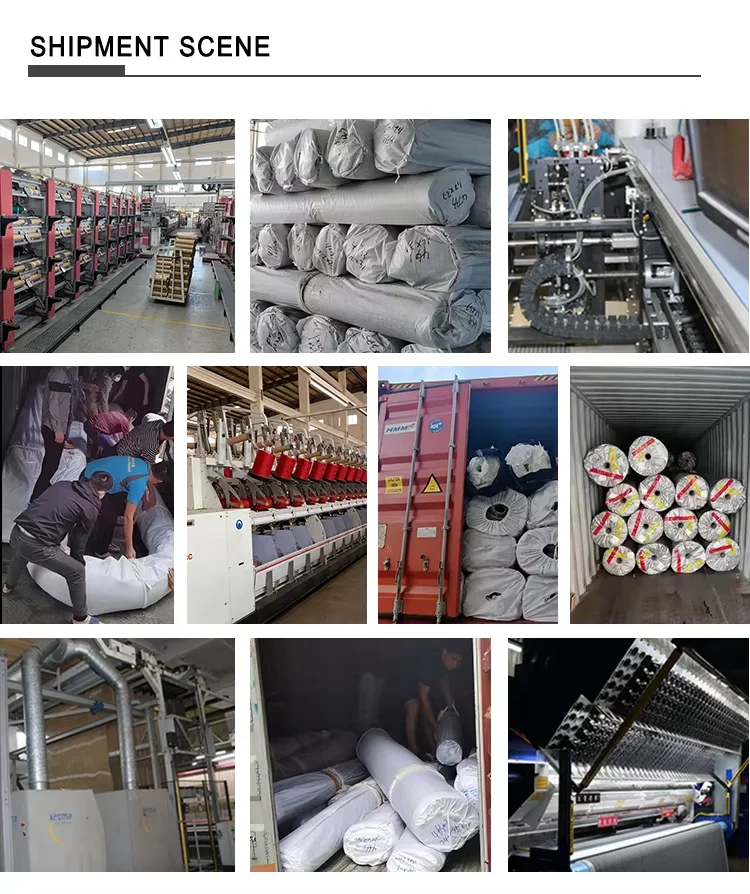
Logistics also involve the careful handling and packaging of acrylic tufted carpets to prevent damage during transit. The product evidence shows that suppliers typically use plastic bags and rolling techniques for packing, which helps protect the carpets from moisture and physical damage. Buyers should verify the packaging standards with their supplier and request additional protection if necessary, such as wooden crates or pallets. It is also important to consider the environmental impact of packaging materials and explore sustainable options if required. Buyers should also plan for customs clearance and documentation, ensuring that all necessary paperwork is prepared in advance to avoid delays. This includes commercial invoices, packing lists, and certificates of origin. By understanding the logistical aspects of sourcing from Guangdong, buyers can minimize risks and ensure that their acrylic tufted carpets arrive in perfect condition. Effective logistics management is a key component of successful international trade and contributes to overall customer satisfaction.
Acrylic Tufted Carpet Commercial Terms and Order Planning
Commercial terms and order planning are critical for ensuring a smooth transaction and successful project execution. Buyers should negotiate clear payment terms, such as using secure payment methods like escrow, to protect their interests. Escrow services provide a layer of security by holding funds until the buyer confirms receipt and quality of the goods. It is also important to define the scope of customization, including design approvals, material selections, and size specifications, in the purchase agreement. Buyers should request detailed quotations that break down costs for materials, labor, and packaging to ensure transparency. Additionally, buyers should establish a clear timeline for production, shipping, and delivery, including milestones for sample approval and final inspection. This helps both parties stay aligned and manage expectations. Buyers should also consider the supplier’s capacity to handle large orders and their ability to scale production if needed. By planning orders carefully and establishing robust commercial terms, buyers can minimize risks and ensure a positive sourcing experience.
Order planning should also account for potential variations in material availability and production capacity. Acrylic fibers and other raw materials may experience price fluctuations or supply shortages, which can impact lead times and costs. Buyers should discuss these potential issues with their supplier and develop contingency plans. It is also important to consider the supplier’s after-sales support, including warranty policies and return procedures, in case of quality issues. Buyers should ensure that these terms are clearly documented in the contract to avoid disputes. Furthermore, buyers should plan for inventory management, considering factors such as storage space and turnover rates. By integrating commercial terms and order planning into their sourcing strategy, buyers can optimize their operations and achieve better outcomes
FAQs
What is the price range for acrylic tufted carpets?
Prices typically range from $35 to $120 per unit depending on material and customization. Specific listings show costs between $35 and $70 for modern designs, while premium wool blends can reach up to $120. Buyers should verify exact pricing based on size and order volume.
What is the minimum order quantity for these carpets?
Minimum order quantities vary by supplier, with some accepting orders as low as one piece. Other manufacturers require a minimum of 12 or 50 units. Buyers must check individual product listings to confirm the specific MOQ applicable to their desired carpet style and customization level.
How long does production take for custom orders?
Lead times generally range from 15 to 30 days depending on the supplier and order complexity. Some manufacturers offer faster turnaround times of 15 days, while others require up to 30 days for production. Buyers should confirm specific delivery schedules with their chosen supplier before placing orders.
Are these carpets suitable for hotel projects?
Yes, many suppliers explicitly list hotel carpet and hotel project usage for their acrylic tufted products. These carpets are designed for high-traffic commercial environments and often feature anti-slip properties. Buyers can find options specifically marketed for hotel corridors, lobbies, and guest rooms.
What materials are used in these tufted carpets?
Materials commonly include acrylic, wool, nylon, and chemical fiber. Some products combine New Zealand wool with nylon for durability, while others use pure acrylic or chemical fibers. Buyers can select materials based on their specific needs for texture, durability, and budget constraints.
Can I customize the size and design of the carpet?
Customization is widely available, with options for client-specific sizes, colors, and designs. Suppliers offer custom shapes, textures, and patterns to meet specific project requirements. Buyers can request any size or design, ensuring the carpet fits their exact spatial and aesthetic needs.