Wilton Jacquard Carpet Suppliers and Manufacturers
Source 23 verified Wilton Jacquard Carpet suppliers from China. Compare key dimensions including response times, lead times, MOQs, and certifications. Review product specifications and request quotes to streamline your procurement process; review the available evidence before requesting comparable quotations from suitable candidates.
Updated
Suppliers List

Shandong Everwin Carpet Co., Ltd.
- Verified by BV
- Trading Company,Manufacturer/Factory
- China Shandong
- Lead time15 days
- Avg. response≤ 4h
Main productsNon Woven Exhibition Carpet, PVC Coil Mat, Carpet, Artificial Grass Turf, Mat, Carpet Tile, Machine Tufted Carpet
Main marketsSouth America,Eastern Europe,Mid East,North America,Southeast Asia,Eastern Asia,Oceania,Western Europe,Africa


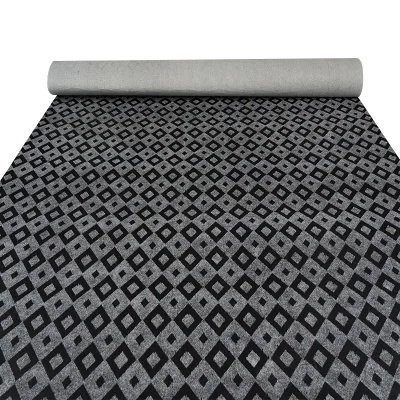
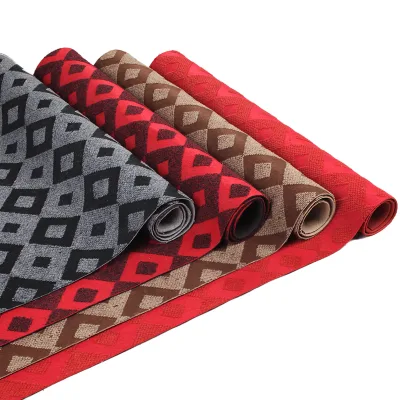
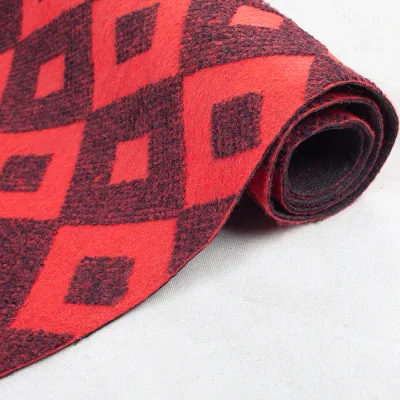
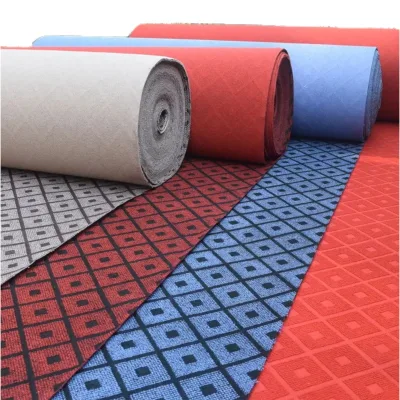
100% Polyester Double Color Velour Jacquard Carpet for Living Room
$0.56 - $0.59
MOQ: 500 Square Meters

Non Woven Different Designs Double Color Exhibition Jacquard Carpet
$0.56 - $0.59
MOQ: 500 Square Meters


Foshan Shengyibo Carpet Co.,Ltd.
- Verified by BV
- Combined
- China Guangdong
- Lead time15 days
- Avg. response≤ 4h
Main productsCarpet, Rug, Wool Carpet, Wool Rug, Carpet Tile, Wall to Wall Carpet, Commercial Carpet, Residential Carpet, Hotel Carpet, Floor Carpet
Main marketsAfrica,Southeast Asia/ Mideast,Domestic,Europe,North America

DEZHOU ANKANG IMPORT AND EXPORT CO., LTD.
- Manufacturer/Factory
- China Shandong
- Lead time15 days
- Avg. response≤ 3h
Main productsExhibition Carpet, Carpet, PVC Mat, Geomembrane, Geotextile, PP Woven Fabric, Weed Control Fabric, Rib Carpet, Red Carpet, Velour Carpet
Main marketsSouth America,Eastern Europe,Mid East,North America,Southeast Asia,Eastern Asia,Oceania,Western Europe,Africa


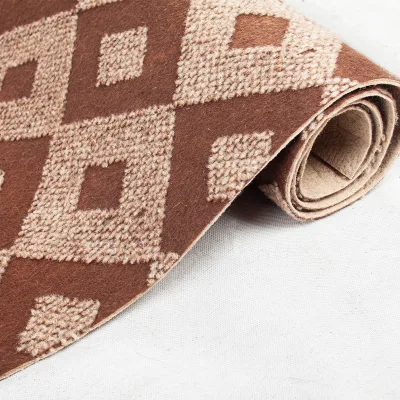
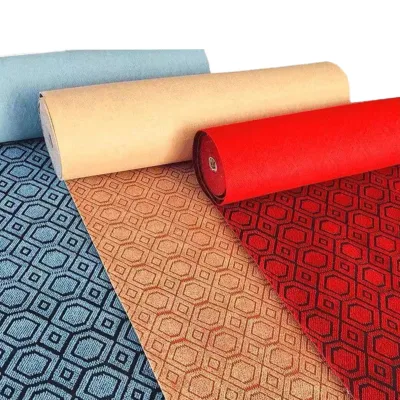
100% Polyester Double Colour Nonwoven Jacquard Carpet for Living Room
$0.56 - $0.59
MOQ: 500 Square Meters

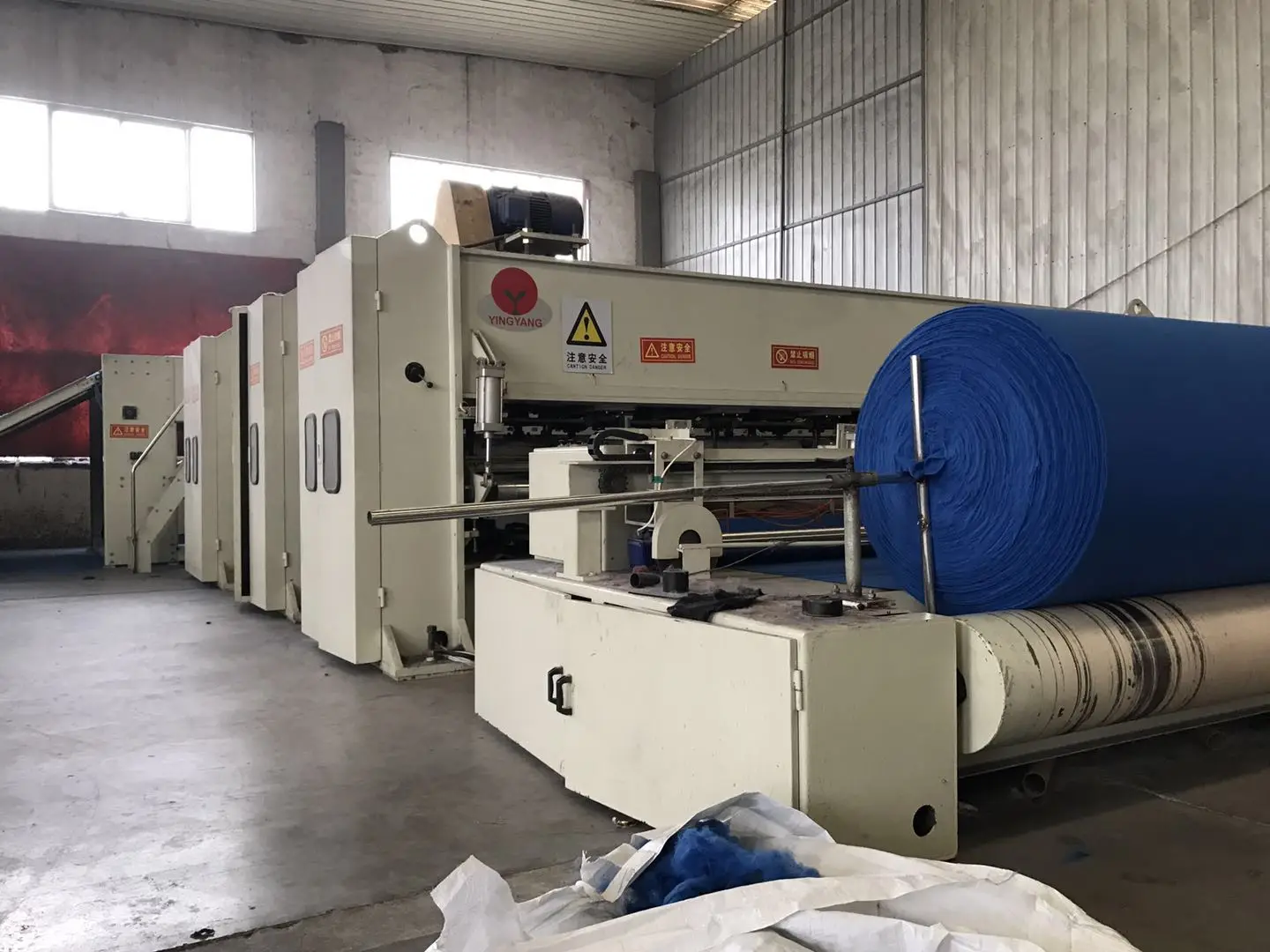
Dezhou Chengda Non-Woven Products Co., Ltd.
- Manufacturer, Trading Company
- Shandong, China
- Lead time7 days
- Avg. response≤ 2h
Main productsExhibition carpet,Tufted carpet,Car interior,Geotextile
Main marketsAfrica(14.00%), Oceania(10.00%), Domestic Market(10.00%), South Asia(10.00%), Eastern Europe(10.00%), Northern Europe(10.00%), Southern Europe(8.00%), Western Europe(7.00%), Southeast Asia(5.00%), Mid East(5.00%), Central America(3.00%), Eastern Asia(3.00%), South America(3.00%), North America(2.00%)
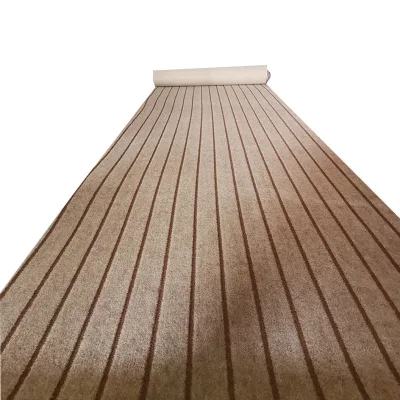
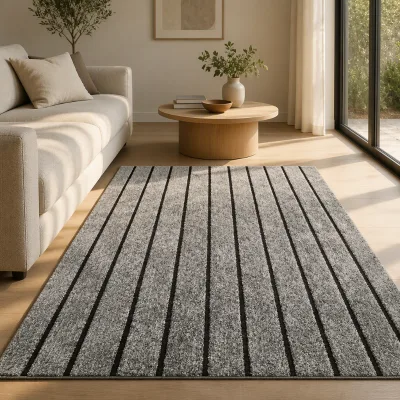
Bold Strip Jacquard Non Woven Carpet
$0.85 - $0.92
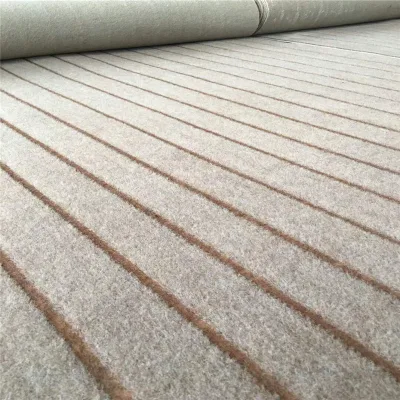
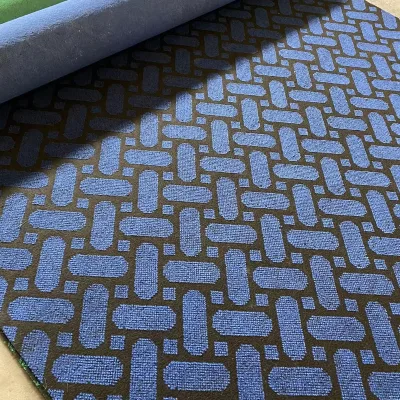
Jacquard Carpet 3D Floor Carpet
$0.88 - $0.92
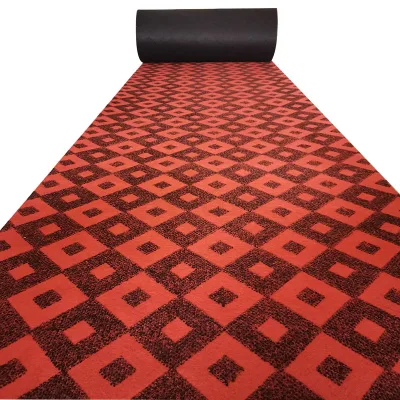
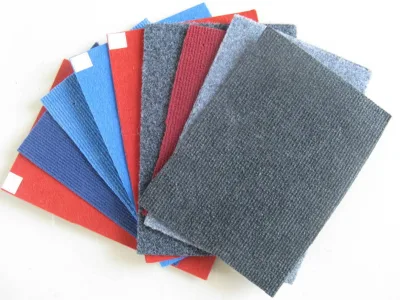
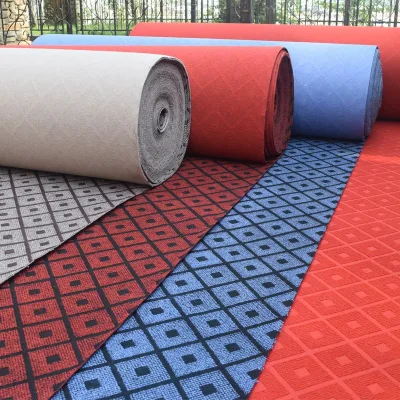
Wholesale High Quality Bedroom Using Carpet Office Using Carpet Hotel Using Carpet
$0.88 - $0.92
MOQ: 1500

Rizhao F-Leader International Trade Co., Ltd.
- Verified by SGS
- Manufacturer/Factory
- China Shandong
- Lead time23 days
- Avg. response≤ 2h
Main productsCarpet, Carpet Tile, Floor Carpet, Rug, Mat, Weight Plate, Dumbbell, Barbell, Gym Equipment, Fitness Equipment
Main marketsSouth America,Eastern Europe,Mid East,North America,Southeast Asia,Eastern Asia,Oceania,Western Europe,Africa

Elegant Custom Carpet Factory Price Jacquard Living Room Flooring Wilton Rug Carpet
$6.70 - $7.90
MOQ: 100 Square Meters

Customized Living Room Area Rug Decoration Anti-Slip Soft Polyester Wilton Carpet
$11.90 - $15.90
MOQ: 200 Square Meters

Carpet Factory Custom Commercial Luxury Wall to Wall Wilton Carpet for Hotel
$8.90 - $11.90
MOQ: 200 Square Meters

Washable Durable Nylon PP Wear Resistance Floor Wilton Carpet Door Mat
$11.90 - $15.90
MOQ: 200 Square Meters

Factory Price High Quality Modern Minimalist Style Washable Household Wilton Floor Area Carpet
$6.70 - $7.90
MOQ: 100 Square Meters
Anhui Jinning Innovative Material Technology Co., Ltd.
- Verified by Intertek
- Manufacturer, Trading Company
- Lead time7 days
- Avg. response≤ 3h
Main productsS Mats
Main marketsSoutheast Asia(50%), Mid East(50%)
- Verified by TüVRheinland
- Manufacturer, Trading Company
- Lead time15 days
- Avg. response≤ 2h
Main productsFaux Fur Rug, Color Felt Products, Cap, Polishing Pad, Pet Bed
Main marketsDomestic Market(50%), North America(10%), Mid East(10%)
Shandong Chanreda New Material Co., Ltd.
- Manufacturer, Trading Company
- Shandong, China
- Lead time15 days
- Avg. response≤ 4h
Main productsExhibition carpet,Event carpet,Wedding carpet,Rib carpet,Jacquard carpet
Main marketsSouth Asia(25.00%), South America(15.00%), Northern Europe(10.00%), Domestic Market(5.00%), North America(5.00%), Southern Europe(5.00%), Eastern Europe(5.00%), Central America(5.00%), Western Europe(5.00%), Eastern Asia(5.00%), Mid East(5.00%), Africa(5.00%), Southeast Asia(5.00%)
Shandong Front Carpet Co.,ltd.
- Manufacturer, Trading Company
- Shandong, China
- Lead time30 days
- Avg. response≤ 8h
Main productsCar Carpet, Nonwoven Needle Punch Carpet, Tufted Carpet, Door Mat
Main marketsNorth America(25.00%), Western Europe(20.00%), Domestic Market(20.00%), Southeast Asia(20.00%), Mid East(10.00%), Eastern Europe(5.00%)
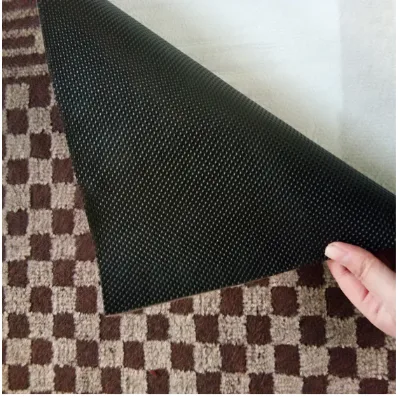
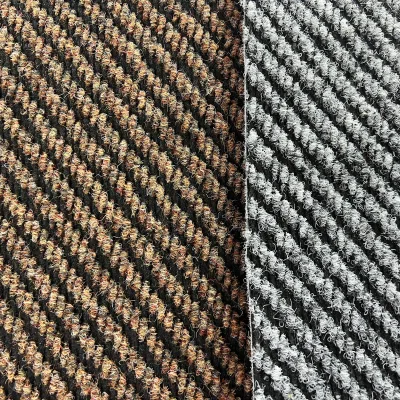
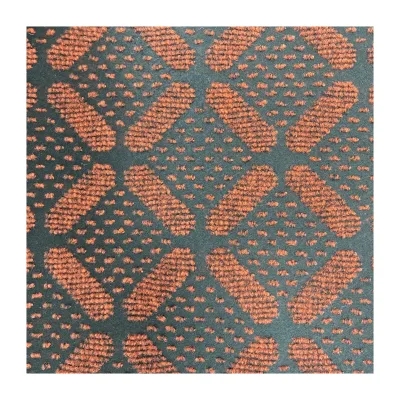
High Quality Needle Punched Double Color Jacquard Carpet Home Corridor Office Hotel Carpet
$0.82 - $1.58
MOQ: 1000 square

Dalian Mairkey International Trading Co., Ltd.
- Verified by BV
- Trading Company
- China Liaoning
- Lead time15 days
- Avg. response≤ 11h
Main productsOffice Carpet, Floor Carpet, Door Mat, Patterned Rug, Wall to Wall Carpet, Handtufted Carpet, Nonwoven Carpet
Main marketsSouth America,Africa,Southeast Asia/ Mideast,Europe,Australia


Wall to Wall Wilton Carpets. High Quality, with Our Own Factory
$6.00 - $15.00
MOQ: 6000 Square Meters

Nangong Hengjiu Felt Co., Ltd.
- Manufacturer, Trading Company
- Hebei, China
- Lead time20 days
- Avg. response≤ 3h
Main productsAcoustic Panel,Ceiling Acoustic Panel,Wood Salt Acoustic Panel,Acoustic Screen,3D Acoustic Panel
Main marketsDomestic Market(32.00%), North America(20.00%), Northern Europe(13.00%), Eastern Asia(12.00%), Eastern Europe(10.00%), Southern Europe(8.00%), South America(5.00%)
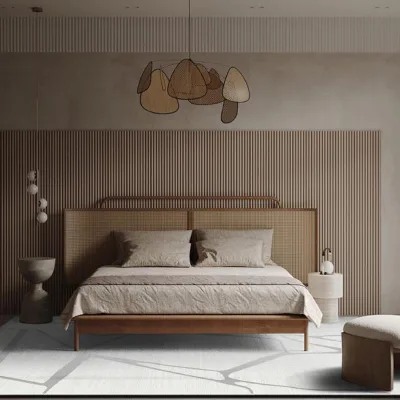
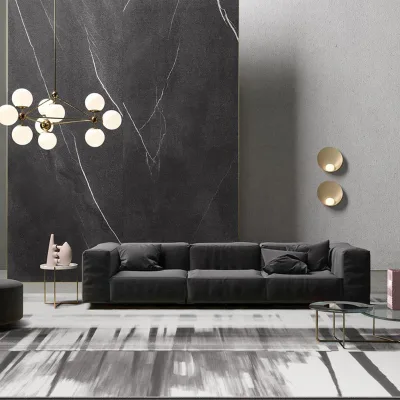
HJ Carpet 2*3m Living Room Wall to Wall Carpet Commercial Hotel Wilton Floor Carpet
$19.50 - $45.50
MOQ: 100 square
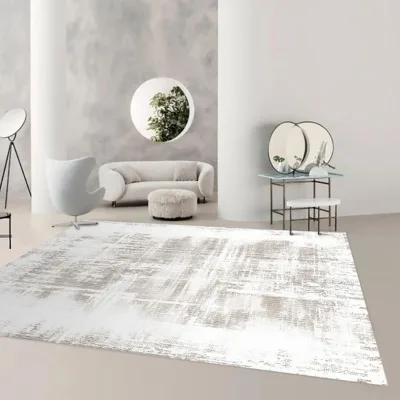
$14.0737 - $26.5835
MOQ: 500 square
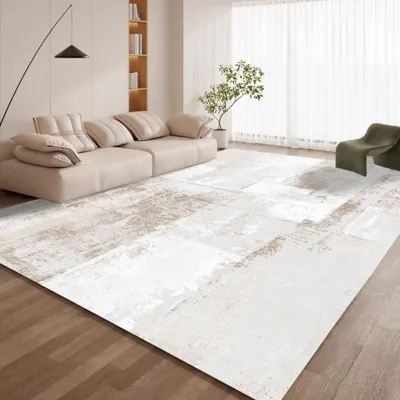
$13.50 - $25.50
MOQ: 500 square

Foshan Delong Carpet Co., Ltd.
- Verified by TUVRHEINLAND
- Trading Company
- China Guangdong
- Lead time15 days
- Avg. response≤ 8h
Main productsCarpet, Axminster Carpet, Nylon Printing Carpet, Wilton Carpet, Tufted Carpet, Handtufted Carpet, Carpet Tiles, Wall to Wall Carpet, Hotel Carpet, Office Carpet
Main marketsNorth America

$8.00 - $24.00
MOQ: 100 Square Meters


QINGYUAN HUAMAO CARPET WEAVING CO.,LTD
- Verified by TUVRHEINLAND
- Combined
- China Guangdong
- Lead time30 days
- Avg. response≤ 18h
Main productsHand Tufted Carpet, Area Carpet, Hotel Carpet, Handmade Carpet, New Zealand Carpet, Acrylic Carpet, Nylon Carpet, Table Light, Floor Light, Pendant Light
Main marketsDomestic

$80.00 - $100.00
MOQ: 1 Square Meters

Comfortable Carpet Wilton Carpet, Broadroom Carpet Handtufted Carpet, Banquet Hall Carpet
$80.00 - $100.00
MOQ: 1 Square Meters

New Style Wilton Carpet, Broadroom Carpet Handtufted Carpet, Rugs Flooring Ballroom Carpet Factory
$80.00 - $100.00
MOQ: 1 Square Meters

Hot Sales Wilton Carpet Axminster Carpet, Broadroom Carpet Rugs Flooring Ballroom Carpet Factory
$80.00 - $100.00
MOQ: 1 Square Meters

Factory Price Wilton Carpet Axminster Carpet, Broadroom Carpet Rugs Flooring Ballroom Carpet
$80.00 - $100.00
MOQ: 1 Square Meters

Factory Price Wilton Carpet Broadroom Carpet Handtufted Carpet, Rugs Flooring Ballroom Carpet
$80.00 - $100.00
MOQ: 1 Square Meters
Xuzhou Zhenyixin Trading Co., Ltd.
- Trading Company
- Jiangsu, China
- Lead time30 days
- Avg. response≤ 1h
Main productscarpet,Climbing frame,Flower rack,Bed,Hotel carpet
Main marketsSoutheast Asia(23.00%), Northern Europe(13.00%), Central America(13.00%), Mid East(12.00%), Southern Europe(6.00%), Africa(6.00%), Domestic Market(5.00%), Oceania(4.00%), Eastern Europe(4.00%), South Asia(3.00%), Western Europe(3.00%), Eastern Asia(3.00%), South America(3.00%), North America(2.00%)
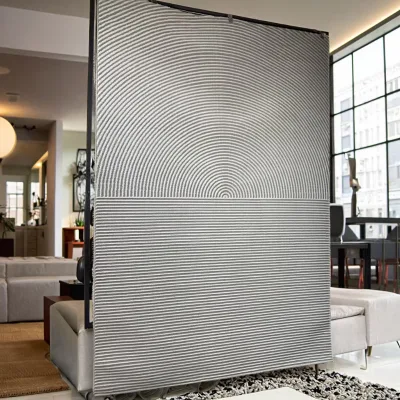
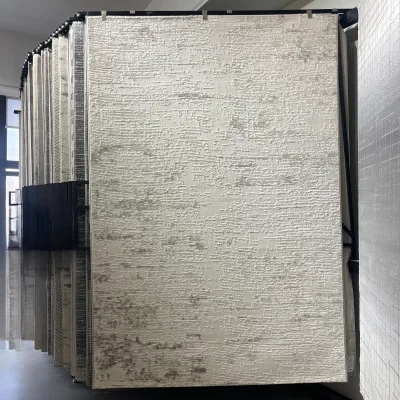
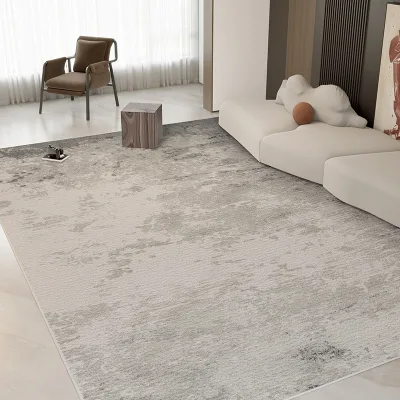
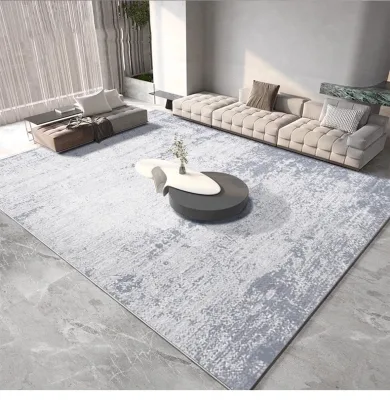
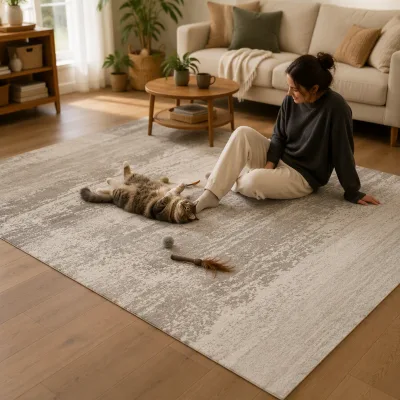
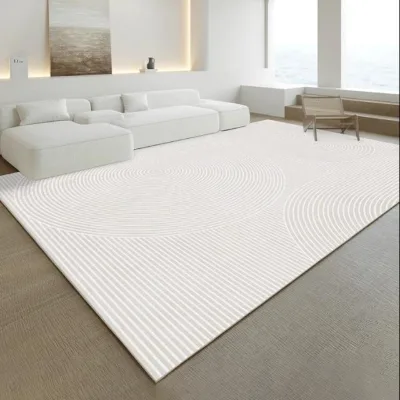
Tufting Polyester Rug Wilton Waterproof Carpet for Bedrooms
$23.00 - $30.00

- Trading Company,Manufacturer/Factory
- China Shandong
- Lead time15 days
- Avg. response≤ 3h
Main productsCarpet, Rug, Axminster Carpet, Wilton Carpet, Needle-Punched Carpet, Tufted Carpet, Hotel Carpet, Wall to Wall Carpet, Handmade Carpet, Printed Carpet
Main marketsSouth America,Eastern Europe,Mid East,North America,Southeast Asia,Eastern Asia,Oceania,Western Europe,Africa
Shanghai Fairmont Industries Co., Ltd.
- Verified by SGS Group
- Manufacturer, Trading Company
- Lead time20 days
- Avg. response≤ 2h
Main productsCarpet Tiles, Logo Mat, Custom Rug, Axminster Carpet, Printed Carpet
Main marketsMid East(20%), North America(15%), Southeast Asia(15%)
Lucky Monkey Trading Co., Ltd.
- Trading Company
- Beijing, China
- Lead time7 days
- Avg. response≤ 6h
Main productscarpet,Packing bottle,wall to wall carpet,carpet tiles,Packing& bottle
Main marketsSoutheast Asia(20.00%), Eastern Europe(15.00%), Western Europe(12.00%), Eastern Asia(10.00%), Domestic Market(8.00%), Central America(7.00%), South Asia(7.00%), Southern Europe(5.00%), Mid East(4.00%), Northern Europe(4.00%), Oceania(3.00%), South America(2.00%), North America(2.00%), Africa(1.00%)
Liaoning Taiyi Carpet Co., Ltd.
- Trading Company
- Liaoning, China
- Lead time3 days
- Avg. response≤ 1h
Main productsSisal Carpet,Prayer Carpet,Handmade Carpet,Carpet Tiles,Wall to Wall Carpet
Main marketsNorth America(25.00%), Mid East(15.00%), Western Europe(15.00%), Southeast Asia(10.00%), Oceania(10.00%), Africa(10.00%), Northern Europe(5.00%), Central America(5.00%), Eastern Europe(5.00%)
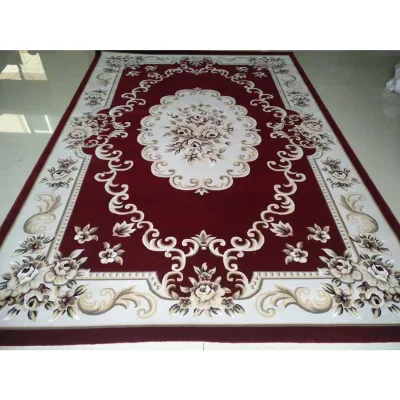
Printed Hotel Carpet Glitter China Carpets Factory 80% Wool 20% Nylon Wall to Wall Axminster Carpet
$14.5516 - $15.1792
MOQ: 100 square

Shandong Chanreda New Material Co., Ltd.
- Verified by SGS
- Combined
- China Shandong
- Lead time15 days
- Avg. response≤ 2h
Main productsPlain Exhibition Carpet, Rib Carpet, Velour Carpet, Jacquard Carpet, Fireproof Carpet, Film-Coated Carpet, Geotxtile, Geomembrane, PVC/Trp/TPE Carpet
Main marketsSouth America,Southeast Asia/ Mideast,Domestic,Europe,North America

Hefei Dongfang Qifu Carpet Co., Ltd.
- Verified by SGS
- Trading Company
- China Anhui
- Lead time30 days
- Avg. response≤ 1h
Main productsCarpet and Rug, Wall to Wall Carpet, Carpet Tiles, Area Carpet
Main marketsDomestic

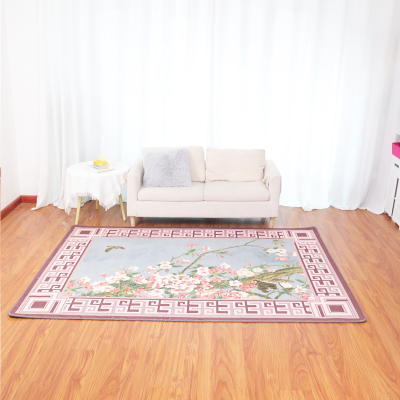
Geometric Modern Hotel Wilton Rug Customized Home Living Room Bedroom Area Carpet
$10.90 - $15.90
MOQ: 1 Square Meters

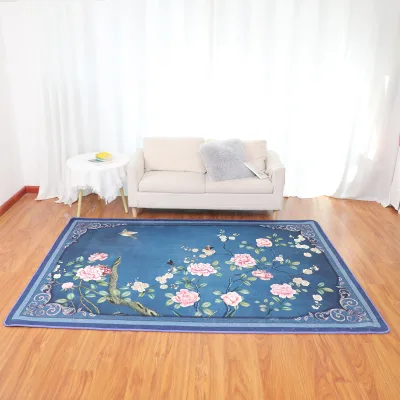
3D Modern Geometric Tufted Wilton Rug Home Living Room Hotel Commercial Washable Carpet
$10.90 - $15.90
MOQ: 1 Square Meters

Factory Modern Wilton Rugs Customized Anti-Bacteria Large Floor Carpet for Living Room Home
$10.90 - $15.90
MOQ: 1 Square Meters
Shanghai Lejing Building Materials Co., Ltd.
- Verified by Intertek
- Trading Company
- Lead time15 days
- Avg. response≤ 1h
Main productsLoop Pile Carpet, Fireproof Carpet, Printed Carpet, Exhibition Carpet, Custom Carpet
Main marketsSouth America(20%), Africa(20%), North America(10%)
Rizhao Dongsheng Carpet Co., Ltd.
- Verified by TüVRheinland
- Manufacturer, Trading Company
- Lead time35 days
- Avg. response≤ 3h
Main productsAxminster Carpet, Wilton Carpet, Printed Carpet, Carpet Tiles, Tufted Carpet
Main marketsDomestic Market(58%), North America(10%), Mid East(10%)

Suzhou Changyue Imp. & Exp. Co., Ltd.
- Trading Company
- China Jiangsu
- Lead time30 days
- Avg. response≤ 2h
Main productsCarpet, Rug, Handmade, Hand Tufted, Shaggy, Mats, PVC Rug Pad, Bath Mats, Anti-Slip Carpet Undelay, PVC Printed Mats
Main marketsAfrica,Southeast Asia/ Mideast,Europe,Australia,North America








Comprehensive Sourcing Guide
Wilton Jacquard Carpet Supplier Concentration and Factory Types
Sourcing for Wilton Jacquard Carpet typically begins with identifying where production capacity actually sits rather than accepting the first listing that appears. Buyers should search across multiple B2B platforms and trade directories, filtering by main products to separate true carpet and rug specialists from generalist textile exporters. Profile data often reveals useful signals: some listings show a company type such as Manufacturer/Factory, Trading Company, or a Combined structure that operates both a factory and an export arm, and these distinctions matter because they affect pricing depth, customization flexibility, and accountability when a production issue arises. Main product ranges — for example carpet, rug, wool carpet, carpet tile, and wall-to-wall commercial carpet — indicate whether a supplier makes woven jacquard goods as a core line or as an occasional sideline.
Once a shortlist forms, examine the product evidence behind each listing. Nonwoven needle-punched jacquard carpet in chemical fiber, offered in rolls with customizable widths and lengths, is a different product family from hand-made or machine-tufted jacquard rugs in wool or polyester blends. A supplier whose catalog spans exhibition carpet, bath mats, area rugs, and outdoor carpets may serve several niches, so confirm which product line matches Wilton-style woven jacquard construction. Profiles also sometimes display own-brand and OEM/ODM capacity, which signals whether the factory can execute your designs or only resells existing patterns. Build your concentration map around verified product families, not company size claims.
How to Verify Wilton Jacquard Carpet Suppliers
Verification starts with the credentials a profile displays and ends with what you can confirm independently. Some supplier listings carry a third-party on-site verification badge, such as BV assessment, and system certifications like ISO 9001 and ISO 14001 may be shown; these indicate a supplier has been audited for quality management and environmental systems at the time of assessment. Treat them as screening tools rather than guarantees, and ask for current certificate copies with scope statements covering carpet production, since a certification scoped to trading activities does not validate a factory floor. Cross-check the stated company type — factory, trading company, or combined — against business registration details and, where possible, a video or in-person factory audit focusing on weaving equipment relevant to jacquard construction.
Response behavior is another verification signal you can measure directly. Supplier profiles on major platforms sometimes display an average response time, and figures in the three-hour range are common among active exporters; a supplier that takes days to answer a quotation request before you have paid is unlikely to improve after deposit. Ask each shortlisted supplier for product-specific evidence: a sample cut from actual production, construction specifications such as pile content and weave type, and packing details. Confirm the production origin stated on listings — some profiles name a specific city and province, which you can then cross-reference with customs records or third-party audit reports. Document every claim in writing so discrepancies surface before payment rather than after.
What to Compare Across Wilton Jacquard Carpet Suppliers
Build a comparison table using the attributes suppliers actually display, without assuming every field is populated. Useful dimensions include location, company type, main products, system certifications, verification status, average response time, and any stated research or development capacity such as OEM/ODM support or own-brand lines. Response times in the low single-digit hours suggest an engaged export team; compare that figure against your own experience during pre-order inquiries. Lead time is another displayed metric — some profiles state figures around fifteen days for production — but always confirm whether the clock starts at deposit, at artwork approval, or at raw material availability, because the definitions vary widely between suppliers.
Product-level data often differentiates more sharply than company-level data. One supplier's listings may show a minimum order quantity of five hundred units with per-unit pricing under one dollar for nonwoven jacquard carpet, while another shows MOQs of one hundred or two hundred pieces for higher-value rugs priced in the tens of dollars per piece. Compare construction (needle-punched nonwoven versus tufted or hand-made), material (chemical fiber, polyester, wool blends), thickness ranges, customizable widths and lengths, and anti-slip or stain-resistant features. Also compare packing methods, such as plastic bag plus PP woven bag, and whether color, thickness, and size customization is explicitly offered. Weight each column by your channel: roll goods for commercial installation favor different suppliers than boxed area rugs.
Common Wilton Jacquard Carpet Sourcing Risks
The most frequent risk is construction mismatch: a buyer specifies woven Wilton jacquard but receives needle-punched nonwoven goods that carry similar surface patterns at a lower price point. Product listings in this category genuinely span both families, and keywords like "jacquard carpet" appear on nonwoven exhibition rolls and hand-tufted rugs alike. Mitigate this by requiring a pre-production sample woven on the intended machine, and by writing the construction method, pile content, and weight into the purchase contract rather than relying on a listing title. A second risk is customization ambiguity — many listings state that color, thickness, and size are "available" or "customized," but offer no tolerance ranges or sampling fees, leaving room for disputes over shade matching and dimensional accuracy.
Payment and delivery terms create further exposure. Typical displayed terms include thirty percent T/T with the balance at sight of bill of lading copy, and delivery commitments phrased as a fixed number of days after deposit; both shift risk toward the buyer if quality issues appear only after the balance is triggered. Reduced-price tolerance disputes, missing anti-slip or stain-resistance performance, and packing that arrives thinner than the stated plastic plus woven bag standard are recurring complaints in soft floor coverings. Protect yourself with staged inspections before shipment, agreed tolerance tables for color and size, and a written quality standard referencing the exact sample approved. Never rely on a verification badge to substitute for these contract basics.
Wilton Jacquard Carpet Regional Sourcing and Logistics
Regional context matters because supplier profiles in this category show production bases in different Chinese provinces, with listings referencing Shandong and Guangdong origins. These regions host established carpet and rug manufacturing ecosystems, and the supplier mix differs: a Shandong profile may combine trading company and manufacturer roles with product lines spanning exhibition carpet, PVC coil mat, artificial grass turf, and carpet tile, while a Guangdong profile may be a combined manufacturer-exporter focused on wool and synthetic rugs for hotel, residential, and commercial use. Use these regional signals as a starting hypothesis, then confirm the actual production address through audit reports or registration records, because a trading office in one city does not guarantee the weaving plant is nearby.
Logistics planning should reflect product form. Nonwoven jacquard carpet in 1–4 meter widths and 20–60 meter rolls ships efficiently in containers but requires moisture protection and careful roll handling; area rugs at roughly 13mm thickness, packed in plastic and PP bags, cube out faster and are sensitive to compression creasing. Confirm whether quoted lead times — some suppliers state around fifteen days, others fourteen days after deposit — apply to your season, since peak export periods lengthen queues. Ask which port the factory ships from, whether inland freight to port is included, and how packing affects container utilization. For time-bound projects such as exhibitions or hotel openings, build a buffer beyond the stated lead time and confirm production slots in writing before confirming the order.
Wilton Jacquard Carpet Commercial Terms and Order Planning
Commercial terms in this category cluster around recognizable patterns, but you must confirm each element per supplier. Displayed payment terms commonly show thirty percent by T/T with the balance due at sight of the bill of lading copy; some profiles display escrow or trade-assurance options, which provide an additional layer of protection for first orders. MOQs vary enormously by product family — listings show figures from one hundred pieces on higher-value rugs to five hundred units on roll goods — so model your total landed cost at each supplier's actual MOQ rather than assuming a uniform threshold. Per-unit prices on the same supplier's catalog can range from under one dollar for nonwoven carpet to tens of dollars for hand-made rugs, which is why product-level comparison beats company-level comparison.
Order planning should sequence sampling, deposit, production, inspection, and balance payment with explicit dates. Convert stated lead times — fourteen to fifteen days after deposit appears in several profiles — into a full timeline that includes sample courier time, artwork and color approval, and booking space during peak season. Confirm packing specifications (plastic bag plus PP woven bag is typical), width and length tolerances for rolls, and whether customized colors require a separate sampling fee. For repeat orders, negotiate price validity windows and agree on golden samples retained by both parties. Keep the first order small enough to test the supplier's consistency, then scale volumes once the second production run matches the approved sample.
FAQs
What is the price range for wilton jacquard carpets?
Prices for wilton jacquard carpets typically range from $0.56 to $60 per unit depending on material and size. Basic non-woven options start near $0.56, while premium wool or custom tufted rugs cost between $17 and $60. Buyers should verify specific pricing based on order volume and customization requirements before finalizing procurement decisions.
What is the minimum order quantity for these carpets?
Minimum order quantities vary by product type, generally starting at 100 units for standard rugs and 500 units for non-woven exhibition carpets. Some suppliers require 200 units for specific living room models. Buyers must confirm the exact MOQ with the supplier, as it depends on the chosen design, material, and production capacity.
How long does delivery take for wilton jacquard carpets?
Standard lead times are approximately 15 days, with some specific products delivering within 14 days after deposit payment. Delivery schedules depend on order confirmation and production status. Buyers should verify exact timelines with suppliers, as rush orders or custom designs may extend the standard delivery window significantly.
Are wilton jacquard carpets customizable for specific designs?
Yes, customization is available for most wilton jacquard carpets, including color, size, and design patterns. Suppliers offer OEM and ODM services to meet specific branding needs. Buyers can request custom widths, lengths, and thicknesses, ensuring the final product aligns with their interior design requirements and commercial specifications.
What certifications do Wilton Jacquard Carpet suppliers hold?
Many suppliers hold ISO 9001 and ISO 14001 certifications, ensuring quality management and environmental standards. Some suppliers are also verified by BV for reliability. Buyers should request current certification documents to verify compliance with international standards before placing large orders for commercial or residential projects.
Where are Wilton Jacquard Carpet manufacturers located?
Manufacturers are primarily located in China, specifically in Shandong and Guangdong provinces. Shandong suppliers often focus on non-woven and exhibition carpets, while Guangdong suppliers specialize in wool and tufted rugs. Buyers can filter suppliers by location to reduce shipping costs and improve logistics efficiency for their specific sourcing needs.