Source quick-dry kitchen microfiber towel for Kitchen, Bath, Car
Compare 30 listings of quick-dry kitchen microfiber towel with customizable sizes, colors, and weights. Buyers can evaluate features like super strong water absorption and eco-friendly materials from verified Chinese manufacturers; compare the available evidence and request quotations based on your requirements.
Updated
Key considerations
Products List


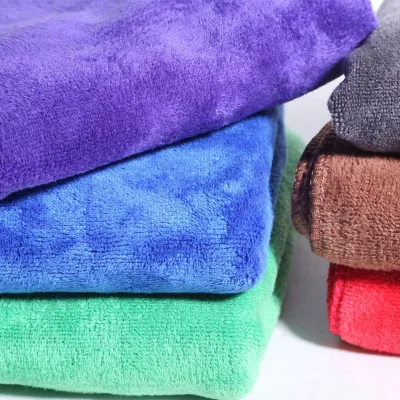
High Water Absorption Kitchen Home Quick Drying Cleaning Microfiber Towel
$0.40 - $0.50
MOQ: 500 Pieces


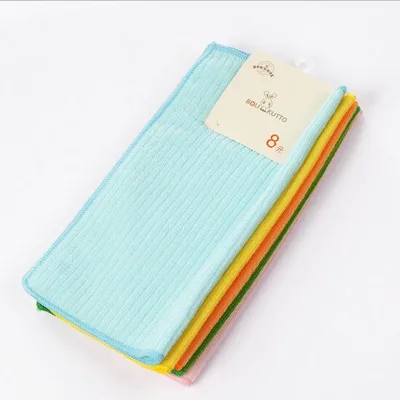
Moisture Absorption and Quick Drying Kitchen Cleaning Microfiber Towel
$0.137 - $0.149
MOQ: 2000 Pieces

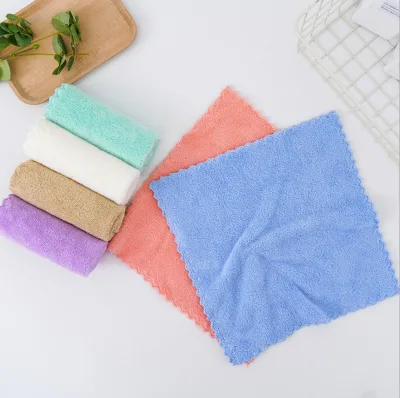
Hot Sale Moisture Absorption and Quick Drying Kitchen Cleaning Microfiber Towel
$0.137 - $0.149
MOQ: 2000 Pieces


Hot Sale Moisture-Absorbing and Quick-Drying Microfiber Towels for Kitchen Cleaning
$0.137 - $0.149
MOQ: 2000 Pieces

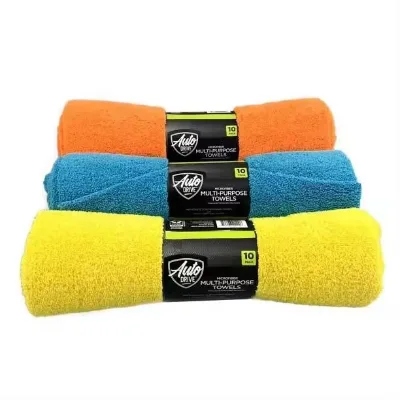
Microfiber Durability and Water Absorptio Quick Dry Kitchen Towel Car Cleaning
$0.66 - $0.73
MOQ: 2000 Pieces

Moisture Absorption and Quick Drying Kitchen Cleaning Microfiber Towel Fabric
$0.137 - $0.149
MOQ: 2000 Pieces




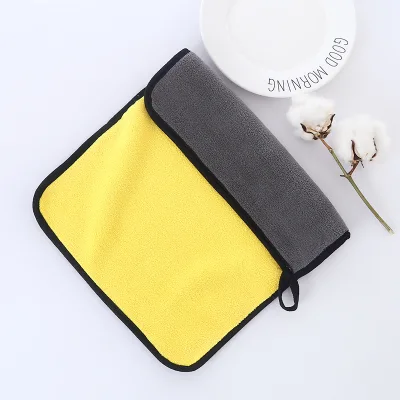
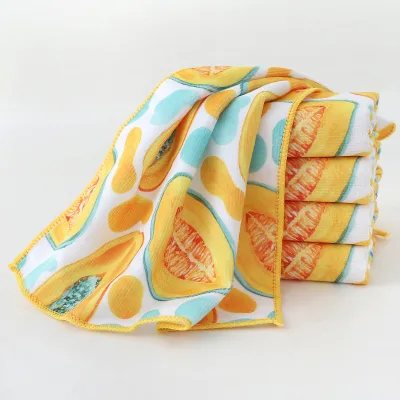
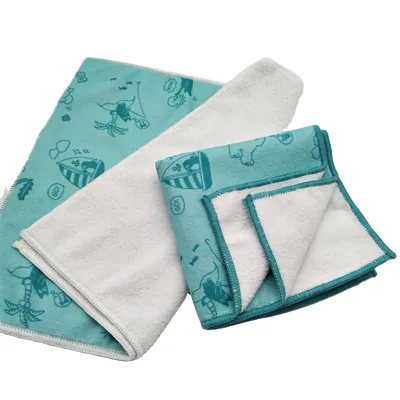
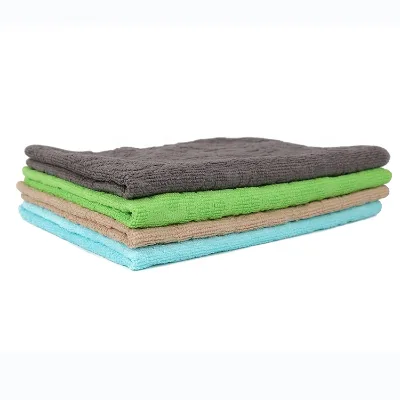


Comprehensive Sourcing Guide
Quick-Dry Kitchen Microfiber Towel Sourcing Guide
Sourcing quick-dry kitchen microfiber towels requires a clear understanding of material composition and functional performance. These towels are primarily constructed from microfiber materials, which offer superior water absorption capabilities compared to traditional cotton or linen alternatives. The core advantage lies in the fabric's ability to trap moisture and dirt effectively, making it ideal for rapid drying tasks in busy kitchen environments. Buyers should prioritize products that explicitly state "Super Strong Water Absorption" as a key function to ensure the towels meet the high-demand requirements of commercial or household use.
The versatility of these towels extends beyond simple cleaning, with many listings indicating suitability for kitchen, bath, and car applications. This multi-purpose nature allows buyers to consolidate procurement efforts, reducing the complexity of managing multiple suppliers for different cleaning needs. However, the specific usage environment, whether indoor kitchen settings or outdoor activities, can influence the choice of weight and weave density. Understanding these application nuances helps in selecting the right product variant that balances durability with the quick-dry performance essential for efficient workflow management.
Product Scope and Observed Listing Signals
The current market offers a diverse range of microfiber towel models, with observed product codes such as ES001, ES004, CB-MT004, and CB-M022 indicating various manufacturing lines. These models often correspond to different standard sizes, including 4040cm, 3040cm, 3575cm, and 70140cm, catering to varied storage and usage preferences. Buyers will notice that shape options typically include rectangle and square formats, with some products specifically designed as hanging towels for convenient kitchen storage. The presence of customized color options, ranging from standard white and grey to vibrant hues like coffee, blue, and red, allows for brand alignment or color-coded cleaning systems.
Pricing signals in the market show a wide range, with observed values between 0.05 and 3.8 USD, reflecting differences in GSM weight, packaging, and order volume. Minimum Order Quantities (MOQ) generally start at 100 pieces, with some suppliers accepting small MOQs to accommodate trial orders, while larger commercial orders may require up to 5000 pieces. Packaging methods vary from simple OPP bags to compressed packages containing 200 pieces per carton, which can significantly impact shipping efficiency and storage space. These commercial terms are critical for buyers to evaluate when calculating total landed costs and inventory turnover rates.
Technical Specifications to Verify
Weight and density are primary technical indicators of towel quality, with observed GSM values ranging from 260GSM to 400GSM. Higher GSM weights typically correlate with better absorbency and durability, making them suitable for heavy-duty kitchen tasks, while lighter weights may dry faster but offer less robust cleaning power. Buyers should verify the specific GSM requirement for their intended use case, ensuring that the selected towel provides the necessary balance between quick-drying capabilities and structural integrity. The weaving technique, often described as woven microfiber, also plays a crucial role in determining the towel's texture and cleaning efficiency.
Size specifications must be carefully matched to storage constraints and user preference, with common dimensions including 3030cm, 4040cm, 4060cm, and 3575cm. Some products offer compressed packaging, which reduces volume during shipping but requires rehydration or fluffing before use. Additionally, features such as quick-dry properties and eco-friendly materials are frequently highlighted, indicating that the towels are designed for sustainability and repeated use. Buyers should confirm whether the towels are reusable and environmentally friendly, as these attributes contribute to long-term cost savings and align with corporate sustainability goals.
Compliance and Safety Documentation
While specific certification statuses are not universally confirmed for all listings, buyers should inquire about compliance with relevant safety and environmental standards. The presence of REACH certification in some contexts suggests that certain suppliers adhere to strict chemical safety regulations, which is particularly important for products used in food preparation areas. Buyers must verify that the microfiber materials do not contain harmful substances that could leach into food or cleaning surfaces, ensuring the towels are safe for kitchen use. Requesting test reports or compliance certificates from suppliers is a prudent step to mitigate health and safety risks.
Environmental protection is another key consideration, with many products marketed as reusable and sustainable. This aligns with growing consumer and regulatory demands for eco-friendly cleaning solutions that reduce waste. Buyers should assess the lifecycle of the towels, including their durability and washability, to ensure they deliver on their environmental claims. Confirming that the towels are designed for long-term use rather than single-use disposal can significantly reduce the environmental footprint of cleaning operations. This verification process helps in selecting suppliers who prioritize sustainable manufacturing practices.
Cost Drivers and Commercial Terms
Several factors influence the final cost of quick-dry kitchen microfiber towels, including material quality, GSM weight, and customization options. Customized colors, logos, and packaging can add to the unit price, but they offer branding benefits that may justify the additional expense for commercial buyers. The origin of the products, often listed as China or Hebei, China, can also impact pricing due to differences in labor and manufacturing costs. Buyers should compare quotes from multiple suppliers, considering not just the unit price but also the total cost including shipping, taxes, and potential customs duties.
Payment terms and sample policies are critical components of the commercial agreement. Sample times typically range from 5 to 7 days, allowing buyers to evaluate product quality before committing to large orders. Sample payments can be made via methods such as PayPal or Western Union, providing flexibility for international transactions. Understanding these terms helps in planning the procurement timeline and budgeting for initial quality checks. Buyers should also clarify the lead times for bulk orders to ensure timely delivery and avoid production delays.
Supplier Qualification and Quality Control
Evaluating supplier qualifications is essential to ensure consistent product quality and reliable service. Buyers should look for suppliers who offer OEM services and welcome customization, indicating their capability to meet specific brand requirements. The availability of stocked items suggests that some suppliers maintain inventory, which can reduce lead times for urgent orders. However, buyers must verify the supplier's production capacity and quality control processes to ensure that customized orders meet the same high standards as stocked items. Requesting references or case studies from previous clients can provide additional insights into the supplier's reliability.
Quality control measures should include regular inspections of material composition, stitching, and packaging integrity. Buyers should establish clear acceptance criteria for defects, such as loose threads, uneven coloring, or damaged packaging, and communicate these standards to the supplier. Implementing a sampling plan for incoming shipments can help detect issues early and prevent widespread defects. Collaborating with suppliers on continuous improvement initiatives can also enhance product quality over time. This proactive approach to quality management ensures that the towels meet the expected performance standards in daily use.
Long-Term Procurement Checks
Establishing long-term relationships with suppliers requires ongoing monitoring of product performance and supplier responsiveness. Buyers should track key metrics such as defect rates, delivery times, and customer feedback to assess the value of the partnership. Regular communication with suppliers about market trends and product innovations can help in staying ahead of industry developments. Additionally, reviewing the supplier's commitment to sustainability and ethical manufacturing practices ensures alignment with the buyer's corporate social responsibility goals. This holistic approach to supplier management fosters a resilient and efficient supply chain.
Periodic audits of the supplier's facilities and processes can provide deeper insights into their operational capabilities and compliance status. Buyers should also consider diversifying their supplier base to mitigate risks associated with single-source dependencies. Building a network of qualified suppliers ensures continuity of supply in case of disruptions. Furthermore, negotiating volume-based discounts and favorable payment terms can enhance profitability over time. By focusing on these long-term checks, buyers can optimize their procurement strategy and achieve sustainable cost savings.
FAQs
What are the standard sizes for quick-dry kitchen microfiber towels?
Standard sizes include 40x40cm, 30x40cm, 35x75cm, and 70x140cm. These dimensions accommodate various kitchen and car cleaning tasks. Some models offer compressed packaging for efficient storage and shipping. Buyers can select specific dimensions based on their operational needs and inventory requirements.
Can I customize the color and logo on these microfiber towels?
Yes, customization is available for both colors and logos. Buyers can choose from options like coffee, white, blue, red, grey, yellow, orange, and black. Logo application methods include printing, embroidery, and embossing. This allows businesses to maintain brand consistency across their cleaning supplies.
What is the typical sample time for these microfiber towels?
The sample time is typically 5 to 7 days. This allows buyers to verify quality and specifications before placing bulk orders. Sample payments can be made via PayPal or Western Union. Quick turnaround ensures that procurement decisions are not delayed during the sourcing phase.
What GSM weights are available for these kitchen microfiber towels?
Available weights include 260GSM, 300GSM, 350GSM, and 400GSM. Higher GSM values generally indicate greater durability and water absorption capacity. Buyers can select the weight that best suits their specific cleaning intensity requirements. These options ensure versatility for different kitchen and automotive applications.
Are these microfiber towels suitable for outdoor and car use?
Yes, these towels are suitable for kitchen, car, and outdoor environments. They feature super strong water absorption and quick-dry properties. The microfiber material is durable and reusable, making it ideal for various cleaning tasks. This versatility ensures a single product can serve multiple operational needs effectively.
What is the minimum order quantity for these microfiber towels?
The minimum order quantity ranges from 100 to 5000 pieces. Small MOQs are accepted to accommodate diverse buyer needs. This flexibility supports both small-scale testing and large-scale procurement. Buyers can negotiate specific quantities based on their inventory requirements and budget constraints.