Source Quick Dry Disposable Microfiber Towel for Hotel, Home, and Spa
Find 30 listings for Quick Dry Disposable Microfiber Towel suitable for hotel, home, and spa applications. Compare specifications including size, material, and customization options from verified suppliers offering various GSM weights and standard export packing for global procurement needs; compare the available evidence and request quotations based on your requirements.
Updated
Key considerations
Products List
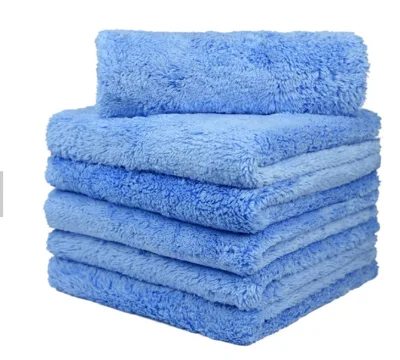


Multi-Purpose Microfiber Towel, Super Soft Absorbent Quick-Dry for Home
$3.09 - $3.37
MOQ: 2000 Pieces

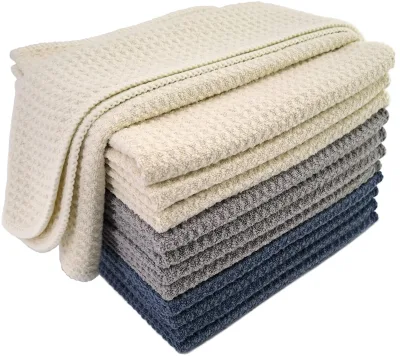
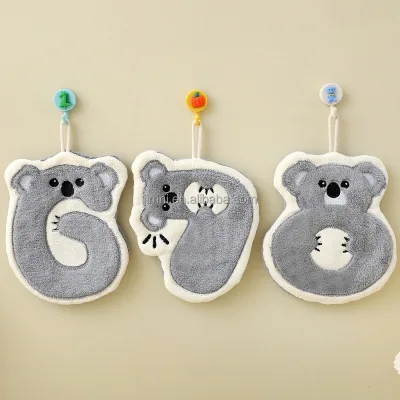
Luxury Disposable Eco-Friendly Quick-Dry Microfiber Children Hand Towel
$0.4662 - $0.808
MOQ: 300 pieces
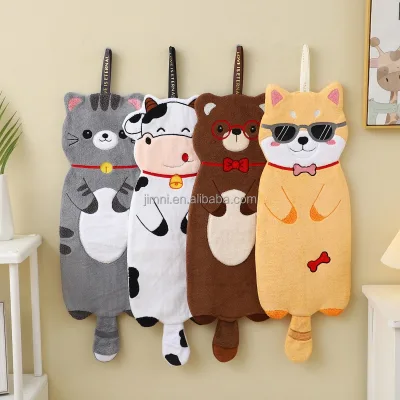
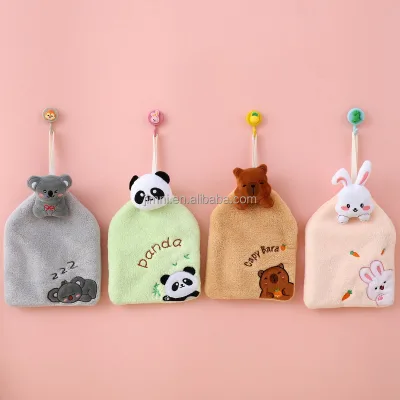

Factory Price Personalized Microfiber Towel for Hand Animal Hand Towel
$0.6416 - $1.0748
MOQ: 300 pieces





Comprehensive Sourcing Guide
Quick Dry Disposable Microfiber Towel Sourcing Guide
Sourcing quick dry disposable microfiber towels requires a nuanced understanding of material properties and intended use cases, as the term "disposable" often conflicts with the durable nature of high-quality microfiber. Buyers must distinguish between single-use hygiene products and reusable microfiber cloths marketed for their rapid drying capabilities in hospitality or industrial settings. The observed market data indicates a wide variance in product attributes, ranging from standard hotel amenities to specialized cleaning tools for kitchens and automotive care. Understanding this distinction is critical for aligning procurement with actual operational needs, whether the goal is reducing laundry costs through disposability or enhancing cleaning efficiency through reusability.
The core keyword suggests a focus on speed and material composition, but successful sourcing depends on verifying specific technical parameters such as GSM, weave type, and finish treatments. Suppliers may list products with varying features like ultra-softness, quick-dry performance, or even mothproofing, which significantly impact the final utility of the towel. Procurement teams should prioritize suppliers who provide clear specifications regarding these attributes rather than relying on generic marketing terms. This approach ensures that the purchased items meet the functional requirements of the end-user, whether they are guests in a spa, staff in a hospital, or technicians in a garage.
Product Scope and Observed Listing Signals
The current market landscape for microfiber towels exhibits significant diversity in size, shape, and application, reflecting the broad utility of this material across multiple industries. Observed listings reveal products ranging from small 25x25CM cleaning pads to larger 70x140CM or 80x180CM towels suitable for personal use in hotels or spas. The shape is predominantly rectangular, designed for optimal surface coverage during cleaning or drying tasks. Buyers should note that while some products are marketed for single-use scenarios, others are explicitly labeled as reusable and environmentally friendly, indicating a dual market segment that requires careful filtering during the sourcing process.
Color and customization options are prominent features in the current supply base, with white and yellow being common standard colors, while custom colors are also available for branded hospitality products. The theme of the product often includes plain dyed or printed patterns, with digital printing capabilities allowing for high-quality logo application. This flexibility supports branding initiatives for hotels, hospitals, and salons, where consistent visual identity is important. Procurement specialists should leverage these customization options to enhance brand visibility while ensuring that the printing process does not compromise the absorbency or quick-dry properties of the microfiber material.
Technical Specifications to Verify
Gram weight is a critical technical specification that directly influences the quality, durability, and absorbency of the microfiber towel. The observed data shows a wide range from 300-400GSM for lighter, possibly disposable or quick-dry specific items, up to 500-7000GSM for heavy-duty, highly absorbent towels. Buyers must verify the exact GSM for their specific application, as lower weights may tear easily during use, while higher weights may take longer to dry, contradicting the "quick dry" claim. Understanding the relationship between GSM and fiber density is essential for selecting the right product balance between performance and cost.
Size and standard dimensions vary significantly, with common standards including 40x40CM, 70x140CM, and 80x180CM, alongside custom sizes. The product dimensions listed, such as 11.41 X 7.67 X 0.98 Inches, likely refer to packaged units rather than the towel itself, highlighting the importance of distinguishing between product size and packaging size. Buyers should confirm the unfolded dimensions to ensure compatibility with existing storage or usage infrastructure. Additionally, features like high absorbency and stackable storage for packaging are important logistical considerations that affect warehouse efficiency and handling costs.
Compliance and Safety Documentation
Certification requirements are paramount when sourcing microfiber towels for sensitive environments such as hospitals, spas, and food service areas. The observed supply base includes products certified under Oeko-Tex and BSCI standards, which address both material safety and ethical manufacturing practices. Oeko-Tex certification ensures that the textile is free from harmful substances, making it safe for skin contact, which is crucial for guest-facing products in hotels and homes. Buyers should request valid certificates for each batch or product line to ensure ongoing compliance with international safety regulations.
BSCI certification indicates adherence to social compliance standards, ensuring that the manufacturing process respects labor rights and provides safe working conditions. This is increasingly important for global brands that need to demonstrate ethical sourcing in their supply chains. While some background context mentions REACH, buyers should verify if this specific regulation is applicable to their target markets, particularly in the European Union. Procurement teams should treat these certifications as baseline requirements rather than optional extras, integrating them into the supplier evaluation criteria to mitigate legal and reputational risks.
Cost Drivers and Commercial Terms
Pricing in the microfiber towel market is influenced by material quality, GSM, customization level, and order volume. The observed price range of 0.08-6.99 USD reflects this variability, with lower prices typically associated with smaller, lighter, or less customized items. Buyers should analyze the cost per unit in the context of the product's lifespan and performance, as higher-priced, durable microfiber towels may offer better long-term value compared to cheaper, disposable alternatives. Understanding the cost structure helps in negotiating favorable terms and selecting products that align with budget constraints without sacrificing quality.
Minimum Order Quantities (MOQ) and packaging standards are key commercial terms that impact procurement flexibility and logistics. The observed MOQ range of 50-10000 units allows for both small trial orders and large-scale bulk purchases, catering to different buyer needs. Packaging options include standard export cartons, OPP bags, and custom packaging, which can affect shipping efficiency and product protection. Buyers should consider the sample time, which is typically around 7 days, when planning their procurement schedule to avoid delays in product launch or inventory replenishment.
Supplier Qualification and Quality Control
Supplier qualification should focus on verifying production capabilities, quality control processes, and responsiveness to customization requests. Buyers should assess whether the supplier has experience in producing microfiber towels for specific industries, such as hospitality or healthcare, as this indicates a deeper understanding of relevant quality standards. The availability of customization options, including digital printing and custom sizes, suggests that the supplier has flexible manufacturing lines capable of meeting diverse client requirements. This flexibility is a valuable asset for buyers seeking unique product solutions.
Quality control measures should include regular inspections of material consistency, stitching quality, and packaging integrity. Buyers should request samples to test the quick-dry performance, absorbency, and durability of the microfiber towels before placing large orders. The observed feature of "ultra-soft" and "quick dry" should be validated through practical testing to ensure that the product meets the claimed performance standards. Establishing a clear quality agreement with the supplier, including acceptable defect rates and remediation procedures, is essential for maintaining consistent product quality over time.
Long-Term Procurement Checks
Long-term procurement success depends on establishing a robust supplier relationship management strategy that includes regular performance reviews and continuous improvement initiatives. Buyers should monitor supplier adherence to agreed-upon quality standards, delivery times, and communication responsiveness. The observed sample time of 7 days is a positive indicator of supplier agility, but consistent performance over multiple orders is the true measure of reliability. Regular audits of the supplier's production facilities and quality control processes can help identify potential issues before they impact the supply chain.
Sustainability and environmental impact are increasingly important factors in long-term procurement decisions. The observed attribute of "environmental protection: reusable" highlights the growing demand for eco-friendly products. Buyers should evaluate the supplier's commitment to sustainable practices, such as using recycled materials or implementing energy-efficient manufacturing processes. By prioritizing suppliers who align with their sustainability goals, buyers can enhance their brand reputation and contribute to global environmental efforts while securing a stable supply of high-quality microfiber towels.
FAQs
What materials are used for quick dry disposable microfiber towels?
These towels are primarily made from microfiber material, which provides high absorbency and ultra-soft texture. The fabric is designed for quick drying, making it suitable for hotel, home, and spa usage. Some variants feature plain dyed or printed patterns, ensuring versatility for different branding needs while maintaining durability and comfort for adult users.
Can these towels be customized for specific branding requirements?
Yes, customization is available for these microfiber towels. Buyers can request specific colors, including yellow, white, or custom options, along with digital printing for unique designs. The product supports various sizes and packaging methods, such as OPP bags or standard export cartons, allowing businesses to tailor the final product to their specific marketing and operational needs.
What certifications do these microfiber towels hold?
These towels hold Oeko and BSCI certifications, ensuring compliance with international safety and ethical standards. These credentials verify that the microfiber material is safe for direct skin contact and that manufacturing processes adhere to responsible labor practices. This makes the products suitable for sensitive environments like hospitals, spas, and premium hospitality settings where quality assurance is critical.
What is the typical MOQ for ordering these towels?
The minimum order quantity ranges from 50 to 10,000 units, depending on the specific model and customization level. This flexible MOQ structure accommodates both small trial orders and large-scale bulk purchases. Buyers can select from various models like ES-20240619DT5 or SJQ, each with distinct packing and size specifications to match their inventory requirements.
How fast is the sample time for these products?
The sample time is typically 7 days, allowing buyers to evaluate quality before committing to large orders. This rapid turnaround ensures that businesses can quickly assess the towel's absorbency, softness, and drying speed. Samples are often packed in OPP bags or cartons, providing an accurate representation of the final product's appearance and packaging for approval.
What are the common usage scenarios for these towels?
These towels are versatile and suitable for hotels, hospitals, spas, salons, homes, and kitchens. They are designed for cleaning, dining, and personal care, offering high absorbency and quick-dry features. The microfiber material is also reusable and environmentally friendly, making it ideal for gift sets, sports activities, and general household cleaning tasks where hygiene and efficiency are prioritized.