Acura EL Ignition Control Module Suppliers and Manufacturers
Compare 28 verified suppliers offering acura el ignition control modules from Zhejiang, China. Review response times, lead times, certifications like ISO/TS16949, and warranty terms before requesting quotes for specific model numbers; review the available evidence before requesting comparable quotations from suitable candidates.
Updated
Suppliers List
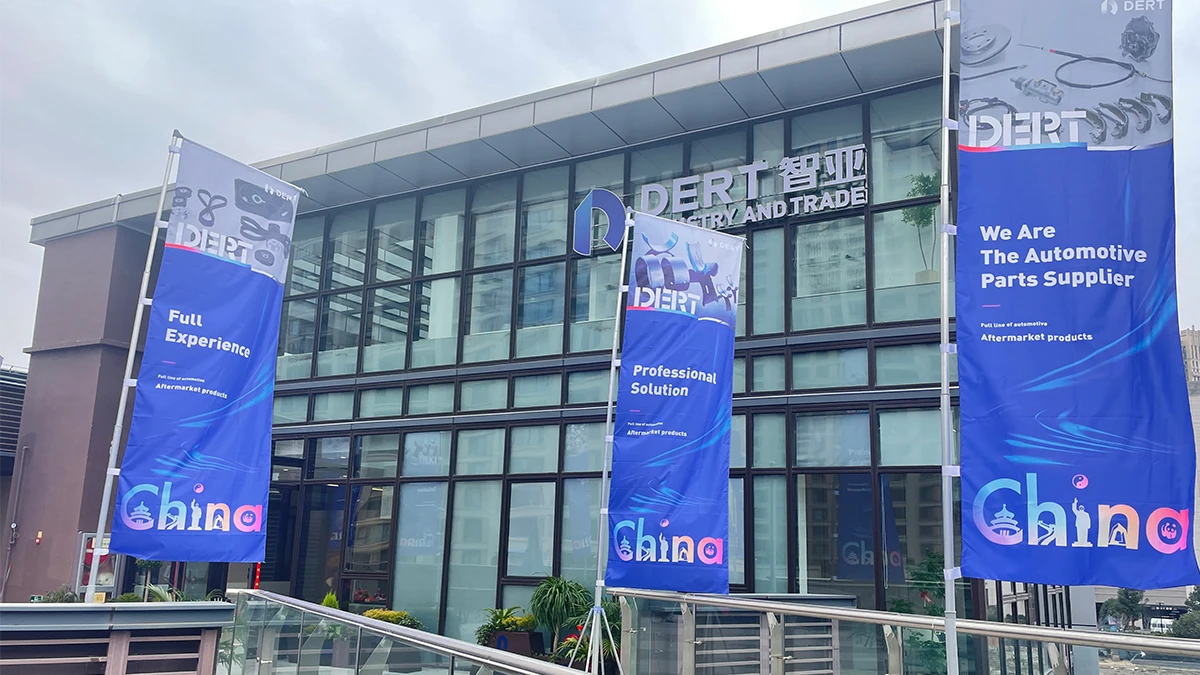
Wenzhou Dert Industry And Trade Co., Ltd.
- Trading Company
- Zhejiang, China
- Lead time25 days
- Avg. response≤ 2h
Main productsENGINE MOUNT,BALL JOINT,CONTROL ARM,SENSOR,SWITCH
Main marketsSouth America(15.00%), Mid East(15.00%), Eastern Asia(10.00%), Northern Europe(10.00%), Africa(10.00%), Central America(10.00%), Western Europe(10.00%), South Asia(5.00%), Southeast Asia(5.00%), Eastern Europe(5.00%), North America(3.00%), Southern Europe(2.00%)
Ruian Chenho Auto Electronic Co., Ltd.
- Verified by TüVRheinland
- Trading Company
- Lead time0 days
- Avg. response≤ 4h
Main productsThrottle Position Sensor, Air Pressure Sensor, Suction Control Valve, Parking Sensor
Main marketsNorth America(20%), South America(17%), Domestic Market(10%)
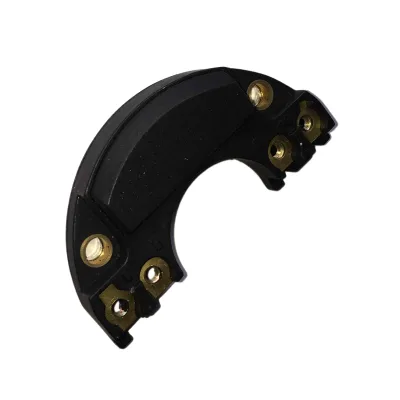
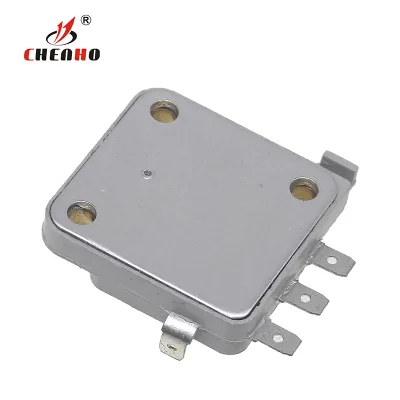
$3.00 - $3.40
MOQ: 10 pieces
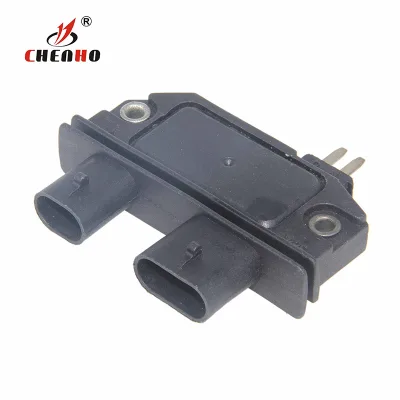
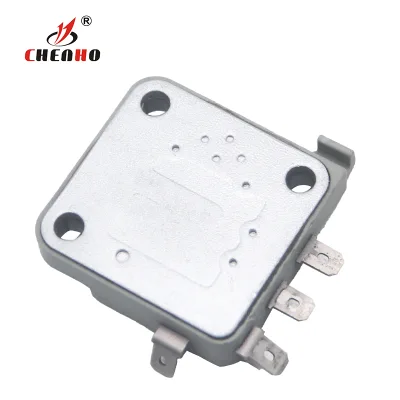
Brand New Ignition Module for HONDA ACCORD 2.2L 2.23L E12-303 7331D200441
$10.9998 - $11.4357
MOQ: 30 pieces
Wen Zhou Hao Wei Auto Parts Co., Ltd.
- Verified by Intertek
- Trading Company
- Lead time7 days
- Avg. response≤ 8h
Main productsFuel Injector Nozzle, Sensor, Ignition Coil, PCV Valve, Thermostat Housing
Main marketsNorth America(28%), South America(15%), Southeast Asia(15%)
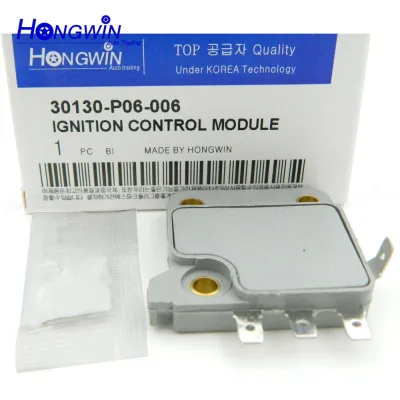
$3.0859 - $6.6841
MOQ: 5 pieces
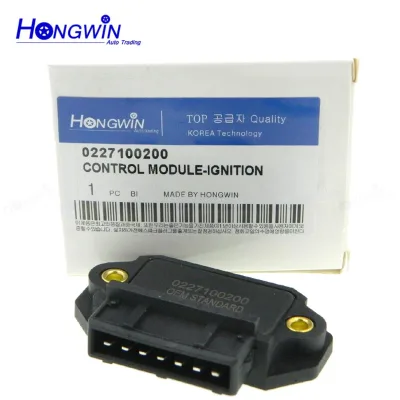
$4.6183 - $10.2613
MOQ: 5 pieces
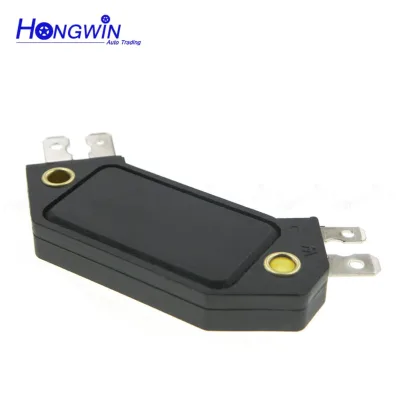
Wenzhou Bumblebee Auto Parts Co., Ltd.
- Trading Company
- Zhejiang, China
- Lead time10 days
- Avg. response≤ 1h
Main productsFuel Injector and repair kits,Auto Sensor,Fuel Pump and repair kits,Connector plug,VVT Solenoid
Main marketsSouth America(38.00%), North America(36.00%), Western Europe(26.00%)

Suzhou Benit Machinery Technology Co., Ltd.
- Verified by SGS
- Trading Company
- China Jiangsu
- Lead time15 days
- Avg. response≤ 6h
Main productsRoad Milling Bit
Main marketsSouth America,Africa,Southeast Asia/ Mideast,East Asia(Japan/ South Korea),Europe,Australia,North America
Guangzhou Jinshengxi Auto Parts Co., Ltd.
- Verified by SGS Group
- Trading Company
- Lead time3 days
- Avg. response≤ 2h
Main productsIgnition Coils, Car Sensors, Window Switches, Fuel Pumps, Fuel Injectors
Main marketsSouth America(50%), Southeast Asia(20%), Africa(20%)
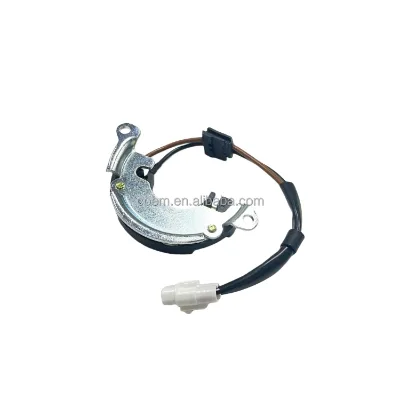
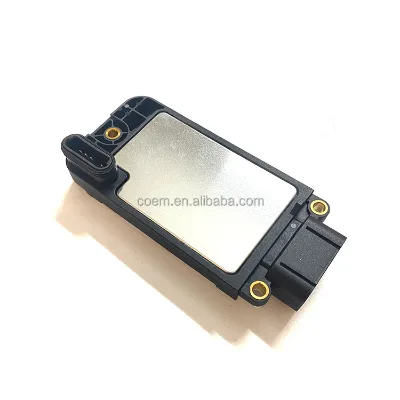
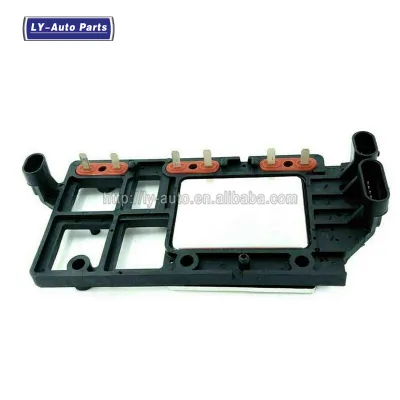
Ignition Control Module 12580215 for Chevrolet Pontiac Saturn Ignition Module
$14.3553 - $18.3969
MOQ: 5 pieces

Guangzhou Xin Sande Auto Parts Co., Ltd.
- Verified by TUVRHEINLAND
- Trading Company
- China Guangdong
- Lead time30 days
- Avg. response≤ 4h
Main productsCar Part
Main marketsSouth America,Southeast Asia/ Mideast,North America

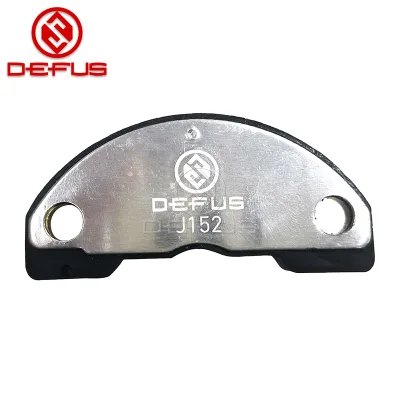
High Performance Ignition Control Module for Mitsubishi Minicab Car OEM J153
$3.75 - $6.00
MOQ: 10 Pieces


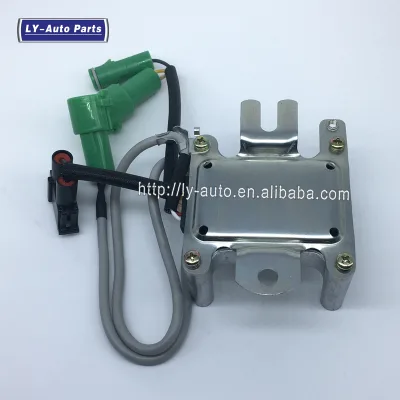
Auto Ignition Module 30120pm5a01 for Honda Civic Integra Acura OEM 30120-Pm5-A01
$15.80 - $17.83
MOQ: 20 Pieces

Auto 2202060A21 Ignition Control Module for Nissan Sentra Tsuru OEM 22020-60A21
$10.00 - $14.00
MOQ: 20 Pieces

Shanghai Peili International Trade Co., Ltd.
- Trading Company
- China Shanghai
- Lead time15 days
- Avg. response≤ 2h
Main productsGas Generator, Diesel Engine, Prechamber Spark Plug, Engine Spare Parts, Stitt Spark Plug, Motortech Ignition, Altronic Ignition, Ignition Controller, Hall Sensor, Jichai
Main marketsDomestic

Motortech Mic500 Ignition Controller Gas Generator Ignition Control Module
$1000.00 - $1999.00
MOQ: 5 Pieces

Motortech Mic500 Ignition Controller Gas Generator Ignition Control Module
$1000.00 - $1999.00
MOQ: 5 Pieces

Guangzhou Yu Meng Yang Auto Parts Co., Ltd.
- Verified by TüVRheinland
- Trading Company
- Lead time25 days
- Avg. response≤ 9h
Main productsIgnition Coil, Oxygen Sensor, Fuel Pump Assembly, Throttle Body
Main marketsNorth America(15%), South America(10%), Southeast Asia(10%)
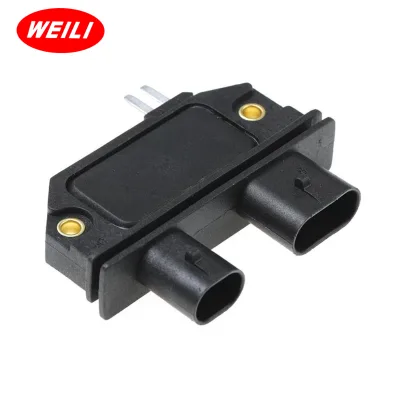
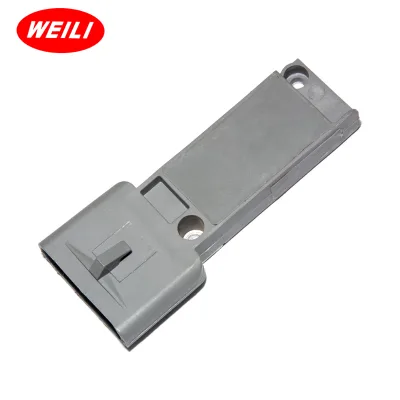
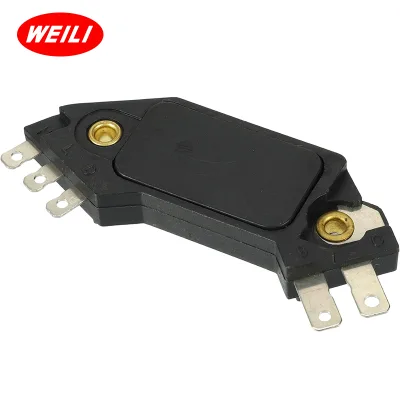
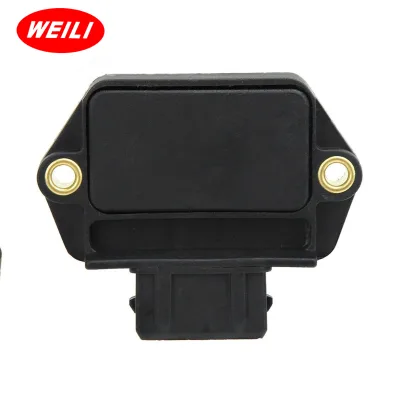
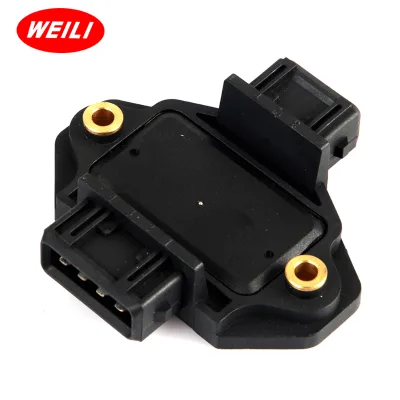
Ignition Control Module F1SF-12A297-C1A F1SF-12A297-C2A DY645 for Ford Lincoln Mercury
$5.50 - $7.60
MOQ: 10 Minimum
Guangzhou Tang Pei Trading Co., Ltd.
- Verified by Intertek
- Trading Company
- Lead time3 days
- Avg. response≤ 3h
Main productsSensor, Injector, Control Valve, Ignition Coil, Air Flow Meter
Main marketsSouth America(23%), North America(22%), Southeast Asia(21%)
Yichun Hengjin Auto Parts Co., Ltd.
- Verified by TüVRheinland
- Trading Company
- Lead time7 days
- Avg. response≤ 4h
Main productsAuto Sensors, Auto Electronics Accessories
Main marketsNorth America(33%), Southeast Asia(30%), Mid East(23%)
- Verified by TüVRheinland
- Trading Company
- Lead time30 days
- Avg. response≤ 2h
Main productsFuel Pump, Filter, Clutch Cylinder, Alternator And Parts, Ignition Coil
Main marketsNorth America(40%), South America(25%), Eastern Europe(20%)
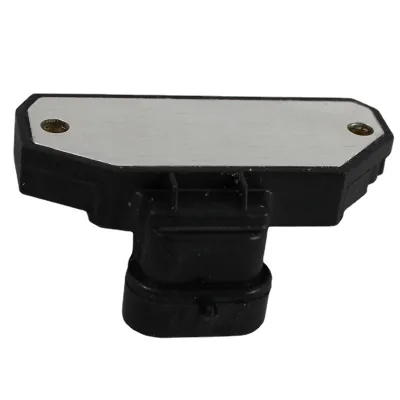
Ignition Module Control Module for Buick Cadillac 10482803 16201599 96062273
$5.64 - $6.1523
MOQ: 100 pieces
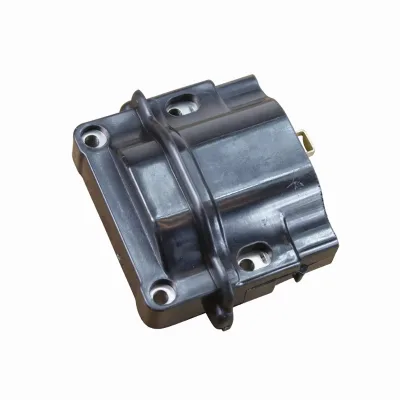
$9.2292 - $10.2538
MOQ: 50 pieces
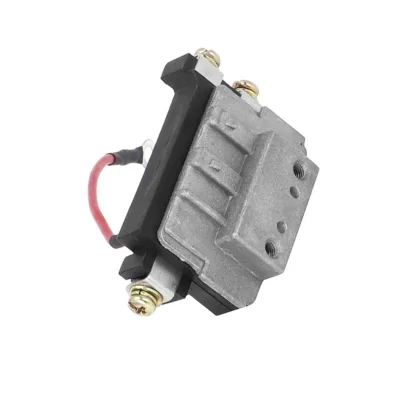
$5.1277 - $6.1523
MOQ: 50 pieces
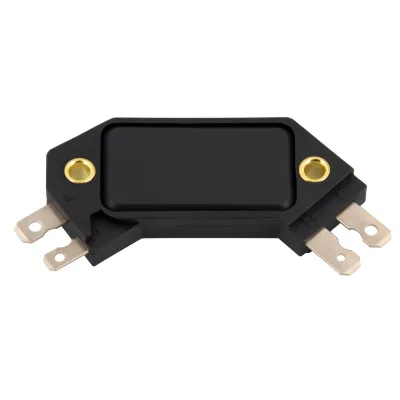

Ningbo Bueno Import & Export Co,.ltd
- Trading Company
- Zhejiang, China
- Lead time25 days
- Avg. response≤ 4h
Main productsAuto Parts and Accessories,Radiators and Radiator Parts,Cooling System & Air Conditioning Parts,Clutch and Brake Parts,Bearings and Seals
Main marketsSouth America(28.00%), Central America(10.00%), Western Europe(10.00%), Eastern Europe(8.00%), Mid East(8.00%), Northern Europe(8.00%), North America(6.00%), Southern Europe(6.00%), Africa(6.00%), Oceania(5.00%), Southeast Asia(2.00%), Domestic Market(1.00%), South Asia(1.00%), Eastern Asia(1.00%)

QINGDAO SATA IMPORT AND EXPORT CO., LTD.
- Verified by TUVRHEINLAND
- Trading Company
- China Shandong
- Lead time30 days
- Avg. response≤ 4h
Main productsSpecial Purpose Vehicle, SATA Series Semi Trailer, Mobile Food Truck, Construction Machines, Truck Accessories Part, Heavy Duty Truck, Truck&Car Parts, Electric Vehicles, Generator Set
Main marketsAfrica

Mc-8541 Applicable to Ignition Control Module of Hond Civi Acur Igniter 30130-P75-006
$28.00 - $54.00
MOQ: 1 Pieces

E12-303 30310-P06-006 Ignition Control Module Suitable for Hond Automotive Parts
$23.00 - $55.00
MOQ: 1 Pieces

Rsb-57 Ignition Module Controller Ignition Coil Auto Parts Suitable for Hond Civi
$28.00 - $54.00
MOQ: 1 Pieces

$48.00 - $98.00
MOQ: 1 Pieces


Guangzhou Chengming Trading Co., Ltd.
- Manufacturer, Trading Company, Distributor/Wholesaler
- Guangdong, China
- Lead time15 days
- Avg. response≤ 6h
Main productsfuel pump,sensor,steering pump,oil pump,oxygen sensor
Main marketsNorth America(30.00%), Central America(15.00%), Southeast Asia(10.00%), Eastern Europe(10.00%), Southern Europe(5.00%), Northern Europe(5.00%), South America(5.00%), Western Europe(5.00%), Eastern Asia(5.00%), Mid East(5.00%), Oceania(5.00%)

Shiyan Yushen Auto Parts Trading Co., Ltd.
- Verified by TUVRHEINLAND
- Trading Company
- China Hubei
- Lead time15 days
- Avg. response≤ 2h
Main productsFuel System, M11 Qsc 4bt 6bt Qsk Nt855 Kseries Engine, \Engine Parts, Fuel Pump, Engine Contorl Model, Fuel Injector, Engine Repair Kits
Main marketsSouth America,Australia

$354.00 - $402.00
MOQ: 1 Pieces

Imported Isb5.9 Ignition Control Module Computer Version ECU Ecm 4997747
$499.00 - $828.00
MOQ: 1 Pieces

Ningbo Augee Import & Export Co., Ltd.
- Trading Company
- Zhejiang, China
- Lead time10 days
- Avg. response≤ 2h
Main productsAuto Switch, Auto Door Handle, Auto Engine Parts, Auto hose, Air Conditioning Compressor
Main marketsNorth America(30.00%), South America(30.00%), Western Europe(15.00%), Eastern Asia(5.00%), Eastern Europe(5.00%), Southeast Asia(4.00%), Central America(3.00%), Northern Europe(3.00%), Oceania(2.00%), Southern Europe(2.00%), Mid East(1.00%)
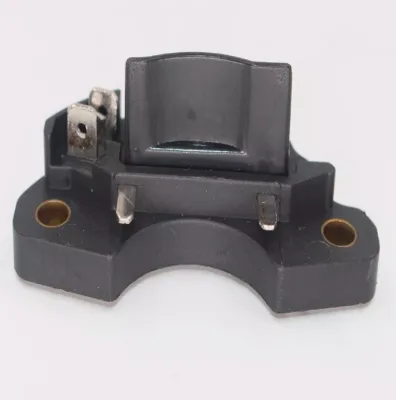
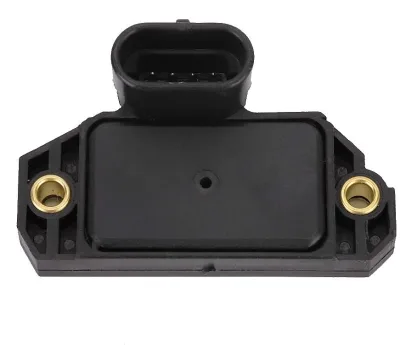
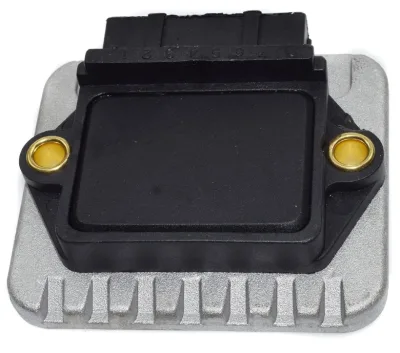
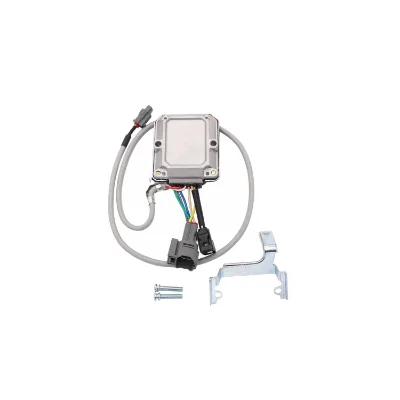
Dm1986 D1986A Car Ignition Control Module for Camaro V8 5.7L 1996 1997 Roadmaster V8 5.7L 1996
$4.136 - $4.4476
MOQ: 20 pieces
Guangzhou Jieling Automobile Sales Co., Ltd.
- Verified by TüVRheinland
- Trading Company
- Lead time10 days
- Avg. response≤ 12h
Main productsSUV, Car, MPV, Sensor, Car Window
Main marketsAfrica(70%), Southeast Asia(14%), Eastern Asia(6%)
Guangzhou Chikun Trading Co., Ltd.
- Trading Company
- Guangdong, China
- Lead time15 days
- Avg. response≤ 4h
Main productsControl Arms,Engine Mounts,Shock Absorbers,Thermostat,Fuel Pump & Parts
Main marketsMid East(40.00%), North America(20.00%), South America(15.00%), Southeast Asia(10.00%), Oceania(5.00%), South Asia(5.00%), Eastern Asia(5.00%)
$1.6598 - $1.9699
MOQ: 50 pieces

Ningbo Kelina Electric Appliance Co., Ltd.
- Combined
- China Zhejiang
- Lead time45 days
- Avg. response≤ 6h
Main productsVacuum Cleaner, Electric Sprayer, Lawn Mower, Mite Remover, Ignition Distributor, Ignition Coil, Water Pump, Ignition Module, Agricultural Sprayer, Portable Water Pump
Main marketsSoutheast Asia/ Mideast,East Asia(Japan/ South Korea),North America

Ruian Botten Auto Parts Co., Ltd.
- Manufacturer
- Zhejiang, China
- Lead time7 days
- Avg. response≤ 3h
Main productsAUTO BODY PARTS,CAR ACCESSORIES,AUTO BODY PARTS,AUTO ELECTRICAL SYSTEM,ENGINE PARTS
Main marketsEastern Europe(20.00%), South America(20.00%), North America(20.00%), Western Europe(5.00%), Eastern Asia(5.00%), Mid East(5.00%), Oceania(5.00%), Africa(5.00%), Southeast Asia(5.00%), Domestic Market(2.00%), South Asia(2.00%), Southern Europe(2.00%), Northern Europe(2.00%), Central America(2.00%)
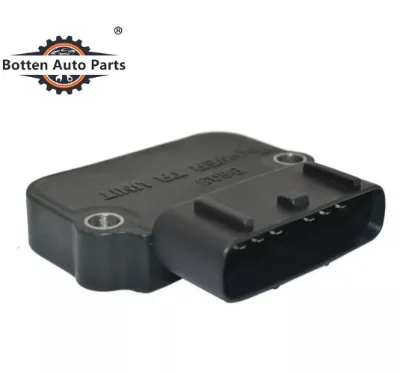
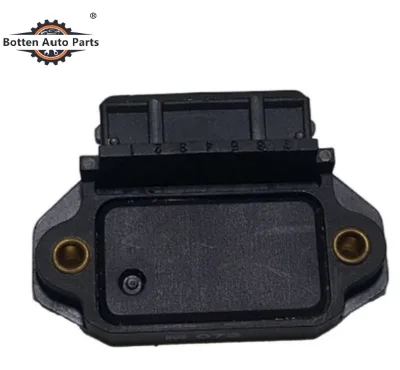
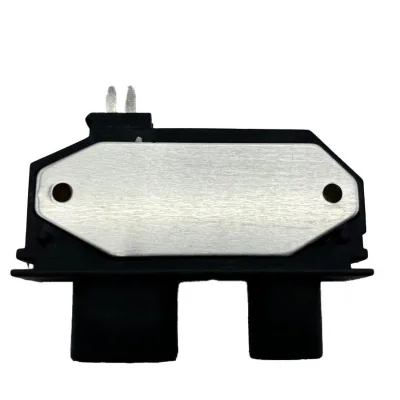
Chevrolet Ignition Control Module NEW Engine Part Model 01103678 1987466 10469931 10496048 10482827
$5.39 - $6.19
MOQ: 20 pieces

Guangzhou Best Auto Parts Co., Ltd.
- Trading Company, Buying Office, Distributor/Wholesaler
- Guangdong, China
- Lead time15 days
- Avg. response≤ 5h
Main productscar headlight,car brake disc,automobile gearbox,automobile wheel hub,Automotive lighting
Main marketsOceania(10.00%), Southern Europe(10.00%), Central America(10.00%), Eastern Europe(10.00%), Western Europe(10.00%), North America(10.00%), Domestic Market(5.00%), South Asia(5.00%), Africa(5.00%), Northern Europe(5.00%), Southeast Asia(5.00%), South America(5.00%), Eastern Asia(5.00%), Mid East(5.00%)
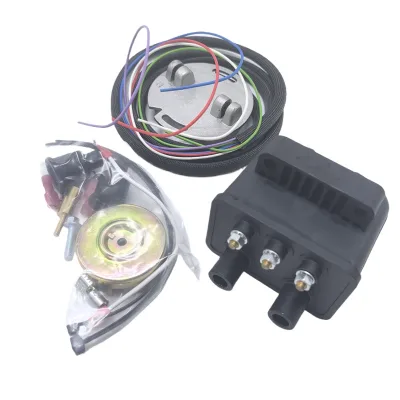
High Quality Auto Parts Ultima 53-660 Programmable Ignition Module
$134.6747 - $155.3935
MOQ: 30 pieces
Jinan Lookt Auto Parts Co., Ltd.
- Trading Company
- Shandong, China
- Lead time20 days
- Avg. response≤ 1h
Main productsAir Intake Series,Brake Series,Chassis Series,Clutch Series,Cooling Series
Main marketsMid East(10.00%), Africa(10.00%), South Asia(10.00%), Southeast Asia(10.00%), South America(10.00%), North America(10.00%), Eastern Europe(5.00%), Southern Europe(5.00%), Northern Europe(5.00%), Domestic Market(5.00%), Western Europe(5.00%), Eastern Asia(5.00%), Central America(1.00%)
Wenzhou Bosen Auto Parts Co., Ltd.
- Trading Company
- Zhejiang, China
- Lead time10 days
- Avg. response≤ 7h
Main productsAuto Sensor,Auto Switch,Solenoid Switch,Oil cooler,Fuel pump
Main marketsSouth America(20.00%), Western Europe(20.00%), Northern Europe(10.00%), North America(10.00%), Mid East(10.00%), Africa(10.00%), Domestic Market(10.00%), Southeast Asia(5.00%), Southern Europe(5.00%)

- Manufacturer, Trading Company, Distributor/Wholesaler, Business Service (Transportation, finance, travel, Ads, etc)
- Guangdong, China
- Lead time7 days
- Avg. response≤ 4h
Main productsauto sensor,ignition system,auto switch,cooling system,Engines parts
Main marketsSouth America(20.00%), North America(20.00%), South Asia(10.00%), Mid East(10.00%), Oceania(10.00%), Africa(10.00%), Southeast Asia(10.00%), Eastern Europe(10.00%)

Guangzhou Lianyou Auto Parts Co., Ltd.
- Trading Company
- Guangdong, China
- Lead time0 days
- Avg. response≤ 3h
Main productsAuto sensor,Iginition System,Fuel System,Engines Parts,Cooling System
Main marketsSouthern Europe(30.00%), Central America(20.00%), Eastern Asia(20.00%), North America(10.00%), Eastern Europe(10.00%), South America(10.00%)
Guangzhou Super Technology Co., Ltd.
- Manufacturer, Trading Company
- Lead time旺季: "1 - 100":7,"101 - 300":9,"301 - 500":12,"> 500":"To be negotiated", 淡季: "1 - 100":7,"101 - 300":9,"301 - 500":12,"> 500":"To be negotiated"
- Avg. response≤ 3h
Main productsFuel Injector, Oxygen Sensor, Ignition Coil
Guangzhou Zhenhua Auto Part Trading Co., Ltd.
- Verified by TüVRheinland
- Trading Company
- Lead time3 days
- Avg. response≤ 3h
Main productsFuel Injector, Ignition Coil, Oxygen Sensor, Crankshaft Potion Sensor, Fuel Pump
Main marketsSouth America(35%), North America(20%), Southeast Asia(20%)
$12.4499 - $15.5612
MOQ: 10 pieces
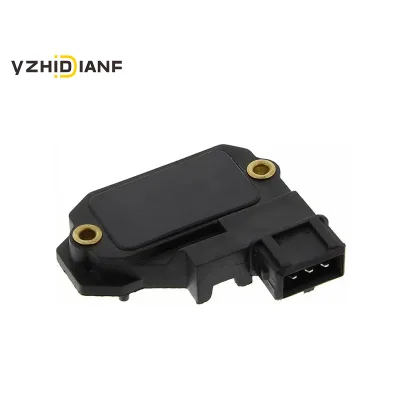
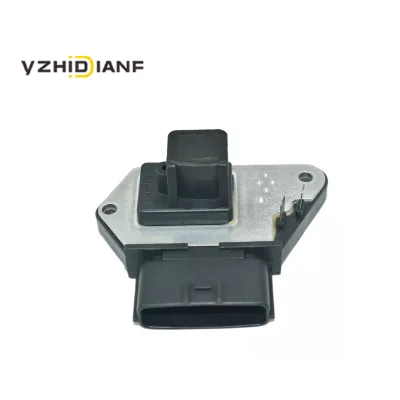
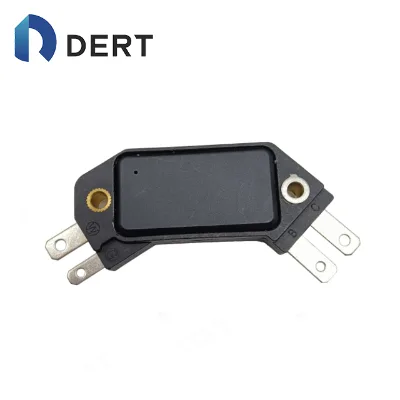
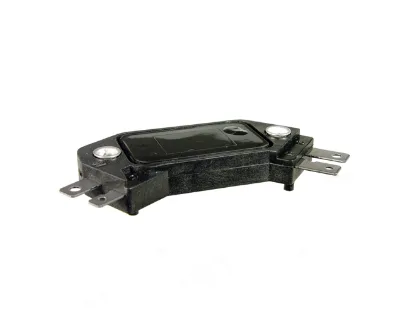
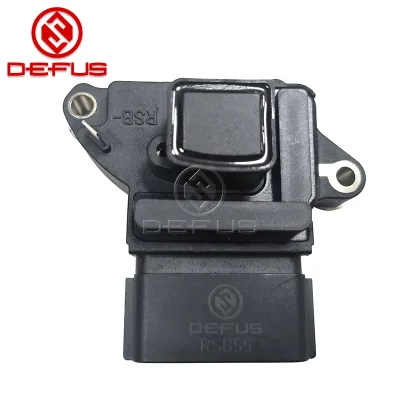
Ignition Control Module RSB-57 RSB57 22100-72B00 2210072B00 For Honda Civic
$15.5612 - $21.8378
MOQ: 10 pieces


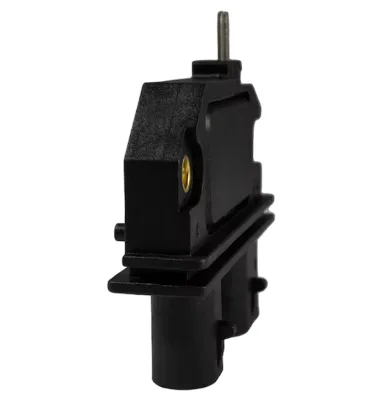
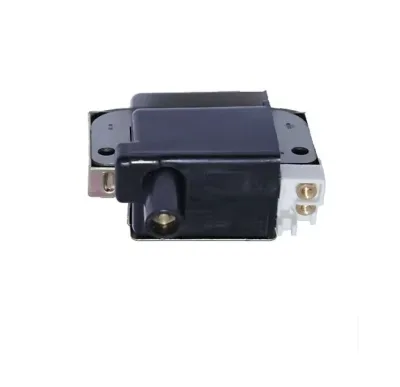
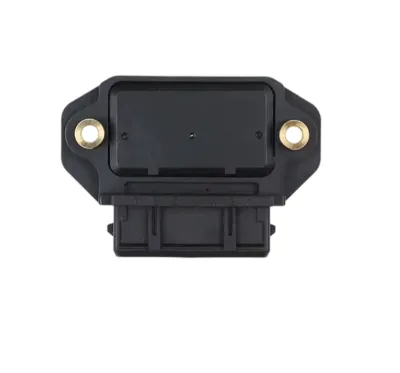
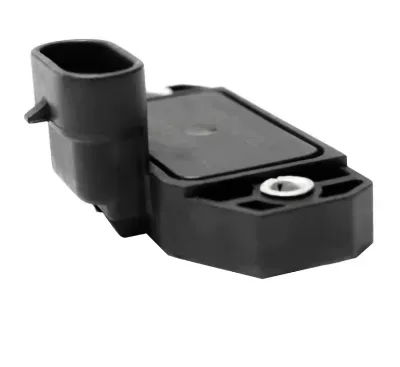
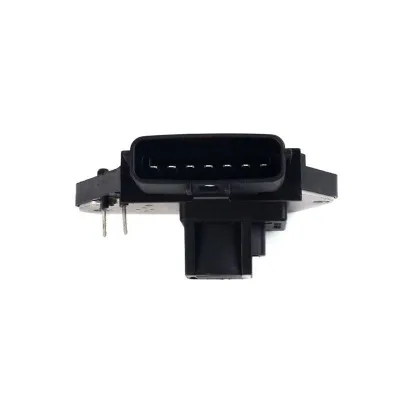


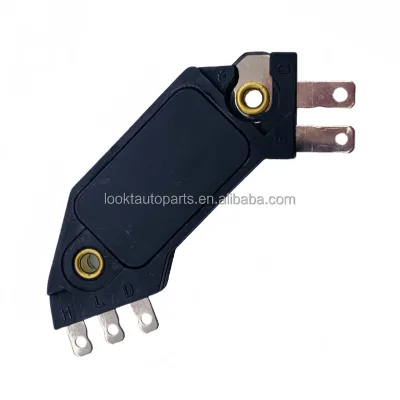
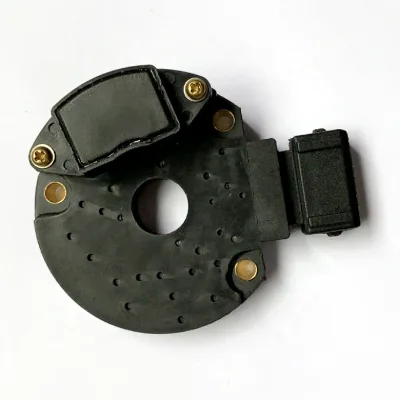
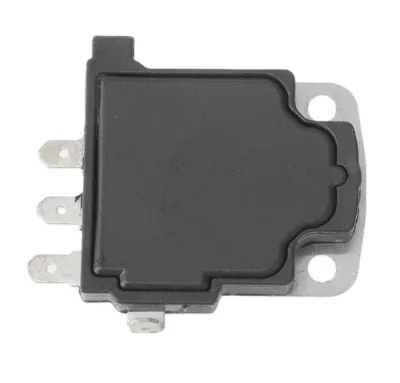
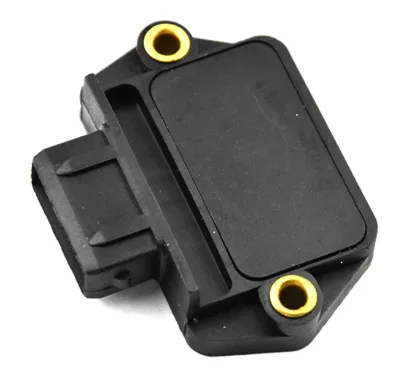
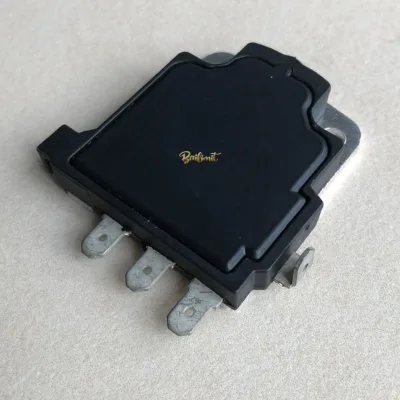
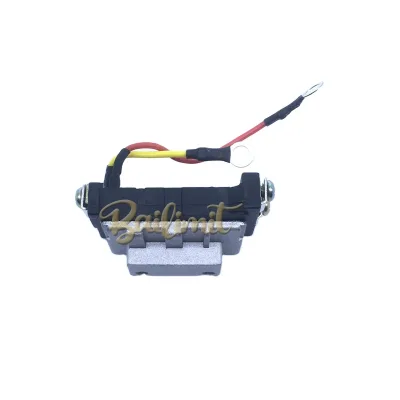
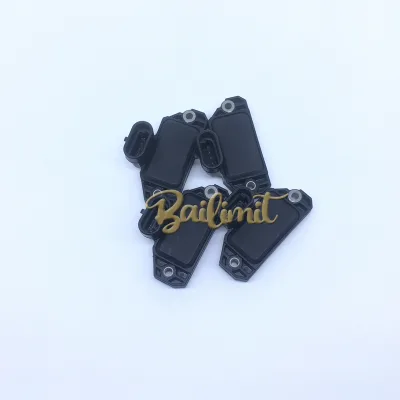
Comprehensive Sourcing Guide
Acura EL Ignition Control Module Supplier Concentration and Factory Types
The current supplier landscape for Acura El ignition control modules reveals a distinct concentration of manufacturing and trading entities within Zhejiang, China. This geographic clustering is evident in the product origin data, where multiple listings explicitly state "Place of Origin: Zhejiang, China." Buyers evaluating this market should recognize that this region serves as a significant hub for automotive electrical components, including ignition coils and control modules. The presence of numerous suppliers in this specific province suggests a mature supply chain ecosystem, though it also implies high competition. When assessing potential partners, it is crucial to distinguish between pure trading companies and those with actual manufacturing capabilities. The observed data indicates that many listed entities identify themselves as Trading Companies, which may impact direct communication regarding technical specifications or custom modifications. Understanding this distinction helps buyers manage expectations regarding factory audits and direct quality control measures.
Within this concentrated region, the types of companies vary significantly in their operational focus. Some suppliers specialize in a broad range of vehicle parts, including engine mounts, ball joints, and sensors, while others focus more narrowly on ignition systems and related electronic components. For instance, certain product listings highlight main products such as throttle position sensors and air pressure sensors, indicating a broader capability in automotive electronics. This diversification can be advantageous for buyers seeking a consolidated supplier for multiple part types, potentially simplifying logistics and reducing administrative overhead. However, it also requires careful vetting to ensure that the supplier’s primary expertise aligns with the specific technical demands of ignition control modules. Buyers should review the main product lists carefully to gauge the depth of experience in the specific category of ignition components, rather than assuming general automotive part suppliers have equal proficiency in electronic control units.
How to Verify Acura EL Ignition Control Module Suppliers
Verification is a critical step in mitigating risk when sourcing ignition control modules from international suppliers. One key indicator of supplier reliability is the presence of third-party verification badges, such as those from TüVRheinland. These verifications provide an additional layer of confidence regarding the supplier’s business legitimacy and operational standards. Buyers should prioritize suppliers who display such verified status, as it often correlates with more transparent business practices and adherence to agreed-upon quality protocols. Additionally, checking for relevant industry certifications is essential. Some product listings explicitly mention certifications like ISO/TS16949 or CE, which are critical for automotive parts compliance. These certifications indicate that the supplier’s quality management systems meet international standards for automotive production, which is particularly important for electronic components that directly affect vehicle safety and performance.
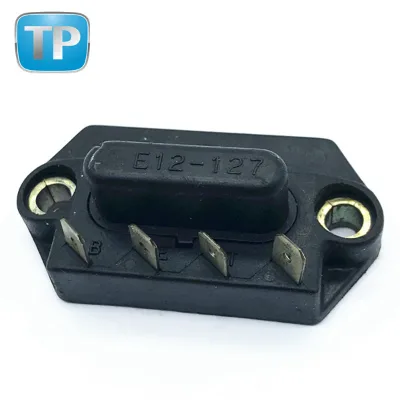
Beyond certifications, buyers should assess the supplier’s responsiveness and communication efficiency. The response time metric provides insight into how quickly a supplier can address inquiries, which is vital for resolving technical questions or negotiating terms. A faster response time, such as two hours, suggests a more agile and customer-focused operation, whereas longer response times may indicate potential delays in project management. Furthermore, examining the product attributes for consistency is a practical verification method. Details such as the brand name, model number, and OE number should match the buyer’s requirements precisely. For example, listings for Honda and Acura modules often specify exact OE numbers like E12-127 or D1906. Buyers must ensure that the supplier’s listed specifications align with their vehicle’s specific needs, as mismatches can lead to compatibility issues. Cross-referencing these details with official vehicle service manuals or OEM catalogs can help validate the supplier’s claims before committing to an order.
What to Compare Across Acura EL Ignition Control Module Suppliers
When evaluating multiple suppliers, comparing key commercial and operational metrics is essential for making an informed decision. One of the most significant factors is the minimum order quantity (MOQ). Suppliers may have varying MOQs, ranging from as low as ten pieces to fifty or more. For buyers testing the market or requiring small batches for repair shops, lower MOQs are preferable, even if the unit price is slightly higher. Conversely, larger buyers may benefit from suppliers offering higher MOQs with discounted pricing. Another critical comparison point is the lead time, which indicates how long it takes for the supplier to process and ship the order. Some suppliers list lead times of zero days, suggesting immediate availability, while others may have longer processing periods. Understanding these timelines helps buyers plan their inventory and meet customer delivery expectations without unnecessary delays.
Price and warranty terms are also vital aspects of the comparison. The price range for ignition control modules can vary based on the brand, quality, and order volume. Buyers should compare the minimum and maximum price points offered by different suppliers to identify the most cost-effective option. Additionally, the warranty period provided by the supplier is a strong indicator of product confidence. Listings may offer warranties ranging from one year to two years, with some specifying "12 Months" or "2 YEARS." A longer warranty period can reduce the buyer’s risk associated with product failures. Furthermore, comparing the supplier’s main products can reveal their specialization. Suppliers focusing on ignition systems and electronic sensors may offer better technical support and product quality compared to general automotive part traders. By systematically comparing these dimensions, buyers can select a supplier that best balances cost, reliability, and service quality for their specific sourcing needs.
Common Acura EL Ignition Control Module Sourcing Risks
Sourcing ignition control modules from international suppliers carries inherent risks that buyers must actively manage. One significant risk is the potential for counterfeit or substandard parts, especially when dealing with trading companies that may not have direct control over manufacturing. While some suppliers claim their products are "100% brand new" or "New," buyers should be cautious and request detailed product photos or videos to verify the condition and quality of the items. Another risk is the mismatch between the listed specifications and the actual product received. For instance, some listings may indicate "Universal Fitment: Yes," but this claim should be verified against the specific vehicle model to avoid compatibility issues. Buyers must ensure that the OE numbers and model numbers listed by the supplier exactly match their requirements, as even minor discrepancies can render the part unusable.
Logistical and communication risks are also prevalent in international sourcing. Delays in shipping or poor communication can disrupt supply chains, particularly if the supplier has a slow response time. Buyers should be aware that some suppliers may list lead times that do not account for production or shipping delays. Additionally, the risk of receiving products with inadequate packaging or documentation is higher when sourcing from regions with less stringent export controls. To mitigate these risks, buyers should establish clear communication channels and request detailed shipping and packaging information before placing orders. It is also advisable to start with small test orders to evaluate the supplier’s reliability and product quality before committing to larger purchases. By proactively identifying and addressing these risks, buyers can protect their business interests and ensure a smoother sourcing experience.
Acura EL Ignition Control Module Regional Sourcing and Logistics
The concentration of suppliers in Zhejiang, China, has significant implications for logistics and shipping strategies. Buyers sourcing from this region should consider the efficiency of local logistics networks, which are generally well-developed for international trade. Many suppliers offer multiple shipping options, including sea, air, and express delivery, allowing buyers to choose the method that best fits their budget and timeline. For urgent orders, express shipping may be the preferred option, despite higher costs, while bulk orders can be shipped via sea freight to reduce expenses. Understanding the supplier’s shipment capabilities is crucial, as some listings explicitly mention "By Sea, Air, Express" as their standard shipping methods. Buyers should confirm the available shipping options and estimated transit times with the supplier before finalizing the order.
Additionally, buyers should be mindful of the packaging and handling requirements for electronic components like ignition control modules. Proper packaging is essential to prevent damage during transit, especially for items that may be sensitive to static electricity or physical shock. Some suppliers provide detailed packaging information, such as single package sizes and weights, which can help buyers calculate shipping costs and plan storage. For example, listings may specify package dimensions like "13X7X7 cm" or "40X20X20 cm," providing clarity on the physical space required. Buyers should also consider the supplier’s delivery time commitments, with some promising delivery within 72 hours. Aligning these logistical details with the buyer’s inventory management system can help optimize stock levels and reduce holding costs. By carefully planning the logistics, buyers can ensure that their supply chain remains efficient and cost-effective.
Acura EL Ignition Control Module Commercial Terms and Order Planning
Effective order planning requires a thorough understanding of the commercial terms offered by suppliers. Payment terms, such as the availability of escrow services, can provide an additional layer of security for buyers. While not all suppliers may explicitly list escrow options, buyers should inquire about secure payment methods to protect their financial interests. Additionally, understanding the supplier’s return and refund policies is crucial, especially when dealing with electronic components that may have a higher risk of failure. Buyers should clarify the warranty claim process and any associated costs before placing an order. Furthermore, comparing the total cost of ownership, including shipping, taxes, and potential duties, is essential for accurate budgeting. Some suppliers may offer competitive pricing, but hidden costs can erode margins if not accounted for in the initial planning phase.
Another aspect of order planning is managing the relationship with the supplier for future purchases. Establishing a clear communication protocol and documenting all agreements can help prevent misunderstandings. Buyers should also consider the supplier’s capacity for customization, as some listings mention capabilities like "customized on demand" or "graphic processing." This can be valuable for buyers seeking branded or specific packaging solutions. Additionally, monitoring the supplier’s performance over time, including response times and delivery consistency, can help identify reliable partners for long-term collaboration. By carefully planning the commercial terms and maintaining a proactive approach to supplier management, buyers can build a resilient and efficient sourcing strategy for Acura El ignition control modules. This strategic planning ensures that the buyer can meet market demands while minimizing risks and maximizing value.
FAQs
Where are ignition control modules sourced?
Most available ignition control modules originate from Zhejiang, China. This region hosts numerous manufacturers and trading companies specializing in vehicle parts. Buyers can expect consistent supply chains from this location. The concentration of suppliers facilitates easier logistics and competitive pricing for international orders.
What is the typical lead time?
Standard lead times for these components are approximately 25 days. Some suppliers may offer faster processing for sample orders or specific customized requirements. Buyers should confirm exact delivery windows with the supplier before placing bulk orders to ensure production schedules align with project needs.
What is the minimum order quantity?
Minimum order quantities vary significantly by supplier. Some require as few as 10 pieces, while others may set the threshold at 50 units. Buyers should check specific product listings for exact MOQs. Lower MOQs are often available for testing samples or small batch repairs.
What certifications are available?
Many suppliers hold ISO/TS16949 or CE certifications. These credentials indicate adherence to international quality management standards for automotive parts. Buyers should verify specific certification documents provided by the supplier. Certified products generally offer better reliability and compliance for export markets requiring strict quality controls.
What is the price range?
Prices typically range from $2.80 to $7.16 per unit. The cost depends on the specific model, brand, and order volume. Basic modules may start near the lower end, while specialized or higher-warranty items cost more. Buyers should request quotes for accurate pricing based on their quantity requirements.
What warranty is provided?
Warranty periods usually span one to two years. Some suppliers offer twelve months of coverage, while others provide up to twenty-four months. Buyers should confirm the warranty terms in the product description. A longer warranty period often indicates higher confidence in product durability and quality.
How fast do suppliers respond?
Response times generally range from two to four hours. Quick responses indicate active customer service teams ready to assist with inquiries. Buyers can expect prompt replies regarding pricing, stock availability, and technical specifications. Faster response times help streamline the sourcing process and reduce decision-making delays.