Jacquard Bedding Suppliers and Manufacturers - 20 Factories
Compare 20 verified suppliers of Jacquard Bedding based on certifications like BSCI and ISO 9001, response times, and lead times. Review product details including material and size to source custom woven blankets and throws effectively; review the available evidence before requesting comparable quotations from suitable candidates.
Updated
Suppliers List
Shandong Maoda Home Textile Co., Ltd.
- Verified by SGS Group
- Manufacturer, Trading Company
- Lead time25 days
- Avg. response≤ 2h
Main productsWoven Blanket, Beach Towel, Mats and Rugs, Table Runner and Table Clothes, Cushions
Main marketsNorth America(40%), Oceania(30%), Western Europe(30%)

Suntex Import & Export Trading Co., Ltd.
- Verified by SGS
- Trading Company,Manufacturer/Factory
- China Hebei
- Lead time23 days
- Avg. response≤ 6h
Main productsBaby Diaper, Baby Blanket, Bedding Set, Baby Crib Bedding Product, Mattress Protector, Baby Muslin Swaddle, Towel, Baby Bath Product, Baby Garment, Table Cloth
Main marketsSouth America,Eastern Europe,Mid East,North America,Southeast Asia,Eastern Asia,Oceania,Western Europe,Africa

Nantong Javian Textile Co., Ltd
- Verified by SGS
- Manufacturer/Factory,Other
- China Jiangsu
- Lead time23 days
- Avg. response≤ 19h
Main productsBedding and Sleeping Products, Mattress- Memory Foam or Letax Mattress, Pillows and Cushions, Vaccumed Packed Mattress Topper, Textile Bedding Set, Blanket Quilt Duvet and Comforter, Textile Fabric, Sheet Set in Microfiber Cotton Bamboo and Othe, U-Shaped Travel Pillow, Textile Tape and Lace
Main marketsSouth America,Eastern Europe,North America,Southeast Asia,Oceania,Western Europe

HANGZHOU PERSERPRO GARMENT CO., LTD.
- Other
- China Zhejiang
- Lead time45 days
- Avg. response≤ 23h
Main productsKnitwear, Kid's Sweater, Men's Sweater, Cashmere Sweater, Sweater, Knitting Accessories, Ladie's Sweater, Knitted Sweater
Main marketsSouth America,Eastern Europe,Mid East,North America,Western Europe
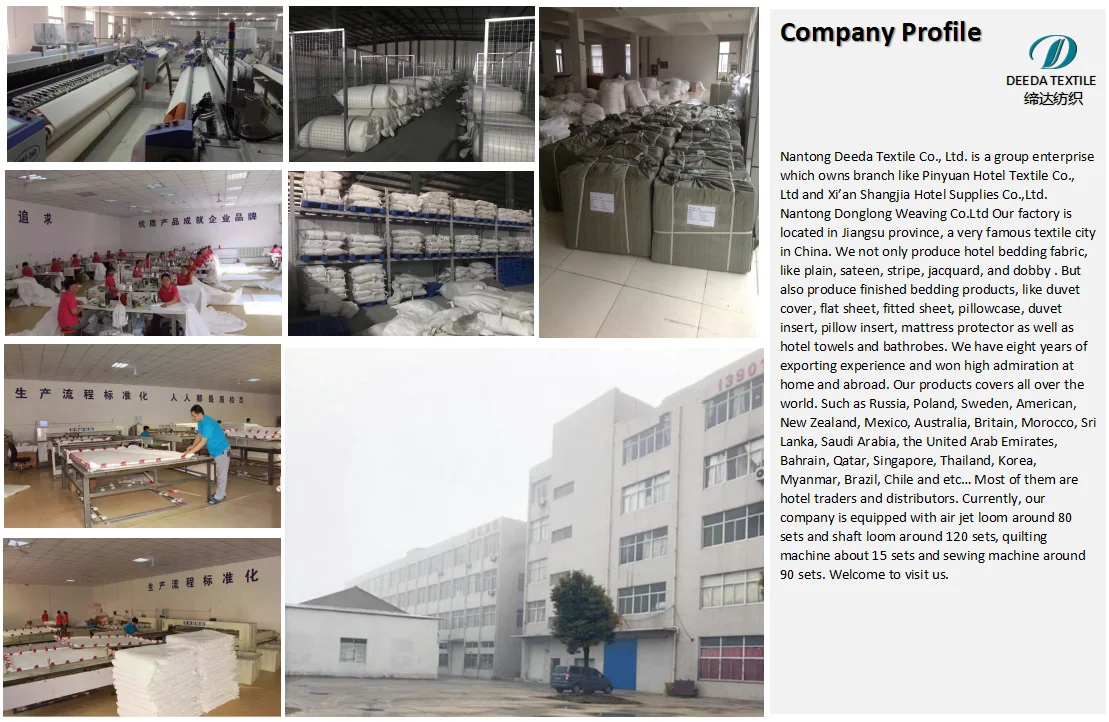
Nantong Deeda Textile Co., Ltd.
- Manufacturer, Trading Company
- Jiangsu, China
- Lead time30 days
- Avg. response≤ 5h
Main productshotel bedding set,hotel bedding cotton fabric,hotel bed linen,hotel sheet fabric,hotel towels and bathrobes
Main marketsMid East(34.00%), Western Europe(25.00%), Domestic Market(10.00%), Oceania(5.00%), Africa(5.00%), Southeast Asia(5.00%), South Asia(4.00%), South America(3.00%), Southern Europe(3.00%), Eastern Europe(2.00%), Central America(2.00%), Eastern Asia(1.00%), North America(1.00%)

Hangzhou Winde Home Furnishing Co., Ltd.
- China Jiangsu
- Lead time0 days
- Avg. response≤ 5h
Main productsBedding, Bedding Set, Duvet Cover Set, Bed Sheet Set, Hotel Bedding, Crib Bedding, Baby Bedding, Blanket, Bedspread, Towel

Hangzhou Yaoyang Technology Co., Ltd.
- Trading Company,Manufacturer/Factory
- China Zhejiang
- Lead time15 days
- Avg. response≤ 25h
Main productsPolyester Fiber, Plush Toys, Fabric, Air Cepration Plant, Paper
Main marketsSouth America,Eastern Europe,Mid East,North America,Southeast Asia,Eastern Asia,Oceania,Western Europe,Africa

Shanghai Easun Group Imp & Exp Co., Ltd.
- Verified by TUVRHEINLAND
- Trading Company
- China Shanghai
- Lead time15 days
- Avg. response≤ 19h
Main productsBlankets, Home Slippers, Bedding Sets, Towel, Amenity Kits, Airline Supply, Hospital Supply, Hotel Supply, Railway Supply, Pillow&Case
Main marketsAfrica,Southeast Asia/ Mideast,Europe


Feather Down Comforter Cotton Quilt Blanket Silk Quilt Cartoon Bedding Set
$2.00 - $7.00
MOQ: 500 piece

Jinjiang Jiaxing Import and Export Co., Ltd.
- Verified by CTI
- Manufacturer/Factory
- China Fujian
- Lead time120 days
- Avg. response≤ 2h
Main productsShoes, Slipper, Clothes, Promotion Gifts, Silicone Products, Outdoor Sports Products, Bags, Fashion Accessories, Consumer Electronics
Main marketsSouth America,Eastern Europe,Mid East,North America,Southeast Asia,Eastern Asia,Oceania,Western Europe,Africa

Shenzhen Sachikoo Yongfa Technology Co., Ltd.
- Verified by TUVRHEINLAND
- Combined
- China Guangdong
- Lead time15 days
- Avg. response≤ 3h
Main productsSafe, Telephone, LED Mirror, Electric Kettle, Mini Fridge, Hairdryer
Main marketsSouth America,Southeast Asia/ Mideast,Europe,Australia,North America

Shandong Maybon Textiles Co., Ltd
- Verified by CTI
- Trading Company
- China Shandong
- Lead time23 days
- Avg. response≤ 11h
Main productsBed Sheet Fabric, Polyester Cotton Blended Fabric, Cotton Fabric, Linen Fabric, Bed Set, Bamboo Fabric, Home Textile Fabric, Hotel Bed Sheet, Hotel Linen
Main marketsEast Asia(Japan/ South Korea),North America

KAIHUA WECAN TEXTILE CO., LTD.
- Trading Company
- China Zhejiang
- Lead time30 days
- Avg. response≤ 16h
Main productsTowel, Bed Sheet Set, Quilt, Blanket, Car Seat Fabric, Bus Curatin
Main marketsEurope,Australia,North America
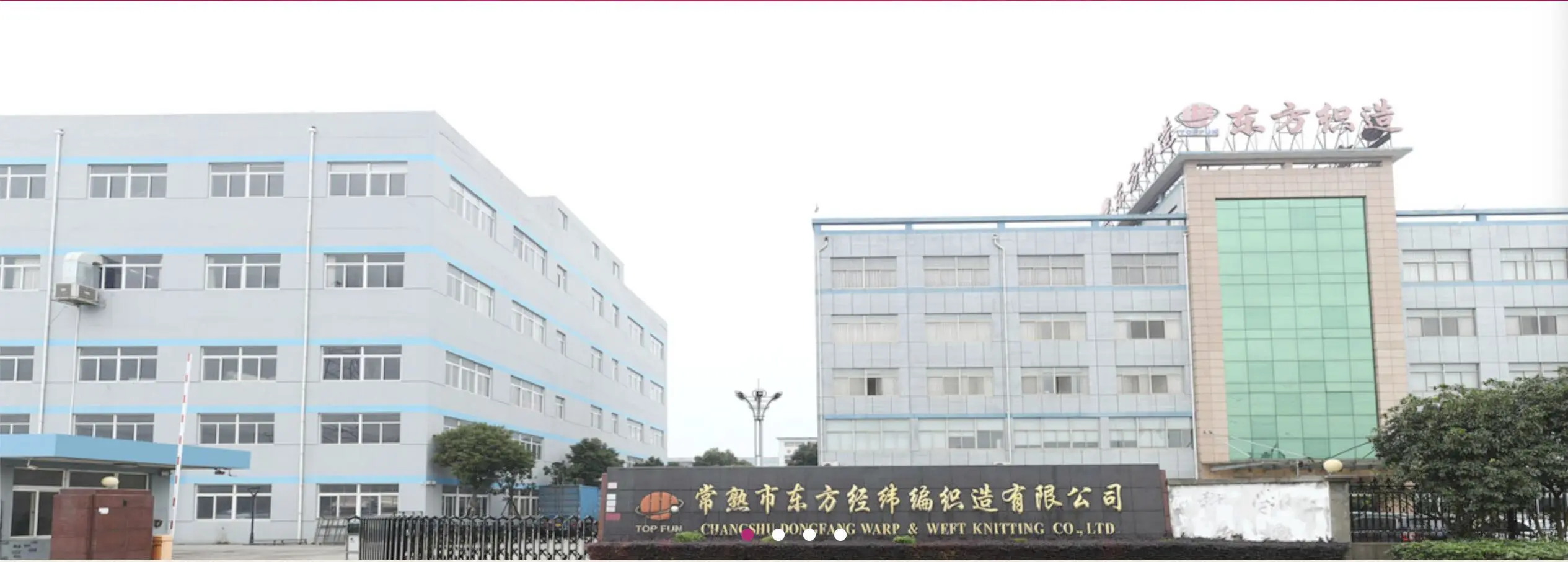
Changshu Dongfang Warp& Weft Knitting Co., Ltd.
- Manufacturer, Trading Company
- Jiangsu, China
- Lead time30 days
- Avg. response≤ 6h
Main productsFabric / Micro Velboa / Coral Fleece / PV Fleece / Flannel / Velvet,Quilt / Blanket
Main marketsEastern Europe(20.00%), South America(15.00%), Southeast Asia(12.00%), Domestic Market(9.00%), Mid East(8.00%), Northern Europe(7.00%), North America(7.00%), Eastern Asia(6.00%), South Asia(4.00%), Western Europe(3.00%), Africa(3.00%), Southern Europe(2.00%), Oceania(2.00%), Central America(2.00%)
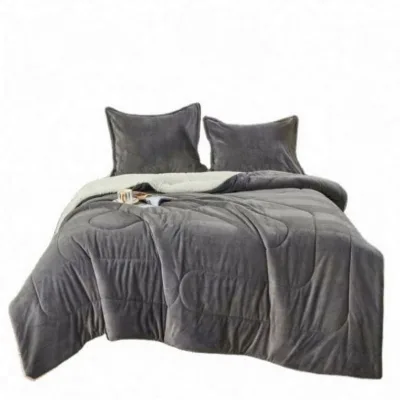
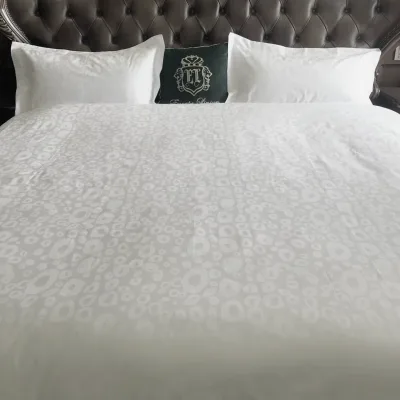
High Quality Jacquard Bedding Luxury Set Comforter Soft Sheet and Pillowcase Set Luxury Bedding Sets
$10.3602 - $10.5669
MOQ: 500 kilograms
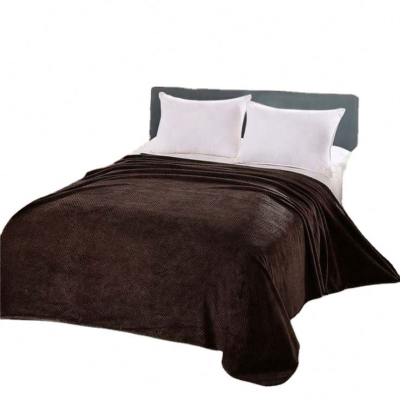
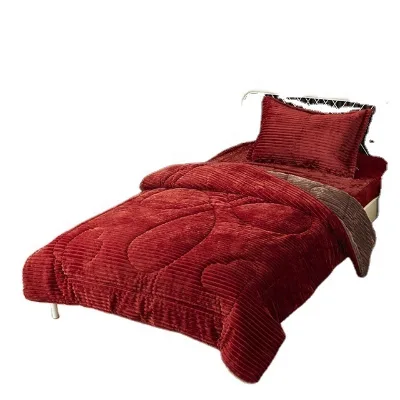
Comforter Sets Bedding Luxury king Printed Bedding Fabric Brushed Microfiber Winter Bedding
$11.8731 - $12.1832
MOQ: 500 kilograms
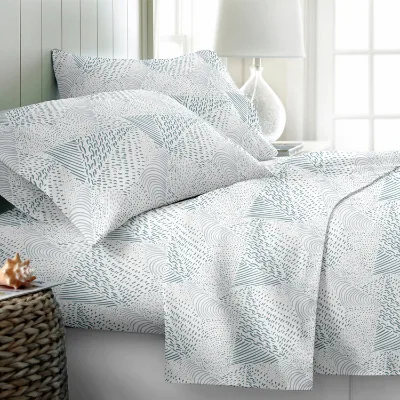
Ningbo Yinzhou Kingsoft Textiles Co., Ltd.
- Verified by SGS Group
- Manufacturer, Trading Company
- Lead time40 days
- Avg. response≤ 3h
Main productsBedding, Shower Curtain, Towel, Curtain, Table Cloth
Main marketsNorth America(45%), South America(20%), Western Europe(15%)
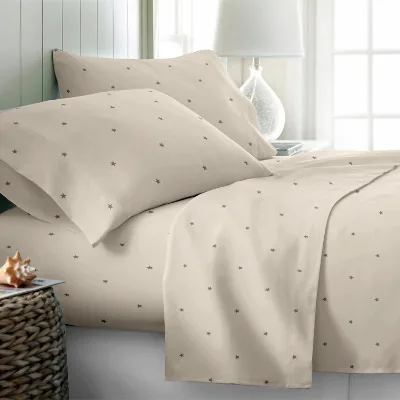
$3.5892 - $4.7816
MOQ: 100 sets

Shandong Angel Home Textile Co., Ltd.
- Combined
- China Shandong
- Lead time30 days
- Avg. response≤ 12h
Main productsMattress Cover, Mattress Protector, Duvet, Comforter, Pillow, Blanket, Bedding Linen, Home Textile
Main marketsSouth America,Africa,Southeast Asia/ Mideast,East Asia(Japan/ South Korea),Domestic,Europe,Australia,North America

Changxing Wandu Textile Co., Ltd.
- Verified by BV
- Manufacturer/Factory
- China Zhejiang
- Lead time23 days
- Avg. response≤ 19h
Main productsPolyester Fabric, Bedsheet Fabric, White Fabric, Mattress Fabric, Bedsheet, Home Textile, Hotel Fabric, Printing Fabric, Peach Skin Fabric, Printed Fabric
Main marketsSouth America,Eastern Europe,Mid East,North America,Southeast Asia,Eastern Asia,Oceania,Western Europe,Africa

Jinjiang Jiaxing Supply Management Co., Ltd.
- Verified by TUVRHEINLAND
- Trading Company
- China Fujian
- Lead time30 days
- Avg. response≤ 2h
Main productsEVA Clogs, Flip Flop, Shoe Charms, Shopping Bags, Wristbands, Gifts, Promotional Gifts, Slipper, Sport Cap, Ball
Main marketsNorth America
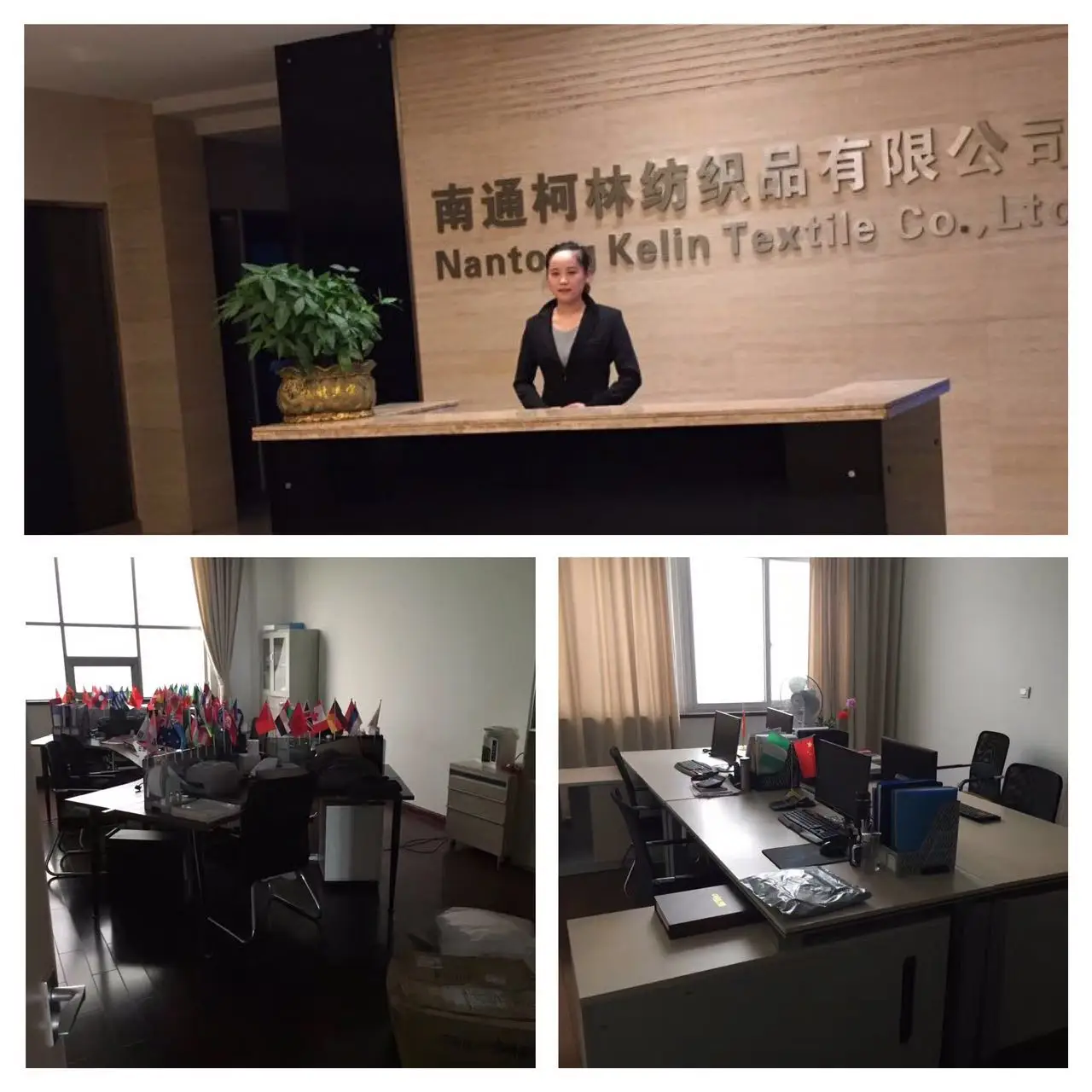
Nantong Kelin Textile Co., Ltd.
- Manufacturer, Trading Company
- Jiangsu, China
- Lead time30 days
- Avg. response≤ 5h
Main productsBed Linen; Bath Linen; Fabric
Main marketsDomestic Market(44.00%), Mid East(20.00%), Southeast Asia(20.00%), North America(10.00%), Oceania(3.00%), Eastern Asia(2.00%), Africa(1.00%)
Ningbo Jemo Textile Tech Co., Ltd.
- Trading Company
- Zhejiang, China
- Lead time0 days
- Avg. response≤ 1h
Main productsWeighted Blanket, Knitted Blanket, Outdoor Blanket, Bed Sheet Sets, Comforter And Duvet
Main marketsSouth America(30.00%), North America(20.00%), Oceania(10.00%), Western Europe(10.00%), Southern Europe(10.00%), Northern Europe(10.00%), Eastern Europe(10.00%)
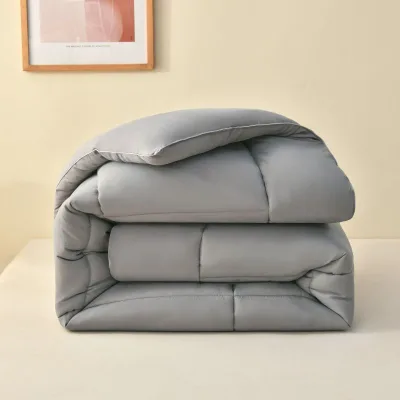
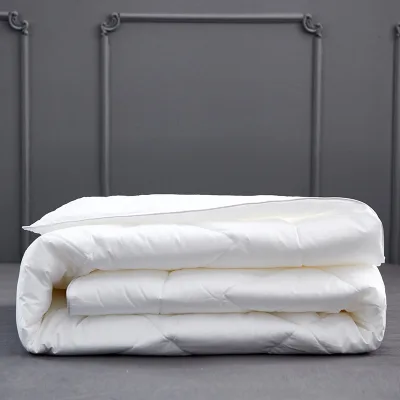
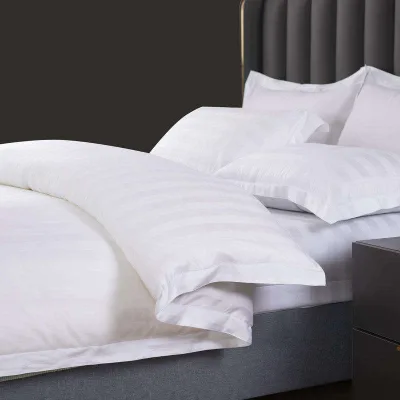
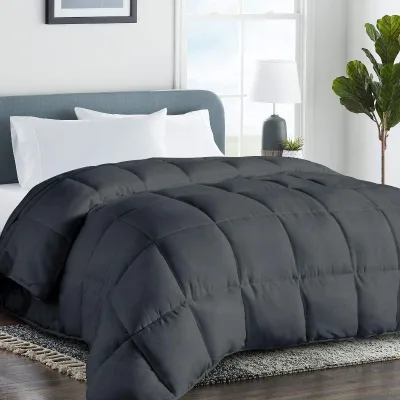
Best-Selling Quality Bedding All-Season Comfortable Breathable White Cooling Comforter
$3.3256 - $8.8307
MOQ: 10 pieces
Nantong Youmian Haochen Textile Co., Ltd.
- Verified by SGS Group
- Manufacturer, Trading Company
- Lead time35 days
- Avg. response≤ 4h
Main productsBedding Sets, Towels, Quilt, Bathrobe, Mattress
Main marketsDomestic Market(70%), Eastern Asia(15%), Mid East(7%)
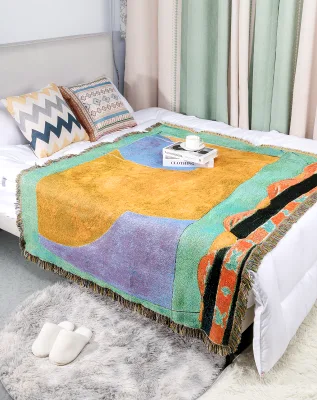
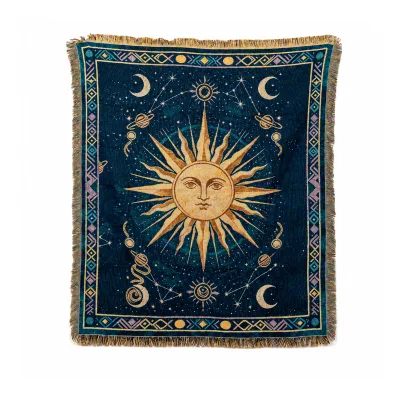
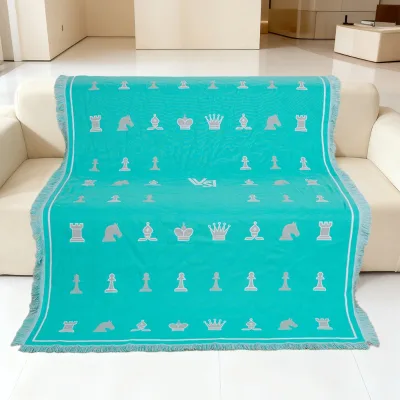


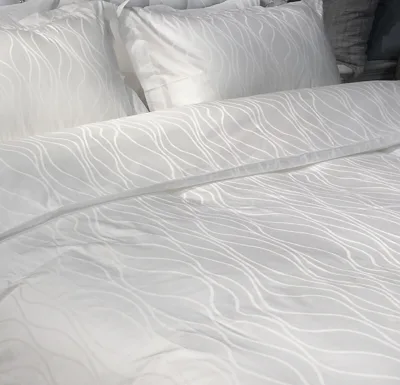



Comprehensive Sourcing Guide
Jacquard Bedding Supplier Concentration and Factory Types
The landscape for sourcing Jacquard Bedding reveals a distinct mix of manufacturing capabilities and trading structures that buyers must navigate carefully. Current data indicates that suppliers operating in this sector are primarily categorized as either manufacturers or trading companies, with some entities identifying as a hybrid of both. This structural diversity directly impacts how a buyer should approach initial outreach and negotiation. When evaluating potential partners, it is crucial to understand that a trading company may offer a broader portfolio of finished goods, such as woven blankets, beach towels, and table runners, whereas a dedicated manufacturer might focus intensely on the technical aspects of weaving and fabric processing. The presence of both types in the search results suggests that buyers have access to varied supply chain models, each with its own set of advantages regarding flexibility, pricing, and direct factory communication.
Understanding the specific company type is the first step in aligning your sourcing strategy with your operational needs. For instance, some suppliers list their main products to include baby diapers, muslin swaddles, and mattress protectors alongside jacquard blankets, indicating a specialized focus on infant and nursery textiles. Others may concentrate on home textiles like cushions, mats, and rugs, suggesting a broader home decor orientation. This variation in main product lines can serve as a proxy for the supplier’s core competency. A supplier whose primary output is woven jacquard blankets and throws likely possesses more specialized loom equipment and expertise in complex weave patterns compared to a general trading company that aggregates products from multiple factories. Buyers should scrutinize the company type declaration to gauge whether they are dealing with the source of production or an intermediary, as this distinction will influence lead times, customization capabilities, and the depth of technical support available during the development phase.
How to Verify Jacquard Bedding Suppliers
Verification is a critical phase in the sourcing process, ensuring that the claims made by suppliers regarding their capabilities and certifications are accurate and reliable. Several key verification metrics are available in the current supplier results, providing a framework for assessing credibility. One prominent indicator is the verification status provided by third-party inspection groups, such as SGS Group. Suppliers displaying this verification have undergone specific audits that confirm their business legitimacy and operational standards. Additionally, system certifications play a pivotal role in establishing trust, particularly for international buyers. Certifications such as the General Certificate of Conformity (GCC), BSCI, and ISO 9001 are visible in the data, signaling adherence to specific quality management and social compliance standards. These credentials are not merely decorative; they often reflect the supplier’s ability to maintain consistent production quality and ethical labor practices, which are essential for long-term partnerships.
Beyond static certifications, dynamic performance metrics offer real-time insights into a supplier’s reliability and responsiveness. Response time is a measurable factor that can indicate how quickly a supplier engages with potential buyers. In the observed data, response times vary, with some suppliers showing a rapid response rate of two hours, while others may take longer, such as five to six hours. This metric is particularly important for buyers who require quick turnaround on samples or urgent order modifications. Furthermore, the availability of sample processing and graphic processing capabilities suggests that these suppliers are equipped to handle customized orders, a common requirement in the Jacquard Bedding market. Buyers should prioritize suppliers who not only hold relevant certifications but also demonstrate a proven track record of quick communication and flexible production capacities. It is advisable to request proof of these certifications and verify the authenticity of the SGS verification status before committing to any significant orders, ensuring that the supplier’s claims are substantiated by independent evidence.
What to Compare Across Jacquard Bedding Suppliers
When evaluating multiple suppliers for Jacquard Bedding, a structured comparison of key operational metrics is essential to identify the most suitable partner for your specific business needs. One of the most significant differentiators is the minimum order quantity (MOQ), which can vary dramatically across the supplier base. Some suppliers offer an MOQ of just one piece, catering to small businesses, dropshippers, or those testing new designs, while others require substantial volumes, such as two thousand pieces or even one thousand pieces. This disparity directly impacts your inventory risk and cash flow. Additionally, price ranges provide another layer of comparison, with costs varying based on material composition, weave complexity, and order volume. For example, prices for certain jacquard blankets may range from as low as five dollars to over fourteen dollars per unit, depending on the specific product features and customization requirements. Buyers must weigh these costs against the quality and service level provided to determine the true value proposition.
Lead time and response speed are equally critical factors that influence your ability to meet market demand and customer expectations. The observed data shows lead times ranging from twenty-three to twenty-five days, which is a crucial detail for planning production schedules and shipping logistics. Suppliers with shorter lead times may offer a competitive advantage in fast-moving markets, while those with longer lead times might be better suited for planned, bulk orders. Furthermore, the capacity for customization, including OEM and ODM services, is a vital consideration for brands looking to differentiate their products. Some suppliers explicitly state their ability to accept customized designs and offer sample processing within five to seven days, which accelerates the product development cycle. Buyers should create a comparison matrix that includes these variables—MOQ, price, lead time, response time, and customization capabilities—to objectively assess each supplier. This data-driven approach helps in selecting a partner that aligns with your strategic goals, whether they prioritize speed, cost-efficiency, or high-volume production capabilities.
Common Jacquard Bedding Sourcing Risks
Sourcing Jacquard Bedding involves several inherent risks that buyers must proactively manage to ensure a smooth procurement process. One significant risk is the variability in product specifications and quality, particularly when dealing with customized orders. Jacquard weaving is a complex process that requires precise control over thread tension and pattern alignment. If a supplier lacks the necessary technical expertise or quality control measures, the final product may not match the approved sample in terms of pattern accuracy, color consistency, or fabric feel. This discrepancy can lead to customer dissatisfaction and potential returns. Additionally, the use of different materials, such as polyester blends versus 100% cotton, can significantly affect the product’s performance and durability. Buyers must ensure that the material specifications are clearly defined in the contract and that the supplier adheres strictly to these requirements. Failure to do so can result in receiving products that do not meet the expected quality standards, leading to financial losses and reputational damage.
Another common risk is the potential for delays in production and shipping, which can disrupt your supply chain and impact your ability to meet market demand. Lead times can be affected by various factors, including raw material availability, production capacity, and logistical challenges. Suppliers with high order volumes may experience bottlenecks, leading to extended lead times beyond the initially quoted period. Furthermore, the reliance on third-party logistics can introduce additional uncertainties, such as customs delays or shipping disruptions. To mitigate these risks, buyers should establish clear communication channels with their suppliers and request regular updates on production progress. It is also advisable to include penalty clauses in the contract for late deliveries, although this should be balanced with a collaborative approach to problem-solving. By understanding these potential risks and implementing robust mitigation strategies, buyers can protect their interests and ensure a more reliable sourcing experience for Jacquard Bedding products.
Jacquard Bedding Regional Sourcing and Logistics
The geographic location of suppliers plays a crucial role in determining logistics costs, lead times, and overall supply chain efficiency. Current data indicates that suppliers for Jacquard Bedding are primarily located in specific regions of China, such as Shandong and Hebei. These regions are known for their textile manufacturing capabilities, offering a concentration of factories and trading companies that specialize in various home textile products. Sourcing from these regions can provide buyers with access to a wide range of suppliers and competitive pricing due to the established infrastructure and economies of scale. However, it is important to note that logistics costs and transit times can vary depending on the specific port of departure and the destination market. Buyers should consider the proximity of the supplier to major shipping hubs to minimize transportation costs and reduce the risk of delays.
In addition to domestic logistics, international shipping considerations are vital for global buyers. The choice of shipping method, whether by sea or air, will significantly impact the cost and speed of delivery. Sea freight is generally more cost-effective for large volumes but involves longer transit times, while air freight offers faster delivery but at a higher cost. Buyers should evaluate their inventory requirements and cash flow constraints to determine the most appropriate shipping strategy. Furthermore, understanding the import regulations and tariff structures of the destination country is essential to avoid unexpected costs and compliance issues. By carefully assessing the regional sourcing options and logistics implications, buyers can optimize their supply chain and ensure that their Jacquard Bedding products reach the market efficiently and cost-effectively. This strategic approach to regional sourcing and logistics management is key to maintaining a competitive edge in the global home textile market.
Jacquard Bedding Commercial Terms and Order Planning
Effective order planning and clear commercial terms are fundamental to successful sourcing of Jacquard Bedding. Buyers must carefully review the payment terms, warranty policies, and after-sales support offered by suppliers to ensure a fair and secure transaction. Common commercial terms include advance payments, letters of credit, and escrow services, each with its own set of advantages and risks. Escrow services, for instance, provide an additional layer of security by holding funds until the buyer confirms receipt and satisfaction with the goods. This can be particularly beneficial for new suppliers or large orders where trust has not yet been established. Additionally, buyers should inquire about the supplier’s return and refund policies in case of quality issues or discrepancies from the agreed specifications. Clear communication regarding these terms can prevent misunderstandings and disputes later in the procurement process.
Furthermore, order planning should take into account the supplier’s production capacity and lead times to ensure timely delivery. Buyers should align their order quantities with the supplier’s MOQ and production schedule to avoid delays or excess inventory. It is also advisable to establish a long-term relationship with a reliable supplier, which can lead to better pricing, priority production, and improved service levels. Regular communication and feedback can help strengthen this relationship and ensure continuous improvement in product quality and service. By focusing on robust commercial terms and strategic order planning, buyers can mitigate risks, optimize costs, and build a sustainable supply chain for their Jacquard Bedding products. This proactive approach to commercial management is essential for achieving long-term success in the competitive home textile industry.
FAQs
What is the price range for jacquard blankets?
Jacquard blankets typically range from $1.50 to $16.00 per unit depending on material and complexity. Basic cotton options start around $1.50, while premium woven jacquard designs can reach $16.00. Prices vary based on weight, pattern intricacy, and customization requirements for bulk orders.
What materials are used in Jacquard Bedding?
Jacquard Bedding is commonly made from 100% polyester, polyester/cotton blends, or 100% cotton. These materials offer durability and softness suitable for all-season use. The choice of fabric impacts the blanket's weight, cooling features, and overall texture for home or travel applications.
What is the minimum order quantity for jacquard blankets?
Minimum order quantities vary significantly by supplier and product type. Some suppliers accept orders as low as one piece for samples or custom designs. Others require minimums of 1,000 to 2,000 pieces for standard bulk production runs of cotton or polyester jacquard blankets.
How long does production take for jacquard blankets?
Production lead times generally range from 23 to 25 days for standard orders. Sample processing may take 5 to 7 days. These timelines depend on order volume, customization complexity, and specific supplier capabilities for woven or printed jacquard designs.
Are jacquard blankets customizable for branding?
Yes, many suppliers offer OEM and ODM services for jacquard blankets. Customization includes design, pattern, size, and branding. Suppliers support graphic processing and customized on-demand production, allowing buyers to create unique bedding products with specific colors, weights, and packaging requirements.
What certifications do jacquard blanket suppliers have?
Suppliers often hold certifications such as BSCI, ISO 9001, ISO 9000, and General Certificate of Conformity. These certifications ensure quality management and compliance with international standards. Buyers should verify specific certifications relevant to their market requirements and product safety regulations.