non-slip washable carpet runner Suppliers and Manufacturers
Compare 23 verified suppliers offering non-slip washable carpet runner options with varying lead times, response speeds, and certifications. Review product attributes like anti-slip backing and customization availability before requesting quotes; review the available evidence before requesting comparable quotations from suitable candidates.
Updated
Suppliers List

TIANJIN DOMISUN HOUSEWARE CO.,LTD
- Verified by CTI
- Combined
- China Tianjin
- Lead time30 days
- Avg. response≤ 4h
Main marketsSouth America,Africa,Europe

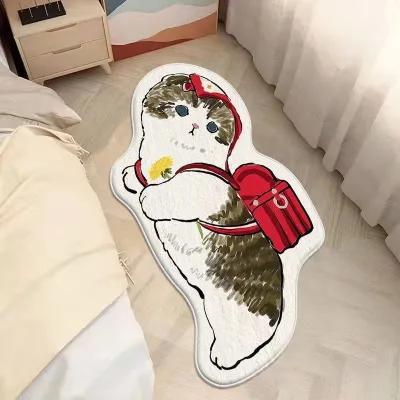
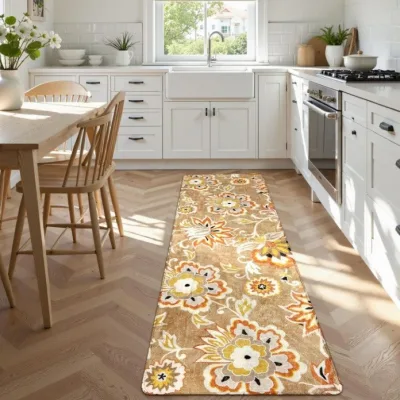
Washable Cartoon Cat Printed Anti Fatigue Non Slip Kitchen Runner Rug
$3.15 - $3.31
MOQ: 100 Square Meters


$3.40 - $3.63
MOQ: 100 Square Meters


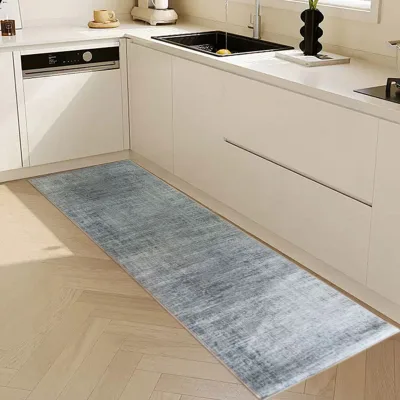
Non-Slip Hallway Runner Washable Absorbent Floor Mat Washable Non-Slip Bottom Runner
$3.17 - $3.31
MOQ: 100 Pieces

Hangzhou Yirun Environmental Protection Technology Co., Ltd.
- Trading Company
- Zhejiang, China
- Lead time15 days
- Avg. response≤ 3h
Main productsLogo mat,Carpet tile,Bath mat,Entrance Mat,Floor tile
Main marketsCentral America(20.00%), Southeast Asia(10.00%), Domestic Market(9.00%), South Asia(8.00%), Southern Europe(8.00%), Northern Europe(8.00%), North America(6.00%), Oceania(5.00%), Eastern Europe(5.00%), South America(5.00%), Mid East(5.00%), Western Europe(5.00%), Eastern Asia(5.00%), Africa(1.00%)
Hengxuan E-Commerce (tianjin) Co., Ltd.
- Verified by TüVRheinland
- Trading Company
- Lead time0 days
- Avg. response≤ 11h
Main productsTufted Carpets, Woven Carpets, Printed Carpets, Faux Fur Rugs, Bath Rugs
Main marketsDomestic Market(38%), North America(20%), Africa(10%)
$3.2522 - $4.142
MOQ: 1 square
- Trading Company
- Lead time旺季: "1 - 250":25,"251 - 5000":35,"> 5000":"To be negotiated", 淡季: "1 - 250":25,"251 - 5000":35,"> 5000":"To be negotiated"
- Avg. response≤ 2h
Main productsCarpets and Rugs, Throw Blanket, Faux Fur, Decorative Pillow
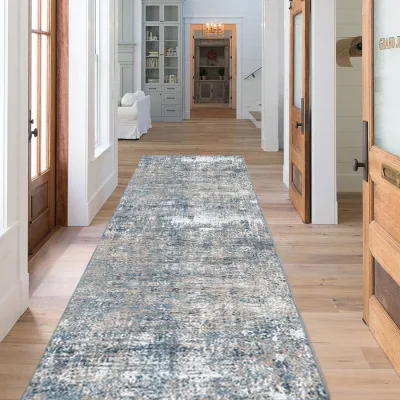
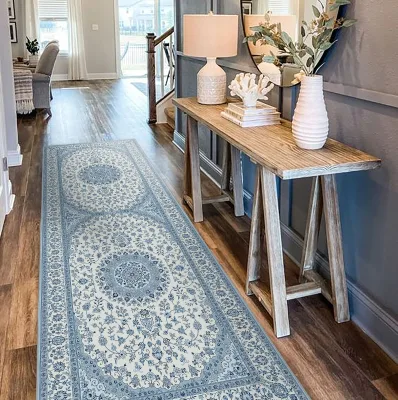
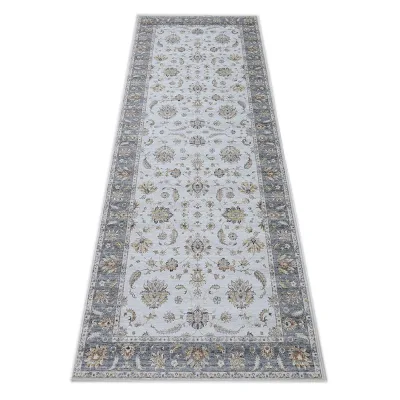
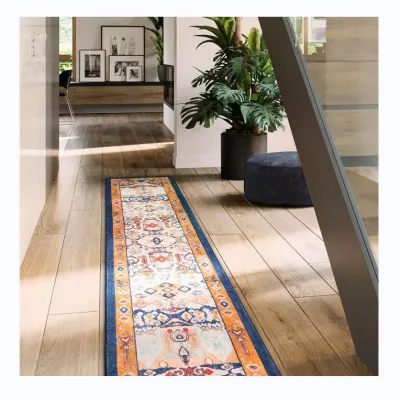
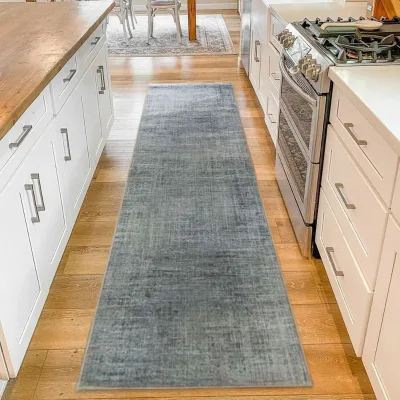
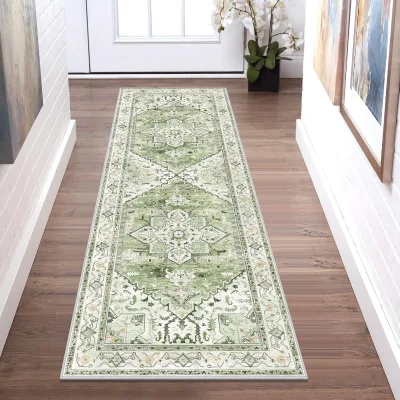
Machine Washable Hallway Long Size Runner Rug
$4.11 - $5.84
Tianjin Hdt Textile S& T Co., Ltd.
- Verified by TüVRheinland
- Manufacturer, Trading Company
- Lead time10 days
- Avg. response≤ 4h
Main productsBejirog Carpets, Printed Carpets, PV Shaggy Carpet, Diatom Mud Bathroom Mat, Kitchen Mat
Main marketsSoutheast Asia(50%), North America(15%), Mid East(15%)
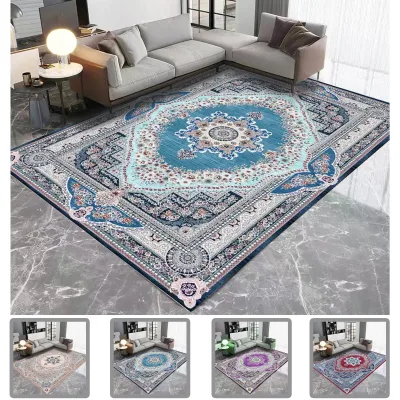
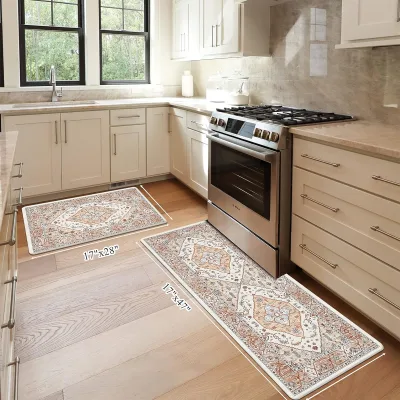
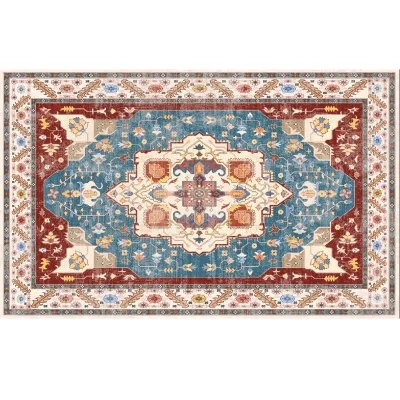
Luxury Non Slip Large Traditional Rugs Bedroom Living Room Carpet Hallway Runner
$3.20 - $5.50
MOQ: 500
$1.5549 - $3.1084
MOQ: 100 square
Jackson Carpet (Qingdao) Co., Ltd.
- Verified by SGS Group
- Manufacturer, Trading Company
- Lead time30 days
- Avg. response≤ 1h
Main productsKids Rug, Door Mat, Area Rug, Logo Mat, Golf Mat
Main marketsWestern Europe(28%), Domestic Market(20%), North America(15%)
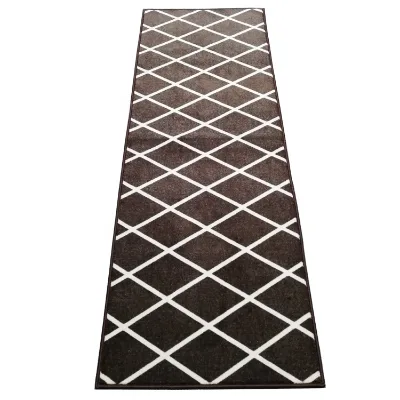
Custom Hallway Runners Bedroom Kitchen Corridor Rug Carpet Runner Rugs
$4.1045 - $7.6952
MOQ: 300 square
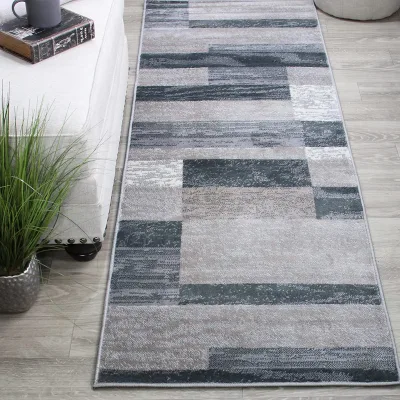
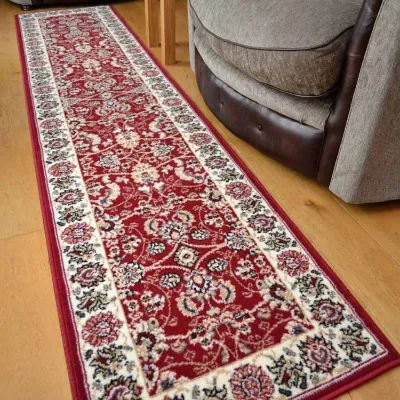
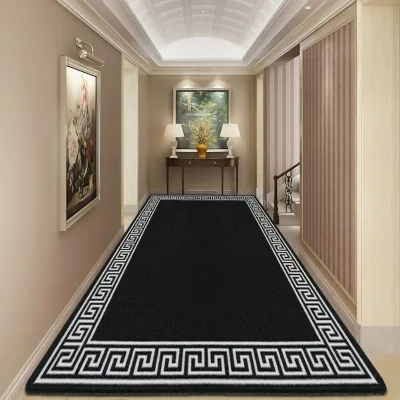
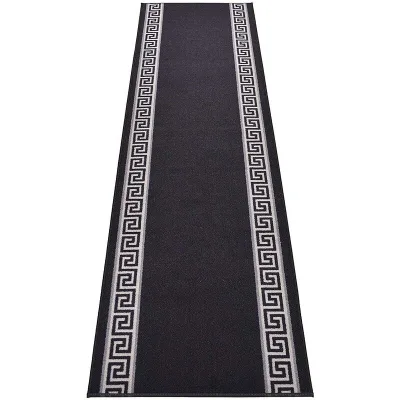
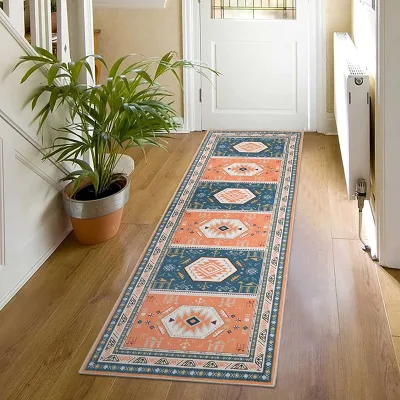
New Design Very Long Hallway Hall Carpet Runners
$4.80 - $6.50
Shandong Front Carpet Co.,ltd.
- Manufacturer, Trading Company
- Shandong, China
- Lead time30 days
- Avg. response≤ 8h
Main productsCar Carpet, Nonwoven Needle Punch Carpet, Tufted Carpet, Door Mat
Main marketsNorth America(25.00%), Western Europe(20.00%), Domestic Market(20.00%), Southeast Asia(20.00%), Mid East(10.00%), Eastern Europe(5.00%)
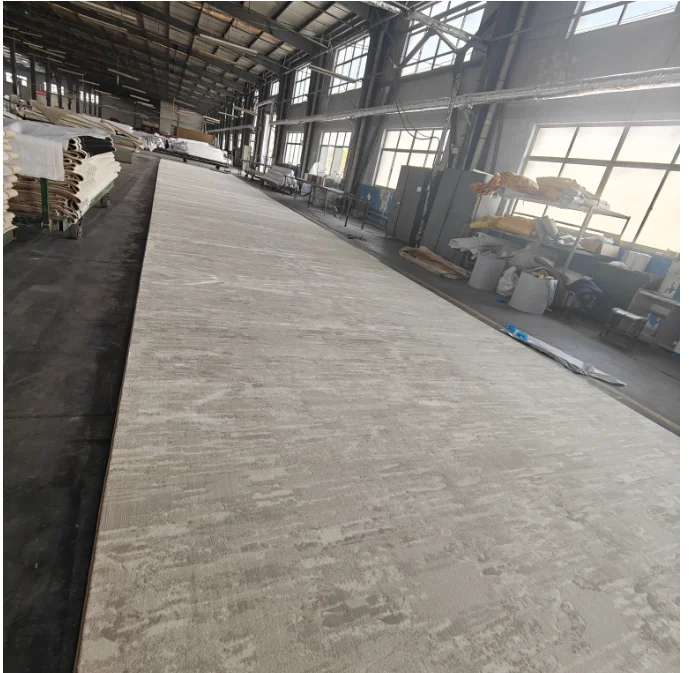
Tianjin Domisun Houseware Co., Ltd.
- Trading Company
- Tianjin, China
- Lead time30 days
- Avg. response≤ 4h
Main productscarpet,rug,tufted rug,Printed Logo Mat,wall to wall carpet
Main marketsWestern Europe(25.00%), North America(25.00%), Northern Europe(20.00%), Eastern Europe(15.00%), Mid East(10.00%), Southeast Asia(5.00%)

Gongyi Miracle Trading Co., Ltd.
- Verified by TUVRHEINLAND
- Trading Company
- China Henan
- Lead time15 days
- Avg. response≤ 3h
Main productsCustom Rug, Logo Rug, Hand Tufted Rug, Printed Rug, Modern Rug, Coir Mat, Coil Mat, Machine Tufted Rug, Door Mat, Rubber Mat
Main marketsNorth America

Floor Carpet Runner Exterior Carpet Throw Rug Nondisposable Carpets Designer Carpet Tiles
$29.00 - $59.00
MOQ: 5 Square Meters

$11.00 - $42.00
MOQ: 5 Square Meters

$14.00 - $30.00
MOQ: 5 Square Meters

Guangzhou MyWow Decor Co., Ltd
- Combined
- China Guangdong
- Lead time15 days
- Avg. response≤ 9h
Main productsWall Panel, Artificial Plant, Mat, Pegatina De Pared, Artificial Grass, Wall Sticker
Main marketsSouth America,Europe,North America

Foshan Shengyibo Carpet Co.,Ltd.
- Verified by BV
- Combined
- China Guangdong
- Lead time15 days
- Avg. response≤ 4h
Main productsCarpet, Rug, Wool Carpet, Wool Rug, Carpet Tile, Wall to Wall Carpet, Commercial Carpet, Residential Carpet, Hotel Carpet, Floor Carpet
Main marketsAfrica,Southeast Asia/ Mideast,Domestic,Europe,North America
Tianjin Jiuhua Carpet Co., Ltd.
- Verified by SGS Group
- Manufacturer, Trading Company
- Lead time7 days
- Avg. response≤ 3h
Main productsCarpet
Main marketsNorth America(15%), South America(15%), Southeast Asia(10%)
Zhejiang Aopeng Commodity Co., Ltd.
- Verified by SGS Group
- Trading Company
- Lead time20 days
- Avg. response≤ 3h
Main productsDoor Mat, Floor Mat, Carpet, Washable Rug, Baby Play Mat

Anji Yike Decoration Material Technology Co., Ltd.
- Verified by SGS
- Combined
- China Zhejiang
- Lead time23 days
- Avg. response≤ 7h
Main productsOffice Chair, Mesh Chair, Home Office Furniture, Ergonomic Chair, Swivel Chair, PVC Rugs and Carpet, Gaming Chair, Anti Fatigue Mat, Woven Vinyl Flooring, Woven Vinyl Wall Covering
Main marketsNorth America


Easy to Clean, Cuttable Runner for Home, Hotel, Office, Cafe, Indoor and Outdoor
$8.50 - $9.00
MOQ: 1000 Square Meters
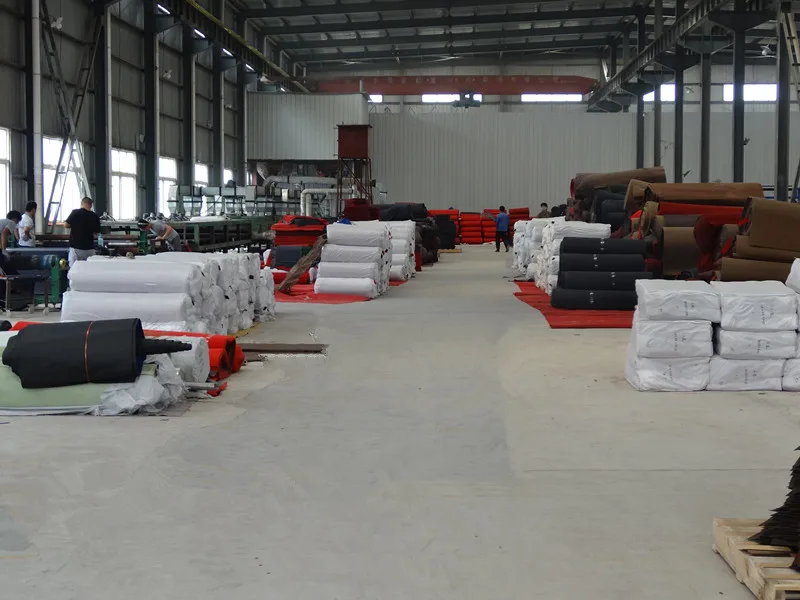
Jinan Laiwu Hengcheng Carpet Co., Ltd.
- Manufacturer, Trading Company
- Shandong, China
- Lead time3 days
- Avg. response≤ 4h
Main productsNon-Woven Carpet,PVCcarpet,TPRcarpet,Striped carpet,Flannelette caepet
Main marketsAfrica(20.00%), Southeast Asia(20.00%), Eastern Europe(20.00%), South America(20.00%), North America(20.00%)
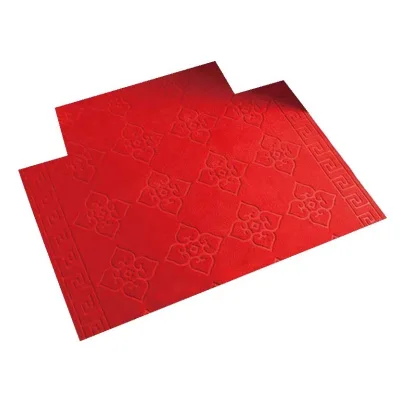
$2.05 - $2.10
MOQ: 1000 pieces
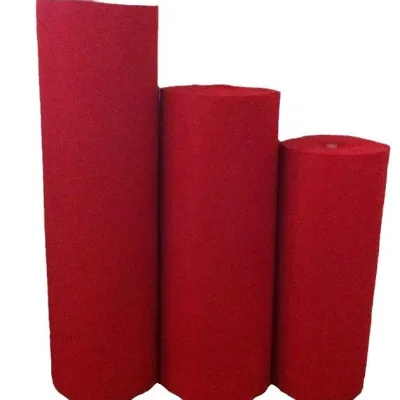
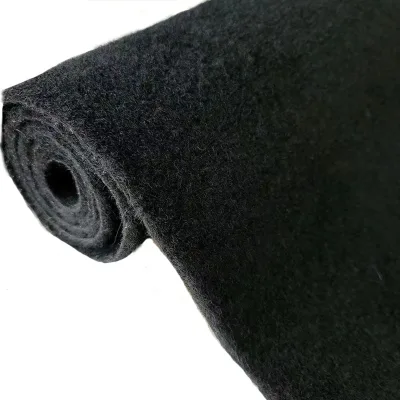
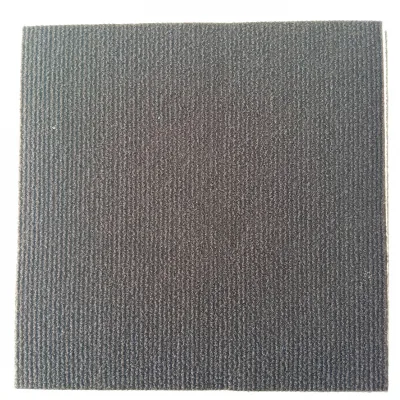
Children's Non-Slip Self-Adhesive Striped Carpet Washable and Reusable Living Room Carpet
$102.8137
MOQ: 100 Minimum
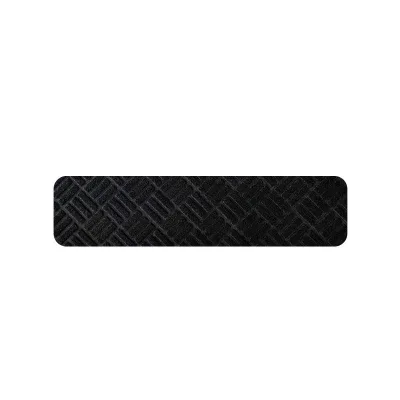
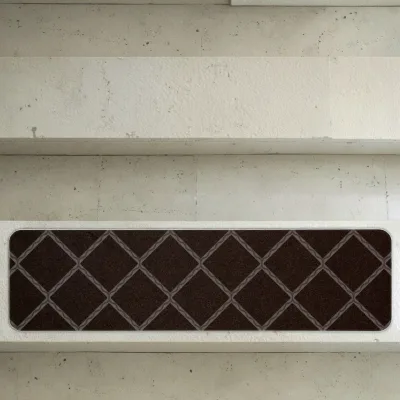
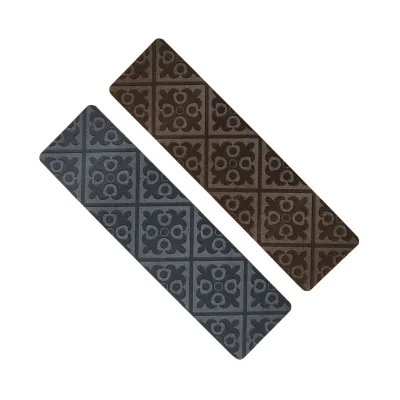
Washable Non-Slip Carpet Stair Treads Set Stair Runner Protect Mat for Home
$0.94 - $0.95
MOQ: 2000 pieces

Hefei Dongfang Qifu Carpet Co., Ltd.
- Verified by SGS
- Trading Company
- China Anhui
- Lead time30 days
- Avg. response≤ 1h
Main productsCarpet and Rug, Wall to Wall Carpet, Carpet Tiles, Area Carpet
Main marketsDomestic

Classic Red Floral Non-Slip Stair Mats Durable Nylon Printed Stair Treads Carpet Runner for Home
$2.50 - $3.50
MOQ: 10 Pieces

High Quality Stair Mat Self Stick Non-Slip Nylon Stair Treads Carpet Runner for Home Commercial
$2.50 - $3.50
MOQ: 10 Pieces

Abstract Design Fluffy Stair Mats Non-Slip Durable Soft Stair Carpet Runner Rugs for Home Decor
$6.50 - $7.50
MOQ: 10 Pieces
Gaoyang County Rongyi Blanket Industry Co., Ltd.
- Verified by Intertek
- Manufacturer, Trading Company
- Lead time0 days
Main productsBlanket
Main marketsMid East(23%), Domestic Market(22%), Africa(13%)
Anhui Jinning Innovative Material Technology Co., Ltd.
- Verified by Intertek
- Manufacturer, Trading Company
- Lead time7 days
- Avg. response≤ 3h
Main productsS Mats
Main marketsSoutheast Asia(50%), Mid East(50%)
Hefei Luoling Household Products Co., Ltd.,
- Verified by TüVRheinland
- Trading Company
- Lead time7 days
- Avg. response≤ 2h
Main productsCustom Carpet, Bath Mat, Kitchen Mat, Living Room Carpet, Door Mat
Zhejiang Wuyi Natural Home Deco Co., Ltd.
- Manufacturer, Trading Company
- Zhejiang, China
- Lead time35 days
- Avg. response≤ 11h
Main productsKitchen Mat, Baby Play Mat, Door Mat, Place Mat, Bath Mat
Main marketsNorth America(41.00%), Domestic Market(21.00%), Eastern Asia(11.00%), Southern Europe(10.00%), Eastern Europe(9.00%), South America(4.00%), Southeast Asia(2.00%), Oceania(1.00%), Western Europe(1.00%)
Shandong Jincheng Carpet Co., Ltd.
- Verified by SGS Group
- Manufacturer, Trading Company
- Lead time15 days
- Avg. response≤ 1h
Main productsDoor mat, Bathroom mat, Stair carpet, Commercial floor mat
Main marketsNorth America(35%), Western Europe(25%), Oceania(20%)

Shandong Rainbow Carpet Co., Ltd.
- Verified by SGS
- Trading Company,Manufacturer/Factory
- China Shandong
- Lead time15 days
- Avg. response≤ 12h
Main productsFloor Carpet, Rugs, Door Mat, PVC Coil Mat, Rib/Stripe Door Mat, PVC S Mat for Swimming Pool, Grass Door Mat, Artificial Grass, Non-Woven Carpet, Stair Carpet
Main marketsSouth America,Eastern Europe,Mid East,North America,Southeast Asia,Eastern Asia,Oceania,Western Europe,Africa

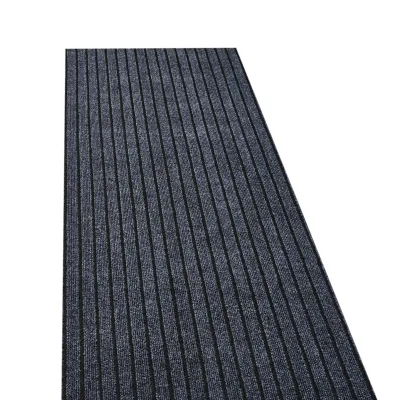
Dirt Stopper Carpet Runner 60cm X 160cm Grey/Black. with Non-Slip Back for Home Office Kitchen
$0.90 - $4.00
MOQ: 500 Pieces


DEZHOU ANKANG IMPORT AND EXPORT CO., LTD.
- Manufacturer/Factory
- China Shandong
- Lead time15 days
- Avg. response≤ 3h
Main productsExhibition Carpet, Carpet, PVC Mat, Geomembrane, Geotextile, PP Woven Fabric, Weed Control Fabric, Rib Carpet, Red Carpet, Velour Carpet
Main marketsSouth America,Eastern Europe,Mid East,North America,Southeast Asia,Eastern Asia,Oceania,Western Europe,Africa

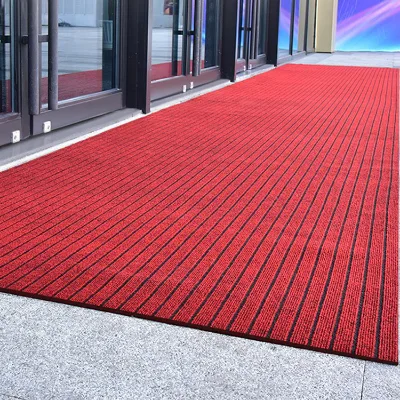
Non-Woven Polyester Red Plain Runner Disposable Outdoor Wedding Carpet
$0.34 - $0.37
MOQ: 500 Square Meters




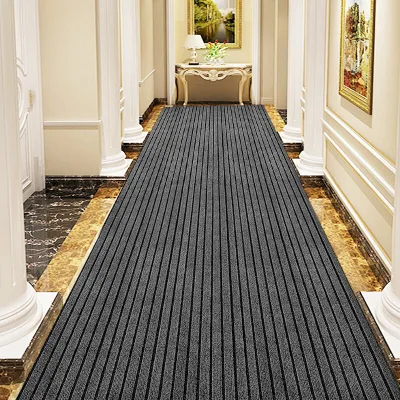
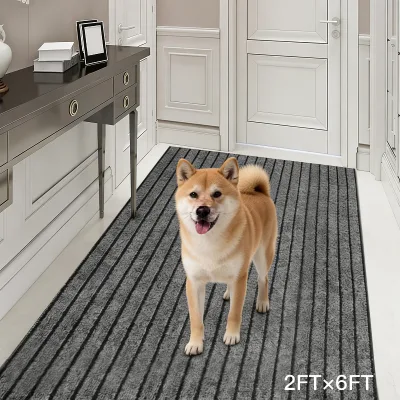
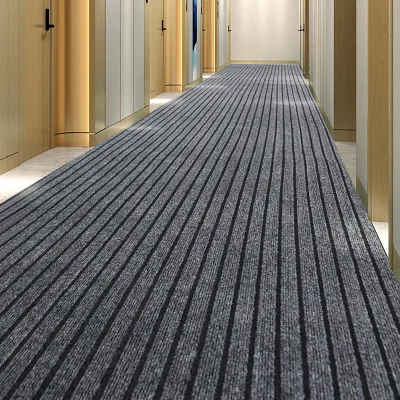
Comprehensive Sourcing Guide
Non-Slip Washable Carpet Runner Supplier Concentration and Factory Types
The current supplier landscape for non-slip washable carpet runners reveals a distinct geographic and structural diversity that buyers must navigate carefully. Evidence indicates that manufacturing operations are concentrated in specific industrial hubs within China, with Tianjin emerging as a notable location for production facilities. This region hosts combined company types that integrate various operational functions, suggesting a streamlined approach to manufacturing and distribution. These entities often specialize in products such as washable cartoon cat printed anti-fatigue rugs and hallway runners, leveraging local supply chains to maintain competitive pricing and rapid turnaround times. The presence of these combined entities in Tianjin highlights the importance of understanding the local industrial ecosystem when evaluating potential partners for bulk orders.
In contrast to the manufacturing-focused hubs, other suppliers operate primarily as trading companies located in regions like Zhejiang. These entities often serve as intermediaries, connecting buyers with a broader array of manufacturers, including those in Shandong. Trading companies typically offer a wider variety of main products, such as logo mats, carpet tiles, and bath mats, which allows for consolidated sourcing opportunities. However, this structure introduces an additional layer in the supply chain that can impact lead times and communication efficiency. Buyers must distinguish between direct factories and trading companies to accurately assess production capabilities, quality control processes, and the true origin of the goods. The distinction between these company types is critical for determining who holds the actual manufacturing authority and who manages the commercial relationship.
How to Verify Non-Slip Washable Carpet Runner Suppliers
Verification is a critical step in mitigating risk when sourcing non-slip washable carpet runners, particularly given the varied company types in the market. Buyers should prioritize suppliers that display third-party verification badges, such as CTI, which indicates that an independent inspection agency has validated the supplier’s business credentials and operational legitimacy. This verification provides a baseline level of trust, confirming that the entity exists and operates within legal frameworks. However, verification alone does not guarantee product quality or manufacturing capacity. It is essential to cross-reference these badges with other data points, such as response times and historical performance metrics, to build a comprehensive profile of the supplier’s reliability.
Beyond basic verification, buyers must scrutinize the specific attributes listed for each product to ensure alignment with their requirements. For instance, checking the place of origin listed in product attributes, such as Shandong or Tianjin, helps confirm the actual manufacturing location rather than just the company’s registered address. Additionally, examining the technical specifications provided, such as backing materials like non-slip rubber or specific thickness ranges, allows buyers to verify that the supplier has the technical expertise to produce the desired features. Buyers should also look for evidence of customization capabilities, such as support for custom logos or patterns, which indicates a mature production line. These detailed checks provide a more accurate picture of the supplier’s actual capabilities than general company descriptions alone.
What to Compare Across Non-Slip Washable Carpet Runner Suppliers
When evaluating multiple suppliers, buyers should compare key operational metrics to identify the most suitable partner for their specific needs. Lead time is a crucial differentiator, with some suppliers offering rapid turnaround times of fifteen days, while others may require thirty days or more. This variance can significantly impact inventory planning and order fulfillment strategies. Buyers should also compare minimum order quantities (MOQ), which can range from small batches to larger industrial orders, to ensure alignment with their purchasing volume. Response time is another vital metric, as quicker replies often indicate better customer service and more efficient communication channels, which are essential for resolving issues during production and shipping.
Price and product specifications are equally important factors in the comparison process. Buyers should analyze the price ranges offered, noting that costs can vary based on material composition, customization options, and order volume. For example, some suppliers may offer competitive pricing for standard sizes, while others might charge premiums for custom dimensions or specialized features like antimicrobial treatments. Additionally, comparing the range of main products offered by each supplier can reveal their versatility. Suppliers offering a diverse portfolio, including logo mats and entrance mats, may provide better value through consolidated shipping and simplified procurement processes. By systematically comparing these dimensions, buyers can make informed decisions that balance cost, speed, and quality.
Common Non-Slip Washable Carpet Runner Sourcing Risks
One of the primary risks in sourcing non-slip washable carpet runners is the discrepancy between advertised specifications and actual product quality. Suppliers may list features such as anti-slip backing or stain resistance, but without rigorous testing or certification, these claims may not hold up in real-world conditions. Buyers must be cautious of suppliers who do not provide detailed technical data or third-party test results for their products. This lack of transparency can lead to receiving goods that do not meet the required performance standards, resulting in customer dissatisfaction and potential returns. It is essential to request samples and conduct independent testing to verify the claimed features before committing to large orders.
Another significant risk is the potential for miscommunication regarding customization and production timelines. Suppliers offering custom designs or logos may have varying levels of expertise in handling these requests, leading to delays or errors in the final product. Additionally, the use of trading companies can introduce complexities in tracking production progress and ensuring quality control at the factory level. Buyers may find themselves dealing with multiple layers of communication, which can obscure critical information and increase the likelihood of misunderstandings. To mitigate these risks, buyers should establish clear communication protocols and request regular updates on production status. Building a direct relationship with the manufacturing team, when possible, can also help ensure that expectations are met and issues are resolved promptly.
Non-Slip Washable Carpet Runner Regional Sourcing and Logistics
Geographic location plays a significant role in determining logistics costs and delivery times for non-slip washable carpet runners. Suppliers located in Tianjin, China, benefit from proximity to major ports and established shipping routes, which can facilitate faster and more cost-effective export processes. This regional advantage allows for efficient handling of bulk orders and reduces the risk of delays associated with long-distance transportation. Buyers should consider the logistical implications of sourcing from different regions, as suppliers in Zhejiang or Shandong may have varying access to shipping infrastructure and customs clearance procedures. Understanding these regional dynamics can help buyers optimize their supply chain and reduce overall procurement costs.
In addition to domestic logistics, buyers must also consider international shipping requirements and regulations. Different regions may have specific standards for packaging and labeling, which can impact the ease of customs clearance in the destination country. Suppliers who are experienced in international trade are likely to have established relationships with freight forwarders and customs brokers, ensuring smoother transit. Buyers should verify that their chosen suppliers have the necessary experience in exporting to their target markets, as this can significantly reduce the risk of shipment delays or additional fees. By carefully evaluating the logistical capabilities of suppliers in different regions, buyers can ensure that their orders arrive on time and in good condition.
Non-Slip Washable Carpet Runner Commercial Terms and Order Planning
Commercial terms and order planning are essential components of a successful sourcing strategy for non-slip washable carpet runners. Buyers should carefully review the payment terms offered by suppliers, including options for escrow services that provide an additional layer of security for transactions. Escrow ensures that funds are only released once the buyer confirms receipt and satisfaction with the goods, reducing the risk of fraud or non-delivery. Additionally, buyers should negotiate clear terms regarding warranties, returns, and dispute resolution to protect their interests in case of quality issues or delivery problems. Establishing these terms upfront can prevent misunderstandings and provide a clear framework for addressing any challenges that may arise during the procurement process.
Order planning involves not only determining the quantity and timing of purchases but also aligning with the supplier’s production capacity and lead times. Buyers should consider the supplier’s ability to handle peak demand periods and their flexibility in accommodating rush orders. Suppliers with higher response times and shorter lead times may be better suited for projects with tight deadlines or fluctuating demand. Furthermore, buyers should evaluate the supplier’s capacity for customization, as this can impact production schedules and costs. By thoroughly planning orders and aligning them with the supplier’s capabilities, buyers can ensure a smooth and efficient procurement process that meets their business needs.
FAQs
What is the price range for non-slip washable carpet runners?
Prices typically range from $3.02 to $60.00 per unit depending on material and customization. Basic printed kitchen mats start around $3.02, while custom nylon logo mats can cost up to $60.00. Buyers should verify specific pricing based on order quantity and selected dimensions.
What is the minimum order quantity for these runners?
The minimum order quantity is generally 100 units for standard printed kitchen mats. Custom logo or specialized runner rugs may have different thresholds. Buyers must confirm the exact MOQ with the supplier before placing an order to ensure production readiness and pricing accuracy.
How long does production take for these rugs?
Lead times vary between 15 and 30 days depending on the supplier and product complexity. Trading companies in Zhejiang may offer faster turnaround times of 15 days, while combined suppliers in Tianjin might require up to 30 days. Always confirm the schedule with your chosen vendor.
Are these runners suitable for commercial use?
Yes, many options are explicitly designed for commercial, hotel, and office environments. Features include anti-slip backing, stain resistance, and durability for high-traffic areas. Some products also support custom designs and logos, making them ideal for branding in commercial spaces like lobbies or hallways.
Can I customize the size and design of the runner?
Customization is widely available, including custom sizes, colors, and printed designs. Suppliers accept custom dimensions and offer various patterns such as abstract, farmhouse, or personalized logos. Buyers should provide specific requirements to ensure the final product meets their exact spatial and aesthetic needs.
What certifications do these suppliers hold?
Some suppliers hold CE, ISO9001, and ISO14001 certifications for quality and environmental management. Others are verified by CTI for product reliability. Buyers should request current certification documents to ensure compliance with international standards and safety requirements for their specific market or project.