Source Acrylic Tufted Carpet for Home Hotel Office
Find 30 verified listings for Acrylic Tufted Carpet suitable for home, hotel, and office spaces. Compare customization options, materials like wool and chemical fiber, and features such as anti-slip and stain resistance to find the right fit; compare the available evidence and request quotations based on your requirements.
Updated
Key considerations
Products List


$80.00 - $110.00
MOQ: 1 Square Meters


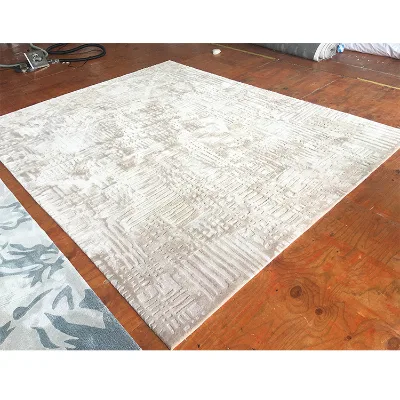
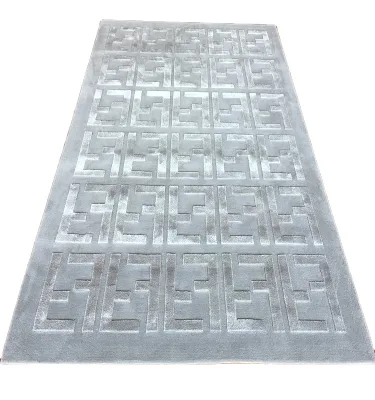
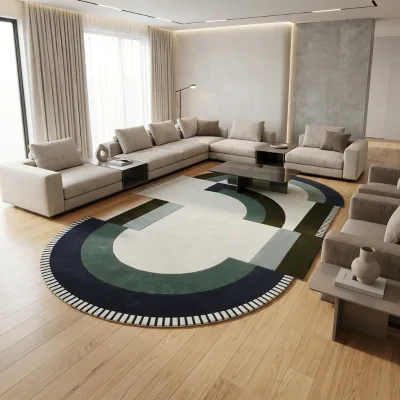
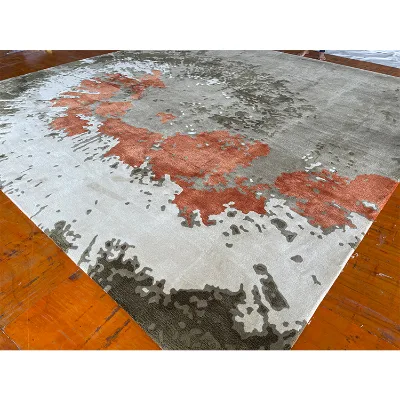
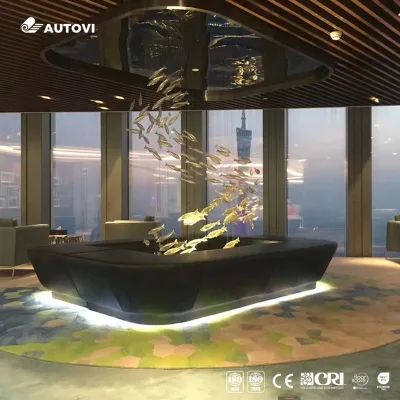
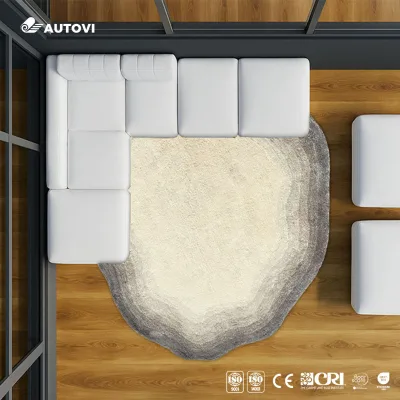
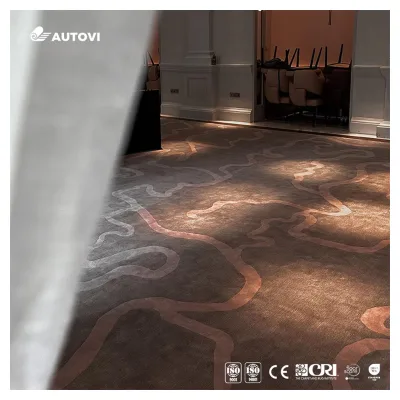


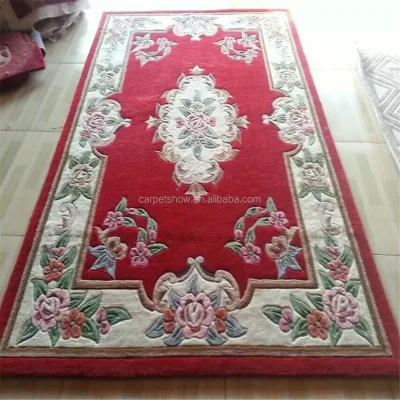
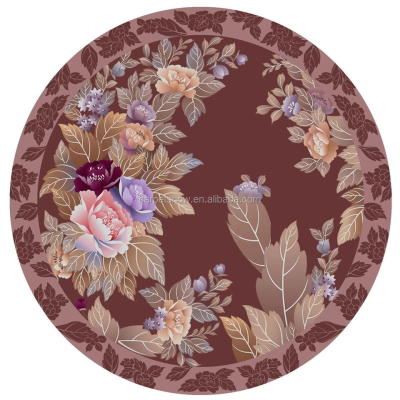

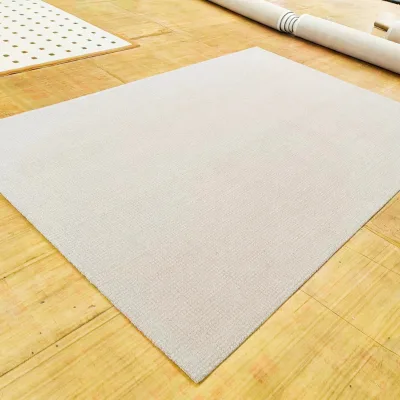
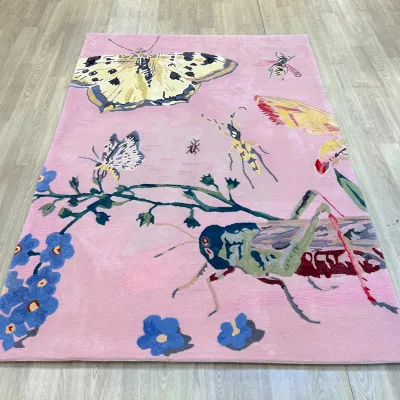
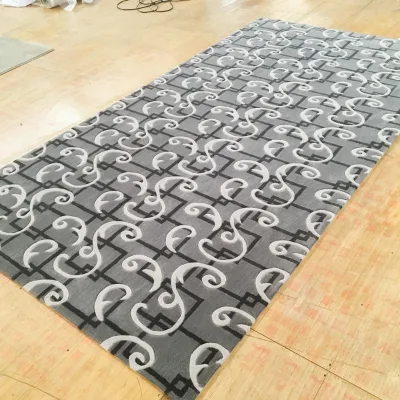
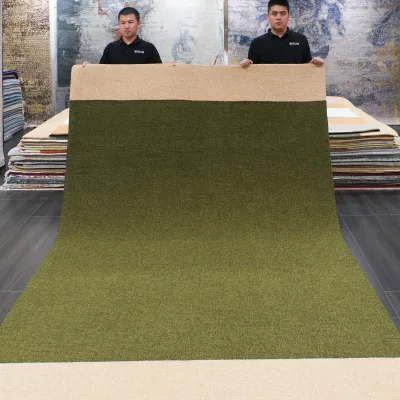
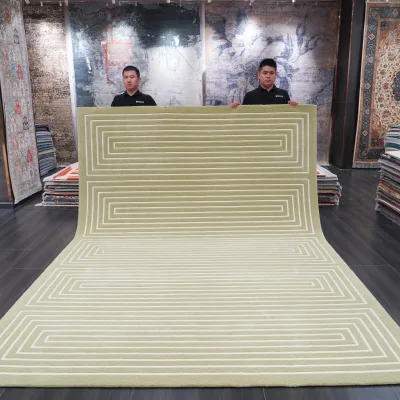
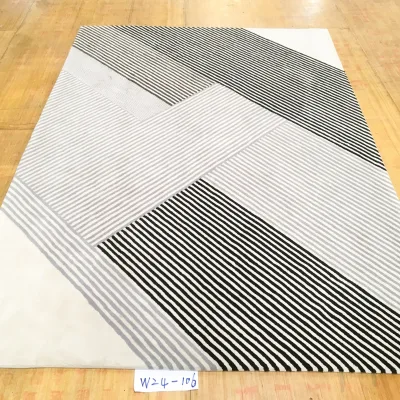
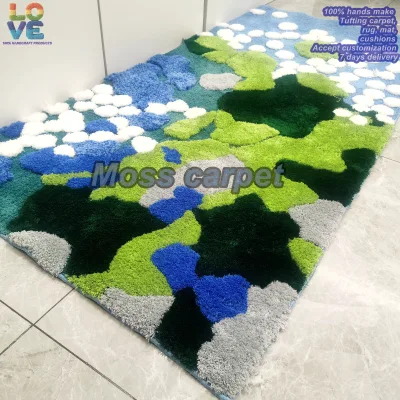

Comprehensive Sourcing Guide
Acrylic Tufted Carpet Sourcing Guide
Procurement teams evaluating acrylic tufted carpets must first distinguish between machine-made and handcrafted variants, as the supplied data indicates a diverse market offering both tufted and hand-made options. Buyers should verify the specific construction method for each order, noting that some listings specify "Hand Made" or "Hand Tufted" techniques while others rely on industrial tufting processes. This distinction directly impacts lead times, unit costs, and the aesthetic consistency required for large-scale projects. Understanding the manufacturing origin is equally critical, with observed supply chains primarily rooted in China, including specific hubs like Qingyuan and Guangdong, which may influence logistics and tariff considerations.
The application scope for these products is broad, ranging from residential bedrooms and living rooms to commercial hotels, offices, and outdoor spaces. Sourcing guides must account for this versatility by ensuring that the selected carpet meets the durability and aesthetic demands of each environment. For instance, while some products are marketed for home use with features like anti-slip properties, others are explicitly designed for hotel projects or prayer areas. Buyers need to align the product’s intended use with the specific performance requirements of the installation site, ensuring that the material choice supports the expected foot traffic and maintenance protocols.
Product Scope and Observed Listing Signals
The observed product range includes carpets with varying material compositions, such as wool and chemical fiber, alongside acrylic options. Buyers should carefully review the material specifications for each SKU, as the presence of wool or chemical fiber may indicate alternative product lines rather than pure acrylic solutions. The listings also highlight customization capabilities, allowing clients to specify sizes, colors, and designs, which is essential for projects requiring specific branding or interior design themes. This flexibility extends to product forms, with options available as rolled carpets or specific model numbers like P1030556 and PA060301, providing traceability for inventory management.
Packaging and presentation details further define the product scope, with items typically packed in plastic bags or waterproof PP woven bags for roll protection. These packaging methods are crucial for preventing damage during transit, especially for heavier carpets with medium pile heights and significant pile weights. The observed data also notes specific design styles, such as Oriental or modern aesthetics, and features like stain resistance and cushioning. Procurement teams must verify that the visual and tactile attributes of the sample match the final delivery, as customization options can introduce variability in color matching and texture consistency across large orders.
Technical Specifications to Verify
Thickness and pile height are critical technical parameters that influence both comfort and durability. The supplied facts indicate a thickness of 12mm for certain models, which suggests a plush feel suitable for residential areas. Buyers must confirm the pile weight, with some listings specifying 5.5KG, to ensure the carpet can withstand the intended usage intensity. Additionally, the distinction between cut pile and loop pile constructions affects the carpet’s appearance and maintenance requirements. Procurement teams should request detailed technical sheets that specify these metrics to avoid mismatches between sample expectations and bulk delivery.
Size and dimension flexibility are another key technical consideration, with many suppliers offering customer-made sizes or standard rolls up to client specifications. This customization allows for precise fitting in irregular spaces but requires accurate measurement protocols to minimize waste. The origin of the product, often cited as China, may also impact the availability of specific technical standards or testing protocols. Buyers should verify that the technical specifications, including model numbers like GD621-A or YH03, align with the project’s dimensional constraints and installation requirements, ensuring a seamless fit without excessive cutting or joining.
Compliance and Safety Documentation
Safety and compliance are paramount, particularly for carpets used in commercial or public spaces. The observed data mentions features like anti-slip and adhesive protective properties, which contribute to safety but do not replace formal certification. Buyers must request documentation verifying that the carpet meets relevant flammability and toxicity standards for the target market. While specific ASTM standards are listed in the background context, their applicability to the specific acrylic tufted products must be confirmed with the supplier. Procurement teams should ensure that the supplier can provide test reports for flame retardancy, formaldehyde emissions, and slip resistance to mitigate liability risks.
Environmental and health certifications may also be required, depending on the project’s sustainability goals. Buyers should inquire about the chemical composition of the acrylic fibers and any treatments applied for stain resistance or cushioning. It is essential to verify that the materials used do not contain harmful substances that could off-gas in enclosed spaces like bedrooms or offices. The supplier’s ability to provide material safety data sheets (MSDS) and compliance certificates for the specific model numbers is a critical step in the qualification process, ensuring that the product meets both regulatory and corporate social responsibility standards.
Cost Drivers and Commercial Terms
Pricing for acrylic tufted carpets is influenced by material costs, manufacturing complexity, and customization levels. The observed price range of 10.49 to 120 USD per unit reflects significant variation based on factors such as pile weight, thickness, and design intricacy. Buyers should analyze the cost structure to understand the value proposition of each option, noting that hand-made or custom-designed carpets will command higher prices. Minimum order quantities (MOQs) ranging from 1 to 1000 units also impact the total cost, with larger orders potentially benefiting from economies of scale. Procurement teams must balance budget constraints with quality requirements to select the most cost-effective solution.
Commercial terms, including payment methods, lead times, and shipping arrangements, are critical for project planning. The observed supply ability of 500,000 square meters per month suggests that suppliers can handle large orders, but lead times may vary based on customization and production schedules. Buyers should negotiate clear terms for delivery, including Incoterms and insurance coverage, to manage logistics risks. Additionally, the packaging details, such as waterproof PP woven bags, should be included in the contract to ensure that the product arrives in pristine condition. Understanding these commercial dynamics helps in forecasting total landed costs and avoiding unexpected expenses.
Supplier Qualification and Quality Control
Supplier qualification involves verifying the manufacturer’s capabilities, reputation, and quality management systems. Buyers should assess the supplier’s production facilities, particularly their ability to handle both tufted and hand-made processes as indicated in the listings. Checking for relevant certifications and past performance in similar projects is essential to ensure reliability. The observed data highlights suppliers from China, including Guangdong and Qingyuan, which are known manufacturing hubs. Procurement teams should conduct site audits or request third-party verification reports to confirm that the supplier meets international quality standards and can consistently deliver products that match the specified technical requirements.
Quality control measures must be established to monitor production and pre-shipment inspections. Buyers should define clear acceptance criteria for color consistency, pile density, and edge finishing. Implementing a sampling process before bulk production is crucial to validate that the final product meets the agreed-upon specifications. The supplier’s ability to provide detailed packaging and handling instructions also contributes to quality assurance. By establishing robust quality control protocols, procurement teams can minimize the risk of defects and ensure that the installed carpets meet the project’s aesthetic and functional expectations.
Long-Term Procurement Checks
Long-term procurement success depends on establishing strong relationships with suppliers and maintaining open communication channels. Buyers should regularly review supplier performance metrics, including on-time delivery rates, product quality, and responsiveness to issues. The observed data indicates a wide range of product options, so maintaining a diversified supplier base can mitigate risks associated with supply chain disruptions. Procurement teams should also stay updated on market trends and technological advancements in carpet manufacturing to ensure that the sourced products remain competitive and relevant. Continuous evaluation of supplier capabilities helps in identifying opportunities for cost savings and innovation.
Sustainability and ethical sourcing practices are increasingly important in long-term procurement strategies. Buyers should assess the supplier’s commitment to environmental responsibility, including the use of sustainable materials and energy-efficient production processes. Verifying that the supplier adheres to labor standards and ethical practices is also crucial for maintaining corporate reputation. By integrating these considerations into the procurement process, organizations can build a resilient and responsible supply chain. Regular audits and feedback loops with suppliers ensure that long-term goals are aligned with operational realities, fostering a partnership that supports continuous improvement and mutual growth.
FAQs
What materials are used for acrylic tufted carpets?
Acrylic tufted carpets are primarily manufactured using chemical fiber materials. These synthetic fibers provide durability and resistance to wear, making them suitable for high-traffic areas. The tufted construction ensures a consistent pile structure that maintains its shape over time, offering a practical flooring solution for various interior environments.
Can acrylic tufted carpets be customized for specific projects?
Yes, customization is available for acrylic tufted carpets to meet specific project requirements. Buyers can request custom sizes, colors, and designs to align with their interior aesthetics. This flexibility allows for tailored solutions in hotels, homes, and commercial spaces, ensuring the carpet fits perfectly within the designated area while maintaining quality standards.
What are the common features of acrylic tufted carpets?
Common features include anti-slip properties, stain resistance, and a cushioned feel. These carpets often come with adhesive protective backing for added stability. The medium pile height provides comfort underfoot, while the tufted technique ensures longevity. These attributes make them ideal for bedrooms, living rooms, and office spaces where comfort and safety are priorities.
Where are acrylic tufted carpets typically manufactured?
Acrylic tufted carpets are typically manufactured in China, with specific origins noted in Guangdong and Qingyuan regions. These locations are known for their robust textile manufacturing capabilities. Buyers can source products directly from these areas, ensuring access to established supply chains and competitive pricing for bulk orders of high-quality tufted carpeting solutions.
What is the typical packaging for acrylic tufted carpets?
Typical packaging involves rolling the carpet and placing it in one plastic bag or a waterproof PP woven bag. This method protects the product during transit and storage. Each piece is individually packed to prevent damage, ensuring that the carpet arrives in pristine condition. This packaging standard supports efficient logistics and handling for international shipments.
What is the supply capacity for acrylic tufted carpets?
The supply capacity for acrylic tufted carpets can reach up to 500,000 square meters per month. This high production volume supports large-scale projects and bulk orders. Manufacturers are equipped to handle significant demand, ensuring timely delivery for commercial and residential installations. This capacity reflects the efficiency and scale of modern carpet production facilities.