Black ABS Car Fuse Box with Lid Suppliers and Manufacturers
Explore 27 verified options for Black ABS Car Fuse Box with Lid from Guangdong factories. Compare lead times, response rates, and customization capabilities to source reliable components for automotive applications today; review the available evidence before requesting comparable quotations from suitable candidates.
Updated
Suppliers List

Dongguan Tianrui Electronics Co., Ltd.
- Combined
- China Guangdong
- Lead time15 days
- Avg. response≤ 6h
Main productsFuse, Thermal Fuse, Auto Fuse, Thermal Protector, Fuse Holder, Auto Circuit Breaker
Main marketsSouth America,Africa,Others(foreignTradeCapacity.exportBusinessCapacityMarketOther),Southeast Asia/ Mideast,Domestic,Europe,Australia,North America
Wuhan Magellan Technology Co., Ltd.
- Verified by SGS Group
- Trading Company
- Lead time30 days
- Avg. response≤ 4h
Main productsCar Wiring Harness, Car Connector, Car Fuse Box
Zhengzhou Cooper Industry Co., Ltd.
- Trading Company
- Henan, China
- Lead time30 days
- Avg. response≤ 2h
Main productsVehicle Parts & Accessories,Construction Machinery Attachments,Bus Spare Parts,Truck Spare Parts,Engine Parts
Main marketsAfrica(43.00%), Western Europe(14.00%), North America(14.00%), Mid East(10.00%), Southeast Asia(7.00%), Oceania(6.00%), South America(6.00%)
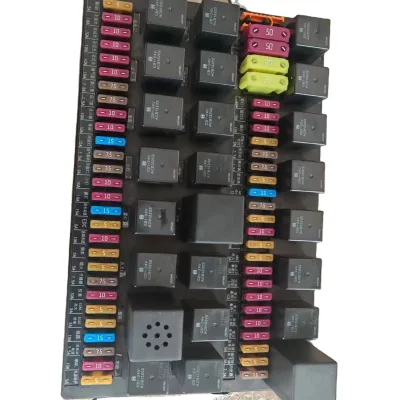
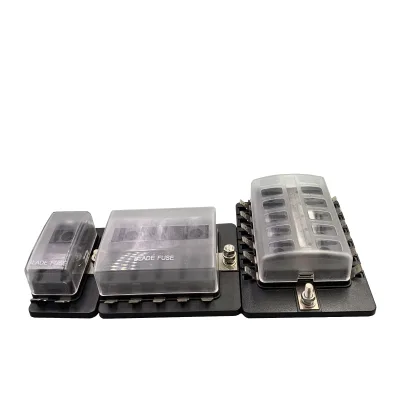
Car Parts Standard Blade Marine Waterproof Fuse Box Screw Fuse Box with Led Indicator
$12.3465 - $15.4339
MOQ: 10 sets
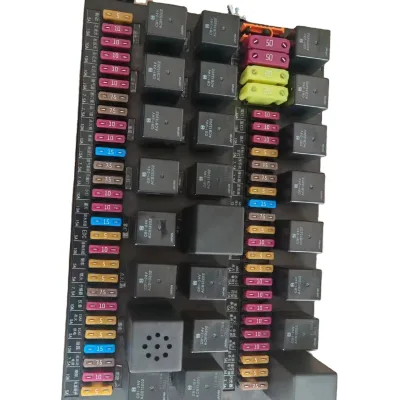
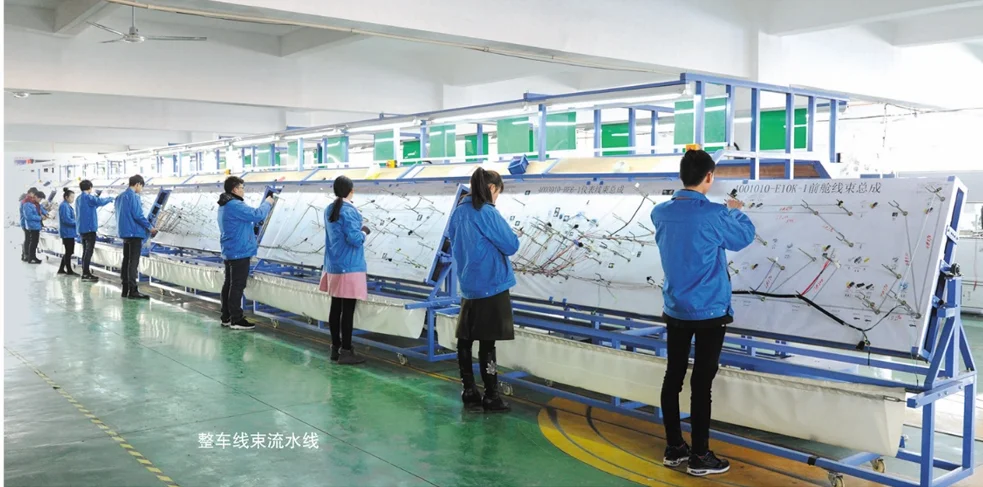
Danyang Whales Import And Export Trading Co., Ltd.
- Trading Company
- Jiangsu, China
- Lead time10 days
- Avg. response≤ 24h
Main productswire harness,auto parts,electric vehicle
Main marketsWestern Europe(20.00%), Eastern Europe(20.00%), South America(20.00%), North America(20.00%), Southern Europe(10.00%), Northern Europe(10.00%)
Dongguan Yujie Electronic Technology Co., Ltd.
- Manufacturer, Trading Company
- Lead time旺季: "1 - 1000":7,"> 1000":"To be negotiated", 淡季: "1 - 1000":7,"> 1000":"To be negotiated"
- Avg. response≤ 2h
Main productsRocker Switch, Fuse Box, Rocker Switch Panel, Dual USB Car Charger, Battery Switch
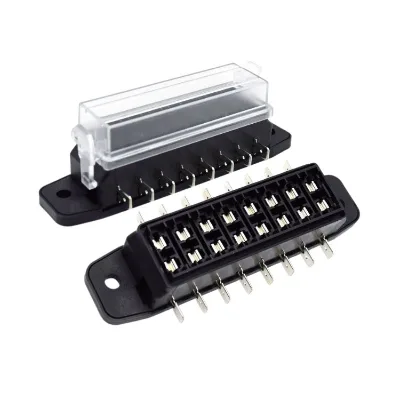
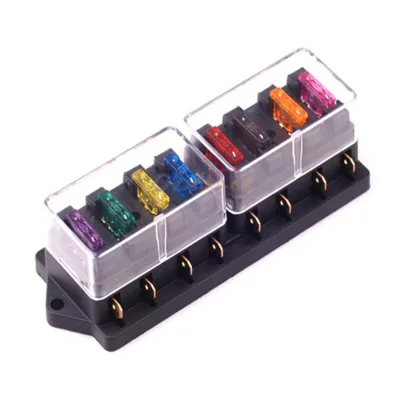
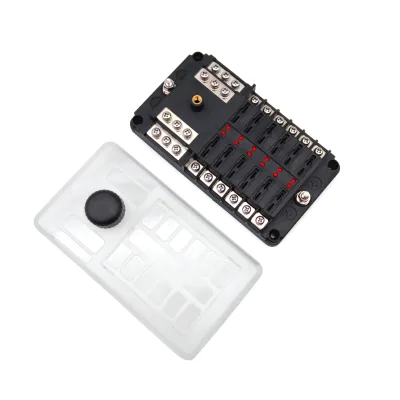
10 Circuit Fuse Box Fuse Holder with Screw for Car
$2.50 - $2.90

Hebi Tianfeng Electric Appliance Co., Ltd.
- Manufacturer, Trading Company
- Henan, China
- Lead time5 days
- Avg. response≤ 4h
Main productsConnectors,Fuse box,Wiring Harness,Automobile Switch,Agricultural Machinery Sensor Switch
Main marketsOceania(50.00%), Domestic Market(25.00%), North America(25.00%)
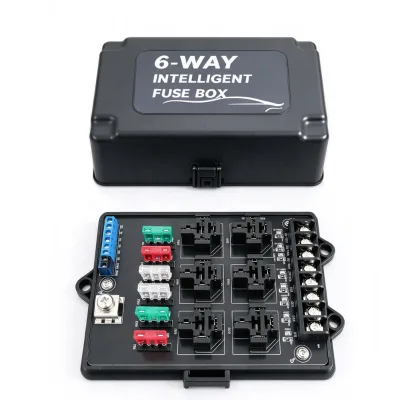
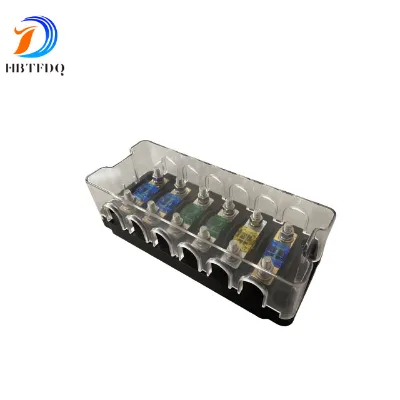
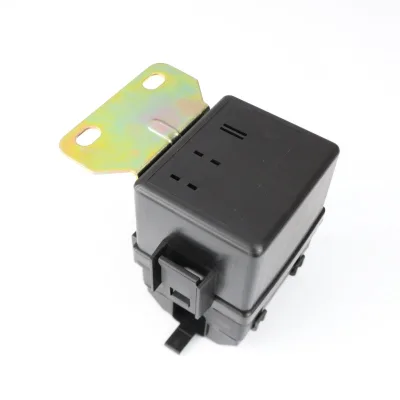
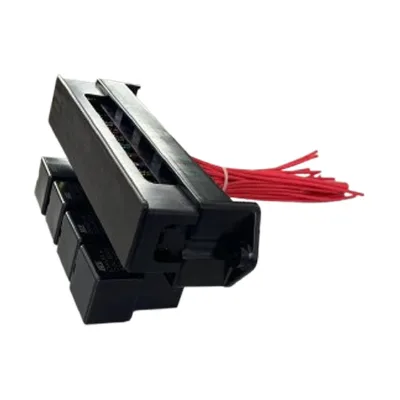
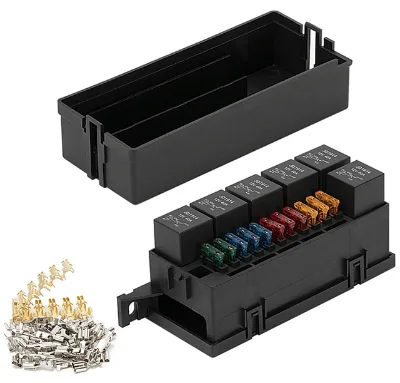
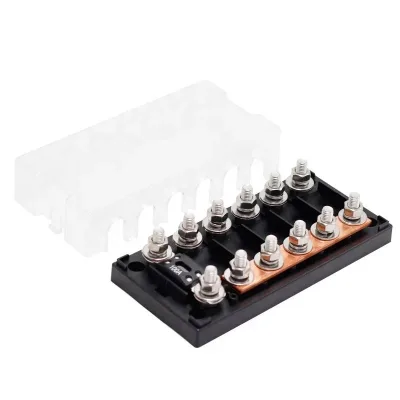
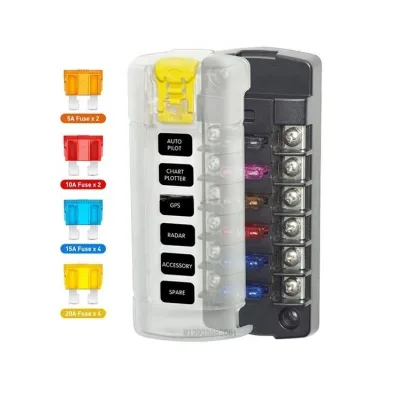
Auto Fuse Box 6-Way MIDI Fuse Holder with Cover for Automotive Fuse Components
$4.00 - $5.00
MOQ: 1 sets

Shenzhen Cozy Electronics Co.,Ltd.
- Verified by CTI
- Combined
- China Guangdong
- Lead time15 days
- Avg. response≤ 2h
Main productsauto-fuse, auto-fuse holder, current fuse, current fuse holder, temperature fuse, SMD fuse, resettable fuse
Main marketsSouth America,Africa,Southeast Asia/ Mideast,East Asia(Japan/ South Korea),Domestic,Europe,Australia,North America

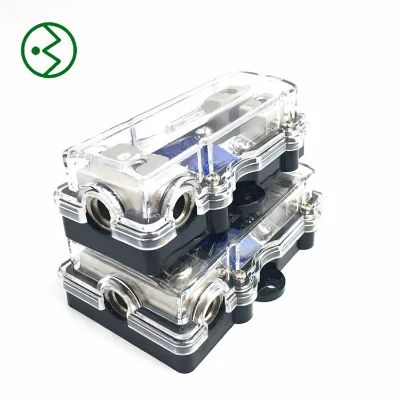
Car Audio Modification 4 Way Fuse Box with LED Light Fuse Four-Way/Two-in-Four Split Box
$5.55 - $6.15
MOQ: 10 Pieces

$3.85 - $4.50
MOQ: 10 Pieces


Wenzhou Daiertek Electric Co., Ltd.
- Verified by SGS Group
- Trading Company
- Lead time7 days
- Avg. response≤ 2h
Main productsSwitch, Socket, Connector
Main marketsNorth America(30%), Western Europe(30%), South America(10%)

Dongguan Jianchang Hardware Products Co., Ltd.
- Verified by SGS
- Manufacturer/Factory
- China Guangdong
- Lead time15 days
- Avg. response≤ 7h
Main productsPrecision Stamping, Terminal, Hardware Stamping, Sheet Metal Parts, Fuse, Fuse Box, Fuse Holder, Metal Shrapnel, Metal Bracket
Main marketsSouth America,Eastern Europe,North America,Southeast Asia

$1.30 - $2.00
MOQ: 100 Pieces

Car Anl Fuse Holder Case Transparent Fuse Box Distribution Fuse Holder Fuseholder
$1.30 - $1.50
MOQ: 100 Pieces
Yueqing Daier Electron Co., Ltd.
- Manufacturer, Trading Company
- Lead time旺季: "1 - 10":7,"> 10":"To be negotiated", 淡季: "1 - 10":7,"> 10":"To be negotiated"
- Avg. response≤ 2h
Main productsPush Button Switch, Auto Switch, Indicator Light, Terminal Block, Fuse Block

Dongguan Maiyu Electronics Co., Ltd.
- Verified by BV
- Manufacturer
- China Guangdong
- Lead time15 days
- Avg. response≤ 13h
Main productsRocker Switch, USB Power Socket, Dual USB, Push Switch, Pest Repeller, Insect Killer, Panel Switch, Cigarette Lighter Socket, Voltmeter

Jiangxi Yoojo Technology Co., Ltd.
- Verified by SGS
- Combined
- China Jiangxi
- Lead time15 days
- Avg. response≤ 3h
Main productsFuse, Fuse Holder, Circuit Breaker, Fuse Box, Bus Bar, Ntc, Wiring Harness, Connector
Main marketsDomestic

Universal 10 Way Fuse Box Block Fuse Holder Car Vehicle Circuit Auto Blade with LED
$7.00 - $7.50
MOQ: 10 Pieces


12-Way Car Fuse Box with LED Lamp Car Screws, 12-Way Fuse Box Seat with Positive and Negative Pole
$4.70 - $4.73
MOQ: 10 Pieces


Dongguan Huamao Electronics Co., Ltd.
- Verified by SGS
- Manufacturer/Factory
- China Guangdong
- Lead time15 days
- Avg. response≤ 3h
Main productsWiring Harness, Connector Wire, Cable Assembly, FFC Cable, IDC Cable, Lvds Cable, Automotive Wiring Harness, Micro Coxial Cable, Connector, Cable
Main marketsSouth America,Eastern Europe,Mid East,North America,Southeast Asia,Eastern Asia,Oceania,Western Europe,Africa

Ceramic Fuse Box Wiring Harness Car Fuse Box Heat Resistant Ceramic Fuse Box
$0.10 - $0.50
MOQ: 1000 PCS


Dongguan Chashan Xingyang Electronic Products Factory
- Manufacturer
- Guangdong, China
- Lead time15 days
- Avg. response≤ 1h
Main productsRocker switch/Switch Panel/12V USB Socket/Car Switches/Auto USB Socket/Relay Fuse Box/Power Socket/Car Seat Heater Kit/Rv Door Lock/Plastic accessories etc.
Main marketsWestern Europe(25.00%), Mid East(20.00%), Central America(10.00%), North America(10.00%), South America(10.00%), Northern Europe(10.00%), Eastern Europe(10.00%), Africa(5.00%)
Henan Senteng Electronics Co., Ltd.
- Manufacturer, Trading Company
- Henan, China
- Lead time20 days
- Avg. response≤ 4h
Main productsAuto Connector, Automobile Air Conditioning Controller, Automotive Fuse Box, Automotive Car Wiring Harness, Plastic Particles
Main marketsAfrica(50.00%), Northern Europe(40.00%), South Asia(3.00%), Mid East(3.00%), North America(2.00%), Eastern Asia(2.00%)
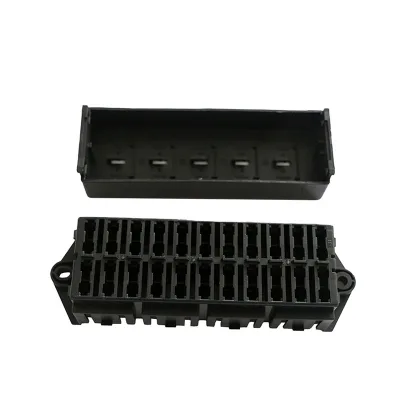
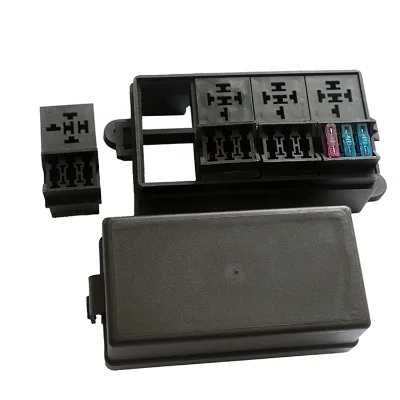
Auto Fuses 8 Way Blade Fuse Box
$5.00 - $8.00
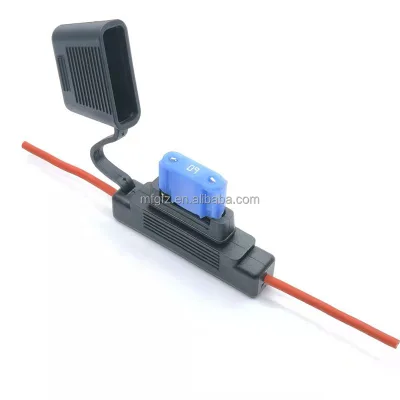
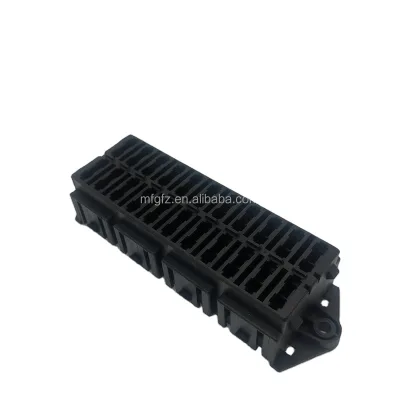
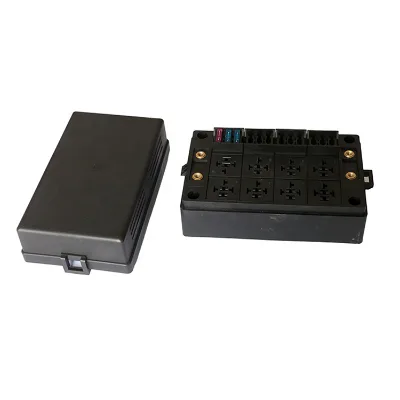
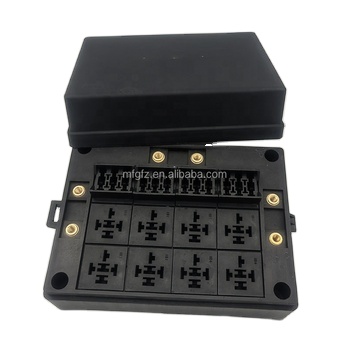
Automotive Fuse Box Relay Module 12 Way 12 24v 40a Relay 6 Slots Fuse Relay Box
$8.00 - $9.50
MOQ: 5 pieces

Suzhou Arenland Automotive Technology Co., Ltd.
- Trading Company
- Jiangsu, China
- Lead time20 days
- Avg. response≤ 4h
Main productsBattery switch,Battery Terminals,Relay,Fuse Components,Bus Bar
Main marketsWestern Europe(20.00%), Southeast Asia(10.00%), Domestic Market(10.00%), Oceania(10.00%), North America(7.00%), Southern Europe(5.00%), Northern Europe(5.00%), Central America(5.00%), Eastern Europe(5.00%), Eastern Asia(5.00%), Mid East(5.00%), South Asia(5.00%), Africa(4.00%), South America(4.00%)
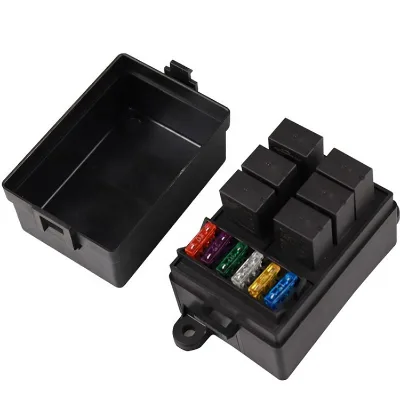
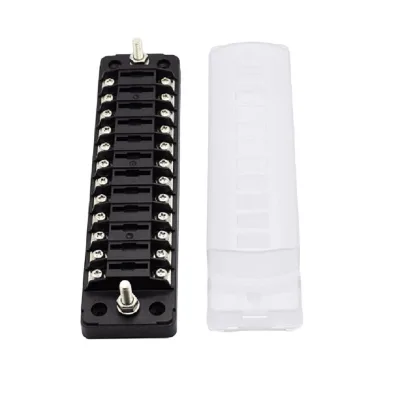
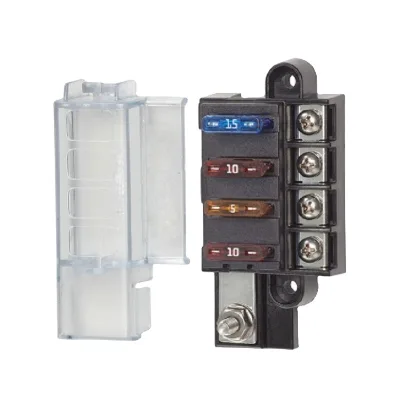
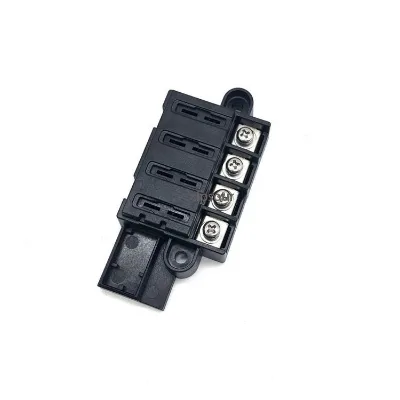
Car 4-way Fuse Box 1 in 4 Out Rectangular Strip Car Circuit Power Take-up Fuse Holder
$5.1307 - $5.7463
MOQ: 20 sets
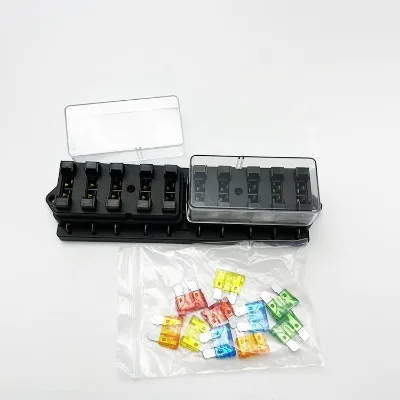
Automotive Multi Channel Fuse Box 10 In, 10 Out Medium Plug-in Fuse Box
$2.7713 - $3.0589
MOQ: 20 sets
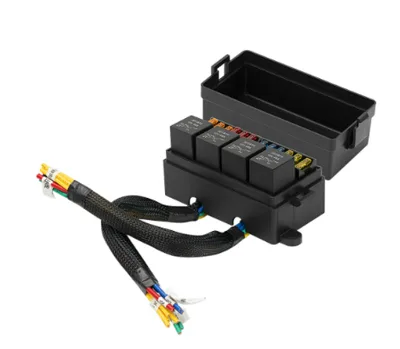
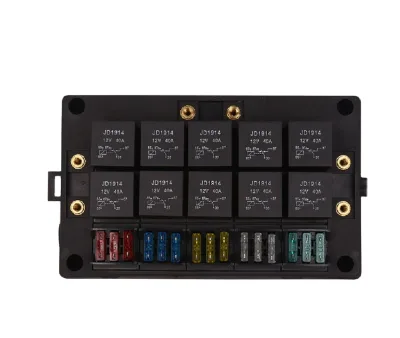
15-way Automotive Relay Fuse Chip Box Seat Box Assembly Is Equipped With 12V24V Control Center Relay
$22.5734 - $24.6256
MOQ: 5 sets

Wenzhou Hongming Electrical Appliance Co., Ltd
- Verified by SGS
- Combined
- China Zhejiang
- Lead time15 days
- Avg. response≤ 3h
Main productsAviation Connector, Plug, Solenoid Valve Connector, Solenoid Valve Socket, Fuse Holder, Fuse Box, Terminal, Bellows Joint, Tail Clip, Socket
Main marketsDomestic

Automotive Fuseholders Fuse Box with Wire Harness and Connector for Marine
$35.00 - $38.00
MOQ: 50 Pieces

DIY Car Vehicle Circuit Blade Bus off Road Fuse and Relay Box with Opened Clear Cap
$30.00 - $34.00
MOQ: 50 Pieces

Circuit Automotive Blade Auto Parts Fuse Holder Box with Protecting Cap
$30.00 - $34.00
MOQ: 50 Pieces


New-Style Automotive Fuse Block Box with Multiplex Relay for Central Control
$30.00 - $34.00
MOQ: 50 Pieces

New Technology Customized Automobile Repacking Automotive Fuse Block Box for Boat
$40.00 - $43.00
MOQ: 50 Pieces
Dongguan Maiyu Electronics Co., Ltd.
- Verified by SGS Group
- Manufacturer, Trading Company
- Lead time7 days
- Avg. response≤ 3h
Main productsRocker Switch, Fuse Box, 12V Car Meters, Car Charger Socket, Switch Panel
Main marketsDomestic Market(20%), Southeast Asia(13%), Oceania(13%)
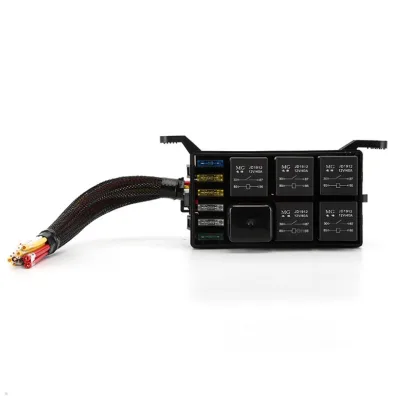
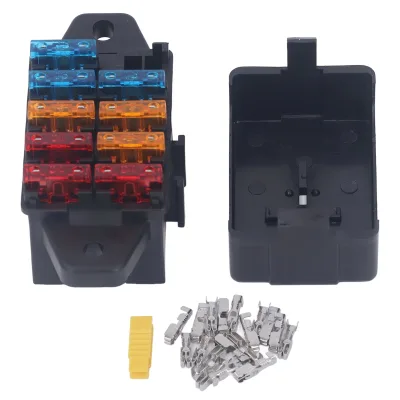
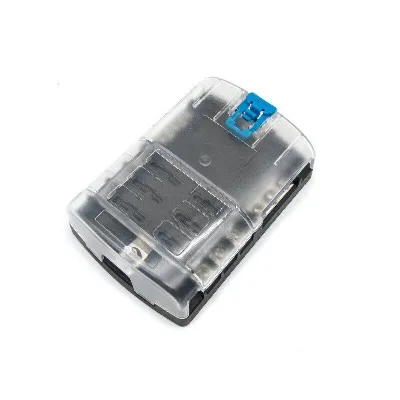
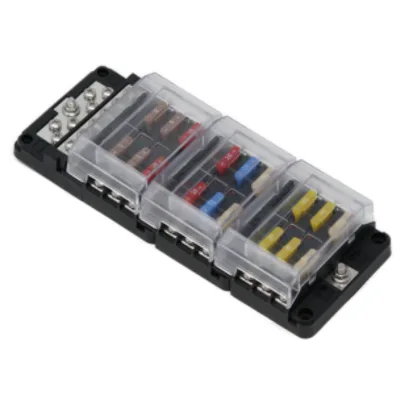
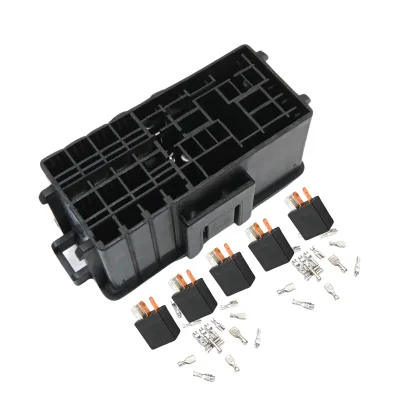
Car 6-Way Modified Fuse Box Car Fuse Box 12V Fuse Relay Box
$11.82 - $13.21
$9.3895 - $13.5614
MOQ: 50 pieces
$10.7736 - $11.7997
MOQ: 50 pieces
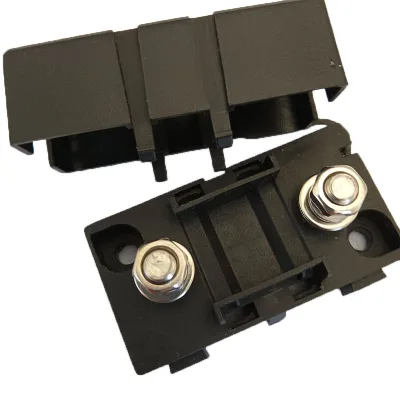
Dongguan Andu Electronics Co., Ltd.
- Verified by SGS Group
- Manufacturer, Trading Company
- Lead time15 days
- Avg. response≤ 2h
Main productsAuto Fuse, Fuse Tap, Auto Fuse Holder, Bolt Down Fuse, OBD2 Connector
Main marketsDomestic Market(51%), North America(12%), Western Europe(8%)
Shenzhen Kaisheng Century Electronics Co., Ltd.
- Verified by TüVRheinland
- Trading Company
- Lead time1 days
- Avg. response≤ 2h
Main productsSemiconductor Electronic Components, RF Wireless Network Modules, Unmanned Machinery Components, Development Board Application Kits
Main marketsSouth America(18%), Eastern Asia(18%), North America(15%)

- Verified by BV
- Combined
- China Guangdong
- Lead time23 days
- Avg. response≤ 6h
Main productsCable Assembly, USB Cable, Data Cable, Network Cable, Wire Harness, Connectors, Audio Cable, Power Cable
Main marketsDomestic


High-Quality Fuse Box Wire Harness Automotive Car Cable Customizable Sizes
$0.34 - $0.36
MOQ: 500 Pieces
Dongguan Andu Electronic Co., Ltd.
- Verified by SGS Group
- Manufacturer, Trading Company
- Lead time15 days
- Avg. response≤ 2h
Main productsAuto Fuse, Fuse Tap, Auto Fuse Holder, Bolt Down Fuse, OBD2 Connector
Main marketsDomestic Market(51%), North America(12%), Western Europe(8%)

YUEQING AIBEIKEN ELECTRIC CO., LTD.
- Combined
- China Zhejiang
- Lead time15 days
- Avg. response≤ 6h
Main productsPush Button Switch, Indicaor Lamp, Sensor Switch, Overload Protector, Fuse Holder, Auto Switch, Micro Switch, Terminal, Car Charger, Rocker Switch
Main marketsSouth America,Europe,North America


$5.16 - $5.90
MOQ: 100 Pieces


$7.18 - $7.98
MOQ: 100 Pieces

Dongguan Fengjin Electronics Co., Ltd.
- Verified by Intertek
- Manufacturer, Trading Company
- Lead time3 days
- Avg. response≤ 2h
Main productsElectric Wire, DC Cable, USB Cable, Audio Cable, AC Cable
Main marketsNorthern Europe(17%), Southern Europe(16%), North America(15%)

Shanghai Star Electronic Technology Co., Ltd.
- Verified by SGS
- Combined
- China Shanghai
- Lead time15 days
- Avg. response≤ 5h
Main productsWire Harness, Terminal Block, Connector, Auto Connector, Female Header, Male Header, ISO Harness, Car Connector, Automotive Connector, Cable Assembly
Main marketsSouth America,Southeast Asia/ Mideast,East Asia(Japan/ South Korea),Europe,North America


Car Fuse Box Holder Harness Assembly Power Connection Inline Fuse Cable Auto Fuse Holder
$0.10 - $1.00
MOQ: 100 Pieces
Suzhou Electric Solution Co., Ltd.
- Trading Company
- Jiangsu, China
- Lead time15 days
- Avg. response≤ 4h
Main productsbattery switch,battery terminal,battery box,busbar,circuit breaker
Main marketsOceania(30.00%), Africa(30.00%), North America(20.00%), Southern Europe(5.00%), Northern Europe(5.00%), Western Europe(5.00%), Eastern Europe(5.00%)
Hangzhou Fransonic Technology Co., Ltd.
- Verified by TüVRheinland
- Trading Company
- Lead time50 days
- Avg. response≤ 4h
Main productsCar Wiring Products, Automotive Battery Protection Products, Stage Audio Accessories, Customized Harness, Solar Accessories
Main marketsNorth America(25%), Western Europe(25%), South America(20%)


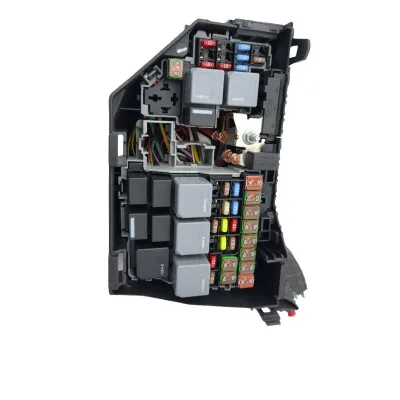
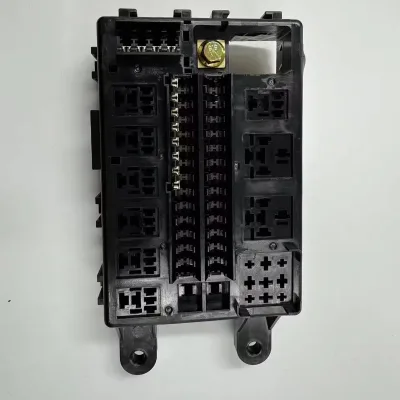
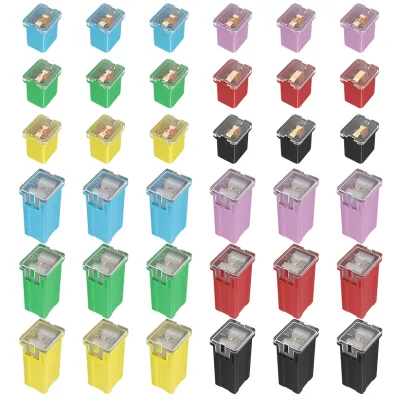


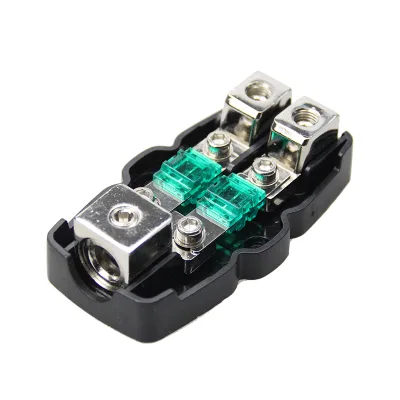
Comprehensive Sourcing Guide
Black ABS Car Fuse Box with Lid Supplier Concentration and Factory Types
The current supplier landscape for automotive electrical components reveals a distinct geographic concentration in China, specifically within the Guangdong province. This region serves as a critical manufacturing hub for low-voltage products, including fuse components and relay boxes. Buyers evaluating potential partners should note that the available data points to a mix of combined manufacturing entities and dedicated trading companies operating within this cluster. The presence of these varied company types indicates a mature supply chain ecosystem where production capabilities range from original equipment manufacturing to specialized trading services. Understanding this distribution is essential for sourcing strategies, as proximity to component suppliers in Guangdong can influence both lead times and communication efficiency. The concentration suggests that many factories have established infrastructure for producing plastic and metal assemblies, which are primary materials for fuse box housings.
Factory types in this sector vary significantly in their operational focus and service offerings. Some suppliers identify as combined entities capable of handling own brand, OEM, and ODM projects, providing flexibility for buyers seeking custom solutions. Others operate strictly as trading companies, leveraging their network to source specific items like car wiring harnesses and connectors alongside fuse boxes. This distinction impacts the buyer’s ability to verify production capabilities directly. While some factories offer customization for product designs and packaging, trading companies may focus on aggregating inventory from multiple sources. Buyers must carefully assess whether their project requires direct factory engagement for quality control or if a trading partner’s logistical support is sufficient. The diversity in company structures means that sourcing decisions should align with the specific needs for customization, volume, and direct technical support.
How to Verify Black ABS Car Fuse Box with Lid Suppliers
Verification processes for automotive fuse box suppliers require a multi-layered approach to ensure reliability and compliance. Buyers should prioritize suppliers who display third-party verification badges, such as those from SGS Group, which indicate a level of external audit and trustworthiness. However, verification extends beyond simple badges; it involves cross-referencing company types and stated capabilities with actual product evidence. For instance, confirming whether a supplier is a trading company or a manufacturer helps determine the depth of their technical expertise. Buyers should request detailed documentation regarding the materials used, such as thermoplastic or ABS plastics, and verify that these materials meet specific automotive standards. The presence of safety standards like IEC in product attributes is a positive indicator, but buyers must ensure these certifications are current and applicable to the specific fuse box models being considered.
Response times and communication efficiency are also critical metrics for verifying supplier reliability. Data indicates that response times can vary, with some suppliers averaging around five hours while others respond within four hours. Faster response times often correlate with better customer service and more agile problem-solving capabilities, which are vital during the sourcing process. Buyers should test supplier responsiveness by asking specific technical questions about fuse ratings, breaking capacity, and installation methods. Additionally, examining the supplier’s main products can provide insight into their specialization. Suppliers focusing on fuse boxes, thermal fuses, and auto circuit breakers are likely more knowledgeable about this niche than general electrical suppliers. Buyers should also inquire about customization availability, as many suppliers offer tailored solutions for insert type fuse sizes and bolt type fuse dimensions, which requires a high level of technical coordination.
What to Compare Across Black ABS Car Fuse Box with Lid Suppliers
When comparing suppliers, buyers must evaluate a range of commercial and operational metrics to identify the best fit for their needs. Key comparison points include lead times, minimum order quantities, and price ranges, which can vary significantly across different product lines. For example, some fuse box assemblies have lead times of fifteen days, while others may require up to thirty days, depending on the complexity and customization level. Minimum order quantities also differ, with some products requiring as few as fifty units, while others demand two thousand or more. Price points range from less than one dollar for individual fuse holders to over twenty dollars for complex relay boxes with multiple circuits. Buyers should create a comparison matrix that includes these variables, along with response speeds and established capabilities, to make an informed decision.
Beyond basic metrics, buyers should compare the specific technical attributes and customization options offered by each supplier. Product attributes such as rated current, rated voltage, and breaking capacity are crucial for ensuring compatibility with automotive electrical systems. Some suppliers offer products with high breaking capacity and multi-way fuse holders, while others focus on standard blade fuse boxes with lower ratings. The material composition, such as plastic fuse holders with tinned copper elements, also varies and impacts durability and performance. Buyers should assess whether suppliers provide comprehensive product documentation, including packing details and model numbers, to facilitate accurate ordering. Additionally, comparing the scope of main products can reveal a supplier’s breadth of expertise. Suppliers offering a wide range of automotive electrical components may provide better integrated solutions, whereas those specializing in fuse boxes might offer deeper technical support for specific applications.
Common Black ABS Car Fuse Box with Lid Sourcing Risks
Sourcing automotive fuse boxes carries inherent risks related to quality consistency and regulatory compliance. One significant risk is the variation in material quality, particularly for plastic housings and metal contacts. Suppliers may use different grades of thermoplastic or alloy terminals, which can affect the longevity and safety of the fuse box in harsh automotive environments. Buyers must ensure that the materials specified meet industry standards for heat resistance and electrical insulation. Another risk involves the accuracy of product specifications, such as fuse size compatibility and rated voltage. Misalignment between the ordered product and the actual vehicle requirements can lead to installation failures or electrical hazards. Buyers should request detailed product attributes and test reports to verify that the fuse boxes meet the necessary safety standards, such as IEC, before placing large orders.
Logistical and communication risks also pose challenges in the sourcing process. Variations in lead times and response speeds can impact project timelines, especially for time-sensitive automotive projects. Suppliers with longer lead times or slower response rates may struggle to accommodate urgent requests or changes in order volume. Additionally, the distinction between trading companies and manufacturers can lead to communication gaps, as trading companies may not have direct control over production quality. Buyers should establish clear communication channels and regular check-ins to monitor production progress. Another risk is the potential for counterfeit or non-compliant products, particularly if suppliers lack proper verification badges or certifications. Buyers should conduct thorough due diligence, including site visits or third-party inspections, to mitigate these risks and ensure that the supplied fuse boxes meet all required specifications and safety standards.
Black ABS Car Fuse Box with Lid Regional Sourcing and Logistics
Regional sourcing from Guangdong, China, offers logistical advantages due to the region’s established manufacturing infrastructure and export capabilities. The concentration of suppliers in this area facilitates efficient supply chain management, with many factories equipped to handle both domestic and international orders. Buyers should consider the proximity of suppliers to major shipping ports, which can reduce transit times and costs. However, regional sourcing also requires careful attention to export regulations and documentation. Suppliers must provide accurate commercial invoices, packing lists, and certificates of origin to ensure smooth customs clearance. Buyers should verify that their suppliers have experience in exporting to their target markets, as this knowledge can help navigate complex regulatory requirements and avoid delays.
Logistics planning should also account for the specific packaging and handling requirements of fuse boxes. Products are typically packed in plastic bags, paper boxes, or cartons, with quantities ranging from fifty to five hundred pieces per unit. Buyers must ensure that the packaging is robust enough to protect the fuse boxes during transit, especially for fragile components like relay boxes. Additionally, buyers should consider the impact of seasonal demand on logistics, as peak periods can lead to container shortages and increased freight costs. Establishing a reliable freight forwarder with experience in automotive components can help mitigate these risks. Buyers should also evaluate the supplier’s ability to handle different shipping methods, such as sea freight for bulk orders and air freight for urgent shipments, to ensure flexibility in logistics planning.
Black ABS Car Fuse Box with Lid Commercial Terms and Order Planning
Commercial terms and order planning are critical for managing costs and ensuring timely delivery. Buyers should negotiate clear payment terms, such as letters of credit or escrow services, to protect their interests. Minimum order quantities vary widely, from fifty units for specialized fuse boxes to two thousand units for standard components. Buyers must align their order volumes with their production needs to avoid excess inventory or stockouts. Price ranges also differ based on product complexity, with simple fuse holders costing less than one dollar and complex relay boxes exceeding twenty dollars. Buyers should request detailed quotations that include all costs, such as packaging, shipping, and taxes, to avoid unexpected expenses.
Order planning should also consider the supplier’s production capacity and customization capabilities. Suppliers offering OEM and ODM services can provide tailored solutions, but these may require longer lead times and higher minimum orders. Buyers should plan their orders well in advance to accommodate these timelines, especially for customized products. Additionally, buyers should establish a clear communication protocol for order updates and quality checks. Regular follow-ups with suppliers can help identify potential issues early and ensure that production stays on schedule. Buyers should also consider the supplier’s after-sales support, including warranty policies and return procedures, to mitigate risks associated with defective products. By carefully planning commercial terms and order logistics, buyers can optimize their sourcing strategy and ensure a smooth procurement process.
FAQs
What is the price range for black ABS car fuse boxes?
Prices for these fuse boxes typically range from $0.05 to $23.22 depending on the specific model and capacity. Basic PCB mount holders start near $0.05, while complex assemblies with multiple relays and fuses can cost over $22. Buyers should check the specific product listing for exact pricing tiers based on order volume.
What is the minimum order quantity for these fuse boxes?
Minimum order quantities vary significantly by product type. Simple PCB mount fuse holders require a minimum of 2000 pieces, whereas larger assemblies like the 8-way car fuse box require only 100 units. High-capacity mega fuse boxes may have an MOQ of 50 units. Always verify the specific MOQ for the desired model before placing an order.
Where are these fuse boxes manufactured?
These fuse boxes are manufactured in Guangdong, China. Suppliers in this region specialize in automotive electrical components, including fuse holders and relay boxes. The origin is consistently listed as Guangdong for various models, ensuring access to established manufacturing hubs for automotive parts and electrical equipment supplies.
What is the typical lead time for these products?
Lead times generally range from 15 to 30 days depending on the supplier and product complexity. Some standard fuse boxes have a lead time of 15 days, while others, particularly those from trading companies, may require up to 30 days. Buyers should confirm the exact production schedule with the supplier before finalizing the purchase agreement.
Are these fuse boxes customizable for specific applications?
Yes, customization is available for many of these fuse box models. Suppliers offer OEM and ODM services, allowing for custom branding and specific design requirements. Features like color, material, and internal circuit configurations can often be tailored. Buyers should contact suppliers directly to discuss specific customization needs and potential additional costs.
What certifications do these fuse boxes have?
System certifications are not explicitly listed for all suppliers in the current results. However, some products adhere to IEC safety standards. Buyers should verify specific certification requirements with the supplier, as compliance details may vary. It is recommended to request certification documents directly from the manufacturer to ensure they meet your regional regulatory standards.