Forklift Temperature Sensor Suppliers and Manufacturers
Source 19 verified Forklift Temperature Sensor suppliers from Anhui and Jiangsu, China. Compare key dimensions including MOQ, lead times, certifications, and pricing to identify the right partner. Review product specifications and request quotes directly to streamline your procurement process; review the available evidence before requesting comparable quotations from suitable candidates.
Updated
Suppliers List
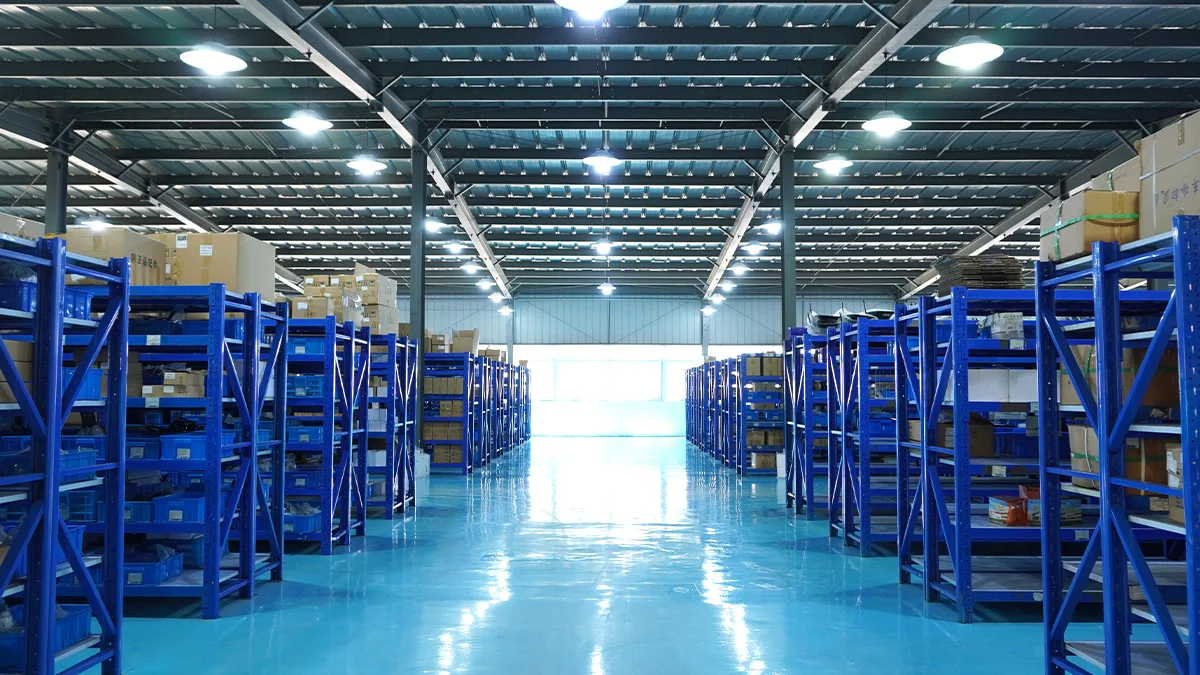
Hefei LiftTop Construction Machinery Co., Ltd.
- Trading Company
- Anhui, China
- Lead time7 days
- Avg. response≤ 2h
Main productsForklift Handle, Charger, Forklift Battery, Forklift Controller, Forklift Seat
Main marketsSoutheast Asia(20.00%), Central America(10.00%), Western Europe(10.00%), Domestic Market(10.00%), Southern Europe(10.00%), South Asia(8.00%), Eastern Asia(7.00%), Africa(5.00%), North America(5.00%), South America(5.00%), Mid East(4.00%), Eastern Europe(2.00%), Oceania(2.00%), Northern Europe(2.00%)

Yancheng Hongtai Alloy Electric Apparatus Co., Ltd.
- Manufacturer/Factory
- China Jiangsu
- Lead time15 days
- Avg. response≤ 16h
Main productsTubular Heater, Cartridge Heater, Ceramic Heater, Electric Heating Element, Coil Heater, Flange Heater, Nickel Alloy Wire, Immersion Heater, Silicone Heater, Thermocouple
Main marketsSouth America,Eastern Europe,Mid East,North America,Southeast Asia,Eastern Asia,Oceania,Western Europe,Africa

Shanghai Shang Zun International Trade Co., Ltd
- Verified by BV
- Combined
- China Shanghai
- Lead time30 days
- Avg. response≤ 2h
Main productsCTP Plate Processor, Online Punching and Bending Machine, Baking Oven Machine for The CTP Plate, Automatic Plate Stacker for CTP Machine, Corner Conveyor for CTP Plate Processor
Main marketsSoutheast Asia/ Mideast

- Combined
- China Zhejiang
- Lead time30 days
- Avg. response≤ 9h
Main productsTemperature Controller, Temperature Sensor, Thermometer, Temperature Indicator, Timer, Thermocouple, Temperature Control, Thermostat, Humidity Control, Temperature Meter
Main marketsSouth America,Africa,North America

Ningbo Coolwell Import & Export Co., Ltd.
- Verified by CTI
- Trading Company
- China Zhejiang
- Lead time30 days
- Avg. response≤ 10h
Main productsSpare Parts of Home Appliance, AC DC Fan Motor, Filter Drier, AC Contactor, Gas Torch, Compressor, Defrosting Timer, Manifold Guage, Thermostat, Remote Control
Main marketsSouth America,Africa,Southeast Asia/ Mideast,East Asia(Japan/ South Korea),Europe,Australia,North America
Kunshan Hanzhi Logistics Equipment Co., Ltd.
- Verified by SGS Group
- Trading Company
- Lead time5 days
- Avg. response≤ 6h
Main productsForklift Spare Parts, Forklift
Main marketsSoutheast Asia(50%), North America(15%), Mid East(15%)
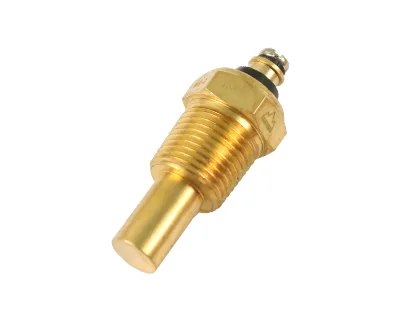
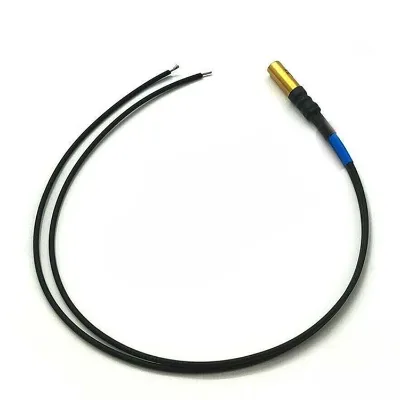
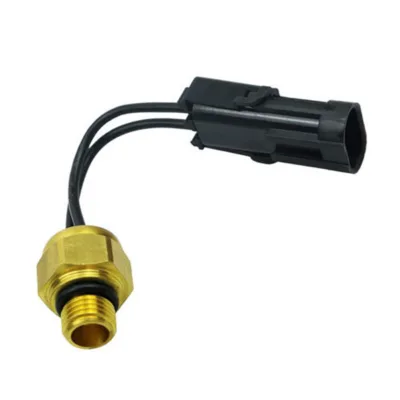
100% Original, Forklift Parts Water Temperature Sensor for Xinchai 4N23G31
$4.96 - $6.15
MOQ: 1 pieces
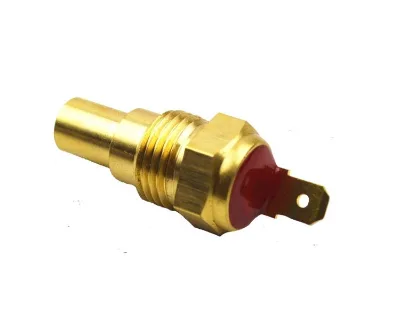

Guangzhou Disong Machinery Equipment Co., Ltd.
- Trading Company,Manufacturer/Factory
- China Guangdong
- Lead time15 days
- Avg. response≤ 10h
Main productsExcavator Part, Machinery Engine Part, Wheel Loader Part, Bulldozer Parts, Dump Truck Parts, Generator Set Parts, Heavy Truck Parts, Hydraulic Parts, Electronic Parts, Seal and Gasket
Main marketsSouth America,Eastern Europe,Mid East,North America,Southeast Asia,Eastern Asia,Oceania,Western Europe,Africa
Xiamen Value Intelligent Equipment Co., Ltd.
- Verified by Intertek
- Trading Company
- Lead time15 days
- Avg. response≤ 7h
Main productsJoystick, Cooling Fan, Sensor, Potentiometer, Master Bearing
Main marketsEastern Europe(40%), Domestic Market(30%), North America(10%)

- Verified by BV
- Combined
- China Jiangsu
- Lead time15 days
- Avg. response≤ 5h
Main productsHall Effect Sensor, Proximity Sensor, Temperature Sensor, Current Transformers, Current Transmitter, DC Leakage Transducer, Hall Proximity Sensor, Inductive Proximity Switch, Magnetic Switch, Temperature Transmitter
Main marketsAfrica,Southeast Asia/ Mideast,East Asia(Japan/ South Korea),Domestic,Europe,North America

Anhui Hechuang Intelligent Manufacturing Co. Ltd
- Verified by SGS
- Combined
- China Anhui
- Lead time15 days
- Avg. response≤ 2h
Main productsDifferential Pressure Transmitter, Pressure Transmitter, Temperature Transmitter, Electromagnetic Flowmeter, Magnetic Level Gauge, Bimetallic Thermometer, Differential Pressure Switch, Sensor, Float Level Gauge, Vortex Flowmeter
Main marketsDomestic

Nanjing Hangjia Electronic Technology Co., Ltd.
- Verified by TUVRHEINLAND
- Combined
- China Jiangsu
- Lead time15 days
- Avg. response≤ 2h
Main productsPressure Sensor, Pressure Switch, Water Level Sensor, Flow Meter, Differential Pressure Sensor, Pressure Transmitter, Flow Switch, Magnetic Flow Meter, Level Transmitter, Temperature Transmitter
Main marketsSouth America,Africa,Southeast Asia/ Mideast,East Asia(Japan/ South Korea),Domestic,Europe,Australia,North America


$55.00 - $70.00
MOQ: 1 Pieces


Hangzhou Forkfocus I-Equipment Co., Ltd.
- Verified by CTI
- Trading Company
- China Zhejiang
- Lead time30 days
- Avg. response≤ 3h
Main productsHangcha Forklift, Material Handling Equipment, Hangcha Container Reach Stacker, Pallet Jack Pallet Truck Pallet Stacker, Hangcha Lithium Battery Forklift, Forklift Attachment Bucket Pallet Fork Frame, Hangcha Rough Terrain Forklift, Jib Attachments Adapter Bracket Hangers, Bale Clamps Paper Roll Clamps Forklift Service, Hangcha Heli Forklift Parts
Main marketsSouth America,North America

$10.00 - $20.00
MOQ: 10 Pieces



Hangzhou Fordoer Mechanical & Electrical Co., Ltd.
- Trading Company
- Zhejiang, China
- Lead time7 days
- Avg. response≤ 3h
Main productsDiesel Engine Parts,Construction Machinery Parts,Agriculture Machinery Parts,electronic parts,Whole engines
Main marketsWestern Europe(15.00%), Eastern Europe(15.00%), South America(15.00%), North America(15.00%), South Asia(5.00%), Southern Europe(5.00%), Northern Europe(5.00%), Southeast Asia(5.00%), Eastern Asia(5.00%), Mid East(5.00%), Oceania(5.00%), Africa(5.00%)

Ningbo Qingyang Automation Technology CO.,LTD.
- Verified by BV
- Combined
- China Zhejiang
- Lead time15 days
- Avg. response≤ 3h
Main productsPressure Transmitter, Temperature Transmitter, Level Transmitter
Main marketsSoutheast Asia/ Mideast,Europe,North America
Jining Klaas Economic And Trade Co., Ltd.
- Trading Company
- Shandong, China
- Lead time15 days
- Avg. response≤ 2h
Main productsALTERNATOR,MOTOR STARTING,Fuel injector,fuel pump,supercharger
Main marketsDomestic Market(10.00%), South Asia(10.00%), Northern Europe(10.00%), Central America(10.00%), Western Europe(10.00%), Eastern Asia(10.00%), Mid East(10.00%), Southeast Asia(10.00%), South America(10.00%), North America(10.00%)
Zhuhai Yisite Technology Co., Ltd.
- Manufacturer, Trading Company, Distributor/Wholesaler
- Guangdong, China
- Lead time5 days
- Avg. response≤ 1h
Main productselectrical equipment,instruments and meters,Hardware and Electrical Machinery,machine tool,electronic components
Main marketsNorthern Europe(30.00%), Southeast Asia(20.00%), North America(20.00%), Domestic Market(15.00%), Eastern Europe(10.00%), Africa(2.00%), Mid East(1.00%), South America(1.00%), Central America(1.00%)
Ruian Zhengli Auto Parts Limited Company
- Manufacturer, Trading Company
- Zhejiang, China
- Lead time20 days
- Avg. response≤ 6h
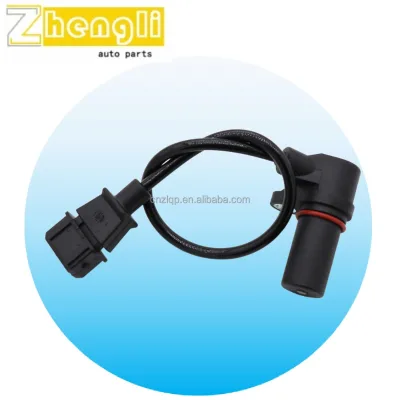
Main productstemperature sensor,pressure sensor,Oil pressure switch,Coolant level sensor,Crankshaft sensor
Main marketsMid East(10.00%), Africa(10.00%), South America(10.00%), North America(10.00%)

Guangdong Zhaoyang Technology Co., Ltd.
- Verified by SGS
- Manufacturer/Factory
- China Guangdong
- Lead time15 days
- Avg. response≤ 5h
Main productsOil Seal Shaft Sleeve Mechanical Seal, Air Compressor Parts Filter Solenoid Valve, Coupling Controller Bearing, Air Compressor Oil Oil Pipe Control Valve, Minimum Pressure Valve Inlet Valve, Temperature Sensor Pressure Sensor, Oil Separator Oil Filter Air Filter, Thermostat Valve Precision Filter, Cooler Electronic Automatic Drain, Gear Servo Cylinder Pressure Switch
Main marketsSouth America,Eastern Europe,Mid East,North America,Southeast Asia,Eastern Asia,Western Europe,Africa
Xingtai Zeno Import & Export Co., Ltd.
- Trading Company
- Hebei, China
- Lead time25 days
- Avg. response≤ 6h
Main productsTruck parts, Truck Body Parts, Air Filter, Engine Parts, Brake Parts
Main marketsNorth America(80.00%), South America(10.00%), Central America(8.00%), Africa(2.00%)
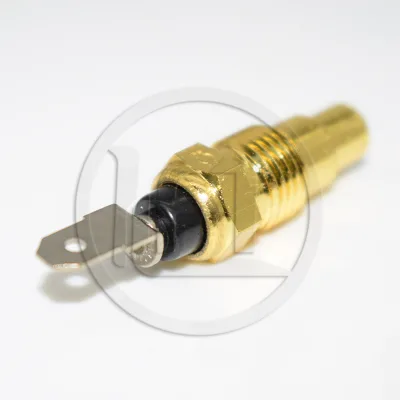


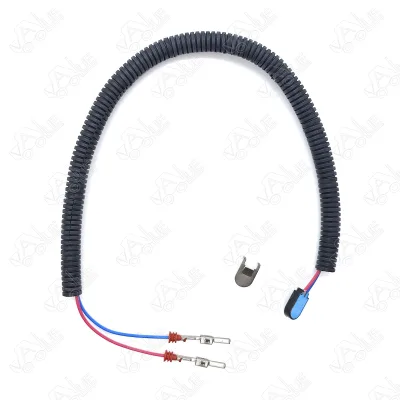
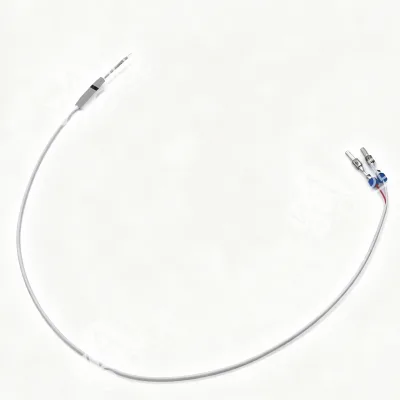


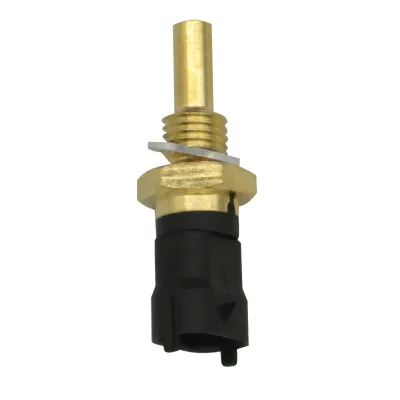


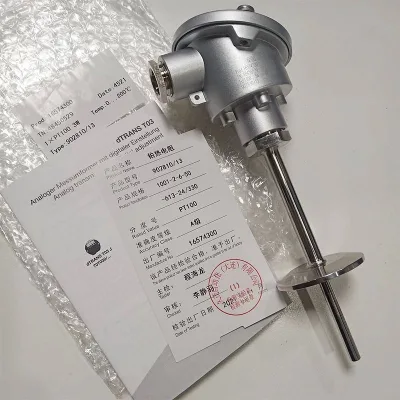
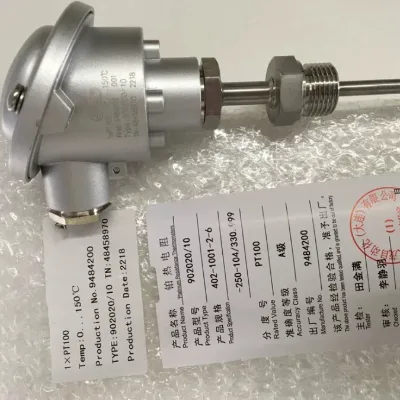
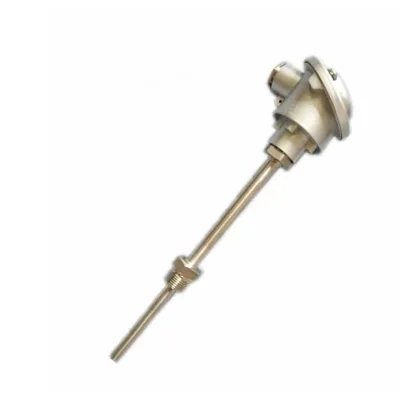
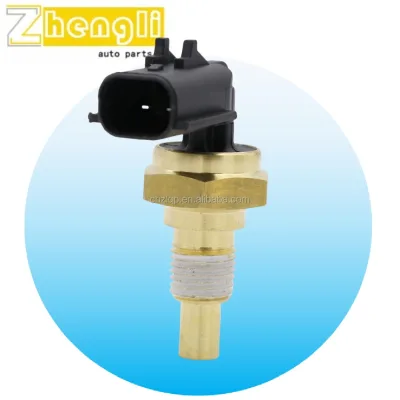


Comprehensive Sourcing Guide
Forklift Temperature Sensor Supplier Concentration and Factory Types
The current supplier landscape for forklift temperature sensors reveals a distinct split between manufacturing capabilities and trading operations, primarily concentrated in specific Chinese provinces. Evidence indicates that suppliers are located in Anhui and Jiangsu, with Anhui hosting companies that specialize in forklift-specific components such as handles, chargers, and controllers alongside temperature sensors. These suppliers often operate as trading companies, which suggests they may source from various factories or manage inventory for resale rather than producing the sensors in-house. This model can offer flexibility in product variety but requires buyers to verify the actual origin of the goods. In contrast, suppliers in Jiangsu are identified as manufacturers or factories, producing a broader range of heating and sensing elements including tubular heaters, cartridge heaters, and thermocouples. This distinction is critical because factory-direct suppliers typically have more control over production quality and customization, whereas trading companies might offer faster access to diverse SKUs but with less direct oversight of the manufacturing process.
Understanding these factory types helps buyers align their sourcing strategy with their operational needs. Trading companies in Anhui often list main products that include forklift batteries and seats, indicating a focus on complete forklift maintenance ecosystems. Their role as intermediaries can simplify logistics for buyers who need multiple parts from different sources, but it adds a layer of complexity when verifying technical specifications like sensor accuracy or material composition. Conversely, the Jiangsu-based manufacturers focus on electronic components and sensors, offering OEM capabilities and own-brand production. These entities are better suited for buyers seeking custom specifications, such as specific thread sizes or probe diameters for K-type thermocouples. The presence of ISO 9001 certification among these manufacturers provides a baseline assurance of quality management systems, which is less commonly highlighted in trading company profiles. Buyers must therefore assess whether their priority is the breadth of forklift parts available through a single trading partner or the technical precision and customization offered by a dedicated sensor manufacturer.
How to Verify Forklift Temperature Sensor Suppliers
Verifying the legitimacy and capability of suppliers requires a multi-layered approach that goes beyond surface-level product listings. Buyers should first confirm the company type, distinguishing between trading companies and manufacturers, as this impacts accountability and communication efficiency. For manufacturers, checking for system certifications such as ISO 9001 is a primary step, as it indicates adherence to international quality management standards. Additionally, product-specific certifications like CE or RoHS should be verified against the actual product data sheets, ensuring that the sensors meet safety and environmental regulations for the target market. It is also essential to validate the place of origin, as some listings may claim one location while the actual production occurs elsewhere. Buyers can request factory audit reports or video tours to confirm the existence of production lines, especially when dealing with suppliers who claim OEM capabilities but lack visible manufacturing infrastructure.
Response time and lead time metrics provide further insight into supplier reliability and operational efficiency. A supplier with a response time of under two hours, as seen in some Anhui-based listings, suggests a highly responsive sales team capable of addressing urgent inquiries quickly. However, buyers should cross-reference this with lead times, which can vary significantly based on order volume and customization requirements. For instance, while some suppliers offer a lead time of seven days for standard items, others may require fifteen days or more for complex sensor configurations. Buyers should also inquire about the supplier’s ability to provide samples before placing bulk orders, as this allows for physical verification of product quality, including the condition of the sensor, packaging integrity, and accuracy of the temperature readings. Furthermore, checking the supplier’s history and establishment year can reveal their stability in the market, although this data is not always explicitly displayed. Engaging in direct communication to ask specific technical questions can also help gauge the depth of their expertise and their willingness to support post-sale issues.
What to Compare Across Forklift Temperature Sensor Suppliers
When evaluating multiple suppliers, buyers must compare key commercial and technical attributes to identify the best fit for their specific requirements. One of the most critical factors is the Minimum Order Quantity (MOQ), which can range from one piece to ten pieces or more depending on the supplier and product type. Suppliers with an MOQ of one piece offer greater flexibility for testing and small-scale procurement, while those with higher MOQs may offer better unit pricing for bulk orders. Price ranges also vary significantly, with some suppliers listing prices between $2.50 and $3.50 for basic sensor plugs, while others charge between $5.50 and $10.00 for more specialized K-type thermocouples with stainless steel probes. Buyers should analyze these price points in conjunction with the MOQ to determine the total cost of ownership, including shipping and handling fees. Additionally, comparing the range of main products offered can help identify suppliers who can serve as a single source for multiple forklift components, potentially simplifying the supply chain.
Technical specifications and customization options are equally important in the comparison process. Buyers should examine the model numbers, thread sizes, and probe diameters available from each supplier to ensure compatibility with their existing forklift models. For example, some suppliers offer sensors with model numbers like 490 or TD27/H20/H25, which are specific to certain engine types, while others provide generic K-type sensors with customizable threads such as M6, M8, or M12. The availability of OEM services is another key differentiator, allowing buyers to brand the sensors with their own logo or specifications. Response times and lead times should also be compared, as faster response times can facilitate quicker decision-making, while shorter lead times ensure timely delivery for maintenance operations. Buyers should also consider the packaging standards, such as neutral export boxes or wooden cases, which can impact product protection during transit. By systematically comparing these attributes, buyers can make informed decisions that balance cost, quality, and service levels.
Common Forklift Temperature Sensor Sourcing Risks
Sourcing forklift temperature sensors involves several risks that buyers must actively manage to avoid operational disruptions and financial losses. One significant risk is the mismatch between product specifications and actual delivery, particularly when dealing with trading companies that may not have direct control over manufacturing details. Buyers may receive sensors with incorrect thread sizes, inaccurate temperature ranges, or substandard materials, leading to installation failures or inaccurate engine monitoring. This risk is heightened when suppliers do not provide detailed technical drawings or certification documents for each batch. Another risk is the variability in lead times, which can be affected by raw material shortages, production delays, or logistical bottlenecks. Suppliers who advertise short lead times may struggle to meet these promises during peak seasons, causing delays in forklift maintenance and potential downtime for operations. Buyers should therefore establish clear communication channels and request regular updates on production status to mitigate these delays.
Quality consistency is another major concern, especially when sourcing from multiple suppliers or switching between manufacturers. Variations in manufacturing processes can lead to inconsistencies in sensor accuracy, durability, and performance, which can compromise the reliability of forklift engines. Buyers should implement strict quality control measures, including pre-shipment inspections and sample testing, to ensure that each batch meets the required standards. Additionally, there is a risk of intellectual property infringement if suppliers use unauthorized designs or branding, which can lead to legal issues and reputational damage. Buyers should verify that suppliers have the necessary rights to produce and sell the products they offer. Furthermore, reliance on a single supplier for critical components can create supply chain vulnerabilities, making it essential to diversify the supplier base. By identifying and addressing these risks proactively, buyers can build a more resilient and reliable sourcing strategy for forklift temperature sensors.
Forklift Temperature Sensor Regional Sourcing and Logistics
Regional sourcing strategies play a crucial role in optimizing logistics and reducing costs for forklift temperature sensors. Suppliers located in Anhui and Jiangsu provinces offer distinct advantages based on their proximity to manufacturing hubs and transportation networks. Anhui-based suppliers, often trading companies, may benefit from established distribution channels that facilitate the aggregation of various forklift parts, making it easier for buyers to consolidate shipments. This can reduce shipping costs and simplify customs clearance processes. On the other hand, Jiangsu-based manufacturers, with their focus on electronic components and sensors, may offer more direct shipping options from their factories, potentially reducing transit times and handling risks. Buyers should consider the location of their own operations when selecting suppliers, as closer proximity can lead to faster delivery and lower freight costs. Additionally, regional trade agreements and tariffs may influence the total cost of sourcing, making it important to evaluate the logistical implications of each supplier’s location.
Logistics planning also involves considering the packaging and handling requirements of the sensors to ensure they arrive in optimal condition. Suppliers in Jiangsu often use carton or wooden case packaging, which provides robust protection for delicate electronic components during transit. Buyers should verify the packaging standards with their suppliers to ensure that the sensors are adequately protected against moisture, shock, and vibration. Furthermore, buyers should assess the supplier’s experience with international shipping, including their ability to handle customs documentation and compliance with export regulations. Suppliers with a strong track record in exporting can provide valuable support in navigating complex logistical challenges, such as customs inspections and port delays. By aligning regional sourcing strategies with logistical capabilities, buyers can enhance the efficiency and reliability of their supply chain, ensuring that forklift temperature sensors are delivered promptly and in good condition.
Forklift Temperature Sensor Commercial Terms and Order Planning
Effective order planning and negotiation of commercial terms are essential for securing favorable conditions when sourcing forklift temperature sensors. Buyers should prioritize understanding the payment terms, such as the use of escrow services or letters of credit, to ensure financial security and protect against fraud. Suppliers who offer escrow services provide an additional layer of protection by holding funds until the buyer confirms receipt and satisfaction with the products. This is particularly important for first-time transactions or when dealing with new suppliers. Buyers should also negotiate clear terms regarding warranties and returns, ensuring that defective sensors can be replaced or refunded without significant hassle. Additionally, understanding the supplier’s policy on sample orders can help buyers assess product quality before committing to larger purchases, reducing the risk of costly mistakes.
Lead time and production capacity are critical factors in order planning, as they impact inventory management and operational continuity. Buyers should work with suppliers to establish realistic lead times based on order volume and customization requirements, allowing for adequate buffer time to handle unexpected delays. For suppliers with OEM capabilities, buyers should discuss the timeline for design approvals and prototype production to ensure that custom sensors are delivered on schedule. Furthermore, buyers should consider the supplier’s ability to scale production up or down based on demand fluctuations, ensuring that they can meet peak requirements without compromising quality. By carefully planning orders and negotiating favorable commercial terms, buyers can build a stable and efficient supply chain for forklift temperature sensors, supporting their operational needs and minimizing disruptions.
FAQs
What is the minimum order quantity for forklift temperature sensors?
The minimum order quantity is typically 1 piece for many suppliers, allowing buyers to test samples easily. Some manufacturers set a higher MOQ of 10 pieces for specific industrial thermocouples. Always verify the specific product listing to confirm the exact threshold before placing an order.
How long does delivery take for these components?
Standard lead times are generally around 7 days for forklift parts and 15 days for industrial heating elements. Response times vary, with some suppliers replying within 2 hours and others taking up to 15 hours. Confirm the exact schedule with the seller before finalizing the purchase.
Where are these sensors manufactured?
Manufacturing locations are primarily in Anhui and Jiangsu provinces in China. Specific origins include Anhui for forklift sensors and Yancheng for certain temperature probes. Buyers should check the product details to confirm the exact place of origin for their specific order requirements.
What certifications do these sensors have?
Common certifications include CE and RoHS for industrial temperature sensors. Some products also meet ISO 9001 system standards. Verify the specific certification listed on the product page to ensure compliance with your regional safety and quality regulations before importing.
What is the price range for these sensors?
Prices typically range from $2.50 to $3.50 for basic forklift plugs and $5.50 to $7.50 for specific engine models. Industrial thermocouples may cost between $3.85 and $10.00. Prices vary based on customization, material, and order volume.
Can I customize these temperature sensors?
Customization is available for many products, including color, thread size, and probe diameter. Some suppliers offer OEM services and custom packaging. Check the product attributes to see if customization is explicitly listed as available for your specific model requirements.