2 Pins Window Regulator Motor Suppliers and Manufacturers
Source 18 verified suppliers for 2 Pins Window Regulator Motor components. Compare key dimensions including lead times, MOQs, and certifications like TS 16949. Review product specifications and request quotes directly from manufacturers and trading companies; review the available evidence before requesting comparable quotations from suitable candidates.
Updated
Suppliers List
Xiamen Domili Import & Export Co., Ltd.
- Manufacturer, Trading Company
- Fujian, China
- Lead time15 days
- Avg. response≤ 4h
Main productsAuto parts,Car parts,car body parts,engine parts,bmw auto parts
Main marketsWestern Europe(30.00%), North America(30.00%), Domestic Market(10.00%), South America(10.00%), Africa(5.00%), Eastern Europe(5.00%), Mid East(5.00%), Oceania(5.00%)
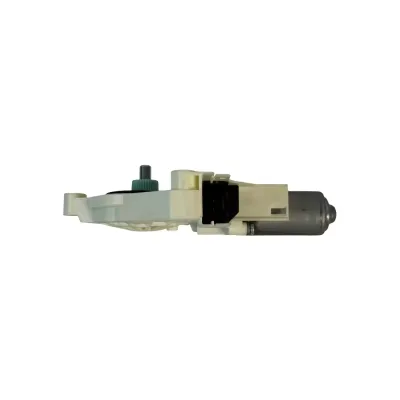
$64.00
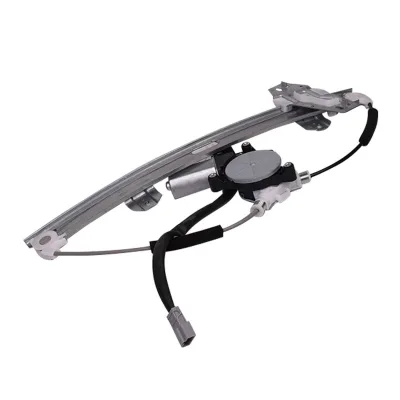
Front Left Power Window Regulator W/ Motor for Honda Civic 96-00 72250-S04-A04
$1.00 - $50.00
MOQ: 1 Minimum

Zhejiang LEVI Electromechanical Technology Co., Ltd.
- Verified by TUVRHEINLAND
- Manufacturer/Factory
- China Zhejiang
- Lead time60 days
- Avg. response≤ 3h
Main productsPower Window Motor, Window Lift Motor, Wiper Motor, Passenger Car Door Pump Motor, Engineering Oil Pump Motor, Push Rod Lift Motor
Main marketsEastern Europe,North America,Western Europe

Ruian Yeah Auto Parts Co., Ltd.
- Trading Company
- China Zhejiang
- Lead time0 days
- Avg. response≤ 4h
Main productsCar Air Freshener, Window Motor, Mabuchi DC Motor, Refreshing Wet Towel


Automatic Window Glass Lifter Window Regulator Motor Door Lifting Motor
$9.80 - $15.00
MOQ: 500 Pieces


Linsheng International Enterprise Co., Ltd.
- Trading Company
- China Guangdong
- Lead time0 days
- Avg. response≤ 17h
Main productsLinear Actuator Controllers, Trucks Parking Sensors, Linear Actuators, Motorcycle Alarms, Central Locking

Hangzhou Lectstyle Trade Co., Ltd.
- Verified by CTI
- Trading Company,Manufacturer/Factory
- China Zhejiang
- Lead time45 days
- Avg. response≤ 3h
Main productsDC Motor, Wheelchair Motor, Electric Transaxle, Wind Turbine, Windshield Wiper Motor, Agricultural Roller Chain, Conveyor Chain, Planetary Gearbox, Commutator, Seal Component
Main marketsSouth America,Eastern Europe,North America,Southeast Asia,Eastern Asia,Western Europe
Zhejiang Jiejia Automobile Parts Co., Ltd.
- Verified by TüVRheinland
- Manufacturer, Trading Company
- Lead time30 days
- Avg. response≤ 5h
Main productsSpeaker & Horn, Other Body Parts, Power Windows Motor, Auto Switches
Main marketsNorth America(50%), South Asia(12%), Eastern Asia(10%)
Wenzhou Ruishuo Auto Parts Co., Ltd.
- Trading Company
- Zhejiang, China
- Lead time30 days
- Avg. response≤ 5h
Main productsHeavy-duty Window Regulator,Window Regulator,Window Motor,Wiper Motor,Power Step Motor
Main marketsMid East(20.00%), North America(15.00%), Eastern Asia(10.00%), South America(10.00%), Western Europe(10.00%), Southeast Asia(10.00%), Eastern Europe(10.00%), Africa(5.00%)
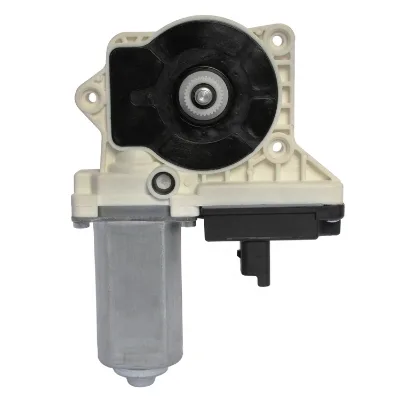
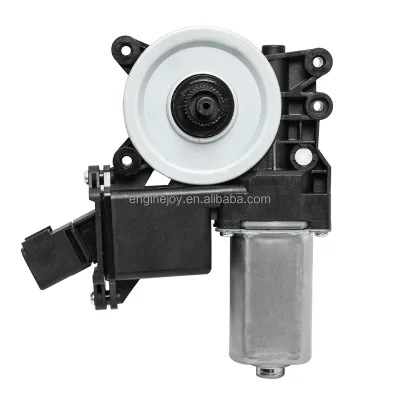
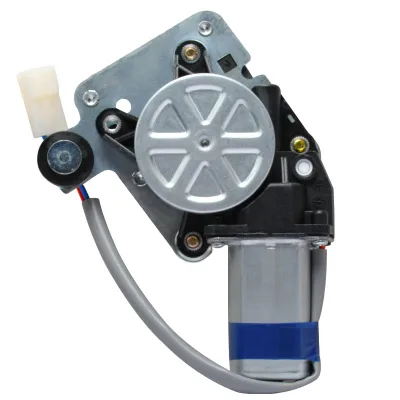
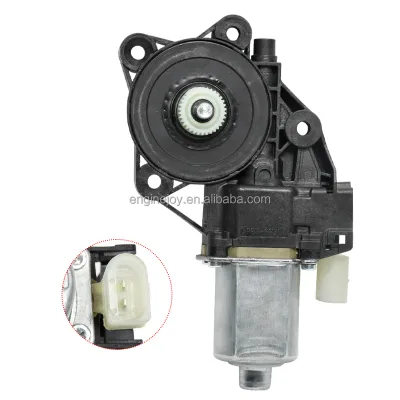
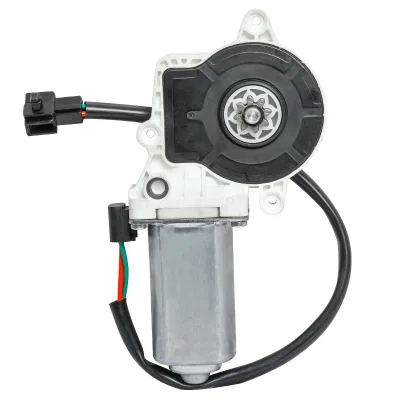
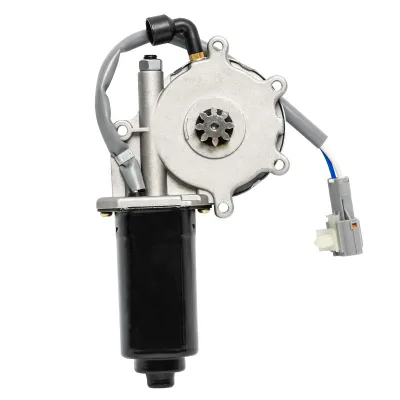
Window Regulator Motor 12V 0130822489
MOQ: 20 Minimum
Guangzhou Carform Electronice Technology Co., Ltd.
- Trading Company
- Guangdong, China
- Lead time25 days
- Avg. response≤ 9h
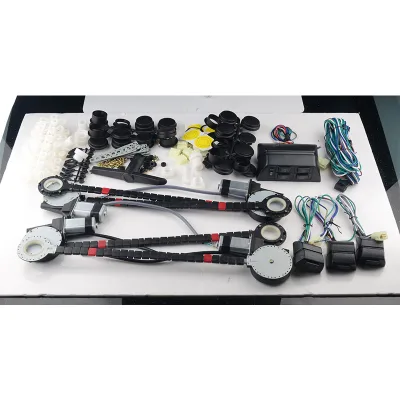
Main productsCar Alarm System, Power Window Kit, Car Reverse Camer, Central Locking System, Car Parking Sensor
Main marketsSouth America(30.00%), Eastern Europe(30.00%), Mid East(20.00%), North America(10.00%), Southeast Asia(5.00%), Oceania(3.00%), Western Europe(2.00%)
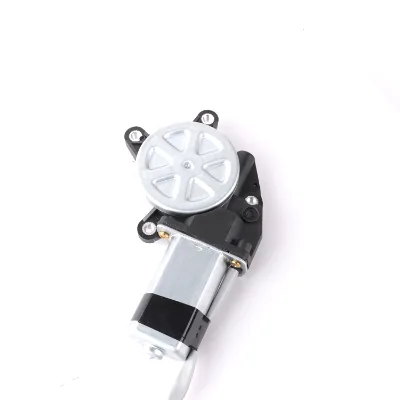
Car Motor DC 12v High Torque Electric High Torque Power Window Regulator Motor
$12.90 - $13.90
MOQ: 10 pieces
Wuyuan Joy Automobile Electric Appliances Co., Ltd.
- Verified by SGS Group
- Manufacturer, Trading Company
- Lead time30 days
- Avg. response≤ 3h
Main productsAutomotive and motorcycle parts, Automotive seat motor, Wiper motor and wiper assembly, Windshield Wipers, Fasteners and automotive parts
Main marketsDomestic Market(80%), North America(8%), Western Europe(7%)
Chongqing Chenfeng Technology Co., Ltd.
- Trading Company
- Chongqing, China
- Lead time0 days
- Avg. response≤ 17h
Main productsgear,Die Casting Parts,CNC Turning Parts,Plastic Parts,Mechanical parts Design
Main marketsNorth America(60.00%), Southeast Asia(30.00%), Northern Europe(5.00%), Africa(5.00%)
- Trading Company
- Lead time旺季: "1 - 100":15,"> 100":"To be negotiated", 淡季: "1 - 100":15,"> 100":"To be negotiated"
- Avg. response≤ 1h
Main productsIgnition Coils, Ignition Coil Rubber Boot, Fuel Injector, Fuel Pump, Fuel Injector Repair Kits
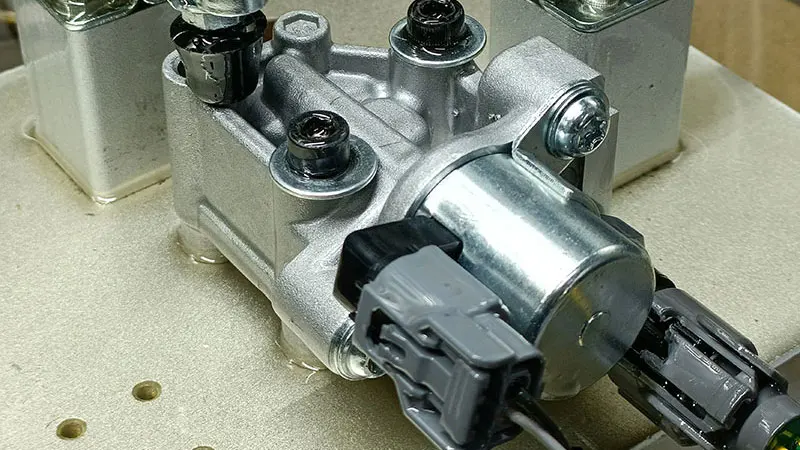
Guangdong Leoni Automotive Electronics Co., Ltd.
- Manufacturer
- Guangdong, China
- Lead time15 days
- Avg. response≤ 2h
Main productsvvt solenoid,cam phaser,automatic transmission solenoid valve,timing chain kits,suspension air compression
Main marketsNorth America(30.00%), Eastern Asia(20.00%), Eastern Europe(15.00%), Northern Europe(10.00%), Western Europe(10.00%), Mid East(5.00%), Southeast Asia(5.00%), South America(5.00%)
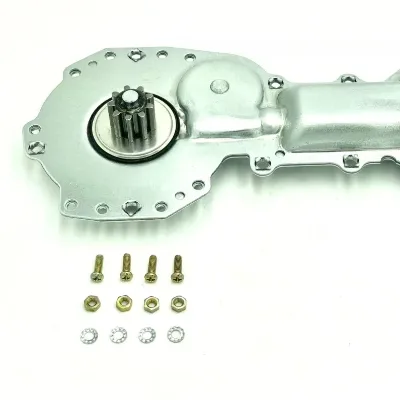
742-Window Lift Regulator Motor for General GMC-9 Teeth
$10.00 - $12.00
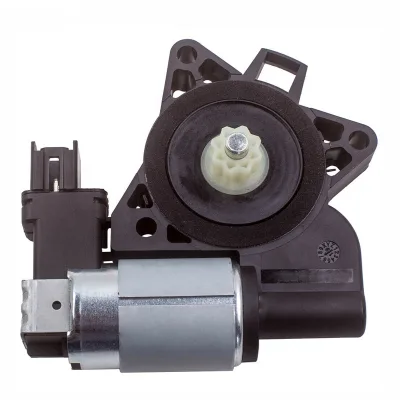
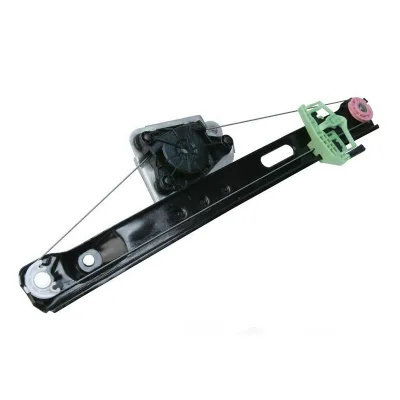
OEM 51357140589 Left&Right Front Window Regulator Motor 51357140590 Fits for E90/E91
$60.00 - $65.00
MOQ: 20
Ruian Beand Auto Parts Co., Ltd.
- Manufacturer, Trading Company
- Lead time旺季: "1 - 20":90,"> 20":"To be negotiated", 淡季: "1 - 20":90,"> 20":"To be negotiated"
- Avg. response≤ 7h
Main productsSTARTER,ALTERNATOR,INTERCOOLER,OIL COOLER,EGR COOLER
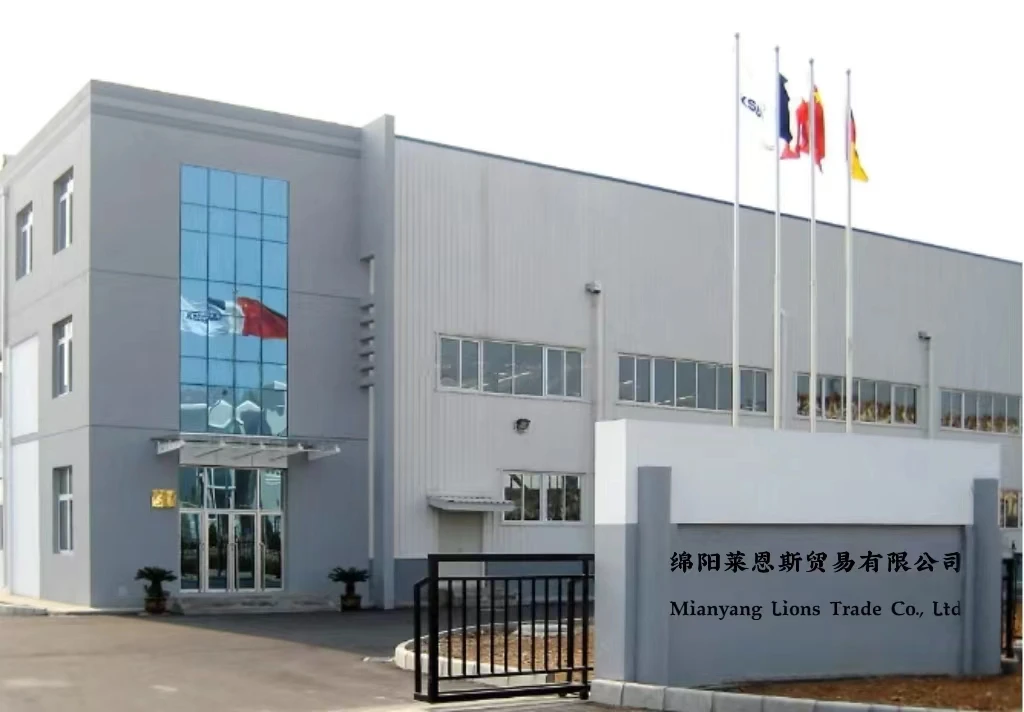
Mianyang Lions Trade Co., Ltd.
- Trading Company
- Sichuan, China
- Lead time7 days
- Avg. response≤ 5h
Main productsAuto power chassis system,Auto electrical system,Auto interior and exterior decoration system,Auto body system,Auto modification parts
Main marketsEastern Europe(20.00%), North America(20.00%), Southeast Asia(15.00%), South Asia(10.00%), Western Europe(10.00%), South America(10.00%), Eastern Asia(6.00%), Africa(5.00%), Oceania(1.00%), Southern Europe(1.00%), Northern Europe(1.00%), Mid East(1.00%)
LONG NEW PLASTIC STEEL MOLD CO., LTD.
- Verified by SGS Group
- Manufacturer, Trading Company
- Lead time35 days
Main productsPlastic injection mould, Plastic products, Molds OEM service
Main marketsDomestic Market(80%), North America(15%), Oceania(3%)

Ruian Ouri I/E Trade Co., Ltd.
- Verified by TUVRHEINLAND
- Trading Company,Manufacturer/Factory
- China Zhejiang
- Lead time45 days
- Avg. response≤ 5h
Main productsHeavy Duty Truck Tensioner & Pulley, Truck Sensor, Truck Combination Power Window Switch, Truck Coolant Expansion Tank, Heavy Duty Truck Gas Spring, Truck Cabin Door Handle, Heavy Duty Trucks Accessories, Truck Gear Shift Lever Cable, Truck Cable Wiring Harness, Truck Air Brake Valve
Main marketsSouth America,Eastern Europe,Mid East,North America,Southeast Asia,Eastern Asia,Oceania,Western Europe,Africa
Guangzhou Tianyu Auto Parts Co., Ltd.
- Manufacturer, Trading Company, Distributor/Wholesaler
- Guangdong, China
- Lead time7 days
- Avg. response≤ 6h
Main productsFuel injector,Ignition Coil,clock spring,Auto sensor,window switch
Main marketsDomestic Market(70.00%), Southeast Asia(8.68%), Mid East(6.86%), Eastern Europe(6.85%), South Asia(6.40%), South America(0.46%), Africa(0.34%), Oceania(0.23%), Western Europe(0.18%)
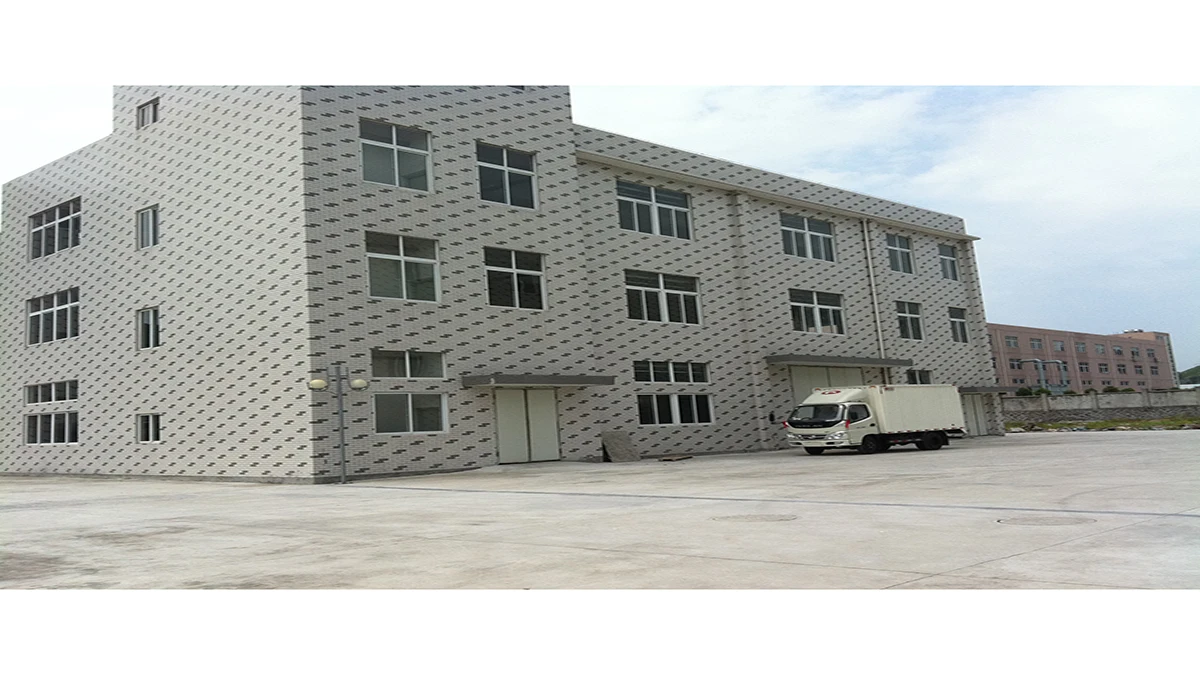
Lianyungang Lesen Auto Parts Co., Ltd.
- Manufacturer, Trading Company
- Jiangsu, China
- Lead time40 days
- Avg. response≤ 1h
Main productsOil Pressure Sensor,thermostat,condenser,truck parts,parking sensor
Main marketsWestern Europe(70.00%), North America(25.00%), Eastern Europe(20.00%), South America(10.00%)
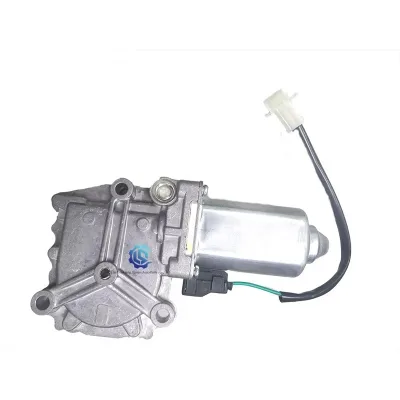
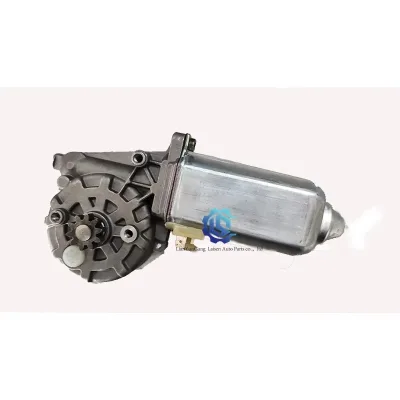
Window Regulator Motor 1442292 1366761 2303350 560097 1062010 3176549 31765492 for SCANIA
$88.00 - $99.00
MOQ: 20 pieces


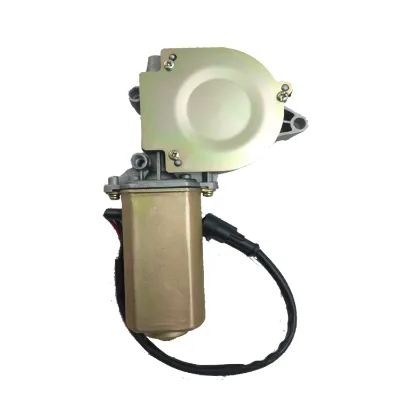
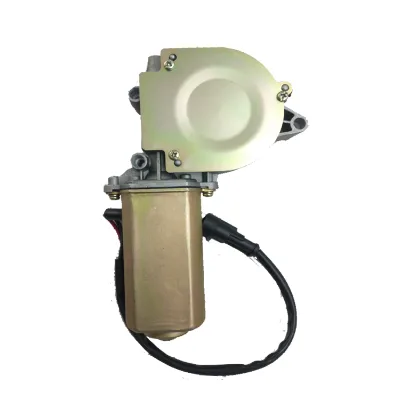
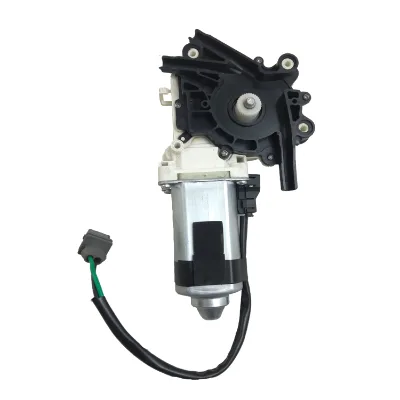
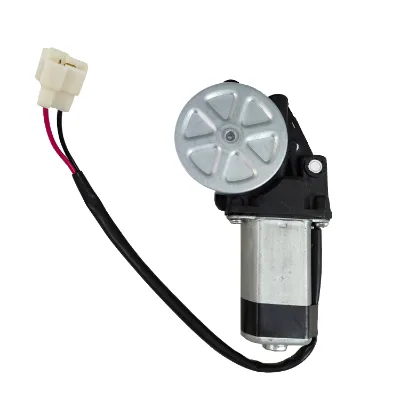
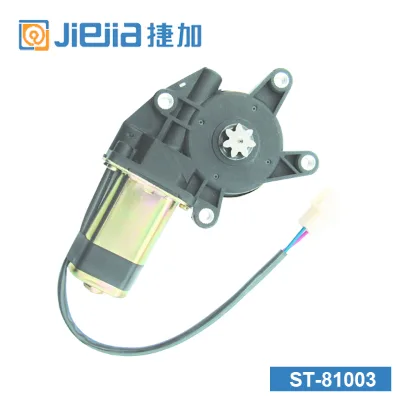
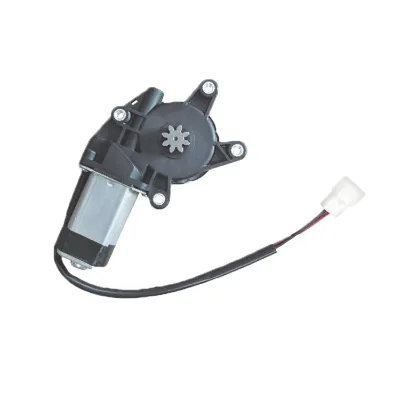
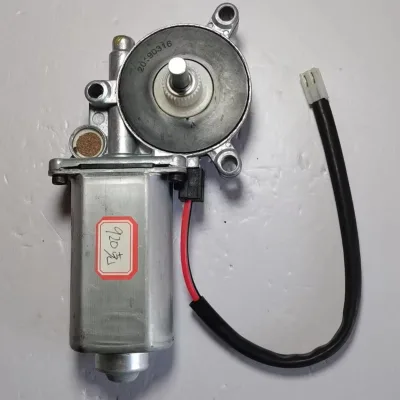
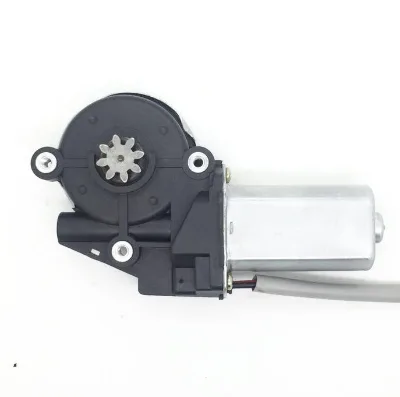
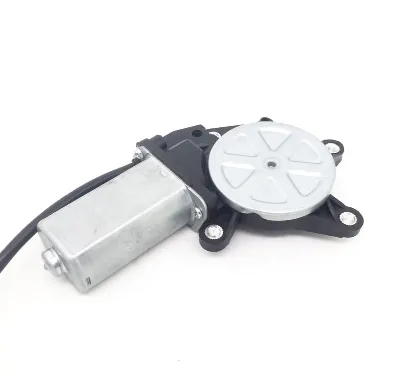
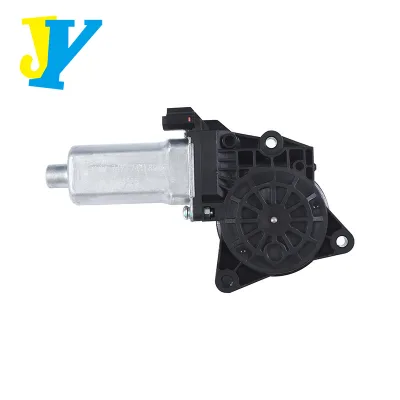
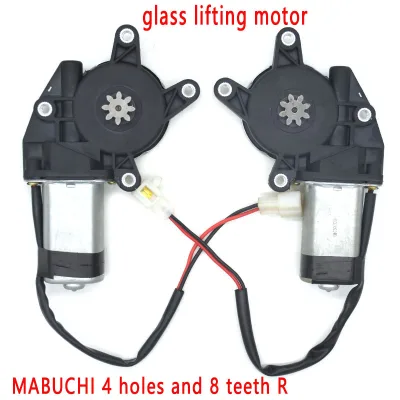
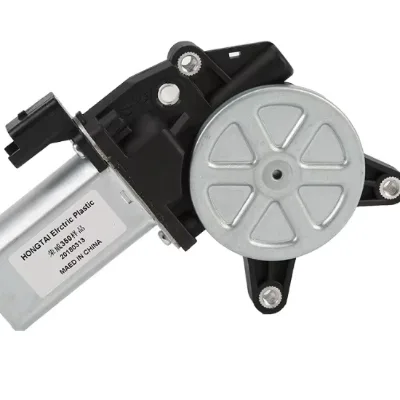
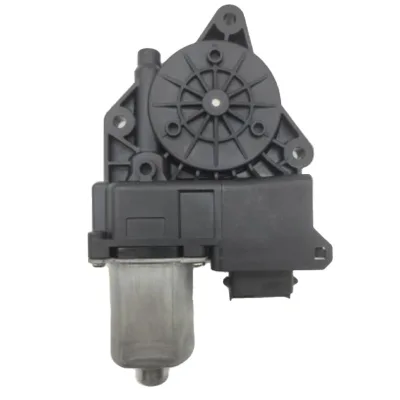
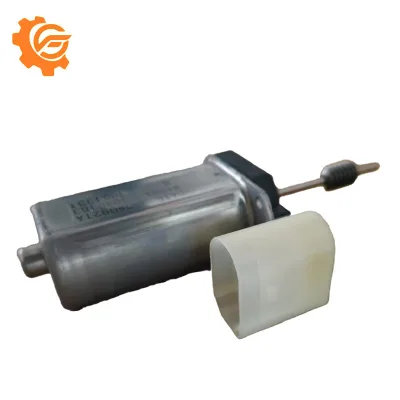
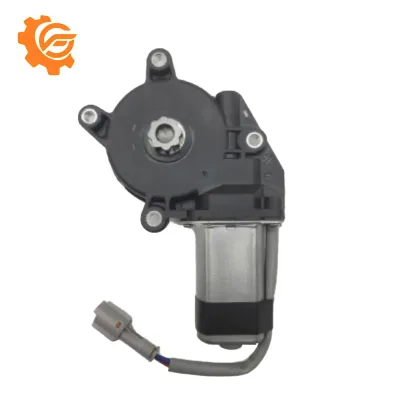
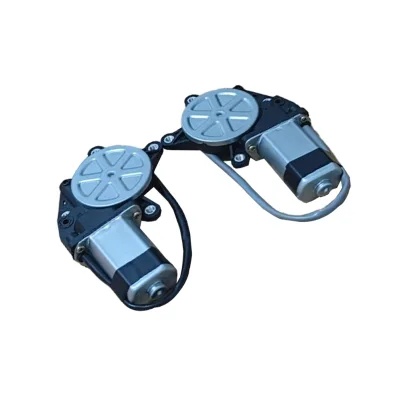


Comprehensive Sourcing Guide
2 Pins Window Regulator Motor Supplier Concentration and Factory Types
Suppliers listing 2 pins window regulator motors on B2B platforms fall into two broad categories: manufacturers that wind their own armatures, assemble gearboxes and control their own production lines, and trading companies that consolidate motors from several factories and add packaging, labeling or export services. The distinction matters for a two-pin DC motor because pin configuration, gearbox noise and stall current are process-sensitive attributes that a factory can adjust, while a trader typically relays specifications to a third party. Some supplier profiles display both manufacturer and trading company labels, which may indicate a factory with an export office or a hybrid operation.
China is the dominant origin for this category, and supplier profiles frequently show provincial locations such as Zhejiang or Fujian, with individual products sometimes listing Guangdong as the place of origin. Do not assume one province covers every supplier; instead, treat the displayed location as a starting point for mapping clusters. A practical method is to filter search results by province, note which regions appear repeatedly among motor-focused suppliers, and check whether those suppliers also list related items such as wiper motors, window lift motors or door pump motors, which signals a genuine micro-motor cluster rather than a single opportunistic listing. Confirm the cluster claim by requesting the factory's business license, which shows the registered manufacturing address.
How to Verify 2 Pins Window Regulator Motor Suppliers
Verification begins with the platform's own signals, but you must read them narrowly. Some motor factories carry an IATF 16949 or TS 16949 system certification and third-party verification from an inspection body, while other profiles show no certification at all. Never generalize a credential across the category: check the certificate number, the scope of the certification and the expiry date, and ask the supplier to confirm that the window regulator motor line specifically falls within the certified scope. A verified badge on the profile is not equivalent to an audited production line.
Beyond documents, request evidence tied directly to the two-pin motor you intend to buy. Ask for dimensional drawings of the pin spacing and connector, a datasheet showing no-load current, load current and stall current, and photos or videos of the assembly line. A recent listing showed a product with a stated one-year warranty and OE number references; ask any shortlisted supplier to confirm warranty terms in writing and to state which OE or aftermarket references their motor replaces. Run a sample test: measure current draw at rated voltage, run a endurance cycle on a bench regulator, and check connector fitment. Finally, confirm the legal entity name on the invoice matches the profile name, and ask whether production happens in-house or at a subcontractor, since this affects both quality control and your ability to audit.
What to Compare Across 2 Pins Window Regulator Motor Suppliers
Build a comparison sheet using the attributes that supplier profiles actually display, and mark blanks as "verify" rather than assuming a value. Useful displayed dimensions include supplier type (manufacturer, trading company or hybrid), main products, location, response time, lead time and minimum order quantity. In the current results, response times range from under three hours to around four hours, and lead times vary dramatically, from roughly two weeks on one profile to around sixty days on another, so a two-week quoted lead time should trigger questions about whether stock exists or whether the quote covers a different product. MOQs also differ widely: one motor listing shows an MOQ of a single unit while another factory lists five hundred pieces, which reflects sample-friendly trading stock versus production-run pricing.
Compare product-level data next. Some suppliers list motor models with explicit electrical parameters, such as no-load current of 0.5 maximum, load current of 2.5 maximum, stall current of 10 and power of 50, while others provide only a model number and packing details. Ask every supplier for the same parameter set so your sheet stays comparable. Also weigh main-product fit: a supplier whose catalog centers on window motors, wiper motors and DC gear motors is a stronger fit than one whose headline products span unrelated goods, even if the motor listing looks attractive.
Common 2 Pins Window Regulator Motor Sourcing Risks
The most frequent risk in this category is specification drift between sample and production. A two-pin motor is defined by small mechanical details: pin diameter, pin spacing, gear tooth count, mounting hole pattern and rotation direction. Suppliers may substitute an equivalent motor when the quoted model is out of stock, and because the outer housing looks similar, the mismatch often appears only at fitment testing. Protect yourself by locking the model number, the pin dimensions and the gear specification in the purchase contract, and by retaining a signed golden sample.
The second risk cluster involves electrical and labeling mismatches. Listings may show voltage ratings, current figures or OE references without clarity on which car platforms they fit; one listed product references a specific OE number and an Audi A6L application, while others are generic aftermarket motors. Confirm the intended application in writing and test against the actual regulator assembly. Additional risks include inconsistent brush quality causing elevated noise over time, packaging that fails to protect gearboxes in transit, and trading companies that cannot access the factory for corrective action. Ask who owns the tooling, whether neutral or branded packaging is available, and what the warranty claim process requires. Treat vague answers on warranty documentation as a signal to test a larger sample before committing volume.
2 Pins Window Regulator Motor Regional Sourcing and Logistics
Because supplier profiles in this category consistently point to Chinese provinces, plan your logistics around Chinese export infrastructure. One listing names Yantian as the port of dispatch, and other suppliers in Guangdong, Zhejiang and Fujian will typically route through nearby deep-water ports. Ask each shortlisted supplier to state its default port, whether it quotes FOB, and whether it can consolidate motors with other auto parts in the same container. Motors are compact but heavy relative to their value, so carton dimensions and palletization matter: at least one supplier states pallet-based packing standards and neutral packaging options, which simplifies consolidation.
Regionally, resist the assumption that the cheapest quote is the nearest factory to the port. A Zhejiang motor factory may ship via Ningbo or Shanghai, while a Guangdong supplier ships via Shenzhen ports; inland-to-port trucking time and cost differ. Confirm packing details in writing: single-unit box size, units per carton, carton weight and pallet configuration, so freight forwarders can quote accurately. For sample stages, international couriers are standard, and a single motor's gross weight around one kilogram, as one listing shows, keeps sample courier costs modest. Finally, verify export documentation competence, since auto electrical components may require accurate HS classification, and ask whether the supplier has shipped this product category to your market before.
2 Pins Window Regulator Motor Commercial Terms and Order Planning
Commercial negotiation should anchor on the displayed price bands and then push for volume-tiered quotes. Current listings span a wide range, from a few dollars per unit for generic regulator motors, through roughly ten to fifteen dollars for a factory's 12V motor with a stated one-year warranty, up to listings quoted in the tens of dollars for OE-referenced assemblies. Because listed prices may reflect sample quantities or a single configuration, ask each supplier for a tiered quote at your sample quantity, trial order quantity and annual volume, and confirm which version of the motor, packaging and certification the price covers.
Plan orders around the lead times you have verified rather than quoted best cases. With profile lead times ranging from about two weeks to around two months, build a calendar that accounts for sample testing, tooling or connector confirmation, first-article inspection and production plus shipping. Match MOQ strategy to your stage: use low-MOQ or single-unit listings for fitment samples, then move to factory MOQs for volume, negotiating whether mixed motor models can meet the MOQ collectively. Agree on payment milestones that protect both sides, confirm warranty handling and defective-unit replacement terms in the contract, and set a reordering trigger based on realistic production lead time plus transit, so a stockout of a fast-moving two-pin motor does not idle your own assembly or distribution schedule.
FAQs
What is the price range for 2 pins window regulator motors?
Prices for these motors typically range from $1.00 to $64.00 per unit depending on specifications. Some basic models start at $1.00, while specialized units for specific car models like the A6L cost around $64.00. Buyers should check individual product listings for exact pricing based on quantity and features.
What is the minimum order quantity for these motors?
Minimum order quantities vary significantly by supplier. Some manufacturers accept orders as low as one unit for testing, while others require a minimum of 500 pieces for bulk production. Buyers should verify the specific MOQ with each supplier before placing an order to ensure it aligns with their procurement needs.
How long does it take to receive these motors?
Lead times for production and delivery generally range from 15 to 60 days. Some suppliers offer faster turnaround times of around 15 days, while others with larger capacities may require up to 60 days. Buyers should confirm the exact lead time with the supplier based on their order volume and customization requirements.
Where are these motors manufactured?
These motors are primarily manufactured in China, with specific production hubs in Fujian and Zhejiang provinces. Some products also list Guangdong as the place of origin. Buyers can expect goods to be dispatched from ports like Yantian, ensuring efficient logistics for international shipping and distribution to global markets.
What certifications do these motors have?
Many suppliers hold IATF 16949 certification, indicating compliance with automotive quality management standards. Some products also display TS 16949 certification. Buyers should verify specific certification documents with suppliers to ensure the motors meet the required safety and quality standards for their intended vehicle applications and regulatory environments.
What is the warranty period for these motors?
Warranty periods typically range from one year to 12 months for most standard models. Some suppliers offer a one-year warranty as part of their IATF 16949 certification standards. Buyers should confirm the specific warranty terms with each supplier to understand coverage for defects and return policies for their purchased units.