Automotive Oxygen Sensor Suppliers and Manufacturers
Compare 30 verified Automotive Oxygen Sensor suppliers by location, lead time, response time, and certifications. Review product specs like operating temperature and response time, then request quotes for models such as OXS-004 or 0258006028; review the available evidence before requesting comparable quotations from suitable candidates.
Updated
Suppliers List

Pingxiang Bete Ceramics Co., Ltd.
- Verified by CTI
- Combined
- China Jiangxi
- Lead time23 days
- Avg. response≤ 4h
Main productsCeramic Terminal Block, Electrothermal Insulation Ceramic, Structural Ceramic and Precision Ceramic, Textile Ceramic
Main marketsSouth America,Africa,Southeast Asia/ Mideast,East Asia(Japan/ South Korea),Domestic,Europe,North America


High Accuracy Al2O3 Alumina Ceramic Oxygen Sensor for Automotive Industry
$0.50 - $1.00
MOQ: 100 Pieces

Changsha Torch Auto Parts Co., Ltd.
- Verified by CTI
- Combined
- China Hunan
- Lead time45 days
- Avg. response≤ 4h
Main productsSpark Plug, Ignition Coil, Seal, Brake Pad, Ignition Parts, Power Plant Equipment and Spare Parts, Gas Genesets, Engine Parts, Filter
Main marketsAfrica,Southeast Asia/ Mideast,Domestic,Europe,North America


Automotive Exhaust Lambda Oxygen Sensor Air Fuel Ratio Sensor 0258006028 Direct Fit
$10.00 - $19.99
MOQ: 4 pieces


ZHEJIANG MASTER INJECTION SYSTEM CO., LTD.
- Verified by BV
- Combined
- China Zhejiang
- Lead time30 days
- Avg. response≤ 20h
Main productsFuel Pump, Fuel Pump Module, Motorcycle Fuel Pump, Motorcycle Fuel Pump System, Vvt Variable Valve Timing, Ocv Oil Control Valve, Vvt Solenoid, Electric Fuel Pump, Gasoline Fuel Pump, Fuel Pump Factory
Main marketsSouth America,Africa,Southeast Asia/ Mideast,Europe,North America
Guangzhou City Yuexiu District Linghe Autoparts Trading Company
- Trading Company, Distributor/Wholesaler
- Guangdong, China
- Lead time2 days
- Avg. response≤ 4h
Main productsSpark Plug,Nox Sensor,Oxygen Sensor,Ignition Coil,fuel injector
Main marketsAfrica(30.00%), North America(20.00%), Mid East(10.00%), South America(10.00%), Domestic Market(8.00%), Eastern Europe(5.00%), South Asia(3.00%), Southeast Asia(3.00%), Eastern Asia(2.00%), Southern Europe(2.00%), Oceania(2.00%), Central America(2.00%), Western Europe(2.00%), Northern Europe(1.00%)

Anhui Aljieao Auto Parts Co., Ltd
- Verified by CTI
- Trading Company
- China Anhui
- Lead time23 days
- Avg. response≤ 1h
Main productsUrea Pump, Nox Sensor, Truck Lamp
Main marketsSouth America,Africa,Southeast Asia/ Mideast,East Asia(Japan/ South Korea),Europe,Australia,North America

$9.98 - $15.85
MOQ: 50 Pieces

$9.98 - $15.85
MOQ: 50 Pieces

$10.94 - $14.98
MOQ: 20 Pieces

$10.94 - $14.98
MOQ: 20 Pieces
Guangzhou Follett Electronics Co., Ltd.
- Manufacturer, Distributor/Wholesaler
- Guangdong, China
- Lead time7 days
- Avg. response≤ 1h
Main productsCar/motorcycle LED headlight,UTV/ATV LED Light &parts,fuel injector,Tail light,Auto Sensor
Main marketsNorth America(40.00%), South America(15.00%), Central America(10.00%), Mid East(10.00%), South Asia(5.00%), Northern Europe(5.00%), Africa(5.00%), Western Europe(5.00%), Eastern Europe(5.00%)

Guangzhou Goson Autopart Co., Ltd
- Verified by BV
- Trading Company
- China Guangdong
- Lead time15 days
- Avg. response≤ 14h
Main productsIgnition Coil, Fuel Pump, Oil Nozzle, Fuel Oil Pump Assembly, Computer Board, Oxygen Sensor, Water Temperature Sensor, Idle Speed Motor
Main marketsDomestic


Applicable to Toyota Oxygen Sensor, Model 89465-Bz240, Toyota Oxygen Sensor
$9.00 - $15.00
MOQ: 1 Pieces
Ruian Lihai International Trade Co., Ltd.
- Trading Company
- Zhejiang, China
- Lead time0 days
- Avg. response≤ 3h
Main productsMotorcycle ignition switch,sensors,fuel injector nozzle,ignition coil,fuel pump
Main marketsSouth America(50.00%), Mid East(20.00%), Domestic Market(8.00%), North America(5.00%), Western Europe(5.00%), Africa(5.00%), Southeast Asia(5.00%), Northern Europe(2.00%)
Jin'an District Jingfeng Auto Parts Firm
- Trading Company
- Fujian, China
- Lead time0 days
- Avg. response≤ 1h
Main productsIgnition coil,spark plug,LED headlight,ABS sensor,oxygen sensor
Main marketsSoutheast Asia(30.00%), North America(20.00%), South America(20.00%), South Asia(10.00%), Eastern Asia(10.00%), Eastern Europe(10.00%)

Wenzhou Credit Parts Co., Ltd.
- Verified by TUVRHEINLAND
- Combined
- China Zhejiang
- Lead time15 days
- Avg. response≤ 11h
Main productsFuel Injector, Fuel Pump, Vvt Variable Valve, Sensor, Fuel Injector Repair Kits, Fuel Pressure Regulator, Idle Air Control Valve, Diesel Injector
Main marketsNorth America
Guangzhou Haoxiang Auto Parts Co., Ltd.
- Verified by Intertek
- Trading Company
- Lead time2 days
- Avg. response≤ 2h
Main productsFuel Injection Pump, Spark Plug, Water Pump, Sensor, Fuel Pump
Main marketsNorth America(35%), South America(15%), Eastern Europe(10%)
Guangzhou Hanzhuang Automotive Electronics Technology Co., Ltd.
- Manufacturer, Trading Company
- Guangdong, China
- Lead time5 days
- Avg. response≤ 5h
Main productsOxygen Sensor,Ignition Coil,ABS Wheel Sensor,Fuel Pump Assembly,Crankshaft Position Sensor
Main marketsMid East(45.00%), Southeast Asia(20.00%), Africa(15.00%), North America(10.00%), South America(10.00%)
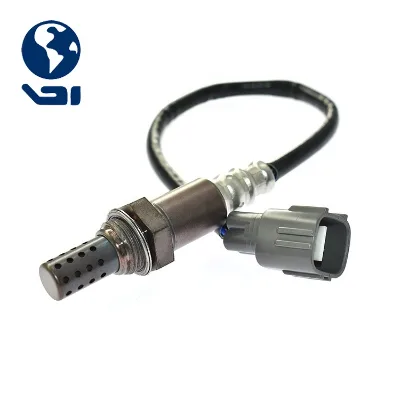
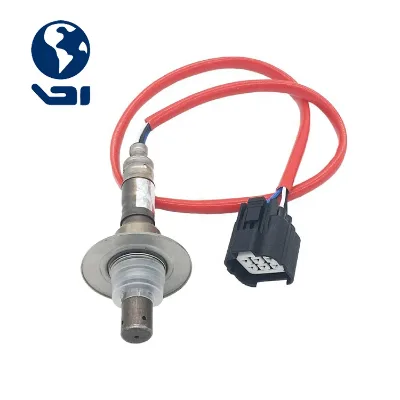
$17.5521 - $22.7127
MOQ: 1 pieces
Guangzhou Jinshengxi Auto Parts Co., Ltd.
- Verified by SGS Group
- Trading Company
- Lead time3 days
- Avg. response≤ 2h
Main productsIgnition Coils, Car Sensors, Window Switches, Fuel Pumps, Fuel Injectors
Main marketsSouth America(50%), Southeast Asia(20%), Africa(20%)
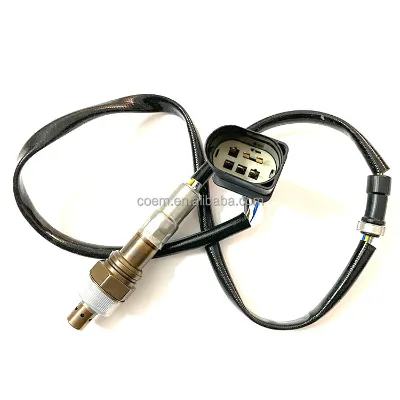
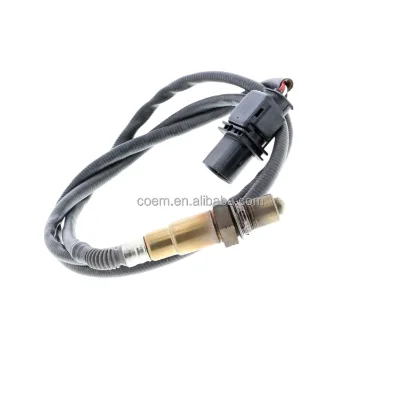
Car Sensor 036906262E High Performance O2 Lambda Auto Oxygen Sensor for VOLKSWAGEN(MEX)
$28.0605 - $32.6714
MOQ: 4 pieces
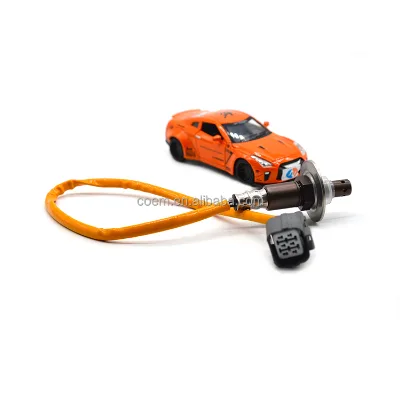
Auto Parts Original O2 Oxygen Sensor OE 22641 AA360 22641AA360 for Subaru
$26.6959 - $33.8833
MOQ: 4 pieces

Foshan Banana Auto Parts Co., Ltd.
- Manufacturer, Trading Company
- Guangdong, China
- Lead time0 days
- Avg. response≤ 4h
Main productsParking Sensor,Power Window switch,Tire Pressure sensor,Oxygen Sensor,ABS Sensor
Main marketsNorth America(28.00%), Eastern Europe(15.00%), Eastern Asia(11.00%), Western Europe(8.00%), Central America(8.00%), Mid East(7.00%), South Asia(7.00%), South America(5.00%), Oceania(5.00%), Southeast Asia(2.00%), Africa(2.00%), Northern Europe(1.00%), Southern Europe(1.00%)
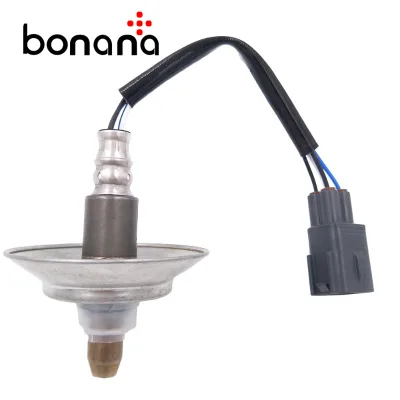
Oxygen O2 Sensor High Performance Sensor Oxygen Sensor 89467-60070 for Toyota Immediate Delivery
$18.3011 - $21.0769
MOQ: 10 pieces
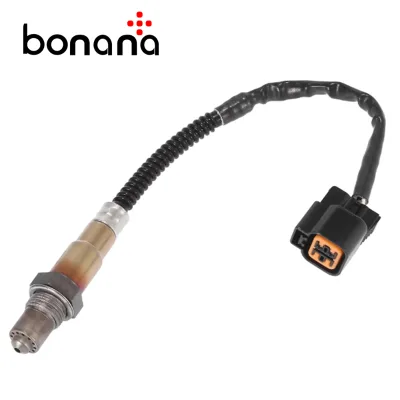
$9.9392 - $11.1811
MOQ: 10 pieces

- Trading Company
- China Chongqing
- Lead time15 days
- Avg. response≤ 3h
Main productsAuto Alternator, Auto Starter, Steering Rack, Throttle Body, Auto Sensor, Control Arm/Crossmember, Power Steering Pump, Fuel Injector, Ignition Distributor, Turbocharger
Main marketsSouth America,Europe


1.8/2.0L Displacement Engine Parts Oxygen Sensor Automotive Components OE #89465-02300
$5.00 - $20.00
MOQ: 1 Pieces

Guangzhou Jieling Automobile Sales Co., Ltd.
- Verified by TüVRheinland
- Trading Company
- Lead time10 days
- Avg. response≤ 12h
Main productsSUV, Car, MPV, Sensor, Car Window
Main marketsAfrica(70%), Southeast Asia(14%), Eastern Asia(6%)

Qingdao D&E International Trade Co., Ltd.
- Verified by BV
- Trading Company,Manufacturer/Factory
- China Shandong
- Lead time23 days
- Avg. response≤ 5h
Main productsAuto Spare Parts, Truck Sparts Parts, Diesel Heaters, Truck Air Conditioner, Heater Spare Parts for Eberspacher/Webasto
Main marketsSouth America,Eastern Europe,Mid East,North America,Southeast Asia,Eastern Asia,Oceania,Western Europe,Africa
Hubei Foster International Trade Co., Ltd.
- Trading Company
- Hubei, China
- Lead time20 days
- Avg. response≤ 1h
Main productsMachinery Engines, Machinery Engine Parts, Diesel Generators
Main marketsEastern Europe(40.00%), North America(15.00%), Southeast Asia(15.00%), Mid East(10.00%), Africa(10.00%), South America(10.00%)
Guangzhou Xin sande Auto Parts Co., Ltd.
- Verified by SGS Group
- Trading Company
- Lead time15 days
- Avg. response≤ 2h
Main productsIgnition Coil, Fuel Injector, Car Sensor, Fuel Pump Assembly, Fuel Pump
Main marketsSouth America(35%), Southeast Asia(30%), Africa(21%)

Ruian Botten Auto Parts Co., Ltd.
- Manufacturer
- Zhejiang, China
- Lead time7 days
- Avg. response≤ 3h
Main productsAUTO BODY PARTS,CAR ACCESSORIES,AUTO BODY PARTS,AUTO ELECTRICAL SYSTEM,ENGINE PARTS
Main marketsEastern Europe(20.00%), South America(20.00%), North America(20.00%), Western Europe(5.00%), Eastern Asia(5.00%), Mid East(5.00%), Oceania(5.00%), Africa(5.00%), Southeast Asia(5.00%), Domestic Market(2.00%), South Asia(2.00%), Southern Europe(2.00%), Northern Europe(2.00%), Central America(2.00%)
Guangzhou Gezan Sensor Co., Ltd.
- Verified by SGS Group
- Trading Company
- Lead time5 days
- Avg. response≤ 2h
Main productsFuel Injectors, Engine Part , Auto Sensor, Starter Motor and Alternator, Air Conditioner Compressor
Main marketsSouth America(30%), Domestic Market(20%), Central America(10%)

Guangzhou Xin Sande Auto Parts Co., Ltd.
- Verified by TUVRHEINLAND
- Trading Company
- China Guangdong
- Lead time30 days
- Avg. response≤ 4h
Main productsCar Part
Main marketsSouth America,Southeast Asia/ Mideast,North America

Guangzhou first Jun Technology Co., Ltd.
- Verified by SGS
- Trading Company
- China Guangdong
- Lead time30 days
- Avg. response≤ 7h
Main productsFuel Pump, Ignition Coil, Fuel Injector, Oxygen Sensor, Injector, Diesel Injector, Nozzle, Common Rail Parts, Head Rotor
Main marketsDomestic
Shanghai Changshun Import & Export Company Limited.
- Verified by Intertek
- Manufacturer, Trading Company
- Lead time30 days
- Avg. response≤ 4h
Main productsAuto Switches, Vehicle Keys, Auto Motor, Automobiles Electric Power Steering Systems, Auto Plastic Products
Main marketsMid East(45%), South America(20%), Eastern Europe(15%)
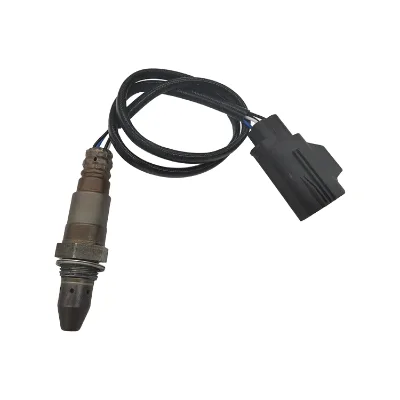
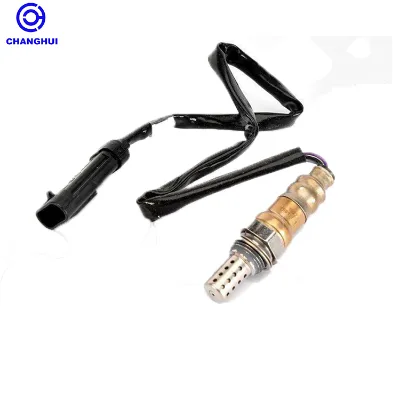
$8.00 - $10.00
MOQ: 20 pieces
Dongguan Julian Qianhui Auto Parts Co., Ltd.
- Verified by Intertek
- Trading Company
- Lead time3 days
- Avg. response≤ 5h
Main productsSpark Plug,Ignition Coil,Bumper,Control Arm,Compressor
Main marketsNorth America(40%), Mid East(20%), Western Europe(20%)
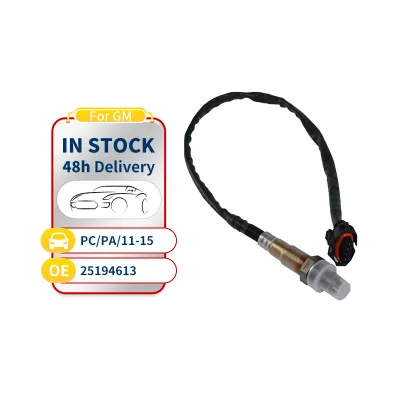
$55.6896 - $56.7248
MOQ: 1 pieces
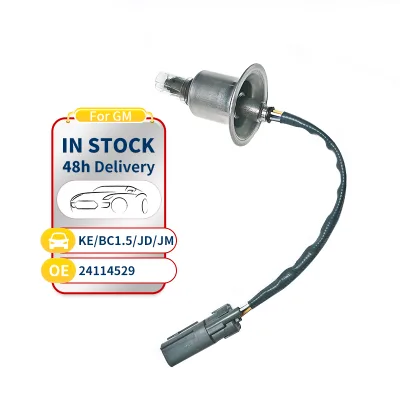
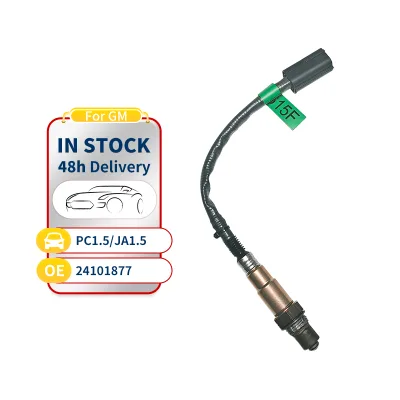
Shaanxi Jinglian M&E Tech. Co., Ltd.
- Manufacturer, Trading Company
- Shaanxi, China
- Lead time0 days
- Avg. response≤ 5h
Main productsEngine System,Electrical System,Suspension System,Transmission System,Auto Steering System
Main marketsWestern Europe(25.00%), North America(25.00%), South America(10.00%), Southeast Asia(10.00%), Eastern Europe(10.00%), Northern Europe(9.00%), Southern Europe(9.00%), Africa(2.00%)
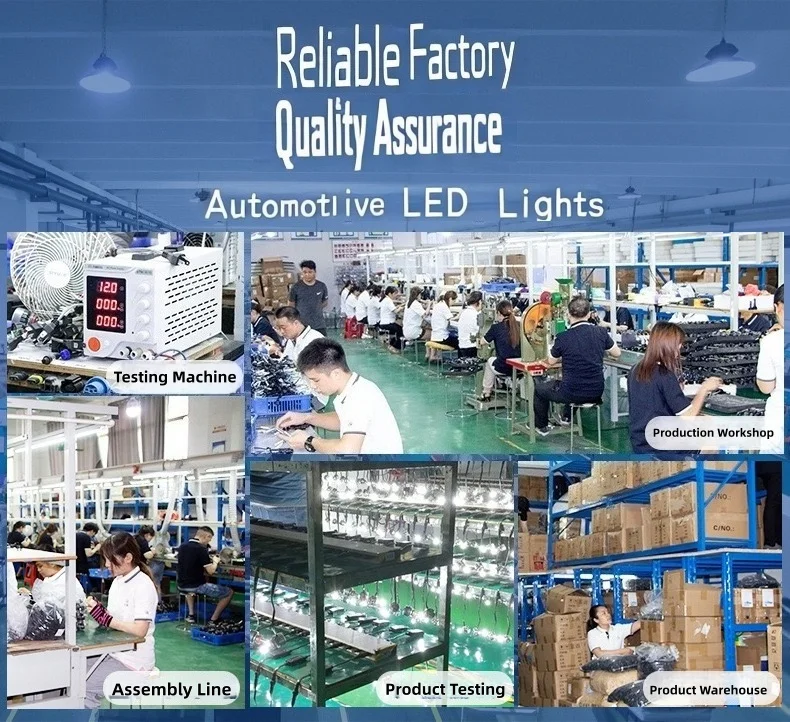
Guangzhou Maisiteng Technology Co., Ltd.
- Manufacturer, Trading Company
- Guangdong, China
- Lead time8 days
- Avg. response≤ 2h
Main productsLed car headlight,Auto LED replacement kits,LED headlight bulbs for cars,Car LED headlamps,LED HID bulbs
Main marketsNorth America(30.00%), Southeast Asia(25.00%), South America(20.00%), Eastern Europe(20.00%), Western Europe(10.00%), Domestic Market(10.00%), Northern Europe(10.00%), Central America(10.00%), Eastern Asia(5.00%), South Asia(5.00%), Southern Europe(5.00%), Oceania(5.00%), Africa(5.00%)
Guangzhou Marvine Auto Parts Co., Ltd.
- Trading Company
- Guangdong, China
- Lead time7 days
- Avg. response≤ 4h
Main productsFuel Injector,Clock Spring,Ignition Coil,IAC Valve,Oxygen Sensor
Main marketsMid East(25.00%), Domestic Market(20.00%), South America(15.00%), Africa(10.00%), Southeast Asia(7.00%), Southern Europe(5.00%), Eastern Europe(5.00%), Western Europe(5.00%), North America(5.00%), Central America(3.00%)
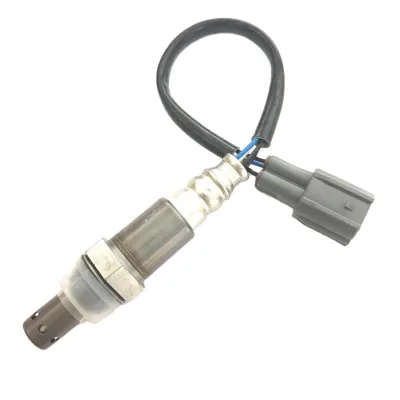
High Quality O2 Oxygen Sensor 89467-48180 for Accent 89467 48180 8946748180 Bo-sch Oxygen Sensor
$10.00 - $20.00
MOQ: 10 pieces
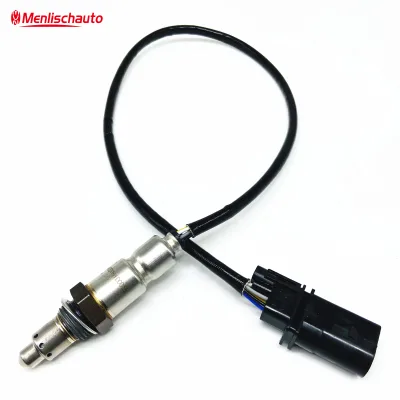
$20.563 - $30.8453
MOQ: 4 pieces
Shenzhen Beswho Electronic Technology Co., Ltd.
- Verified by TüVRheinland
- Trading Company
- Lead time3 days
- Avg. response≤ 2h
Main productsElectron Component, PLC, RF
Main marketsNorth America(20%), Eastern Europe(15%), Western Europe(15%)
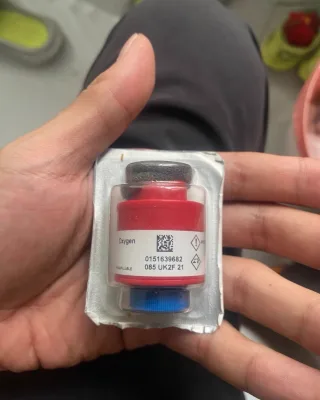
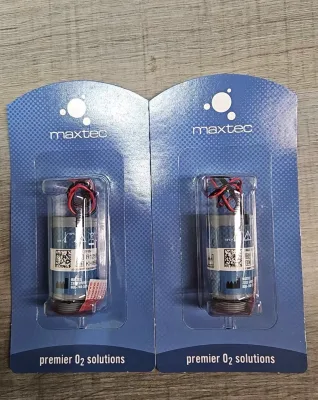
Original MAX-250A, MAX-250B, MAX2-50E Oxygen Sensors, Genuine MAX-250T
$52.415 - $55.5593
MOQ: 1 pieces

Wenzhou Yize Industrial Co., Ltd.
- Trading Company,Manufacturer/Factory
- China Zhejiang
- Lead time0 days
- Avg. response≤ 18h
Main productsAutomobile Pumps, Suspension Parts, C. V. Joint, Auto Parts, Car Parts, Air Filter, Auto Filter, Wheel Hub Bearing, Shork Absorber, Brake Pad


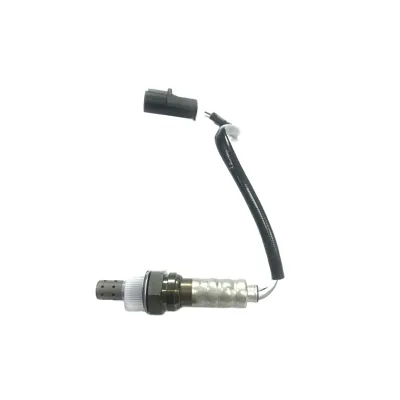








Comprehensive Sourcing Guide
Automotive Oxygen Sensor Supplier Concentration and Factory Types
The current supplier landscape for automotive oxygen sensors reveals a distinct geographic concentration within China, specifically highlighting manufacturing hubs in Jiangxi, Hunan, Zhejiang, and Guangdong provinces. These regions serve as critical nodes for both component fabrication and assembly, offering buyers access to diverse production capabilities ranging from raw ceramic processing to final sensor integration. In Jiangxi, suppliers are heavily oriented toward the foundational materials required for these devices, with main products including ceramic terminal blocks, electrothermal insulation ceramics, structural ceramics, and precision ceramics. This focus suggests that factories in this area possess strong capabilities in material science and high-temperature ceramic processing, which are essential for producing durable oxygen sensor elements that can withstand harsh exhaust environments. The presence of combined company types in this region indicates a blend of manufacturing and trading functions, allowing for flexible engagement models for international buyers seeking both direct factory access and streamlined procurement services.
In contrast, suppliers located in Hunan, Zhejiang, and Guangdong demonstrate a different operational profile, often focusing on the assembly, testing, and distribution of finished automotive parts. Hunan-based entities list spark plugs, ignition coils, and brake pads alongside oxygen sensors, suggesting a broader portfolio in ignition and engine management systems. Zhejiang suppliers emphasize fuel systems and variable valve timing components, indicating a specialization in engine performance optimization where oxygen sensors play a crucial role in feedback loops. Meanwhile, Guangdong suppliers operate as trading companies and distributors, offering original equipment manufacturer (OEM) parts and a wide variety of sensor models for specific car makes like Ford and Audi. This diversity in factory types allows buyers to choose between suppliers who specialize in the core ceramic technology and those who provide comprehensive automotive aftermarket solutions. Understanding these distinct factory types helps buyers align their sourcing strategy with their specific needs, whether they require custom ceramic components or ready-to-ship replacement sensors for global vehicle fleets.
How to Verify Automotive Oxygen Sensor Suppliers
Verifying the credibility and operational capacity of Automotive Oxygen Sensor suppliers requires a multi-layered approach that goes beyond basic company profiles. Buyers should prioritize suppliers who have undergone third-party verification processes, as this provides an independent assessment of their business legitimacy and operational standards. For instance, some suppliers in the current results hold CTI verification, while others are verified by BV, indicating different levels of scrutiny and compliance with international standards. These verification badges serve as a foundational trust signal, confirming that the supplier exists and has been inspected for basic business practices. However, verification alone is not sufficient for assessing product quality, especially for safety-critical components like oxygen sensors that directly impact vehicle emissions and engine performance. Buyers must look for additional evidence of technical competence, such as detailed product specifications, material certifications, and adherence to automotive industry standards like TS16949, which is explicitly mentioned for certain sensor models.
Beyond verification badges, buyers should critically examine the technical documentation provided for each oxygen sensor product. Key indicators of a reliable supplier include clear specifications for operating temperature ranges, response times, and output signal types, which are critical for ensuring compatibility with various vehicle electronic control units. For example, suppliers listing products with wide operating temperature ranges from -40°C to 1000°C and response times of ≤ 100 Ms demonstrate a high level of technical precision. Buyers should also verify the origin of the products, as some listings specify origins like Pingxiang, China, which can help trace the supply chain back to specific manufacturing facilities. Additionally, checking for customization capabilities, such as OEM and ODM support, can indicate a supplier’s ability to adapt to specific buyer requirements. By combining verification status with detailed technical due diligence, buyers can mitigate the risk of sourcing substandard components and ensure that their suppliers meet the rigorous demands of the automotive industry.
What to Compare Across Automotive Oxygen Sensor Suppliers
When evaluating multiple suppliers for automotive oxygen sensors, buyers must systematically compare key operational metrics to identify the most suitable partner for their specific procurement needs. One of the most critical factors is the lead time, which varies significantly across different suppliers and regions. For instance, some suppliers offer a lead time of just 2 days, while others may require up to 45 days for production and delivery. This variance can impact inventory management and order fulfillment strategies, making it essential for buyers to align their supplier selection with their delivery timelines. Similarly, the minimum order quantity (MOQ) is a crucial consideration, with some suppliers requiring as few as one piece, which is ideal for testing or small-scale repairs, while others may have MOQs of 100 pieces or more, suitable for bulk procurement. Understanding these thresholds helps buyers optimize their order sizes and avoid unnecessary inventory costs or stockouts.
Another vital aspect of comparison is the response time and communication efficiency of the suppliers. Suppliers with faster response times, such as those averaging around 3 to 4 hours, are generally more responsive to inquiries and better equipped to handle urgent requests or technical questions. This responsiveness can be a significant advantage in resolving issues quickly and maintaining smooth supply chain operations. Additionally, buyers should compare the main products offered by each supplier to ensure alignment with their broader sourcing strategy. For example, some suppliers specialize in ceramic components, while others offer a wide range of automotive parts including fuel pumps and ignition coils. This diversity can influence the buyer’s ability to consolidate orders and simplify logistics. By carefully analyzing lead times, MOQs, response speeds, and product portfolios, buyers can make informed decisions that balance cost, speed, and reliability in their sourcing of automotive oxygen sensors.
Common Automotive Oxygen Sensor Sourcing Risks
Sourcing automotive oxygen sensors from international suppliers introduces several risks that buyers must proactively manage to ensure product quality and supply chain stability. One significant risk is the variability in product quality and compliance with automotive standards. While some suppliers provide detailed specifications and certifications, others may lack comprehensive documentation, making it difficult to verify that the sensors meet the required performance criteria for specific vehicle models. This is particularly concerning for sensors used in emissions-critical applications, where non-compliance can lead to vehicle failure and regulatory penalties. Buyers must be vigilant in requesting and verifying technical data sheets, material compositions, and test results to ensure that the sensors are suitable for their intended applications. Additionally, the risk of counterfeit or substandard parts is heightened when sourcing from trading companies or distributors who may not have direct control over the manufacturing process.
Another common risk is the potential for logistical delays and communication barriers. Suppliers with longer lead times or slower response times may struggle to meet urgent delivery requirements, leading to production downtime or inventory shortages. This risk is exacerbated by the complexity of international shipping, where customs clearance and transit times can vary unpredictably. Buyers should also be aware of the risks associated with customization requests, as OEM and ODM capabilities may involve longer development cycles and higher costs. Furthermore, the lack of standardized packaging or labeling across different suppliers can complicate inventory management and quality control processes upon receipt. To mitigate these risks, buyers should establish clear communication protocols, request samples for testing, and consider using escrow services or other payment protections to safeguard their transactions. By anticipating these potential challenges, buyers can implement robust risk management strategies that protect their interests and ensure a smooth sourcing experience.
Automotive Oxygen Sensor Regional Sourcing and Logistics
The geographic distribution of Automotive Oxygen Sensor suppliers in China presents both opportunities and challenges for international buyers regarding logistics and supply chain management. Suppliers located in Jiangxi, Hunan, Zhejiang, and Guangdong provinces offer access to a robust manufacturing ecosystem, but their specific locations can influence shipping costs and transit times. For instance, suppliers in Guangdong, a major hub for electronics and automotive parts, may benefit from proximity to major ports like Shenzhen and Guangzhou, facilitating faster and more cost-effective export logistics. Similarly, Zhejiang province is known for its strong manufacturing base and efficient logistics networks, which can streamline the export process for buyers in this region. However, suppliers in inland provinces like Jiangxi and Hunan may require additional transit time to reach coastal ports, potentially increasing lead times and shipping costs. Buyers must carefully consider these logistical factors when selecting suppliers, balancing the benefits of local manufacturing expertise with the practicalities of international shipping.
In addition to geographic considerations, buyers should evaluate the packaging and handling practices of suppliers to ensure that oxygen sensors arrive in optimal condition. Oxygen sensors are delicate components that can be damaged by improper handling or exposure to moisture during transit. Suppliers that use sturdy packaging, such as cartons and wooden crates, as indicated in some product listings, demonstrate a commitment to protecting their products during shipping. Buyers should also inquire about the supplier’s experience with international shipping and their ability to handle customs documentation and compliance requirements. Some suppliers may offer assistance with logistics, including sea or air freight options, which can simplify the procurement process for buyers. By understanding the logistical implications of sourcing from different regions, buyers can make informed decisions that optimize their supply chain efficiency and reduce the risk of damage or delay.
Automotive Oxygen Sensor Commercial Terms and Order Planning
Effective order planning for automotive oxygen sensors requires a thorough understanding of the commercial terms offered by suppliers, including pricing structures, payment terms, and customization options. Pricing for these sensors can vary widely, with some suppliers offering competitive rates for bulk orders while others charge premium prices for specialized or high-accuracy models. For example, prices for certain oxygen sensors range from $0.50 to $1.00 per unit, while others may cost between $8.00 and $19.99, depending on the complexity and application. Buyers should request detailed quotes that include all costs, such as shipping, taxes, and duties, to avoid unexpected expenses. Additionally, buyers should negotiate payment terms that align with their cash flow needs, such as using escrow services or letter of credit arrangements to secure their transactions. Customization options, such as OEM and ODM support, can also impact pricing and lead times, so buyers should clarify these requirements early in the negotiation process.
Beyond pricing and payment terms, buyers must consider the long-term relationship with their suppliers and the potential for future collaboration. Suppliers that offer consistent quality, reliable lead times, and responsive customer service are valuable partners for ongoing procurement needs. Buyers should establish clear communication channels and regular review processes to monitor supplier performance and address any issues promptly. Additionally, buyers should stay informed about market trends and technological advancements in oxygen sensor technology, as this can influence their sourcing strategy and product selection. By developing a comprehensive understanding of commercial terms and fostering strong supplier relationships, buyers can optimize their procurement processes and ensure a steady supply of high-quality automotive oxygen sensors. This strategic approach not only mitigates risks but also enhances the overall efficiency and effectiveness of the sourcing operation.
FAQs
What is the typical minimum order quantity for automotive oxygen sensors?
Minimum order quantities vary widely by supplier and product type. Some ceramic sensor components list MOQs around 100 pieces, while complete replacement sensors can be ordered in quantities as low as 1 to 10 pieces. Before committing, confirm whether the MOQ applies per OE number or across mixed models, since sample orders and trial batches are often handled separately.
How fast can suppliers ship automotive oxygen sensors?
Lead times among listed suppliers range from as fast as 2 days to around 45 days depending on stock, customization, and destination. Trading companies with ready stock typically ship fastest, while OEM or ODM ceramic sensor production takes several weeks. Always confirm the quoted lead time covers production only, and clarify whether shipping time by sea or air is included.
Which sensor specifications should I verify before ordering?
Key specifications include the OE number, overall length, working voltage, and operating temperature range. Some ceramic sensors operate from -40°C up to 850°C or 1000°C, with response times of 100 milliseconds or less. Match the OE number like 0258006028 to the target vehicle application, and request datasheets to confirm measuring range, electrolyte material, and output signal type.
Do suppliers offer customization for oxygen sensors?
Yes, customization is commonly available. Several suppliers state OEM and ODM support, covering model numbers, standards, and packing options such as carton and wooden crate for sea or air freight. Customized ceramic sensor production usually extends lead time, so ask early about tooling requirements, minimum quantities for custom runs, and whether custom specifications affect unit pricing.
What price range should buyers expect for automotive oxygen sensors?
Listed prices span a broad range. Ceramic oxygen sensor components start around 0.50 to 1.00 USD per piece, while complete automotive sensors typically range from roughly 8 to 20 USD depending on OE matching and type. Confirm whether quoted prices include packaging, and request volume-based tiers since unit costs often drop significantly above the stated MOQ.
Which supplier locations are common for oxygen sensor sourcing?
Current listings come from several Chinese regions, including Zhejiang, Hunan, Guangdong, and Jiangxi, with some ceramic sensor production traced to Pingxiang. Location matters for logistics: Guangdong coastal access can shorten export transit, while inland ceramic producers may specialize in alumina and zirconia components. Consider sourcing complete sensors and ceramic element suppliers separately for better component control.