Adjustable Fine Mist Sprayer Nozzle Suppliers and Manufacturers
Compare 27 Adjustable Fine Mist Sprayer Nozzle suppliers by location, response time, and lead time. Review product specs like MOQ and certifications before contacting factories in Tianjin, Shanghai, Hebei, and Zhejiang; review the available evidence before requesting comparable quotations from suitable candidates.
Updated
Suppliers List
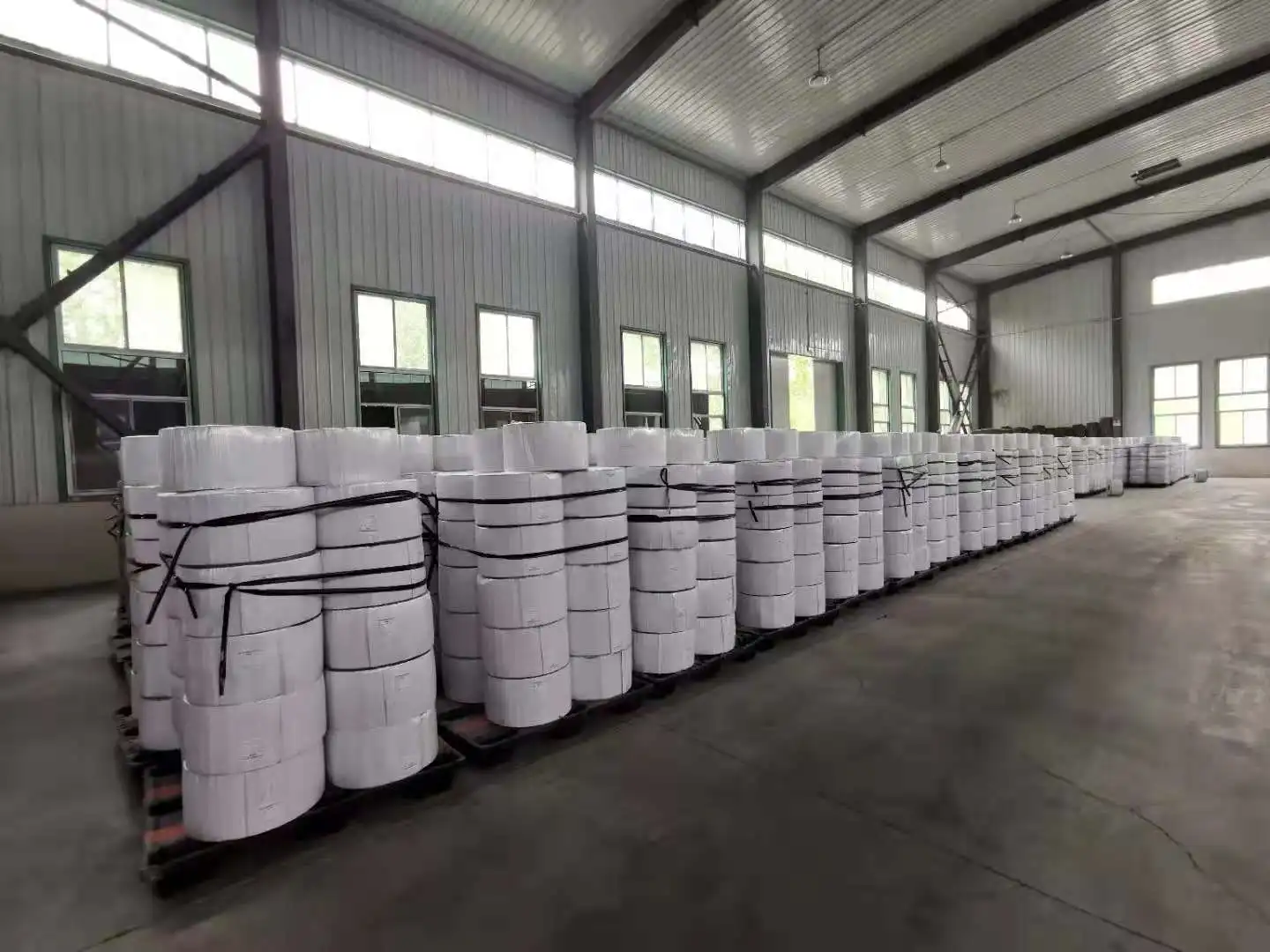
Tianjin Jinwo Business Co., Limited.
- Trading Company
- Tianjin, China
- Lead time15 days
- Avg. response≤ 2h
Main productsgarden irrigation,Drip irrigation equipments,irrigation pipe and hose,irrigation rain gun,garden sprinkler
Main marketsEastern Asia(30.00%), Central America(10.00%), Domestic Market(10.00%), North America(10.00%), Africa(10.00%), South America(10.00%), Western Europe(5.00%), South Asia(5.00%), Southern Europe(5.00%)
Ningbo Honghui Plastic Industry Co., Ltd.
- Verified by TüVRheinland
- Manufacturer, Trading Company
- Lead time15 days
- Avg. response≤ 2h
Main productsTrigger Sprayer, Lotion Pump, Foam Pump, Airless Bottle, Mist Sprayer
Main marketsDomestic Market(50%), Southeast Asia(7%), Africa(6%)

Shanghai Xinhou Spraying & Purification Equipment Co., Limited
- Trading Company
- China Shanghai
- Lead time15 days
- Avg. response≤ 3h
Main productsPlastic Nozzle, Misting Nozzle, Spray Nozzle, Clamp Nozzle, Eductor Nozzle, Flat Fan Nozzle, Full Cone Nozzle, Spray Gun, Windjet Nozzle, Air Atomizing Nozzle
Main marketsSouth America,Africa,Southeast Asia/ Mideast,East Asia(Japan/ South Korea),Domestic,Europe,Australia,North America

Taizhou Luqiao Dayuan Machinery Co., Ltd.
- Verified by TUVRHEINLAND
- Combined
- China Zhejiang
- Lead time30 days
- Avg. response≤ 6h
Main productsElectric Sprayer, Hand Sprayer, Manual Sprayer, Garden Sprayer, Pressure Sprayer, Knapsack Sprayer, Agriculture Sprayer, Agricultural Sprayer, Battery Sprayer, Power Sprayer
Main marketsDomestic

- Verified by CTI
- Trading Company
- China Zhejiang
- Lead time30 days
- Avg. response≤ 3h
Main productsAirless Bottle, Glass Bottle, Comb, Cosmetic Packaging, Food Packaging, Sprayer, Lotion Pump Machine, Gift, Roll on Ball
Main marketsAfrica,Southeast Asia/ Mideast


Premium Sprayer Pump with Reliable Nozzle & Efficient Fine Mist Output
$0.094 - $0.10
MOQ: 50000 Pieces

Ningbo Subir Commodity Co., Ltd
- Verified by TUVRHEINLAND
- Combined
- China Zhejiang
- Lead time30 days
- Avg. response≤ 7h
Main productsSpray Bottle, Credit Card Spray Bottle, Card Spray Bottle, Refillable Spray Bottle, Hand Sanitizing Spray Bottle, Perfume Tester, Perfume Vials, Perfume Spray Bottle, Pocket Spray Bottle, Plastic Bottle
Main marketsEurope,North America

Customized Smooth Plastic Pump Sprayer with Fine Mist Nozzle for Cosmetics
$0.02 - $0.03
MOQ: 10000 Pieces


Dongguan Yaoshun Spray Technology Co., Ltd.
- Verified by SGS Group
- Trading Company
- Lead time1 days
- Avg. response≤ 2h
Main productsSpray Nozzle, Spray Gun, Fog Machine, Humidifier, Water Pump
Main marketsNorth America(30%), Southeast Asia(15%), Mid East(15%)

Ningbo Langyi Plastic Industry Co., Ltd.
- Verified by TUVRHEINLAND
- Combined
- China Zhejiang
- Lead time23 days
- Avg. response≤ 3h
Main productsCosmetic Packaging, Trigger Sprayer, Mist Sprayer, Lotion Pump, Cream Pump, Cosmetic Bottle, Acrylic Bottle, Airless Bottle, Cream Jar, Packaging Bottles
Main marketsSouth America,Southeast Asia/ Mideast,Europe
Dongguan CS Hardware Technology Co., Ltd
- Verified by SGS Group
- Trading Company
- Lead time15 days
- Avg. response≤ 2h
Main productsSewer Pipe Cleaning Nozzle, Fan Nozzle, Tank Cleaning Nozzle, Car / Sprinkler Cleaning Accessories, Burner System
Main marketsNorth America(23%), Southeast Asia(23%), Eastern Europe(18%)
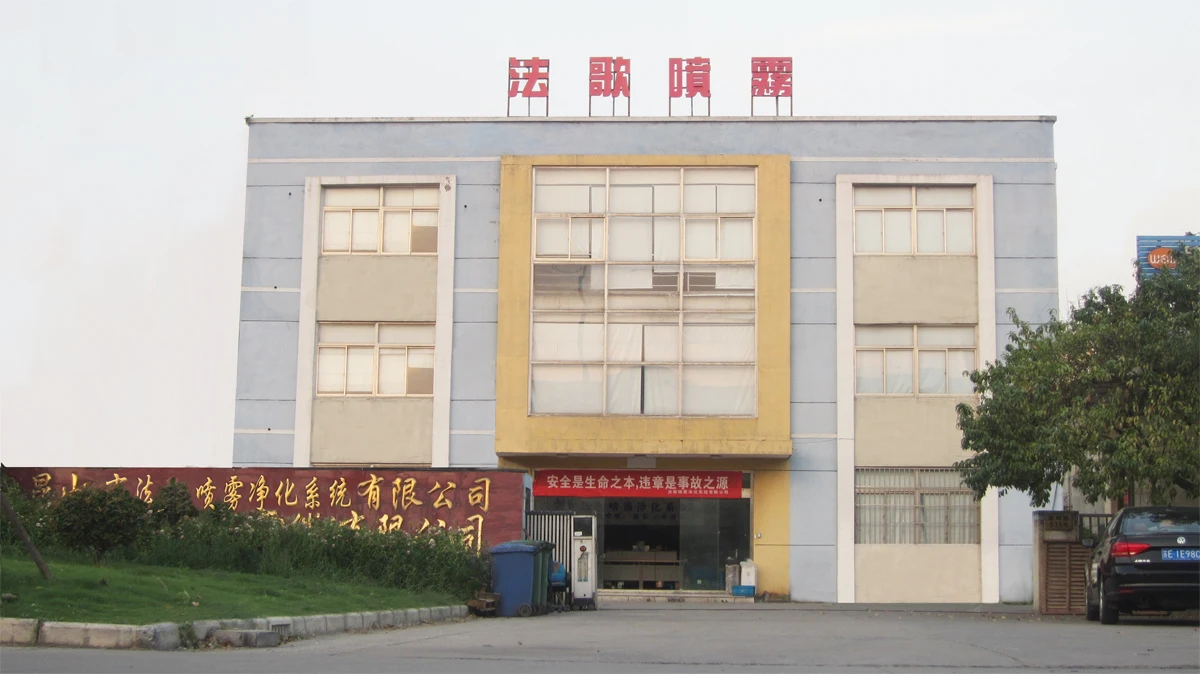
Kunshan Fog Spraying& Purification System Co., Ltd.
- Manufacturer, Trading Company
- Jiangsu, China
- Lead time0 days
- Avg. response≤ 5h
Main productsNozzle,Industrial Nozzle,Spray nozzle,spray system,filter
Main marketsEastern Asia(15.00%), North America(15.00%), South America(10.00%), Mid East(10.00%), Africa(10.00%), South Asia(10.00%), Northern Europe(10.00%), Southeast Asia(5.00%), Southern Europe(5.00%), Eastern Europe(5.00%), Western Europe(5.00%)
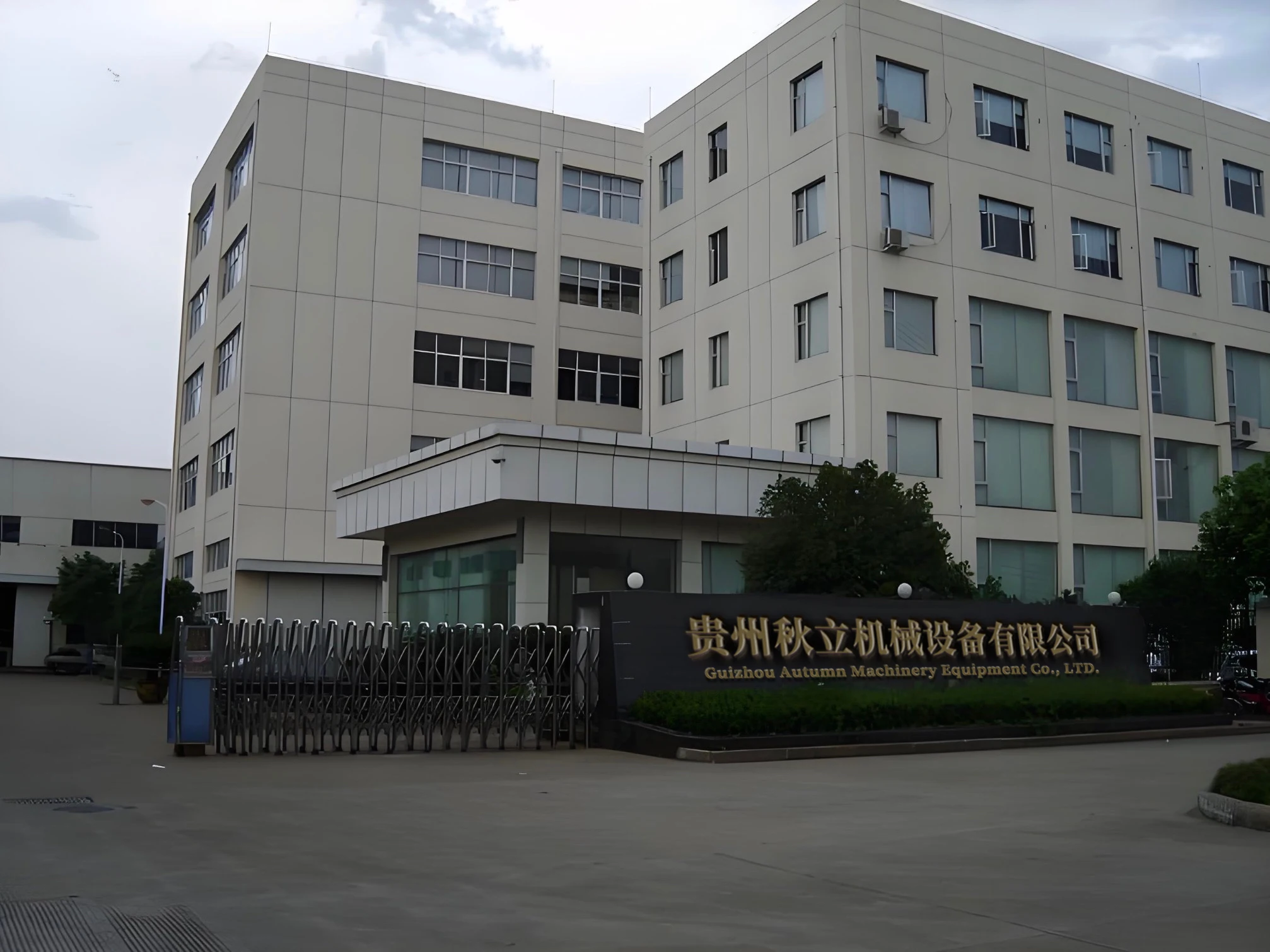
Guizhou Autumn Machinery Equipment Co., Ltd.
- Trading Company
- Guizhou, China
- Lead time25 days
- Avg. response≤ 5h
Main productsSpray gun,Spray lance,Spray nozzle,Adapter,Surface cleaner
Main marketsNorth America(47.00%), South America(23.00%), Southeast Asia(20.00%), Africa(7.00%), Mid East(2.00%), Oceania(1.00%)
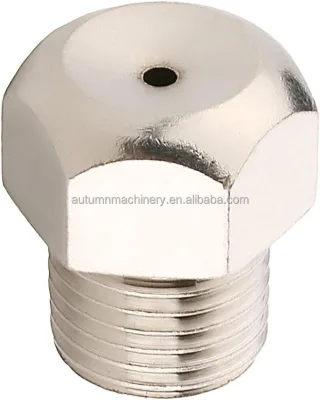
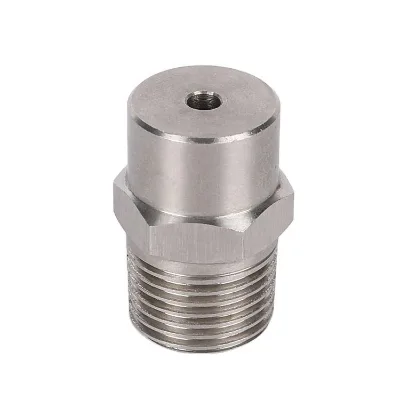
Drip Sprayer 304 Stainless Steel Drip Sprayer Adjustable Spray Nozzle for Garden (3.0 Mm)
$0.8722 - $3.0788
MOQ: 1 pieces
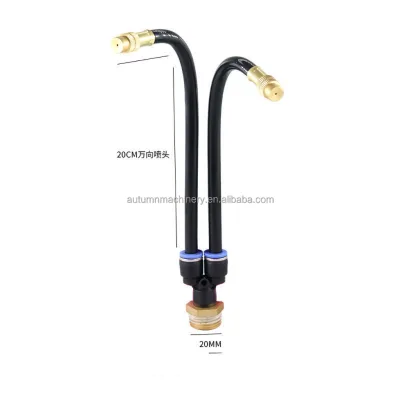
Atomizing Universal Nozzle, Humidifying Nozzle, Adjustable Water Spraying Nozzle Accessories
$1.0442 - $3.1326
MOQ: 1 pieces

CY Spraying & Purification Technology Limited
- Verified by BV
- Manufacturer/Factory
- China Guangdong
- Lead time23 days
- Avg. response≤ 9h
Main productsSpray Nozzle, Plastic Nozzle, Mist Nozzle, Industrial Nozzle, Cooker Filter, Kitchen Range Hoods Filter
Main marketsSouth America,Eastern Europe,Mid East,North America,Southeast Asia,Eastern Asia,Oceania,Western Europe,Africa

Ningbo Henghong Packaging Co., Ltd.
- Verified by SGS
- Trading Company
- China Zhejiang
- Lead time15 days
- Avg. response≤ 14h
Main productsLotion Pump Mist Sprayer Plastic Cap
Main marketsOthers(foreignTradeCapacity.exportBusinessCapacityMarketOther),Europe

Fine Mist Spray Nozzles 360 Degrees Can Spray 24/410 Mist Sprayer Pump Mini Sprayer
$0.02 - $0.13
MOQ: 10000 Pieces


Chongqing Xinjitai Pharmaceutical Sprayer & Pump Co., Ltd.
- Verified by SGS
- Combined
- China Chongqing
- Lead time23 days
- Avg. response≤ 7h
Main productsNasal Sprayer, Oral Sprayer, Topical Sprayer, Throat Sprayer, Nasal Spray Pump, Oral Spray Pump, Throat Spray Pump, Nasal Spray Bottle
Main marketsSouth America,Others(foreignTradeCapacity.exportBusinessCapacityMarketOther),Southeast Asia/ Mideast,Europe,North America

YUYAO SHUOHONG COMMODITY CO., LTD.
- Verified by BV
- Combined
- China Zhejiang
- Lead time23 days
- Avg. response≤ 5h
Main productsMist Sprayer, Lotion Pump, Trigger Sprayer, Perfume Atomizer, Plastic Cap, Plastic Bottle, Cream Jar, Plastic Tube, Foam Pump, out Spring Lotion Pump
Main marketsSouth America,Africa,Southeast Asia/ Mideast,East Asia(Japan/ South Korea),Europe,Australia,North America


24mm White Long Nozzle Fine Mist Sprayer Pump, Long Nozzle Dispenser Long Spout Pump Sprayer
$0.15 - $0.20
MOQ: 10000 Pieces
Zhejiang Jinnong Medical Machinery Co., Ltd.
- Verified by Intertek
- Manufacturer, Trading Company
- Lead time30 days
- Avg. response≤ 5h
Main productsSprayer
Main marketsSouth America(30%), Southeast Asia(30%), Africa(18%)

GUANGWEI FIRE FIGHTING SCIE TECH CO., LTD.
- Verified by TUVRHEINLAND
- Combined
- China Fujian
- Lead time15 days
- Avg. response≤ 5h
Main productsFire Fighting, Fire Sprinkler, UL Sprinkler, Fire Extinguisher, Fire Valve, Smoke Detector, Fire Contral System, Fire Hose, Water System, Fire Protection
Main marketsDomestic

YUYAO YIHE COMMODITY CO., LTD.
- Verified by TUVRHEINLAND
- Manufacturer/Factory
- China Zhejiang
- Lead time23 days
- Avg. response≤ 5h
Main products20ml Pocket Perfume Bottle with Caps, Trigger Sprayer, Lotion Pump, Mist Sprayer, Pet Bottle, Disc Top Cap, Flip Top Cap, Foam Sprayer, Foam Sprayer Bottle, Perfume Sprayer
Main marketsSouth America,Eastern Europe,Mid East,North America,Southeast Asia,Eastern Asia,Oceania,Western Europe

Ningbo Langch International Trade Co., Ltd.
- Verified by CTI
- Trading Company
- China Zhejiang
- Lead time30 days
- Avg. response≤ 10h
Main productsIndustrial Shock Absorber, Vacuum Ejector, Diaphragm Cylinder, Fast Testing Tool, Optic Fiber Connector, Auto Drain Valve, Pneumatic Vibrator, Piezoelectric Ceramics, Cylinder Sensor, Pulse Valve Diaphragm
Main marketsSouth America,Southeast Asia/ Mideast,Europe,Australia,North America


Fog Nozzle Garden Tool Misting Nozzle Spray Cool Nozzle for Disinfection Medical
$0.30 - $5.00
MOQ: 50 Pieces

Mist Fog Nozzle for Disinfection Medical Spray Nozzle for Disinfection Water
$0.30 - $5.00
MOQ: 50 Pieces

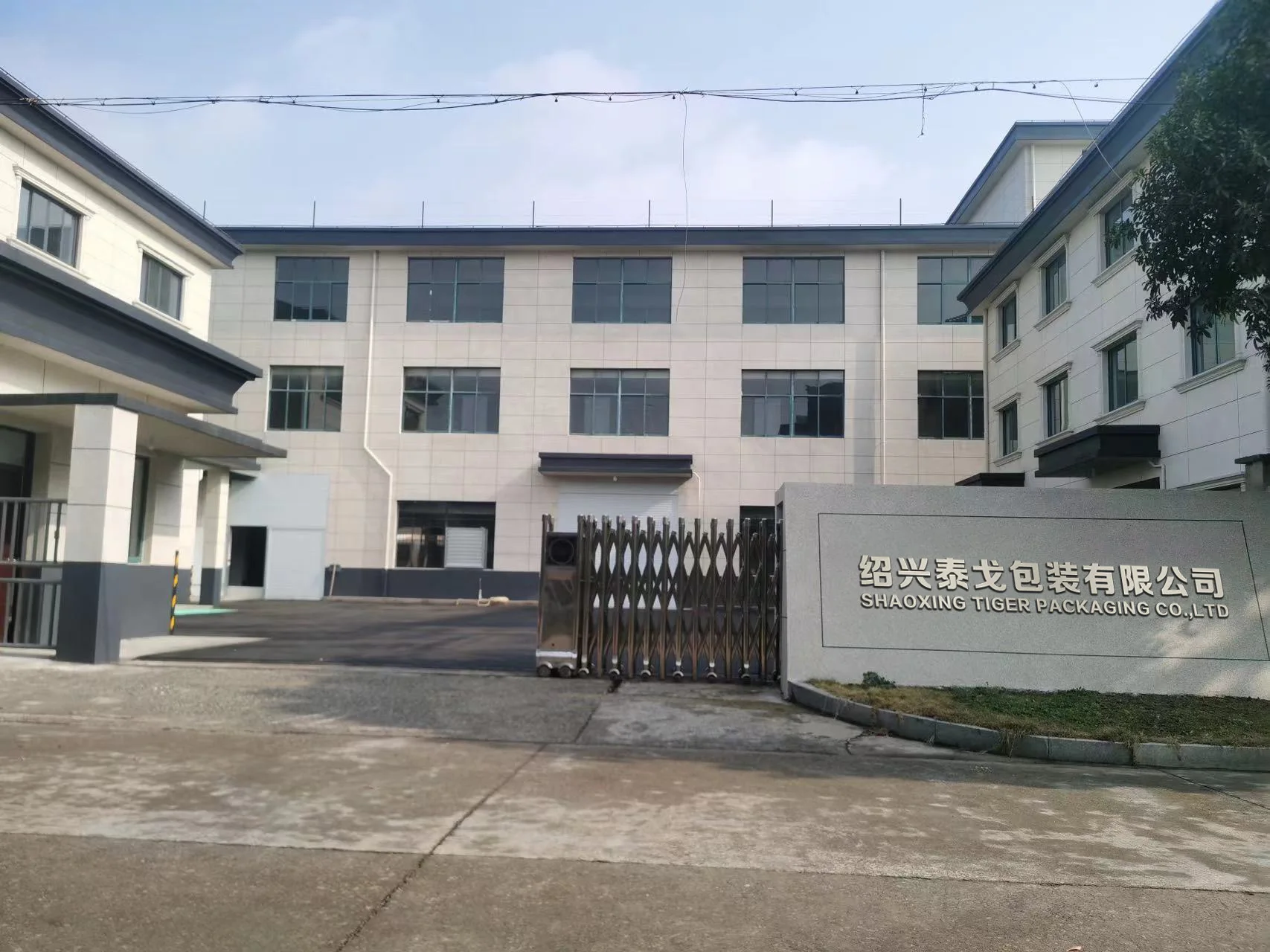
Shaoxing Tiger Packaging Co., Ltd.
- Trading Company
- Zhejiang, China
- Lead time20 days
- Avg. response≤ 3h
Main productsPlastic Cap, Mist Sprayer, Lotion Pump, Lip Stick Tube, Plastic Bottle
Main marketsDomestic Market(50.00%), North America(15.00%), Southeast Asia(15.00%), Eastern Asia(10.00%), Mid East(10.00%)
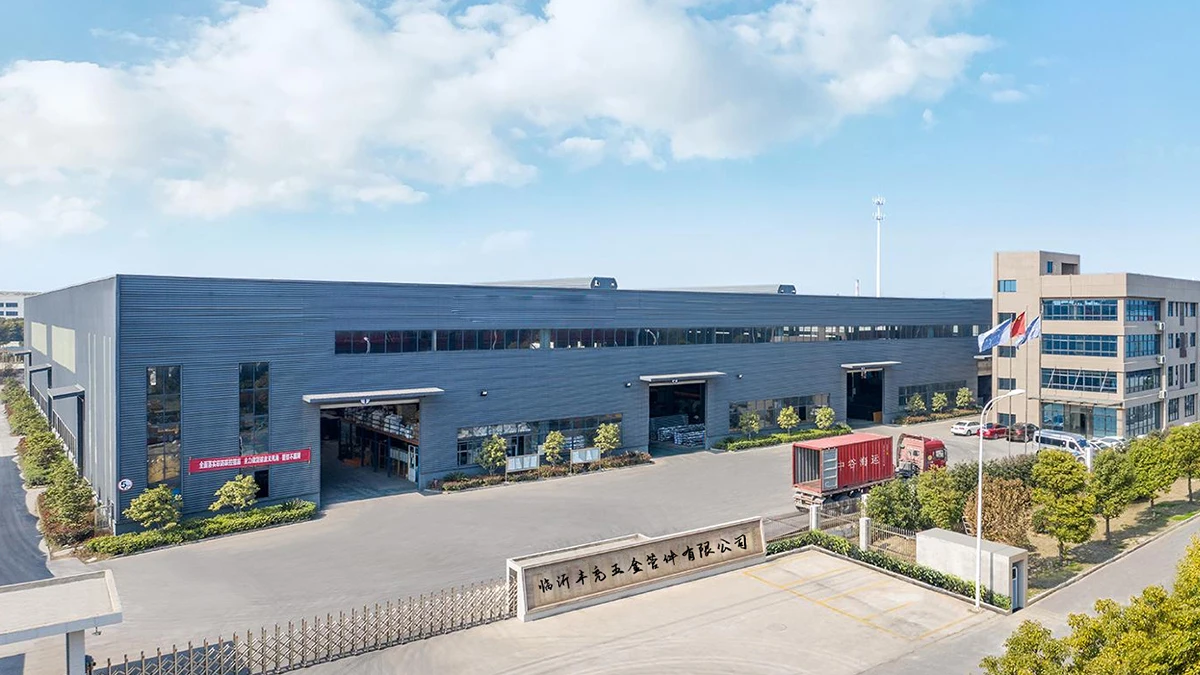
Linyi Fengchong Hardware Fittings Co., Ltd.
- Trading Company
- Shandong, China
- Lead time31 days
- Avg. response≤ 5h
Main productsIrrigation fittings,fire hose,Agricultural irrigation water belt
Main marketsDomestic Market(80.00%), North America(20.00%)
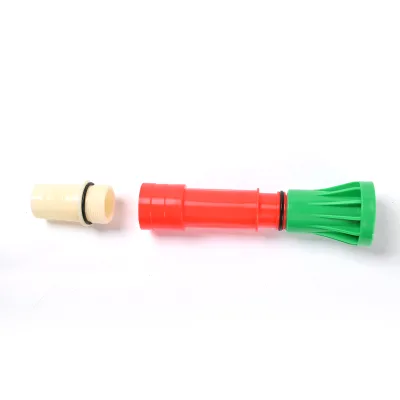
Agricultural Spray Nozzle,Adjustable Atomizing Agricultural Sprayer Nozzle,Agricultural Sprayer
$0.37 - $0.63
MOQ: 200 Minimum

ningbo crown commodity co.,ltd
- Verified by SGS
- Combined
- China Zhejiang
- Lead time30 days
- Avg. response≤ 25h
Main productsPerfume Sprayer, Lotion Pump, Trigger Sprayer, Pet Bottle, Cosmetic Package, Eyeliner Package
Main marketsAfrica,Southeast Asia/ Mideast,Europe,North America
Zhengzhou Kebona Industry Co., Ltd.
- Trading Company
- Henan, China
- Lead time5 days
- Avg. response≤ 5h
Main productsLotion Pump,Mist Sprayer,Spray Bottle,Trigger Sprayer,Foam Pumps
Main marketsAfrica(20.00%), South America(19.00%), Domestic Market(10.00%), South Asia(10.00%), Central America(9.00%), Eastern Asia(7.00%), Southeast Asia(6.00%), Mid East(5.00%), Eastern Europe(5.00%), Western Europe(3.00%), North America(2.00%), Oceania(2.00%), Southern Europe(1.00%), Northern Europe(1.00%)

Taizhou Ilot Sprayer & Parts Co., Ltd.
- Manufacturer
- Zhejiang, China
- Lead time15 days
- Avg. response≤ 7h
Main productsHose End Sprayer,Backpack Fire Pump,Stainless Steel Sprayer,Proportioner and Injector,Sprayer Accessories Customization
Main marketsWestern Europe(50.00%), North America(20.00%), South America(10.00%), Southern Europe(5.00%), Oceania(2.00%), Eastern Asia(2.00%), Northern Europe(2.00%), Africa(2.00%), Eastern Europe(2.00%), Mid East(1.00%), Domestic Market(1.00%), South Asia(1.00%), Central America(1.00%), Southeast Asia(1.00%)

- Verified by SGS
- Trading Company,Manufacturer/Factory
- China Jiangsu
- Lead time0 days
- Avg. response≤ 7h
Main productsPaint Brush, Synthetic Filaments, Paint Roller, Grease Gun, Hand Pump, Automatic Nozzle, Jerrycan, Hose Reel, Sand Filter, Pump
Main marketsSouth America,Eastern Europe,Mid East,North America,Southeast Asia,Eastern Asia,Oceania,Africa

Taizhou Heyang Machinery Co., Ltd.
- Manufacturer/Factory
- China Zhejiang
- Lead time15 days
- Avg. response≤ 9h
Main productsHand Sprayer, Electric Sprayer, Agricultural Sprayer, Garden Sprayer, Knapsack Sprayer, Pressure Sprayer, Plastic Sprayer, Steel Sprayer, Power Sprayer, Sprayer Parts
Main marketsSouth America,Eastern Europe,Mid East,North America,Southeast Asia,Eastern Asia,Oceania,Western Europe,Africa

- Verified by SGS
- Combined
- China Zhejiang
- Lead time45 days
- Avg. response≤ 3h
Main productsFire Extinguisher, Hose Reels, Cabinet
Main marketsSouth America,Africa,Southeast Asia/ Mideast,East Asia(Japan/ South Korea),Domestic,Europe,Australia,North America


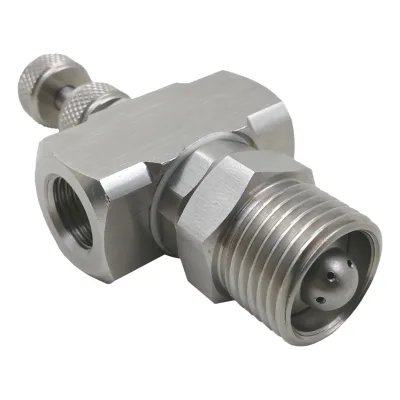
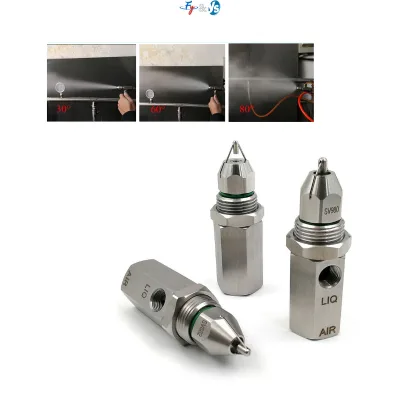
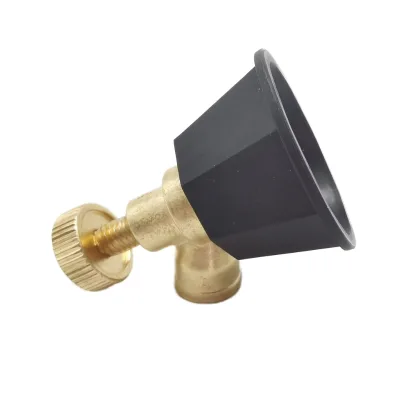
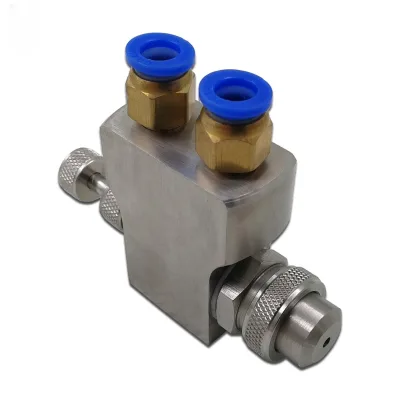










Comprehensive Sourcing Guide
Adjustable Fine Mist Sprayer Nozzle Supplier Concentration and Factory Types
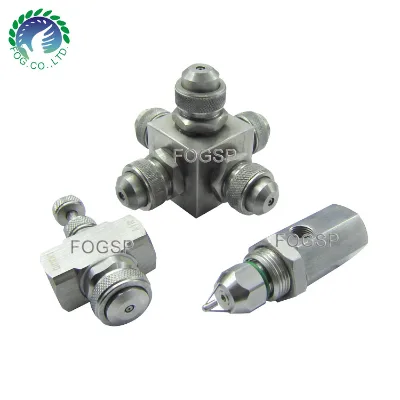
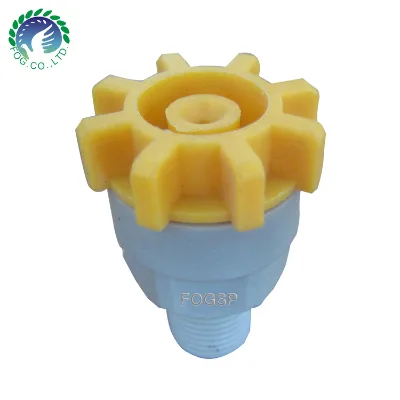
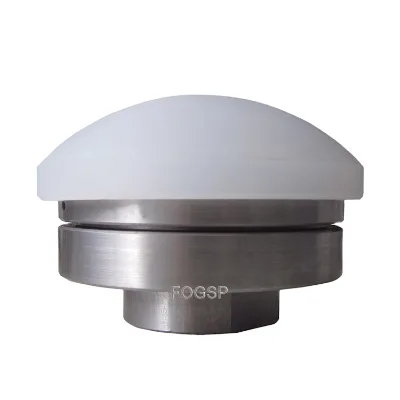
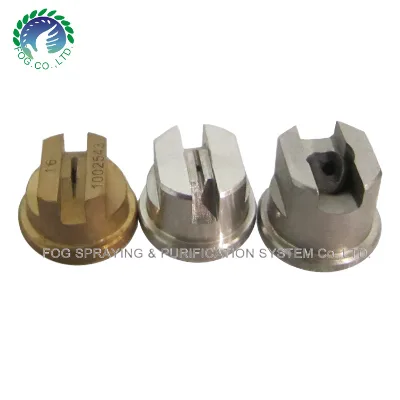
The landscape for sourcing adjustable fine mist sprayer nozzles reveals a distinct split between manufacturing capabilities and trading operations, requiring buyers to carefully assess the underlying company structure before committing to large orders. Current market data indicates that suppliers are primarily located in major industrial hubs such as Tianjin and Shanghai in China, with additional manufacturing activity concentrated in provinces like Hebei and Zhejiang. These regions serve as critical nodes for plastic injection molding and metal fabrication, which are the foundational processes for producing the diverse range of nozzle materials observed, including polypropylene, brass, and various metal alloys. When evaluating potential partners, it is essential to distinguish between pure trading companies and those with verified manufacturing roots, as this distinction directly impacts your ability to customize product specifications and control unit costs. Some suppliers identify themselves as both manufacturers and trading companies, suggesting they may operate their own production lines while also managing external supply chains for complementary items like trigger sprayers, lotion pumps, or airless bottles. This hybrid model can offer flexibility but may complicate quality control if the primary nozzle production is outsourced. Buyers should scrutinize the main product lists provided by each supplier to determine if adjustable fine mist nozzles are a core competency or merely an ancillary offering within a broader portfolio of garden irrigation equipment, spray systems, or household cleaning accessories. Understanding this concentration helps in predicting lead times and the supplier’s capacity to handle volume fluctuations, as specialized factories in Zhejiang, for instance, may have deeper expertise in high-volume plastic molding compared to general trading entities in Tianjin that aggregate products from multiple smaller workshops.
Identifying the correct factory type is equally important when considering the technical requirements of your specific application, whether it be agricultural misting, greenhouse cooling, or household gardening. The observed product attributes show a wide variance in sprayer types, ranging from knapsack sprayers and trigger sprayers to high-pressure atomizing nozzles, each requiring different manufacturing precision and material standards. For instance, suppliers producing metal mist fogger nozzles often emphasize durability and corrosion resistance, while those focusing on plastic trigger sprayers highlight features like eco-friendly materials, BPA-free construction, and customizable colors. If your project requires specific chemical compatibility or precise micron-level fog output, you must verify that the supplier’s stated capabilities align with your technical needs. Some manufacturers offer sample processing and graphic customization, indicating a readiness to adapt their existing molds or designs to your brand requirements. However, trading companies might rely on third-party factories for these customizations, potentially introducing additional layers of communication and quality assurance risks. Therefore, when reviewing supplier profiles, look for explicit mentions of in-house R&D capacity, such as sample processing or customized on-demand services, which are strong indicators of a true manufacturing operation. This verification step ensures that you are not just buying a commodity product but securing a partnership with a supplier who can support long-term product development and consistent quality standards. By mapping the location and company type against your specific technical demands, you can narrow down your search to suppliers who are structurally equipped to meet your production goals without unnecessary intermediaries.
How to Verify Adjustable Fine Mist Sprayer Nozzle Suppliers
Verification is the cornerstone of mitigating risk when sourcing adjustable fine mist sprayer nozzles, as the market contains a mix of verified manufacturers, trading companies, and unvetted entities. Buyers must prioritize suppliers who have undergone third-party verification processes, such as those conducted by TüV Rheinland, which provide an additional layer of confidence regarding the supplier’s business legitimacy and operational capabilities. While many suppliers display basic company types like "Trading Company" or "Manufacturer," these labels alone are insufficient for assessing reliability. Instead, look for explicit verification badges and certification marks that indicate adherence to international standards. For example, some suppliers in the current results hold CE certification, which is crucial for products intended for the European market, while others may display SGS certification for specific testing methods or product performance. These certifications are not merely decorative; they often reflect rigorous testing of material safety, pressure resistance, and spray pattern accuracy. When evaluating a supplier, check if their certifications are current and relevant to the specific nozzle type you are purchasing, as a CE mark on a plastic trigger sprayer does not necessarily guarantee the quality of a high-pressure metal atomizing nozzle. Additionally, verify the supplier’s response time, as a quick and professional reply often correlates with better customer service and operational efficiency. Suppliers with response times under three days, such as those observed at 2.0 or 2.71 days, demonstrate a level of engagement that is critical for resolving technical queries or negotiating custom specifications.
Beyond certifications and response times, buyers should actively request and review product evidence to validate the supplier’s claims. The detailed product attributes provided in supplier listings, such as material composition, place of origin, and specific model numbers, serve as tangible proof of their inventory and manufacturing knowledge. For instance, a supplier claiming to produce high-quality metal mist nozzles should be able to provide detailed specifications on the alloy type, surface treatment, and pressure ratings. Similarly, for plastic sprayers, verify claims about BPA-free materials and eco-friendly features through available product data or by requesting test reports. If a supplier’s listing lacks detailed attributes or provides vague descriptions, it may indicate a lack of direct control over the product or a reliance on generic stock items. Buyers should also assess the supplier’s capacity for customization, as many adjustable fine mist nozzles require specific thread sizes, spray angles, or color options. Suppliers that explicitly state "Customization: Available" or offer OEM services are more likely to accommodate unique requirements, but this should be backed by evidence of past successful projects or clear communication about their customization process. Furthermore, check for after-sales service commitments, such as warranties or technical support, which are indicators of a supplier’s confidence in their product quality. By combining third-party verification status, relevant certifications, detailed product evidence, and responsiveness, buyers can build a comprehensive profile of each supplier’s reliability. This multi-faceted verification approach ensures that you are partnering with a supplier who not only meets your immediate purchasing needs but also adheres to the quality and compliance standards required for your specific market and application.
What to Compare Across Adjustable Fine Mist Sprayer Nozzle Suppliers
When evaluating multiple suppliers for adjustable fine mist sprayer nozzles, a systematic comparison of key operational metrics is essential to identify the most suitable partner for your business needs. One of the most critical factors to compare is the minimum order quantity (MOQ), as this directly impacts your inventory management and cash flow. The current market data shows a wide range of MOQs, from as low as 100 units for certain metal mist sprayer nozzles to 20,000 pieces for custom plastic trigger sprayers. This variance suggests that suppliers cater to different market segments, with some focusing on small-batch, high-value custom orders and others on high-volume, low-cost production. Buyers should align their order volume with the supplier’s MOQ structure to avoid excessive inventory costs or production delays. Additionally, compare the unit prices across suppliers, keeping in mind that lower prices may correlate with higher MOQs or standard, non-customized products. For example, plastic trigger sprayers may range from $0.08 to $0.10 per unit, while metal mist nozzles can vary from $6.80 to $7.30 per unit. It is crucial to ensure that you are comparing similar product specifications, as price differences often reflect variations in material quality, manufacturing complexity, and feature sets. Beyond price and MOQ, evaluate the lead times offered by each supplier, as this affects your ability to meet customer demand and manage supply chain disruptions. While specific lead times were not uniformly listed, suppliers with faster response times often have more streamlined production processes, which can translate to quicker order fulfillment.
Another vital aspect of comparison is the supplier’s main product focus and technical capabilities, which can indicate their level of expertise and reliability. Suppliers whose main products include a broad range of irrigation equipment, such as drip irrigation systems, rain guns, and sprinklers, may offer better integration solutions for comprehensive garden or agricultural projects. In contrast, suppliers specializing in specific components like atomizing nozzles or trigger sprayers may provide deeper technical support and more specialized product lines. Compare the application areas listed for each product, such as agriculture, greenhouse cooling, household cleaning, or perfume spraying, to ensure the supplier’s expertise aligns with your intended use case. Additionally, assess the customization options available, including logo printing, color customization, and mold modifications. Suppliers that explicitly state "OEM: Acceptable" or "Custom Color" offer greater flexibility for branding and product differentiation. However, these customizations often come with higher MOQs and longer lead times, so weigh these factors against your branding strategy. Finally, compare the supplier’s location and logistics capabilities, as proximity to major ports like Shanghai or Tianjin can influence shipping costs and transit times. By systematically comparing MOQs, prices, lead times, product focus, customization options, and logistics, buyers can make informed decisions that balance cost, quality, and operational efficiency. This structured comparison ensures that you select a supplier who not only offers competitive pricing but also possesses the technical and operational capabilities to support your long-term business goals.
Common Adjustable Fine Mist Sprayer Nozzle Sourcing Risks
Sourcing adjustable fine mist sprayer nozzles involves several inherent risks that buyers must proactively manage to ensure product quality and supply chain stability. One of the most significant risks is the discrepancy between advertised specifications and actual product performance, particularly regarding spray pattern accuracy, pressure resistance, and material durability. Suppliers may list products with generic attributes, such as "fine misting" or "high pressure," without providing detailed technical data or test results. This lack of specificity can lead to receiving nozzles that do not meet your application requirements, resulting in customer dissatisfaction and potential returns. To mitigate this risk, buyers should request detailed product specifications, including spray angle, flow rate, and operating pressure ranges, before placing orders. Additionally, verify the material composition, as some suppliers may use lower-grade plastics or metals that are prone to cracking or corrosion under normal use conditions. For instance, while some products are labeled as "BPA Free" or "Eco-Friendly," these claims should be backed by relevant certifications or test reports. Another common risk is the inconsistency in quality control, especially when dealing with trading companies that source from multiple factories. Without direct oversight of the manufacturing process, buyers may receive batches with varying quality levels, leading to production delays and increased inspection costs. To address this, prioritize suppliers with verified manufacturing capabilities or those who offer strict quality assurance protocols, such as pre-shipment inspections or warranty guarantees.
Logistical and communication risks also pose significant challenges in the sourcing process, particularly when dealing with international suppliers. Delays in response times or unclear communication can lead to misunderstandings regarding order specifications, shipping arrangements, and payment terms. Suppliers with slower response times, such as those exceeding three days, may struggle to address urgent queries or resolve issues promptly, impacting your project timeline. Furthermore, variations in lead times can disrupt your inventory planning, especially if the supplier fails to meet the promised delivery date. Buyers should establish clear communication channels and request regular updates on order status to minimize these risks. Additionally, be cautious of suppliers who offer unusually low prices, as this may indicate compromised quality or hidden costs, such as high shipping fees or additional customization charges. Another risk is the lack of after-sales support, which can leave buyers without recourse if products fail or require technical assistance. Suppliers that explicitly offer after-sales service, warranties, or technical support are better equipped to handle post-purchase issues. Finally, consider the risk of intellectual property infringement,
FAQs
What is the typical lead time for misting nozzles?
Manufacturers in Tianjin typically require 15 days to process and ship orders. This timeframe allows for production scheduling and quality checks before dispatch. Buyers should confirm exact dates with suppliers to account for potential logistical delays or custom manufacturing requirements.
What is the minimum order quantity for trigger sprayers?
Minimum order quantities vary significantly by product type. Knapsack sprayer nozzles often require a minimum of 100 units. However, custom PP trigger sprayers may demand much higher volumes, such as 20,000 pieces. Always verify the specific MOQ with the supplier before placing an order.
What certifications do these suppliers hold?
Some suppliers hold CE system certifications for their manufacturing processes. Others provide SGS certification for specific product testing and quality assurance. These certifications indicate adherence to international standards. Buyers should request valid certificates directly from the supplier to ensure compliance with their local regulations.
Where are these misting nozzle suppliers located?
Suppliers are primarily located in Tianjin and Shanghai, China. Some specific product origins include Hebei and Zhejiang provinces. These regions are known for manufacturing irrigation and spray equipment. Buyers can filter results by these locations to find suppliers closer to their shipping routes.
What is the price range for fine mist nozzles?
Prices vary widely based on material and complexity. High-pressure atomizing nozzles range from $0.24 to $0.48 per unit. Custom trigger sprayers can cost between $0.08 and $0.10. Metal mist nozzles are priced higher, around $6.80 to $7.30. Volume discounts often apply.
How quickly do suppliers respond to inquiries?
Response times generally range from 2 to 2.71 hours. Fast response indicates active customer service teams ready to assist with sourcing needs. Buyers should expect prompt replies during business hours. Quick communication helps clarify specifications and negotiate terms efficiently.
Can suppliers provide custom branding for sprayers?
Many manufacturers offer customized logo services for trigger sprayers. Some suppliers also provide graphic processing and sample customization on demand. Buyers can request custom colors and packaging. Confirming OEM capabilities ensures the final product meets your brand identity requirements.