Source Portable Outdoor BBQ Grill Cart for Garden Camping Patio
Find 30 Portable Outdoor BBQ Grill Cart options featuring charcoal and dual-fuel designs. Compare models like CQ01C and TM-GSG13 with folding structures and high-temperature resistance for garden, camping, and patio use; compare the available evidence and request quotations based on your requirements.
Updated
Key considerations
Products List


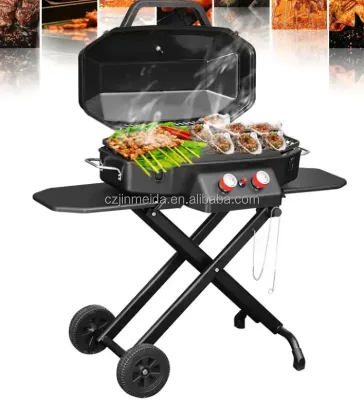
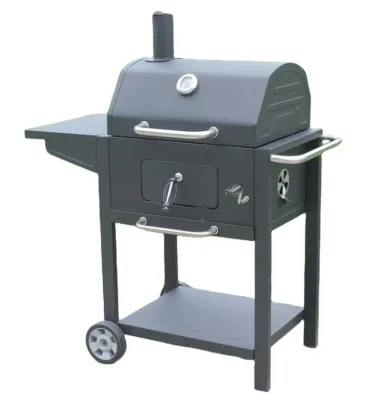

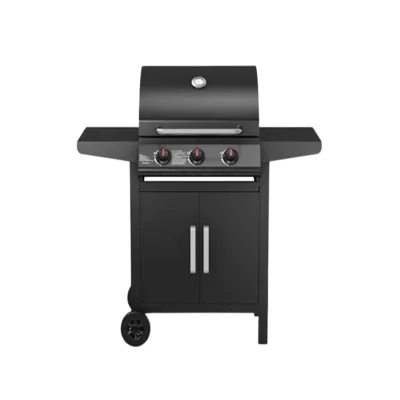
Camping Grill Portable Modern Design Barbecue Grill Outdoor BBQ Grill Gas
$120.00 - $150.00
MOQ: 370 Pieces
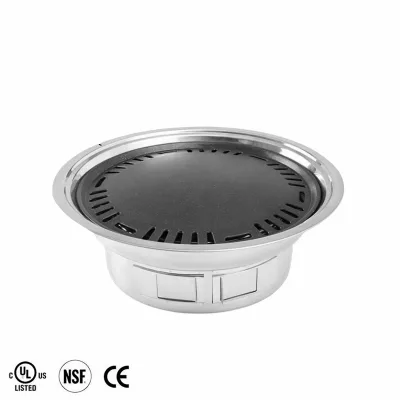
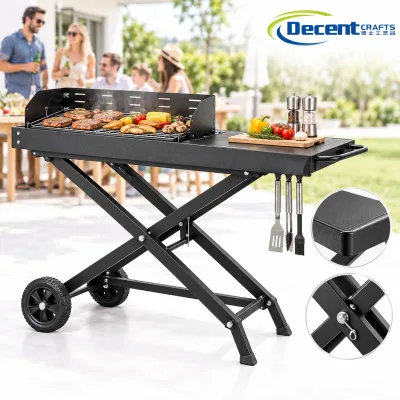


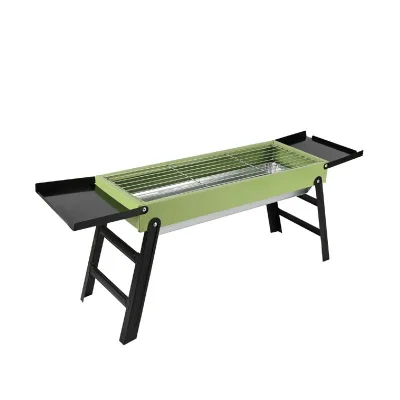

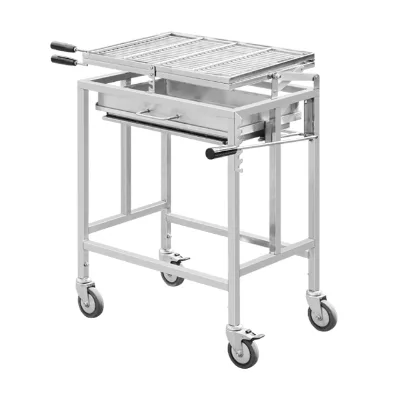
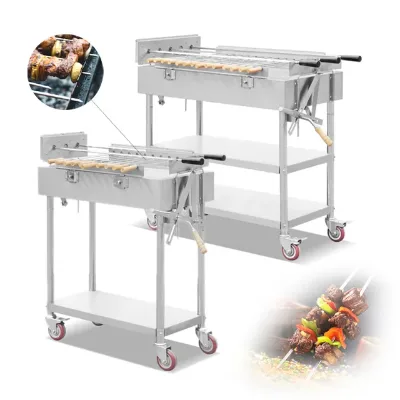

Outdoor Charcoal BBQ Grill with Side Shelves Portable Backyard Trolley
$36.00 - $39.00
MOQ: 100 Pieces

Charcoal BBQ Grill Outdoor Trolley with Side Table for Backyard Cooking
$36.00 - $39.00
MOQ: 100 Pieces
Comprehensive Sourcing Guide
Portable Outdoor BBQ Grill Cart Sourcing Guide
Sourcing a Portable Outdoor BBQ Grill Cart requires balancing mobility, durability, and cooking performance. Buyers must evaluate how the cart’s structural design supports weight distribution and stability during active use. The integration of wheels and handles directly impacts ease of transport, making it essential to verify the cart’s maneuverability on uneven terrain such as grass or gravel. This guide focuses on identifying reliable suppliers who provide robust construction materials and thoughtful ergonomic features that enhance the overall user experience.
Procurement teams should prioritize suppliers who demonstrate clear customization capabilities and consistent quality standards. The market offers various configurations, from folding designs to trolley-style carts, each serving different logistical needs. Understanding the specific application environment, whether it be a garden, patio, or camping site, helps in selecting the right model. This guide outlines the critical technical, compliance, and commercial factors necessary for making informed sourcing decisions that align with long-term business goals and customer expectations.
Product Scope and Observed Listing Signals
The current market landscape for portable outdoor BBQ grill carts reveals a diverse range of product attributes tailored to different consumer needs. Listings indicate a wide price range, typically between $5 and $330 USD, reflecting variations in material quality, brand positioning, and feature sets. Minimum Order Quantities (MOQs) vary significantly, ranging from single units for sample testing to bulk orders of up to 2000 pieces, allowing buyers to scale their procurement strategies effectively. This variability necessitates a careful assessment of volume requirements against unit cost efficiencies.
Observed product specifications highlight key differentiators such as metal types, including cold-rolled steel, cast iron, and stainless steel, which directly influence durability and weight. Features like folding mechanisms, trolley designs, and built-in thermometers are common selling points that enhance usability. Additionally, environmental resistance properties such as high-temperature resistance, waterproofing, and rustproof coatings are critical for outdoor longevity. Buyers should note that while many products offer customization, the specific combination of these features will dictate the final product’s suitability for target markets.
Technical Specifications to Verify
Verifying technical specifications is paramount to ensuring the grill cart meets functional and safety requirements. Buyers must confirm the cooking area dimensions, such as 43×32cm, to ensure adequate space for intended food volumes. The core features, including adjustable charcoal trays and ignition modes, should be tested for reliability and ease of use. It is also crucial to verify the structural integrity of the cart, particularly the load-bearing capacity of the wheels and the stability of the frame under heavy loads.
Material composition plays a significant role in the product’s lifespan and maintenance requirements. Stainless steel and cold-rolled steel with heat-resistant coatings offer superior corrosion resistance compared to standard metals. Buyers should request detailed material certifications and finish specifications, such as power coating or high-temperature paint, to ensure resistance to weathering and rust. Additionally, verifying the inclusion of accessories like grill grates and safety devices, such as flame safety mechanisms, ensures the product is ready for immediate use upon delivery.
Compliance and Safety Documentation
Compliance with safety standards is non-negotiable for outdoor cooking equipment, especially when involving open flames or high temperatures. Buyers must ensure that suppliers provide relevant safety documentation, including test reports for flame resistance and structural stability. While specific certifications like CE or RoHS are mentioned in background contexts, buyers should verify the exact compliance status for their target markets. This includes checking for adherence to local electrical standards if the grill includes electronic components like ignition systems or thermometers.
Documentation should also cover material safety, ensuring that coatings and paints used on the grill cart are non-toxic and safe for food contact areas. Buyers should request Material Safety Data Sheets (MSDS) for all chemical finishes applied to the product. Furthermore, verifying that the product meets international quality standards, such as ISO or specific BBQ industry guidelines, adds an extra layer of assurance. Clear labeling and instruction manuals in the target language are also essential for consumer safety and proper product usage.
Cost Drivers and Commercial Terms
Understanding the cost drivers behind portable outdoor BBQ grill carts helps buyers negotiate better terms and forecast budgets accurately. Key factors include the type of metal used, the complexity of the folding or trolley mechanism, and the quality of the finishing process. Products with advanced features like dual-fuel capabilities or built-in thermometers typically command higher prices due to increased manufacturing complexity. Buyers should also consider the impact of packaging, such as color boxes or export cartons, on shipping costs and product protection.
Commercial terms, including MOQs and lead times, significantly influence procurement planning. Suppliers may offer flexible MOQs for new clients but require larger volumes for discounted pricing. Buyers should clarify payment terms, warranty periods, and return policies before finalizing agreements. Additionally, understanding the supplier’s production capacity and lead times is crucial for managing inventory levels and meeting customer demand. Transparent communication regarding these terms helps avoid unexpected costs and ensures a smooth supply chain operation.
Supplier Qualification and Quality Control
Supplier qualification is a critical step in mitigating risks associated with sourcing portable outdoor BBQ grill carts. Buyers should conduct thorough due diligence, including verifying business licenses, production facilities, and past performance records. Assessing the supplier’s quality control processes, such as incoming material inspections and final product testing, ensures consistent product quality. Suppliers with established quality management systems, such as ISO certification, are generally more reliable in delivering products that meet specified standards.
Quality control should extend to the packaging and labeling processes to prevent damage during transit. Buyers should request samples to evaluate the product’s build quality, finish, and functionality before placing large orders. Implementing a robust inspection protocol, including pre-shipment inspections, helps identify and rectify defects early. Additionally, maintaining open communication with suppliers regarding any quality issues ensures continuous improvement and fosters a strong partnership. Regular audits and performance reviews can further enhance supplier reliability and product consistency.
Long-Term Procurement Checks
Long-term procurement success depends on continuous monitoring of supplier performance and market trends. Buyers should regularly review supplier metrics, such as on-time delivery rates, defect rates, and responsiveness to issues. Establishing key performance indicators (KPIs) helps track supplier reliability and identify areas for improvement. Regular feedback loops with suppliers encourage collaboration and drive innovation in product design and manufacturing processes.
Market trends, such as the growing demand for eco-friendly materials or smart grill features, should also be monitored to stay competitive. Buyers should periodically reassess their sourcing strategies to ensure alignment with changing customer preferences and regulatory requirements. Building a diversified supplier base can mitigate risks associated with single-source dependencies. By maintaining a proactive approach to supplier management and market analysis, buyers can ensure long-term success and sustainability in their procurement operations.
FAQs
Can I customize the Portable Outdoor BBQ Grill Cart for branding?
Yes, customization is available for these grills to meet specific branding needs. Buyers can request modifications to fit their corporate identity or specific design requirements. This service allows for tailored solutions that align with your marketing goals while maintaining the core functionality of the charcoal grill unit.
What is the minimum order quantity for these grills?
The minimum order quantity is typically set at 200 units for standard orders. This threshold ensures efficient production and shipping logistics for bulk purchases. Buyers seeking smaller quantities may need to negotiate directly with suppliers or look for stock items, as the standard MOQ applies to most customized production runs.
Which materials are used in the construction of these grills?
These grills are constructed using cold rolled steel and cast iron components. The metal surfaces are power coated to provide high-temperature resistance and rustproof protection. This combination ensures durability during outdoor use while maintaining structural integrity against environmental factors like rain and heat exposure during extended grilling sessions.
How does the folding feature enhance portability?
The foldable design allows for compact storage and easy transport to various outdoor locations. This feature is ideal for camping, patio use, or terrace gatherings where space is limited. The structure collapses efficiently, making it convenient to carry in vehicles and set up quickly without requiring complex assembly tools.
What safety features are included in the charcoal grill design?
The grill includes a flame safety device to manage heat and prevent accidents. Additionally, the power-coated surface offers environmental resistance against high temperatures and water. These features ensure safe operation during outdoor barbecues, protecting users from unexpected flare-ups while maintaining the integrity of the cooking area during varied weather conditions.
What is the cooking area size for the standard model?
The standard cooking area measures 43 by 32 centimeters, suitable for small to medium gatherings. This size accommodates enough space for grilling meats and vegetables for two to four people. The compact footprint makes it ideal for patios and terraces while providing sufficient room for efficient cooking and food management.