Source dust-proof irrigation sprinkler for Farm, Garden, Landscaping
Compare 30 dust-proof irrigation sprinkler models from Fuzhou suppliers. Buyers can evaluate specifications like nozzle size, rotation angle, and packing options for agricultural and landscaping applications. These units feature adjustable directions and various nozzle colors to suit different irrigation needs effectively.
Updated
Key considerations
Products List


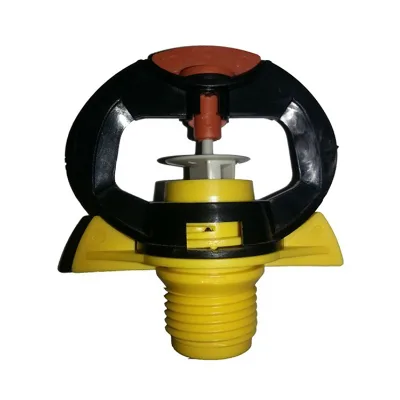
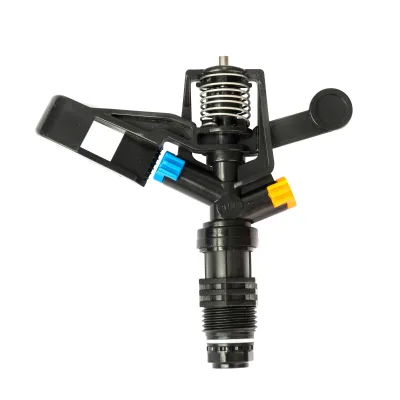
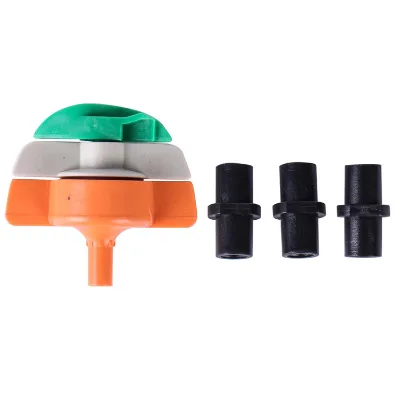
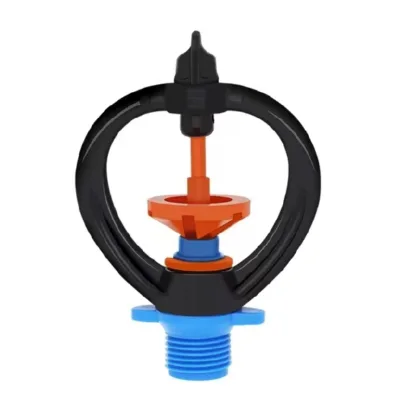
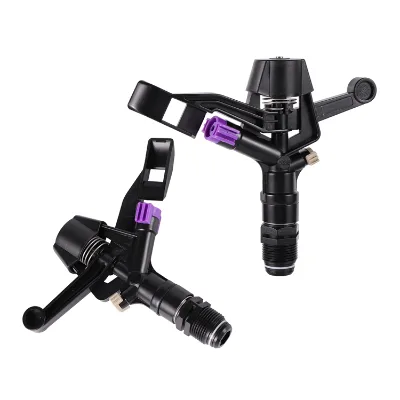
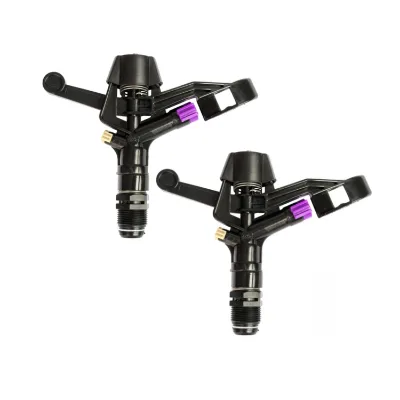
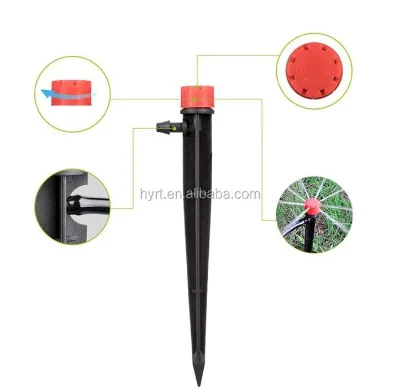
Hot Sale Farm Irrigation Sprinkler Durable Agriculture Garden Sprinkler
$0.60 - $0.70
MOQ: 1000 Pieces




Comprehensive Sourcing Guide
Dust-Proof Irrigation Sprinkler Sourcing Guide
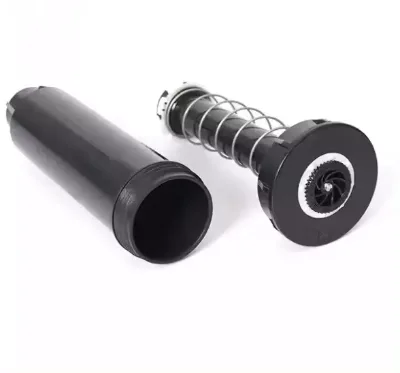
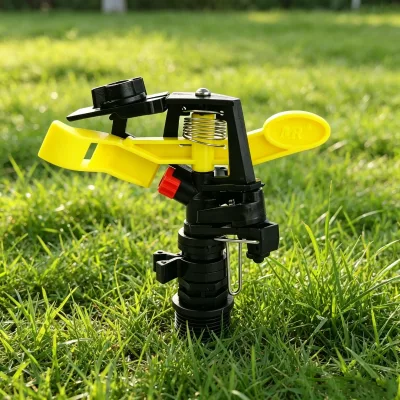
Dust-proof irrigation sprinklers occupy a practical niche in the broader irrigation component market, and buyers who source them through B2B channels need a disciplined approach to separate genuinely protected units from ordinary sprinklers marketed with vague claims. The core products in this category are impact sprinklers, gear-drive sprinklers, and adjustable rotary sprinklers intended for agricultural, farm, and landscaping irrigation systems. Because these devices sit outdoors and often operate in fields, nurseries, and garden environments where soil particles and airborne dust are unavoidable, the dust-proofing element is a functional requirement rather than a cosmetic feature.
This guide walks B2B buyers through the full sourcing cycle for dust-proof irrigation sprinklers. It begins with scoping the product category and interpreting listing signals, then moves to the technical specifications that must be confirmed in writing before ordering. Subsequent sections address the compliance documentation to request, the commercial variables that shape landed cost, supplier qualification methods, and the long-term checks that keep repeat orders consistent. Throughout, the emphasis is on verification: treating every attribute on a product page as an observation to be confirmed rather than a guaranteed claim.
Product Scope and Observed Listing Signals
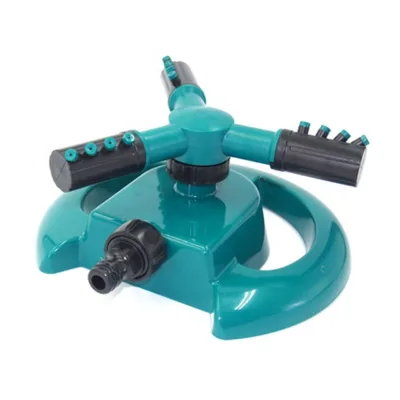
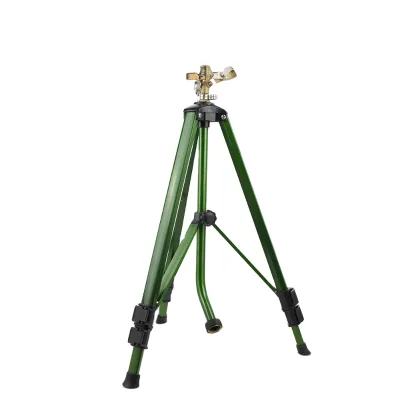
The observed listings in this category cluster around a small set of recognizable product types. Garden impact sprinklers, adjustable angle rotary sprinklers, and 360 gear drive sprinklers appear repeatedly, alongside lawn sprinklers positioned for landscaping irrigation systems and farm-oriented units for agricultural irrigation. Listed models include RS5035, RS5022, DFS, DFS5055B, OAMS1001-1, 9702, 5025-A1, and ITPMT1001, with brand references such as DFShou and origins concentrated in Fuzhou and Fujian, China. Sizes commonly appear at 0.5 inch and 1/2" with G1/2 thread standards, indicating this is largely a small-threaded-component category.
Listing attributes also reveal what suppliers emphasize. Customization is marked as available, plastic is the stated material, water is the media, power is manual, and certification is listed as ISO. Nozzle colors such as black, blue, green, and red, plus yellow product colors, appear in the listings. Packing details vary widely, from 200 pieces per carton to 100 or 600 pieces per carton, with carton dimensions such as 543528 cm and 644538 cm recorded. Buyers should treat these as observations per listing, not category-wide guarantees, and confirm each attribute against the specific model they intend to order.
Technical Specifications to Verify
Connection specifications deserve the earliest scrutiny. Listings reference internal thread connection modes and standards such as 1/2" and G1/2, so buyers should confirm the exact thread type, gender, and compatibility with their existing pipe, hose, or riser fittings before placing any order. Size entries such as 0.5 inch should be reconciled with the stated thread standard, since a mismatch between nominal size and thread pitch is a common cause of field installation failures. Ask suppliers to state the connection specification on the quotation itself, not just on the product page.
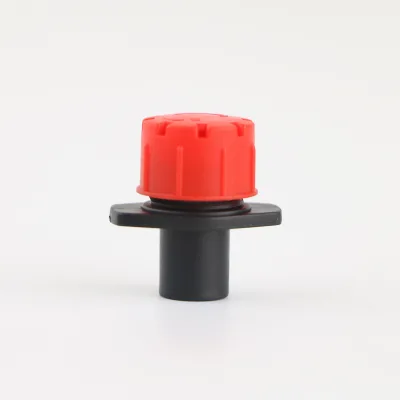
Performance and adjustability specifications require equal rigor. One listed rotary sprinkler shows an adjustable direction range of 25° to 360° and a nozzle diameter of 4mm, both of which directly affect coverage patterns and water distribution. Buyers should verify rotation range, nozzle diameter options, working pressure expectations, and radius of throw for the specific model, since these values determine whether the sprinkler suits farm, garden, or landscaping layouts. Also confirm the dust-proofing construction itself: what seals or covers protect the rotating mechanism, and whether the stated material, plastic, is consistent across body, gears, and seals.
Compliance and Safety Documentation
Documentation requests should start with the certifications a supplier claims. The observed listings cite ISO certification, which buyers should corroborate by requesting the actual certificate, checking its scope, and confirming which production facility it covers rather than accepting a logo on a listing. If a destination market imposes additional requirements for irrigation components, such as material safety for potable water contact or plastic quality standards, identify those obligations before ordering and ask the supplier whether documentation exists. Never assume a certification applies to every model in a catalog.
Beyond formal certificates, buyers should gather technical documentation that supports installation and service decisions. Request a specification sheet for each model confirming thread standard, materials, nozzle sizes, and packaging details, plus drawings where adjustable angle ranges or gear drive mechanisms are involved. A material declaration identifying plastic grades used in the body and seals helps buyers assess durability in dusty, sun-exposed field conditions. Where claims about dust resistance are made verbally, ask for them in writing with a defined test or inspection basis, so that quality disputes in later orders can be anchored to an agreed, documented standard rather than marketing language.
Cost Drivers and Commercial Terms
Observed pricing in this category spans a wide range, from roughly $0.02 to $18 per unit, and MOQs run from as low as 2 pieces to as high as 30,000 pieces. That spread reflects genuine product differentiation between simple sprinkler heads and more complex gear drive or adjustable rotary units, so buyers should first fix the model and specification, then negotiate price against that definition rather than comparing category averages. Confirm which model number, such as RS5035, DFS5055B, or 5025-A1, the quoted price applies to, and whether customization requests change the quoted figure.
Packaging and logistics terms materially affect landed cost. Listings show packing conventions of 100, 200, or 600 pieces per carton, with carton dimensions such as 543528 cm and batch package sizes around 56X37X30 cm, and gross weights around 12 to 12.5 kg per batch. These figures determine how many cartons a container absorbs and what freight per unit becomes. Buyers should also confirm whether customization, such as specific nozzle colors including black, blue, green, or red, carries a tooling or setup charge, and clarify payment terms, validity period of the quote, and any price adjustment conditions before committing.
Supplier Qualification and Quality Control
Supplier qualification for this category should verify that the stated origin and capabilities are real. Listings concentrate in Fuzhou and Fujian, China, so buyers evaluating suppliers in that region should confirm the actual production or sourcing role: whether the supplier manufactures the sprinklers, assembles them, or trades across factories. Request evidence tying the supplier to the specific models quoted, such as model-specific specification sheets matching entries like ITPMT1001 or 9702, and confirm that claimed customization capability extends to the modifications you need. Cross-check that the ISO certificate provided matches the entity named on the quotation.
Quality control should be defined before the first production order. Agree on an inspection approach covering incoming plastic material, assembly of gear drive and impact mechanisms, thread dimensions against the confirmed 1/2" or G1/2 standard, and functional checks of rotation and adjustability. For dust-proofing specifically, specify an inspection step that examines seals and covers on a sampled basis. Define the sampling plan, acceptance criteria, and responsibility for inspection costs in the purchase agreement. Packing should also be inspected, since cartons described as 200PCS/CTN or similar must survive transit without compromising the product.
Long-Term Procurement Checks
Repeat ordering introduces drift risks that first-order diligence does not catch. Buyers should periodically re-verify that model specifications remain unchanged, especially for adjustable ranges such as 25°–360° and nozzle diameters such as 4mm, because suppliers may substitute tooling or revise designs between production runs. Request updated specification sheets with each new season or annual contract and compare them line by line against the approved sample. For customized items, such as branded or colored variants, retain a sealed reference sample so any replacement batch can be checked against it.
Commercial continuity also needs periodic attention. Confirm that pricing, MOQs, and packing configurations, including piece counts per carton and carton dimensions, are reconfirmed at each order rather than assumed from prior invoices, since listed ranges in this category vary widely. Track supplier responsiveness on documentation requests as an early indicator of reliability, and review whether the ISO certification remains valid and current. Finally, maintain a record of inspection results across batches; a pattern of thread or sealing deviations should trigger a corrective action discussion with the supplier before volumes grow further.
FAQs
What materials are used for dust-proof irrigation sprinklers?
These sprinklers are primarily constructed from durable plastic materials to ensure longevity and resistance to environmental wear. The plastic body provides a lightweight yet robust structure suitable for agricultural and landscaping applications. This material choice helps maintain structural integrity while preventing corrosion from constant water exposure and outdoor conditions.
Can the sprinkler direction be adjusted for specific coverage?
Yes, the sprinkler direction is adjustable within a range of 25 to 360 degrees. This feature allows users to customize the water distribution pattern to fit specific field or garden layouts. The adjustable mechanism ensures precise irrigation coverage, minimizing water waste and optimizing efficiency for various agricultural and landscaping needs.
What is the typical packaging quantity per carton?
The standard packaging quantity is 200 pieces per carton. This bulk packing method facilitates efficient shipping and storage for large-scale agricultural operations. The carton dimensions are designed to protect the sprinklers during transit while maximizing space utilization in logistics containers, ensuring safe delivery to international buyers.
Which certifications are available for these irrigation products?
ISO certification is available for these irrigation sprinklers, indicating compliance with international quality management standards. This certification assures buyers of consistent manufacturing quality and reliable product performance. The adherence to ISO standards helps establish trust in the supply chain and ensures that the products meet rigorous industry requirements for durability and functionality.
Where are these sprinklers manufactured and shipped from?
These sprinklers are manufactured and shipped from Fuzhou, China, specifically in the Fujian province. This location serves as a key hub for agricultural equipment production, offering efficient logistics and supply chain management. Buyers can expect reliable export services from this region, ensuring timely delivery and consistent product quality for global markets.
What nozzle colors are available for customization?
Available nozzle colors include black, blue, green, and red options. This customization allows buyers to select colors that match specific branding or visual identification needs in their irrigation systems. The variety of nozzle colors enhances the aesthetic appeal and functional organization of large-scale agricultural or landscaping projects.