air-cooled bench-top laser engraving machine Suppliers and Manufacturers
Source 28 suppliers for air-cooled bench-top laser engraving machine units. Compare key dimensions including CE certification, response times, and lead times. Review product specifications and request quotes directly from verified manufacturers; review the available evidence before requesting comparable quotations from suitable candidates.
Updated
Suppliers List
Suzhou Fang Shiheng Precision Machinery Co., Ltd.
- Manufacturer
- Jiangsu Province, China
- Lead time0 days
- Avg. response≤ 2h
Main productsHandheld Laser Marking Machine, Handheld Laser Cleaning Machine, Handheld Laser Welding Machine, Laser Cutting Machine
Main marketsNorth America(20.00%), Western Europe(15.00%), Eastern Europe(15.00%), Domestic Market(10.00%), Mid East(10.00%), Southeast Asia(10.00%), South America(5.00%), Oceania(5.00%), Eastern Asia(5.00%), Africa(5.00%)

- Verified by SGS
- Combined
- China Beijing
- Lead time15 days
- Avg. response≤ 6h
Main productsFiber Laser Marking Machine, Laser Marking Machine, CO2 Laser Marking Machine, 3D Fiber Laser Marking Machine, Electric DOT Peen Marking Machine, Pneumatic DOT Peen Marking Machine, Portable Laser Marking Machine, Laser Cutting Machine, Laser Cleaning Machine
Main marketsEast Asia(Japan/ South Korea),Europe
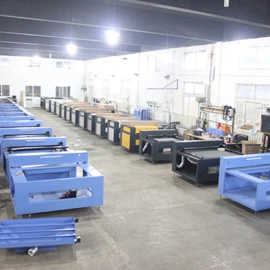
Jinan Jindiao Technology Co., Ltd.
- Manufacturer, Trading Company
- Shandong, China
- Lead time7 days
- Avg. response≤ 4h
Main productsLaser Engraving Machine / Laser Cutting Machine / CNC Router / Plasma Cutting Machine / Fiber Laser Cutting Machine,laser cutting machine,laser cutter,cnc laser,fiber laser cutting machine
Main marketsSouth America(20.00%), North America(20.00%), Western Europe(10.00%), Eastern Europe(8.00%), Southern Europe(7.00%), Central America(5.00%), Africa(5.00%), Southeast Asia(5.00%), Northern Europe(5.00%), Oceania(5.00%), Mid East(3.00%), South Asia(3.00%), Domestic Market(2.00%), Eastern Asia(2.00%)

Yangzhou Fengyue CNC Technology Co., Ltd.
- Verified by BV
- Combined
- China Jiangsu
- Lead time23 days
- Avg. response≤ 1h
Main productsStretch Wrapping Machine, Waste Shredder, Laser Marking Machine, Laser Cutting Machine
Main marketsSouth America,Southeast Asia/ Mideast,North America

Jiangsu Kuntai Industrial Equipment Co., Ltd.
- Manufacturer/Factory
- China Jiangsu
- Lead time15 days
- Avg. response≤ 5h
Main productsMetal Marking Machine, Laser Engraving Machine, Laser Marking Machine, Laser Cleaning Machine, Laser Welding Machine, Nonmetal Marking Machine, CO2 Laser Marking Machine, Pneumatic Marking Machine, DOT Pin Marking Machine, Pneumatic Stylus Marking Machine
Main marketsSouth America,Eastern Europe,Mid East,North America,Southeast Asia,Eastern Asia,Oceania,Western Europe,Africa
Perfect Laser (Wuhan) Co., Ltd.
- Manufacturer
- Hubei, China
- Lead time7 days
- Avg. response≤ 1h
Main productsLaser Cutting Machine, Laser Engraving Machine, Laser Marking Machine, Laser Welding Machine, Wall Printer
Main marketsNorth America(12.00%), Northern Europe(10.00%), Eastern Europe(10.00%), Oceania(9.00%), South America(8.00%), Western Europe(8.00%), Mid East(8.00%), Southern Europe(6.00%), Southeast Asia(6.00%), South Asia(5.00%), Eastern Asia(5.00%), Central America(5.00%), Africa(4.00%), Domestic Market(4.00%)

Xiaohoo Intelligent Technology Co., Ltd.
- Verified by SGS
- Trading Company
- China Guangdong
- Lead time23 days
- Avg. response≤ 3h
Main products3D Printer, Material, Laser Engraving Machine
Main marketsDomestic
Dongguan Huahe Optoelectronics Co., Ltd.
- Manufacturer, Trading Company
- Guangdong, China
- Lead time7 days
- Avg. response≤ 4h
Main productsLaser Welding Machine / Laser Marking Machine / Power Supply / Laser Cutting Machine / Laser Parts,Mobile LCD Display
Main marketsSouth Asia(50.00%), Southeast Asia(15.00%), South America(10.00%), Mid East(10.00%), North America(5.00%), Northern Europe(3.00%), Western Europe(2.00%), Africa(1.00%), Southern Europe(1.00%), Oceania(1.00%), Eastern Europe(1.00%), Eastern Asia(1.00%)
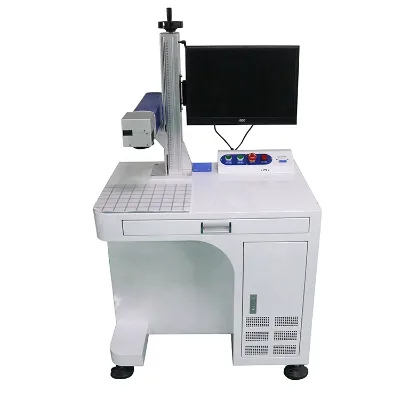
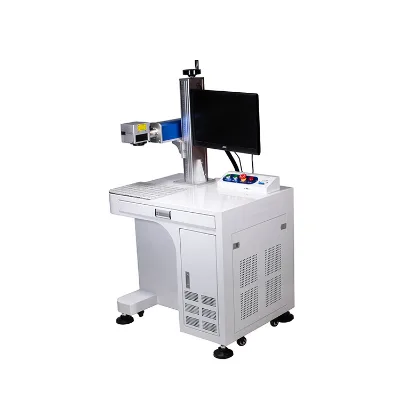
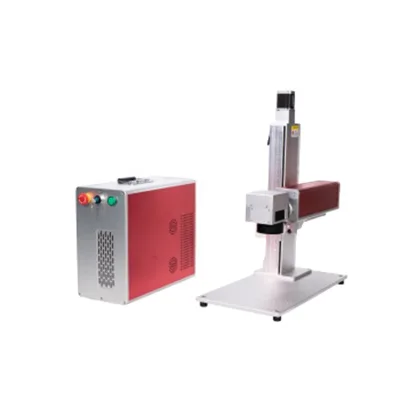
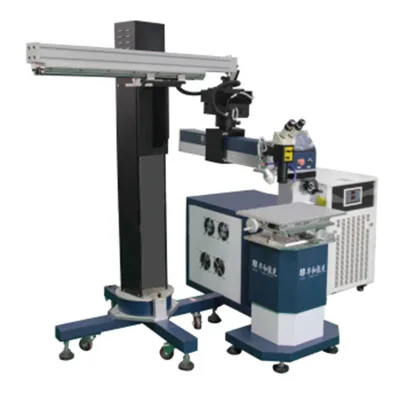
Good Quality Desktop Metal Laser Engraving Machine for ABS Popular Product
$2900.00 - $3100.00

Shijiazhuang Chancsmac Machine Technology Co., Ltd.
- Verified by TUVRHEINLAND
- Trading Company,Manufacturer/Factory
- China Hebei
- Lead time30 days
- Avg. response≤ 3h
Main productsPress Machine, Hot Press, High Frequency Press, Hydraulic Press, CNC Machine, Glue Spreader, Planer, Sawing Machine, Sanding Machine, High Frequency Hot Press
Main marketsSouth America,Eastern Europe,Mid East,North America,Southeast Asia,Africa
Foshan Shunde Maoduoyu Trading Co., Ltd.
- Manufacturer, Trading Company, Distributor/Wholesaler
- Guangdong, China
- Lead time0 days
- Avg. response≤ 1h
Main productsIndustrial machinery,Commercial machinery,Packaging machinery,Filling machinery,Food machinery
Main marketsNorth America(50.00%), Southeast Asia(10.00%), Mid East(10.00%), Central America(10.00%), Domestic Market(5.00%), Western Europe(5.00%), Northern Europe(3.00%), South Asia(2.00%), Oceania(1.00%), Eastern Asia(1.00%), Eastern Europe(1.00%), South America(1.00%), Africa(1.00%)

Wuhan Label Laser Intelligent Technology Co., Ltd.
- Verified by TUVRHEINLAND
- Combined
- China Hubei
- Lead time15 days
- Avg. response≤ 11h
Main productsFiber Laser Marking Machine
Main marketsSouth America,Southeast Asia/ Mideast,Europe,Australia
Shandong Songli Machinery Co., Ltd.
- Manufacturer
- Shandong, China
- Lead time10 days
- Avg. response≤ 2h
Main productsLaser Marking Machine,CNC Engraving Machine,CNC Cutting Machine,Laser Engraving Machine,Fiber Laser Cutting Machine
Main marketsDomestic Market(62.00%), North America(18.00%), Western Europe(6.00%), South America(6.00%), Eastern Europe(5.00%), Northern Europe(3.00%)
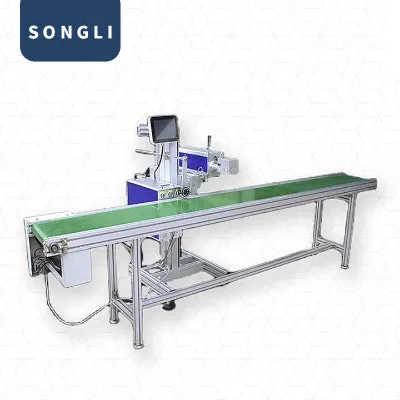
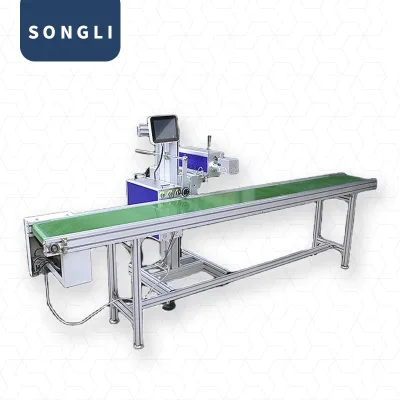
Writing Machine Engraving Laser Machines Laser Machine Metalf
$2600.00 - $4000.00
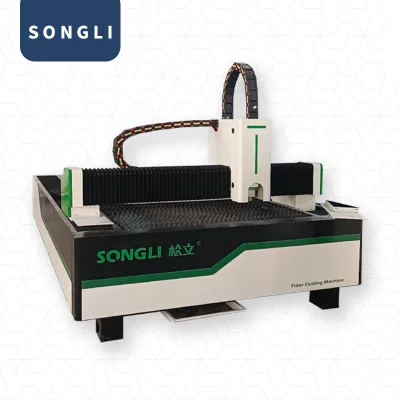

- Verified by TUVRHEINLAND
- Manufacturer/Factory
- China Jiangsu
- Lead time15 days
- Avg. response≤ 1h
Main productsLaser Welding Machine, Laser Cutting Machine, Laser Cleaning Machine, Laser Marking Machine, CNC Machine, Laser Engraving Machine, CNC Cutting Machine, CNC Metal Cutting Machine, Tube Laser Cutting Machine, Laser Machine
Main marketsSouth America,Eastern Europe,Mid East,North America,Southeast Asia,Eastern Asia,Oceania,Western Europe,Africa

Air Cooling Metal Plastic Marking Printing Laser Engraving Machine with Low Price Hf20xx
$2000.00 - $5000.00
MOQ: 1 Pieces

Air Cooling Fiber Portable Laser Marking Metal Engraving Machine with Low Price
$1200.00 - $8300.00
MOQ: 1 Pieces

Cheap Price Air Cooling Fiber Metal Marking Engraver Glass Laser Engraving Machine
$1200.00 - $8300.00
MOQ: 1 Pieces

New Air Cooling Printer CNC Metal Marking Engraver Fiber Laser Engraving Machine
$1200.00 - $8300.00
MOQ: 1 Pieces

Air Cooling Pulse Engraving Metal Fiber Laser Marking Machine with Low Price
$1500.00 - $8000.00
MOQ: 1 Pieces

Good Price Air Cooling Printer CNC Metal Marking Fiber Laser Engraving Machine
$1200.00 - $8300.00
MOQ: 1 Pieces

Wuhan Swanti Technology Co. Ltd.
- Verified by BV
- Manufacturer/Factory
- China Hubei
- Lead time15 days
- Avg. response≤ 5h
Main productsLaser Cleaning Machine, Laser Welding Machine, Laser Cutting Machine, Laser Marking Machine, UV Wall Printer, Other Laser Product, Laser System, Robot Welding Cutting
Main marketsSouth America,Eastern Europe,Mid East,North America,Southeast Asia,Eastern Asia,Oceania,Western Europe,Africa
Liaocheng Jingwei Laser Equipment Co., Ltd.
- Verified by TüVRheinland
- Manufacturer, Trading Company
- Lead time7 days
- Avg. response≤ 5h
Main productsFiber Laser Marking Machine, Laser Engraving Machine, Laser Welding Machine
Main marketsDomestic Market(40%), South America(30%), North America(5%)
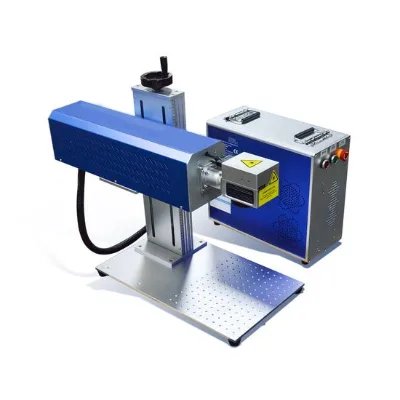
$1400.00 - $1580.00
MOQ: 1 Minimum
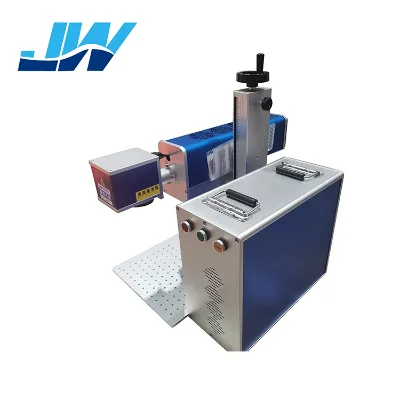
30W 40W High Safety Level High Speed CO2 Laser Marking Machine Laser Marking Machine
$1340.00 - $1430.00
MOQ: 1 Minimum
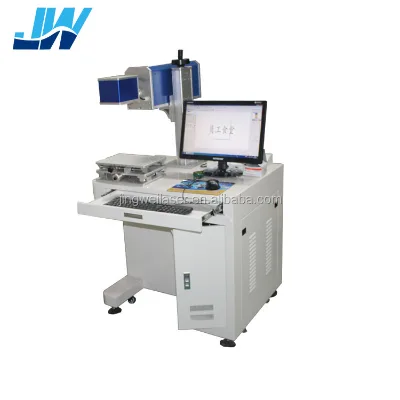
Low Price Uv Vision Laser Marking Machine Visual Positioning Laser Coding and Engraving on Plastic
$1446.00 - $1540.00
MOQ: 1 Minimum

Jinan Dwin Technology Co., Ltd.
- Verified by TUVRHEINLAND
- Combined
- China Shandong
- Lead time15 days
- Avg. response≤ 14h
Main productsLaser Engraving Machine, Metal Laser Cutting Machine, CO2 Laser Cutting Machine, Fiber Laser Marking Machine, CO2 Laser Marking Machine, CNC Router, CNC Woodworking Machine, Stone Engraving CNC Router
Main marketsAfrica,Southeast Asia/ Mideast,Europe

Zhengzhou Honest Machinery Co., Ltd.
- Trading Company,Manufacturer/Factory
- China Henan
- Lead time15 days
- Avg. response≤ 5h
Main productsFood Machinery, Packing Machines, Microwave Equipment, Drying Machines, Grain Product Making Machines, Commodity Making Machines, Texitle Machines, Construction Machinery
Main marketsSouth America,Eastern Europe,Mid East,North America,Southeast Asia,Eastern Asia,Oceania,Western Europe,Africa
Liaocheng Furong Laser Technology Co., Ltd.
- Verified by SGS Group
- Trading Company
- Lead time7 days
- Avg. response≤ 2h
Main productsLaser Cutting Machine, Laser Engraving Machine, Laser Cleaning Machine, Laser Welding Machine, Laser Marking Machine
Main marketsEastern Europe(30%), South America(20%), North America(15%)

Shandong Zhongguangdian Optoelectronic Technology Co., Ltd.
- Verified by SGS
- Manufacturer/Factory
- China Shandong
- Lead time0 days
- Avg. response≤ 6h
Main productsLaser Engraving Machine
Meto Laser Technology (henan) Co., Ltd.
- Verified by SGS Group
- Trading Company
- Lead time10 days
- Avg. response≤ 3h
Main productsLed Display Screen, LED Dance Floor, Mirror Photo Booth, Magazine Photo Booth Box, Overhead 360 Photo Booth
Main marketsNorth America(70%), Western Europe(10%), Eastern Europe(5%)

Shanxi Jingwei Chemical Fiber Machinery Co.,Ltd
- Verified by BV
- Combined
- China Shanxi
- Lead time15 days
- Avg. response≤ 18h
Main productsgear pump
Main marketsOthers(foreignTradeCapacity.exportBusinessCapacityMarketOther),Domestic

Zhengzhou Dana Photoelectric Technology Co., Ltd.
- Verified by TUVRHEINLAND
- Combined
- China Henan
- Lead time15 days
- Avg. response≤ 1h
Main productsLaser Engraving Machine, Tij Printer, Laser Marking
Main marketsSoutheast Asia/ Mideast,Domestic


High-Accuracy Fiber Laser Marking Machine Air Cooling Fiber-Laser-Marking-Machine-Price
$3100.00 - $3900.00
MOQ: 1 Sets


Wuhan Hjz Laser Technology Co., Ltd.
- Verified by TüVRheinland
- Manufacturer, Trading Company
- Lead time7 days
- Avg. response≤ 2h
Main productsLaser Welding Machine, Laser Cutting Machine, Laser Marking Machine, Laser Cleaning Machine, Wall Printers
Main marketsDomestic Market(20%), North America(18%), South America(15%)
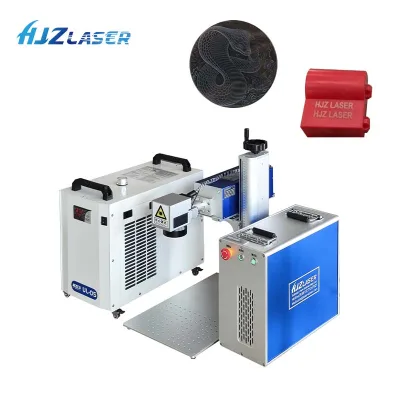
Wooden Ornaments Embossing Engraving with 10W 3D UV Laser Marking Machine
$3450.00 - $11000.00
MOQ: 1 Minimum
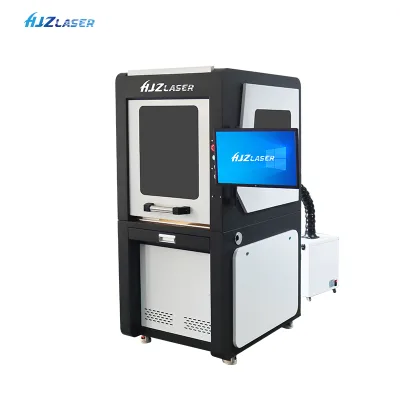
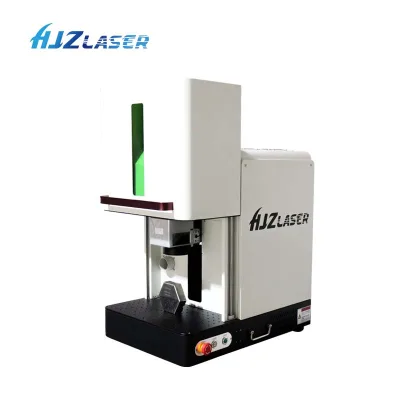
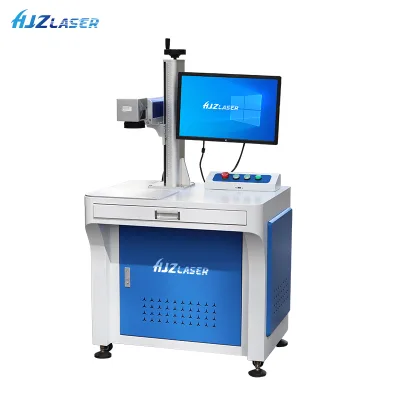
20w Folding Fiber Laser Marking Machine for Metal Marking
$1299.00 - $2000.00

Dongguan Sanhe Laser Technology Co., Ltd
- Verified by SGS
- Combined
- China Guangdong
- Lead time15 days
- Avg. response≤ 5h
Main productsFiber Laser Marking Machine, UV Laser Marking Machine, CO2 Laser Marking Machine, Semiconductor Laser Marking Machine, Fiber Automatic Laser Warking Machine, Fiber Scanner Laser Welding Machine, Mold Laser Welding Machine, Jewelry Laser Spot Welding Machine, Laser Welding Machine for Channel Letters, SMT Steel Mesh Laser Cutting Machine
Main marketsSoutheast Asia/ Mideast,Europe

Deep Engraving Metal Fiber Laser Marking Machine Laser Engraving Machine Price
$3750.00 - $4600.00
MOQ: 1 Pieces


HENAN SHENGHE MACHINERY EQUIPMENT CO.,LTD
- Verified by SGS
- Trading Company
- China Henan
- Lead time30 days
- Avg. response≤ 7h
Main productsLaser Cutting Machine, Handheld Laser Welding Machine, Laser Cleaning Machine, Bending Machine, Laser Marking Machine
Main marketsAustralia

Compact Laser Marking Machine for High-Performance Stainless Steel Engraving
$1632.00 - $2408.00
MOQ: 1 Pieces

High-Speed Laser Marking Machine for Precision Stainless Steel Engraving
$1632.00 - $2408.00
MOQ: 1 Pieces

Advanced Laser Marking Machine for Professional Stainless Steel Engraving
$1632.00 - $2408.00
MOQ: 1 Pieces
- Verified by SGS Group
- Trading Company
- Lead time10 days
- Avg. response≤ 2h
Main productsLaser Engraving Machine, Laser Cutting Machine, Laser Marking Machine, Laser Welding Machine, Laser Cleaning Machine
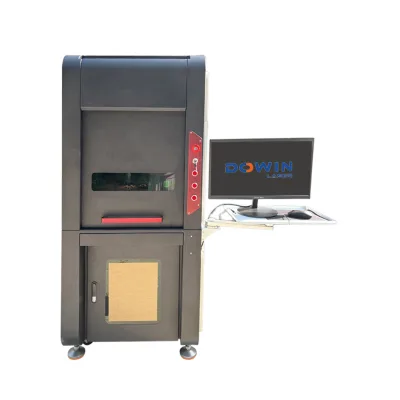
100W Large Enclosed Fiber Laser Marking Machine for Metal Deep Engraving
$2900.00 - $2990.00
MOQ: 1 sets
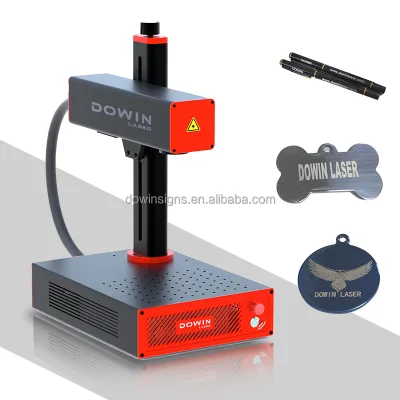
Best Selling Dowin Desktop 30W 50W Fiber Laser Engraving Machine MAX for Stainless Steel Aluminum
$1190.00 - $1290.00
MOQ: 1 sets

Jinan Vmade Cnc Machine Co., Ltd.
- Verified by SGS
- Trading Company,Manufacturer/Factory
- China Shandong
- Lead time23 days
- Avg. response≤ 5h
Main productsFiber Laser Cutting Machine, Fiber Laser Marking Machine, Fiber Laser Welding Machine, Fiber Laser Cleaning Machine, Plasma Cutting Machine, CO2 Laser Cutting/Engraving Machine, CO2 Laser Marking Machine, CNC Router Machine
Main marketsSouth America,Eastern Europe,Mid East,North America,Southeast Asia,Eastern Asia,Western Europe,Africa


Laser 30W Fiber Laser Marking Machine Engraving Machine 100W Fiber Laser
$1800.00 - $2000.00
MOQ: 1 Pieces
- Verified by SGS Group
- Manufacturer, Trading Company
- Lead time7 days
- Avg. response≤ 2h
Main productsLaser Marking Machine, Laser Cutting Machine, Laser Welding Machine, Laser Cleaning Machine, Laser Machine Parts
Main marketsNorth America(16%), Central America(16%), South America(15%)
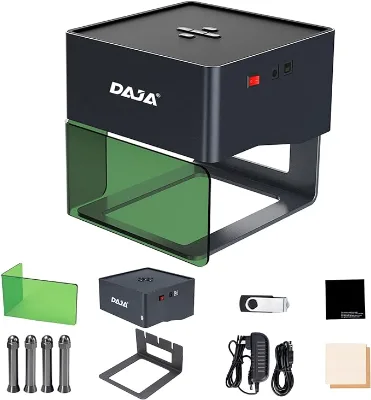
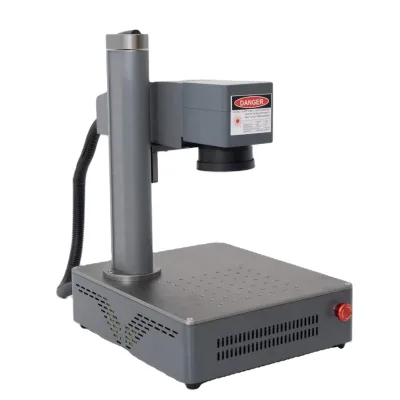


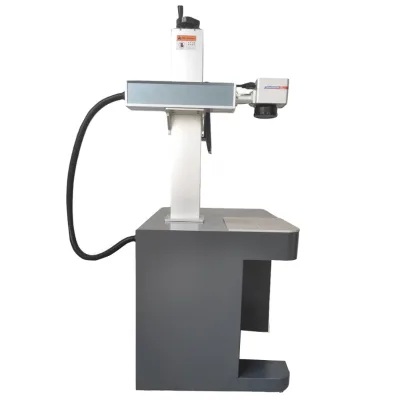
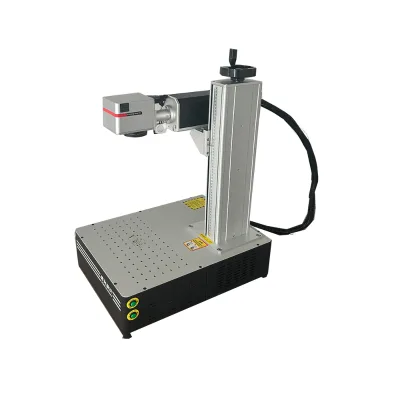
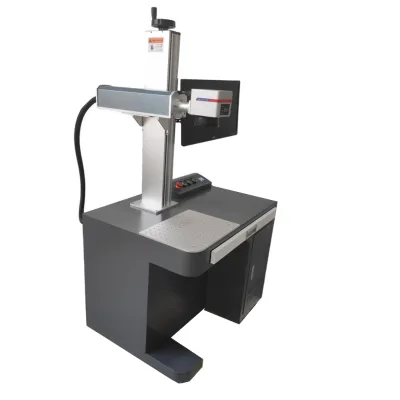


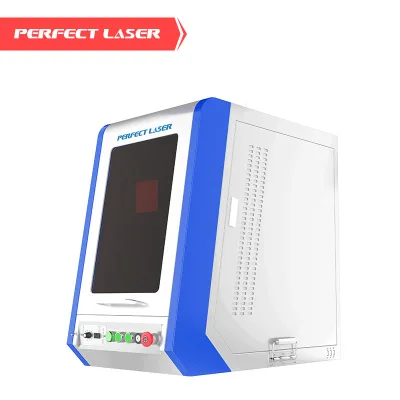
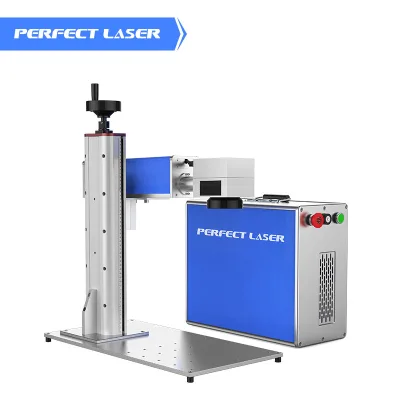


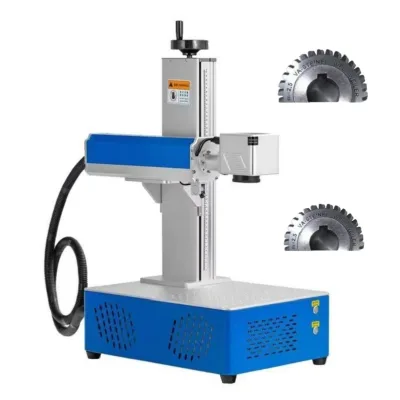
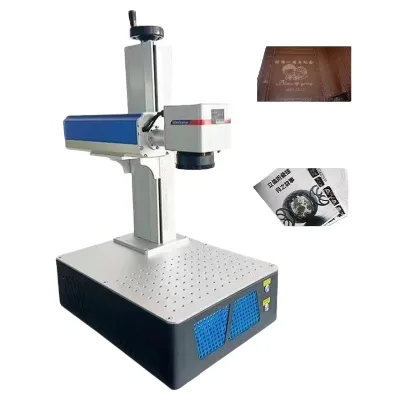






Comprehensive Sourcing Guide
Air-Cooled Bench-Top Laser Engraving Machine Supplier Concentration and Factory Types
The current supplier landscape for air-cooled bench-top laser engraving machines reveals a distinct geographic concentration in Jiangsu Province, China, where manufacturers specialize in handheld and bench-top variants. These entities are primarily classified as manufacturers, indicating a direct production capability rather than pure trading operations. This structural distinction is critical for buyers seeking technical support and customization, as factory-type suppliers typically possess the engineering resources to modify machine configurations for specific industrial applications. The presence of manufacturers in this region suggests a mature supply chain for laser equipment components, potentially offering more competitive pricing structures compared to trading companies that add intermediary margins. Buyers should prioritize these manufacturer-designated entities when evaluating long-term partnership potential, as they are more likely to provide consistent quality control and after-sales service infrastructure.
In contrast, other suppliers in the broader market are categorized as combined entities, which may blend manufacturing with trading activities. These combined suppliers often operate from different locations, such as Beijing, and may offer a wider variety of laser technologies, including CO2 and fiber marking machines alongside engraving units. The diversity in company types means that buyers must carefully distinguish between pure factories and hybrid operations to understand the true source of their equipment. Combined suppliers might offer greater flexibility in product range but could have less direct oversight over the manufacturing process. Understanding this distinction helps buyers align their sourcing strategy with their specific needs, whether they prioritize direct factory engagement for cost efficiency or the broader catalog and logistical support that combined suppliers might provide.
How to Verify Air-Cooled Bench-Top Laser Engraving Machine Suppliers
Verification of suppliers requires a multi-layered approach that goes beyond basic company profiles, focusing on tangible evidence of operational capability and compliance. Buyers should first examine system certifications, such as CE and 2006/42/EC, which are critical for ensuring that the machinery meets European safety and regulatory standards. These certifications are not merely formalities but indicate that the supplier has undergone rigorous testing for electrical safety and mechanical integrity. Additionally, the presence of third-party verification badges, such as SGS, provides an external layer of trust regarding the supplier’s business legitimacy and operational history. Buyers must actively request and review these documents rather than assuming their validity, as certification status can change or be misrepresented in initial listings.
Beyond certifications, buyers should assess the supplier’s response time and lead time metrics as indicators of operational efficiency and reliability. A response time of two days or less suggests a responsive sales team capable of addressing technical queries promptly, which is vital for resolving pre-purchase uncertainties. Similarly, lead times of zero or fifteen days offer insight into inventory management and production scheduling capabilities. Buyers should also verify the availability of machinery test reports, which serve as proof that the equipment has been functionally tested before shipment. The absence of video outgoing-inspection data for some products highlights the need for buyers to request real-time video verification or detailed inspection reports to ensure the machine’s condition and performance match the advertised specifications before finalizing any purchase agreement.
What to Compare Across Air-Cooled Bench-Top Laser Engraving Machine Suppliers
When comparing suppliers, buyers must evaluate a range of technical specifications and commercial terms to identify the best fit for their operational requirements. Key technical attributes include the laser type, cooling system, and applicable materials, with fiber lasers and air-cooling systems being prevalent in bench-top models. Buyers should compare engraving speeds, working accuracy, and graphic format support to ensure compatibility with their existing workflows. For instance, some machines support formats like AI, BMP, and DXF, while others may have more limited capabilities. Additionally, the brand of critical components, such as the laser source, control system, and servo motors, can significantly impact long-term performance and maintenance costs. Comparing these component brands across suppliers helps buyers assess the potential durability and serviceability of the equipment.
Commercial comparisons should also focus on pricing structures, minimum order quantities, and warranty terms. Prices for bench-top laser engraving machines can vary significantly, with some models starting around $143 while others exceed $3,999, reflecting differences in power, precision, and component quality. Buyers must determine whether the lower price points offer sufficient performance for their needs or if the higher investment yields better long-term value. Minimum order quantities of one unit indicate flexibility for small-scale buyers, while warranty periods of one to two years provide varying levels of post-purchase protection. Buyers should also consider the availability of customization options, such as OEM or ODM services, which may be offered by suppliers with specific R&D capacities, allowing for tailored solutions that address unique production challenges.
Common Air-Cooled Bench-Top Laser Engraving Machine Sourcing Risks
One significant risk in sourcing air-cooled bench-top laser engraving machines is the potential discrepancy between advertised specifications and actual product performance. Buyers may encounter issues where the engraving depth, speed, or accuracy does not meet the claimed standards, leading to production delays and quality control problems. This risk is exacerbated by the lack of standardized testing protocols across different suppliers, making it difficult to compare machines on a like-for-like basis. Additionally, the absence of video outgoing-inspection data for some products means that buyers cannot visually verify the machine’s condition before shipment, increasing the likelihood of receiving equipment with hidden defects or missing components. Buyers must mitigate this risk by requesting detailed technical documentation and, if possible, conducting pre-shipment inspections or video calls to verify the machine’s functionality.
Another risk involves the reliability of after-sales support and spare parts availability, particularly when sourcing from suppliers with varying levels of operational maturity. Suppliers with longer lead times or less responsive communication channels may struggle to provide timely technical assistance or replacement parts in the event of a malfunction. This risk is further compounded by the complexity of laser equipment, which often requires specialized knowledge for maintenance and repair. Buyers should assess the supplier’s commitment to customer support by reviewing their warranty terms, response times, and the availability of technical documentation. Ensuring that the supplier has a robust support infrastructure is essential for minimizing downtime and maintaining production efficiency, especially for businesses that rely heavily on laser engraving for their core operations.
Air-Cooled Bench-Top Laser Engraving Machine Regional Sourcing and Logistics
Regional sourcing decisions are heavily influenced by the geographic location of suppliers, with Jiangsu Province emerging as a key hub for laser equipment manufacturers. Sourcing from this region can offer logistical advantages due to the concentration of related industries and infrastructure, potentially reducing shipping times and costs. However, buyers must also consider the implications of sourcing from other regions, such as Beijing, where combined suppliers may offer different logistical profiles. The distance between the supplier’s location and the buyer’s destination will impact shipping costs, transit times, and customs clearance procedures. Buyers should evaluate the supplier’s experience with international shipping and their ability to handle export documentation efficiently to avoid delays at borders.
Logistics planning should also account for the physical dimensions and weight of the equipment, as bench-top laser engraving machines can vary significantly in size. Some models have single package sizes around 25x25x20 cm and weights of 1.2 to 2.0 kg, making them relatively easy to ship via air freight. However, larger or more complex machines may require sea freight or specialized handling, which can increase costs and transit times. Buyers should work closely with their suppliers to determine the most cost-effective shipping method based on the machine’s specifications and their urgency requirements. Additionally, understanding the supplier’s packaging standards is crucial to ensure that the equipment arrives in pristine condition, minimizing the risk of damage during transit.
Air-Cooled Bench-Top Laser Engraving Machine Commercial Terms and Order Planning
Effective order planning requires a thorough understanding of the commercial terms offered by suppliers, including payment methods, pricing tiers, and delivery schedules. Buyers should negotiate clear terms regarding price fluctuations, especially for orders placed during periods of market volatility. Establishing a fixed price agreement can provide stability and protect against unexpected cost increases. Additionally, buyers should clarify the payment structure, such as whether deposits are required or if full payment is due upon shipment. Understanding these terms helps buyers manage their cash flow and financial risk more effectively. Buyers should also inquire about any additional costs, such as customs duties or taxes, to avoid unexpected expenses upon delivery.
Delivery schedules and lead times are critical components of order planning, as they impact production timelines and inventory management. Buyers should confirm the supplier’s lead time for both standard and customized orders, as these can vary significantly. For instance, some suppliers may offer immediate shipment for standard models, while customized orders may require longer production periods. Buyers should also establish clear communication channels for order tracking and updates to ensure transparency throughout the fulfillment process. By aligning their order planning with the supplier’s capabilities and commercial terms, buyers can minimize disruptions and ensure a smooth procurement process. Regularly reviewing and updating these terms based on performance and market conditions helps maintain a resilient and efficient supply chain.
FAQs
What is the price range for air-cooled bench-top laser engraving machines?
Prices for these machines typically range from approximately $143 to $154 for basic desktop models, while higher precision fiber laser marking units cost between $3,999 and $5,999. The cost depends on the laser type, power output, and specific configuration features selected by the buyer.
What materials can an air-cooled bench-top laser engraver process?
These machines are designed to engrave on various materials including wood, glass, acrylic, and metal. Specific models support fiber lasers for metal marking and CO2 or semiconductor lasers for non-metal surfaces like wood and glass, ensuring versatility for different industrial and hobbyist applications.
What is the typical lead time for these laser engraving machines?
Lead times vary significantly by supplier and machine type. Some manufacturers offer immediate availability with a zero-day lead time, while others may require up to 15 days for production and shipping. Buyers should confirm specific delivery schedules directly with the supplier before placing an order.
What certifications do these laser engraving machines usually have?
Many suppliers provide machines certified under CE and 2006/42/EC standards to ensure safety and compliance. Some products also carry CCC, ISO, and SGS certifications. Buyers should verify specific certification documents with the supplier to ensure they meet local regulatory requirements for their intended market.
What is the minimum order quantity for these machines?
The minimum order quantity is typically one unit, allowing buyers to purchase single items for testing or small-scale production. This low MOQ makes it accessible for startups and individual businesses to acquire high-quality laser engraving equipment without committing to large bulk purchases.
What warranty is provided for bench-top laser engraving machines?
Standard warranties for these machines generally cover one year for basic models and up to two years for more advanced fiber laser marking systems. Buyers should review the specific warranty terms provided by the manufacturer, including coverage for parts and labor, to understand their protection.