Alcohol Transport Fuel Tanker Trailer Suppliers and Manufacturers
Find 29 verified suppliers offering Alcohol Transport Fuel Tanker Trailer options with varying lead times, certifications, and response speeds. Compare dimensions, materials, and MOQs to select the right factory for your needs; review the available evidence before requesting comparable quotations from suitable candidates.
Updated
Suppliers List

Qingdao Eleph Industry & Trade Co., Ltd.
- Verified by CTI
- Trading Company
- China Shandong
- Lead time38 days
- Avg. response≤ 7h
Main productsTruck Trailer, Lowbed Trailer, Trailer, Container Trailer, Liquid Tank Trailer, Dump Trailer, Semi Trailer, Modular Trailer, Girder Trailer, Cargo Trailer
Main marketsSouth America,Mid East,Southeast Asia,Eastern Asia,Africa

Tank Trailer Stainless Steel Liquid Petrol Fuel Storage Transport Tanker Trailer
$25000.00 - $35000.00
MOQ: 1 Pieces


Fuel Tank Trailer 35cbm Oil Transport Gasoline Semi Fuel Tanker Trailer
$18000.00 - $35000.00
MOQ: 1 Pieces


Three Axles Drink Alcohol Water Truck Stainless Steel Tanker Semi Trailer
$25000.00 - $35000.00
MOQ: 1 Pieces

3 Axle 45000liters Aluminum Alloy Oil Transport Semi Fuel Tanker Trailer
$25000.00 - $35000.00
MOQ: 1 Pieces

Shandong Chengda Auto Sales Co., Ltd.
- Verified by BV
- Combined
- China Shandong
- Lead time30 days
- Avg. response≤ 15h
Main productsContainer Trailer, Flatbed Trailer, Lowbed Semi Trailer, Fuel Tanker Semi Trailer, Bulk Cement Semi Trailer, Dump Semi Trailer, Tractor Truck, Dump Truck, Fuel Tanker Truck, Water Tanker Truck
Main marketsAfrica,Southeast Asia/ Mideast,North America
Hubei Huate Special Equipment Co., Ltd.
- Verified by TüVRheinland
- Manufacturer, Trading Company
- Lead time30 days
- Avg. response≤ 4h
Main productsFuel Tanker Manhole Cover, Fuel Dispenser, Refueling Truck, API Adaptor Valve, Emergency Shut Off Valve
Main marketsDomestic Market(70%), Mid East(10%), South America(7%)
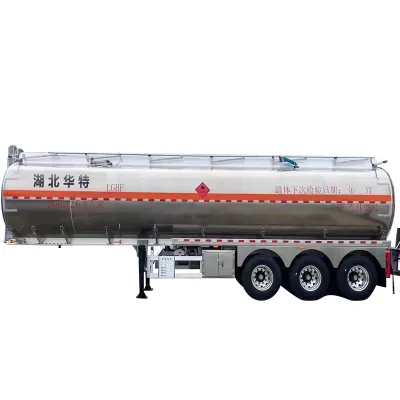
Methanol Transport Tanker Truck 42000 Litres Oil Tanker Aluminum Fuel Tanker Semi Trailer
$10500.00 - $12300.00
MOQ: 1 pieces
Jinan Kunda Automobile Sales Co.ltd.
- Verified by TüVRheinland
- Trading Company
- Lead time35 days
- Avg. response≤ 2h
Main productsDump Truck, Tractor Truck, Cargo Truck, Semi Trailer, Truck
Main marketsAfrica(50%), North America(10%), South America(10%)

Henan Focus Vehicles Co., Ltd.
- Verified by SGS
- Trading Company
- China Henan
- Lead time30 days
- Avg. response≤ 3h
Main productsTrailer, Flatbed Trailer, Skeleton Trailer, Lowbed Trailer, Fuel Tank Trailer, Bulk Cement Tank Trailer, Dump Truck, Aluminum Fuel Tank Trailer, Cargo Trailer, Sino Truck
Main marketsSoutheast Asia/ Mideast,Europe
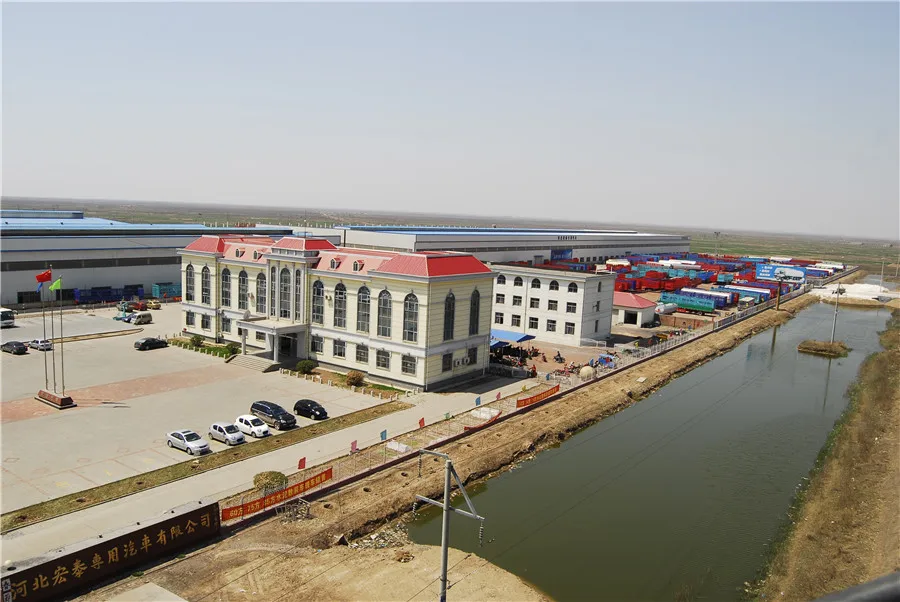
Hebei Hongtai Special Truck Co., Ltd.
- Manufacturer, Trading Company
- Hebei, China
- Lead time30 days
- Avg. response≤ 9h
Main productsSemi Trailer,tank trailer
Main marketsDomestic Market(60.00%), Africa(10.00%), Southeast Asia(10.00%), South Asia(10.00%), South America(2.50%), Eastern Asia(2.00%), Mid East(1.00%)
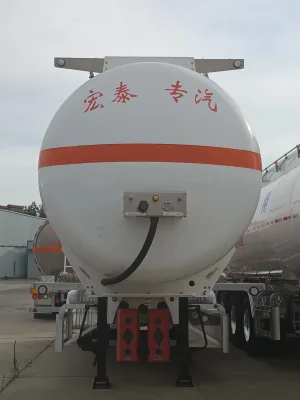
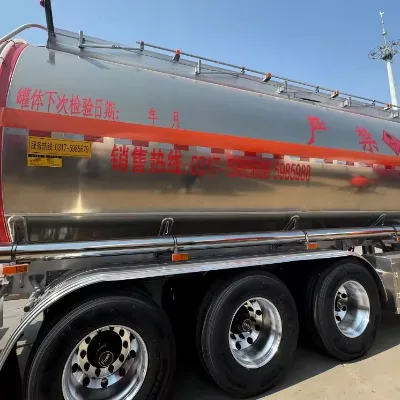
Aluminum Tanker Semi-trailer Methanol
$15000.00 - $20000.00
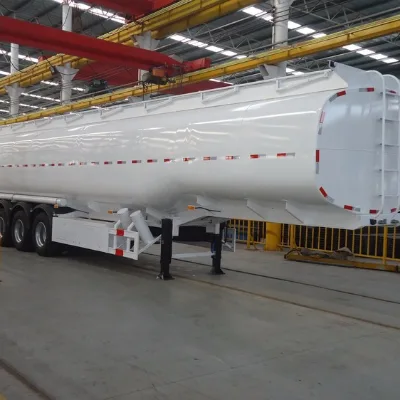
Fuel Tanks , Fuel Tanker , Fuel Tanker Trailer -- TOP SUPPLER Semi-trailer Lift Axle air Suspension
$15000.00 - $60000.00
MOQ: 1 Minimum
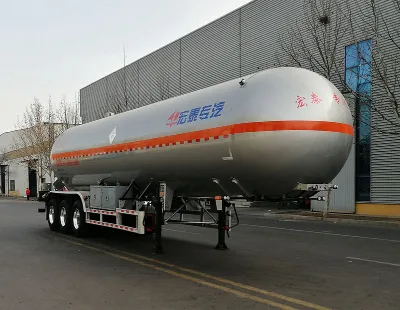
Henan Autoking Industry Co., Ltd.
- Trading Company
- Henan, China
- Lead time15 days
- Avg. response≤ 3h
Main productsTrucks,Isuzu Trucks,Cargo Trucks,Pickup Trucks,Refrigerated Trucks
Main marketsAfrica(40.00%), South America(25.00%), Mid East(25.00%), Eastern Europe(10.00%)
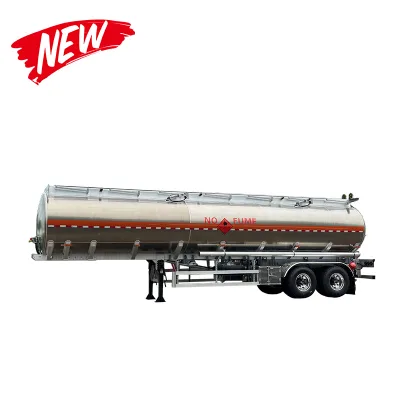
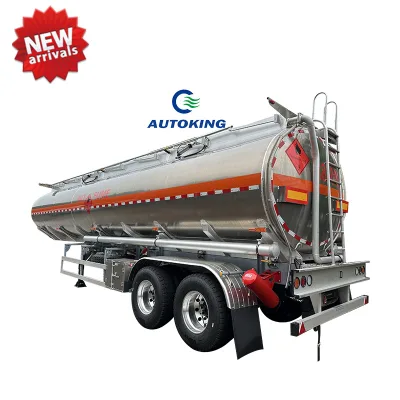
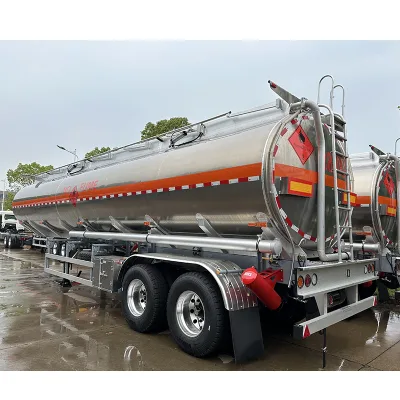
Fuel Tanker Trailer Fuel Container 2 Axle Propane Liquid Fuel Storage tank
$8900.00 - $10500.00
MOQ: 1 units

QINGDAO HETANCH TRUCK CO., LTD.
- Verified by BV
- Trading Company,Manufacturer/Factory
- China Shandong
- Lead time38 days
- Avg. response≤ 5h
Main productsTruck, Semi Trailer, Garbage Truck, Dump Truck, Concrete Mixer Truck, Tractor Truck, Cargo Truck, Tipper Truck, Wrecker Truck, Tank Trailer
Main marketsSouth America,Mid East,Southeast Asia,Oceania,Africa

Vehicle transport standard heavy truck oil tanker trailer / fuel tank trailer
$12000.00 - $39999.00
MOQ: 1 Pieces


40 000L heavy truck trailer/ Tri-Axle Aluminum Alloy Fuel Tanker Trailer
$28000.00 - $78000.00
MOQ: 1 Pieces

high quality Standard heavy truck oil tanker trailer for transport fuel tank trailer
$12000.00 - $39999.00
MOQ: 1 Pieces


suprised price Vehicle transport standard truck trailer / fuel tank trailer
$12000.00 - $39999.00
MOQ: 1 Pieces

Hawo Heavy Truck (Shandong) Import & Export Co., Ltd.
- Trading Company,Manufacturer/Factory
- China Shandong
- Lead time23 days
- Avg. response≤ 3h
Main productsDump Truck, Tractor Truck, Fuel Tanker Truck, Sprinkler Truck, Cement Mixer Truck, Excavator, Loader, Crane, Bulldozer, Semi-Trailers
Main marketsSouth America,Mid East,Southeast Asia,Eastern Asia,Africa

$6800.00 - $10000.00
MOQ: 1 Pieces

$6800.00 - $10000.00
MOQ: 1 Pieces
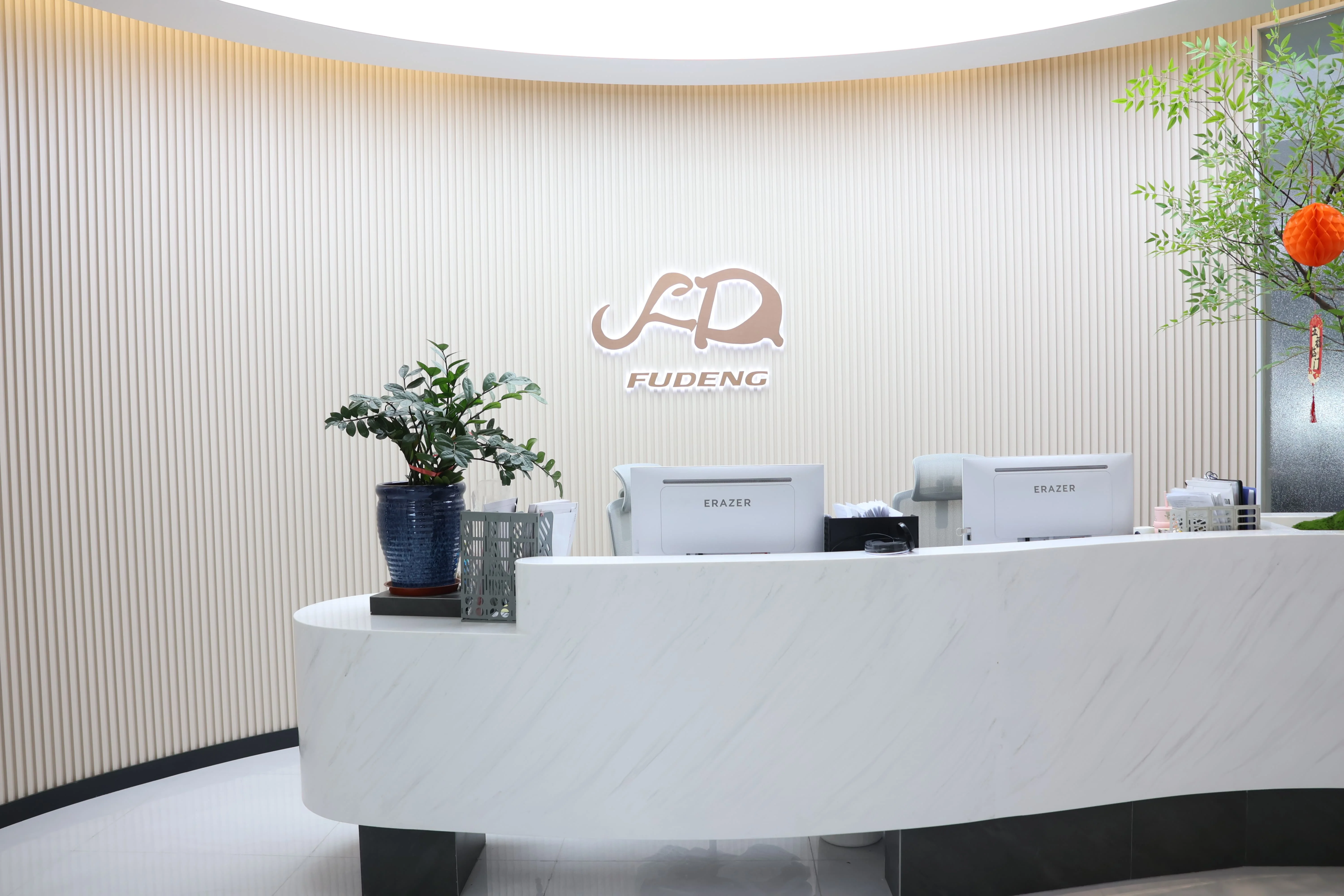
Shandong Fudeng Automobile Co., Ltd.
- Trading Company
- Shandong, China
- Lead time20 days
- Avg. response≤ 8h
Main productsTrailer,Truck,Trailer Parts,Special Vehicle,Mechanical Equipment
Main marketsAfrica(43.00%), Southeast Asia(26.00%), South America(9.00%), Eastern Asia(9.00%), Mid East(4.00%), Domestic Market(1.00%), South Asia(1.00%), Southern Europe(1.00%), Northern Europe(1.00%), Central America(1.00%), Western Europe(1.00%), Eastern Europe(1.00%), North America(1.00%), Oceania(1.00%)
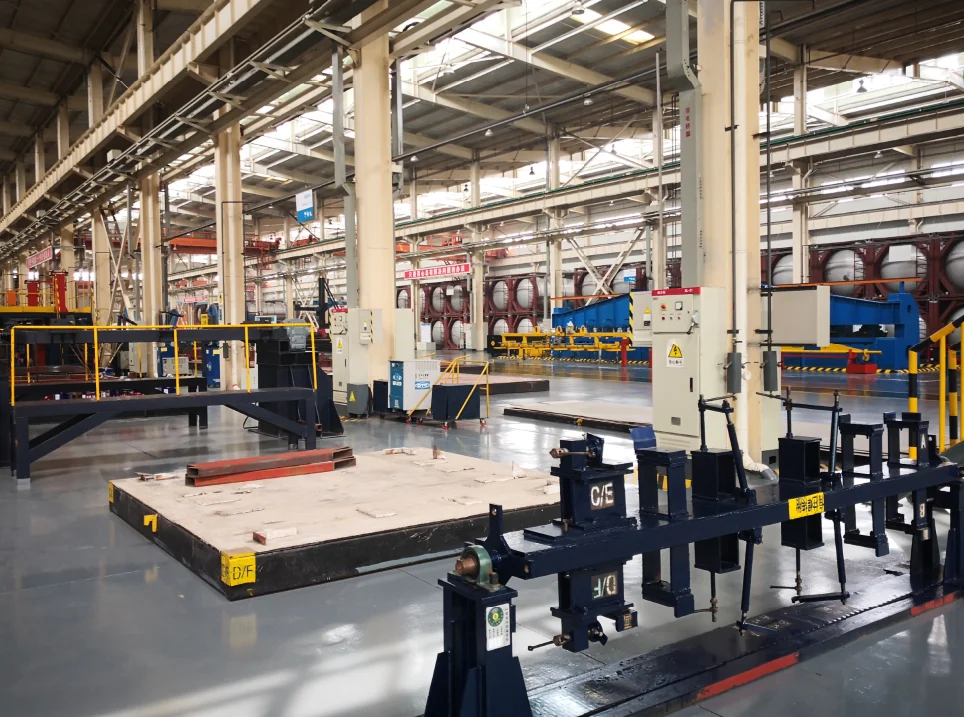
Henan Lishixin Logistics Equipment Co., Ltd.
- Trading Company
- Henan, China
- Lead time30 days
- Avg. response≤ 1h
Main productsTank Container,ISO Tank,iso tank container,40 lpg tank container,iso lng container tank
Main marketsEastern Europe(40.00%), Western Europe(12.00%), Southeast Asia(10.00%), Central America(8.00%), Eastern Asia(5.00%), Mid East(5.00%), Northern Europe(5.00%), South America(5.00%), North America(3.00%), Africa(3.00%), Domestic Market(1.00%), South Asia(1.00%), Southern Europe(1.00%), Oceania(1.00%)
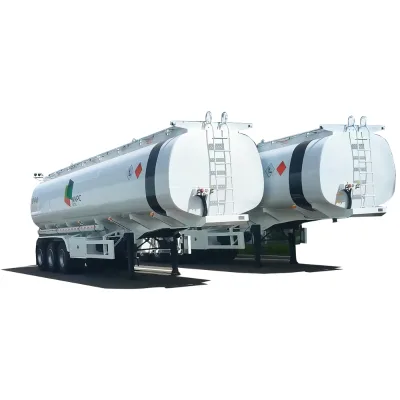
$13026.7701 - $14060.6407
MOQ: 1 units
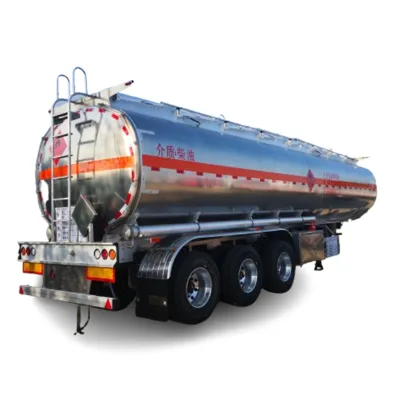
$30337.9001 - $31164.9966
MOQ: 1 pieces
Censtar Energy Technical Service Co., Ltd.
- Verified by TüVRheinland
- Manufacturer, Trading Company
- Lead time15 days
- Avg. response≤ 2h
Main productsGas Station Whole Station Solution, Whole Station Design, Gas Station Engineering Construction, Gas Station Equipment Supply And Service, Mobile Gas Station
Main marketsDomestic Market(60%), Africa(14%), Mid East(12%)
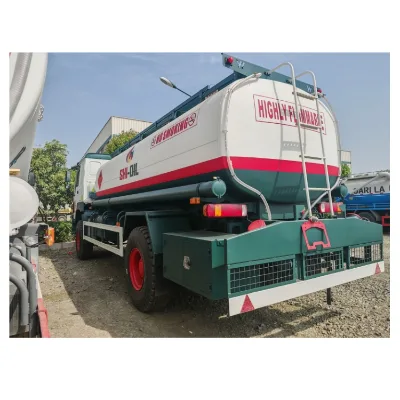
High Capacity 3 Axle Fuel Oil Tanker Trailer Carbon Steel Tanker Truck Trailer for Sale
$5635.604 - $8197.2422
MOQ: 1 pieces
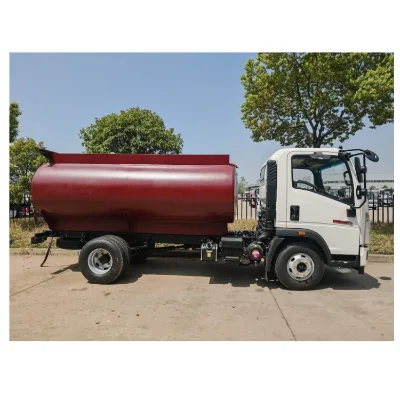
3 Axle Customized 45000l Fuel Tanker Trailer Oil Transport Tank Semi Trailer for Sale
$5500.00 - $8000.00
MOQ: 1 pieces

Shandong Ruiyuan International Trade Co., Ltd
- Verified by BV
- Trading Company
- China Shandong
- Lead time30 days
- Avg. response≤ 8h
Main productsSpecial-Shaped Trucks, Semi-Trailer, Dump Trucks, Tractor
Main marketsSoutheast Asia/ Mideast


China Production Transport Trailer Fuel Tank Truck Truck Storage Tank Water Tank Trailer
$5090.00 - $5990.00
MOQ: 1 Pieces


Taian Yongnuo Machinery Co., Ltd.
- Verified by SGS
- Combined
- China Shandong
- Lead time23 days
- Avg. response≤ 2h
Main productsOil Storage Tank, Water Storage Tank, Transportation Equipment, Skid-Mounted Fuel Station, Chemical Storage Tank, Ellipsoidal Head, Aluminum Alloy Explosion Resistant Materials, ISO Container Tank, Carbon Steel Tank, Stainless Steel Tank
Main marketsAfrica,Southeast Asia/ Mideast,Australia,North America

Fuel Tanker Oil Tank Trailers for Sale Gasoline Crude Water Milk Transport
$3500.00 - $3900.00
MOQ: 1 set


Heze Exai Automobile Technology Co., Ltd.
- Trading Company
- Shandong, China
- Lead time0 days
- Avg. response≤ 1h
Main productsFlat Bed Semi Trailer,Low Bed Semi Trailer,Side Wall Semi Trailer,Fence Semi Trailer,Dump Semi Trailer
Main marketsDomestic Market(10.00%), South Asia(10.00%), Africa(10.00%), Central America(10.00%), Southeast Asia(10.00%), Eastern Asia(10.00%), South America(10.00%), Mid East(5.00%), Oceania(5.00%), Southern Europe(5.00%), Western Europe(5.00%), Eastern Europe(5.00%), North America(5.00%)
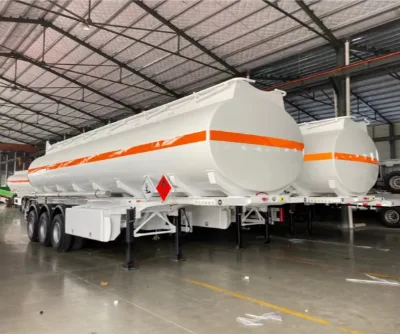
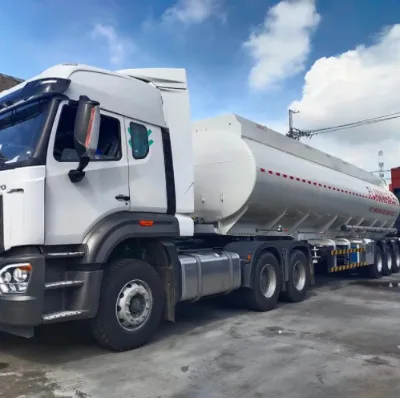
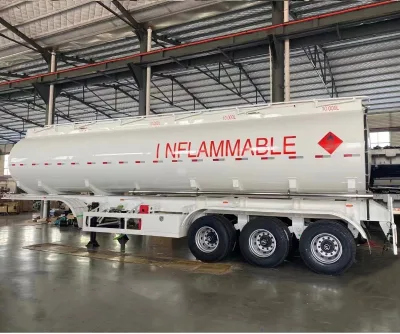
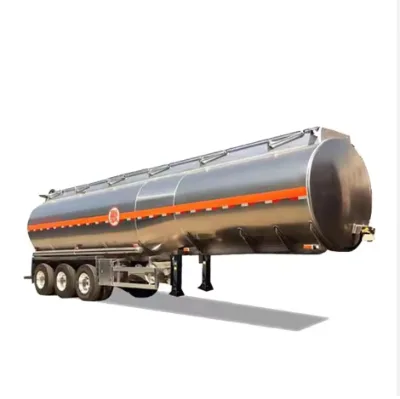
East 2-axle air Suspension diesel and Gasoline Tanker Liquid Trailer with airbag Suspension
$7143.2654 - $8163.7318
MOQ: 1 sets
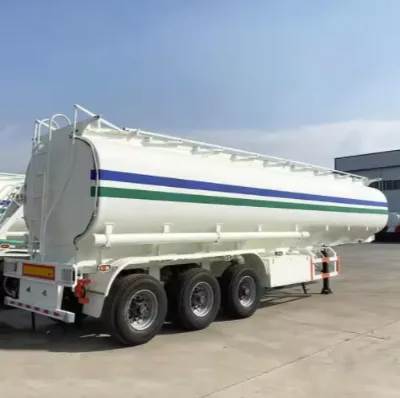
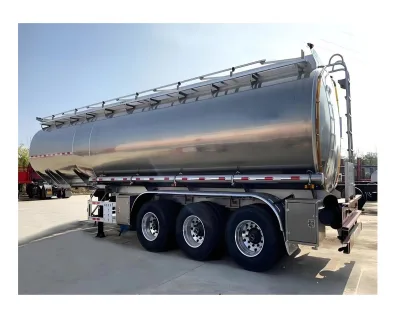
$8163.7318 - $10204.6648
MOQ: 1 sets

Shandong Chengda Machinery Co., Ltd.
- Verified by TUVRHEINLAND
- Manufacturer/Factory
- China Shandong
- Lead time45 days
- Avg. response≤ 4h
Main productsOil Tank Semi Trailer, Dump Semi Trailer, Lowbed Semi Trailer, Cement Semi Trailer, Fence Semi Trailer, Container Skeleton Trailer, Flatbed Semi Trailer, Side Dump Semi Trailer, Dump Truck, Tractor Truck
Main marketsSouth America,Mid East,Southeast Asia,Eastern Asia,Oceania,Africa

3 Axles Used Fuel Tanker Trailer Aluminium Alloy Tanker Semi Trailer with Low Price
$3500.00 - $4500.00
MOQ: 1 Pieces


Luqiang Energy Equipment Co., Ltd.
- Combined
- China Shandong
- Lead time23 days
- Avg. response≤ 6h
Main productsFuel Tank
Main marketsAfrica,Southeast Asia/ Mideast,Australia
Qingdao Csd Auto And Equipment Co., Ltd.
- Manufacturer, Trading Company
- Lead time旺季: "1 - 5":15,"6 - 10":25,"11 - 15":30,"> 15":"To be negotiated", 淡季: "1 - 5":15,"6 - 10":25,"11 - 15":30,"> 15":"To be negotiated"
- Avg. response≤ 3h
Main productsSemi Trailer
- Manufacturer, Trading Company
- Lead time旺季: "1 - 5":15,"> 5":"To be negotiated", 淡季: "1 - 5":15,"> 5":"To be negotiated"
Main productsRefrigerator Truck/Garbage Truck/Water Tank Truck, Fire Truck, Ambulance, Dump Trucks, Wrecker Truck
Shandong Yanggu Flywheel Trailer Manufacturing Co., Ltd.
- Verified by SGS Group
- Manufacturer, Trading Company
- Lead time30 days
Main productsOil Tank Traier, Powder Material Tank Truck, Lowbed Semi-trailer, Container Transport Semi-trailer , Dump Semi-trailer
Main marketsSoutheast Asia(17%), South Asia(15%), South America(10%)
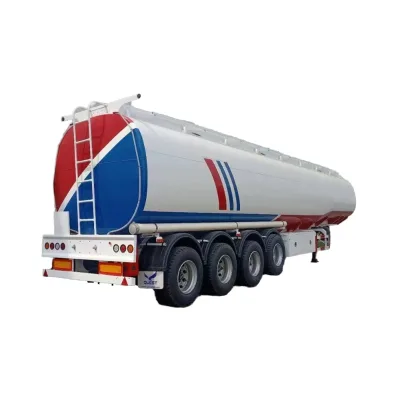
Food Oil Transportation Liquid Tanker, Aluminum Alloy Oil tank Trailer
$11000.00 - $12000.00
MOQ: 1 sets
$10766.2632 - $11381.4782
MOQ: 1 sets
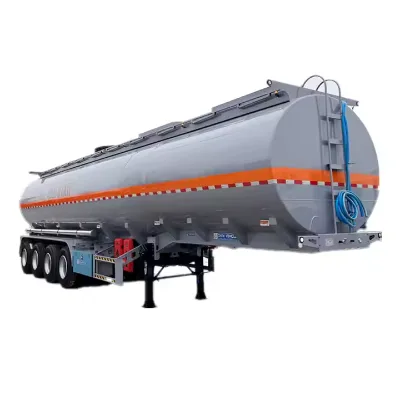
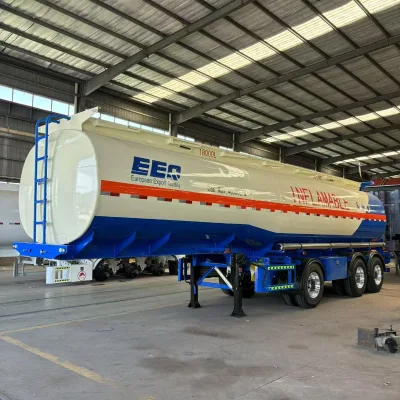
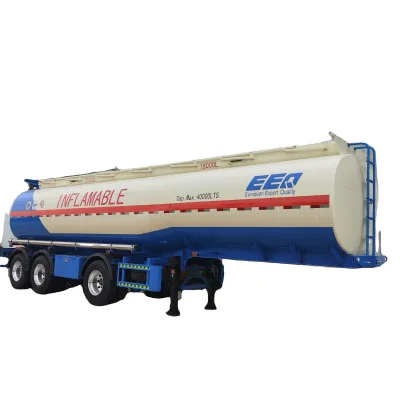
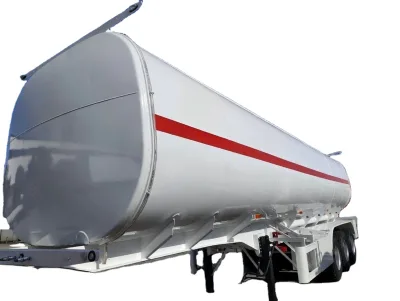
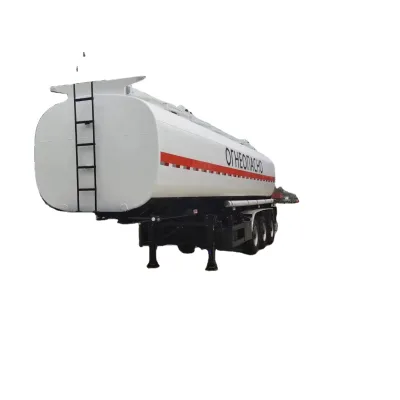
3-Axle Stainless Steel Oil Tank Trailer, Capacity 40,000 Liters
$10500.00 - $11100.00

Shandong Anton Automobile Technology Co., Ltd.
- Verified by SGS
- Trading Company
- China Shandong
- Lead time30 days
- Avg. response≤ 3h
Main productsDump Semi-Trailer, Car Trailer, Car Carrier Trailer, Low-Bed Trailer, Flatbed Trailer, Skeleton Trailers, Fence Trailer, Dump Trailer, Curtain Trailer, Tank Trailer
Main marketsSouth America,Africa,Southeast Asia/ Mideast
Shandong Huayuntong International Trade Co., Ltd.
- Verified by Intertek
- Trading Company
- Lead time20 days
Main productsDump semi-trailer, Low bed semi-trailer, Medium density powder and grain material transport semi-trailer, Box type transport semi-trailer, Trailer parts
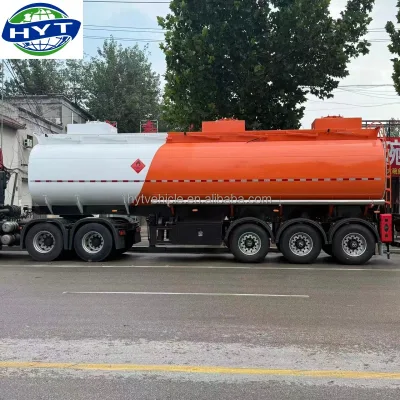
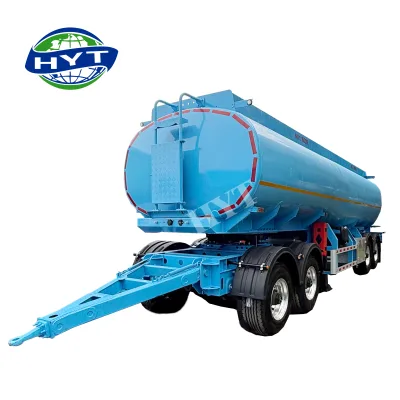
$10870.5643 - $12299.2683
MOQ: 1 units
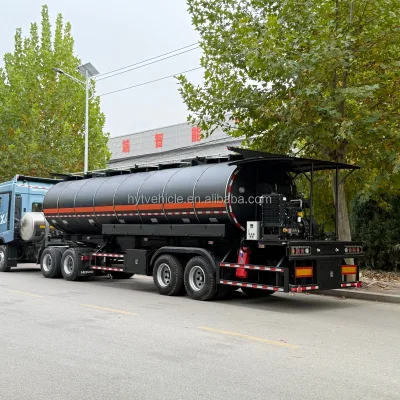
$14308.9483 - $15339.2584
MOQ: 1 units
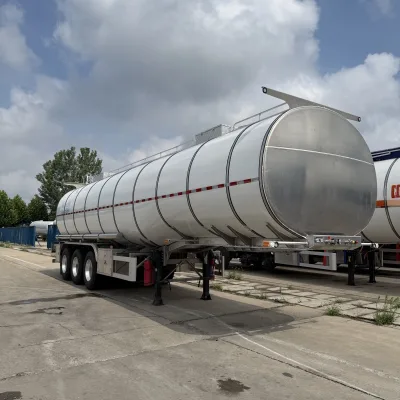
$12878.877 - $14939.4973
MOQ: 1 units
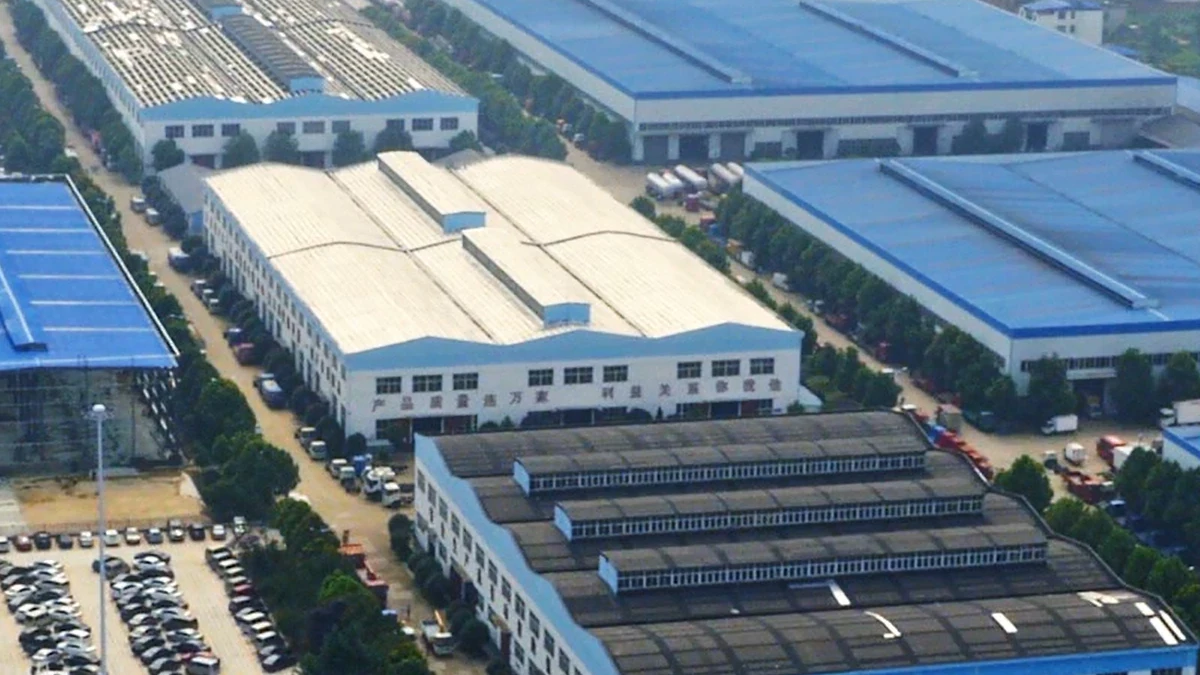
Hubei Manten Automobile Co., Ltd.
- Trading Company
- Hubei, China
- Lead time35 days
- Avg. response≤ 3h
Main productsOil Tanker Truck,Compression Garbage Truck,Fire Fighting Truck,Aerial Platform Truck,Sewage Suction Vehicle
Main marketsAfrica(45.00%), Southeast Asia(25.00%), Mid East(15.00%), South America(15.00%)
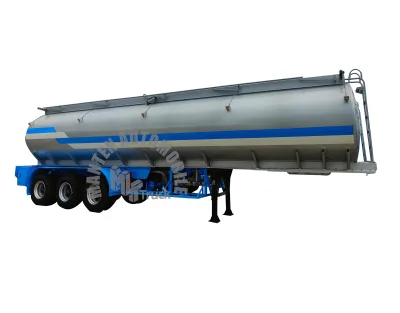
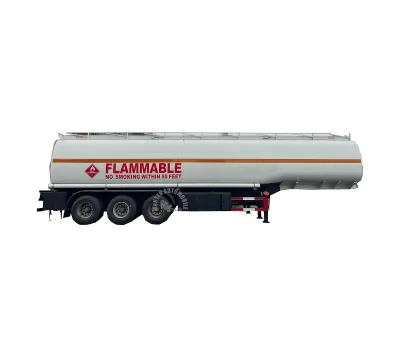
3 Axles Fuel Oil Semi Trailer 40CBM-60CBM Petrol Oil Tank Diesel Fuel Tank Trailer
$18000.00 - $22000.00
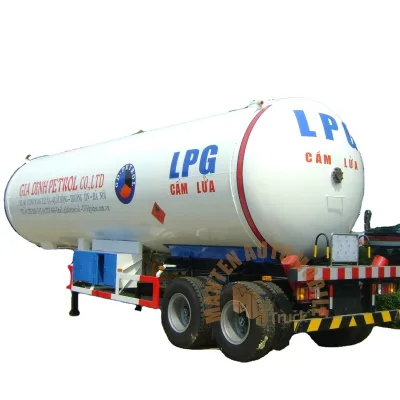

Hubei Huate Special Equipment Co., Ltd.
- Verified by SGS
- Combined
- China Hubei
- Lead time30 days
- Avg. response≤ 5h
Main productsTank Container, Chemical Tank Truck, Tank Semi-Trailer Truck, Road Suction Truck, Electric Water Cannon, Oil Tanker Discharge Valve, Fuel Hose Reel, Manhole Cover, Mobile Fueling Machine, Fuel Truck
Main marketsSouth America,Africa,Others(foreignTradeCapacity.exportBusinessCapacityMarketOther),Southeast Asia/ Mideast,East Asia(Japan/ South Korea),Europe,Australia,North America
Shandong Chengda Truck Trailer Co., Ltd.
- Verified by SGS Group
- Manufacturer, Trading Company
- Lead time25 days
- Avg. response≤ 4h
Main productsDump Truck, Tractor Truck, Flatbed Trailer, Fuel Tank Trailer, Lowbed Trailer
Main marketsAfrica(70%), Southeast Asia(10%), Central America(10%)
shandong luyi vehicle Co.,LTD.
- Verified by SGS Group
- Manufacturer, Trading Company
- Lead time10 days
- Avg. response≤ 1h
Main productsSemi Trailer, Tank Semi Trail, Dump Semi Trailer, Lowbed Semi Trailer, Powder Tanker Semi Trailer
Main marketsSoutheast Asia(40%), North America(10%), Eastern Europe(10%)
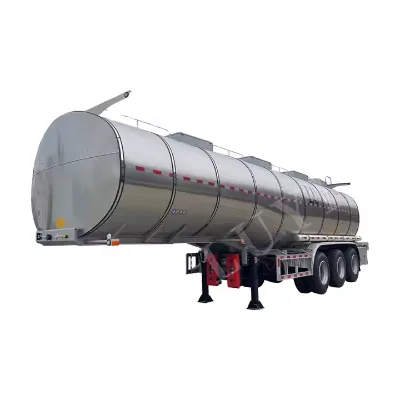
$14980.7121 - $17047.0172
MOQ: 1 units
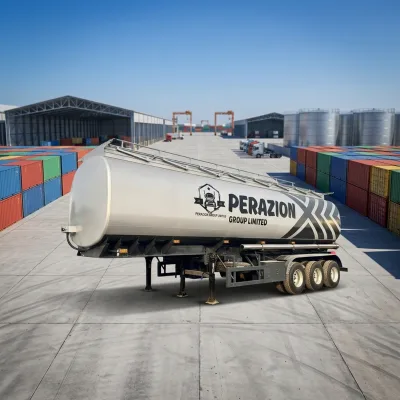
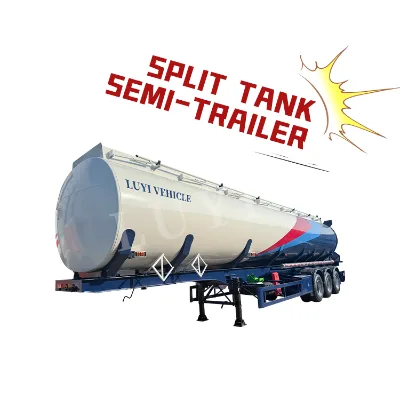
Xuzhou Avatar Machinery Co., Ltd.
- Verified by Intertek
- Trading Company
- Lead time30 days
- Avg. response≤ 1h
Main productsRoad Roller, Motor Grader, Bulldozer, Truck Mounted Crane, Road Paver

Shandong Yuncheng Xinya Trailer Manufacturing Co., Ltd.
- Verified by TUVRHEINLAND
- Combined
- China Shandong
- Lead time30 days
- Avg. response≤ 2h
Main productsTrailer Parts, Semi Trailer Truck, Fuel Tank Semi Trailer, Flatbed Semi Trailer, Fence Semi Trailer, Cement Tank Trailer, Skeleton Semi Trailer, Lowboy Semi Trailer, Dump Semi Trailer, Sprinkler Sanitation Vehicle
Main marketsSoutheast Asia/ Mideast,Australia

Single Axle Fuel Tank Trailer Strong Structure Tractor Fuel Tank Trailer Liters Fuel Tank Trailer
$1650.00 - $5890.00
MOQ: 1 Pieces

Carbon Steel Oil Tank Semi Trailer Fuel Oil Tank Semi Trailer for Sale
$12000.00 - $12800.00
MOQ: 1 Pieces

Shandong Tengxing New Energy Technology Co., Ltd
- Verified by TUVRHEINLAND
- Combined
- China Shandong
- Lead time30 days
- Avg. response≤ 4h
Main productsMobile Fuel Station
Main marketsSoutheast Asia/ Mideast


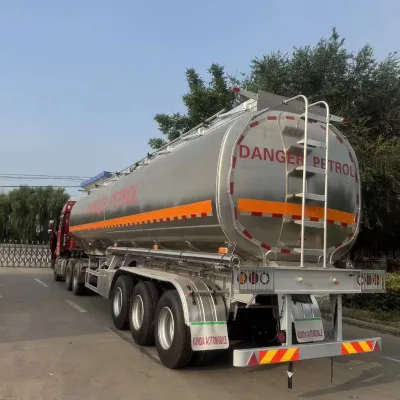
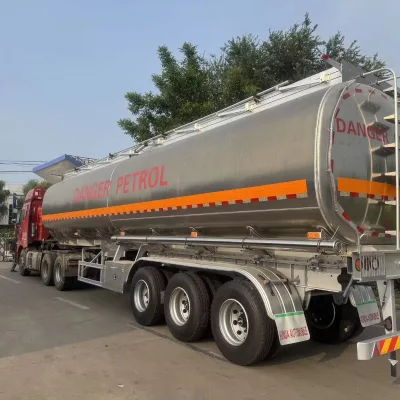


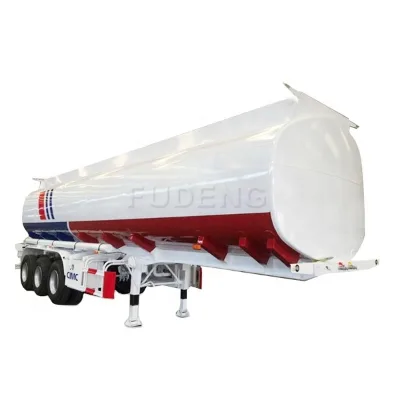
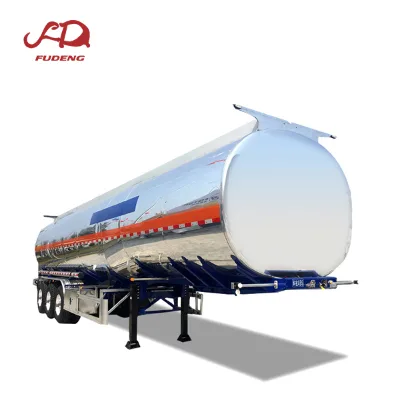


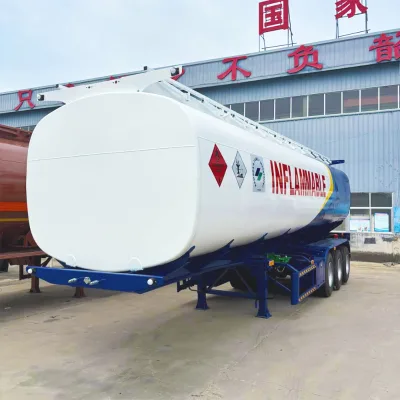
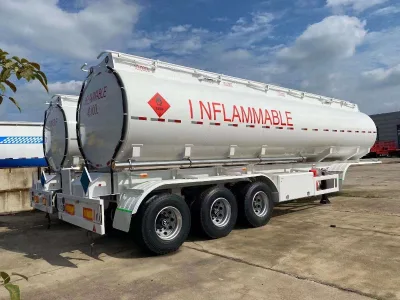
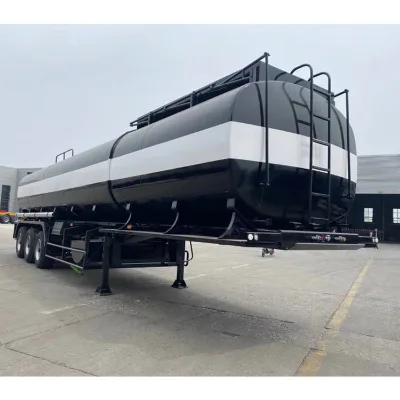
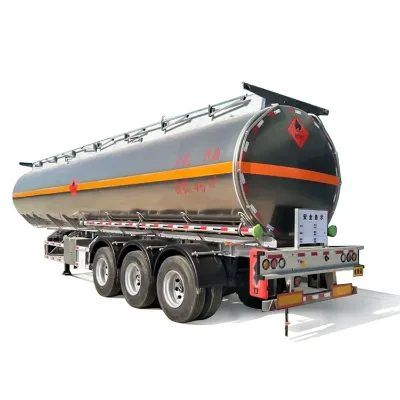


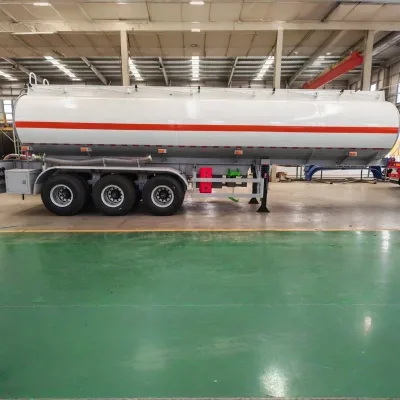


Comprehensive Sourcing Guide
Alcohol Transport Fuel Tanker Trailer Supplier Concentration and Factory Types
The current supplier landscape for alcohol transport fuel tanker trailers reveals a distinct concentration in specific manufacturing hubs, with China Shandong emerging as a primary location for these specialized vehicles. This regional clustering suggests a mature supply chain ecosystem where raw materials, specialized welding techniques, and heavy-duty chassis components are readily available. Buyers evaluating suppliers should recognize that this geographic concentration often correlates with established industrial infrastructure, which can facilitate faster production cycles and more consistent quality control measures. However, the presence of suppliers in this region does not automatically guarantee superior product quality or competitive pricing; it merely indicates a high density of potential partners. It is crucial for buyers to look beyond the location and assess the specific capabilities of each factory within this cluster. The concentration of factories in Shandong implies that logistics and shipping routes are likely optimized for heavy machinery, potentially reducing freight costs and transit times for international orders. Understanding this geographic context helps buyers anticipate the operational rhythms of their potential suppliers, including how local industrial policies or seasonal factors might impact production schedules.
Within this concentrated market, the types of companies offering alcohol transport fuel tanker trailers vary significantly, ranging from pure trading companies to combined entities that may include manufacturing capabilities. The observed data indicates that some suppliers operate primarily as trading companies, acting as intermediaries between the buyer and the actual factory, while others are classified as combined entities that might offer a broader range of services or product lines. This distinction is vital for buyers because it affects communication efficiency, price transparency, and after-sales support. Trading companies may offer more flexible order quantities and a wider variety of models from different factories, but they might add a markup to the final price. Combined entities, on the other hand, might provide more direct access to production lines and technical specifications, potentially offering better customization options for specialized alcohol transport requirements. Buyers must carefully review the company type listed for each supplier to understand the nature of their engagement. This understanding will help in negotiating terms, setting expectations for lead times, and determining the level of direct involvement in the manufacturing process. The diversity in company types within the Shandong cluster offers buyers a range of partnership models to choose from, depending on their specific needs for volume, customization, and direct factory interaction.
How to Verify Alcohol Transport Fuel Tanker Trailer Suppliers
Verifying the legitimacy and capability of Alcohol Transport Fuel Tanker Trailer suppliers requires a multi-layered approach that goes beyond simple online profiles. One critical step is to check for third-party verification badges, such as CTI or BV, which indicate that an independent agency has inspected the supplier’s business operations or facilities. These verifications provide a baseline level of trust, confirming that the company exists and operates as described. However, buyers should not rely solely on these badges; they must dig deeper into the specific details of the verification report if available. For instance, understanding whether the verification covers manufacturing capacity, quality control processes, or financial stability can provide valuable insights into the supplier’s reliability. Additionally, buyers should look for system certifications like ISO 9001 or TS 16949, which demonstrate a commitment to standardized quality management systems. These certifications are particularly important for trailer manufacturers, as they ensure that production processes are consistent and meet international standards. Buyers should request copies of these certificates and verify their validity through the issuing bodies. This due diligence helps mitigate the risk of dealing with fraudulent or substandard suppliers who may claim certifications they do not possess.
Beyond certifications, buyers should assess the supplier’s responsiveness and communication efficiency as indicators of their operational maturity. The response time metric, such as the observed average of 6.19 hours for some suppliers, can serve as a proxy for how quickly a supplier can address inquiries, provide quotations, or resolve issues. A faster response time often correlates with a more organized and customer-centric organization. Buyers should also examine the supplier’s main product focus to ensure they specialize in alcohol transport fuel tanker trailers rather than offering a generic range of unrelated products. Suppliers with a focused product line are more likely to have deeper expertise and better quality control for these specific vehicles. Furthermore, buyers should verify the supplier’s ability to provide OEM or ODM services if customization is required. This capability indicates that the supplier has the engineering resources to adapt standard designs to meet specific alcohol transport needs, such as specialized tank materials or safety features. By combining verification of credentials with an assessment of operational metrics and product focus, buyers can build a comprehensive profile of each potential supplier, ensuring they partner with reliable and capable manufacturers.
What to Compare Across Alcohol Transport Fuel Tanker Trailer Suppliers
When evaluating multiple suppliers for alcohol transport fuel tanker trailers, buyers must systematically compare key operational and commercial metrics to identify the best fit for their needs. One of the most critical factors is the lead time, which indicates how long it takes from order placement to delivery. Observed lead times vary, with some suppliers offering 30 days and others 38 days, reflecting differences in production capacity, inventory levels, and supply chain efficiency. Buyers should align their project timelines with these lead times to avoid delays in their operations. Additionally, the minimum order quantity (MOQ) is a significant consideration, especially for smaller buyers or those testing the market. An MOQ of 1 unit, as seen in some listings, offers flexibility for initial orders or specialized projects, while higher MOQs may be necessary to achieve competitive pricing. Buyers should also compare the price ranges, which can vary significantly based on materials, capacity, and customization options. For example, prices for aluminum alloy fuel tankers may differ from those for steel models, and capacities ranging from 35cbm to 50cbm will impact the final cost. Understanding these price variations helps buyers budget accurately and negotiate effectively.
Beyond operational metrics, buyers should compare the technical specifications and certifications offered by each supplier to ensure compliance with their specific requirements. The material of the tank, whether aluminum or steel, affects weight, durability, and corrosion resistance, which are crucial for alcohol transport. Aluminum models, such as those with 5083 alloy tanks, offer lighter weight and better corrosion resistance, while steel models may provide higher load capacities and lower initial costs. Buyers should also examine the certification standards, such as ISO, TSCCC, DOT, or ECE, to ensure the trailers meet the regulatory requirements of their destination markets. The presence of advanced features like ABS anti-lock braking systems or specific suspension types can also influence safety and performance. Additionally, buyers should compare the customization options available, including tank compartments, wheelbase dimensions, and tire specifications. Suppliers that offer flexible customization can tailor the trailers to specific alcohol transport needs, such as multi-compartment tanks for different fuel grades. By systematically comparing these technical and commercial attributes, buyers can make informed decisions that balance cost, quality, and functionality, ensuring they select the most suitable supplier for their Alcohol Transport Fuel Tanker Trailer requirements.
Common Alcohol Transport Fuel Tanker Trailer Sourcing Risks
Sourcing alcohol transport fuel tanker trailers from international suppliers involves several inherent risks that buyers must proactively manage to ensure a successful procurement process. One significant risk is the potential for quality inconsistencies, particularly when dealing with suppliers who have limited quality control processes. Without rigorous inspection protocols, trailers may suffer from structural weaknesses, poor welding, or substandard materials that compromise safety and durability. This risk is heightened when buyers rely solely on online images and descriptions without conducting physical inspections or requesting detailed technical drawings. Another risk is the discrepancy between the quoted specifications and the actual delivered product. Suppliers may advertise high-grade aluminum tanks or advanced safety features, but the final product may use inferior materials or omit critical components. This mismatch can lead to operational failures, regulatory non-compliance, and costly replacements. Buyers must mitigate this risk by establishing clear contractual specifications and requiring pre-shipment inspections by third-party agencies. These inspections can verify that the trailers meet the agreed-upon standards before they are shipped, reducing the likelihood of receiving substandard goods.
Logistical and compliance risks also pose significant challenges in the sourcing of alcohol transport fuel tanker trailers. Shipping heavy machinery involves complex logistics, including proper packaging, secure loading, and adherence to international shipping regulations. Improper packing can lead to damage during transit, while non-compliance with shipping standards can result in delays or confiscation at customs. Additionally, buyers must ensure that the trailers meet the specific regulatory requirements of their destination country, such as emission standards, safety certifications, and roadworthiness tests. Failure to comply with these regulations can result in fines, legal issues, and the inability to operate the trailers. Buyers should work closely with their suppliers to ensure that all necessary documentation, such as certificates of conformity and test reports, is provided. Furthermore, currency fluctuations and payment risks can impact the final cost of the order. Buyers should use secure payment methods, such as escrow services, to protect their funds until the goods are received and verified. By identifying and addressing these common risks through careful planning, rigorous verification, and secure transaction practices, buyers can navigate the complexities of international sourcing and secure reliable alcohol transport fuel tanker trailers.
Alcohol Transport Fuel Tanker Trailer Regional Sourcing and Logistics
The regional sourcing of alcohol transport fuel tanker trailers, particularly from hubs like China Shandong, offers distinct logistical advantages and challenges that buyers must consider. Shandong’s position as a major manufacturing base for heavy trucks and trailers provides access to a well-developed supply chain, including raw materials, components, and specialized labor. This proximity to industrial resources can reduce production costs and lead times, making it an attractive sourcing destination. However, buyers must also account for the logistical complexities of exporting heavy machinery from this region. Shipping large trailers requires specialized containers or bulk shipping methods, such as RO-RO (Roll-on/Roll-off), which can impact freight costs and transit times. Buyers should work with their suppliers to determine the most efficient shipping method based on the trailer’s dimensions and weight. Additionally, the choice of port and shipping route can influence the overall delivery timeline and cost. Buyers should compare shipping quotes from multiple freight forwarders to find the most competitive rates and reliable service. Understanding the logistical landscape helps buyers plan their inventory and cash flow more effectively, ensuring that the trailers arrive when needed without incurring excessive storage or demurrage fees.
Beyond shipping, buyers must consider the regional regulatory environment and its impact on the sourcing process. Different countries have varying import regulations for heavy vehicles, including requirements for customs clearance, inspection, and registration. Buyers should familiarize themselves with these regulations to avoid delays or additional costs at the destination. Working with suppliers who have experience in exporting to the buyer’s region can simplify this process, as they can provide the necessary documentation and support. Additionally, buyers should consider the after-sales support and spare parts availability in their region. Sourcing from a distant region may complicate maintenance and repair efforts if local support is limited. Buyers should inquire about the supplier’s warranty terms and their ability to provide spare parts or technical assistance remotely. Some suppliers may offer video support or detailed maintenance manuals to help buyers manage the trailers independently. By understanding the regional logistics and regulatory landscape, buyers can make informed decisions that balance cost savings with operational reliability, ensuring a smooth sourcing experience for their alcohol transport fuel tanker trailers.
Alcohol Transport Fuel Tanker Trailer Commercial Terms and Order Planning
Effective order planning for alcohol transport fuel tanker trailers requires careful attention to commercial terms that protect the buyer’s interests and ensure a smooth transaction. One critical aspect is the payment structure, which often involves a deposit followed by balance payment upon completion or before shipment. Buyers should negotiate terms that align with their cash flow needs and risk tolerance, such as using escrow services to hold funds until the goods are verified. Additionally, buyers should clarify the Incoterms, such as FOB (Free on Board) or CIF (Cost, Insurance, and Freight), to determine who is responsible for shipping costs and risks at each stage
FAQs
What is the price range for fuel tanker trailers?
Prices for fuel tanker trailers typically range from $9,000 to $35,000 depending on specifications. Aluminum alloy models generally cost between $25,000 and $35,000, while steel construction options are available for approximately $9,000 to $18,000. Buyers should verify exact pricing based on capacity and certification requirements.
What certifications are available for these trailers?
Manufacturers offer trailers certified under ISO, TS 16949, DOT, ECE, GCC, and SGS standards. Specific models may include TSCCC or CCC certifications. Buyers must confirm which certification suite applies to their target market and regulatory requirements before placing orders to ensure compliance with local transport laws.
What is the typical lead time for production?
Production lead times generally range from 30 to 38 days for standard configurations. This duration covers manufacturing, quality inspection, and preparation for shipment. Buyers requiring expedited delivery should discuss specific timelines with suppliers, as complex customizations or high-volume orders may extend the standard production schedule significantly.
What materials are used for tank construction?
Tank bodies are constructed from either aluminum alloy or steel. Aluminum models often use 5083 alloy with 5mm thickness for lightweight durability. Steel options provide heavy-duty strength for larger capacities. Buyers should select material based on payload weight limits, corrosion resistance needs, and specific cargo type requirements.
What is the minimum order quantity required?
The minimum order quantity is typically one unit, allowing buyers to purchase single trailers for testing or immediate operational needs. This low MOQ facilitates easier entry for new buyers. However, bulk purchases may offer better pricing tiers. Buyers should confirm current MOQ policies directly with suppliers for accurate planning.
Where are these trailers manufactured?
These trailers are manufactured in Shandong, China, with specific production hubs in Yuncheng. This region is known for specialized trailer manufacturing capabilities. Buyers should verify the exact factory location to assess logistics costs and shipping routes. Origin details are critical for calculating total landed costs and import duties.
What capacities are available for alcohol transport?
Available capacities range from 35 cubic meters to 50 cubic meters, with specific models offering 40,000 to 50,000 liters. Stainless steel and aluminum variants support different volume requirements. Buyers must select capacity based on fleet utilization goals and local road weight restrictions to ensure efficient and compliant alcohol transport operations.