off-road dirt bike Suppliers and Manufacturers in China
Compare 24 verified suppliers offering off-road dirt bikes with varying lead times, certifications, and prices. Review dimensions, engine types, and response times to select a factory or trading company that fits your sourcing needs; review the available evidence before requesting comparable quotations from suitable candidates.
Updated
Suppliers List

WUYI QIDE INDUSTRY AND TRADE CO., LTD.
- Verified by CTI
- Trading Company
- China Zhejiang
- Lead time30 days
- Avg. response≤ 5h
Main productsDirt Bike, ATV, Quad, Pocket Bike, Go Kart, Chopper, Scooter, Electric Bike, Mini Bike, Motorcycle
Main marketsSoutheast Asia/ Mideast,North America
Yongkang Kehan Industry and Trade Co.,ltd
- Manufacturer, Trading Company
- Zhejiang, China
- Lead time18 days
- Avg. response≤ 12h
Main productsDIRT BIKE,ATV,QUAD,MINI MOTO,ELECTRIC SCOOTER
Main marketsWestern Europe(18.00%), Eastern Europe(15.00%), South America(12.00%), Africa(10.00%), Mid East(10.00%), Oceania(8.00%), Southern Europe(5.00%), North America(5.00%), Northern Europe(5.00%), Southeast Asia(5.00%), South Asia(3.00%), Domestic Market(2.00%), Central America(1.00%), Eastern Asia(1.00%)

Yongkang Raymon Industry&Trade Co., Ltd
- Combined
- China Zhejiang
- Lead time30 days
- Avg. response≤ 25h
Main productsATV Quad 110cc-800cc, Electric Scooter, Electric Harley Scooter, City Coco, 3 Wheels Electric Scooter, Motorcycle, Go Kart, Snow Buggy, Farm ATV
Main marketsSouth America,Southeast Asia/ Mideast,North America
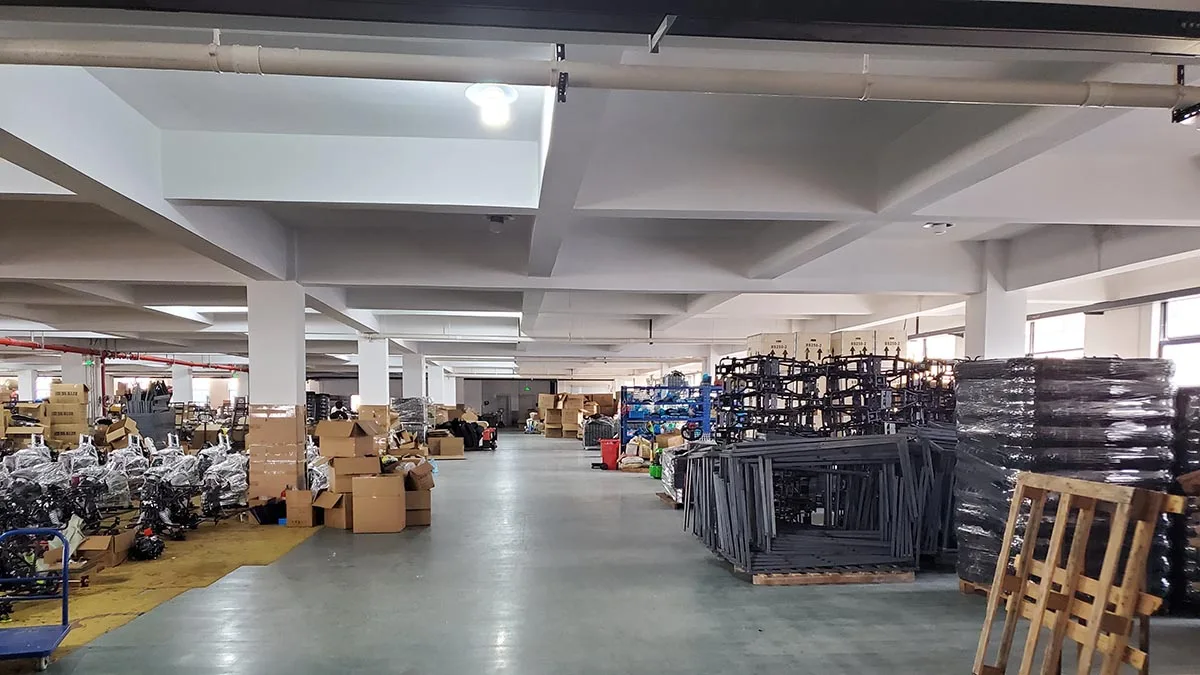
Yongkang Bossatv Leisure Co., Ltd.
- Manufacturer
- Zhejiang, China
- Lead time20 days
- Avg. response≤ 23h
Main productsATV,UTV,Go Karts,Dirt Bikes,Electric Bikes
Main marketsEastern Europe(30.00%), South America(20.00%), Mid East(10.00%), Southeast Asia(10.00%), Domestic Market(10.00%), North America(5.00%), Southern Europe(5.00%), Northern Europe(5.00%), Western Europe(5.00%)
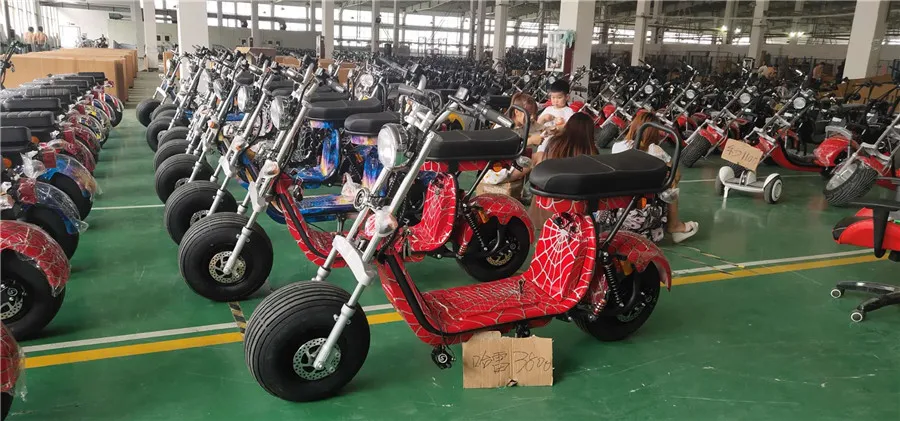
Yiwu Licong E-Commerce Company Limited
- Manufacturer, Trading Company
- Zhejiang, China
- Lead time15 days
- Avg. response≤ 3h
Main productsElectric Scooter,Go Kart,Farm ATV,Mini Jeep,UTV
Main marketsWestern Europe(20.00%), Eastern Europe(20.00%), Northern Europe(20.00%), Southern Europe(20.00%), Southeast Asia(5.00%), Domestic Market(5.00%), Mid East(4.00%), South America(3.00%), North America(3.00%)
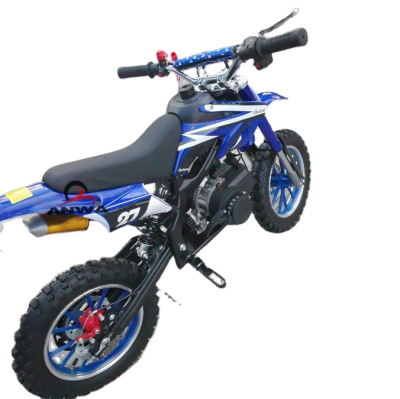
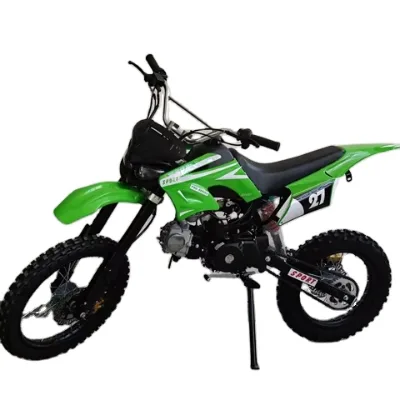
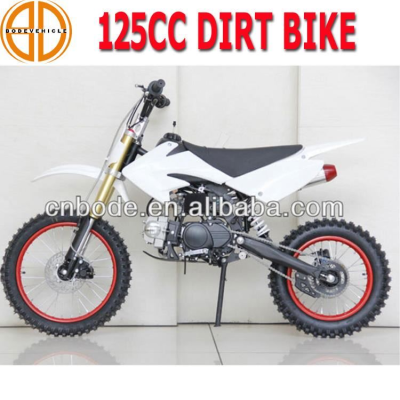
125cc 140cc 4-stroke Gas Powered off Road Dirt Motor Cross Pit Bike
$331.5241 - $404.0442
MOQ: 10 pieces
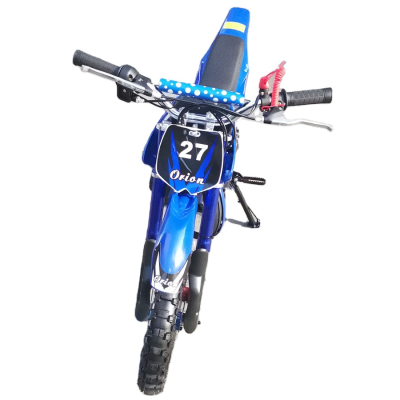
2020 Big Power 49CC Off Road Dirt Bike for Sale
$90.00 - $120.00
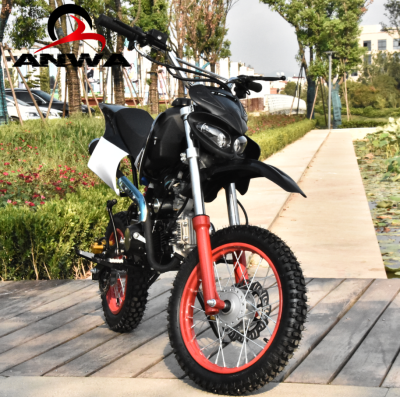
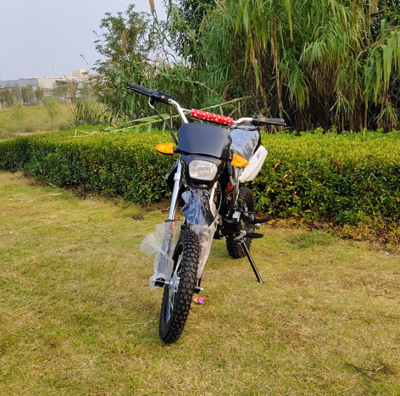
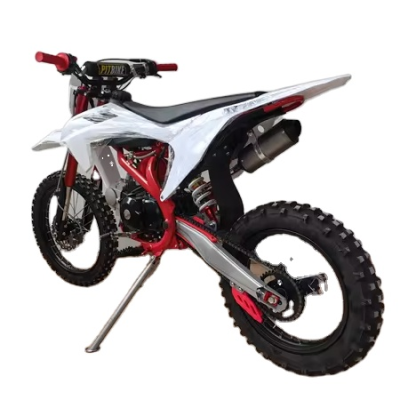

CHONGQING NICOT MOTORSPORTS CO., LTD.
- Verified by SGS
- Combined
- China Chongqing
- Lead time15 days
- Avg. response≤ 7h
Main productsMotorcycle, Moto, Bike, Electric Bikes, Pit Bikes
Main marketsOthers(foreignTradeCapacity.exportBusinessCapacityMarketOther),Europe
Yongkang Bode Industry Co., Ltd.
- Manufacturer, Trading Company
- Zhejiang, China
- Lead time25 days
- Avg. response≤ 9h
Main productsATV,BUGGY,GO KART,QUAD,DIRT BIKE
Main marketsWestern Europe(20.00%), Mid East(20.00%), Northern Europe(20.00%), South America(20.00%), Eastern Europe(10.00%), Central America(10.00%)
Zhejiang Lianmei Industrial Co., Ltd.
- Verified by TüVRheinland
- Manufacturer, Trading Company
- Lead time25 days
- Avg. response≤ 4h
Main productsATV, Electric Bicycles, Electric Scooter, Electric Balance Bike
Main marketsNorth America(35%), Domestic Market(26%), South America(12%)
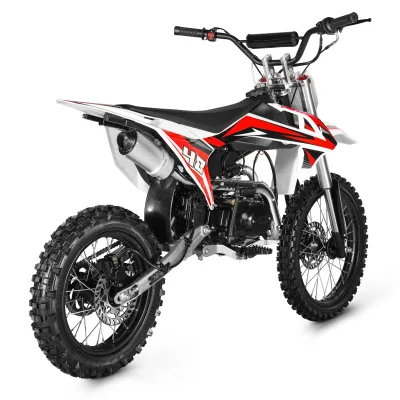
Off-road Vehicles with Strong Off-road Capabilities and Good Off-road Performance Dirt Bike
$348.384 - $368.8762
MOQ: 50 pieces
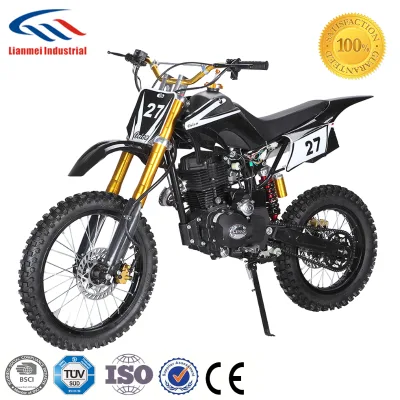
4 Stroke Bike 250cc Dirt Bike Hot Reacing Dirt Bike
$550.00 - $600.00
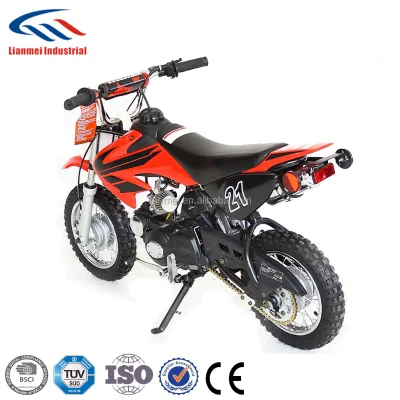
110cc off Road Motorcycle Bikes Mini Motor Dirt Bike Cheap for Sale with CE
$286.9044 - $409.8621
MOQ: 1 pieces
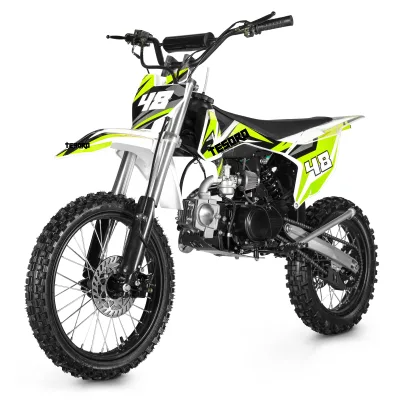
125cc Adults Dirt Bike Fashion Design Big Tires 125cc Dirt Bike 17+14inch 125cc Dirt Bike
$340.00 - $360.00
MOQ: 50 pieces
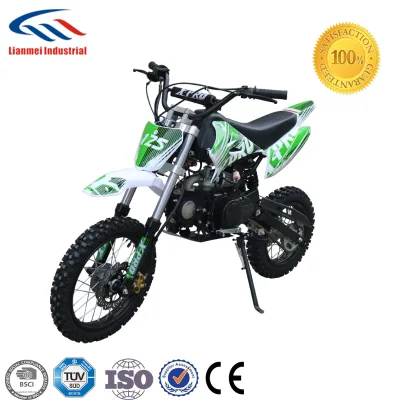
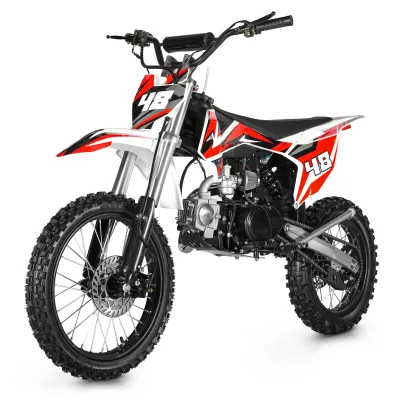
2025 NEW 125cc Gas off Road Adults Dirt Bike for Sales Air Cooled Engine Big Size Dirt Bike
$346.9598 - $367.3682
MOQ: 50 pieces

Yongkang Jinbang Industry and Trade Co., Ltd.
- Manufacturer/Factory
- China Zhejiang
- Lead time15 days
- Avg. response≤ 5h
Main productsATV, UTV, Dirt Bike, Quad Bike, Quad ATV, Farm ATV, Electric ATV, Snow ATV, 4X4 ATV
Main marketsSouth America,Eastern Europe,Mid East,North America,Southeast Asia,Eastern Asia,Oceania,Western Europe,Africa
Yongkang Apaq Sports Equipment Co., Ltd.
- Manufacturer, Trading Company
- Zhejiang, China
- Lead time30 days
- Avg. response≤ 12h
Main productsATV,Dirt Bike
Main marketsWestern Europe(25.00%), Eastern Europe(20.00%), North America(20.00%), South America(10.00%), Southeast Asia(10.00%), Oceania(5.00%), Southern Europe(5.00%), Northern Europe(5.00%)
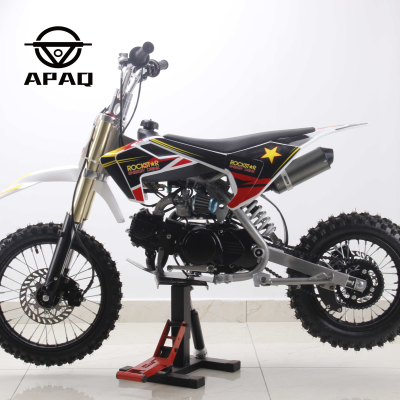
110cc Dirt Bike 50 Cc Dirt Bike
$251.00 - $400.00
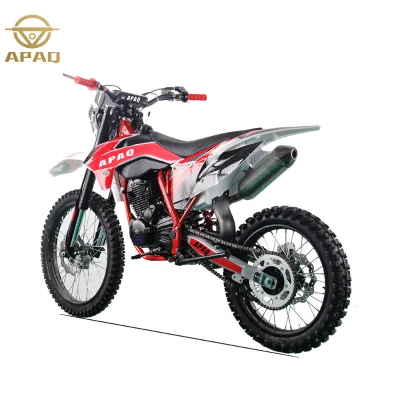
Zhejiang Zhenglong Sports Utensils Co., Ltd.
- Verified by TüVRheinland
- Manufacturer, Trading Company
- Lead time30 days
- Avg. response≤ 3h
Main productsATV, Dirt Bike, Scooter, Drift Scooter
Main marketsNorthern Europe(35%), Eastern Europe(25%), Western Europe(12%)
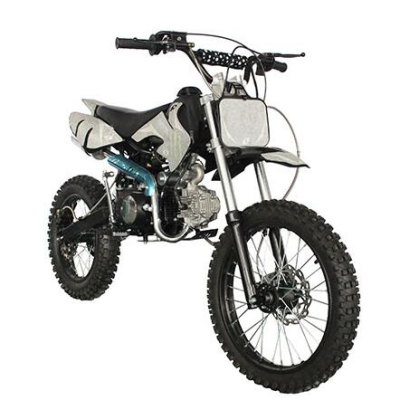
125CC New Design Whole Sale Offroad Dirt Bike
$255.00 - $305.00
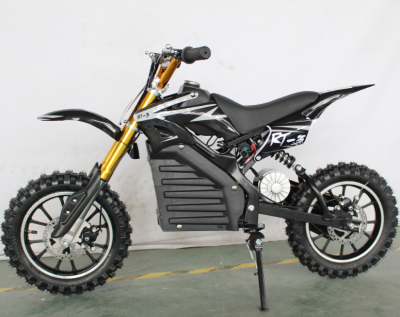
The CE Certification Bosuer Dirt Bike
$80.00 - $110.00
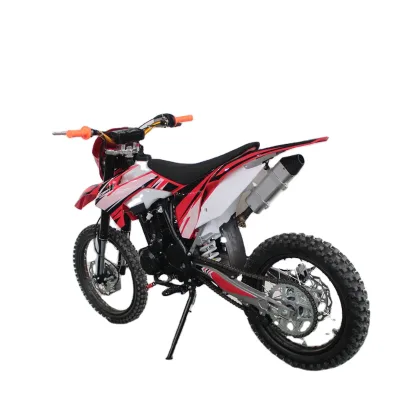
Hot Seller China Enduro Dirt Bike 250cc Off-road Motorcycles
$855.00 - $885.00
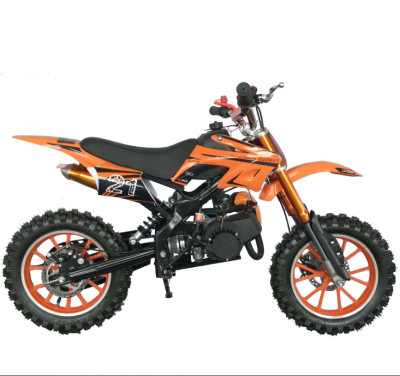
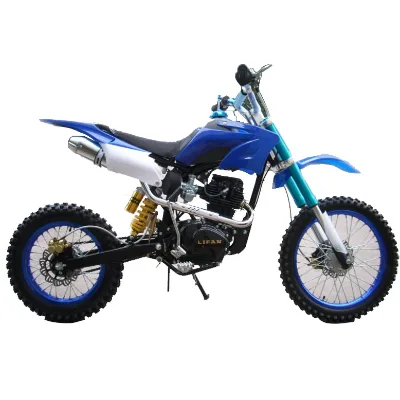
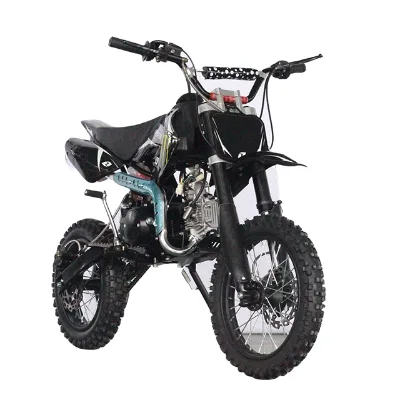
New Design Whole Sale Offroad 150cc Dirt Bike / Motor Cross
$385.00 - $410.00

Chongqing Charming Motorcycle Manufacture Co., Ltd.
- Verified by CTI
- Combined
- China Chongqing
- Lead time60 days
- Avg. response≤ 13h
Main productsMotorcycle, Electric Motorcycle, Dirt Bike, Cub Bike, off Road Motorcycle, Enduro, Motorcross, Alpha, Moped, Steet Bike
Main marketsSouth America,Africa,Southeast Asia/ Mideast,Domestic,Europe,North America

250cc Gas off Road Other Motorcycle Dirt Bike Motocross off Road Motorcycle
$1500.00 - $1700.00
MOQ: 10 Pieces

Factory Other Motorcycles 250cc off-Road Motorcycle Gas Motorcycle Motorbike Dirt Bike
$2150.00 - $2300.00
MOQ: 10 Pieces

150cc 250cc 200cc Cost-Effective off-Road Motorcycle Dirt Bike for Cross
$395.00 - $435.00
MOQ: 21 Pieces
Jilin Zeda Technology Co., Ltd.
- Trading Company
- Jilin, China
- Lead time10 days
- Avg. response≤ 4h
Main productsBike engine kit,electric motor kit,petrol engine kit,gasoline engine kit,bicycle motor kit
Main marketsNorth America(30.00%), South America(25.00%), Central America(15.00%), Northern Europe(15.00%), Africa(10.00%), Southern Europe(6.00%), Southeast Asia(5.00%), Western Europe(5.00%), Mid East(5.00%), Oceania(3.00%), Eastern Europe(2.00%)
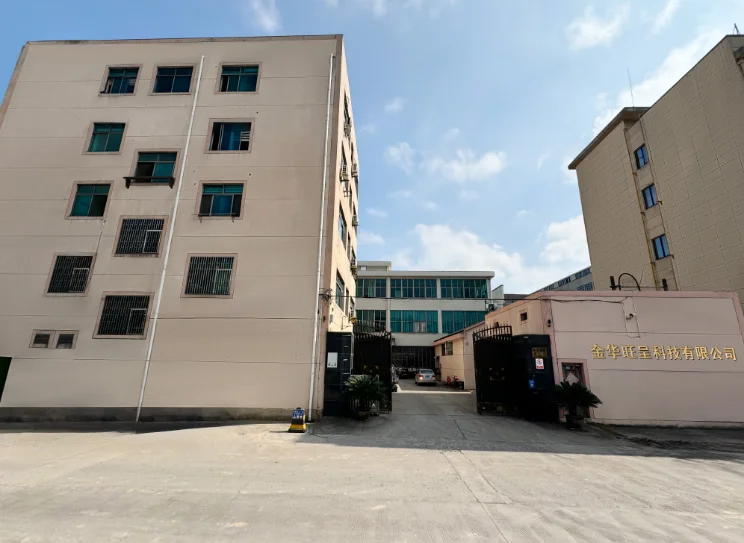
Jinhua Wangcheng Technology Co., Ltd.
- Manufacturer, Trading Company
- Zhejiang, China
- Lead time45 days
- Avg. response≤ 16h
Main productsDirt bike,ATV,trail bike,motocross,off-road motorcycle
Main marketsCentral America(20.00%), Southern Europe(10.00%), North America(10.00%), Western Europe(10.00%), Southeast Asia(10.00%), Eastern Europe(10.00%), South America(10.00%)

Yongkang Hao Hao Vehicle Co., Ltd.
- Verified by SGS
- Combined
- China Zhejiang
- Lead time30 days
- Avg. response≤ 16h
Main productsATV
Main marketsEurope
Hefei Xuanyuan Auto Parts Co., Ltd.
- Verified by TüVRheinland
- Trading Company
- Lead time0 days
- Avg. response≤ 3h
Main productsMinibike/Pocketbikes, Electric Motorcycles, Electric Scooters, Electric Tricycles, ATVs
Main marketsNorth America(100%)
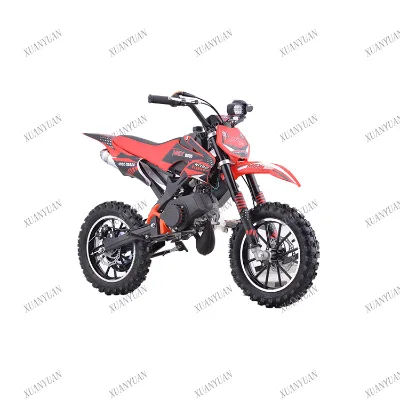
Standard 49cc Dirt Bike Adult Off-Road Motorbike With 2 Stroke Engine And Up To 40km/h Speed
$87.00 - $110.00
MOQ: 1 pieces
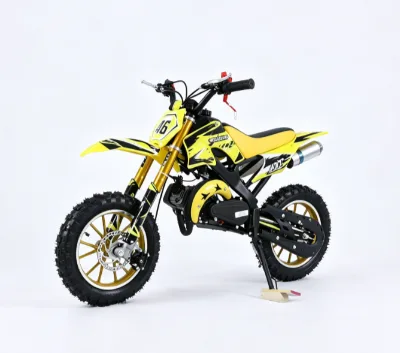
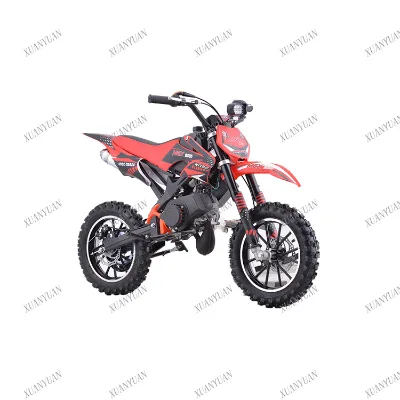

Yongkang Guihou Industry and Trade Co., Ltd.
- Manufacturer/Factory
- China Zhejiang
- Lead time23 days
- Avg. response≤ 7h
Main productsATV, Dirt Bike, Pocket Bike, Electric Scooter, Electric ATV, Motorcycle, Scooter, Go Kart, Gas Scooter, Skate Board
Main marketsSouth America,Eastern Europe,Mid East,North America,Southeast Asia,Eastern Asia,Oceania,Western Europe,Africa
Yongkang Kangshi Industry And Trade Co., Ltd.
- Verified by Intertek
- Trading Company
- Lead time15 days
- Avg. response≤ 9h
Main productsElectric Scooters
Main marketsMid East(75%), Southern Europe(9%), Western Europe(6%)
Chongqing Hongli Motorcycle Manufacture Co., Ltd.
- Manufacturer, Trading Company
- Chongqing, China
- Lead time0 days
- Avg. response≤ 19h
Main productsCub Motorcycle,Street Bike,Dirt Bike,Racing Bike,Motorcycle Parts
Main marketsAfrica(34.00%), Domestic Market(30.00%), South America(15.00%), Eastern Europe(15.00%), Southeast Asia(5.00%), Mid East(1.00%)
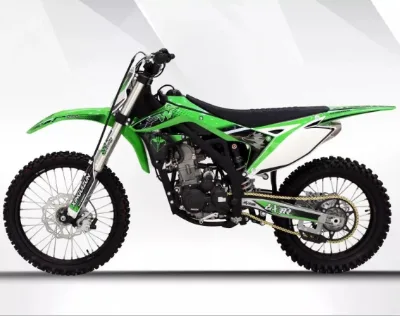
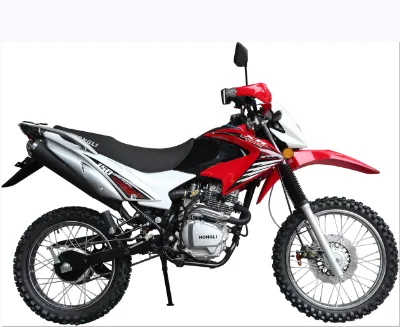
Racing Bike Dirt Bike 150cc/200cc/250cc for Adults
$490.00 - $500.00
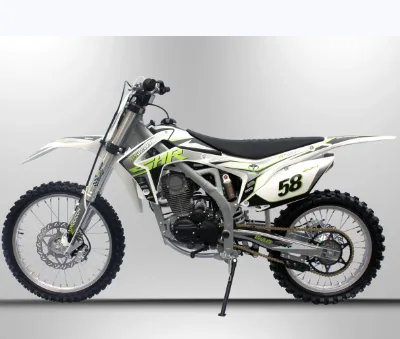
2019 New Model Double Disc Brake Outstanding and Powerful Dirt Bike250cc
$780.00 - $800.00
MOQ: 32 units
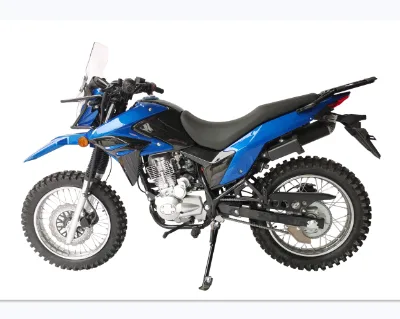

Yongkang Haya Vehicle Co., Ltd.
- Manufacturer
- Zhejiang, China
- Lead time15 days
- Avg. response≤ 2h
Main productsPocket Bike,Dirt Bike,ATV,UTV,Go Kart
Main marketsSoutheast Asia(16.00%), Africa(12.00%), South America(11.00%), Mid East(10.00%), Eastern Asia(10.00%), Central America(10.00%), South Asia(10.00%), Eastern Europe(8.00%), Northern Europe(8.00%), North America(5.00%)
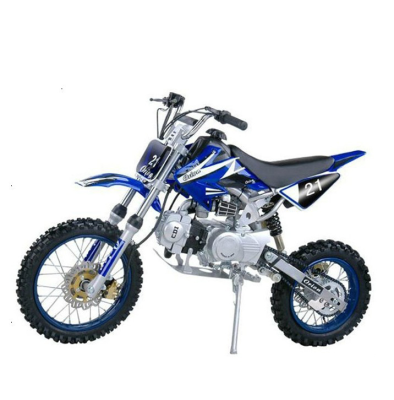
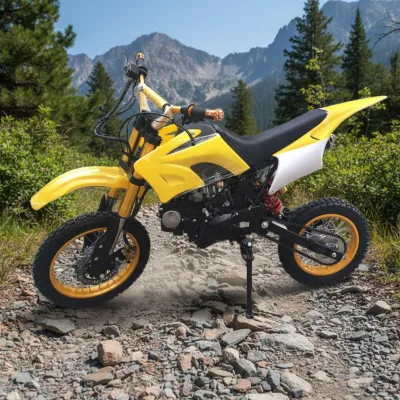
Gasoline Dirt Bike 125cc for Sale
$290.00 - $368.00
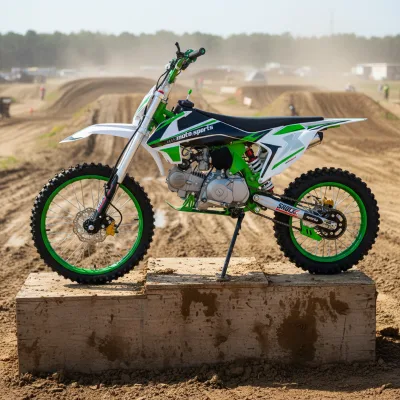
HANGZHOU HIGH PER CORPORATION LTD.
- Verified by Intertek
- Trading Company
- Zhejiang, China
- Lead time30 days
- Avg. response≤ 4h
Main productsATV, Dirt Bike, Go Kart, E-Scooter, Mini Bike
Main marketsWestern Europe(30%), North America(17%), Mid East(15%)
- Trading Company
- Chongqing, China
- Lead time15 days
- Avg. response≤ 4h
Main productsMotorcycle,Motos,Motocicleta,Tricycle,Moped
Main marketsSouth America(70.00%), Western Europe(10.00%), Africa(10.00%), Eastern Europe(5.00%), North America(5.00%)
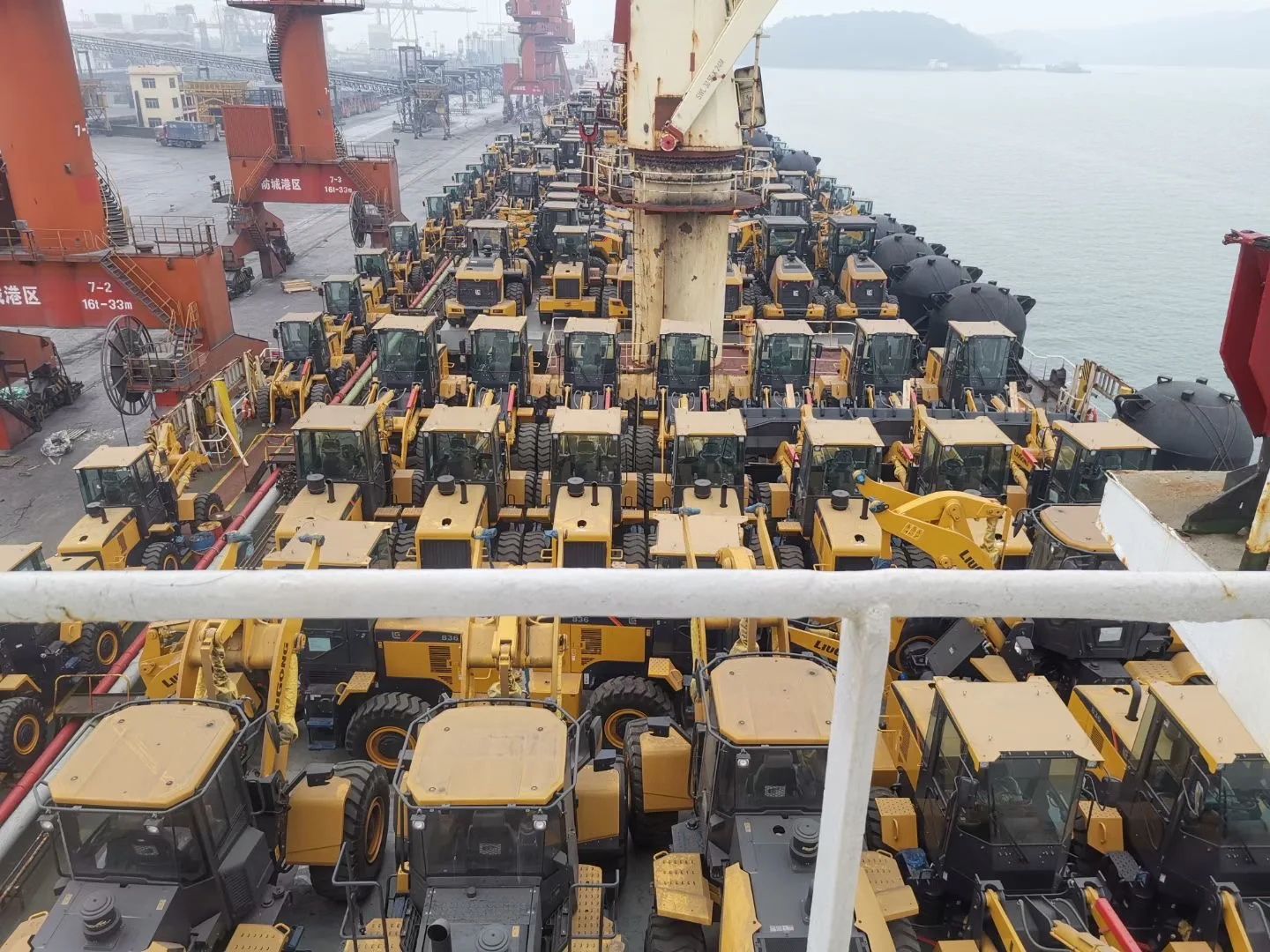
Chongqing Yulong International Trade Co., Ltd.
- Trading Company
- Chongqing, China
- Lead time21 days
- Avg. response≤ 6h
Main productsScooter,golf carts,electric tricycle,quad bike,motorcycle
Main marketsMid East(30.00%), Northern Europe(20.00%), South America(12.00%), Eastern Europe(10.00%), North America(10.00%), South Asia(10.00%), Africa(8.00%)
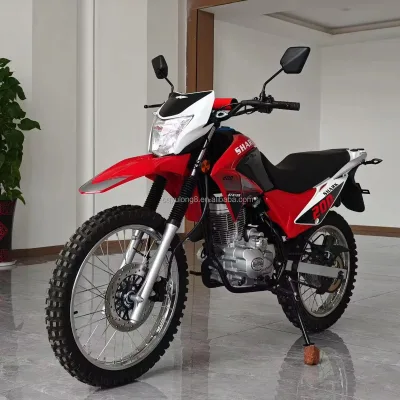
Good Price 4 Stroke Gasoline Dirt Bike Adult 200cc High Quality
$720.00 - $750.00
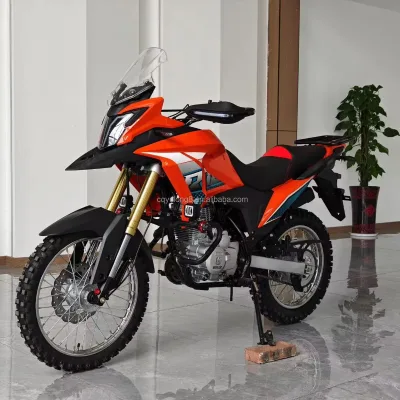
Classic petrol dirt bike motorcycle air-cooled enduro 150cc/200cc/250cc pit bike for sale
$1203.0757 - $1255.3834
MOQ: 1 units
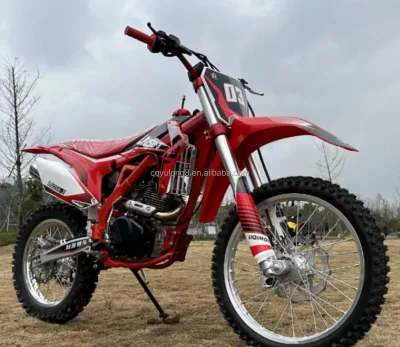
250cc New Adult Gasoline Dirt Bike Two Wheels Racing Air Cooled Electric Foot Start
$1226.2293 - $1328.4151
MOQ: 1 units
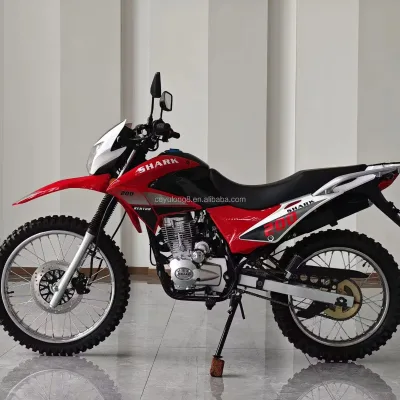
High Quality 150cc Dirt Bike OEM Customizable Racing Motorcycle with Premium Sales
$799.232 - $870.9577
MOQ: 1 units

Changzhou Yamasaki Motorcycle Co., Ltd.
- Manufacturer/Factory
- China Jiangsu
- Lead time75 days
- Avg. response≤ 11h
Main productsMotorcycle, Scooter, Tricycle, Electric Scooter, Electric Motorcycle, Electric Tricycle
Main marketsEastern Europe,Mid East,North America,Western Europe,Africa


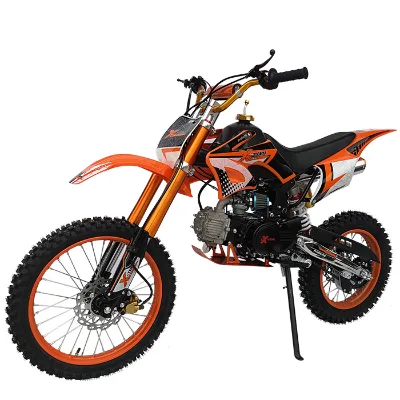










Comprehensive Sourcing Guide
Off-Road Dirt Bike Supplier Concentration and Factory Types
The current supplier landscape for off-road dirt bikes reveals a distinct concentration of manufacturing and trading entities within specific geographic regions, with Zhejiang, China, emerging as a primary hub for this category. This regional clustering suggests a mature supply chain ecosystem where raw materials, component sourcing, and assembly capabilities are co-located, potentially offering logistical advantages for buyers seeking bulk orders. The presence of suppliers in this area indicates that buyers can expect a high density of options, ranging from small-scale workshops to larger industrial facilities, all specializing in the production of two-wheeled off-road vehicles. This concentration is not merely a statistical anomaly but a reflection of established industrial zones that have developed specialized expertise in motorcycle and ATV manufacturing over time.
Within this geographic cluster, the types of business entities vary significantly, influencing the nature of the buyer-supplier relationship. The observed data indicates a mix of pure trading companies, dedicated manufacturers, and combined entities that handle both production and sales. Trading companies often act as intermediaries, offering a broader portfolio of products such as ATVs, quads, pocket bikes, and electric scooters alongside dirt bikes, which can simplify sourcing for buyers looking for diversified vehicle fleets. In contrast, manufacturers and combined companies may offer more direct control over production processes, allowing for greater customization and potentially faster response times for technical inquiries. Understanding this distinction is crucial for buyers, as it affects negotiation leverage, communication efficiency, and the ability to request specific modifications to standard models.
How to Verify Off-Road Dirt Bike Suppliers
Verification is a critical step in mitigating risk when sourcing off-road dirt bikes, as the market contains a diverse array of suppliers with varying levels of operational transparency. Buyers should prioritize suppliers who have undergone third-party verification processes, such as those conducted by CTI, which provide an additional layer of confidence regarding the supplier’s business legitimacy and operational capabilities. This verification status serves as a foundational check, ensuring that the entity is not merely a shell company but a recognized participant in the international trade ecosystem. However, verification alone is not sufficient; buyers must also scrutinize the specific certifications attached to the products themselves, as these indicate compliance with safety and quality standards required in target markets.
Product certifications, particularly CE marking, are frequently observed in the current supplier results and serve as a key indicator of regulatory compliance for European and other international markets. Buyers should request copies of these certificates and verify their validity with the issuing bodies to ensure they are current and applicable to the specific models being ordered. Additionally, system certifications such as ISO9001:2015 demonstrate that the supplier has implemented a standardized quality management system, which can be a strong predictor of consistent product quality and reliable production processes. It is essential to cross-reference these claims with the supplier’s actual product listings and technical specifications to ensure alignment, as discrepancies between certified capabilities and offered products can signal potential reliability issues.
What to Compare Across Off-Road Dirt Bike Suppliers
When evaluating multiple suppliers, buyers must systematically compare key operational metrics to identify the most suitable partner for their specific needs. Response time is a significant differentiator, with observed data showing variations ranging from approximately 4.77 hours to over 24 hours. A faster response time often correlates with better customer service and quicker resolution of pre-sales inquiries, which is vital for maintaining project momentum. Alongside response speed, lead time is a critical factor that impacts inventory planning and delivery schedules. Suppliers with lead times as short as 18 days offer greater flexibility for urgent orders, while those with longer lead times of 30 days may require more advanced planning but could potentially offer more competitive pricing due to optimized production cycles.
Minimum Order Quantity (MOQ) and pricing structures also vary widely and must be weighed against each other to determine the true cost of acquisition. For instance, some suppliers may have MOQs as low as 10 units, making them suitable for small businesses or test orders, while others may require MOQs of 30 or even 63 units, catering to larger distributors. Pricing ranges further illustrate this diversity, with entry-level models starting around $105 and high-end adult bikes exceeding $1,400. Buyers should not look at price in isolation but rather evaluate the value proposition by considering the combination of MOQ, lead time, and product specifications. A supplier with a higher price but lower MOQ and faster lead time might be more cost-effective for a startup than a low-price supplier with high volume requirements and long delays.
Common Off-Road Dirt Bike Sourcing Risks
One of the primary risks in sourcing off-road dirt bikes is the potential mismatch between product specifications and actual delivery, particularly regarding engine type and performance characteristics. The current market offers a mix of two-stroke and four-stroke engines, with displacement ranging from 50cc to 190cc, and buyers must ensure that the ordered model precisely matches their intended use case. Miscommunication on these technical details can lead to significant delays and additional costs associated with returns or modifications. Furthermore, the variability in customization options, which are often listed as available, requires clear and documented agreements to ensure that any bespoke features are correctly implemented and verified before shipment.
Another significant risk involves the reliability of supplier claims regarding capacity and production capabilities. While some suppliers list both OEM and ODM capabilities, buyers must verify that the supplier has the actual infrastructure and expertise to execute these services effectively. There is also a risk associated with the diversity of product lines; suppliers offering a wide range of vehicles, from go-karts to electric scooters, may lack specialized focus on dirt bikes, potentially affecting the depth of technical support and quality control. Buyers should be cautious of suppliers who appear to be generalists rather than specialists, as this can impact the longevity of the product and the availability of spare parts. Verifying the supplier’s main products and core competencies is essential to avoid sourcing from entities that may not have the necessary depth of knowledge in off-road motorcycle engineering.
Off-Road Dirt Bike Regional Sourcing and Logistics
Sourcing from regions like Zhejiang, China, offers logistical advantages due to the established infrastructure for exporting heavy and bulky items like motorcycles. The proximity to major ports and the concentration of related industries can streamline the shipping process, reducing transit times and potentially lowering freight costs. However, buyers must carefully consider the packaging standards, as dirt bikes require robust protection to prevent damage during transit. Observed data indicates the use of export cartons and specific packing dimensions, which buyers should verify to ensure compatibility with their storage and handling facilities. Understanding the standard packing methods is crucial for calculating accurate shipping volumes and costs, as improper packaging can lead to increased freight charges due to volumetric weight calculations.
Logistics planning must also account for the specific dimensions and weight of the dirt bikes, which vary significantly by model. For example, standard dimensions can range from compact sizes suitable for mini bikes to larger frames for adult off-road models. Buyers should request detailed packing lists and dimensional data from suppliers to optimize container loading and minimize wasted space. Additionally, the origin of the products, consistently listed as China or Zhejiang, implies that buyers need to be aware of any import duties, tariffs, or regulatory requirements in their destination countries. Proper logistics planning involves not just the physical movement of goods but also the administrative compliance required to clear customs smoothly, ensuring that the supply chain remains uninterrupted from factory to final destination.
Off-Road Dirt Bike Commercial Terms and Order Planning
Commercial terms and order planning are pivotal in ensuring a smooth transaction, particularly when dealing with suppliers that have varying MOQs and lead times. Buyers should establish clear payment terms and delivery schedules that align with their cash flow and inventory needs. Given the range of MOQs from 10 to 63 units, buyers can strategically place smaller initial orders to test market response before committing to larger volumes, thereby reducing financial risk. It is also important to negotiate lead times explicitly in the contract, as delays can have cascading effects on sales and customer satisfaction. Suppliers with shorter lead times, such as 18 days, offer greater agility, allowing buyers to respond more quickly to market demands and reduce the need for large safety stocks.
Furthermore, buyers should consider the long-term relationship with the supplier, focusing on consistency in quality and service rather than just the initial price. Suppliers with established certifications and verification statuses are more likely to provide consistent product quality, which is essential for building a reputable brand in the off-road vehicle market. Buyers should also plan for after-sales support, including the availability of spare parts and technical assistance, which can be influenced by the supplier’s main product focus and operational scale. By carefully evaluating these commercial and operational factors, buyers can make informed decisions that balance cost, quality, and reliability, ultimately leading to a more successful sourcing strategy for off-road dirt bikes.
FAQs
What is the price range for off-road dirt bikes?
Prices for off-road dirt bikes vary significantly based on engine size and specifications. Entry-level 50cc models start around $105, while larger 190cc adult bikes can reach up to $1,499. Buyers should check specific product listings for exact pricing tiers and currency details.
What certifications do these dirt bikes have?
Most listed off-road dirt bikes carry CE certification, ensuring compliance with European safety standards. This applies to various models including 2-stroke and 4-stroke engines. Buyers should verify specific certification documents for their target market requirements before placing bulk orders.
What is the typical lead time for orders?
Lead times for manufacturing off-road dirt bikes generally range from 18 to 30 days. This duration depends on the supplier type and order volume. Trading companies may have different timelines compared to direct manufacturers. Confirm the exact schedule with the supplier before finalizing payment.
What is the minimum order quantity (MOQ)?
Minimum order quantities vary by model, typically ranging from 10 to 63 units. Higher-end or specialized models may have lower MOQs, while standard adult bikes often require larger batches. Always verify the specific MOQ for the chosen model to ensure it fits your budget.
Where are these dirt bikes manufactured?
The majority of these off-road dirt bikes are manufactured in Zhejiang, China. This region is a known hub for motorcycle and ATV production. Buyers should confirm the specific origin on product listings to understand logistics, shipping costs, and potential import duties for their region.
Do suppliers offer customization services?
Yes, many suppliers offer OEM and ODM customization services for off-road dirt bikes. Buyers can often request custom branding, colors, or minor specification changes. This service is available for most models, but it may affect lead times and minimum order quantities. Discuss details directly with the supplier.