Double Seat 250cc Gas ATV Suppliers and Manufacturers
Compare 12 verified suppliers offering Double Seat 250cc Gas ATV with varying lead times, response speeds, and certifications. Review product specs like engine type and transmission to select the right factory for your needs; review the available evidence before requesting comparable quotations from suitable candidates.
Updated
Suppliers List

Shanghai Lannmarker Industrial Co., Ltd.
- Verified by TUVRHEINLAND
- Manufacturer/Factory
- China Shanghai
- Lead time15 days
- Avg. response≤ 3h
Main productsElectric Scooter, Electric Bike, Rice Transplanter, ATV/UTV, Motorcycle, Golf Cart, Plastic Bathtub
Main marketsSouth America,Eastern Europe,Mid East,North America,Southeast Asia,Eastern Asia,Oceania,Western Europe,Africa
Wuhan Lna Machinery Equipment Co., Ltd.
- Verified by TüVRheinland
- Trading Company
- Lead time6 days
- Avg. response≤ 4h
Main productsATV, Buggy, Go Kart, UTVs, Electric ATVs
Main marketsSoutheast Asia(30%), Western Europe(30%), Central America(20%)
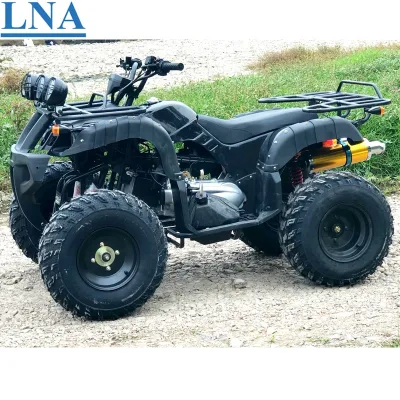
LNA high power engine dual exhaust 4 wheels 250cc atv
$650.00 - $750.00
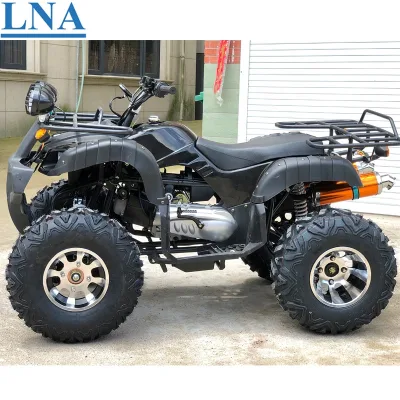
LNA Cool appearance 250cc gas four wheeler atv Fashionable design atv 4x2 Worksites
$700.00 - $850.00
MOQ: 1 sets
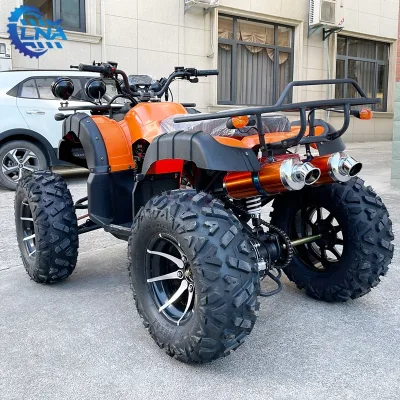
LNA 2 seat atv 250cc gas 16 year old two-seater karting atv off-road adventures
$750.00 - $950.00
MOQ: 1 sets
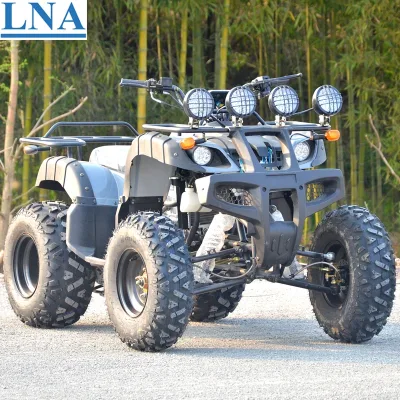
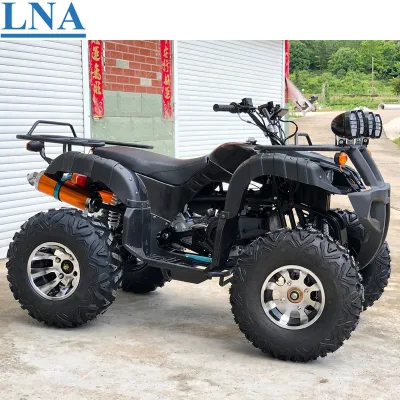
LNA comfortable seat 250cc gas atv quad for adults long lifespan for tour
$719.7301 - $873.9587
MOQ: 1 sets
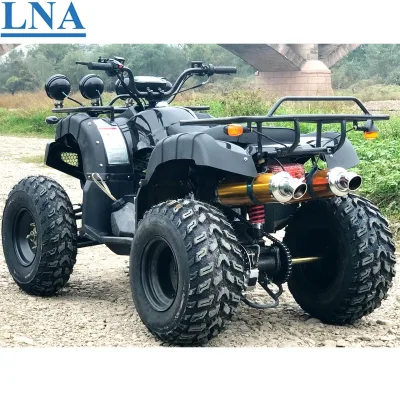
LNA 250cc large weight load gas atv strong holding load racing atv for rent
$650.00 - $800.00
MOQ: 1 sets

Yongkang Jinbang Industry and Trade Co., Ltd.
- Manufacturer/Factory
- China Zhejiang
- Lead time15 days
- Avg. response≤ 5h
Main productsATV, UTV, Dirt Bike, Quad Bike, Quad ATV, Farm ATV, Electric ATV, Snow ATV, 4X4 ATV
Main marketsSouth America,Eastern Europe,Mid East,North America,Southeast Asia,Eastern Asia,Oceania,Western Europe,Africa

YONGKANG BODE INDUSTRY CO., LTD.
- Verified by CTI
- Trading Company,Manufacturer/Factory
- China Zhejiang
- Lead time15 days
- Avg. response≤ 23h
Main productsATV, Quad, Buggy, Dirt Bike, UTV, Karting, Motorcycle, Pit Bike, Self Balancing Scooter, Skateborad
Main marketsSouth America,Eastern Europe,Mid East,North America,Eastern Asia,Oceania,Africa

Yongkang Hao Hao Vehicle Co., Ltd.
- Verified by SGS
- Combined
- China Zhejiang
- Lead time30 days
- Avg. response≤ 16h
Main productsATV
Main marketsEurope


Big Power 250cc off-Road ATV 150cc 200cc 300cc Gasoline Atvs 4X4 Quad
$900.00 - $1150.00
MOQ: 2 Pieces


Yongkang Raymon Industry&Trade Co., Ltd
- Combined
- China Zhejiang
- Lead time30 days
- Avg. response≤ 25h
Main productsATV Quad 110cc-800cc, Electric Scooter, Electric Harley Scooter, City Coco, 3 Wheels Electric Scooter, Motorcycle, Go Kart, Snow Buggy, Farm ATV
Main marketsSouth America,Southeast Asia/ Mideast,North America

WUYI QIDE INDUSTRY AND TRADE CO., LTD.
- Verified by CTI
- Trading Company
- China Zhejiang
- Lead time30 days
- Avg. response≤ 5h
Main productsDirt Bike, ATV, Quad, Pocket Bike, Go Kart, Chopper, Scooter, Electric Bike, Mini Bike, Motorcycle
Main marketsSoutheast Asia/ Mideast,North America

Yongkang Sam Industry and Trade Co Ltd
- Combined
- China Zhejiang
- Lead time30 days
- Avg. response≤ 18h
Main productsATV Dirt Bike Electric Scooter
Main marketsSouth America,Europe,Australia,North America

Qingdao Hualifeng Industry Co., Ltd.
- Trading Company,Manufacturer/Factory
- China Shandong
- Lead time15 days
- Avg. response≤ 8h
Main productsCitycoco Electric Scooter, Balance Scooter, Foldable Electric Scooter, Go Kart, ATV, Walking Tractor, Small Tractor, Fogging Sprayer, Cotton Picker, Agriculture Machine
Main marketsEastern Europe,Mid East,North America,Western Europe

$400.00 - $1500.00
MOQ: 2 Pieces


Yongkang Guihou Industry and Trade Co., Ltd.
- Manufacturer/Factory
- China Zhejiang
- Lead time23 days
- Avg. response≤ 7h
Main productsATV, Dirt Bike, Pocket Bike, Electric Scooter, Electric ATV, Motorcycle, Scooter, Go Kart, Gas Scooter, Skate Board
Main marketsSouth America,Eastern Europe,Mid East,North America,Southeast Asia,Eastern Asia,Oceania,Western Europe,Africa

Yongkang Chiyao Industry and Trade Co., Ltd
- Verified by TUVRHEINLAND
- Combined
- China Zhejiang
- Lead time15 days
- Avg. response≤ 4h
Main productsATV, Pit Bike, Dirt Bike, Quad Bike, UTV, Snowmobile, Motorcycle, Go Kart, Ssv, Wheeler ATV
Main marketsDomestic

250cc 2WD Gas off-Road ATV Cuatrimoto Quad Bike Four Wheel for Adventure
$1037.00 - $1067.00
MOQ: 1 Pieces


YONGKANG MODOU VEHICLE CO,.LTD
- Verified by BV
- Manufacturer/Factory
- China Zhejiang
- Lead time45 days
- Avg. response≤ 7h
Main productsATV, Go-Kart, Farm ATV, ATV Acc
Main marketsSouth America,Mid East,Southeast Asia,Eastern Asia,Oceania,Africa


Comprehensive Sourcing Guide
Double Seat 250cc Gas ATV Supplier Concentration and Factory Types
The current supplier landscape for double seat 250cc gas ATVs reveals a distinct split between manufacturing entities and trading companies, each offering different value propositions for buyers seeking bulk or specialized orders. Evidence indicates that a significant portion of the available suppliers are classified as manufacturers or factories, primarily located in China, with specific results pointing to Shanghai as a key operational hub. These factory-type suppliers typically possess the infrastructure for original equipment manufacturing (OEM) and original design manufacturing (ODM), allowing buyers to customize branding and technical specifications. The presence of ISO 9000 and ISO 9001 system certifications among these manufacturers suggests a baseline commitment to quality management systems, which is critical when sourcing vehicles that require rigorous safety and performance standards. Buyers looking for direct factory engagement should prioritize these entities, as they often have greater control over production timelines and component sourcing, potentially leading to more competitive pricing structures for larger volume orders.
Conversely, the market also includes trading companies that act as intermediaries, aggregating products from various sources to offer a broader catalog to international buyers. These trading entities may not own the physical production lines but often provide specialized services such as sample processing, graphic processing, and customized on-demand solutions. While they might not hold the same manufacturing certifications as factories, some trading companies display third-party verification from Tüv Rheinland, indicating a level of operational transparency and reliability. The main products listed by these suppliers often extend beyond ATVs to include electric bikes, golf carts, and other vehicles, suggesting a diversified portfolio that can simplify logistics for buyers purchasing multiple vehicle types. Understanding this dichotomy is essential for buyers, as factory suppliers may offer deeper customization and lower unit costs for high volumes, whereas trading companies might provide faster access to diverse models and more flexible minimum order quantities for smaller, trial orders.
How to Verify Double Seat 250cc Gas ATV Suppliers
Verifying the legitimacy and capability of a Double Seat 250cc Gas ATV supplier requires a multi-layered approach that goes beyond simple profile reviews. Buyers should first prioritize suppliers who have undergone third-party verification processes, such as those conducted by Tüv Rheinland, which provides an independent assessment of the company’s business scope and operational integrity. This verification is a strong indicator that the supplier has been physically inspected and their claims regarding manufacturing capacity or trading operations have been validated by a reputable agency. Additionally, checking for relevant system certifications is crucial; for instance, ISO 9001 certification demonstrates that a manufacturer has established and maintains a quality management system, which is vital for ensuring consistent product quality in vehicle manufacturing. Buyers should request copies of these certificates and verify their validity through the issuing bodies to ensure they are current and applicable to the specific products being sourced.
Beyond certifications, buyers must assess the supplier’s responsiveness and communication efficiency, as these factors often correlate with their overall operational professionalism. Response times are a measurable metric that can indicate how quickly a supplier can address inquiries, provide quotations, or resolve issues during the pre-order phase. A supplier with a rapid response time is more likely to be attentive to buyer needs and capable of managing complex logistics or customization requests effectively. Furthermore, buyers should scrutinize the detailed product attributes provided in supplier listings, such as engine type, transmission system, and brake specifications, to ensure they align with the buyer’s technical requirements. Discrepancies between claimed specifications and actual product capabilities can be a red flag, so buyers should ask for detailed technical datasheets or video demonstrations of the ATV in operation. This due diligence helps mitigate the risk of receiving products that do not meet the expected performance standards, ensuring a smoother procurement process.
What to Compare Across Double Seat 250cc Gas ATV Suppliers
When evaluating multiple suppliers for double seat 250cc gas ATVs, buyers must systematically compare key operational metrics to determine the best fit for their specific business needs. One of the most critical factors is the lead time, which varies significantly among suppliers and directly impacts inventory management and market availability. Some suppliers may offer lead times as short as six days, while others might require up to fifteen days for production and preparation. Buyers should align these lead times with their sales forecasts and supply chain requirements to avoid stockouts or excessive inventory holding costs. Additionally, the minimum order quantity (MOQ) is a decisive factor, especially for new buyers or those testing the market. While some suppliers may have an MOQ of just one unit, facilitating easy entry, others might require larger volumes to unlock competitive pricing or production slots. Understanding these thresholds helps buyers plan their initial orders and scale up efficiently as demand grows.
Another vital dimension for comparison is the pricing structure and the associated value-added services. Prices for similar 250cc ATVs can range widely, reflecting differences in component quality, brand positioning, and supplier type. Buyers should not only look at the unit price but also consider the total cost of ownership, including shipping, tariffs, and potential customization fees. Suppliers offering OEM/ODM services may charge additional fees for branding and design changes, which should be factored into the overall budget. Furthermore, the range of main products offered by a supplier can indicate their specialization and expertise. A supplier focusing exclusively on ATVs and UTVs may offer deeper technical support and a more robust product line compared to a generalist trading company. Buyers should also compare the customization options available, such as engine displacement, fuel system type, and transmission configurations, to ensure the supplier can meet specific market demands. This comprehensive comparison ensures that buyers select a partner who offers the best balance of cost, speed, and quality.
Common Double Seat 250cc Gas ATV Sourcing Risks
Sourcing double seat 250cc gas ATVs from international suppliers introduces several risks that buyers must proactively manage to ensure a successful procurement outcome. One significant risk is the potential mismatch between advertised product specifications and the actual delivered goods. Suppliers may list generic attributes such as "4-stroke engine" or "chain drive" without providing detailed technical data, leading to ambiguity about performance and durability. Buyers must insist on precise specifications, including engine displacement, power output, and brake system details, to avoid receiving substandard products. Another risk is the variability in quality control practices among different suppliers. While some manufacturers adhere to strict ISO standards, others may lack consistent quality assurance processes, resulting in defects or safety issues. Buyers should request quality inspection reports or arrange for third-party inspections before shipment to mitigate this risk and ensure that the products meet the agreed-upon standards.
Logistical and compliance risks also pose challenges in the ATV sourcing process. Vehicles are subject to various regulatory requirements in different markets, including emissions standards, safety certifications, and import duties. Buyers must ensure that the supplier’s products comply with the regulations of their target market, such as CE certification for European markets or CARB compliance for certain regions in the United States. Failure to verify these certifications can lead to customs delays, fines, or product recalls. Additionally, the condition of the packaging and the method of transportation can affect the integrity of the vehicles during transit. ATVs are heavy and bulky, requiring robust packaging to prevent damage. Buyers should review the supplier’s packing methods, such as iron frame packaging, and ensure that insurance coverage is in place for the shipment. By addressing these risks through thorough due diligence and clear contractual terms, buyers can protect their interests and ensure a smooth sourcing experience.
Double Seat 250cc Gas ATV Regional Sourcing and Logistics
The geographic location of suppliers plays a crucial role in determining logistics costs, lead times, and overall supply chain efficiency for double seat 250cc gas ATVs. Many suppliers are concentrated in China, with specific hubs like Shanghai and Hubei offering advantages in terms of manufacturing infrastructure and export capabilities. Suppliers located in Shanghai may benefit from proximity to major ports, facilitating faster and more cost-effective shipping to international destinations. Buyers should consider the place of origin when evaluating suppliers, as it can impact the availability of raw materials and the efficiency of the production process. Additionally, regional sourcing can help buyers diversify their supply base, reducing dependency on a single location and mitigating risks associated with regional disruptions. By understanding the geographic distribution of suppliers, buyers can make informed decisions about where to source their products to optimize logistics and reduce costs.
Logistics planning is another critical aspect of sourcing ATVs, given their size and weight. Buyers must coordinate with freight forwarders to arrange appropriate transportation methods, whether by sea, air, or land, depending on the urgency and volume of the order. Sea freight is typically the most cost-effective option for large volumes, while air freight may be necessary for urgent or smaller shipments. Buyers should also consider the packaging dimensions and weight, as these factors directly influence shipping costs. Suppliers often provide packing details, such as iron frame packaging, which can help buyers estimate the volume and weight of the shipment. Additionally, buyers should be aware of the import regulations and duties in their target market, as these can significantly impact the total landed cost. By planning logistics carefully and working closely with suppliers and freight forwarders, buyers can ensure that their ATVs are delivered efficiently and cost-effectively.
Double Seat 250cc Gas ATV Commercial Terms and Order Planning
Effective commercial terms and order planning are essential for managing the procurement of double seat 250cc gas ATVs and ensuring a profitable business operation. Buyers should negotiate clear payment terms, such as letters of credit or escrow services, to protect their financial interests and ensure that payments are released only upon satisfactory delivery of the goods. Understanding the supplier’s pricing structure is also crucial, as prices can vary based on order volume, customization requirements, and market conditions. Buyers should request detailed quotations that break down the costs of the product, packaging, and shipping to avoid hidden fees. Additionally, buyers should plan their orders based on sales forecasts and inventory requirements, taking into account the supplier’s lead times and MOQs. By aligning their order planning with market demand, buyers can optimize their inventory levels and reduce the risk of overstocking or stockouts.
Furthermore, buyers should establish clear communication channels with their suppliers to facilitate smooth order processing and issue resolution. Regular updates on production status and shipping details can help buyers track their orders and anticipate delivery dates. Buyers should also consider the after-sales support provided by the supplier, including warranty terms and availability of spare parts. A supplier that offers comprehensive after-sales support can help buyers maintain customer satisfaction and reduce the costs associated with product failures. By focusing on these commercial terms and order planning aspects, buyers can build a robust and reliable supply chain for their Double Seat 250cc Gas ATV business. This strategic approach ensures that buyers can navigate the complexities of international sourcing and achieve their business objectives effectively.
FAQs
What is the price range for 250cc gas ATVs?
Prices for 250cc gas ATVs typically range from $650 to $1350 per unit. This variation depends on specific features, engine power, and brand positioning. Buyers should verify exact costs based on quantity and customization needs to ensure accurate budgeting for their procurement strategy.
What is the minimum order quantity for these vehicles?
The minimum order quantity is one unit for many suppliers. This allows buyers to test quality before placing larger orders. Some manufacturers may offer different terms for bulk purchases, so confirming the specific MOQ with the supplier is essential for negotiation.
How long does production and delivery take?
Lead times generally range from six to fifteen days. This depends on the supplier type, whether they are a manufacturer or trading company. Buyers should confirm the exact timeline with the supplier to align with their inventory planning and delivery schedules.
Are these ATVs customizable for branding?
Customization is available for many models, including OEM and ODM services. Buyers can request specific branding, colors, or design modifications. This flexibility allows businesses to create unique products that align with their market identity and customer preferences effectively.
What certifications do these ATVs hold?
Common certifications include ISO 9001 for quality management and CE for product compliance. Some models may also carry CARB or EFI standards. Buyers should verify specific certifications required for their target market to ensure regulatory compliance and smooth customs clearance.
Where are these ATVs manufactured?
Manufacturing locations include Shanghai and Hubei in China. These regions are known for their robust automotive and machinery production capabilities. Buyers should verify the specific origin of each model to understand logistics costs and supply chain reliability for their orders.