Aluminum Alloy Motorcycle Handle Cover Suppliers and Manufacturers
Compare 12 verified suppliers offering Aluminum Alloy Motorcycle Handle Cover products with varying lead times, certifications, and response speeds. Review their factory locations in China and product specifications to select the right partner for your sourcing needs; review the available evidence before requesting comparable quotations from suitable candidates.
Updated
Suppliers List

Changzhou Showhum Precision Technology Co., Ltd.
- Verified by SGS
- Manufacturer/Factory
- China Jiangsu
- Lead time45 days
- Avg. response≤ 4h
Main productsCNC Part, CNC Machine Part, Car Parts, CNC Milling Part, Plastic Products, Forged Part, Welding Part, Waterjet Cutting Parts, Motorcycle Parts, Bicycle Parts
Main marketsSouth America,Eastern Europe,Mid East,North America,Eastern Asia,Western Europe
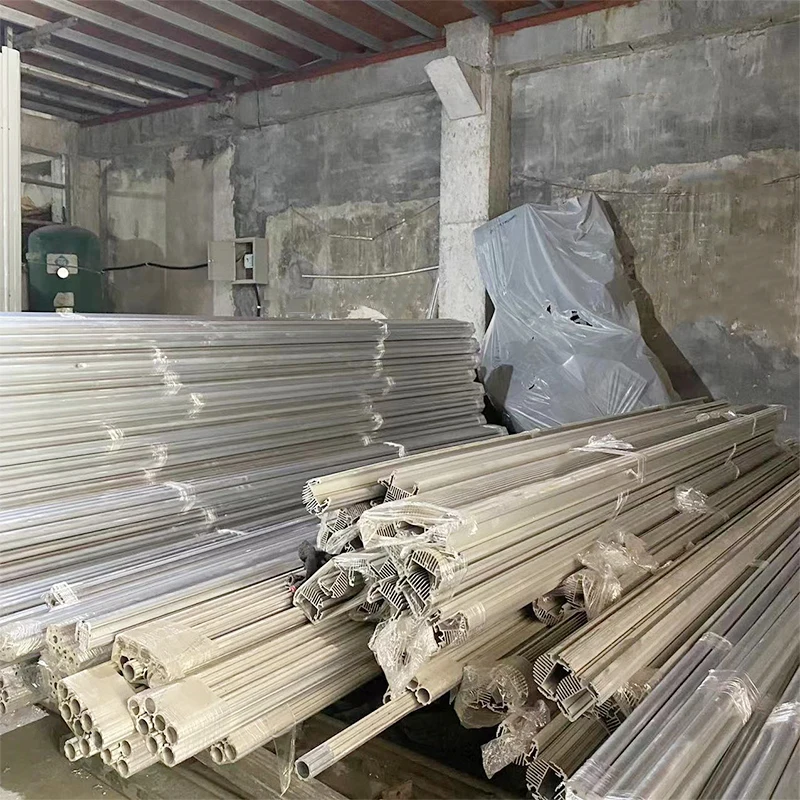
Ruian Aoran Electronic Technology Co., Ltd.
- Manufacturer, Trading Company
- Zhejiang, China
- Lead time50 days
- Avg. response≤ 8h
Main productsHandlebar Grips,Handlebar Grips Cap,Turn Signal Lights,Front Anti Falling Frame Sliders,Footrest Pegs
Main marketsSouth America(70.00%), South Asia(30.00%)

- Verified by SGS
- Trading Company
- China Guangdong
- Lead time15 days
- Avg. response≤ 9h
Main productsConsumer Electronics, Car Accessories, Mini Thermal Printers, Garden Lights, Lawn Mower Accessories, Portable Speakers, Digital Camera, Mini Projectors
Main marketsOthers(foreignTradeCapacity.exportBusinessCapacityMarketOther),Europe

1 Pair Motorcycle Handlebar Grips Aluminum Alloy Rubber Motorbike Anti-Slip Handlebar Cover - Red
$2.21 - $2.43
MOQ: 2 Pieces

1 Pair Motorcycle Handlebar Grips Aluminum Alloy Rubber Motorbike Anti-Slip Handlebar Cover - Green
$2.21 - $2.43
MOQ: 2 Pieces

1 Pair Motorcycle Handlebar Grips Aluminum Alloy Rubber Motorbike Anti-Slip Handlebar Cover - Gold
$2.21 - $2.43
MOQ: 2 Pieces

1 Pair Motorcycle Handlebar Grips Aluminum Alloy Rubber Motorbike Anti-Slip Handlebar Cover - Black
$2.21 - $2.43
MOQ: 2 Pieces

1 Pair Motorcycle Handlebar Grips Aluminum Alloy Rubber Motorbike Anti-Slip Handlebar Cover - Grey
$2.21 - $2.43
MOQ: 2 Pieces

1 Pair Motorcycle Handlebar Grips Aluminum Alloy Rubber Motorbike Anti-Slip Handlebar Cover - Orange
$2.21 - $2.43
MOQ: 2 Pieces
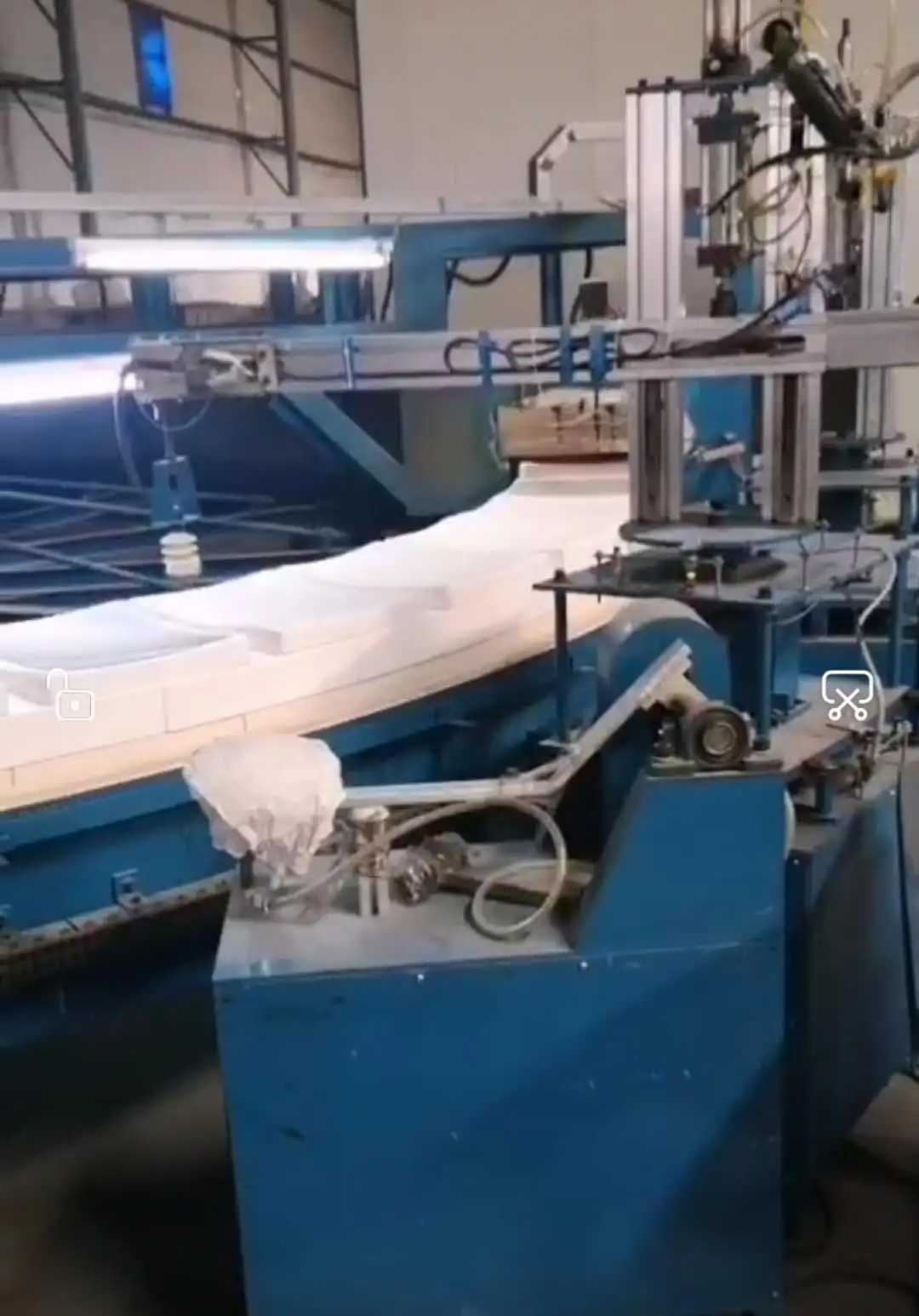
Hebei Jingkuo Vehicles Parts Co., Ltd.
- Trading Company
- Hebei, China
- Lead time30 days
- Avg. response≤ 16h
Main productsSide-view mirror,glass,Auto parts,Motorcycle accessories,Hollow glass accessories
Main marketsDomestic Market(28.00%), Africa(15.00%), Southeast Asia(12.30%), North America(11.00%), Mid East(8.70%), South America(7.00%), Eastern Asia(6.50%), South Asia(5.00%), Central America(5.00%)
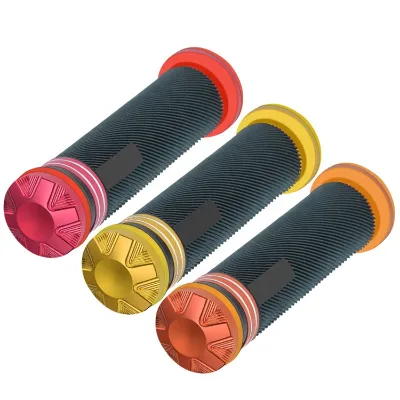
$0.3086 - $2.0523
MOQ: 2000 pieces
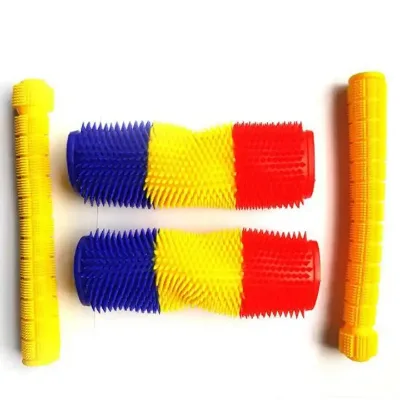
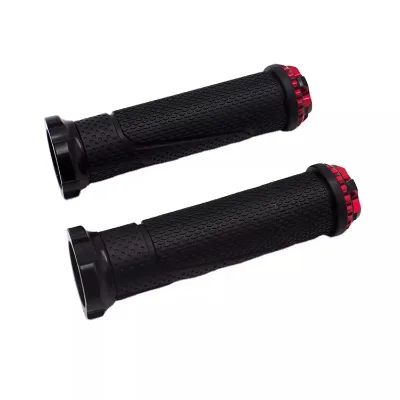
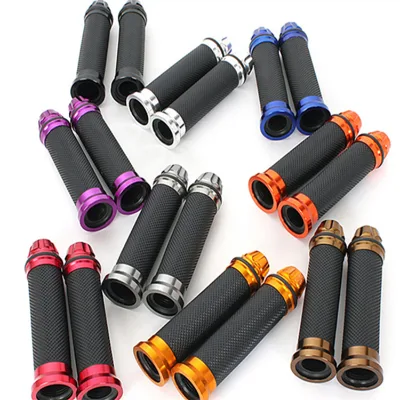
7/8'' 22mm CNC Aluminum Alloy Motorcycle Handle Bar Handlebar Hand Grip Handgrip
$0.50 - $2.00
MOQ: 3000 pairs

Taizhou Spare Parts Expert Import & Export Co., Ltd.
- Trading Company
- China Zhejiang
- Lead time30 days
- Avg. response≤ 5h
Main productsMotorcycle Parts, Scooters Accessories, Motorcycle Accessories, Gy6 Engine Accessories, Italika Spare Parts, Bike Accessories, Cg125 Jog 50, Bajaj, Helmet, Remote Controller
Main marketsSouth America,Southeast Asia/ Mideast,Europe

Dongguan Yanqing Precision Co., Ltd.
- Verified by CTI
- Trading Company
- China Guangdong
- Lead time15 days
- Avg. response≤ 3h
Main productsCNC Machined Parts, Custom Machined Parts, CNC Milled Parts, Auto Parts, Metal Medical Parts, Joints and Fasteners, Shafts, Bolts and Nuts, Fittings, CNC Turned Part
Main marketsSouth America,East Asia(Japan/ South Korea),Europe


Universal Motorcycle 7/8" 22mm Aluminum Handlebar Grips Cap Hand Bar Ends Handle Plug Cover
$3.00 - $5.50
MOQ: 100 Pieces

Youngparts Simple and Durable Motorcycle Grip Cover High Quality Rubber Black Handle Cover
$0.10 - $15.00
MOQ: 100 Pieces

Youngparts Black Silver Aluminum Motorcycle 25mm Handle Cover Hand Grip Handlebar Grip for Harley
$0.10 - $15.00
MOQ: 100 Pieces

Ningbo Jalyn International Trading Co., Ltd.
- Trading Company,Manufacturer/Factory
- China Zhejiang
- Lead time30 days
- Avg. response≤ 17h
Main productsMotorcycle Parts, Motorcycle Accessories, Aftermarket Motorcycle Parts, ATV Parts, Bicycle Parts, Motorcycle Plastic Parts, Motorcycle Mirror, Motorcycle Handle Grips, Motorcycle Engine, Bicycle Accessories
Main marketsSouth America,Eastern Europe,North America,Eastern Asia,Oceania,Western Europe,Africa
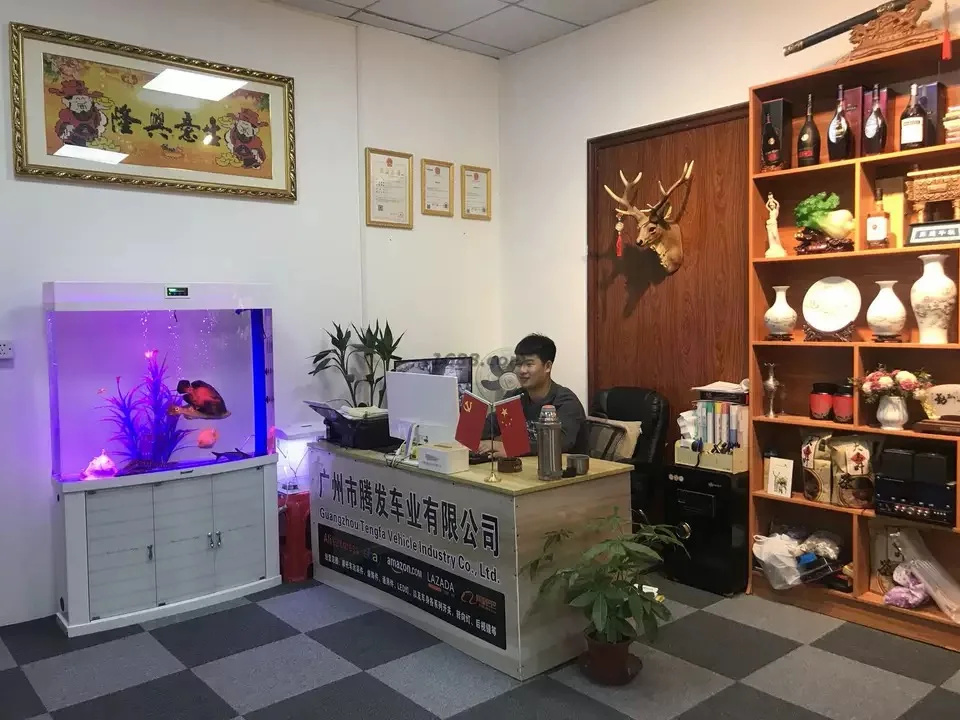
Guangzhou Tengfa Automobile Industry Co., Ltd.
- Trading Company
- Guangdong, China
- Lead time15 days
- Avg. response≤ 7h
Main productsRearview Mirror, Turn Signal, Handlebar, Hand Glue, Brake Disc
Main marketsSoutheast Asia(50.00%), Mid East(30.00%), South America(20.00%), South Asia(0.00%), Eastern Asia(0.00%), North America(0.00%), Oceania(0.00%), Western Europe(0.00%), Southern Europe(0.00%), Central America(0.00%), Northern Europe(0.00%), Africa(0.00%), Eastern Europe(0.00%), Domestic Market(0.00%)
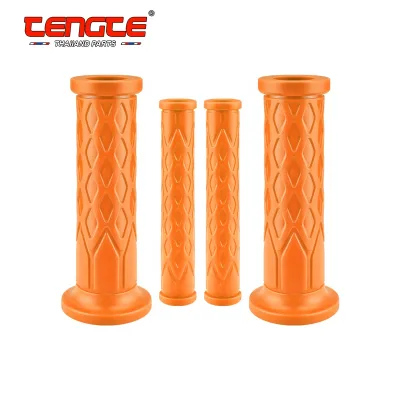
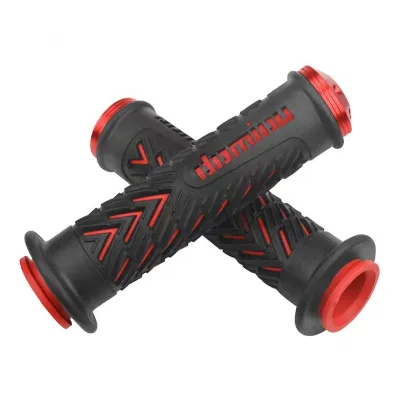
Motorcycle Refitting Handle Cover Belt Handle Rubber Moped Refitting General Handle Cover
$0.9243 - $1.0261
MOQ: 200 pieces
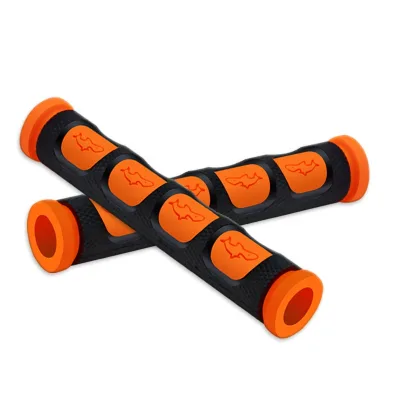
Motorcycle Horn Handle Cover Electric Car Handle Brake Handle Horn Cover
$0.2577 - $0.3296
MOQ: 10 pieces
Ningbo Eightys International Co., Ltd.
- Verified by SGS Group
- Trading Company
- Lead time30 days
- Avg. response≤ 4h
Main productsMotocycle Cover, Motorcycle Tail Boxes, Motorcycle Licences, Motorcycle Luggage Bag, Motorcycle Stickers
Main marketsSoutheast Asia(20%), North America(19%), South America(15%)
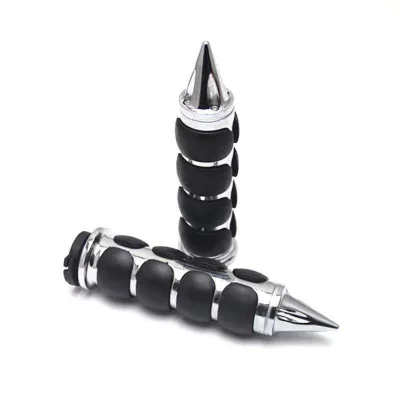
22mm 25mm Aluminium Alloy Rubber Handlebar End Cover Grip Motorcycle Handle Grip
$8.55 - $9.50
MOQ: 100 pieces
Chongqing Lixuan Motorcycle Parts Co., Ltd.
- Trading Company
- Chongqing, China
- Lead time20 days
- Avg. response≤ 5h
Main productsbajaj TVS three wheeler parts,China three wheeler spare parts,motorcycle parts
Main marketsSouth America(20.00%), Southeast Asia(20.00%), Africa(15.00%), Mid East(15.00%), Eastern Asia(10.00%), South Asia(10.00%), North America(5.00%), Central America(3.00%), Domestic Market(2.00%)

Chongqing Hanfan Technology Co., Ltd.
- Trading Company
- Chongqing, China
- Lead time7 days
- Avg. response≤ 5h
Main productsMotorcycle parts,Electric Motorcycle,Motorcycle Motor,Electronic motorcycle Motor,Hub Motor
Main marketsWestern Europe(20.00%), North America(20.00%), Northern Europe(10.00%), Southern Europe(10.00%), Eastern Europe(10.00%), South America(5.00%), South Asia(5.00%), Central America(5.00%), Southeast Asia(5.00%), Eastern Asia(3.00%), Mid East(3.00%), Africa(2.00%), Oceania(2.00%)
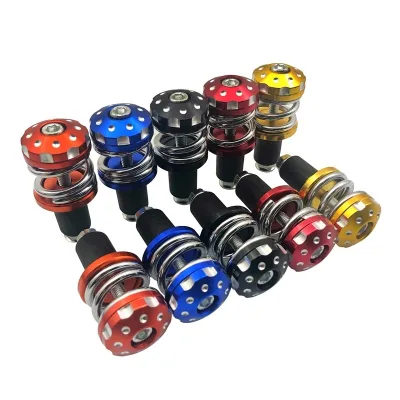
22mm Universal New Spring Type Motorcycle Handle Grip Ends Anti-vibration Handle
$1.00 - $1.38
MOQ: 200 pairs
Ningbo Hongtao Automotive Supplies Co., Ltd.
- Trading Company
- Zhejiang, China
- Lead time0 days
- Avg. response≤ 8h
Main productsAutomotive supplies,bicycle supplies,automotive and motorcycle supplies
Main marketsCentral America(20.00%), Southeast Asia(20.00%), Eastern Europe(20.00%), South America(20.00%), North America(20.00%)


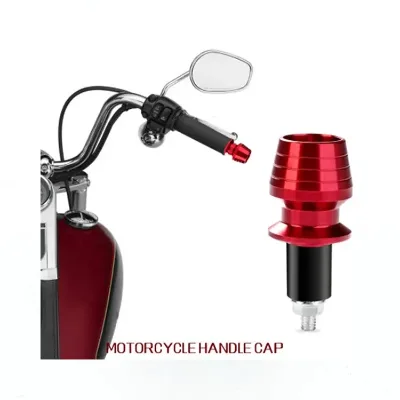
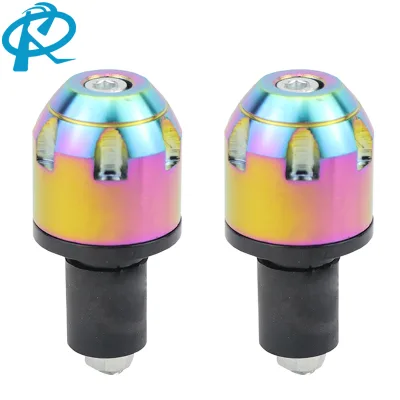
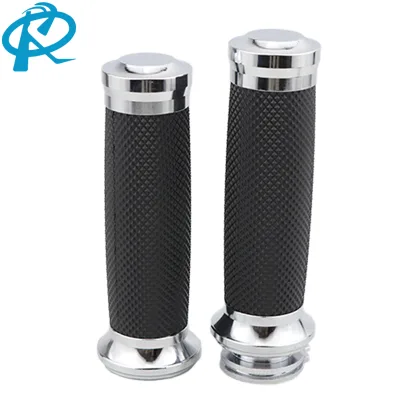
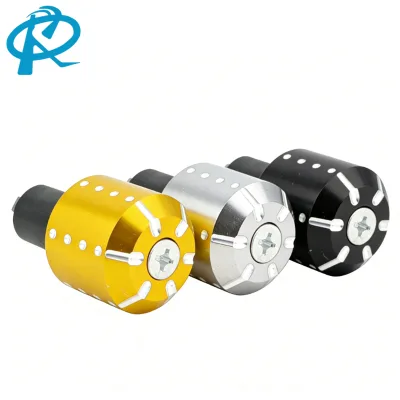


Comprehensive Sourcing Guide
Aluminum Alloy Motorcycle Handle Cover Supplier Concentration and Factory Types
The current supplier landscape for aluminum alloy motorcycle handle covers reveals a distinct geographic concentration within China, specifically highlighting manufacturing hubs in Jiangsu and Zhejiang provinces. These regions are known for their robust industrial ecosystems, which support both precision machining and assembly operations. When evaluating potential partners, buyers should note that the primary company types identified are Manufacturers and Factories, indicating a direct link to production facilities rather than purely intermediary trading entities. However, the data also includes suppliers classified as both Manufacturer and Trading Company, suggesting a hybrid operational model where some entities manage their own production lines while also handling export logistics and customer service. This distinction is crucial for buyers seeking either direct factory pricing or the flexibility of a trading partner who might aggregate products from multiple sources. The presence of SGS verification on some profiles adds a layer of third-party validation regarding business legitimacy and operational capacity, which serves as a preliminary filter for serious procurement inquiries.
Understanding the specific capabilities of these factory types helps in aligning supplier selection with project requirements. Manufacturers typically offer greater control over the production process, allowing for more precise customization of aluminum alloy components, which is essential for handle covers that must meet specific dimensional tolerances and aesthetic standards. The main products listed by these suppliers often extend beyond simple handle covers to include CNC parts, forged components, and various motorcycle accessories, indicating a broad technical proficiency in metalworking and plastic injection molding. This versatility can be advantageous for buyers looking to consolidate their supply chain, as a single supplier might provide complementary parts such as brake levers or clutch guards alongside the primary handle cover order. Conversely, trading companies may offer a wider variety of designs and faster access to existing stock, though potentially at a higher cost due to their margin structure. Buyers must carefully assess whether the supplier’s primary focus aligns with their need for custom OEM work or standard off-the-shelf products, as this will significantly impact lead times and communication efficiency during the sourcing process.
How to Verify Aluminum Alloy Motorcycle Handle Cover Suppliers
Verifying the authenticity and reliability of suppliers requires a multi-layered approach that goes beyond surface-level profile information. The first step involves scrutinizing the system certifications displayed, such as ISO 9001 and TS 16949, which indicate adherence to international quality management standards. These certifications are particularly important for automotive and motorcycle parts, as they ensure that the manufacturing processes are consistent and capable of producing defect-free aluminum alloy components. Buyers should request copies of these certificates and verify their validity through the issuing bodies, as displayed badges can sometimes be outdated or misused. Additionally, the presence of SGS verification provides an external confirmation of the supplier’s business status, but it does not guarantee product quality. Therefore, it is essential to conduct further due diligence by requesting recent third-party inspection reports or factory audit results that specifically address the production of handle covers and related accessories.
Beyond documentation, direct engagement with the supplier is a critical verification method. The response time metric, which varies among suppliers, can serve as an indicator of operational efficiency and customer service quality. A faster response time, such as 3.57 hours compared to 8 hours, often correlates with a more responsive and organized procurement team, which is vital for resolving issues quickly during the production phase. Buyers should also assess the supplier’s ability to provide detailed product specifications, including material grades, surface treatments, and dimensional accuracy. For aluminum alloy handle covers, it is crucial to confirm the specific alloy type and any anodizing or painting processes used to enhance durability and aesthetics. Requesting physical samples before placing a bulk order allows buyers to verify the quality of the material, the fitment on actual motorcycle handlebars, and the overall finish. This hands-on verification step is indispensable for ensuring that the supplier’s capabilities match the buyer’s quality expectations and technical requirements.
What to Compare Across Aluminum Alloy Motorcycle Handle Cover Suppliers
When evaluating multiple suppliers, buyers must systematically compare key operational metrics to identify the most suitable partner for their specific needs. Lead time is a critical factor, with observed values ranging from 45 to 50 days, which can significantly impact inventory planning and market launch schedules. Suppliers with shorter lead times may offer a competitive advantage, especially for time-sensitive orders or restocking needs. However, buyers should also consider the minimum order quantity (MOQ), which varies from 10 to 100 units depending on the product and supplier. Lower MOQs are beneficial for testing new designs or for smaller market segments, while higher MOQs may offer better unit economics for large-scale production runs. Additionally, the response time metric provides insight into the supplier’s communication efficiency, with faster responses indicating a more proactive approach to customer service and problem resolution.
Price and customization capabilities are equally important comparison points. Unit prices for aluminum alloy handle covers can range significantly, from as low as $0.85 to over $8.90, depending on the complexity of the design, material quality, and order volume. Buyers should analyze the price structure in relation to the MOQ and lead time to determine the true cost of ownership. Customization options, such as color choices, width dimensions, and inner diameter specifications, are widely available, but the extent of these options can vary. Some suppliers offer extensive customization with various color palettes and packaging solutions, while others may have more limited configurations. It is also essential to compare the main products offered by each supplier to ensure they have the necessary expertise and equipment to produce high-quality aluminum alloy components. Suppliers with a broader range of related products, such as CNC parts and motorcycle accessories, may provide better value through consolidated shipping and simplified logistics management.
Common Aluminum Alloy Motorcycle Handle Cover Sourcing Risks
Sourcing aluminum alloy motorcycle handle covers from international suppliers involves several inherent risks that buyers must proactively manage. One significant risk is the potential for quality inconsistencies, particularly when dealing with suppliers who have hybrid manufacturing and trading operations. While these entities may offer flexibility, they might not have direct control over the production process, leading to variations in material quality or finishing standards. Buyers should be cautious of suppliers who cannot provide detailed material certifications or who rely solely on visual inspections without rigorous testing protocols. Another risk is the discrepancy between sample quality and bulk production output. Suppliers may provide high-quality samples to secure orders but fail to maintain the same standards during mass production, resulting in defective products that do not meet the buyer’s specifications. This risk is exacerbated by long lead times, which can delay corrective actions and impact market availability.
Communication barriers and intellectual property protection are also critical concerns in international sourcing. Misunderstandings regarding technical specifications, such as inner diameter tolerances or surface treatment requirements, can lead to costly errors and rejected shipments. Buyers must ensure that all technical details are clearly documented in contracts and that both parties have a shared understanding of quality acceptance criteria. Additionally, there is a risk of intellectual property infringement if suppliers share proprietary designs with unauthorized third parties. To mitigate this, buyers should implement strict confidentiality agreements and monitor the market for counterfeit products. Logistics risks, including damage during transit and customs delays, can also impact the final delivery of handle covers. Proper packaging, such as carton or customized packing solutions, is essential to protect the aluminum alloy components from scratches and dents. Buyers should work with suppliers who have experience in exporting similar products and who can provide reliable logistics solutions to ensure safe and timely delivery.
Aluminum Alloy Motorcycle Handle Cover Regional Sourcing and Logistics
The geographic location of suppliers plays a pivotal role in determining logistics efficiency and cost structures for aluminum alloy motorcycle handle covers. Suppliers located in Jiangsu and Zhejiang provinces benefit from well-developed industrial infrastructure and proximity to major shipping ports, which can facilitate faster and more cost-effective export processes. These regions are known for their specialized manufacturing clusters, which provide access to a wide range of raw materials and skilled labor, reducing production lead times and enhancing supply chain resilience. Buyers should consider the logistical advantages of sourcing from these areas, as they often have established relationships with freight forwarders and customs brokers, streamlining the export process. However, it is essential to verify the specific port of loading and transit times to ensure alignment with the buyer’s delivery requirements.
Logistics planning must also account for the weight and volume of the products, as aluminum alloy handle covers can be bulky and require careful packaging to prevent damage. Suppliers typically use carton or customized packing solutions, which can impact shipping costs and container utilization. Buyers should work with suppliers to optimize packaging designs to maximize container space and reduce freight expenses. Additionally, international shipping involves various regulatory requirements, including customs declarations and import duties, which can vary by destination country. Buyers must ensure that suppliers provide accurate documentation, such as commercial invoices and packing lists, to facilitate smooth customs clearance. Understanding the regional logistics landscape helps buyers anticipate potential delays and costs, allowing for more accurate budgeting and inventory planning. By leveraging the logistical strengths of suppliers in key manufacturing hubs, buyers can enhance their supply chain efficiency and reduce overall procurement costs.
Aluminum Alloy Motorcycle Handle Cover Commercial Terms and Order Planning
Effective commercial terms and order planning are essential for successful procurement of aluminum alloy motorcycle handle covers. Buyers must negotiate clear payment terms, such as deposits and balance payments upon shipment, to manage cash flow and mitigate financial risks. It is crucial to establish a detailed purchase order that specifies all product attributes, including model numbers, colors, materials, and packaging requirements, to avoid misunderstandings. Suppliers often offer customization options, which should be clearly defined in the contract to ensure that the final products meet the buyer’s expectations. Additionally, buyers should discuss warranty policies and after-sales support, as these terms can provide protection against defects and quality issues. Understanding the supplier’s return and refund policies is also important for handling any discrepancies in the delivered goods.
Order planning should consider the supplier’s lead times and production capacity to ensure timely delivery. Buyers must align their order quantities with the supplier’s MOQs and production schedules to avoid delays. For large orders, it may be beneficial to split shipments or negotiate phased deliveries to manage inventory levels and reduce storage costs. Buyers should also monitor the supplier’s response times and communication efficiency, as these factors can impact the overall procurement experience. Establishing a long-term partnership with a reliable supplier can lead to better pricing, priority production slots, and improved service quality. By carefully managing commercial terms and order planning, buyers can optimize their supply chain, reduce risks, and achieve their business objectives in the competitive motorcycle parts market.
FAQs
What certifications do aluminum alloy handle covers have?
Manufacturers typically hold ISO 9001 and TS 16949 system certifications. These credentials verify that production processes meet international quality management standards. Buyers should request valid certificates to ensure the components meet safety and durability requirements for motorcycle applications.
What is the typical lead time for orders?
Standard production lead times generally range from 45 to 50 days. This duration accounts for material sourcing, CNC machining, and quality inspections. Buyers requiring faster delivery should confirm specific schedules with suppliers, as rush orders may incur additional costs or require alternative arrangements.
What is the minimum order quantity for grips?
Minimum order quantities vary by product type, typically starting at 10 units for standard items. Some specialized covers require a minimum of 20 or 100 units. Buyers should verify the specific MOQ for their chosen model to ensure it aligns with their inventory needs.
Where are these manufacturers located?
Suppliers are primarily located in Jiangsu and Zhejiang provinces in China. These regions are known for robust manufacturing infrastructure and efficient supply chains. Buyers can expect reliable logistics support and competitive pricing due to the concentration of specialized factories in these industrial hubs.
What materials are used for handle covers?
Common materials include aluminum alloy, stainless steel, and rubber. Aluminum alloy offers lightweight durability, while stainless steel provides high strength. Rubber components are often added for non-slip grip and shock absorption. Buyers should select materials based on their specific performance and aesthetic requirements.
What is the price range for these parts?
Prices typically range from $0.85 to $8.90 per unit depending on complexity. Basic end caps may cost under $2, while detailed CNC machined sets cost more. Buyers should request quotes for specific models to understand pricing variations based on customization and volume discounts.
Is customization available for handle covers?
Customization is widely available for color, size, and branding. Suppliers offer OEM and ODM services to meet specific design requirements. Buyers can request custom packaging and specific material finishes. It is advisable to discuss technical specifications and tooling requirements directly with the manufacturer.