non-slip motorcycle handlebar grip Suppliers and Manufacturers
Compare 27 verified suppliers offering non-slip motorcycle handlebar grips with varying lead times, MOQs, and certifications. Review response times and product specifications to select the right partner for your order; review the available evidence before requesting comparable quotations from suitable candidates.
Updated
Suppliers List

Jinhua Aolaidi Sports Equipment Co., Ltd.
- Trading Company
- Zhejiang, China
- Lead time15 days
- Avg. response≤ 10h
Main productsDirt Bike Parts,ATV Parts,MIni Moto Parts,Electric Bike Parts,Motorcycle Spare Parts
Main marketsNorthern Europe(50.00%), North America(20.00%), Eastern Europe(10.00%), Western Europe(10.00%), Eastern Asia(10.00%)
Ningbo Borske Vehicle Parts Co., Ltd.
- Trading Company
- Lead time旺季: "1 - 1000":30,"> 1000":"To be negotiated", 淡季: "1 - 1000":30,"> 1000":"To be negotiated"
- Avg. response≤ 4h
Main productsMotorcycle Windshield,Motorcycle Tail Box,Motorcycle Rim,ATV wheels,Metal Parts

Qingdao Marink Enterprise Co., Ltd.
- Combined
- China Shandong
- Lead time15 days
- Avg. response≤ 11h
Main productsFarrowing Crates, Crush, Panels for Sheep, Troughs, Cattle Yard Gates, Panels for Cattle, Cattle Forcing Yard, Hay Feder, Chainlink Fence, Welded Mesh Fence
Main marketsSouth America,Africa,Southeast Asia/ Mideast,East Asia(Japan/ South Korea),Europe,Australia,North America


Motorcycle Grips Non Slip Rubber Bar End Grip Motorcycle Comfort Hand Handlebar
$0.72 - $0.85
MOQ: 2000 Pieces


Free Shipping 2PCS / 1 Pair 7/8'' Motorcycle Handlebar Hand Grips Rubber
$0.07 - $0.85
MOQ: 1000 Pieces

- Verified by BV
- Combined
- China Shandong
- Lead time15 days
- Avg. response≤ 6h
Main productsRubber Buffer, Silicone Seal, Rubber Bellow, Rubber Gasket, Rubber Pad, Sealing Strip, Rubber Profile, Rubber Grommet, Rubber Cap, Rubber Extrusion
Main marketsSoutheast Asia/ Mideast,East Asia(Japan/ South Korea),Europe,North America

Taizhou Spare Parts Expert Import & Export Co., Ltd.
- Trading Company
- China Zhejiang
- Lead time30 days
- Avg. response≤ 5h
Main productsMotorcycle Parts, Scooters Accessories, Motorcycle Accessories, Gy6 Engine Accessories, Italika Spare Parts, Bike Accessories, Cg125 Jog 50, Bajaj, Helmet, Remote Controller
Main marketsSouth America,Southeast Asia/ Mideast,Europe

Ningbo Jalyn International Trading Co., Ltd.
- Trading Company,Manufacturer/Factory
- China Zhejiang
- Lead time30 days
- Avg. response≤ 17h
Main productsMotorcycle Parts, Motorcycle Accessories, Aftermarket Motorcycle Parts, ATV Parts, Bicycle Parts, Motorcycle Plastic Parts, Motorcycle Mirror, Motorcycle Handle Grips, Motorcycle Engine, Bicycle Accessories
Main marketsSouth America,Eastern Europe,North America,Eastern Asia,Oceania,Western Europe,Africa


Motorcycle Parts 22mm High Performance Rubber Motorcycle Handlebar Grips
$2.00 - $10.00
MOQ: 200 Pieces


Taizhou Duolan Trading Co., Ltd.
- Trading Company
- Zhejiang, China
- Lead time10 days
- Avg. response≤ 3h
Main productsMotorcycle speedometer,Motorycle MP3,Motorcycle Face mask,Motorcycle gloves,Motorcycle Voltage Regulator
Main marketsNorth America(30.00%), Eastern Europe(20.00%), South America(20.00%), Northern Europe(10.00%), Western Europe(10.00%), Southeast Asia(10.00%)
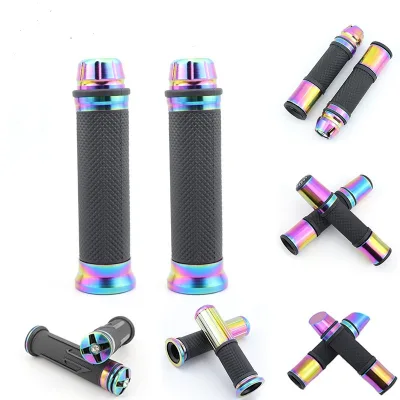
22/24MM Motorcycle Handlebar Grip
$1.80 - $2.50
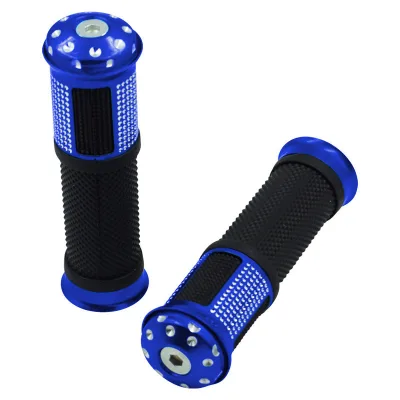

Ningbo Gaoqiao Saer Auto Parts Co., Ltd.
- Trading Company
- China Zhejiang
- Lead time30 days
- Avg. response≤ 3h
Main productsBicycle Accessories, Motorcycle Parts, LED Light, Auto Parts, Mechanical Hardware Tools, Electronics
Main marketsSouth America,Africa,Southeast Asia/ Mideast,East Asia(Japan/ South Korea),Europe,Australia,North America
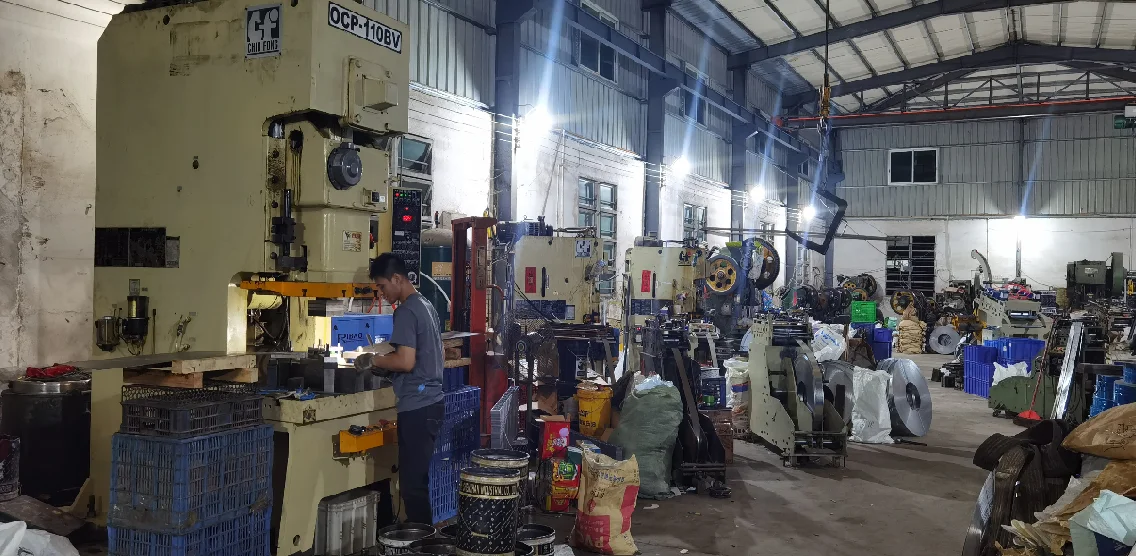
Guangzhou Jinbalai Trading Co., Ltd.
- Manufacturer, Trading Company
- Guangdong, China
- Lead time3 days
- Avg. response≤ 2h
Main productsMotorcycle Mirror,Motorcycle Grips,Motorcycle CNC Parts,Motorcycle Light,Motorcycle Brackets
Main marketsSouth Asia(30.00%), Western Europe(20.00%), North America(20.00%), South America(20.00%), Africa(10.00%)
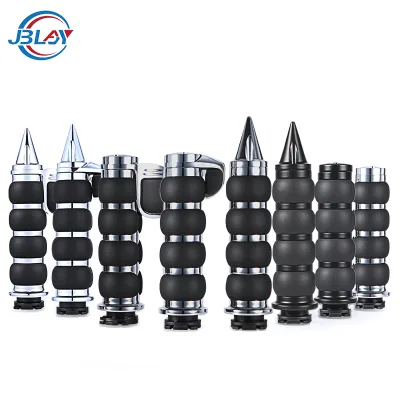
Fit for 25mm Handlebar Motorcycle Aluminum Rubber Universal Non-Slip Handle Throttle Grip
$6.928 - $7.4441
MOQ: 2 Minimum
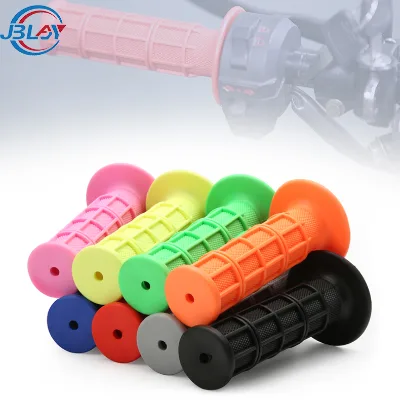
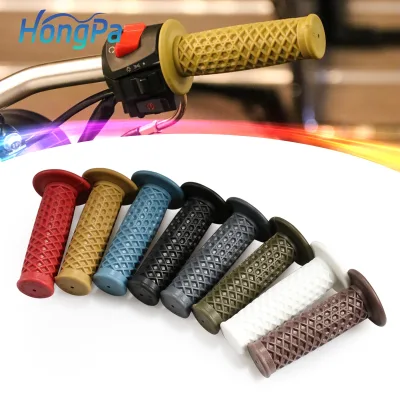
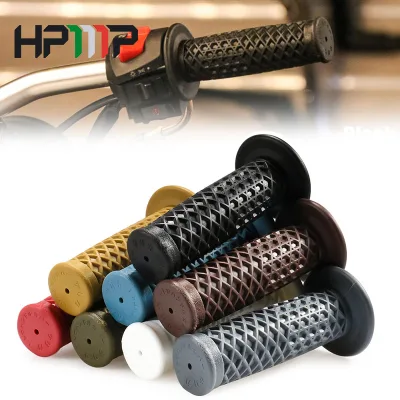
8 Colors Hand Grips Fit for Motocross Scooter Off Road Motorcycle Soft Rubber 22mm Handle Bar Grips
$0.8198 - $1.0233
MOQ: 2 pairs
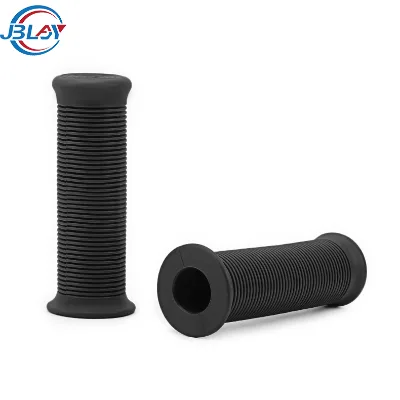
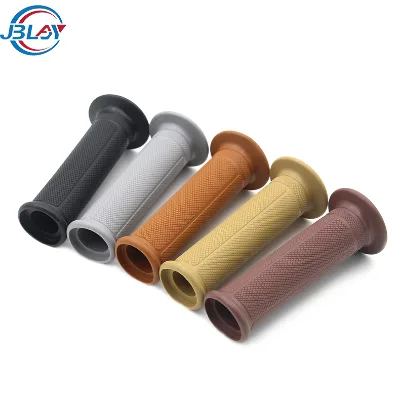
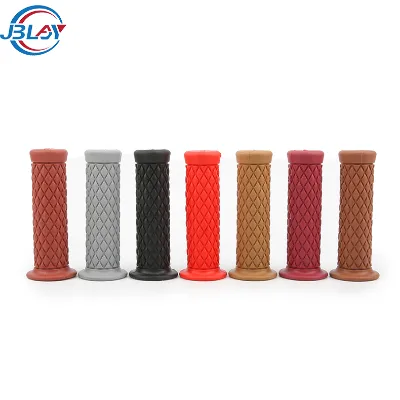
$0.8228 - $1.3374
MOQ: 2 pairs
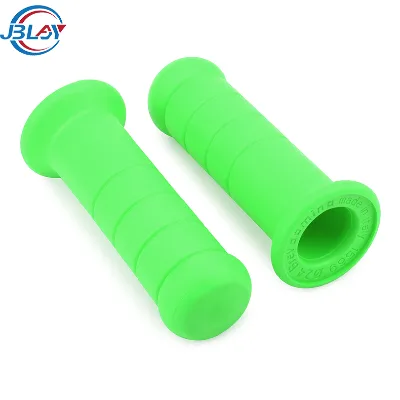
Guangzhou Jiepu Commercial Co., Ltd.
- Trading Company
- guangdong, China
- Lead time15 days
- Avg. response≤ 7h
Main productsMotorcycle Mirror, Motorcycle Exhaust, Motorcycle Handlebar, Motorcycle Grips, Motorcycle Accessories
Main marketsNorth America(30.00%), Africa(18.00%), Eastern Asia(15.00%), Southeast Asia(12.00%), South America(10.00%), Oceania(6.00%), Western Europe(5.00%), Mid East(4.00%)
Chongqing Hanfan Technology Co., Ltd.
- Trading Company
- Chongqing, China
- Lead time7 days
- Avg. response≤ 5h
Main productsMotorcycle parts,Electric Motorcycle,Motorcycle Motor,Electronic motorcycle Motor,Hub Motor
Main marketsWestern Europe(20.00%), North America(20.00%), Northern Europe(10.00%), Southern Europe(10.00%), Eastern Europe(10.00%), South America(5.00%), South Asia(5.00%), Central America(5.00%), Southeast Asia(5.00%), Eastern Asia(3.00%), Mid East(3.00%), Africa(2.00%), Oceania(2.00%)
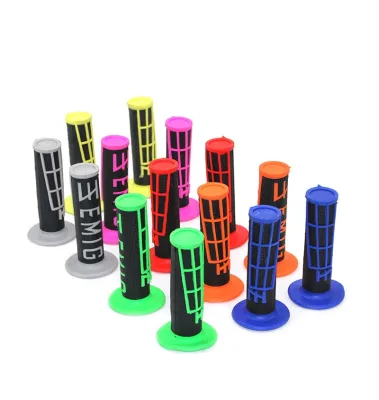
Universal 7/8" 22MM CNC Motorcycle Handle Bar Motorbike Handlebar Grips
$0.8378 - $1.3614
MOQ: 200 pairs
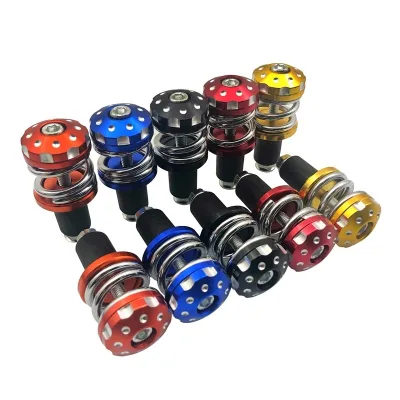
22mm Universal New Spring Type Motorcycle Handle Grip Ends Anti-vibration Handle
$1.00 - $1.38
MOQ: 200 pairs

Yiwu Xueyan Outdoor Products Co., Ltd.
- Trading Company
- Zhejiang, China
- Lead time15 days
- Avg. response≤ 19h
Main productsBike light,Bike wheel light,Handlight,Pinch light,Lamps
Main marketsNorth America(50.00%), Eastern Europe(26.00%), Western Europe(10.00%), South America(10.00%), Southern Europe(3.00%)
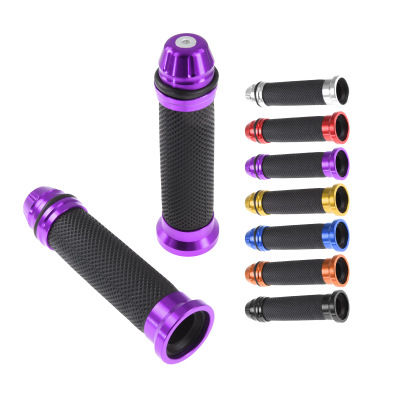
Universal Rubber Motorcycle Handlebar Grips 7/8'' 22MM Motorcycle Handle Grip
$1.28 - $1.58
MOQ: 50 pairs
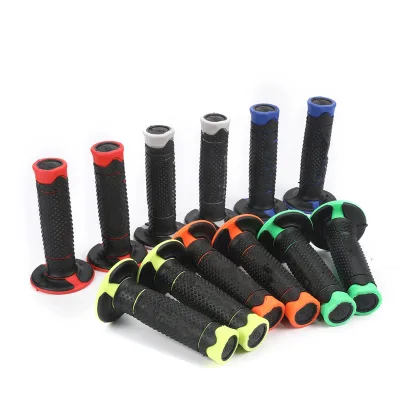
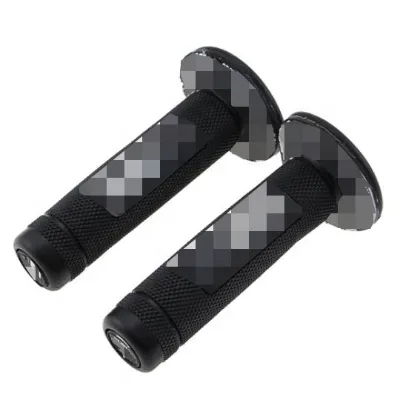
Motorcycle Hand Grips Motorcycle Hand Grips Handle Bar 7/8" HANDLEBAR RUBBER GEL Grips
$0.85 - $1.00
MOQ: 50 pairs
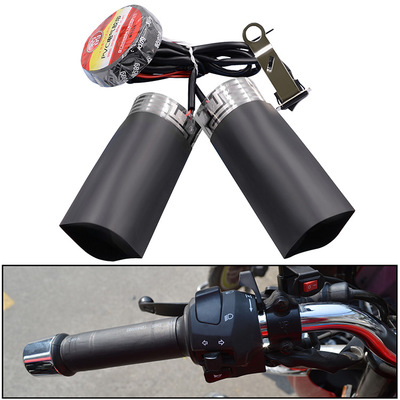
12V Motorcycle Electric Heated Grips Pads
$2.05 - $2.25
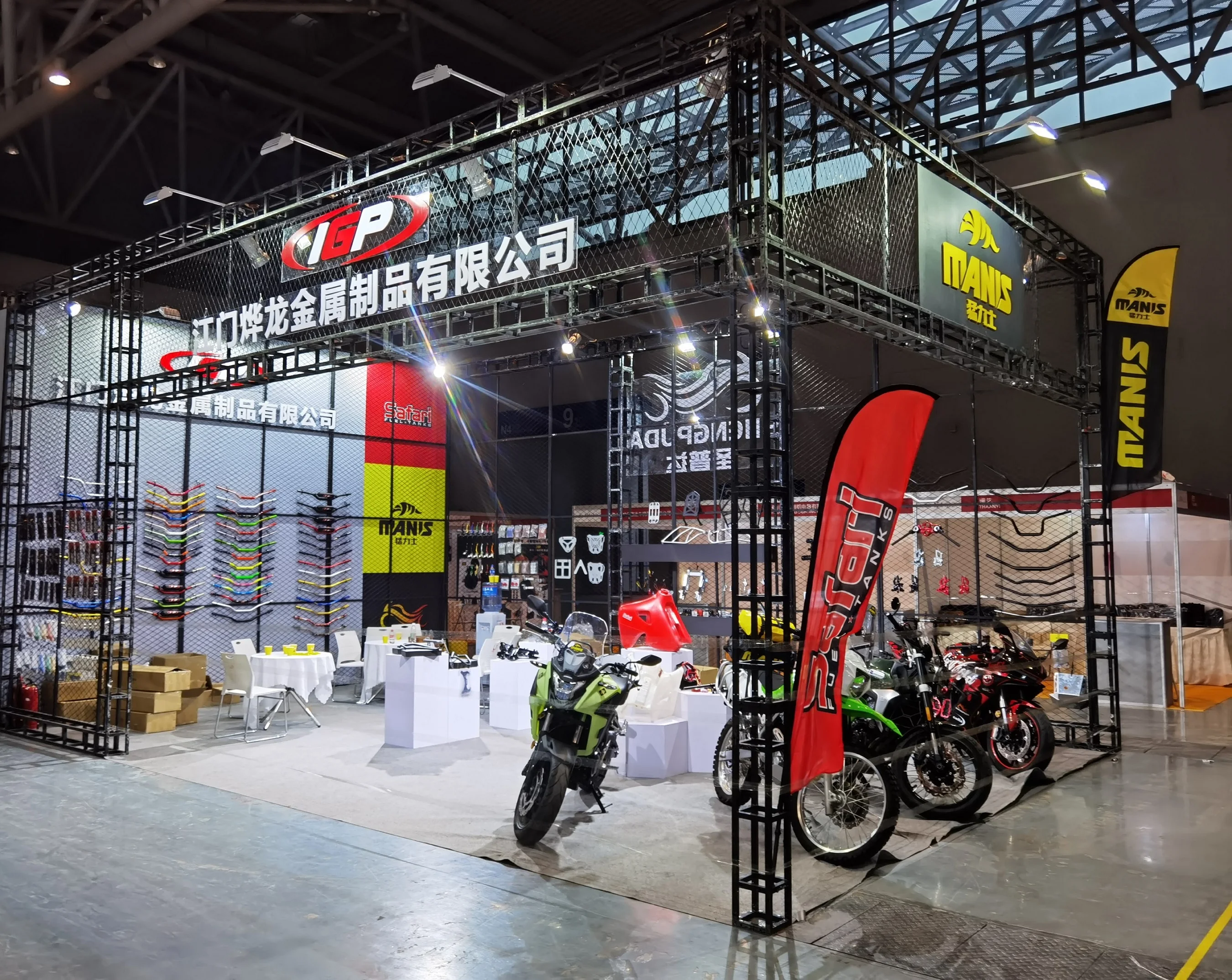
Jiangmen Yelong Metal Products Co., Ltd
- Manufacturer, Trading Company
- Guangdong, China
- Lead time40 days
- Avg. response≤ 14h
Main productsHandle bar,Motorcycle Levers,Risers Clamp,Dirtbike Footpeg,Motorccyle Throttle
Main marketsDomestic Market(60.00%), Eastern Europe(11.00%), Western Europe(8.00%), North America(5.00%), Southeast Asia(5.00%), Northern Europe(4.00%), Southern Europe(3.00%), Central America(3.00%), South America(1.00%)
Guangzhou Dongmu International Trade Co., Ltd.
- Verified by Intertek
- Trading Company
- Lead time20 days
- Avg. response≤ 7h
Main productsMotorcycle Handlebar, Motorcycle Exhaust Pipe, Motorcycle Rearview Mirror, Motorcycle Windscreen, Motorcycle Light
Main marketsWestern Europe(35%), South America(25%), North America(15%)

TTP Power Development Co., Ltd.
- Verified by SGS
- Trading Company
- China Guangdong
- Lead time30 days
- Avg. response≤ 9h
Main productsMotorcycle Parts, Motorcycle Accessory, Motorcycle Engine Parts, Motorcycle Body Parts, Motorcycle Electrical Parts, Pockit Bike, ATV, Scooter, Motorcycle Cylinder, Crankshaft
Main marketsEurope,North America


Universal Good Quality Motorcycle Accessories Racing Motorcycle Handle Grip
$1.20 - $3.00
MOQ: 300 Sets


Universal High Quality Motorcycle Rubber Handle Grip Motorcycle Spare Parts
$0.65 - $1.00
MOQ: 300 Sets

Qingdao Weilian Plastic & Rubber Co., LTD.
- Trading Company,Manufacturer/Factory
- China Shandong
- Lead time23 days
- Avg. response≤ 11h
Main productsRubber Sealing Strip, Rubber Metal Bonded Part, Rubber Hose, Rubber Grommet, Rubber Buffer, Rubber Bushing, Rubber Gasket Seal, Silicone Rubber Cap, Rubber Stopper
Main marketsSouth America,Eastern Europe,Mid East,North America,Southeast Asia,Eastern Asia,Western Europe


Motorcycle Bicycle Rubber Products Rubber Handlebar Hand Grip with Bar End Handle Glue
$0.10 - $0.50
MOQ: 1 Pieces

Handle Grip Bar Soft Rubber Seal Grip Rubber Handle Grip for Motorcycle Dirt Bike Racing
$0.10 - $0.50
MOQ: 1 Pieces

Soft Rubber Products Rubber Handlebar Hand Grip for Motorcycle and Motorbike
$0.10 - $0.50
MOQ: 1 Pieces


Changzhou Showhum Precision Technology Co., Ltd.
- Verified by SGS
- Manufacturer/Factory
- China Jiangsu
- Lead time45 days
- Avg. response≤ 4h
Main productsCNC Part, CNC Machine Part, Car Parts, CNC Milling Part, Plastic Products, Forged Part, Welding Part, Waterjet Cutting Parts, Motorcycle Parts, Bicycle Parts
Main marketsSouth America,Eastern Europe,Mid East,North America,Eastern Asia,Western Europe


Custom Logo Rubber High Quality Motorcycle Grip ATV Motocross Handle Grip
$1.00 - $2.80
MOQ: 2000 pieces


Guangzhou Fonsenx Technology Co.,ltd
- Manufacturer, Trading Company, Distributor/Wholesaler
- Guangdong, China
- Lead time15 days
- Avg. response≤ 5h
Main productsMotorcycles Parts,Dirt Bikes Parts,ATVS Parts,UTVS Parts,CNC Customization
Main marketsEastern Europe(20.00%), Western Europe(20.00%), North America(20.00%), South America(10.00%), Eastern Asia(10.00%), South Asia(5.00%), Africa(5.00%), Southeast Asia(5.00%)

XINGTAI WINWAY IMPORT & EXPORT TRADING CO., LTD.
- Trading Company
- China Hebei
- Lead time23 days
- Avg. response≤ 20h
Main productsMotorcycle Shock Absorber, Motorcycle Brake Shoe, Motorcycle Cable, Motorcycle Sprocket, Motorcycle Mirror, Motorcycle Speedometer, Motorcycle Headlight, Motorcycle Oil Seal, Motorcycle Spark Plug, Motorcycle Kick Staerter
Main marketsSouth America,Africa,Southeast Asia/ Mideast
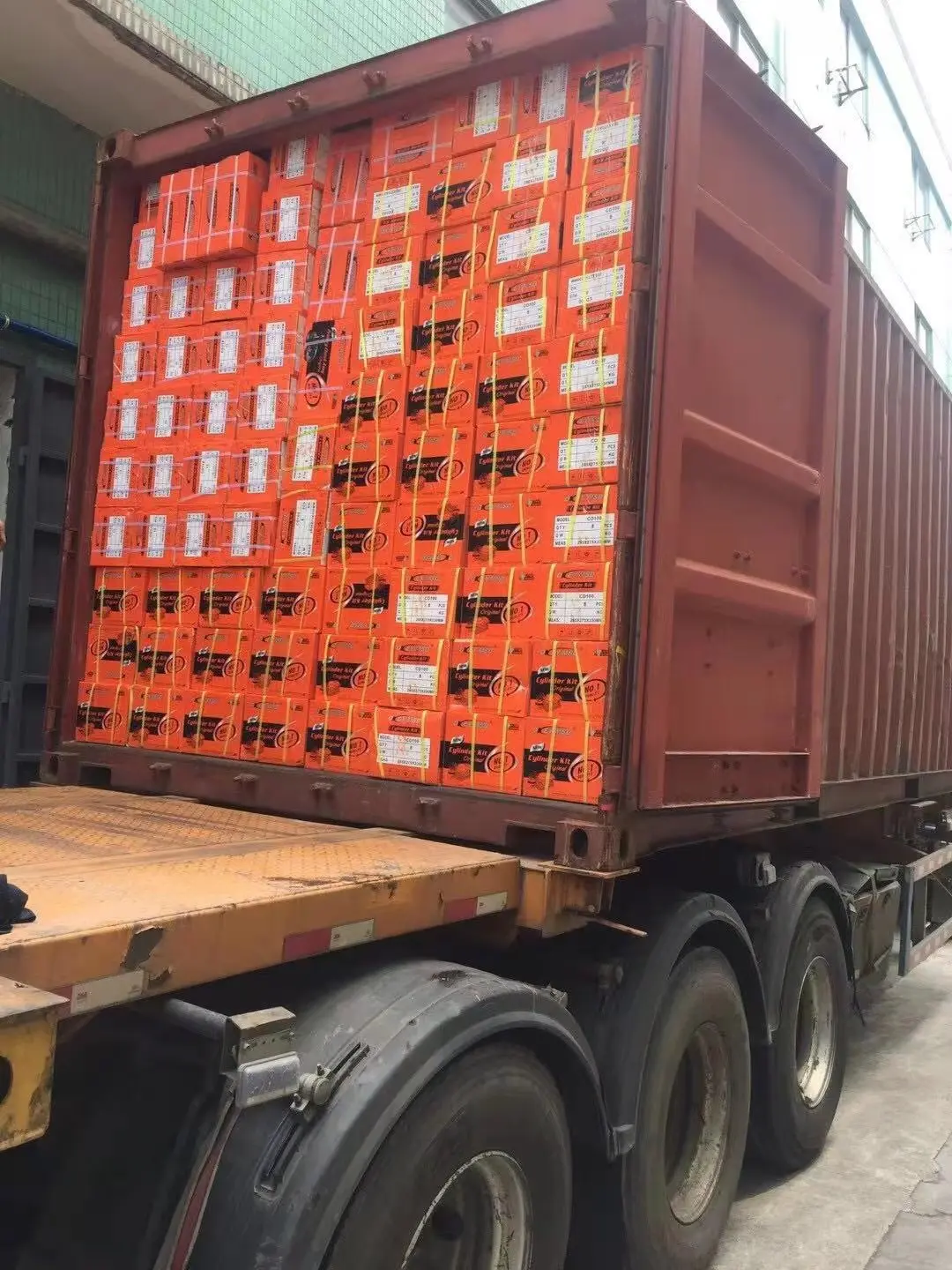
Guangzhou Gaosheng International Trading Co., Ltd.
- Manufacturer, Trading Company
- Guangdong, China
- Lead time45 days
- Avg. response≤ 10h
Main productsMOTORCYCLE SPARE PARTS,TRICYCLE PARTS,TIRE,PLASTIC PARTS,CHAIN KIT
Main marketsAfrica(60.00%), South America(15.00%), Southeast Asia(15.00%), South Asia(10.00%)
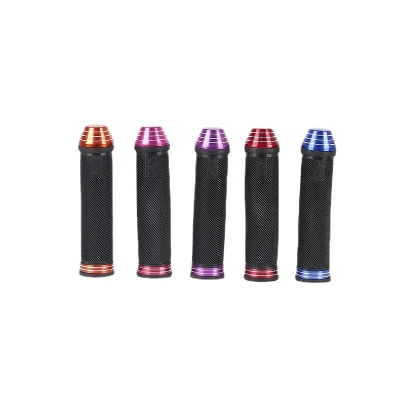
$1.20 - $1.40
MOQ: 100 Minimum
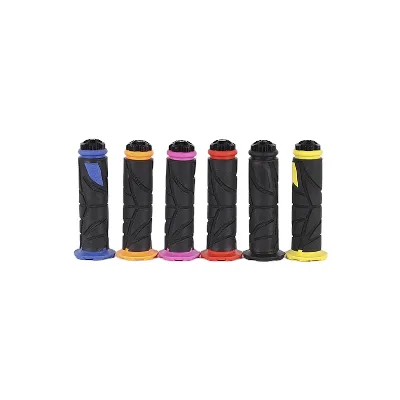
$1.00 - $1.40
MOQ: 100 pieces
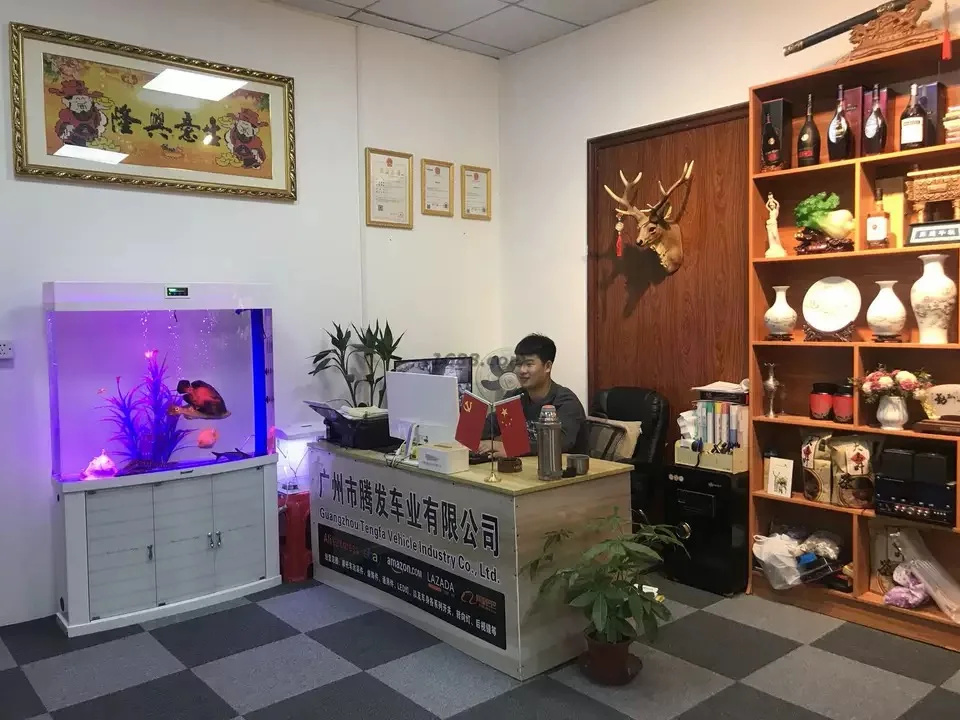
Guangzhou Tengfa Automobile Industry Co., Ltd.
- Trading Company
- Guangdong, China
- Lead time15 days
- Avg. response≤ 6h
Main productsRearview Mirror, Turn Signal, Handlebar, Hand Glue, Brake Disc
Main marketsSoutheast Asia(50.00%), Mid East(30.00%), South America(20.00%), South Asia(0.00%), Eastern Asia(0.00%), North America(0.00%), Oceania(0.00%), Western Europe(0.00%), Southern Europe(0.00%), Central America(0.00%), Northern Europe(0.00%), Africa(0.00%), Eastern Europe(0.00%), Domestic Market(0.00%)

Xiamen Neway Rubber & Plastic Products Co., Ltd.
- Verified by BV
- Combined
- China Fujian
- Lead time15 days
- Avg. response≤ 3h
Main productsPlastic Injection Molding, Plastic Parts, Silicone Rubber Parts, Gasket Seals, Rubber Grommet, Mould, O Ring, Extrusion Strip, Metal Parts, Suction Cup
Main marketsSouth America,Africa,Southeast Asia/ Mideast,East Asia(Japan/ South Korea),Europe,Australia,North America

Rubber Motorcycle Grip Motorcycle Spare Parts and Accessories Soft Handle Hand Grip Motorcycle Grip
$0.25 - $0.85
MOQ: 1 Pieces

Ningbo Eightys International Co., Ltd.
- Verified by SGS Group
- Trading Company
- Lead time30 days
- Avg. response≤ 4h
Main productsMotocycle Cover, Motorcycle Tail Boxes, Motorcycle Licences, Motorcycle Luggage Bag, Motorcycle Stickers
Main marketsSoutheast Asia(20%), North America(19%), South America(15%)
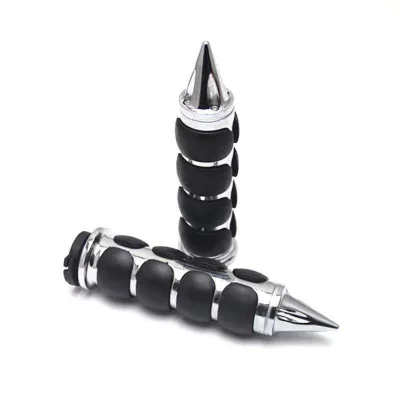
22mm 25mm Aluminium Alloy Rubber Handlebar End Cover Grip Motorcycle Handle Grip
$8.55 - $9.50
MOQ: 100 pieces
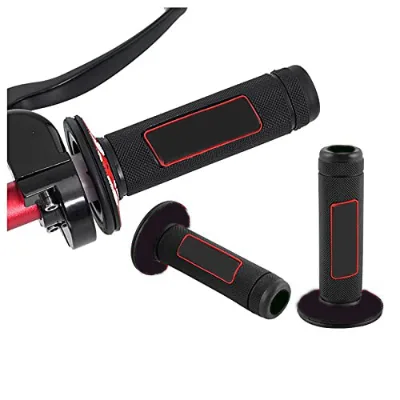
22mm Handlebar Soft Rubber Handle Grips for Universal Motorcycle Motorbike Dirt Pit Bike
$0.60 - $0.70
MOQ: 10 pieces

Ningbo Unique Parts Import & Export Co., Ltd.
- Trading Company
- Zhejiang, China
- Lead time45 days
- Avg. response≤ 4h
Main productsLED vehicle Light,LED motorcycle Light,LED bike light,outdoor lighting,portable lighting
Main marketsNorth America(25.00%), Western Europe(19.00%), Southeast Asia(12.00%), Domestic Market(10.00%), South Asia(10.00%), Oceania(8.00%), Africa(2.00%), Eastern Europe(2.00%), Southern Europe(2.00%), Northern Europe(2.00%), Central America(2.00%), South America(2.00%), Eastern Asia(2.00%), Mid East(2.00%)

Langfang Bangfei Trading Co., Ltd.
- Trading Company
- Heibei, China
- Lead time15 days
- Avg. response≤ 4h
Main productsMotorcycle brake pads,auto part,car fan,brake pad,motorcycle part
Main marketsAfrica(30.00%), Mid East(30.00%), Eastern Asia(20.00%), South America(10.00%), North America(10.00%)
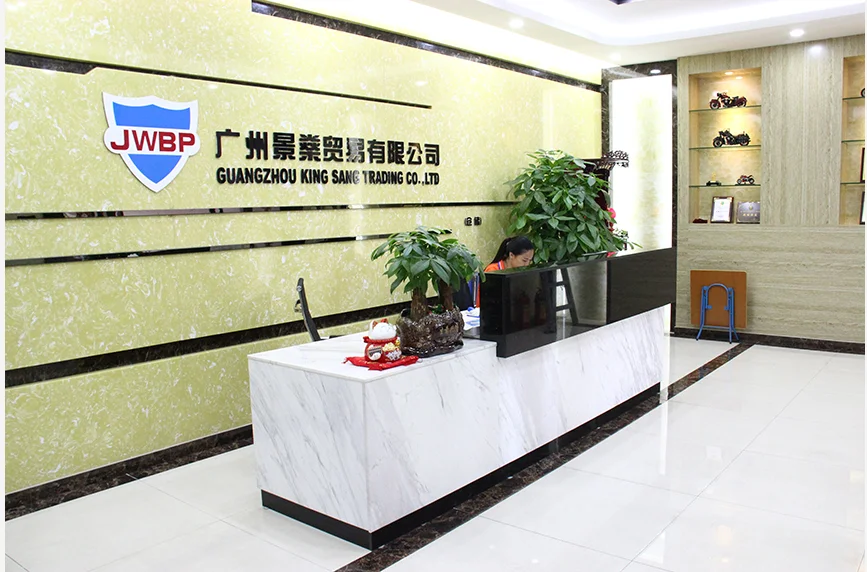
Guangzhou King Sang Trading Co., Ltd.
- Manufacturer, Trading Company, Other
- Guangdong, China
- Lead time15 days
- Avg. response≤ 19h
Main productsEngine and Engine Parts,Electric Device System,Running System,Control System,Body Parts & Accessories
Main marketsSoutheast Asia(40.00%), Africa(30.00%), South America(20.00%), North America(10.00%)

Hebei Erye Rubber and Plastic Co., Ltd.
- Verified by SGS
- Manufacturer/Factory
- China Hebei
- Lead time0 days
- Avg. response≤ 4h
Main productsCustom Plastic Parts, Injection Molding Parts, Custom Rubber Parts, Custom PU Parts, Injection Mold, Rubber Gasket, Rubber Roller, Plastic Pulley, Rubber Mount, Rubber Bellow
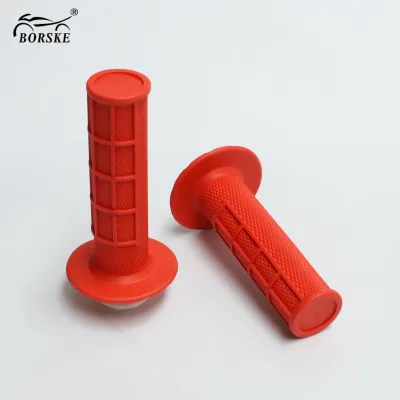


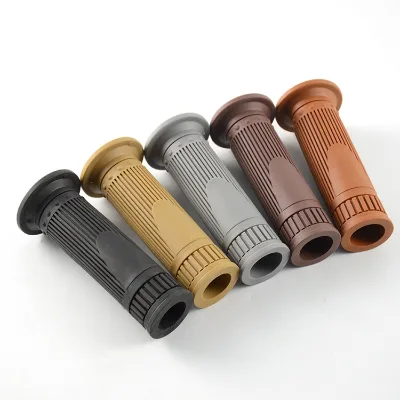
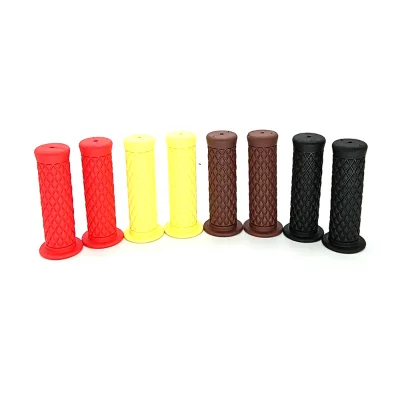
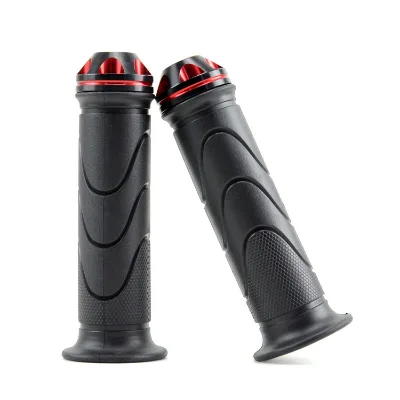


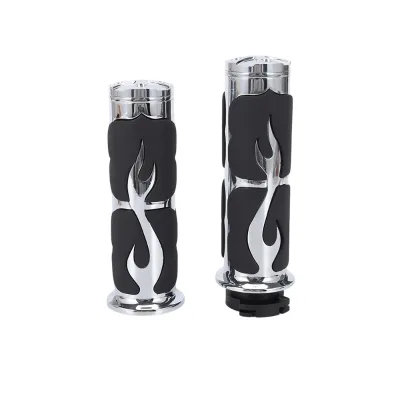
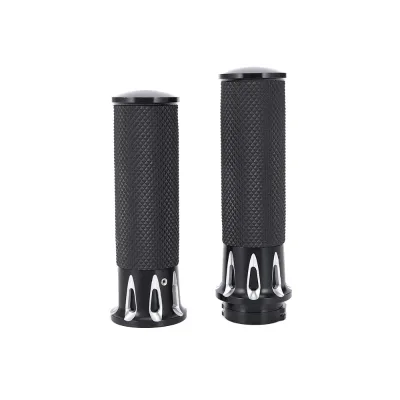
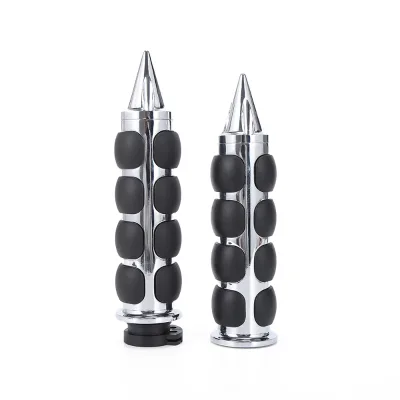


Comprehensive Sourcing Guide
Non-Slip Motorcycle Handlebar Grip Supplier Concentration and Factory Types
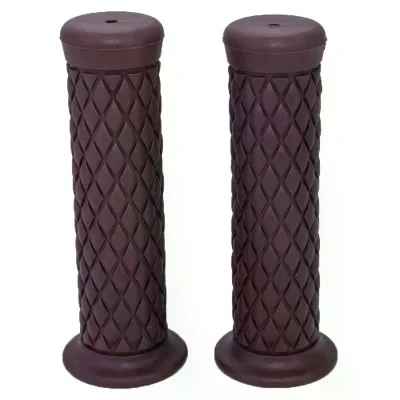
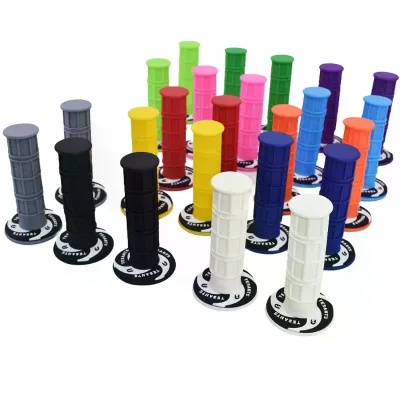
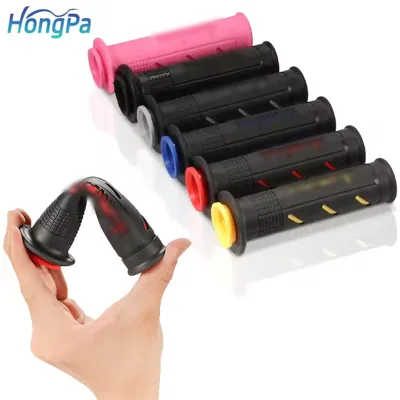
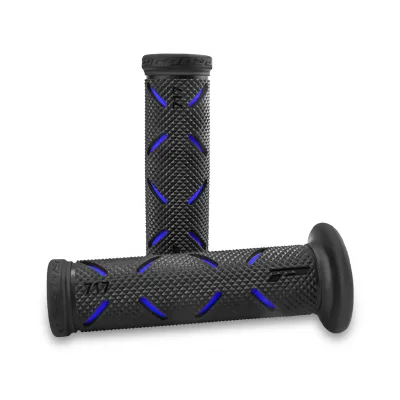
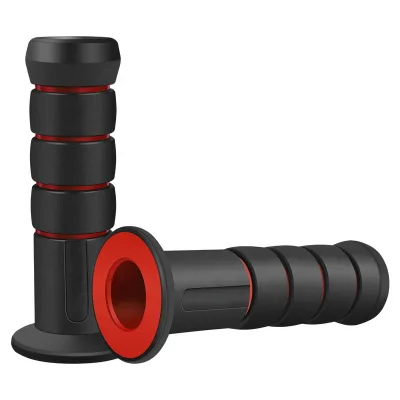
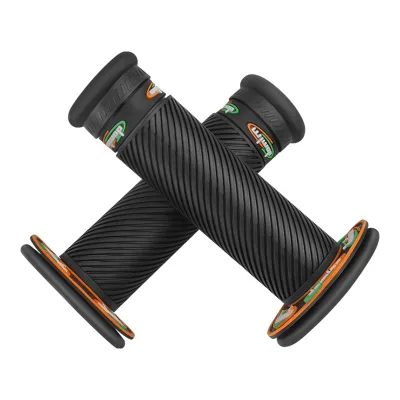
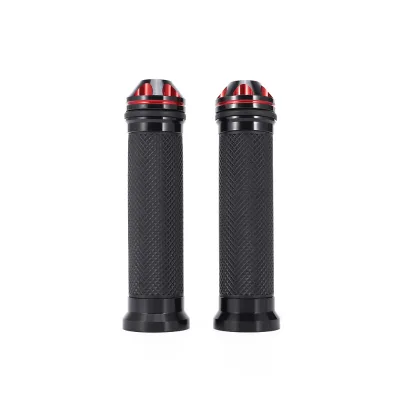
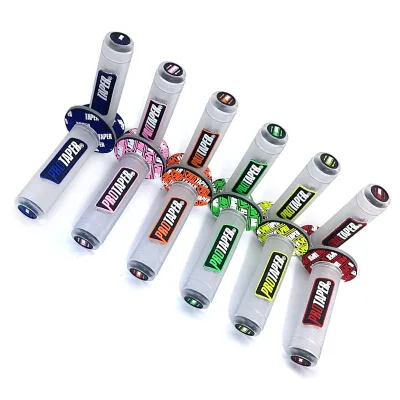
The current supplier landscape for non-slip motorcycle handlebar grips reveals a distinct concentration of manufacturing and trading entities within specific geographic regions, primarily Zhejiang and Shandong provinces in China. This geographic clustering is significant for buyers because it indicates established industrial ecosystems where raw materials, such as rubber compounds, and specialized molding machinery are readily available. Suppliers located in Zhejiang often operate as trading companies, which can offer a broader variety of product styles, including classic racer grips and colorful motocross options, by aggregating inventory from multiple smaller workshops. In contrast, suppliers in Shandong, such as those based in Qingdao, may present themselves as combined entities with stronger capabilities in original design manufacturing and original equipment manufacturing, potentially offering more robust customization services for bulk orders. Understanding this regional distinction helps buyers align their sourcing strategy with their specific needs, whether they prioritize rapid access to diverse stock or long-term partnership with a facility capable of handling complex OEM requirements.
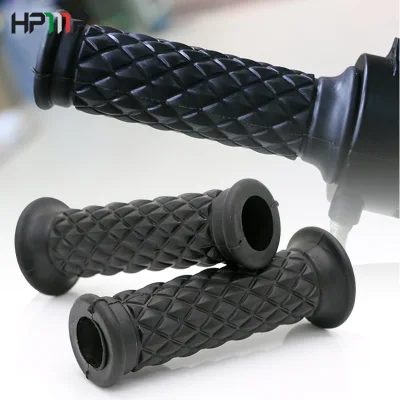
Factory types vary significantly across the available supplier base, ranging from pure trading companies to combined manufacturing and trading operations. Trading companies typically provide a wider selection of existing models, such as universal rubber grips or retro-style anti-slip handles, and may offer lower minimum order quantities for initial testing. However, they act as intermediaries, which can impact communication speed and price transparency. On the other hand, combined factories or direct manufacturers often have more control over the production process, allowing for stricter quality control and the ability to customize materials, such as specific rubber hardness or color formulations. Some suppliers explicitly list capabilities in both OEM and ODM, suggesting they can develop unique grip designs or adapt existing molds to meet specific brand requirements. Buyers should carefully review the company type listed for each supplier to determine if they are seeking a reseller of standard parts or a partner capable of producing bespoke components tailored to their specific motorcycle models or aftermarket branding needs.
How to Verify Non-Slip Motorcycle Handlebar Grip Suppliers
Verifying the legitimacy and capability of non-slip motorcycle handlebar grip suppliers requires a multi-layered approach that goes beyond simple product listings. Buyers should prioritize suppliers who provide clear evidence of their operational history and compliance with international standards. For instance, some suppliers display certifications such as CE, ISO9001, and CCC, which serve as initial indicators of their commitment to quality management systems and product safety. However, these certifications should be cross-referenced with the supplier’s actual production capacity and main product focus. A supplier listing motorcycle windshields and tail boxes alongside handlebar grips may have a different quality focus than one specializing exclusively in motorcycle parts and accessories. Buyers are advised to request recent audit reports or video tours of the production floor to confirm that the claimed manufacturing capabilities match the physical reality of the facility. This verification step is crucial for ensuring that the supplier can consistently deliver products that meet the specified material and durability requirements.
Response time and communication efficiency are also critical metrics for verifying supplier reliability. The data indicates that response times can vary, with some suppliers responding within four hours and others taking up to ten hours or more. A faster response time often correlates with a more dedicated sales team and better project management, which is essential for resolving issues related to customizations, sampling, or urgent orders. Buyers should test the supplier’s responsiveness by sending detailed inquiries about specific product attributes, such as rubber compound specifications or packaging requirements. Additionally, buyers should verify the supplier’s ability to provide samples, as many listings indicate that samples are available. Receiving and testing samples allows buyers to assess the actual grip texture, durability, and fitment before committing to a larger order. It is also important to check if the supplier offers escrow services or other payment protections, which can provide an additional layer of security for the transaction. By combining certification checks, communication testing, and sample evaluation, buyers can build a comprehensive profile of each potential supplier’s reliability and suitability for their sourcing needs.
What to Compare Across Non-Slip Motorcycle Handlebar Grip Suppliers
When evaluating multiple suppliers for non-slip motorcycle handlebar grips, buyers must compare a range of commercial and operational parameters to identify the best fit for their business. One of the most critical factors is the minimum order quantity, which can vary significantly depending on the supplier’s production model and inventory strategy. Some suppliers may require a minimum order of one thousand units, while others might accept orders for two thousand or more, particularly for customized or specialized products. Buyers should also compare the price ranges, which can fluctuate based on order volume, material quality, and customization requirements. For example, basic rubber grips may be available at lower price points, while custom-colored or branded options may command a premium. It is essential to request detailed quotations that break down costs for the product, packaging, and shipping to ensure accurate budgeting. Additionally, buyers should compare the lead times, which can be influenced by order size and seasonal demand. Suppliers may offer different lead times for peak and off-peak seasons, so understanding these variations is crucial for maintaining consistent inventory levels.
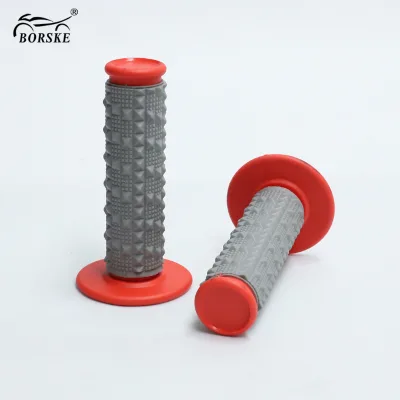
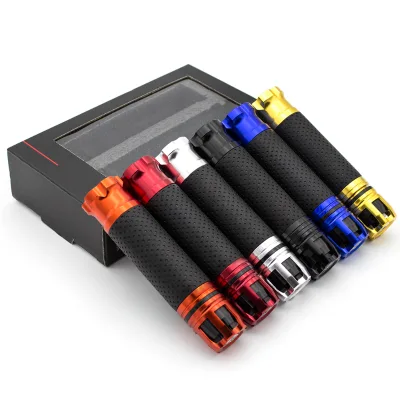
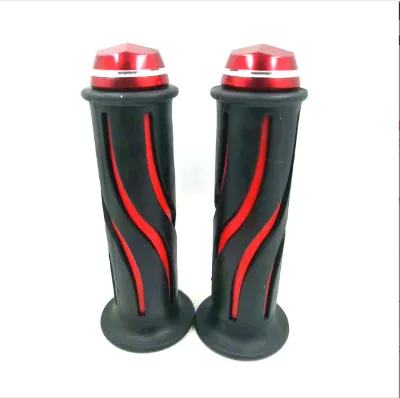
Another key area for comparison is the product specifications and customization options available. Buyers should examine the material types, such as rubber or other compounds, and the specific design features, such as anti-slip textures or ergonomic shapes. Some suppliers offer a wide range of colors and models, allowing for greater flexibility in meeting diverse customer preferences. Others may focus on specific applications, such as dirt bikes or off-road motorcycles, providing grips tailored to those environments. Buyers should also compare the packaging details, including the weight and dimensions of the packages, as this can impact shipping costs and storage requirements. Additionally, the warranty terms and after-sales support offered by each supplier should be evaluated. While many suppliers may not offer extensive warranties, those that do provide clear return policies or quality guarantees can offer greater peace of mind. By systematically comparing these factors, buyers can make informed decisions that balance cost, quality, and service, ensuring they select suppliers who can meet their specific operational and commercial requirements.
Common Non-Slip Motorcycle Handlebar Grip Sourcing Risks
Sourcing non-slip motorcycle handlebar grips from international suppliers involves several potential risks that buyers must proactively manage to ensure a smooth procurement process. One significant risk is the variability in product quality, particularly when dealing with suppliers who offer a wide range of products or lack specialized focus. Rubber grips are subject to wear and tear, and inconsistencies in material composition or manufacturing processes can lead to premature degradation or poor grip performance. Buyers may encounter issues such as uneven textures, incorrect dimensions, or colors that do not match the provided samples. This risk is heightened when working with trading companies that may source from multiple factories, making it difficult to maintain consistent quality control. To mitigate this, buyers should insist on strict quality assurance protocols, including pre-shipment inspections and detailed product specifications. Requesting detailed information about the rubber compound and testing procedures can help ensure that the grips meet the required durability and safety standards.
Another common risk is the discrepancy between quoted lead times and actual delivery dates, which can disrupt supply chains and customer satisfaction. Suppliers may underestimate the time required for production, especially during peak seasons or when handling custom orders. Additionally, shipping delays can occur due to logistical challenges, customs clearance issues, or carrier disruptions. Buyers should be aware that lead times can vary significantly based on order volume and seasonal demand, with some suppliers offering longer lead times for larger orders. To manage this risk, buyers should establish clear communication channels with their suppliers and request regular updates on production progress. It is also advisable to build buffer time into the supply chain to account for potential delays. Furthermore, buyers should verify the supplier’s shipping methods and track shipments closely to identify any issues early. By anticipating these risks and implementing robust mitigation strategies, buyers can minimize disruptions and ensure a reliable supply of non-slip motorcycle handlebar grips.
Non-Slip Motorcycle Handlebar Grip Regional Sourcing and Logistics
The regional sourcing of non-slip motorcycle handlebar grips from China offers distinct logistical advantages and challenges that buyers should carefully consider. Suppliers located in Zhejiang and Shandong provinces benefit from well-developed infrastructure and proximity to major ports, which can facilitate efficient export processes. Zhejiang, in particular, is known for its vibrant manufacturing sector and extensive network of trading companies, making it a hub for diverse product offerings. Shandong, with its strong industrial base, may offer more direct manufacturing capabilities for customized orders. Buyers should evaluate the shipping options available from these regions, including sea freight, air transport, and express delivery, to determine the most cost-effective and timely solution for their needs. Sea freight is often the most economical choice for large orders, while air transport and express delivery may be preferable for urgent or smaller shipments. Understanding the logistics landscape helps buyers optimize their supply chain and reduce overall procurement costs.
Logistics planning also involves considering the packaging and weight of the products, which can impact shipping costs and handling requirements. Suppliers typically provide detailed packaging specifications, including the dimensions and weight of each batch or single item. Buyers should use this information to calculate the total shipping volume and weight, which will influence the freight charges. Additionally, buyers should be aware of any specific packaging requirements, such as neutral packing or branded packaging, which may affect the shipping process. It is also important to verify the supplier’s ability to handle international shipping documentation and customs clearance, as errors in this area can lead to delays or additional costs. Buyers should work closely with their suppliers to ensure that all necessary documentation, such as commercial invoices and packing lists, is accurate and complete. By carefully planning the logistics and leveraging the regional advantages of Chinese suppliers, buyers can streamline their sourcing process and ensure timely delivery of non-slip motorcycle handlebar grips.
Non-Slip Motorcycle Handlebar Grip Commercial Terms and Order Planning
Effective order planning for non-slip motorcycle handlebar grips requires a thorough understanding of the commercial terms offered by suppliers, including pricing structures, payment methods, and after-sales support. Buyers should request detailed quotations that outline the unit price, minimum order quantity, and any additional costs for customization or packaging. It is important to compare these terms across multiple suppliers to identify the most competitive offers. Some suppliers may offer discounts for larger orders or repeat customers, which can significantly reduce the overall cost. Buyers should also clarify the payment terms, such as the percentage of upfront payment and the balance due upon shipment or delivery. Using secure payment methods, such as escrow services, can provide an additional layer of protection for the transaction. Additionally, buyers should inquire about the supplier’s return policy and warranty terms, as these can impact the long-term cost of ownership.
Order planning also involves forecasting demand and managing inventory levels to ensure a consistent supply of non-slip motorcycle handlebar grips. Buyers should analyze historical sales data and market trends to estimate future demand, taking into account seasonal variations and potential changes in customer preferences. By maintaining a buffer stock, buyers can mitigate the risk of stockouts and ensure that they can meet customer orders promptly. It is also important to establish a regular ordering schedule with suppliers to streamline the procurement process and reduce administrative overhead. Buyers should communicate their forecasted demand to their suppliers well in advance, allowing them to plan production and allocate resources accordingly. Additionally, buyers should monitor the supplier’s performance and adjust their ordering strategy as needed to optimize costs and service levels. By implementing robust order planning and commercial term management, buyers can build a resilient and efficient supply chain for non-slip motorcycle handlebar grips.
FAQs
What is the price range for non-slip motorcycle handlebar grips?
Prices for these grips typically range from $0.70 to $1.40 per unit. The cost varies based on material quality, color options, and order volume. Buyers can find budget-friendly rubber options starting at $0.70, while specialized custom designs may cost up to $1.40. Always verify the final price with the supplier before placing an order.
What is the minimum order quantity for these grips?
Minimum order quantities vary by supplier, with some requiring as few as 1000 units and others setting the threshold at 2000 units. Bulk orders often allow for better pricing and customization options. Buyers should check the specific MOQ requirements for each product listing to ensure their order size meets the supplier's minimum production standards.
How long does it take to receive an order?
Lead times generally range from 15 to 30 days depending on the order quantity and season. For smaller orders under 1000 units, production usually takes about 15 to 30 days. Larger orders exceeding 1000 units may require negotiation for delivery schedules. Buyers should confirm the exact timeline with the supplier to plan their inventory effectively.
Where are these motorcycle grips manufactured?
Most non-slip motorcycle handlebar grips are manufactured in China, with specific production hubs in Zhejiang and Shandong provinces. These regions are known for their robust manufacturing capabilities and supply chains for vehicle parts. Buyers can expect products originating from Mainland China, ensuring consistent quality and availability for international sourcing needs.
What certifications do these grips have?
Some suppliers offer grips certified with CE, ISO9001, and CCC standards. These certifications indicate compliance with international quality and safety regulations. Buyers looking for specific standards should verify the certification details with the supplier. Not all products may carry these certifications, so it is essential to check the product specifications before purchasing.
Can I customize the color of the grips?
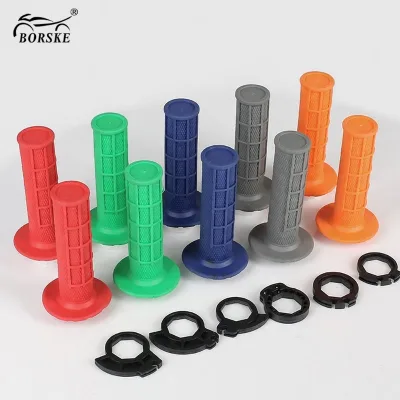
Yes, many suppliers offer customization options for colors, including black, red, blue, and other vibrant shades. Some manufacturers provide fully customized color services to match specific branding or design requirements. Buyers should discuss their color preferences with the supplier to ensure the final product meets their aesthetic and functional needs.