Aluminum Alloy Polished Cutting Plotter Blade and Holder Suppliers and Manufacturers
Compare 26 verified suppliers offering Aluminum Alloy Polished Cutting Plotter Blade and Holder with attributes like material, warranty, and origin. Review product specs and response times to select a vendor for your vinyl cutter needs; review the available evidence before requesting comparable quotations from suitable candidates.
Updated
Suppliers List
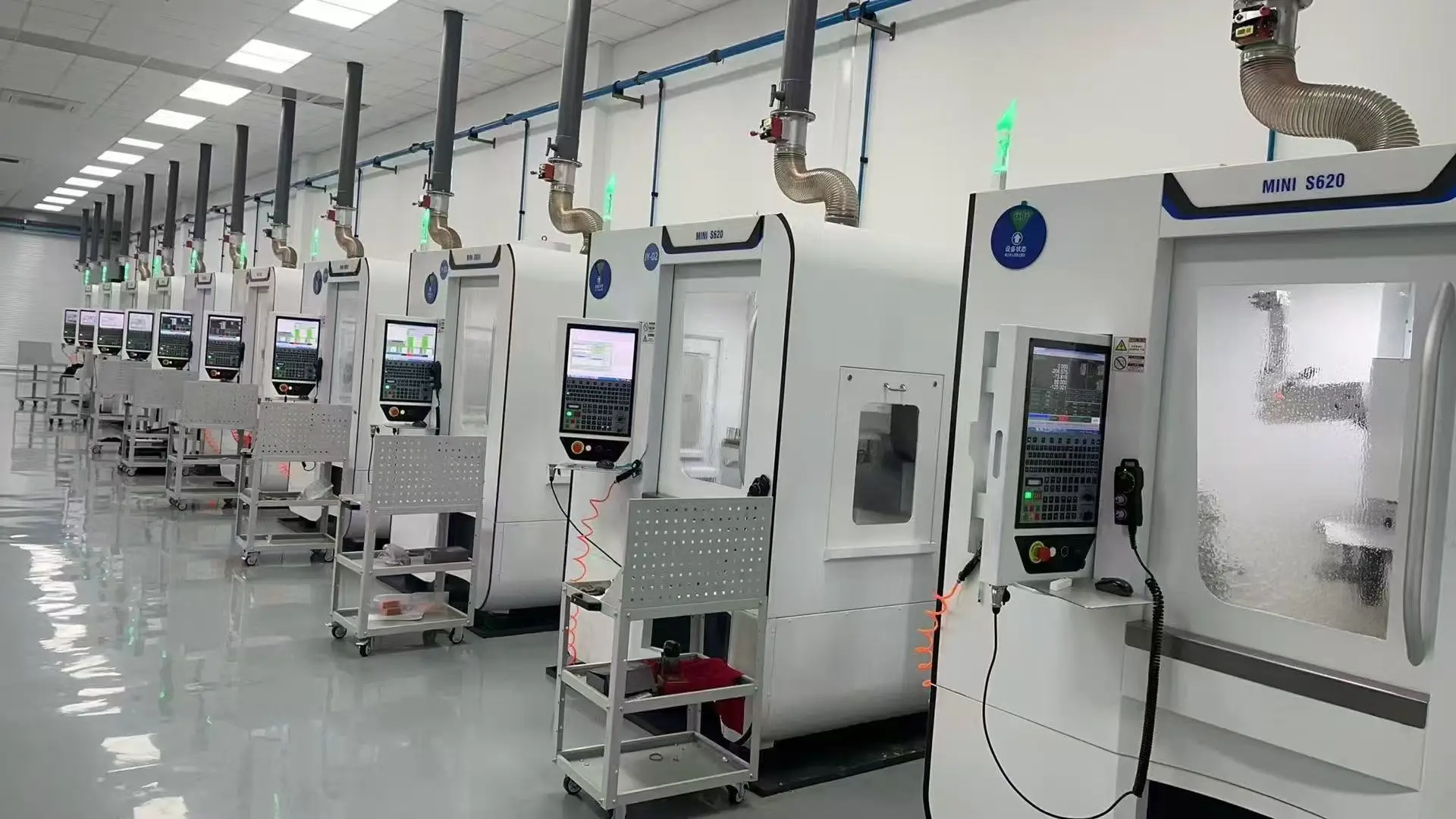
Jishan Songjie Diamond Tools Co., Ltd.
- Manufacturer, Trading Company
- Shanxi, China
- Lead time7 days
- Avg. response≤ 21h
Main productsCNC Router End Mill Bits,Cemented Carbide Blade,Glass Tools,Drill Bits,vinly plotter blade and holder
Main marketsDomestic Market(37.00%), North America(10.00%), Northern Europe(10.00%), South America(10.00%), Eastern Europe(8.00%), Southeast Asia(5.00%), Central America(5.00%), Oceania(3.00%), Western Europe(3.00%), Eastern Asia(3.00%), Southern Europe(2.00%), South Asia(2.00%), Mid East(1.00%), Africa(1.00%)
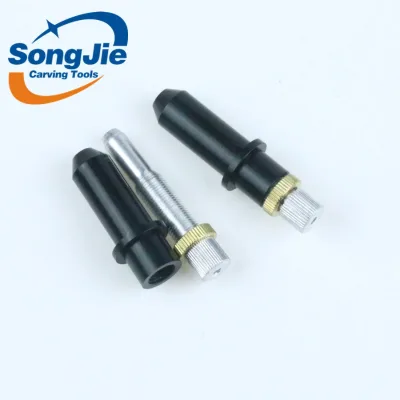
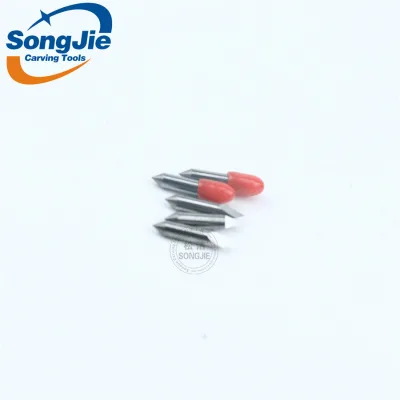
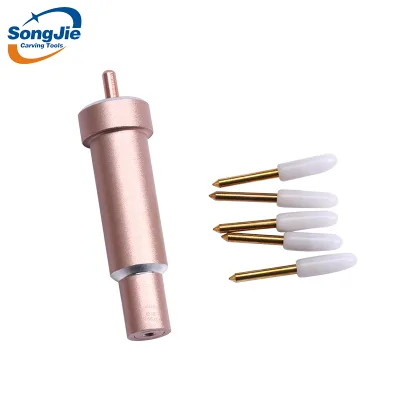
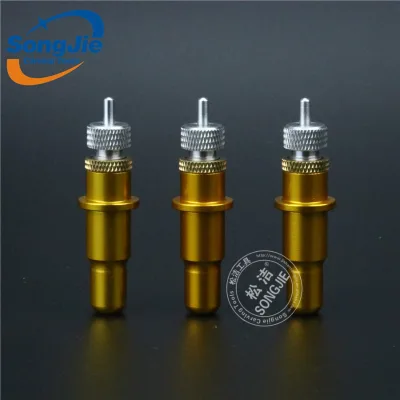
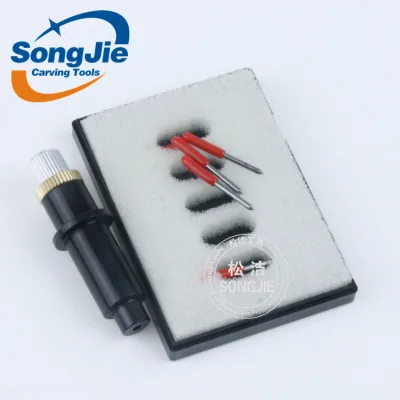
Inkjet Printer Cutting Blade Cemented Carbide Mimaki Cutting Plotter Blade
$0.2713 - $0.3343
MOQ: 20 pieces

- Verified by BV
- Manufacturer/Factory
- China Guangdong
- Lead time15 days
- Avg. response≤ 3h
Main productsEco Solvent Ink, I3200 Printhead, I1600 Printhead, XP600 Printhead, Dtf Ink, Eco Solvent Printer, Dtf Printer, UV Dtf Printer, UV Printer, Dx5 Printhead
Main marketsSouth America,Eastern Europe,Mid East,North America,Southeast Asia,Eastern Asia,Oceania,Western Europe,Africa

5 Pieces Roland Cutting Plotter Blade and 1 Piece Roland Vinyl Cutter Blade Holder
$1.00 - $1.50
MOQ: 1 Pieces

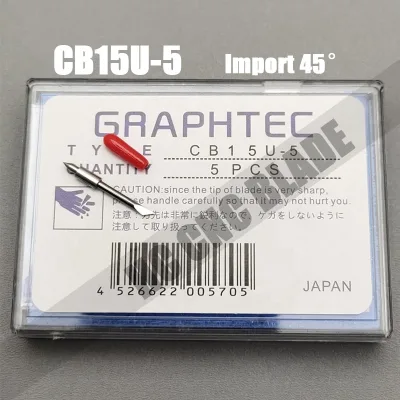
45degree 30degree 60degree Graphtec Plotter Blade CB15u Cutting Blade and Holder
$1.50 - $2.00
MOQ: 1 Pieces


Roland Cutting Plotter Blades 30 45 60 Degree Cuchillas PARA Plotter Roland
$1.00 - $1.50
MOQ: 1 Pieces
Guangzhou Diaoke Automation Equipment Co., Ltd.
- Manufacturer, Distributor/Wholesaler
- Guangdong, China
- Lead time0 days
- Avg. response≤ 13h
Main productsmilling cutter,CNC accessories
Main marketsNorth America(25.00%), Western Europe(15.00%), Eastern Europe(10.00%)
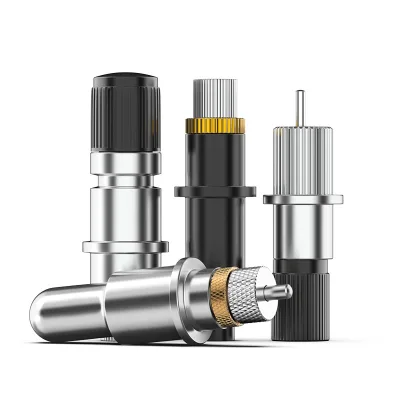
Plotter Holder Roland Blade Knife Holder Protector Cutting Machine Knife Blade Holder 3507
$3.70 - $3.90
MOQ: 200 boxes
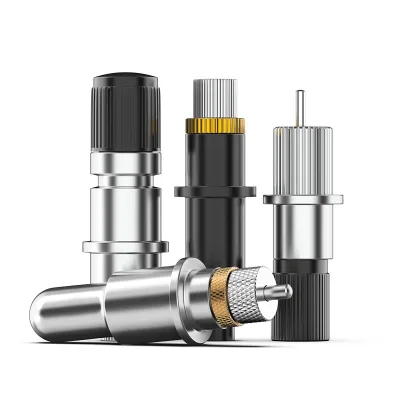
Liyu Plotter Blade Holder Cutting Plotter Vinyl Cutter Blade Holder for Roland/Graphtec 409240106
$4.10 - $4.70
MOQ: 20 boxes
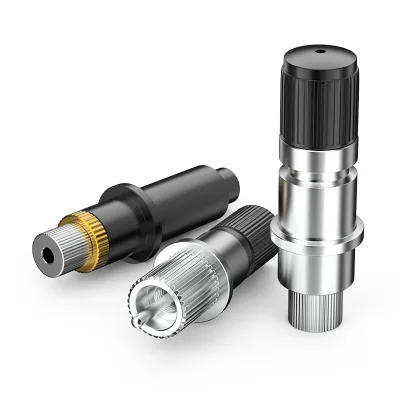
Holder Roland Liyu Mimaki CB09U CB15U Cutter Plotter Cutting Plotter Blade Roland Blade Holder 3507
$3.80 - $4.19
MOQ: 200 boxes
Xuchang Dtwin Machinery Co.,Ltd
- Trading Company
- Henan Province, China
- Lead time3 days
- Avg. response≤ 3h
Main productsmachine,printing material,transfer paper,printer accessories,electronic products
Main marketsNorth America(28.00%), Southeast Asia(19.00%), South Asia(16.00%), Africa(6.00%), Oceania(5.00%), Eastern Europe(5.00%), Southern Europe(4.00%), Central America(4.00%), Northern Europe(4.00%), Eastern Asia(3.00%), Western Europe(2.00%), Mid East(2.00%), Domestic Market(1.00%), South America(1.00%)
Guangzhou LETOP International Trade Co., Ltd.
- Verified by SGS
- Combined
- China Guangdong
- Lead time45 days
- Avg. response≤ 2h
Main productsInkjet Printer, Printing Ink, Printing Material, Print Head, Printer Board Kit, Inkjet Printer Spare Parts
Main marketsSouth America
Shenzhen Aiduoduo Technology Co., Ltd.
- Verified by SGS Group
- Manufacturer, Trading Company
- Lead time15 days
- Avg. response≤ 11h
Main productsCutting Machine, Screen Protector Cutting Machine, Heat Press Machine, Cutting Plotter, Handle Laser Machine
Guangzhou Jeefoo Tool Co., Ltd.
- Manufacturer, Trading Company
- Guangdong, China
- Lead time5 days
- Avg. response≤ 2h
Main productsCNC router Bits,Engraving Bits,Tapered ball nose tools,One flute spiral bits Two flute spiral bits,Zund blade ESKO blades Oscillating knife
Main marketsMid East(20.00%), North America(16.00%), South America(15.00%), Domestic Market(10.00%), South Asia(10.00%), Central America(5.00%), Africa(5.00%), Eastern Asia(5.00%), Southern Europe(5.00%), Northern Europe(5.00%), Western Europe(1.00%), Southeast Asia(1.00%), Eastern Europe(1.00%), Oceania(1.00%)
- Manufacturer, Trading Company
- Shanxi, China
- Lead time7 days
- Avg. response≤ 2h
Main productsadvertising engraving cutter,PCD diamond stone tools,woodworking tools,computer lettering knife,carving machine accessories
Main marketsDomestic Market(39.00%), Northern Europe(20.00%), North America(10.00%), Africa(7.00%), Southeast Asia(6.00%), Eastern Asia(5.00%), South Asia(5.00%)
Lixian Chengyuan Electronic Technology Co., Ltd.
- Trading Company
- Hunan, China
- Lead time7 days
- Avg. response≤ 1h
Main productsPrinter parts,PCB board,Data cable,Print head,sub ink tank
Main marketsNorth America(40.00%), Africa(30.00%), Central America(20.00%), Northern Europe(10.00%)
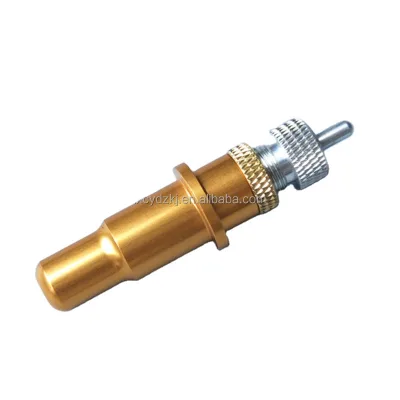
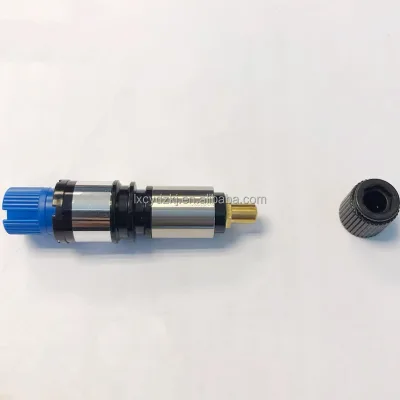
$165.00 - $295.00
MOQ: 1 pieces

Hefei Gere-Tech International Co., Ltd.
- Group Corporation
- China Anhui
- Lead time23 days
- Avg. response≤ 13h
Main productsVinyl Cutter, Cutting Plotter, Inkjet Printer, Grommet Machine, Laser Engraving Machine, Auto-Feeding Label Cutting Machine, Heat Press Machine
Main marketsSouth America,Eastern Europe,Mid East,North America,Southeast Asia,Eastern Asia,Oceania,Western Europe,Africa

Guangzhou Sailai Digital Technology Co., Ltd.
- Manufacturer, Trading Company
- Guangdong, China
- Lead time7 days
- Avg. response≤ 2h
Main productsInkjet Printer
Main marketsSoutheast Asia(30.00%), South Asia(20.00%), South America(10.00%), North America(9.00%), Africa(7.00%), Mid East(7.00%), Domestic Market(6.00%), Southern Europe(5.00%), Northern Europe(5.00%), Eastern Europe(1.00%)
Hangzhou Huhao Technology Co., Ltd.
- Verified by TüVRheinland
- Manufacturer, Trading Company
- Lead time4 days
- Avg. response≤ 3h
Main productsMilling Cutter, Drill Bits, Hole Saw, Wood Milling Cutter, Router Bits
Main marketsNorth America(25%), Western Europe(15%), Eastern Europe(10%)
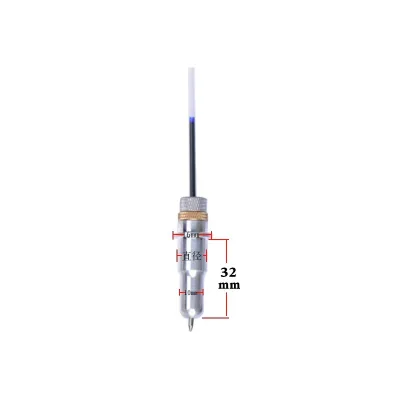
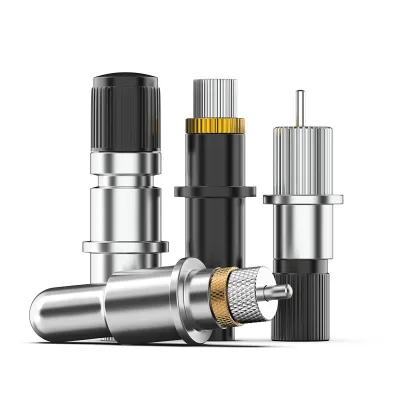
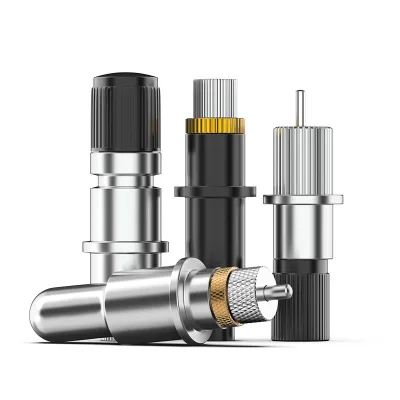
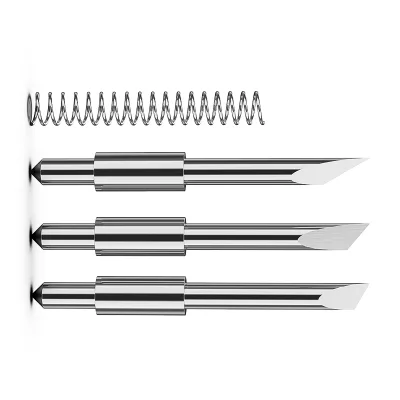
Mimaki Holder Mimaki Cutting Plotter 1pc Roller Cutting Blade and Holder 409240101
$4.10 - $4.80
MOQ: 20 pieces
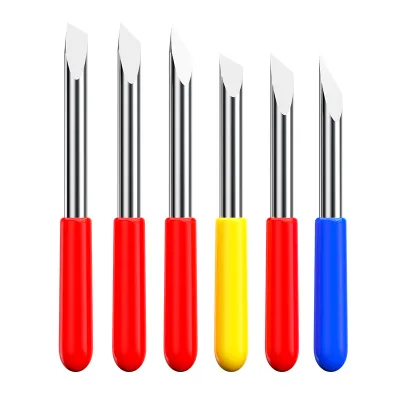
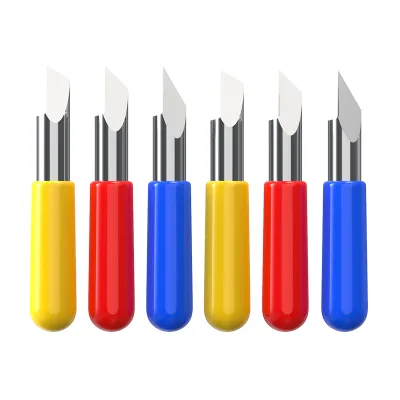
Hefei Anycut CNC Equipment Co., Ltd.
- Manufacturer, Trading Company
- Anhui, China
- Lead time15 days
- Avg. response≤ 4h
Main productscutting plotter,label cutting machine
Main marketsSoutheast Asia(10.00%)
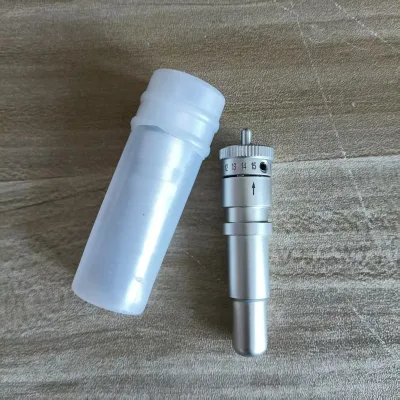
45 Degree Full Cutting Roland Blade Digital Graph Plotter Blade Used in Cutting Plotter
$2.926 - $2.968
MOQ: 1 pieces
Jishan County Kaijun Carving Tools Co., Ltd.
- Manufacturer, Trading Company
- Shanxi, China
- Lead time7 days
- Avg. response≤ 2h
Main productsColumn knife,Milling cutter,Glass cutter,CNC engraving machine cutter,Vinyl cutting plotter blade
Main marketsSouth Asia(15.00%), South America(15.00%), North America(15.00%), Domestic Market(5.00%), Eastern Europe(5.00%), Southern Europe(5.00%), Northern Europe(5.00%), Central America(5.00%), Western Europe(5.00%), Eastern Asia(5.00%), Mid East(5.00%), Oceania(5.00%), Africa(5.00%), Southeast Asia(5.00%)

Xiamen Better Carbide Industry&trade Co., Ltd.
- Manufacturer, Distributor/Wholesaler
- Fujian, China
- Lead time5 days
- Avg. response≤ 24h
Main productswire drawing dies,CNC router bits,cutting plotter blade,tungsten carbide ball,nail mould
Main marketsSouth America(20.00%), Domestic Market(15.00%), North America(15.00%), Mid East(15.00%), Central America(5.00%), Northern Europe(5.00%), Eastern Asia(5.00%), Southern Europe(5.00%), Oceania(5.00%), Africa(5.00%), South Asia(2.00%), Southeast Asia(1.00%), Western Europe(1.00%), Eastern Europe(1.00%)
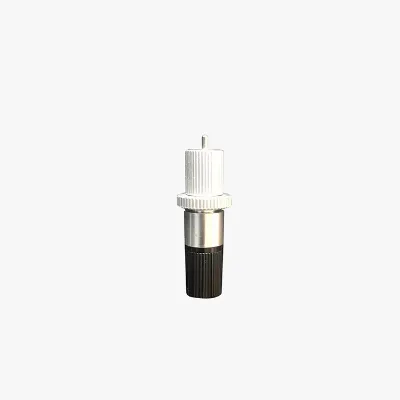
Roland Blade Holder for Roland Plotter
$7.20 - $8.00
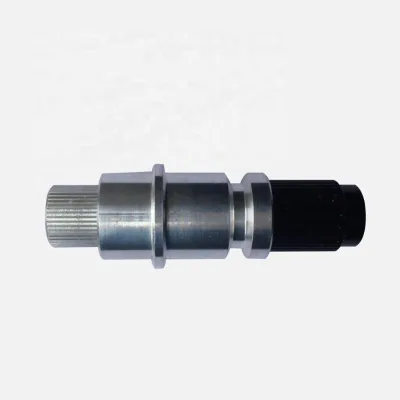

30 Degrees 15U Graphtec Cutting Blade
$2.88 - $3.20
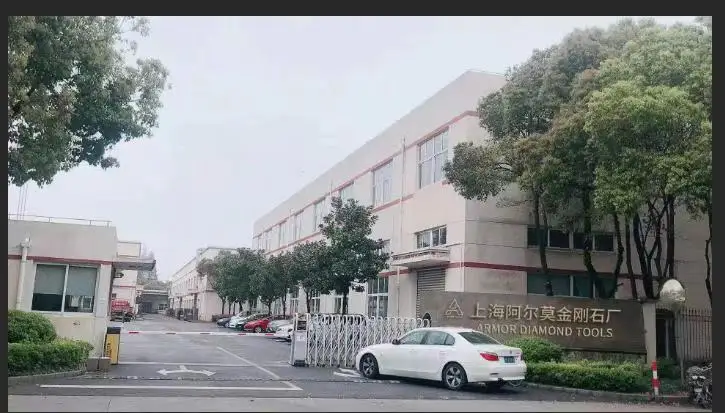
Armor Diamond Tools (shanghai) Co., Ltd
- Manufacturer, Trading Company
- Shanghai, China
- Lead time10 days
- Avg. response≤ 5h
Main productsdiamond stone milling cutter,diamond dresser,Vickers indenter,diamond Indenter,vacuum sucker
Main marketsSouth America(30.00%), Eastern Europe(20.00%), Mid East(10.00%), North America(10.00%), Domestic Market(5.00%), South Asia(5.00%), Southern Europe(5.00%), Northern Europe(5.00%), Western Europe(5.00%), Eastern Asia(5.00%)

Jilin Lu'an Technology Co., Ltd.
- Verified by SGS
- Trading Company
- China Guangdong
- Lead time15 days
- Avg. response≤ 9h
Main productsConsumer Electronics
Main marketsEurope
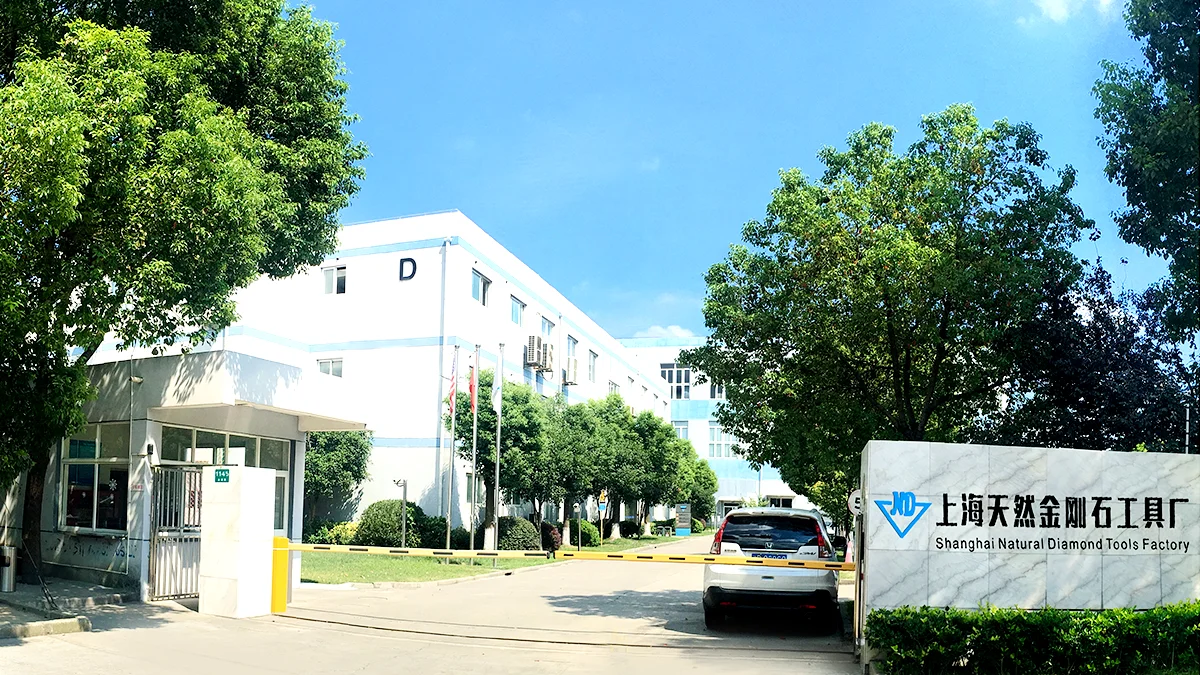
Shanghai Natural Diamond Tools Factory
- Trading Company
- Shanghai, China
- Lead time5 days
- Avg. response≤ 7h
Main productsdiamond tool,glass tool,diamod cutting tools,diamond indenter,diamond dresser
Main marketsNorth America(15.00%), Western Europe(12.00%), South America(10.00%), Mid East(10.00%), Eastern Asia(9.00%), Southeast Asia(9.00%), Eastern Europe(8.00%), Oceania(7.00%), Africa(6.00%), South Asia(5.00%), Central America(3.00%), Southern Europe(3.00%), Northern Europe(3.00%)
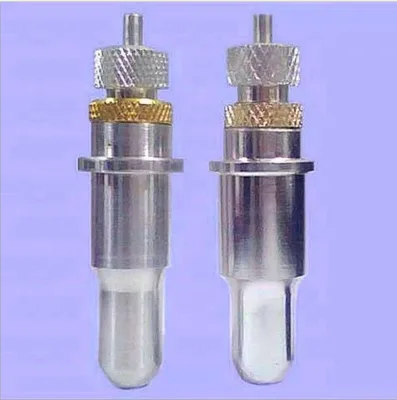
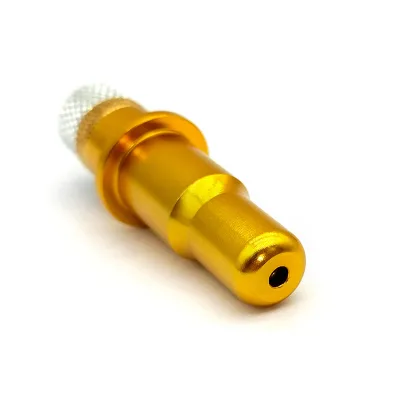
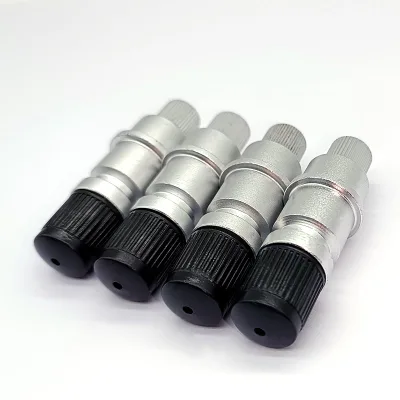
Graphtec Blade Cb09 Cb15 Holders Stainless Steel Plotter Cutting Machine Use
$2.95 - $3.20
MOQ: 500 pieces

Naseiko Intelligent Technology (Shenzhen) Co., Ltd
- Verified by SGS
- Trading Company,Manufacturer/Factory
- China Guangdong
- Lead time45 days
- Avg. response≤ 4h
Main productsCNC Grinding Machine, Carbide Tool, Carbide Burr, Carbide Machine Knives, Tungsten Burrs, CNC Tool Grinder, Rotary Deburring Tools, Rotary Burr, Rotary Files, Milling Cutter
Main marketsSouth America,Eastern Europe,Mid East,North America,Southeast Asia,Eastern Asia,Western Europe

Zhuzhou Sunrise Hardmetal Tools Co., Limited
- Trading Company
- China Hunan
- Lead time30 days
- Avg. response≤ 6h
Main productsTungsten Carbide Cutter, Tungsten Carbide Rod, Tungsten Carbide Ball, Tungsten Carbide Blade, Tungsten Carbide Mould, Tungsten Wire, Tungsten Carbide Strip, Tungsten Carbide Plate, Tungsten Carbide Nozzle, Tungsten Carbide Wooden Cutter
Main marketsSouth America,Africa,Southeast Asia/ Mideast,East Asia(Japan/ South Korea),Europe

Anhui Ucut Precision Machinery Co., Ltd.
- Verified by TUVRHEINLAND
- Combined
- China Anhui
- Lead time23 days
- Avg. response≤ 11h
Main productsCarbide Blades, Carbide Tipped Blade, Tct Planer Blades, Log Saw Blades, Circular Knives, Slitting Knives, Straight Knives, Pelletizing Knives, Granulator Blades, Cardboard Cutting Blade
Main marketsDomestic
Yuncheng Qingchen Trading Co., Ltd.
- Trading Company
- Shanxi, China
- Lead time14 days
- Avg. response≤ 2h
Main productsplotter blade,plotter blade holder,drill bits,glass cutter,miling cutter
Main marketsDomestic Market(20.00%), North America(20.00%), South America(10.00%), Northern Europe(10.00%), Western Europe(10.00%), Mid East(10.00%), Eastern Europe(10.00%)
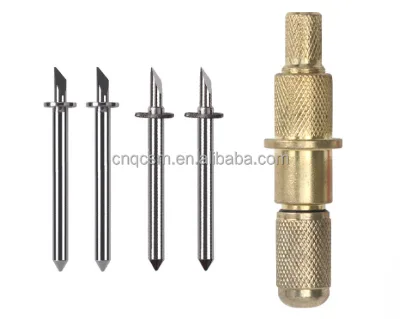
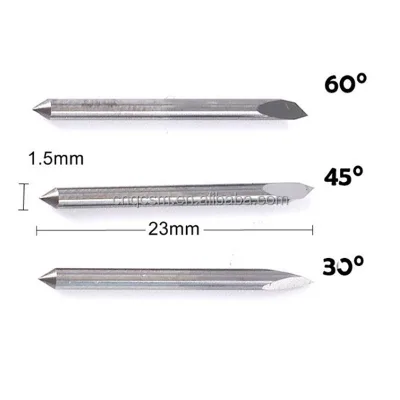
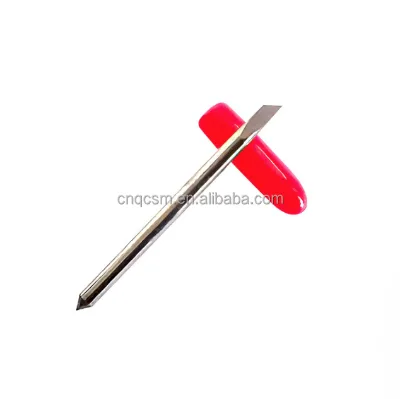
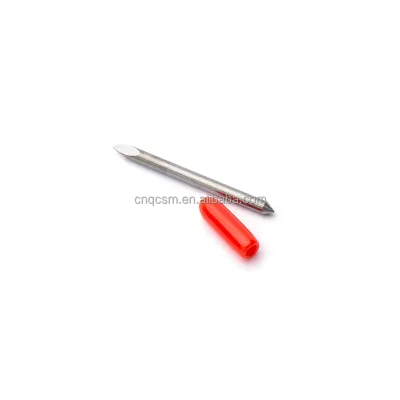
$0.3118 - $0.5187
MOQ: 1000 pieces
Guangzhou Jimei Digital Technology Co., Ltd.
- Manufacturer, Trading Company, Distributor/Wholesaler
- Guangdong, China
- Lead time0 days
- Avg. response≤ 2h
Main productsUV DTF Transfer Products,XY cutting machine,Laminator machine,DTF Printer,Heat Press Machines
Main marketsSoutheast Asia(5.00%), North America(3.00%), Eastern Europe(3.00%), South America(3.00%)
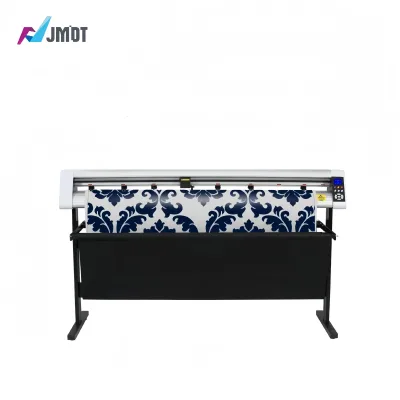
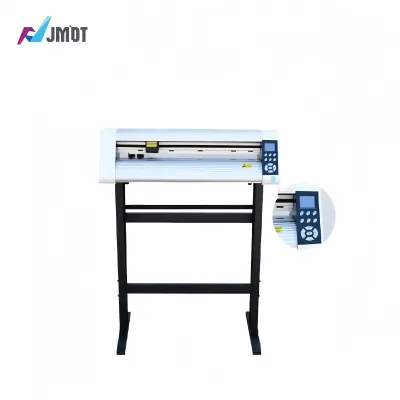
Top Quality Print and Cut Plotter/plotter Cutter/vinyl Cutting Plotter with Free Artcut Software
$330.00 - $350.00
MOQ: 1 pieces
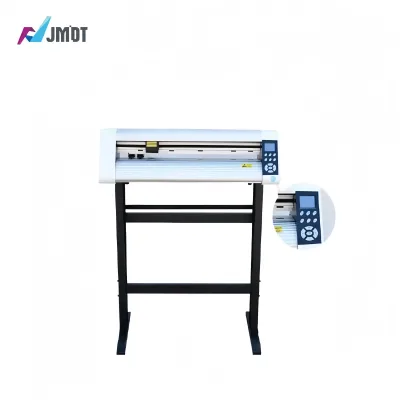
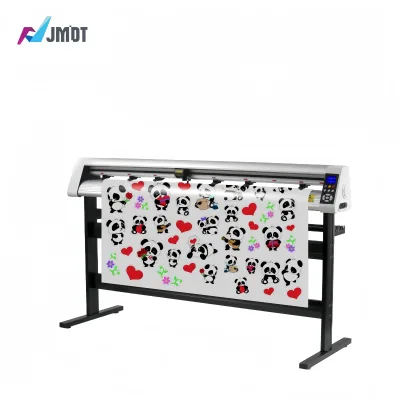
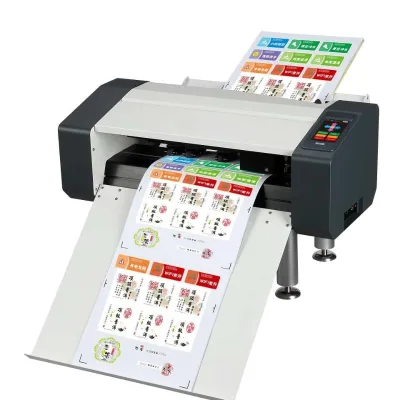
Top Selling A3+ Size Round Stickers Cutter of High Quality
$1000.00 - $1200.00

Guangzhou Yinghe Electronic Instruments Co., Ltd.
- Verified by BV
- Combined
- China Guangdong
- Lead time30 days
- Avg. response≤ 6h
Main productsMachine, Large Format Printer, Dtf Printer, Embroidery Machine
Main marketsSouth America,Africa,Southeast Asia/ Mideast,North America


720mm Cutting Plotter Imported Hardness Alloy Steel Blade of Yinghe Brand
$159.00 - $199.00
MOQ: 1 Pieces


Huansheng Intelligence (Shenzhen) Co., Ltd.
- Combined
- China Guangdong
- Lead time15 days
- Avg. response≤ 14h
Main productsCutting Plotters, Screen Protector Cutter Potter, Label Cutting Machine
Main marketsSouth America,Southeast Asia/ Mideast,East Asia(Japan/ South Korea),Europe,North America

1.6m Contour Cut Cutting Plotter with CCD Camera Print and Cut Cutter Plotter
$560.00 - $750.00
MOQ: 1 Pieces

Mc1500 1.6m Big Size Vinyl Cutting Plotter Print and Cut Cutter Plotter
$620.00 - $899.00
MOQ: 1 Pieces
Hubei Hengchi Metal Manufacturing Co., Ltd.
- Manufacturer, Trading Company
- HUBEI, China
- Lead time0 days
- Avg. response≤ 2h
Main productscnc cutting blade,cnc blade holder,plotter blade,woodwork blade,cutting machine parts
Main marketsSouth Asia(23.00%), Northern Europe(22.00%), Eastern Europe(15.00%), Western Europe(15.00%), Africa(10.00%), North America(7.00%), Southeast Asia(3.00%), Southern Europe(3.00%), South America(2.00%)


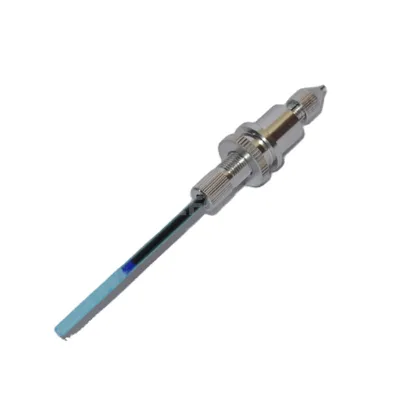
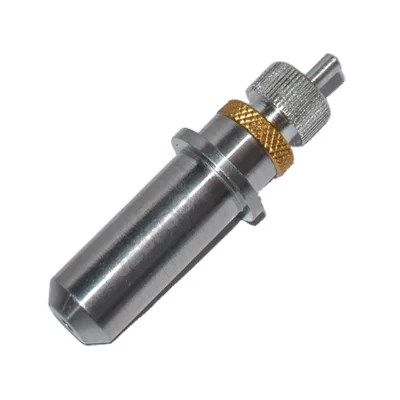
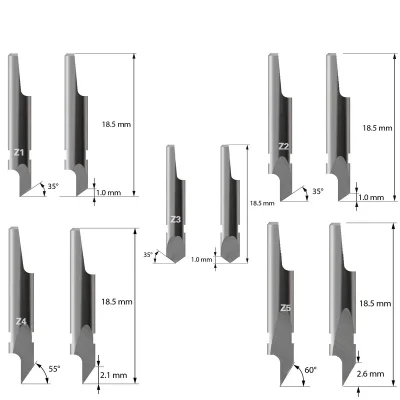

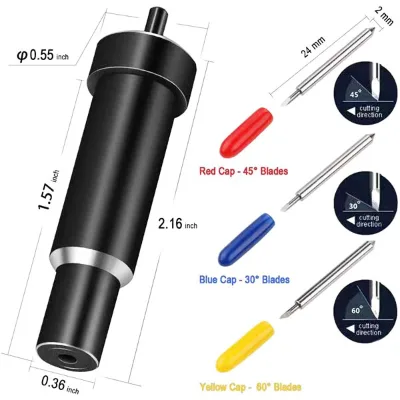




Comprehensive Sourcing Guide
Aluminum Alloy Polished Cutting Plotter Blade and Holder Supplier Concentration and Factory Types
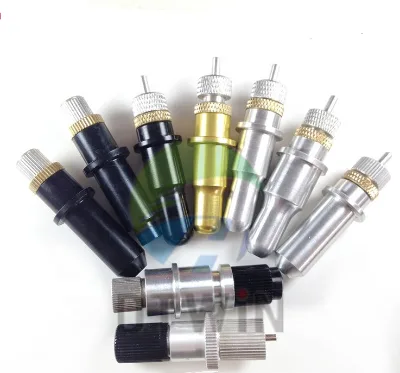
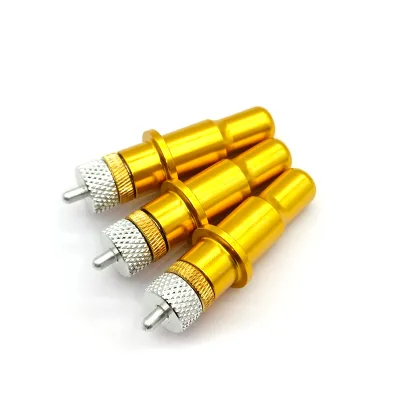
The current supplier landscape for Aluminum Alloy Polished Cutting Plotter Blade and Holder components reveals a distinct concentration of manufacturing activity within specific industrial regions of China. Data indicates that a significant portion of the available supply originates from Shanxi, a province known for its robust metallurgical and hardware manufacturing infrastructure. This geographic clustering suggests that buyers seeking these specialized tooling parts will likely encounter vendors located in this area, which may offer logistical advantages due to established supply chains for raw materials like tungsten carbide and aluminum alloys. The presence of multiple suppliers in this region implies a competitive environment where economies of scale might influence pricing and availability, although buyers must verify individual factory capabilities rather than assuming uniform quality across the entire regional output.
Beyond geographic location, the types of entities offering these products vary significantly, encompassing both direct manufacturers and trading companies. The observed supplier base includes entities that identify as manufacturers, implying they possess the machinery for CNC routing, plating, and assembly, as well as trading companies that may source from multiple factories to offer a broader catalog. This distinction is critical for buyers because it affects communication efficiency, customization flexibility, and price structure. Manufacturers typically offer better support for OEM, ODM, and OBM requests, allowing for tailored specifications such as specific bearing types or adjustable mechanisms via screw. Trading companies, while potentially offering faster access to diverse SKUs, may add layers to the supply chain that obscure the true origin of materials or the specific production standards applied to the aluminum alloy components.
How to Verify Aluminum Alloy Polished Cutting Plotter Blade and Holder Suppliers
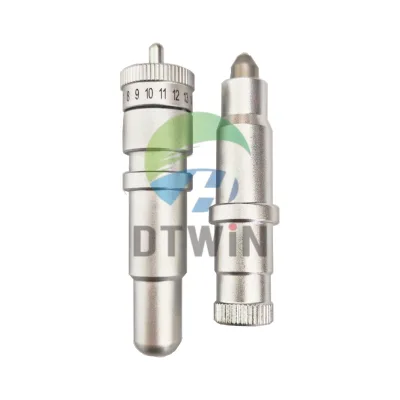
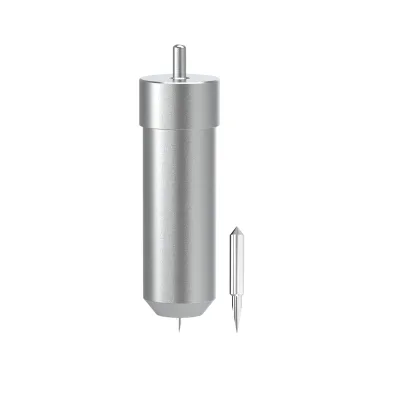
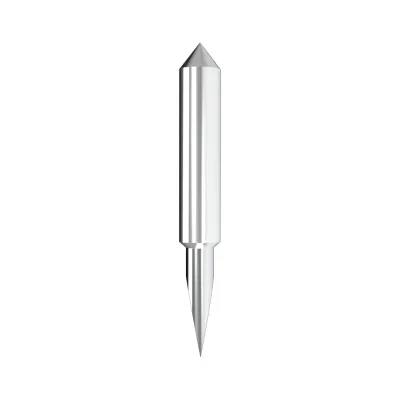
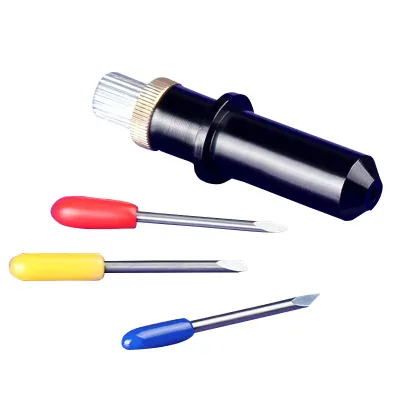
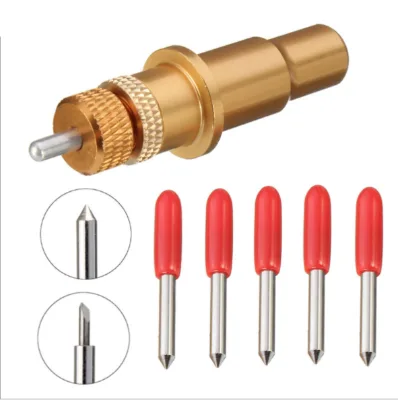
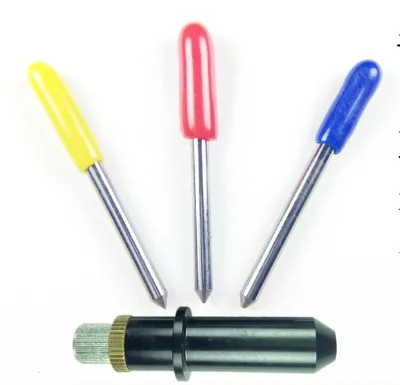
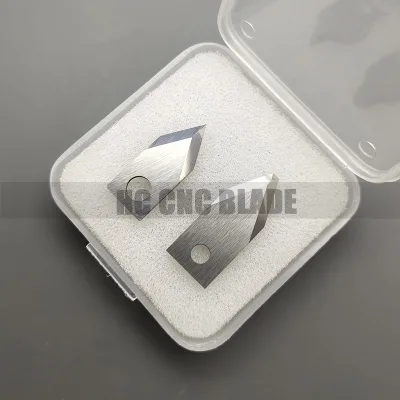
Verifying the authenticity and capability of suppliers requires a rigorous examination of their product attributes and declared certifications. Buyers should scrutinize the detailed product specifications provided, such as the material composition, which often lists aluminum for holders and tungsten carbide for blades, to ensure alignment with their technical requirements. For instance, some listings specify double bearings and plating techniques, while others highlight adjustable features via screw mechanisms. It is essential to confirm that the supplier can provide evidence of these manufacturing processes, such as photos of the production line or detailed technical drawings. Additionally, checking for brand names like Songjie or OEM designations can help trace the product lineage, although buyers must be cautious as brand names do not always guarantee the quality of the underlying manufacturing process or the consistency of the aluminum alloy polishing.
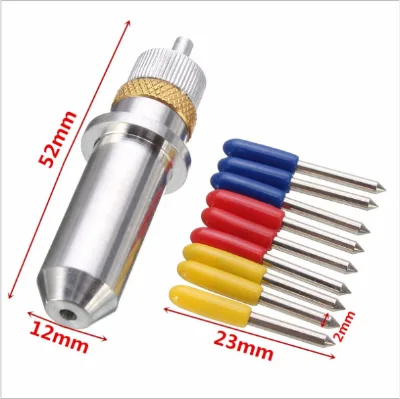
Another critical verification step involves assessing the supplier's response time and warranty commitments. The data shows a response time metric of 21, which may indicate the average hours or days taken to reply to inquiries, a factor that impacts project timelines and issue resolution. Buyers should also examine the warranty periods offered, which range from one year to three years for certain blade holders, as this reflects the supplier's confidence in their product durability. Furthermore, verifying the customization support options, such as OEM, ODM, and OBM capabilities, ensures that the supplier can meet specific design needs. Buyers should request samples to test the actual performance of the cutting plotter blades and holders, checking for attributes like the blade diameter, width, and overall length, to ensure they match the advertised specifications before committing to larger orders.
What to Compare Across Aluminum Alloy Polished Cutting Plotter Blade and Holder Suppliers
When evaluating multiple suppliers, buyers must compare key commercial and operational metrics to determine the best fit for their procurement needs. One of the primary factors is the minimum order quantity (MOQ), which can vary significantly; for example, some suppliers may require a minimum of 10 pieces, while others might have different thresholds. This metric is crucial for small businesses or those testing new product lines, as lower MOQs reduce initial inventory costs and risk. Additionally, lead times are a critical comparison point, with some suppliers indicating delivery times of 3-6 days or general lead times of 7 days. Buyers should align these lead times with their production schedules to avoid delays, especially if they are integrating these components into larger manufacturing processes. Comparing these operational metrics helps in selecting a supplier that balances cost, speed, and volume requirements effectively.
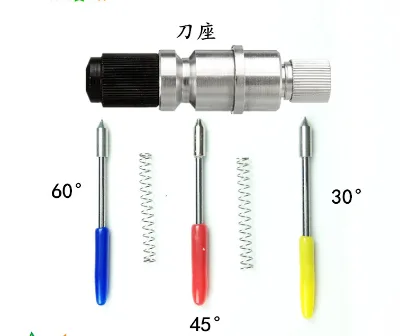
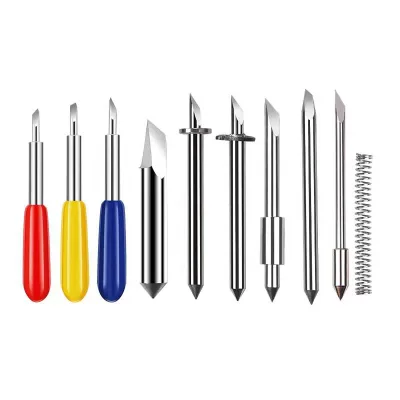
Price and product specifications are equally important dimensions for comparison. The price range for these components can vary, with some products listed between $0.40 and $0.80, while others may cost between $1.30 and $3.00, or even fixed prices around $3.25. Buyers should not only look at the unit price but also consider the value provided by additional features such as coating types (e.g., AlTiN, TiAIN), hardness ratings (e.g., 55HRC, 60HRC), and specific design attributes like oval or cylindrical shapes. Comparing the material quality, such as the use of cemented carbide versus other alloys, and the precision of the cutting angles (30, 45, or 60 degrees) is essential. By creating a detailed comparison matrix that includes price, MOQ, lead time, and technical specifications, buyers can make informed decisions that optimize their total cost of ownership and ensure the components meet their performance standards.
Common Aluminum Alloy Polished Cutting Plotter Blade and Holder Sourcing Risks
One of the primary risks in sourcing Aluminum Alloy Polished Cutting Plotter Blade and Holder components is the potential discrepancy between advertised specifications and actual product quality. Suppliers may list attributes such as double bearings, plating techniques, or specific hardness ratings, but without independent verification, buyers cannot be certain that these features are consistently maintained across all production batches. This risk is exacerbated by the presence of both manufacturers and trading companies in the supply chain, where information may be distorted or simplified. Buyers must be vigilant in requesting detailed technical documentation and conducting quality checks upon receipt to ensure that the aluminum alloy holders and tungsten carbide blades meet the required durability and precision standards. Failure to do so can result in premature wear, inaccurate cutting, and increased downtime in production environments.
Another significant risk is the variability in warranty and after-sales support. While some suppliers offer warranties ranging from one to three years, the actual enforcement of these warranties can be challenging, especially if the supplier is a trading company located in a different region. Buyers may face difficulties in returning defective products or obtaining replacements if the supplier's support infrastructure is not robust. Additionally, the reliance on manual power sources for some tools, as indicated in product attributes, may limit their applicability in high-speed automated environments, leading to mismatches between buyer expectations and product capabilities. To mitigate these risks, buyers should establish clear communication channels, define quality acceptance criteria in contracts, and consider using escrow services to protect their payments until the products are verified to meet the agreed-upon specifications.
Aluminum Alloy Polished Cutting Plotter Blade and Holder Regional Sourcing and Logistics
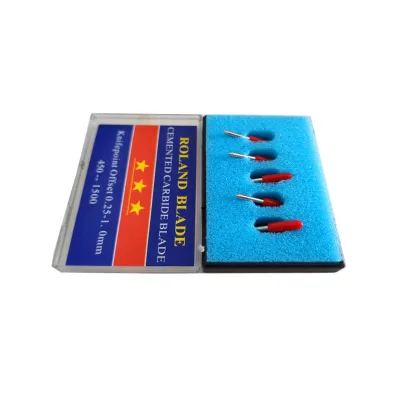
Sourcing Aluminum Alloy Polished Cutting Plotter Blade and Holder components from Shanxi, China, offers both advantages and logistical considerations that buyers must navigate. The concentration of suppliers in this region can lead to competitive pricing and a wide variety of product options, but it also means that buyers need to account for shipping times and costs associated with transporting goods from inland China to international destinations. Logistics planning should include evaluating the supplier's packaging methods, such as the use of plastic boxes for sets of five pieces, to ensure that the delicate carbide blades and aluminum holders are protected during transit. Buyers should also consider the impact of regional trade policies and tariffs on the final landed cost, as these factors can significantly affect the overall profitability of the procurement.
Furthermore, the choice of supplier location can influence the speed of response and the ease of communication. Suppliers in Shanxi may have established relationships with local freight forwarders, which can streamline the shipping process, but buyers should verify the reliability of these logistics partners. It is advisable to discuss shipping terms, such as FOB or CIF, clearly with the supplier to understand who is responsible for various stages of the transportation process. Additionally, buyers should consider the environmental and ethical standards of the manufacturing facilities in the region, as these can impact the brand reputation of the end product. By carefully planning the logistics and understanding the regional dynamics, buyers can optimize their supply chain efficiency and reduce the risks associated with international sourcing.
Aluminum Alloy Polished Cutting Plotter Blade and Holder Commercial Terms and Order Planning
Effective order planning for Aluminum Alloy Polished Cutting Plotter Blade and Holder components requires a clear understanding of the commercial terms offered by suppliers. Buyers should pay close attention to payment methods, such as the "Total" payment option mentioned in some listings, and ensure that the terms align with their financial policies and risk tolerance. It is also important to negotiate clear delivery schedules, as lead times can vary from 3-6 days to longer periods depending on order volume and customization requirements. Buyers should plan their orders well in advance to accommodate any potential delays, especially if they are relying on specific production timelines. Additionally, understanding the warranty terms, which may range from one to three years, is crucial for long-term cost management and maintenance planning.
Customization support is another key commercial aspect that influences order planning. Suppliers offering OEM, ODM, and OBM services can provide tailored solutions, but this often requires longer lead times and higher MOQs. Buyers should assess whether the benefits of customization outweigh the additional costs and time commitments. It is also advisable to establish a long-term relationship with a reliable supplier to secure better pricing and priority service. By carefully planning orders, negotiating favorable commercial terms, and leveraging customization options where appropriate, buyers can optimize their procurement strategy and ensure a steady supply of high-quality cutting plotter blade and holder components. This proactive approach helps mitigate risks and enhances the overall efficiency of the sourcing process.
FAQs
Where are these aluminum alloy plotter blades manufactured?
The aluminum alloy plotter blades and holders are manufactured in Shanxi, China. This location is consistent across multiple product listings for Songjie brand items. Buyers should verify specific factory details during direct communication to ensure supply chain transparency.
What is the minimum order quantity for these cutting blades?
The minimum order quantity for these cutting blades is typically 10 pieces. Some listings specify this requirement for tungsten carbide options, while others may vary. Buyers must confirm the exact MOQ with the supplier before placing an order to avoid fulfillment issues.
How long does it take to receive these plotter blade holders?
Delivery times for these plotter blade holders range from 3 to 6 days for specific items. General lead times can be up to 7 days depending on the product type. Buyers should confirm the exact delivery schedule with the supplier to plan their inventory needs effectively.
What warranty is provided for the vinyl cutter blade holders?
Warranty periods for these vinyl cutter blade holders vary between 1 year and 3 years depending on the specific model. Some aluminum alloy options offer a 1-year guarantee, while others provide up to 3 years. Buyers should check the product details for the exact warranty terms.
Are OEM and ODM services available for these cutting tools?
Yes, OEM, ODM, and OBM customized support are available for these cutting tools. Suppliers offer branding and design customization options for aluminum alloy blades. Buyers seeking private label solutions should discuss specific requirements directly with the manufacturer to ensure compatibility with their needs.
What is the price range for these aluminum alloy plotter blades?
The price range for these aluminum alloy plotter blades varies from 0.40 to 3.25 USD per unit. Specific costs depend on the material, such as tungsten carbide or aluminum, and the blade diameter. Buyers should request a quote for their specific quantity to get an accurate price.
What materials are used for the cutting plotter blade tips?
The cutting plotter blade tips are made from materials like tungsten carbide and cemented carbide. Some holders are constructed from aluminum alloy with plating or printed finishes. Buyers should verify the material specifications for each product to ensure durability and performance for their specific cutting applications.