Brass Brazing Welding Rod Suppliers and Manufacturers
Compare 24 Brass Brazing Welding Rod suppliers by location, lead time, and certifications. Verify response times and MOQs before contacting factories in China Anhui, Zhejiang, or Tongling for your project needs; review the available evidence before requesting comparable quotations from suitable candidates.
Updated
Suppliers List

Anhui Hengtai Welding Materials Co., Ltd.
- Combined
- China Anhui
- Lead time15 days
- Avg. response≤ 20h
Main productsCopper Alloy Welding Wire
Main marketsSoutheast Asia/ Mideast,North America

NINGBO JINSHUO REFRIGERATION EQUIPMENT CO., LTD.
- Verified by SGS
- Trading Company,Manufacturer/Factory
- China Zhejiang
- Lead time23 days
- Avg. response≤ 10h
Main productsFilter Dryer, Condenser, Home Appliance, Refrigeration Parts, Raw Plastic Material, Nut Screw
Main marketsSouth America,Eastern Europe,North America,Southeast Asia,Africa
Jinhua Dingfeng Tool Manufacturing Factory
- Manufacturer
- Zhejiang, China
- Lead time30 days
- Avg. response≤ 3h
Main productselectrode welding holder,electrode welding pliers,welding gloves,contour gauge,welding protection clothes
Main marketsMid East(30.00%), South America(26.00%), Central America(5.00%), Eastern Asia(5.00%), Domestic Market(5.00%), Africa(5.00%), South Asia(5.00%), Southeast Asia(5.00%), Southern Europe(5.00%), North America(5.00%), Western Europe(1.00%), Oceania(1.00%), Eastern Europe(1.00%), Northern Europe(1.00%)
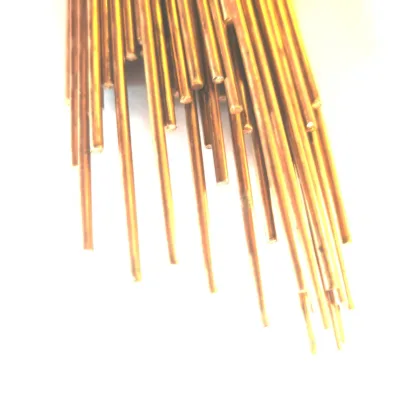
Copper Brazing Rod HS221 Copper Brass Brazing Welding Rod, Bronze Brazing Rod
$10.0553
MOQ: 200 Minimum


Tianjin Tiangang Weiye Steel Tube Co., Ltd.
- Verified by SGS
- Manufacturer/Factory
- China Tianjin
- Lead time15 days
- Avg. response≤ 13h
Main productsStainless Steel Pipe, Stainless Steel Plate, Stainless Steel Bar, Alloy Steel Pipe, Stainless Steel Coil, Low Temperature Pipe, Seamless Steel Pipe, Steel Plate, Copper Products, Nickel and Titanium Products
Main marketsSouth America,Eastern Europe,Mid East,North America,Southeast Asia,Eastern Asia,Oceania,Western Europe,Africa
- Trading Company
- Lead time旺季: "1 - 500":31,"> 500":"To be negotiated", 淡季: "1 - 500":31,"> 500":"To be negotiated"
- Avg. response≤ 4h
Main productsStainless Steel Sheet Plate, Stainless Steel Seamless Welded Pipe Tube , Stainless Steel Bars Rod , Stainless Steel Wire Wire Rod, Copper Aluminium Raw Materials
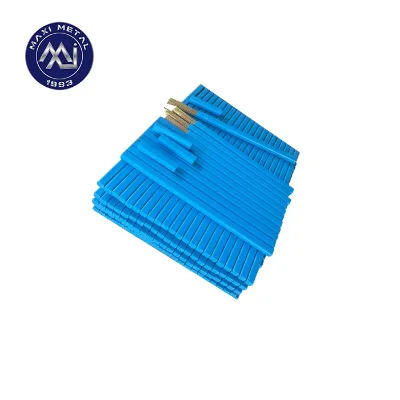
Copper Brazing Rod HS221 Copper Brass Brazing Welding Rod, Bronze Brazing Rod
$7.60 - $8.20
MOQ: 50 kilograms
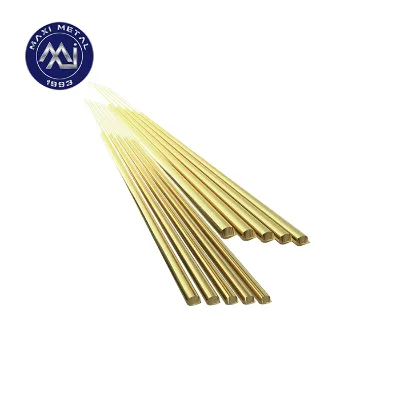
MAXI Factory Selling Brass Brazing Rod 2.5 3.2 Brass Alloy Wire Brass Welding Rods Hs221
$7.7723 - $8.3854
MOQ: 50 kilograms

Anhui Huazhong Welding Industry Co., Ltd.
- Manufacturer, Trading Company
- Anhui, China
- Lead time15 days
- Avg. response≤ 2h
Main productsbrazing rod,welding wire,welding flux,brazing alloys,welding rod
Main marketsDomestic Market(7.14%), South Asia(7.14%), Southern Europe(7.14%), Northern Europe(7.14%), Central America(7.14%), Western Europe(7.14%), Eastern Asia(7.14%), Mid East(7.14%), Oceania(7.14%), Africa(7.14%), Southeast Asia(7.14%), Eastern Europe(7.14%), South America(7.14%), North America(7.14%)
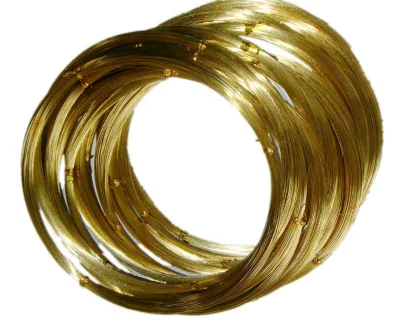
$10.80 - $11.00
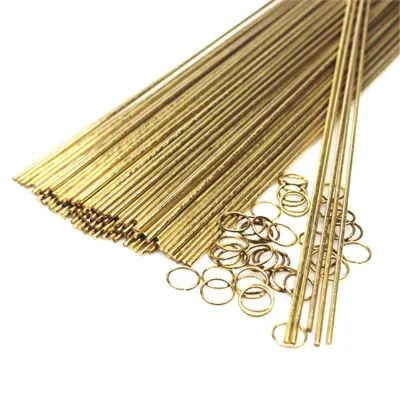
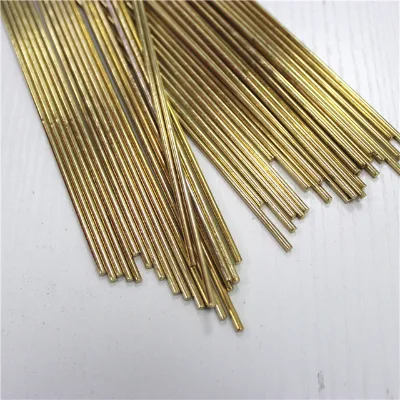
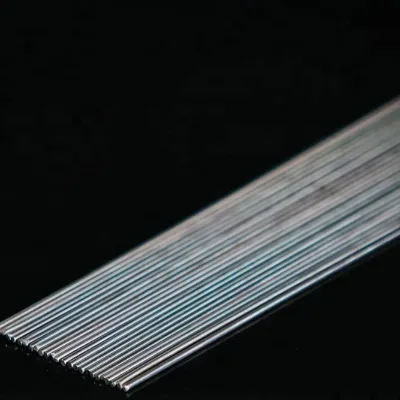
BAg-35 Silver Brazing Alloy Silver Welding Rod
$595.00 - $600.00
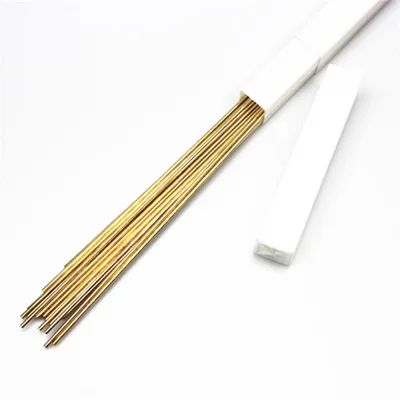
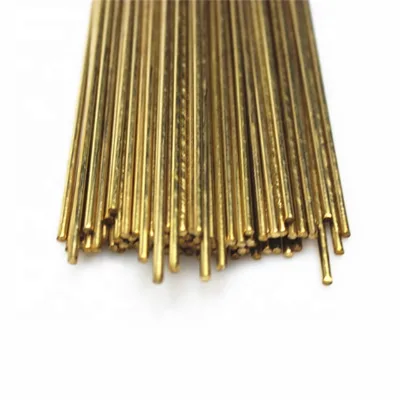
Chinese Manufacturer Sells Lfb Bare Bronze Brazing Rod Hs221 Brass Brazing Rod
$14.4339 - $18.5576
MOQ: 1 kilograms

Shandong Manbaykon Import & Export Co., Ltd.
- Manufacturer, Trading Company
- Shandong Province, China
- Lead time15 days
- Avg. response≤ 9h
Main productsWelding consumables,Welding Wire,Welding Electrode,TIG rod,Welding Accessories
Main marketsSoutheast Asia(20.00%), Eastern Europe(20.00%), Western Europe(10.00%), Domestic Market(10.00%), South America(10.00%), North America(10.00%), Mid East(5.00%), Southern Europe(5.00%), Northern Europe(5.00%), Central America(5.00%)
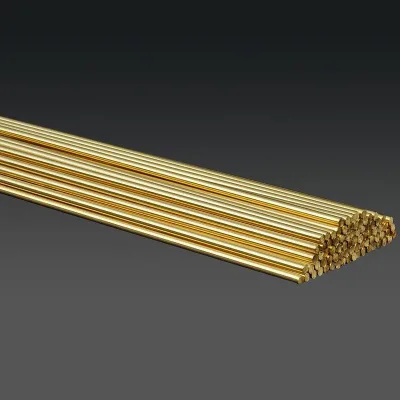
RBCuZn-C Low Fuming Flux Coated Brass Bronze Welding Rod ( Dia: 1.6 2.4 3.2 )
$6.00
MOQ: 1000 kilograms
Lian'ao Welding (Guangxi) Co., Ltd.
- Trading Company
- Guangxi, China
- Lead time0 days
- Avg. response≤ 2h
Main productswelding electrode,welding wire,silver brazing rod,copper welding wire,alloy welding consumables
Main marketsDomestic Market(70.00%), North America(10.00%), South America(5.00%), Oceania(5.00%), Eastern Europe(3.00%), Mid East(3.00%), South Asia(2.00%)

HEBEI INNOVAT BUILDING MATERIALS GROUP CO., LTD
- Group Corporation
- China Hebei
- Lead time98 days
- Avg. response≤ 6h
Main productsFiltration Products, Metal Fence, Guard Rail, Perforated Mesh, Plastic Mesh, Conveyer Belt, Wedge Wire Mesh, Decorative Mesh, Demister Pad, All Kinds of Wire Mesh Products
Main marketsSouth America,Eastern Europe,Mid East,North America,Southeast Asia,Eastern Asia,Oceania,Western Europe,Africa

Tongling Xin Xin Welding Materials Co., Ltd.
- Verified by SGS
- Combined
- China Anhui
- Lead time15 days
- Avg. response≤ 6h
Main productsWelding Rod, Welding Wire, Brass Welding Rod, Copper Brazing Wire, Silver Weldign Rod, Brazing Rods, Bronze Welding Rod
Main marketsSoutheast Asia/ Mideast,Domestic


New Type MIG Welding Brass Wire Cuznsn Copper Brass Alloy Wire Brass Brazing Rod
$12.00 - $12.90
MOQ: 1000 kg

Xiamen Boland Refrigeration Equipment Co., Ltd.
- Trading Company
- Fujian, China
- Lead time30 days
- Avg. response≤ 5h
Main productsCopper Pipes,Refrigerant Gas,Capacitors,Compressor,Motor
Main marketsAfrica(36.00%), Mid East(21.00%), South America(21.00%), Southeast Asia(14.00%), Eastern Europe(6.00%), Western Europe(2.00%)
- Verified by TüVRheinland
- Trading Company
- Lead time25 days
- Avg. response≤ 3h
Main productsCondenser, Evaporator, Thermostat, Heat Exchanger, Filter Drier
Main marketsNorth America(30%), Southeast Asia(30%), South America(10%)
Ningbo Taojun Refrigeration Equipment Co., Ltd.
- Verified by SGS Group
- Manufacturer, Trading Company
- Lead time35 days
- Avg. response≤ 3h
Main productsFilter Drier, Access Valve, Condenser, Copper Fittings, Brass Fittings
Main marketsDomestic Market(27%), North America(15%), Mid East(12%)
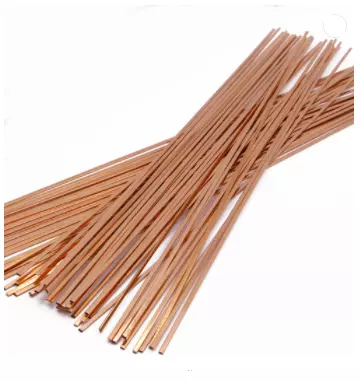
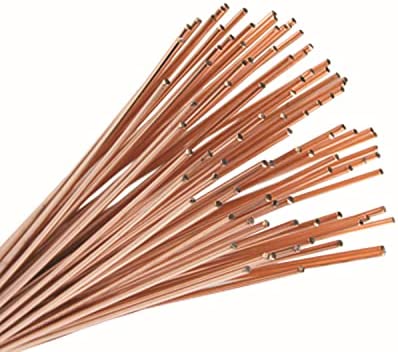
Brazing Rods Phosphor Copper Welding Rod HVAC Solder Brazing Alloys Copper Round Welding Wire
$10.2891 - $13.3756
MOQ: 100 kilograms
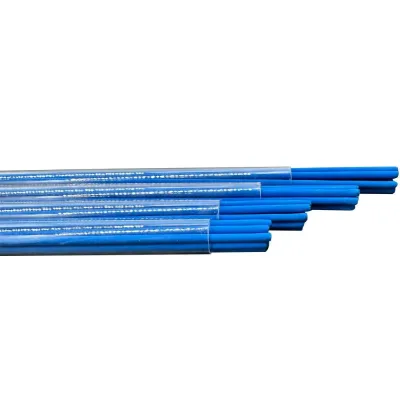
$12.00 - $15.00
MOQ: 60 kilograms
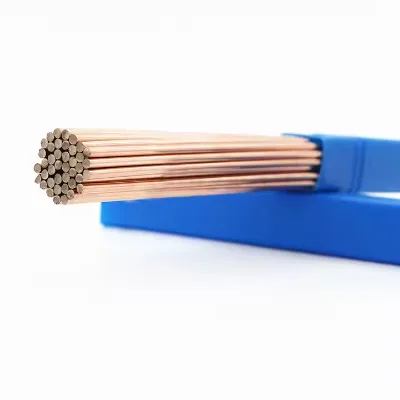
$13.00 - $15.00
MOQ: 100 kilograms
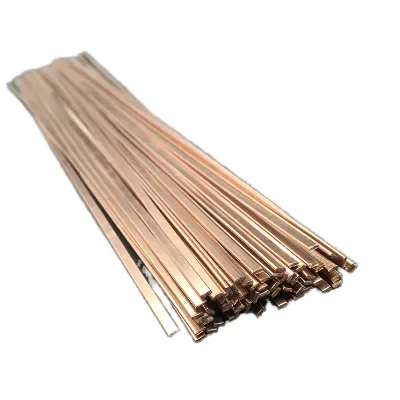
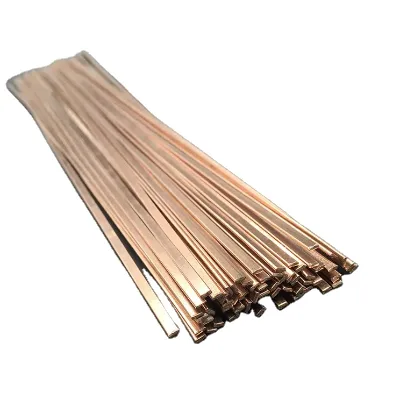
Factory Sale Copper Coated Flat Round Square Brazing Welding Rod Plumbing Tube
$8.00 - $13.00
MOQ: 100 kilograms
Guangzhou Ami Refrigeration Equipment Co., Ltd.
- Manufacturer, Trading Company
- Guangdong, China
- Lead time10 days
- Avg. response≤ 5h
Main productscopper pipe fitting,brass pipe fitting,valves,copper pipe,Air condition spare parts
Main marketsSoutheast Asia(35.00%), Africa(35.00%), Mid East(20.00%), Western Europe(5.00%), North America(5.00%)

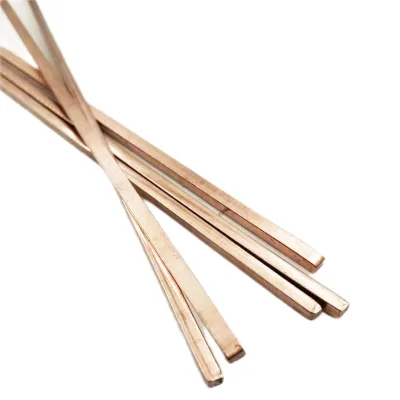
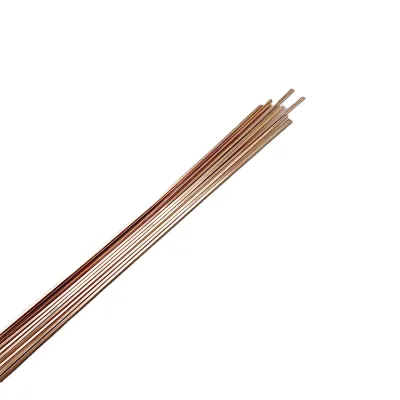
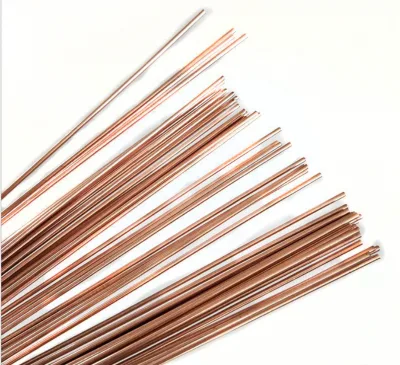
Flat Copper Brazing Rod 1.3mm Thickness Easy Welding
$24.00 - $25.00
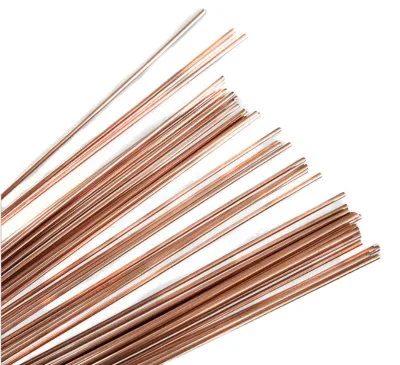
Flat Copper Brazing Rod 1.3mm Thickness Easy Welding
$24.00 - $24.50
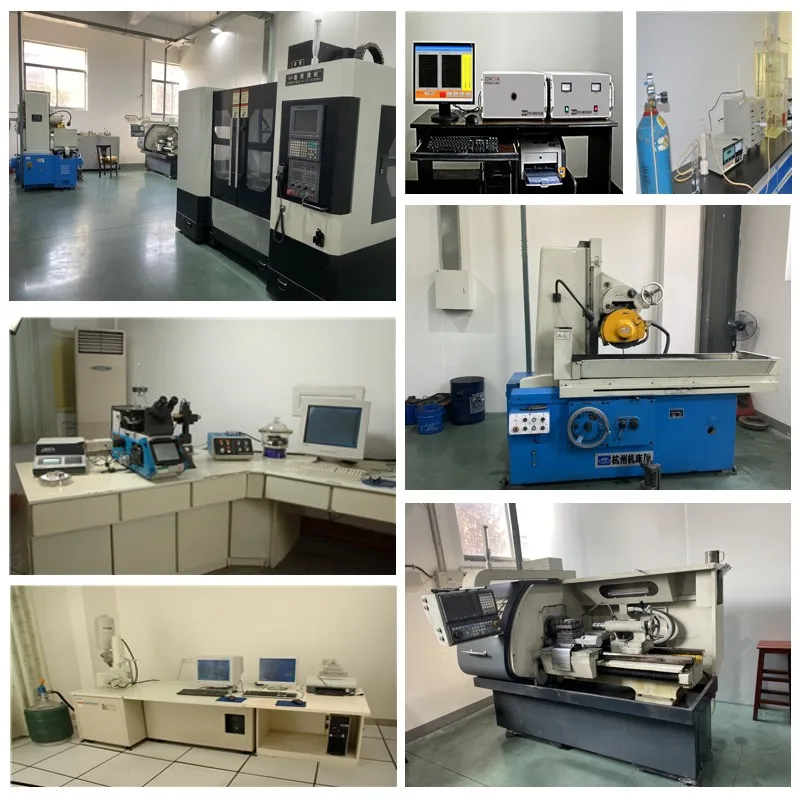
Zhuzhou Lihua Cemented Carbide Co., Ltd.
- Manufacturer, Trading Company
- Hunan, China
- Lead time0 days
- Avg. response≤ 6h
Main productsTungsten Carbid Anti Vibration Tool Holder, Carbide end mills , Tungsten Carbide modular end mill heads , Tungsten Carbide Spraying nozzles, Tungsten Carbide Wear Parts
Main marketsNorth America(10.00%), Western Europe(10.00%), South America(5.00%), Central America(5.00%), Eastern Europe(5.00%), Southern Europe(2.00%), Northern Europe(2.00%), Southeast Asia(2.00%), South Asia(1.00%), Eastern Asia(1.00%), Oceania(1.00%), Africa(1.00%), Mid East(1.00%)
Guangzhou Chengtong Trading Co., Ltd.
- Trading Company
- Guangdong, China
- Lead time7 days
- Avg. response≤ 2h
Main productsCutting Machine,Drill,Laser Level,Diamond Bit,Nail Guns
Main marketsNorthern Europe(30.00%), Oceania(15.00%), South Asia(10.00%), Africa(10.00%), Southeast Asia(5.00%), Southern Europe(5.00%), North America(5.00%), Western Europe(5.00%), Mid East(5.00%), South America(5.00%), Eastern Europe(5.00%)
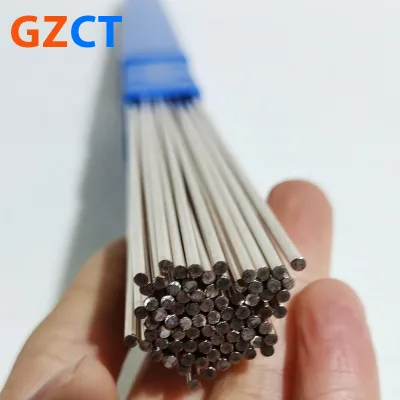
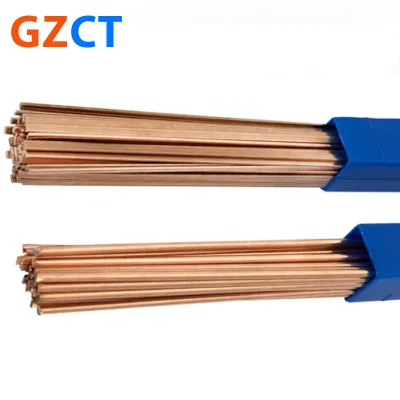
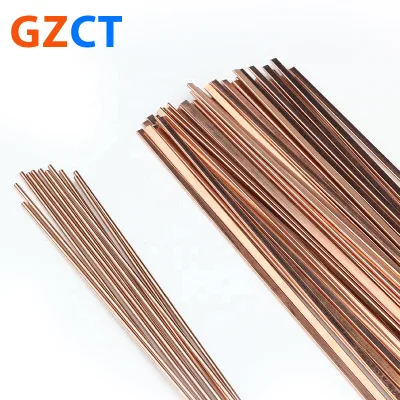
High-Quality Silver Phosphorus Copper Brazing Rods Ideal for Flat Welding Projects
$75.8209 - $132.6855
MOQ: 10 Minimum

Jinhua Beiduo Import & Export Co., Ltd.
- Manufacturer, Trading Company
- Zhejiang, China
- Lead time30 days
- Avg. response≤ 8h
Main productsBrazing alloys,welding materilas,Machines,Engine parts,Platform Scales
Main marketsSoutheast Asia(20.00%), Eastern Asia(20.00%), South America(15.00%), Western Europe(10.00%), Africa(10.00%), Eastern Europe(10.00%), Oceania(5.00%), North America(5.00%), Mid East(5.00%)
Henan Huanghe Whirlwind International Co., Ltd.
- Manufacturer, Trading Company
- Lead time旺季: "1 - 50":15,"> 50":"To be negotiated", 淡季: "1 - 50":15,"> 50":"To be negotiated"
- Avg. response≤ 4h
Main productsDiamond Tools, PCD, CBN
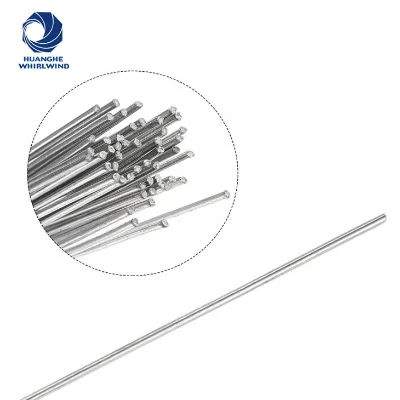
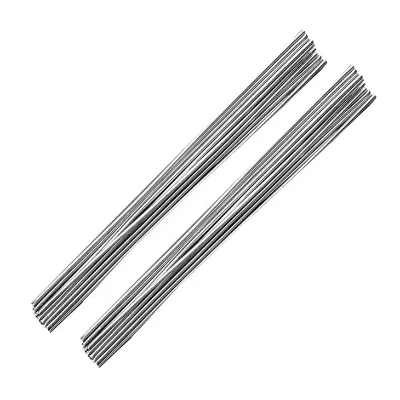
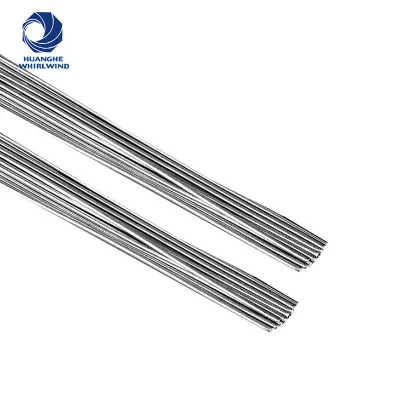
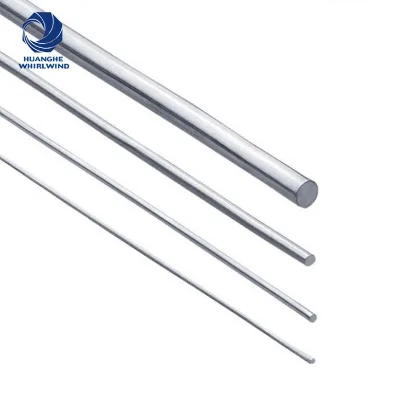
Air Condition 5% Bag-5 Cadmium Free Silver Brazing Welding Rods Silver Solder Bars
$45.2683 - $823.0589
MOQ: 1 Minimum
Hebei Guwen Welding Material Co., Ltd.
- Verified by TüVRheinland
- Trading Company
- Lead time0 days
- Avg. response≤ 2h
Main productsBrazing Rod, Cast Iron Electrode, Hard-Faced Welding Material, Nickel-Based Welding Materials, Stainless Steel Welding Materials
Main marketsDomestic Market(50%), Southeast Asia(12%), Africa(10%)

Shandong Tengyi Metal Materials Co., Ltd.
- Verified by BV
- Trading Company
- China Shandong
- Lead time68 days
- Avg. response≤ 4h
Main productsWelding Wire, Welding Rod, Wire Rod, Aluminium Welding Wire, Galvanized Steel Wire, Stainless Steel Welding Wire, Ss Welding Wire
Main marketsDomestic

Silver Brazing Rod Brazing Alloy Welding Rod Nickel Silver Tungsten Carbide Brazing Rods
$10.10 - $11.20
MOQ: 100 Pieces


Foshan ZhonghanYan New Materials Technology Co., Ltd.
- Manufacturer
- Guangdong, China
- Lead time7 days
- Avg. response≤ 9h
Main productser 4047,aluminum flux core welding wire,aluminum powder flux,powder core welding wire,al si welding wire
Main marketsSouth America(30.00%), Southeast Asia(20.00%)
Liaocheng Jiaxiang Steel Pipe Co., Ltd.
- Verified by SGS Group
- Trading Company
- Lead time15 days
- Avg. response≤ 1h
Main productsStainless Steel, Galvanized and PPGI Steel, Steel Pipes, Steel Structure, Highway Guardrail
Main marketsEastern Europe(30%), Southeast Asia(20%), South Asia(10%)
Liaoning Icekey Refrigeration Co., Ltd.
- Verified by TüVRheinland
- Trading Company
- Lead time20 days
- Avg. response≤ 2h
Main productsCapacitor, Refrigerant Gas, Compressor, Protector, Copper Tube
Main marketsSouth America(35%), North America(15%), Eastern Europe(15%)
Zhuzhou Chutian Cemented Carbide Co., Ltd.
- Manufacturer, Trading Company
- Hunan, China
- Lead time0 days
- Avg. response≤ 4h
Main productsComposite Welding Rod,carbide rods,Plates,carbide circular cutters,Mill Roller
Main marketsEastern Europe(30.00%), North America(20.00%), Southeast Asia(10.00%), South America(10.00%), South Asia(5.00%), Western Europe(5.00%), Eastern Asia(5.00%), Mid East(5.00%), Oceania(5.00%), Africa(5.00%)




Comprehensive Sourcing Guide
Brass Brazing Welding Rod Supplier Concentration and Factory Types
The current supplier landscape for brass brazing welding rods reveals a distinct concentration of manufacturing and trading entities within specific Chinese provinces, primarily Anhui and Zhejiang. These regions serve as key industrial hubs where the production of copper alloy welding consumables is clustered, allowing buyers to identify suppliers based on geographic proximity to raw material sources and established industrial infrastructure. When evaluating potential partners, it is crucial to distinguish between different company types, as the operational model significantly impacts service flexibility and product consistency. The available data indicates a mix of combined entities, trading companies, and pure manufacturers, each offering varying degrees of control over the supply chain. Combined companies often blend manufacturing capabilities with trading functions, potentially offering a broader range of services, while dedicated manufacturers may provide deeper technical expertise in specific alloy formulations. Trading companies, on the other hand, might offer access to a wider variety of products from multiple factories but may have less direct oversight over production quality. Understanding this distinction is vital for buyers who prioritize either direct factory pricing or the logistical convenience of a single point of contact. The presence of suppliers in Tongling, a known center for copper processing, further suggests that some manufacturers benefit from localized access to high-quality copper alloys, which is a critical input for producing reliable brass brazing rods. Buyers should carefully review the company type listed for each supplier to align their procurement strategy with their specific needs for customization, volume, and technical support.
In addition to geographic and structural distinctions, the product evidence highlights a variety of main products offered by these suppliers, ranging from specialized welding rods to broader categories like refrigeration parts and raw plastic materials. This diversification can indicate a supplier’s versatility but may also suggest that their core competency in brass brazing rods varies. Some suppliers list main products such as filter dryers and condensers, which implies a focus on the broader HVAC and refrigeration sector, potentially making them suitable partners for buyers who need integrated solutions for refrigeration equipment repair and manufacturing. Conversely, suppliers focusing exclusively on welding consumables, such as electrode holders and welding gloves, may offer more specialized expertise in the welding process itself. The presence of OEM and ODM capabilities among some suppliers indicates that they are equipped to handle custom branding and specific technical requirements, which is essential for buyers looking to private-label products or require specific alloy compositions. It is important to note that while some suppliers offer extensive customization options, others may have more standardized product lines. Buyers should assess whether the supplier’s primary business focus aligns with their long-term sourcing goals, as a supplier with a diverse product range might not dedicate the same level of resources to brass brazing rods as a specialized manufacturer. This assessment helps in identifying partners who are genuinely invested in the quality and innovation of welding consumables rather than those who merely list them as part of a broader catalog.
How to Verify Brass Brazing Welding Rod Suppliers
Verifying the legitimacy and capability of Brass Brazing Welding Rod suppliers requires a multi-layered approach that goes beyond simple profile reviews. One of the most critical steps is to check for third-party verification badges, such as SGS, which indicate that an independent agency has assessed the supplier’s business operations and product quality. The presence of such verification provides a baseline level of trust, suggesting that the supplier has undergone rigorous scrutiny regarding their legal status and manufacturing capabilities. Additionally, buyers should examine the system certifications listed, such as ISO 9001, which demonstrate a commitment to standardized quality management processes. While not all suppliers display these certifications, those that do often have more consistent production practices, which is crucial for maintaining the uniformity of welding rod diameter and composition. It is also important to verify the supplier’s response time, as a quick and professional response can indicate a well-organized sales team that is attentive to buyer needs. Suppliers with faster response times, such as those under ten hours, are often more reliable in terms of communication and issue resolution. Buyers should also look for evidence of past performance, such as detailed product attributes and specifications, which can serve as indicators of the supplier’s technical knowledge and attention to detail.
Beyond digital verification, buyers should request specific documentation to confirm the supplier’s claims. This includes asking for recent test reports that verify the chemical composition of the brass alloy, ensuring it meets the required standards for brazing applications. Buyers should also inquire about the supplier’s quality control procedures, including how they handle batch-to-batch variations and what measures are in place to prevent defects. It is advisable to ask for references from existing clients, particularly those in similar industries, to gain insights into the supplier’s reliability and product performance in real-world scenarios. Additionally, buyers should verify the supplier’s physical address and manufacturing facilities, either through virtual tours or by requesting recent photos of the production line. This helps to confirm that the supplier is indeed a manufacturer or has direct access to manufacturing resources, rather than being a middleman with limited control over production. By combining digital verification tools with direct requests for documentation and references, buyers can build a comprehensive picture of the supplier’s capabilities and reliability. This thorough verification process helps to mitigate the risk of partnering with unreliable suppliers and ensures that the chosen partner can meet the buyer’s quality and delivery expectations.
What to Compare Across Brass Brazing Welding Rod Suppliers
When comparing suppliers, buyers should focus on key operational metrics that directly impact their procurement efficiency and cost structure. Lead time is a critical factor, as it determines how quickly orders can be fulfilled and delivered. The available data shows a range of lead times, with some suppliers offering as little as fifteen days, while others may require up to thirty days. Buyers should align their inventory planning with these lead times to avoid stockouts or excess inventory. Another important metric is the minimum order quantity (MOQ), which varies significantly among suppliers. Some suppliers have an MOQ of two hundred kilograms, while others may require one hundred kilograms or more. Understanding these MOQs helps buyers determine the most cost-effective order size and whether they can meet the supplier’s requirements without overcommitting capital. Response time is also a valuable indicator of supplier responsiveness, with some suppliers responding within hours, which can be crucial for resolving urgent issues or negotiating terms. Buyers should compare these metrics across multiple suppliers to identify the best balance of speed, flexibility, and cost.
In addition to operational metrics, buyers should compare the technical specifications and customization options offered by each supplier. The product evidence shows variations in diameter, length, and alloy composition, with some suppliers offering standard sizes like 1.6mm, 2.0mm, and 2.5mm, while others provide customized options. Buyers should assess whether the supplier’s standard products meet their requirements or if they need custom specifications, which may involve additional costs or longer lead times. It is also important to compare the packaging and shipping options, as these can affect the overall cost and condition of the delivered goods. Some suppliers offer seaworthy cartons, while others may use different packaging methods. Buyers should also consider the supplier’s warranty and after-sales support, as these can provide peace of mind and protection against product defects. By systematically comparing these factors, buyers can make informed decisions that align with their specific needs and constraints. This comparative analysis helps to identify suppliers who offer the best value proposition in terms of quality, service, and cost, ensuring that the procurement process is efficient and effective.
Common Brass Brazing Welding Rod Sourcing Risks
Sourcing brass brazing welding rods from international suppliers involves several inherent risks that buyers must proactively manage to ensure a smooth procurement process. One of the primary risks is the variability in product quality, which can arise from differences in raw material sources and manufacturing processes. Without proper verification, buyers may receive rods that do not meet the specified chemical composition or mechanical properties, leading to poor brazing performance and potential product failures in their own manufacturing or repair processes. This risk is particularly acute when dealing with suppliers who do not provide detailed technical specifications or third-party test reports. Another significant risk is the potential for delays in delivery, which can disrupt production schedules and lead to increased costs. Suppliers with longer lead times or those located in regions with logistical challenges may be more prone to delays, especially during peak seasons or global supply chain disruptions. Buyers should mitigate this risk by establishing clear delivery terms and maintaining open communication with their suppliers to monitor order progress.
Additionally, buyers face the risk of miscommunication regarding product specifications and customization requirements. If the supplier misunderstands the buyer’s needs, they may produce rods with incorrect diameters, lengths, or alloy compositions, resulting in wasted time and resources. This risk can be exacerbated by language barriers and cultural differences, which may affect the clarity of instructions and feedback. To minimize this risk, buyers should provide detailed and unambiguous specifications in writing and confirm understanding with the supplier before production begins. Another risk is the potential for financial loss due to fraud or non-delivery, although this is less common with verified suppliers. Buyers should use secure payment methods and consider using escrow services to protect their funds until the goods are received and inspected. By identifying and addressing these common risks, buyers can develop strategies to protect their interests and ensure a successful sourcing experience. This proactive approach helps to build a more resilient supply chain and reduces the likelihood of costly errors or disruptions.
Brass Brazing Welding Rod Regional Sourcing and Logistics
The geographic location of suppliers plays a significant role in determining logistics costs and delivery times for brass brazing welding rods. Suppliers located in provinces like Anhui and Zhejiang benefit from proximity to major ports and industrial infrastructure, which can facilitate faster and more cost-effective shipping. Buyers should consider the logistical advantages of sourcing from these regions, as they often have well-established export channels and experienced freight forwarders. However, it is important to note that logistics costs can vary depending on the destination country, shipping method, and current market conditions. Buyers should request detailed shipping quotes from multiple suppliers to compare the total landed cost, including freight, insurance, and customs duties. Additionally, buyers should consider the supplier’s packaging practices, as proper packaging is essential to prevent damage during transit. Some suppliers offer seaworthy cartons, which provide enhanced protection for the welding rods, while others may use less robust packaging methods. Buyers should assess the packaging quality and ensure it meets their requirements for safe delivery.
Furthermore, buyers should be aware of the regulatory and compliance requirements in their destination country, which may affect the importation of welding consumables. Some countries have specific standards for the chemical composition and safety of brazing rods, and buyers must ensure that the supplier’s products comply with these regulations. This may require additional documentation, such as material safety data sheets (MSDS) and certificates of analysis, which the supplier should be able to provide. Buyers should also consider the environmental impact of their sourcing decisions, as some suppliers may have more sustainable manufacturing practices than others. By evaluating the logistical and regulatory aspects of regional sourcing, buyers can make informed decisions that optimize their supply chain efficiency and compliance. This holistic approach helps to minimize risks and ensure that the procurement process aligns with the buyer’s operational and strategic goals. Understanding the regional dynamics of the Brass Brazing Welding Rod market allows buyers to leverage local advantages and navigate potential challenges more effectively.
Brass Brazing Welding Rod Commercial Terms and Order Planning
Effective order planning and negotiation of commercial terms are essential for successful procurement of brass brazing welding rods. Buyers should carefully review the payment terms offered by each supplier, as these can impact cash flow and financial risk. Common payment methods include T/T (Telegraphic Transfer), and buyers should assess the deposit requirements and balance payment schedules to ensure they align with their financial policies. It is also important to clarify the Incoterms, such as FOB or CIF, which determine the responsibilities and costs associated with shipping and insurance. Buyers should negotiate terms that provide a fair balance of risk
FAQs
What is the price range for brass brazing welding rods?
Prices for brass brazing welding rods typically range from $7.60 to $200.00 depending on specifications and order volume. Some suppliers list prices around $10.05 or $12.00 for specific models like HS221. Buyers should verify exact pricing based on their required diameter and quantity to ensure accurate budgeting for their procurement needs.
What is the minimum order quantity for these rods?
Minimum order quantities vary significantly among suppliers, with common thresholds set at 100 units or 200 kilograms. Some manufacturers require a minimum of 200kg per pallet, while others accept orders starting from 100 pieces. Buyers must check the specific MOQ requirements for each product listing to align with their inventory planning and budget constraints.
How long does delivery take for brass welding rods?
Lead times for brass welding rods generally range from 15 to 30 days. Some suppliers offer faster turnaround times of two to three weeks for customized orders. Buyers should confirm the specific lead time with the supplier before placing an order, as production schedules and shipping methods can impact the final delivery date for international shipments.
Are customization options available for brass brazing rods?
Yes, customization is widely available, with many suppliers offering OEM and ODM services. Buyers can request specific diameters, lengths, and packaging solutions to meet their operational needs. Custom sizes and branded packaging are often supported, allowing businesses to tailor the product to their specific welding applications and quality standards effectively.
What certifications do brass brazing rod suppliers hold?
Many suppliers hold ISO 9001 certification, ensuring quality management standards are met. Some products also carry SGS verification for additional assurance. Buyers should request valid certification documents to verify compliance with international standards. These credentials help ensure the reliability and consistency of the brass brazing rods for critical industrial applications.
Where are brass brazing welding rods manufactured?
These rods are primarily manufactured in China, with key production hubs located in Anhui, Zhejiang, and Tongling. Buyers can source products directly from these regions to benefit from established supply chains. Verifying the specific place of origin helps in assessing logistics costs and ensuring the product meets regional quality expectations.
What response times can buyers expect from suppliers?
Supplier response times vary, with some companies responding within three hours and others taking up to nineteen hours. Faster response times indicate active customer support and efficient communication channels. Buyers should prioritize suppliers with quick response rates to ensure timely inquiries and smoother negotiation processes during the sourcing phase.