Customizable Brass Chicago Screws Suppliers and Manufacturers
Explore 22 verified options for Customizable Brass Chicago Screws from Guangdong and Jiangsu factories. Compare response times, lead times, certifications, and pricing to find the right partner. Request samples to verify quality before placing orders; review the available evidence before requesting comparable quotations from suitable candidates.
Updated
Suppliers List

Dongguan Jingyan Metal Products Co., Ltd.
- Manufacturer
- Guangdong, China
- Lead time7 days
- Avg. response≤ 7h
Main productsCNC milling parts,CNC turning parts,pogo pin,probe test pin,Fasteners
Main marketsWestern Europe(16.67%), Southeast Asia(16.67%), North America(16.67%), South America(16.65%), Eastern Asia(13.21%), Mid East(10.00%), Central America(6.70%), Eastern Europe(3.43%)

- Verified by TUVRHEINLAND
- Manufacturer/Factory
- China Jiangsu
- Lead time23 days
- Avg. response≤ 3h
Main productsSecurity Screws, Stainless Steel Bolts, Stainless Steel Tapping Screws, Stainless Steel Screws Fastener, Stainless Steel Nuts, Captive Screws, Micro Screws Fasteners, Precision Turned, Brass Parts, Solar Panel Stud Bolt
Main marketsSouth America,Eastern Europe,Mid East,North America,Southeast Asia,Eastern Asia,Oceania,Western Europe,Africa
Shanghai Oking Hardware Co., Ltd.
- Trading Company
- Lead time旺季: "1 - 1000":3,"1001 - 100000":7,"100001 - 100000000":15,"> 100000000":"To be negotiated", 淡季: "1 - 1000":3,"1001 - 100000":7,"100001 - 100000000":15,"> 100000000":"To be negotiated"
- Avg. response≤ 3h
Main productsFasteners, Tools, CNC Parts, Hardware Products, Plastic Products
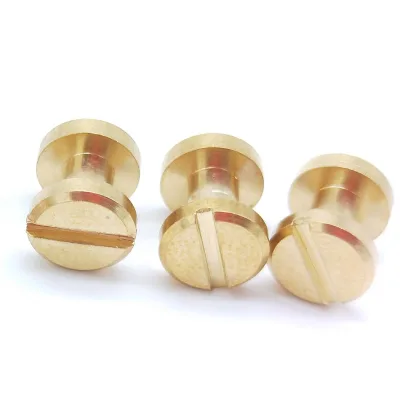
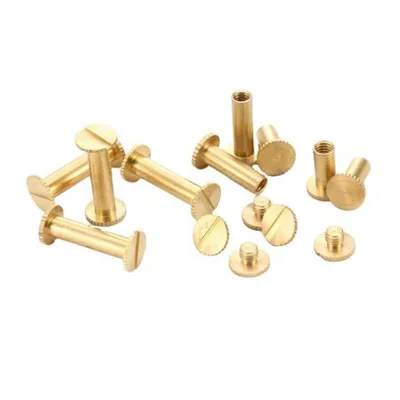
Custom M3 Brass Chicago Screws
$0.05 - $0.08
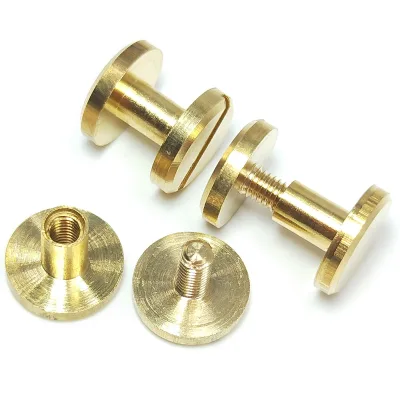
M3 Brass Slotted Knurled Chicago Screws for Book
$0.05 - $0.08
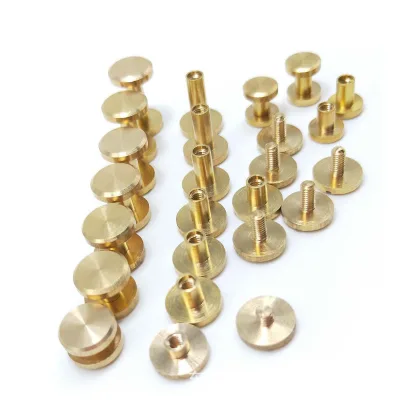
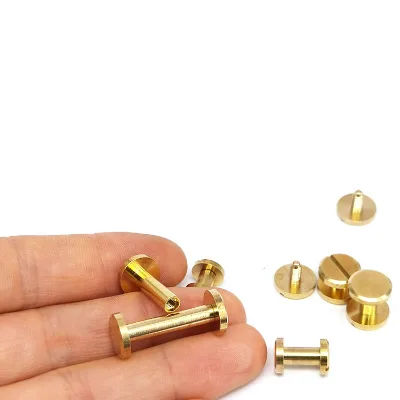
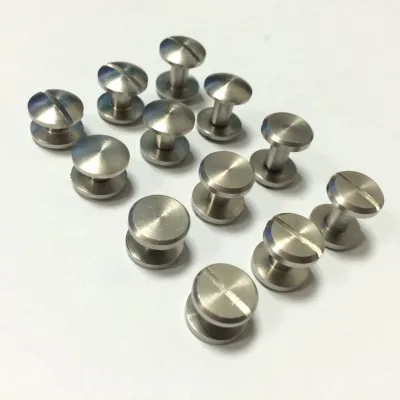
OEM 304/316 M3 Stainless Steel Chicago Screw
$0.06 - $0.08
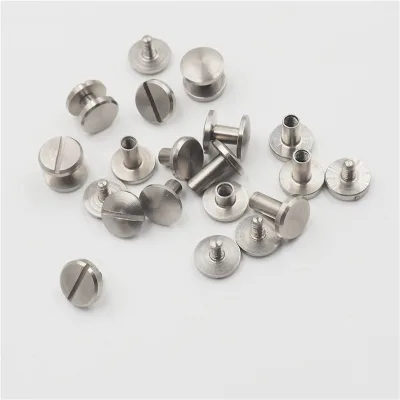
M3 Stainless Steel Chicago Screw for Leather
$0.05 - $0.08
Suzhou Anzhikou Hardware Technology Co., Ltd.
- Verified by SGS Group
- Manufacturer, Trading Company
- Lead time15 days
- Avg. response≤ 1h
Main productsScrew, Nut, CNC Parts, Screw Mould
Main marketsDomestic Market(30%), North America(20%), Western Europe(15%)
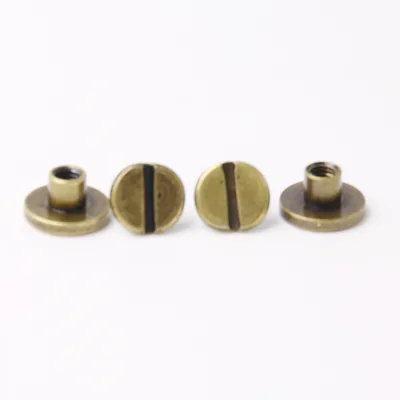
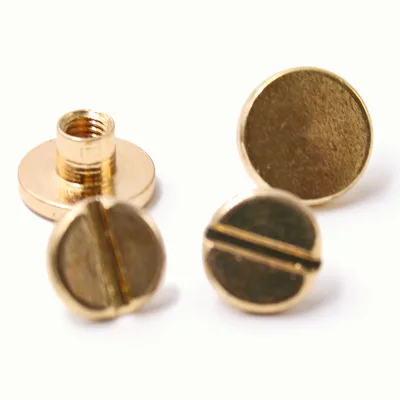
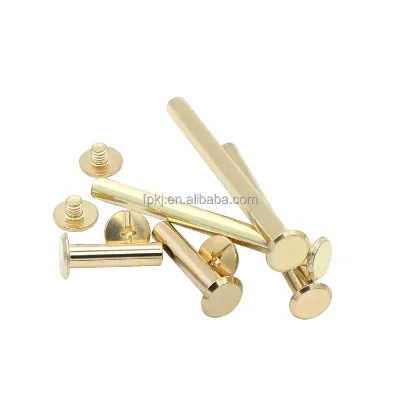
Binding Rivets Screw Customized Solid Brass Chicago Binding Rivets Screw for Leather
$0.05 - $0.20
MOQ: 1000
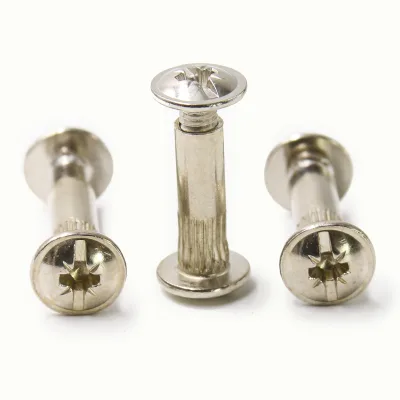
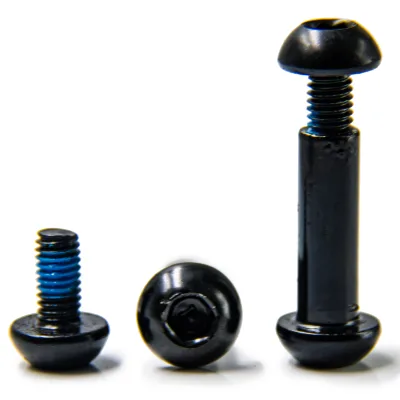
Chicago Screw Customized M3 Stainless Steel Button Head Chicago Screw for Belt
$0.01 - $0.12
MOQ: 1000
Zhejiang Dehong Machinery Co., Ltd
- Trading Company
- Zhejiang, China
- Lead time20 days
- Avg. response≤ 3h
Main productsscrews,Nuts,Bolts,clamps,washers
Main marketsEastern Europe(60.00%), Domestic Market(30.00%), North America(2.00%), Western Europe(2.00%)
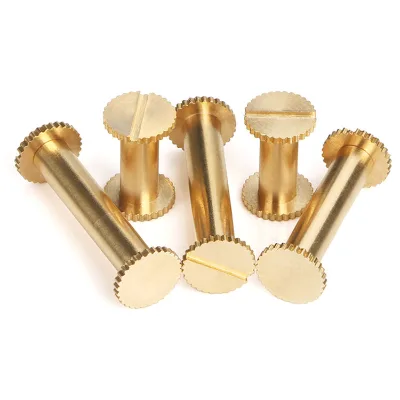
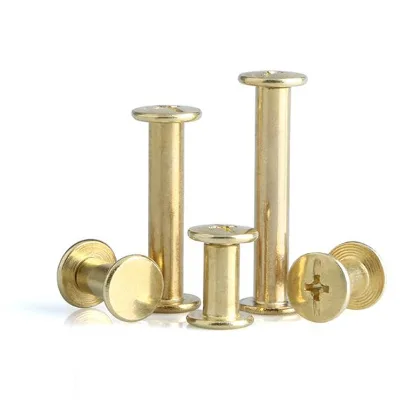
35mm Double End Brass Chicago Screws
$0.02 - $0.03
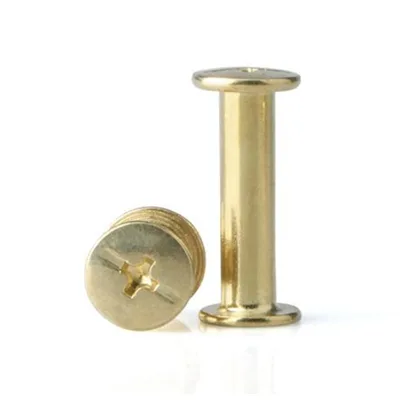
M6 Custom Brass Chicago Screw Leather
$0.07 - $0.08

Shenzhen Conghui Precision Hardware Co., Ltd.
- Verified by TUVRHEINLAND
- Trading Company,Manufacturer/Factory
- China Guangdong
- Lead time75 days
- Avg. response≤ 3h
Main productsFasteners, CNC Parts, Hex Bolts, Squre Nuts, Stamping Parts, Wrench, Furniture Insert Nut, Flat Washers, Self Tapping Screws, Security Screws
Main marketsSouth America,Eastern Europe,Mid East,North America,Southeast Asia,Oceania,Africa


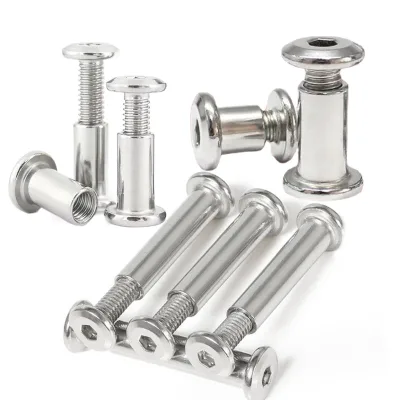
Custom Brass Book Binding Screw Post Binders, Aluminum Male Female Chicago Screw
$0.015
MOQ: 100 Pieces

Jiangsu Jinrui Metal Products Co., Ltd.
- Verified by TüVRheinland
- Manufacturer, Trading Company
- Lead time25 days
- Avg. response≤ 2h
Main productsBolt, Nut, Stud Bolt, Threaded Rod, Screw
Main marketsDomestic Market(54%), North America(16%), Western Europe(10%)

Dongguan Zhonggu Hardware Co., Ltd.
- Trading Company
- Guangdong, China
- Lead time25 days
- Avg. response≤ 4h
Main productsScrews, Bolts, Nuts, Rivets, Lathe Parts
Main marketsNorth America(35.00%), Domestic Market(13.00%), South America(10.00%), Western Europe(8.00%), Southern Europe(8.00%), Northern Europe(8.00%), Eastern Europe(8.00%), Oceania(5.00%), Southeast Asia(5.00%)
Shenzhen Huaxianglian Hardware Co., Ltd.
- Manufacturer, Trading Company
- Lead time旺季: "1 - 5000":7,"> 5000":"To be negotiated", 淡季: "1 - 5000":7,"> 5000":"To be negotiated"
- Avg. response≤ 4h
Main productsHardware Fasteners,CNC Machining Parts,Metal Working Parts,Custom Screws/Bolts,Custom Dowel Pins

Tianjin Spider Impex Co., Ltd.
- Manufacturer/Factory
- China Tianjin
- Lead time23 days
- Avg. response≤ 3h
Main productsDental Materials, Dental Lab Materials, Dental Consumbles, Dental Laboratory Equipment, Orthodontic Consumbles, Orthodontic Brush Kits, Dental Retainer Case, Dental Equipment, Screws, Fasteners
Main marketsSouth America,Eastern Europe,Mid East,North America,Southeast Asia,Eastern Asia,Oceania,Western Europe,Africa

- Verified by SGS
- Combined
- China Tianjin
- Lead time30 days
- Avg. response≤ 9h
Main productsScrews, Bolts, Nuts, Washers, Rivets, Nails, Machines
Main marketsOthers(foreignTradeCapacity.exportBusinessCapacityMarketOther),Europe,North America
Shenzhen Huaxianglian Hardware Co., Ltd.
- Manufacturer, Trading Company
- Lead time旺季: "1 - 1000":7,"> 1000":"To be negotiated", 淡季: "1 - 1000":7,"> 1000":"To be negotiated"
- Avg. response≤ 5h
Main productsMachine Screw,Barrel Nut,Flat Washer,Dowel Pin,CNC Lathe Turning Parts

Guangdong Taiyuanfeng Metal Products Co., Ltd.
- Verified by BV
- Combined
- China Guangdong
- Lead time15 days
- Avg. response≤ 3h
Main productsScrews, Bolts, Rivets, Nuts, Pins, CNC Parts, Stamping Parts, Non-Standard Screws, Wrench, Nails
Main marketsDomestic

$0.02 - $0.05
MOQ: 5000 Pieces

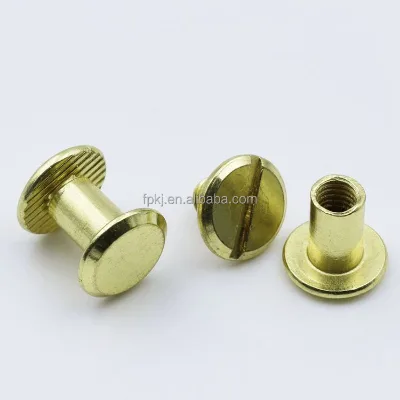
Flat Slotted Head Binding Screw Male and Female M3 Brass Chicago Screw
$0.02 - $0.10
MOQ: 10000 Pieces

Carbon Steel Zinc Plated Phillips Drive Male and Female Chicago Screws
$0.03 - $0.05
MOQ: 10000 Pieces

Male and Female Screws Carbon Steel Galvanized Hexagon Head Binding Chicago Screws
$0.01 - $0.10
MOQ: 10000 Pieces

Male and Female Screws Stainless Steel 304 Torx Button Head Chicago Screw
$0.03 - $0.10
MOQ: 10000 Pieces
- Verified by Intertek
- Manufacturer, Trading Company
- Lead time15 days
- Avg. response≤ 1h
Main productsScrews, Nuts, Rivets, CNC Parts, Washers
Main marketsNorth America(23%), Western Europe(22%), Domestic Market(20%)
- Manufacturer, Trading Company
- Lead time旺季: "1 - 10000":25,"> 10000":"To be negotiated", 淡季: "1 - 10000":25,"> 10000":"To be negotiated"
- Avg. response≤ 2h
Main productsCNC Parts, Screws, Nuts, Rivets, Pins
Finexpress Precision Manufacturing (dongguan) Co., Ltd.
- Verified by SGS Group
- Manufacturer, Trading Company
- Lead time25 days
- Avg. response≤ 2h
Main productsLathe Parts, Screws, Bolt, Nuts, Rivet
Main marketsNorth America(35%), Domestic Market(13%), South America(10%)
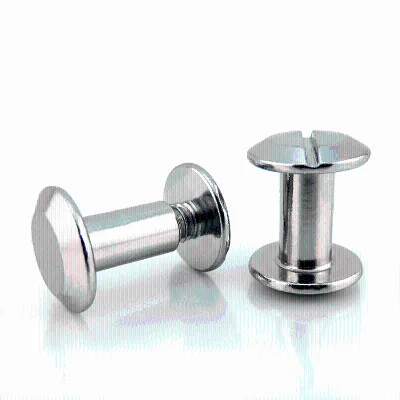
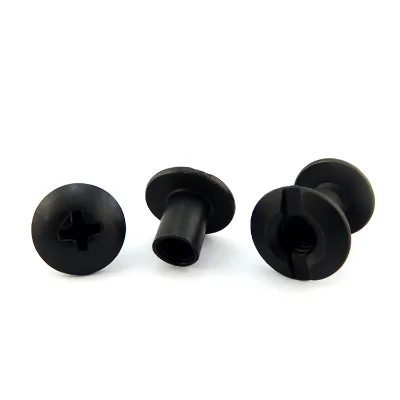
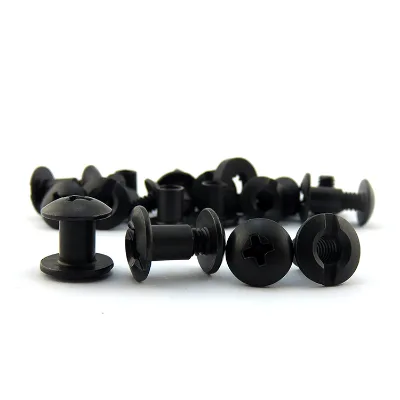
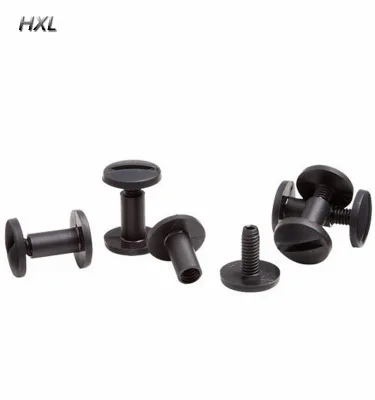
Custom Male Female Screw Black Oxide Chicago Screw
$0.02 - $0.05

- Trading Company
- Hong Kong S.A.R.
- Lead time25 days
- Avg. response≤ 7h
Main productsfastener,screws,bolts,nuts,washers
Main marketsNorth America(30.00%), South America(20.00%), Africa(10.00%), Southeast Asia(10.00%)

Taizhou Fengye Metal Products Co., Ltd.
- Verified by BV
- Combined
- China Jiangsu
- Lead time15 days
- Avg. response≤ 1h
Main productsSelf-Tapping Screw, Self-Drilling Screw, Machince Screw, Hex Bolt, Hex Nut, Wedge Anchor, Stud Bolt, Eye Bolt, Eye Nut, Hose Clamp
Main marketsSoutheast Asia/ Mideast,Domestic
Shenzhen Huaxianglian Hardware Co., Ltd.
- Manufacturer
- Guangdong, China
- Lead time10 days
- Avg. response≤ 4h
Main productsturning parts,CNC machining parts,screws,nuts,micro precision parts
Main marketsDomestic Market(20.00%), North America(15.00%), Oceania(9.00%), South America(8.00%), Mid East(7.00%), Eastern Asia(7.00%), Southeast Asia(6.00%), Central America(5.00%), Eastern Europe(5.00%), Africa(5.00%), Northern Europe(4.00%), Western Europe(3.00%), South Asia(3.00%), Southern Europe(3.00%)
Shenzhen Finexpress Hardware Fastener Co. , Ltd.
- Verified by TüVRheinland
- Manufacturer, Trading Company
- Lead time15 days
- Avg. response≤ 2h
Main productsFastener, Screw, Bolts, Washer, Nuts
Main marketsNorth America(25%), Mid East(15%), Western Europe(15%)
ZHENG AN INDUSTRY (HONG KONG) CO., LIMITED
- Verified by SGS Group
- Manufacturer, Trading Company
- Lead time20 days
- Avg. response≤ 4h
Main productsScrew, Nut, Washer, CNC Machining, Stamping Parts
Main marketsNorth America(35%), Domestic Market(12%), South America(10%)

- Combined
- China Guangdong
- Lead time23 days
- Avg. response≤ 3h
Main productsSofa Leg, Tube, Gas Spring, Handle, Furniture Hardware
Main marketsSouth America,Africa,Southeast Asia/ Mideast,East Asia(Japan/ South Korea),Domestic,Europe,Australia,North America


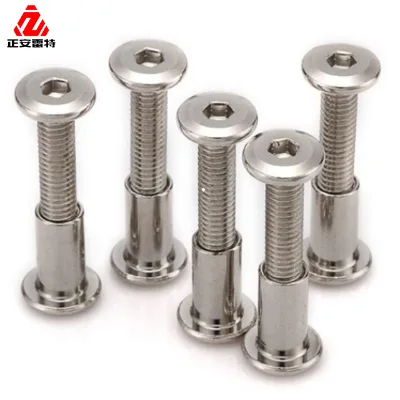
Connecting Bolts and Nuts Fasteners Male and Female Screw Chicago Screw/Chicago Bolt
$12.99 - $13.019
MOQ: 100 1000pcs
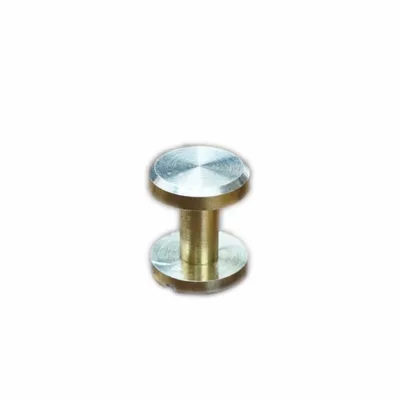
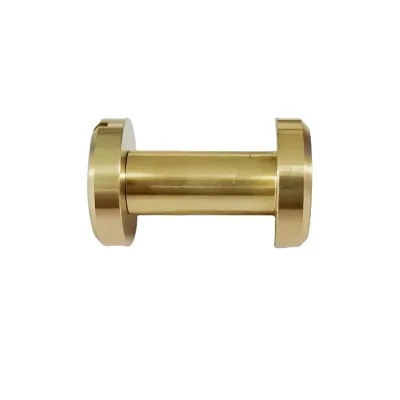


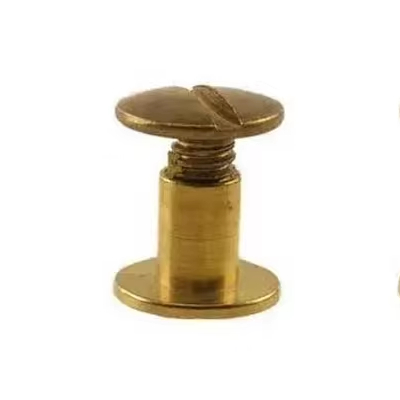
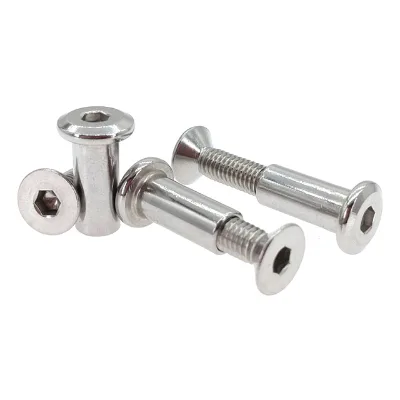


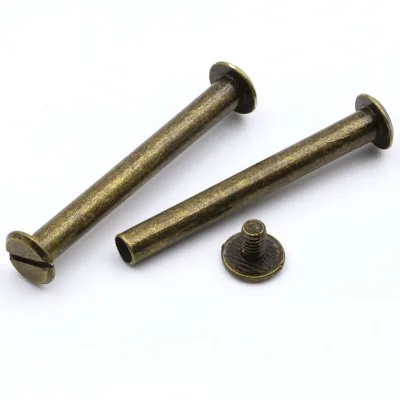
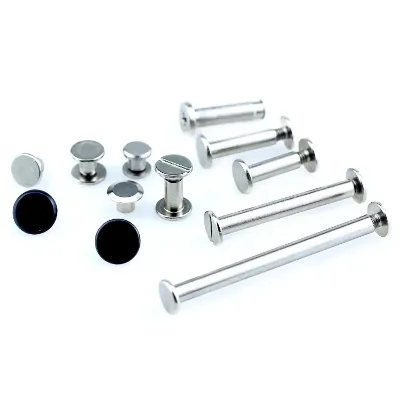
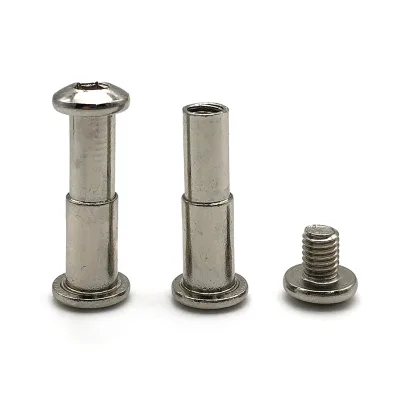
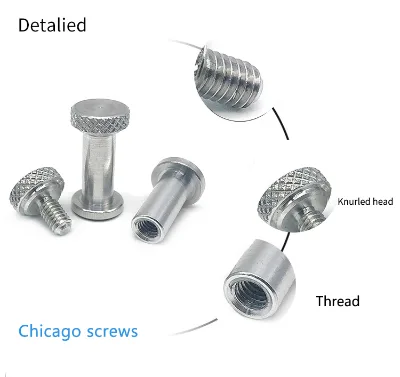
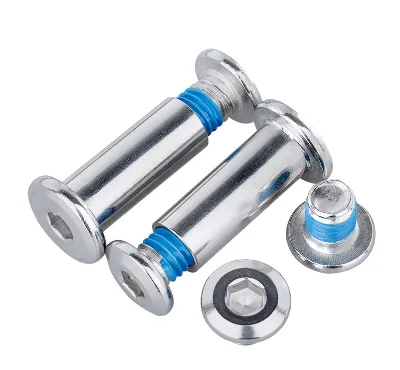


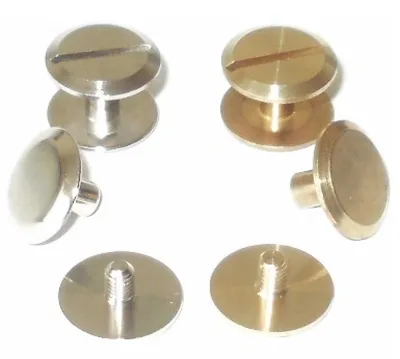
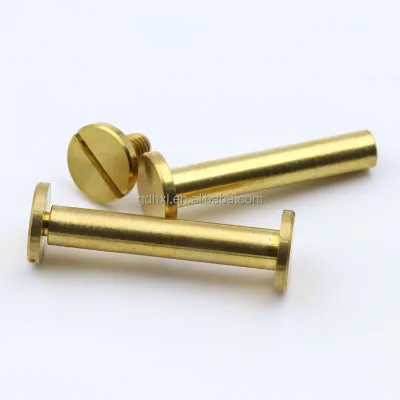
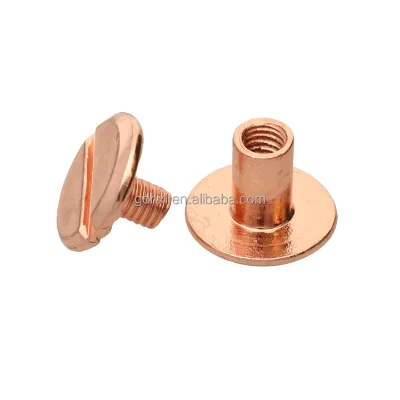
Comprehensive Sourcing Guide
Customizable Brass Chicago Screws Supplier Concentration and Factory Types
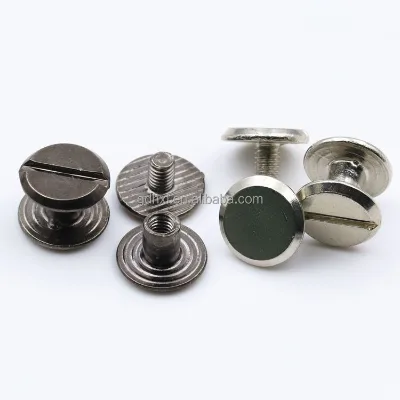
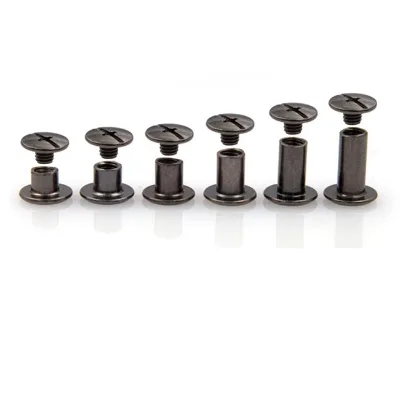
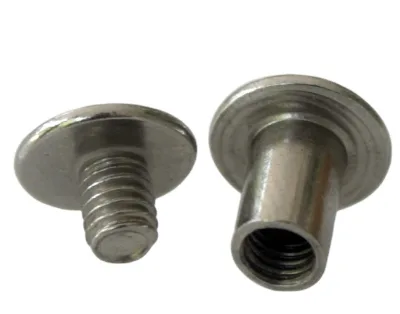
The landscape for sourcing Customizable Brass Chicago Screws reveals a distinct concentration of manufacturing capabilities within specific industrial regions of China, primarily Guangdong and Jiangsu. These locations serve as critical hubs for hardware production, offering buyers access to established supply chains for raw materials like brass, stainless steel, and aluminum. Suppliers in these areas often specialize in CNC milling and turning parts, which are essential for producing the precise tolerances required for high-quality fasteners. The presence of manufacturers in Guangdong suggests a robust ecosystem for metalworking, where facilities can handle complex customizations such as varied head styles, thread types, and surface finishes. Buyers evaluating these regions should look for suppliers who explicitly list CNC machining as a core competency, as this indicates the technical capacity to produce non-standard sizes and shapes efficiently. The concentration of factories in these provinces also implies a competitive market environment, which can drive innovation in product design and cost efficiency for bulk orders.
Beyond geographic clustering, the types of entities supplying these fasteners vary significantly, ranging from pure manufacturers to trading companies. Manufacturer entities typically offer direct control over production processes, allowing for greater flexibility in customization and potentially lower costs for large volumes. These suppliers often highlight their ability to handle OEM and ODM projects, providing services that extend beyond simple off-the-shelf sales. In contrast, trading companies may offer a broader portfolio of related hardware products, such as tools and plastic components, which can be advantageous for buyers seeking a consolidated sourcing solution. However, trading entities might have longer lead times or less direct oversight of the manufacturing process compared to factory-direct suppliers. Understanding the company type is crucial for assessing reliability and communication efficiency. Buyers should verify whether a supplier is a manufacturer or a trader to align their expectations regarding production transparency, quality control measures, and the ability to accommodate urgent or highly specific custom requests.
How to Verify Customizable Brass Chicago Screws Suppliers
Verifying the legitimacy and capability of suppliers requires a multi-layered approach that goes beyond basic company profiles. One critical step is to examine third-party verification badges and certifications displayed on supplier pages. For instance, some manufacturers hold ISO 9001, TS 16949, or other quality management certifications, which indicate a structured approach to production consistency and quality control. Additionally, verification by independent bodies such as TÜV Rheinland provides an extra layer of confidence regarding the supplier’s business operations and financial stability. Buyers should prioritize suppliers who display these credentials, as they suggest a commitment to international standards and rigorous internal audits. It is also important to check for specific product certifications like RoHS or CE, which may be required depending on the end-use application of the screws, particularly in electronics or consumer goods. These certifications serve as tangible evidence of the supplier’s adherence to regulatory requirements and environmental standards.
Another vital aspect of verification is assessing the supplier’s responsiveness and historical performance metrics. Response time is a key indicator of operational efficiency and customer service quality. Suppliers with faster response times, such as those averaging under three days, are often more agile in handling inquiries and resolving issues. Buyers should also look for detailed product attributes that demonstrate technical depth, such as specific tolerance levels, material grades, and available surface finishes. For example, a supplier listing precise tolerance ranges like 0.01-0.05mm indicates a high level of machining precision. Furthermore, examining the variety of standards supported, such as DIN, ANSI, or JIS, can reveal the supplier’s versatility and experience in serving diverse international markets. Buyers should request samples to physically verify the quality of the brass material, the smoothness of the threads, and the durability of surface treatments like zinc plating or black oxide. This hands-on verification complements digital due diligence and ensures that the supplier can meet specific technical requirements before committing to a larger order.
What to Compare Across Customizable Brass Chicago Screws Suppliers
When evaluating multiple suppliers, it is essential to compare key operational metrics that directly impact project success and cost efficiency. Lead time is a primary differentiator, with some suppliers offering rapid turnaround times of around seven days for standard customizations, while others may require up to twenty-three days or more for complex orders. Understanding these variations helps buyers plan their inventory and manage downstream delivery schedules effectively. Additionally, the Minimum Order Quantity (MOQ) varies significantly across the market, ranging from low thresholds of one piece for prototyping to higher volumes like 800 or 1000 pieces for production runs. Buyers with smaller initial needs should seek suppliers with flexible MOQs, whereas those planning large-scale manufacturing should negotiate for volume discounts and streamlined production slots. Comparing these logistical parameters allows for a more accurate assessment of which supplier aligns best with the buyer’s specific volume requirements and timeline constraints.
Price and payment terms also play a crucial role in the comparison process, although they should be viewed in conjunction with quality and service levels. Unit prices for Customizable Brass Chicago Screws can fluctuate based on material costs, order volume, and customization complexity. Some suppliers may offer competitive pricing for standard sizes, while others might provide better value for highly customized specifications through efficient manufacturing processes. Buyers should also consider the supplier’s main product focus; those specializing in fasteners and hardware may offer more specialized expertise and consistent quality compared to general trading companies. Furthermore, comparing the range of available materials and finishes is important, as some suppliers may offer a wider selection of brass alloys or surface treatments like cadmium plating or chrome plating. By systematically comparing lead times, MOQs, pricing structures, and product capabilities, buyers can identify the most suitable partner for their specific sourcing needs, ensuring a balance between cost, quality, and delivery reliability.
Common Customizable Brass Chicago Screws Sourcing Risks
One significant risk in sourcing Customizable Brass Chicago Screws is the potential inconsistency in material quality and dimensional accuracy. Brass is an alloy, and variations in composition can affect its machinability, corrosion resistance, and aesthetic appearance. Buyers must ensure that suppliers use high-quality brass grades that meet specified standards, as inferior materials can lead to premature failure or aesthetic defects in the final product. Additionally, the precision of the threading and head dimensions is critical for proper assembly and functionality. Suppliers with inadequate quality control processes may produce screws with loose tolerances, leading to assembly issues or compromised structural integrity. To mitigate this risk, buyers should request detailed technical specifications and material test reports from suppliers. Conducting regular quality inspections, either through third-party agencies or on-site visits, can help identify and address production inconsistencies early in the supply chain.
Another common risk is the misalignment between quoted lead times and actual delivery schedules, particularly during peak production seasons. Some suppliers may quote aggressive lead times that are difficult to maintain during periods of high demand, leading to delays that disrupt the buyer’s operations. This risk is exacerbated when working with trading companies that rely on multiple subcontractors, as coordination challenges can arise. Buyers should clearly communicate their delivery requirements and seek suppliers with proven track records of meeting deadlines. It is also advisable to include penalty clauses for late deliveries in contracts to incentivize timely performance. Furthermore, communication barriers and language differences can lead to misunderstandings regarding customization details, resulting in incorrect orders. Establishing clear communication channels and providing detailed technical drawings or samples can help minimize these errors. Regular follow-ups and milestone checks during production can also ensure that the project stays on track and any issues are resolved promptly.
Customizable Brass Chicago Screws Regional Sourcing and Logistics
Sourcing from specific regions in China, such as Guangdong and Jiangsu, offers distinct logistical advantages and challenges for buyers. Guangdong is known for its advanced manufacturing infrastructure and proximity to major ports, facilitating efficient export logistics for hardware products. Suppliers in this region often have extensive experience in international trade, making the shipping and customs clearance processes smoother. However, buyers should be aware of potential congestion at ports during peak seasons, which can impact transit times. Jiangsu, on the other hand, is another major manufacturing hub with a strong focus on precision engineering and high-quality production. Suppliers in Jiangsu may offer competitive pricing and high technical standards, but buyers should verify their logistical capabilities to ensure timely delivery. Understanding the regional strengths of these manufacturing clusters helps buyers make informed decisions about where to source their Customizable Brass Chicago Screws based on their specific needs for speed, cost, and quality.
Logistics planning also involves considering the packaging and handling requirements of the screws to prevent damage during transit. Proper packaging, such as using polywood pallets and secure boxing, is essential to protect the products from moisture and physical impact. Buyers should discuss packaging options with suppliers to ensure that the screws arrive in optimal condition. Additionally, calculating the total landed cost, including shipping, insurance, and duties, is crucial for accurate budgeting. Buyers should work with freight forwarders to compare shipping rates and select the most cost-effective and reliable transport method. For urgent orders, air freight may be necessary, while bulk shipments can be handled via sea freight to reduce costs. Establishing a clear logistics strategy in collaboration with the supplier ensures that the supply chain operates smoothly and that products are delivered to the buyer’s warehouse in a timely and undamaged state.
Customizable Brass Chicago Screws Commercial Terms and Order Planning
Effective order planning begins with establishing clear commercial terms that protect both the buyer and the supplier. Payment terms, such as using escrow services or letters of credit, provide security for transactions, ensuring that funds are released only upon satisfactory delivery of the goods. Buyers should negotiate payment structures that align with their cash flow needs, such as partial upfront payments and balance upon shipment. Additionally, defining the scope of customization in detail, including material specifications, dimensions, and surface finishes, is essential to avoid disputes. Suppliers should provide detailed quotations that break down costs for materials, labor, and tooling, allowing buyers to understand the cost drivers. Clear communication of these terms helps build trust and ensures that both parties have a shared understanding of the project requirements and expectations.
Long-term order planning involves forecasting demand and establishing a reliable supply base to meet future needs. Buyers should consider the supplier’s production capacity and scalability to ensure they can handle increased order volumes without compromising quality or lead times. Building a relationship with a primary supplier can lead to better pricing, priority production slots, and improved service levels. However, maintaining a diversified supplier base can mitigate risks associated with single-source dependency. Regular performance reviews and feedback sessions with suppliers can help identify areas for improvement and strengthen the partnership. By carefully planning commercial terms and order volumes, buyers can optimize their sourcing strategy, reduce costs, and ensure a steady supply of high-quality Customizable Brass Chicago Screws for their operations. This proactive approach fosters a resilient and efficient supply chain capable of adapting to market changes and customer demands.
FAQs
What is the minimum order quantity for customized brass Chicago screws?
Minimum order quantities vary by supplier, with some accepting orders as low as one piece while others require 800 or 1000 pieces. Buyers should verify specific MOQ requirements directly with manufacturers in Guangdong or Jiangsu before placing bulk orders for custom sizes.
How long does it take to receive customized brass Chicago screws?
Lead times range from 7 days to 23 days depending on the supplier and order volume. Some manufacturers offer delivery within 7 to 15 workdays, while others may require up to 23 days. Peak seasons can extend these timelines significantly for large quantities.
Which certifications do suppliers of brass Chicago screws typically hold?
Many manufacturers hold ISO 9001, ISO 9000, TS 16949, and QC 080000 certifications. Some products also carry SGS, RoHS, and CE marks. Verification by bodies like TÜV Rheinland is available for certain suppliers to ensure quality standards are met for industrial applications.
What materials are used to manufacture brass Chicago screws?
Brass is the primary material, though stainless steel, aluminum, titanium, and nylon are also available options. Suppliers offer various grades including Class 8 and materials like SS304 or SS316. Customization allows for specific material selection based on corrosion resistance or strength needs.
What head styles are available for customized brass Chicago screws?
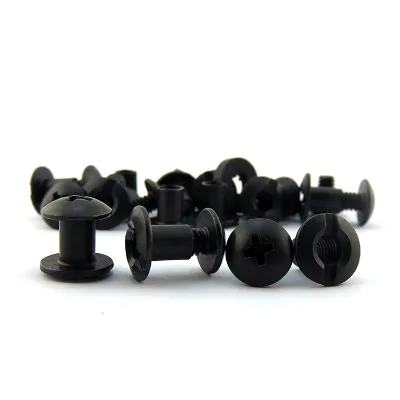
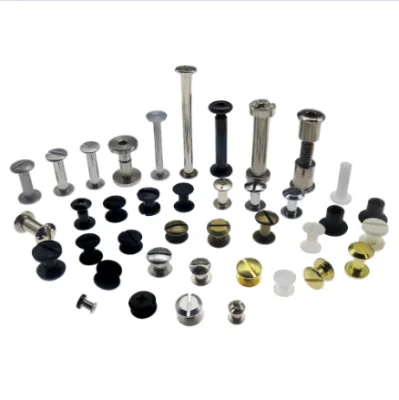
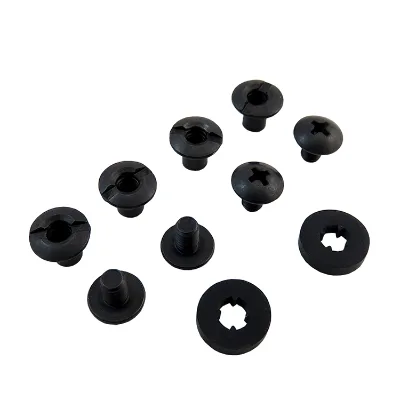
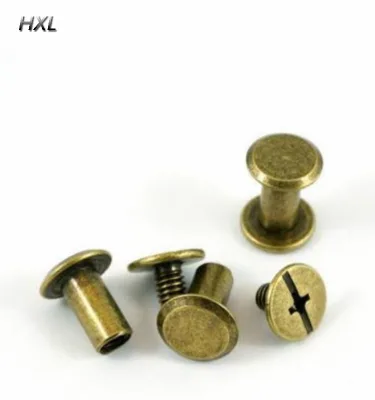
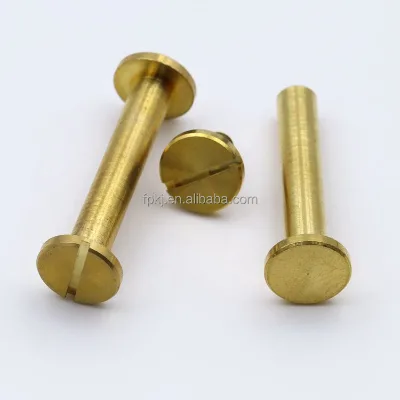
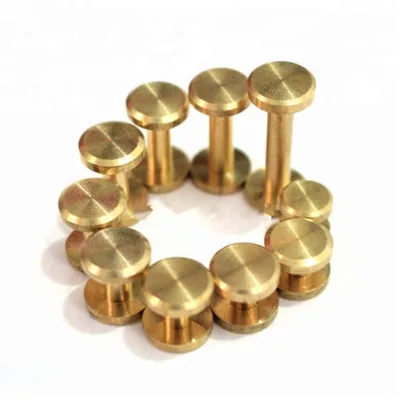
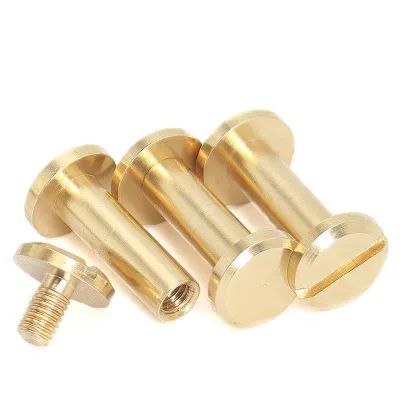
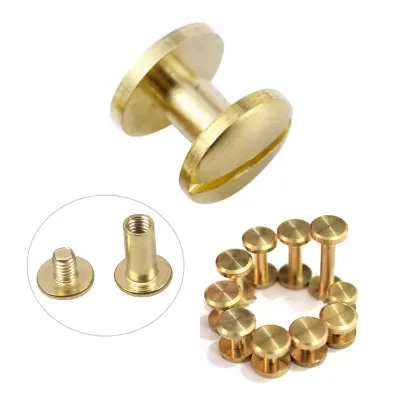
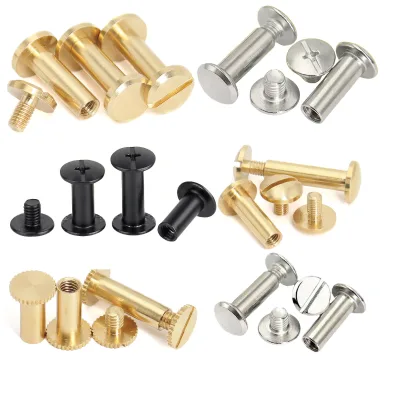
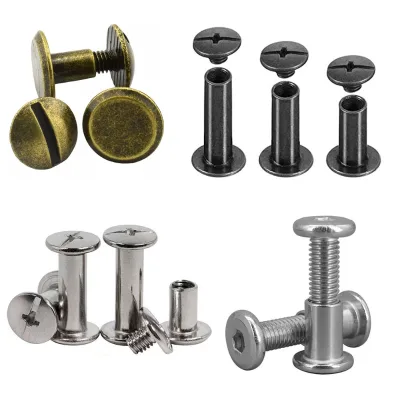
Available head styles include round, pan, truss, flat, oval, hex, cheese, and binding types. Some products feature slotted grooves while others have cross patterns. Buyers can select specific head styles to match the functional requirements of their leather, bag, or furniture projects.
What is the price range for customized brass Chicago screws?
Prices typically range from 0.07 to 0.14 USD per piece depending on specifications and order volume. Some listings show a fixed price of 0.10 USD. Costs may vary based on thread size, coating type, and whether the order meets the minimum quantity thresholds set by the factory.
Where are the manufacturers of brass Chicago screws located?
Manufacturers are primarily located in Guangdong and Jiangsu provinces in China. These regions host both direct manufacturers and trading companies specializing in fasteners. Buyers can source from facilities offering OEM and ODM services with established production capacities for custom hardware components.