Anodized Titanium Hex Socket Cap Suppliers and Manufacturers
Explore 21 verified options for Anodized Titanium Hex Socket Cap products from Shaanxi, China. Compare response times, lead times, certifications like ISO 9001, and pricing ranges to find the right factory. Contact suppliers directly to request quotes and verify specifications.
Updated
Suppliers List

- Verified by TUVRHEINLAND
- Manufacturer/Factory
- China Shaanxi
- Lead time38 days
- Avg. response≤ 2h
Main productsDial Indicators, Micrometers, Calipers, Thickness Gauges, Bore Gauges, Depth Gauges, Height Gauges, Bevel Protractors, Oil Pipe Thread Instruments, CNC Lathe
Main marketsSouth America,Eastern Europe,North America,Western Europe,Africa

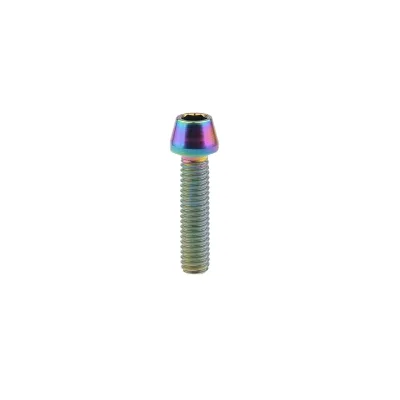
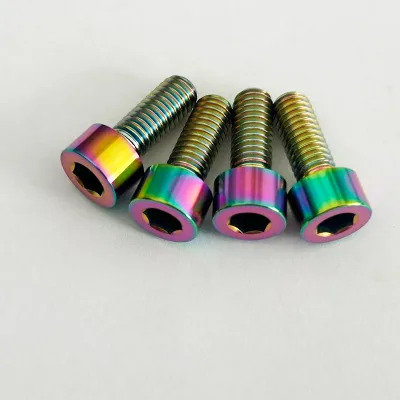
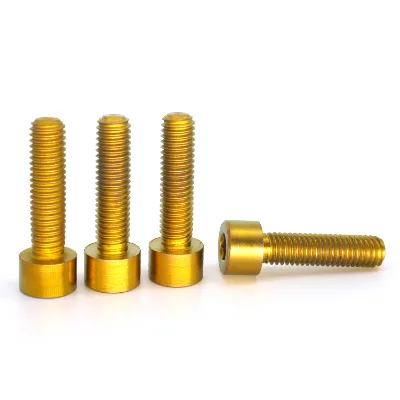
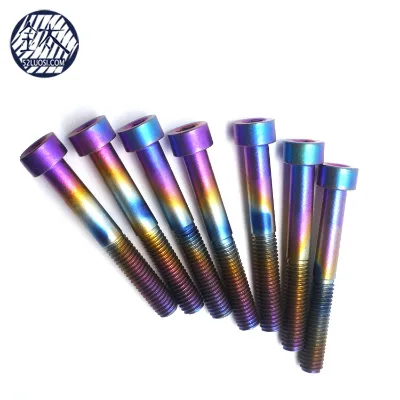
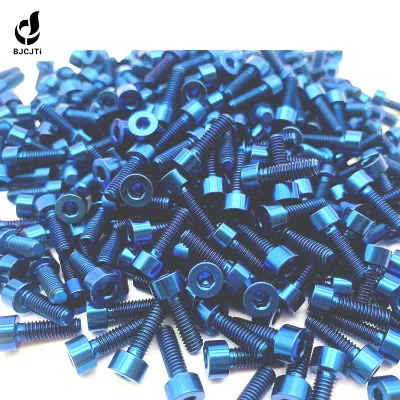
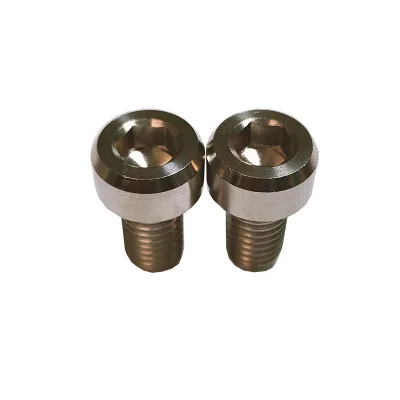
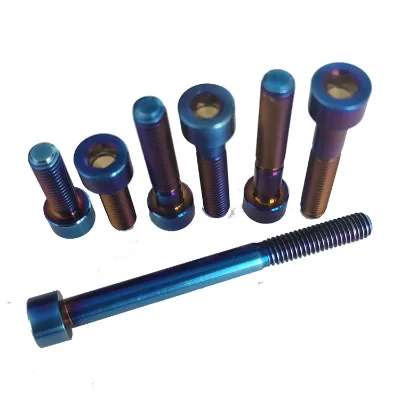
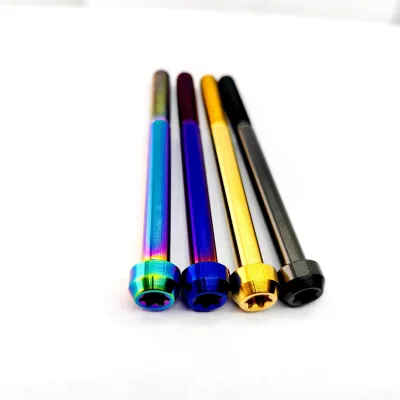
Anodizing Color Titanium Hex Socket Cap Screw for Racing and Motorcycle
$1.15 - $1.24
MOQ: 1000 Pieces


SHAANXI RUIYANG IMPORT EXPORT CO., LTD.
- Verified by TUVRHEINLAND
- Trading Company,Manufacturer/Factory
- China Shaanxi
- Lead time23 days
- Avg. response≤ 5h
Main productsSteel Pipe, Stainless Steel, Steel Wire Rope, Stainless Steel Bar, Aluminium, Anchor Bolt, Marine Hardware, Reformer Tube, Bolts and Nuts, Centrifugal Cast Tube
Main marketsSouth America,Eastern Europe,Mid East,North America,Southeast Asia,Eastern Asia,Oceania,Western Europe,Africa
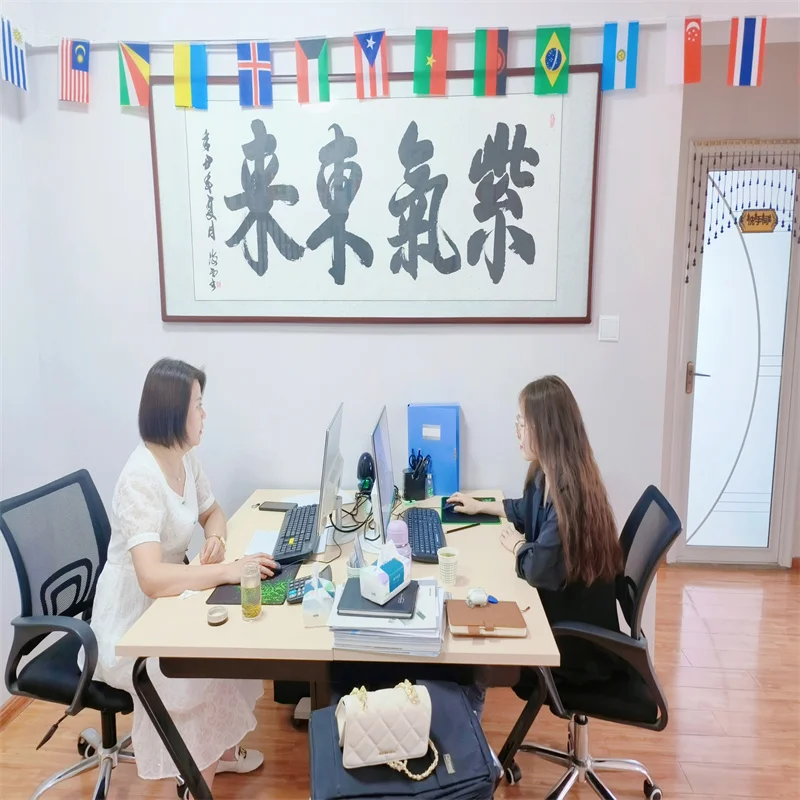
Shaanxi Ruifuxiang Industry And Trade Co., Ltd.
- Manufacturer, Trading Company
- Shaanxi Province, China
- Lead time30 days
- Avg. response≤ 1h
Main productstitanium fastener,titanium plate,titanium wire,titanium anode,titanium bar
Main marketsNorth America(20.00%), South America(15.00%), Mid East(10.00%), South Asia(10.00%), Southeast Asia(10.00%), Central America(10.00%), Domestic Market(5.00%), Africa(5.00%), Northern Europe(5.00%), Eastern Europe(5.00%), Eastern Asia(5.00%)

Zhangjiagang Maitan Metal Products Co., Limited
- Trading Company,Manufacturer/Factory
- China Jiangsu
- Lead time23 days
- Avg. response≤ 25h
Main productsTube Sheet, Shell, Channel, Low Fin Tubes, Fin Tube, Titanium Tube, Titanium Plate, Stainless Steel Precision Tubes, Nickel Alloy Tube, Special Alloy Products
Main marketsSouth America,Eastern Europe,Mid East,North America,Southeast Asia,Eastern Asia,Oceania,Western Europe,Africa
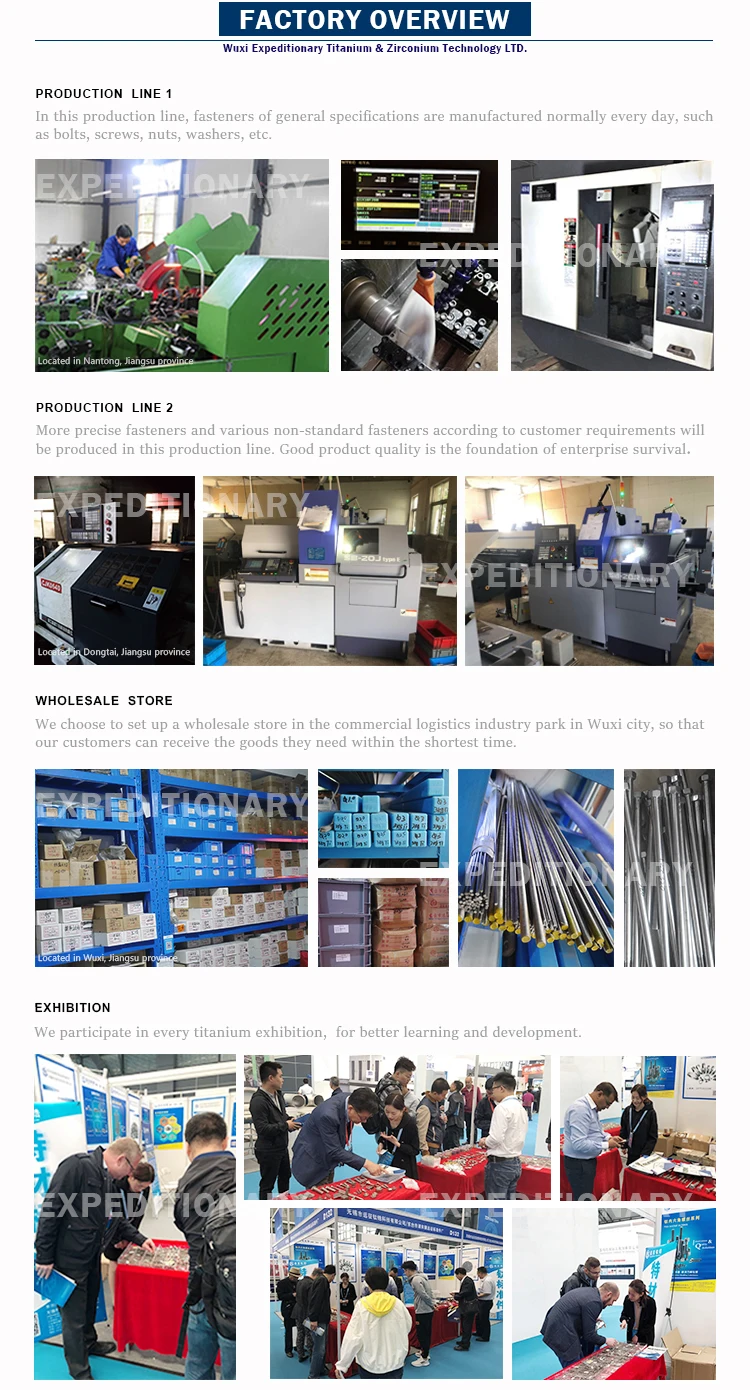
Wuxi Yuanzheng Titanium Zirconium Technology Co., Ltd.
- Manufacturer, Trading Company
- Jiangsu, China
- Lead time30 days
- Avg. response≤ 11h
Main productstitanium fasteners,titanium alloy fasteners,zirconium fasteners,titanium material
Main marketsDomestic Market(50.00%), North America(12.00%), South Asia(8.00%), Western Europe(6.00%), Eastern Europe(6.00%), South America(6.00%), Northern Europe(3.00%), Oceania(2.00%), Mid East(2.00%), Southern Europe(1.00%), Africa(1.00%), Eastern Asia(1.00%), Central America(1.00%), Southeast Asia(1.00%)

Dongguan Zhengchen Hardware Co., Ltd.
- Verified by BV
- Combined
- China Guangdong
- Lead time15 days
- Avg. response≤ 5h
Main productsIndexing Plunger, Ball Plunger, Spring Plunger, Ball Lock Pin, Ball Transfer Unit, Ball Roller, Bearing Lock Nut, Precision Washer, Shoulder Bolt, Dowel Pin
Main marketsSouth America,Africa,Southeast Asia/ Mideast,East Asia(Japan/ South Korea),Europe,Australia,North America

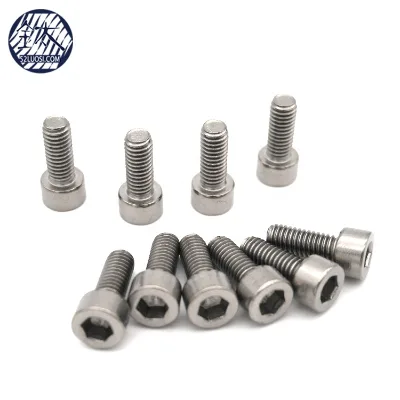
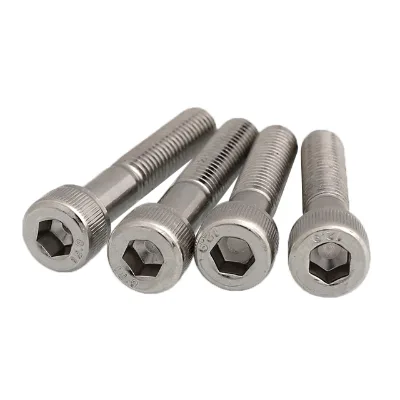
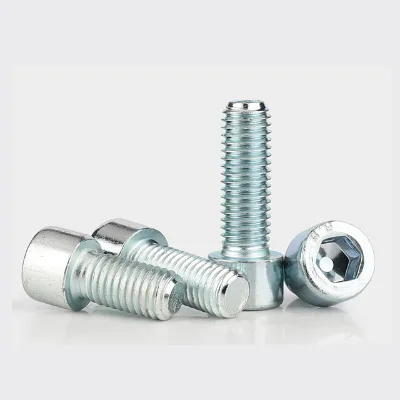
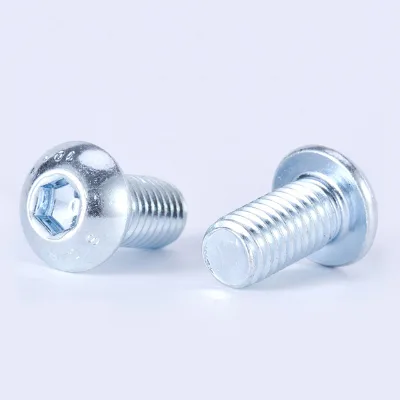
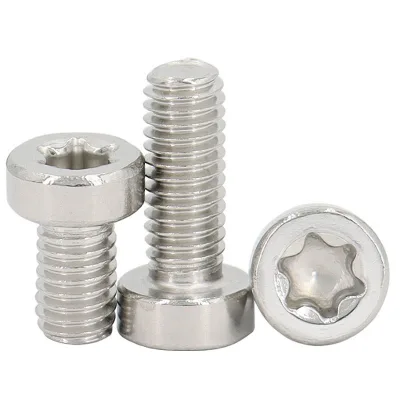
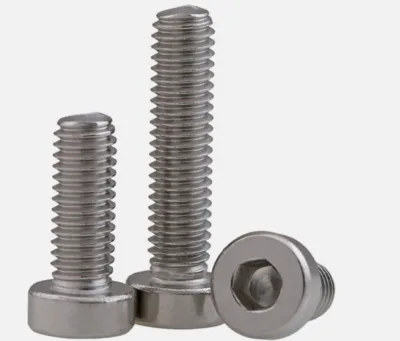
Transparent-Pricing Stainless Steel Hex Socket Hex Socket Head Cap Screws
$0.10 - $0.50
MOQ: 100 Pieces


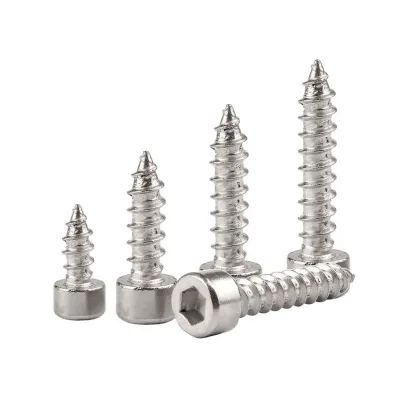
Factory Price Stainless Steel Socket Head Cap Socket Cap Automotive Socket Screws
$0.10 - $0.50
MOQ: 100 Pieces
Baoji Chengjin Titanium Industry Co., Ltd.
- Verified by TüVRheinland
- Manufacturer, Trading Company
- Lead time15 days
- Avg. response≤ 2h
Main productsTitanium Fasteners, Titanium CNC Processing Parts, Titanium CNC Pipe Parts And Connector, Titanium Bolt, Titanium Screw
Main marketsNorth America(60%), Western Europe(20%), Eastern Europe(4%)

Handan Qijing Fastener Manufacture Co., Ltd.
- Verified by TUVRHEINLAND
- Combined
- China Hebei
- Lead time15 days
- Avg. response≤ 7h
Main productsBolt, Nut, Thread Rod, Anchor Bolt, Screw, Washer, Rigging, Spring, Flange Plate, U Bolt
Main marketsDomestic
Jiangsu Jinrui Metal Products Co., Ltd.
- Verified by TüVRheinland
- Manufacturer, Trading Company
- Lead time25 days
- Avg. response≤ 2h
Main productsBolt, Nut, Stud Bolt, Threaded Rod, Screw
Main marketsDomestic Market(54%), North America(16%), Western Europe(10%)
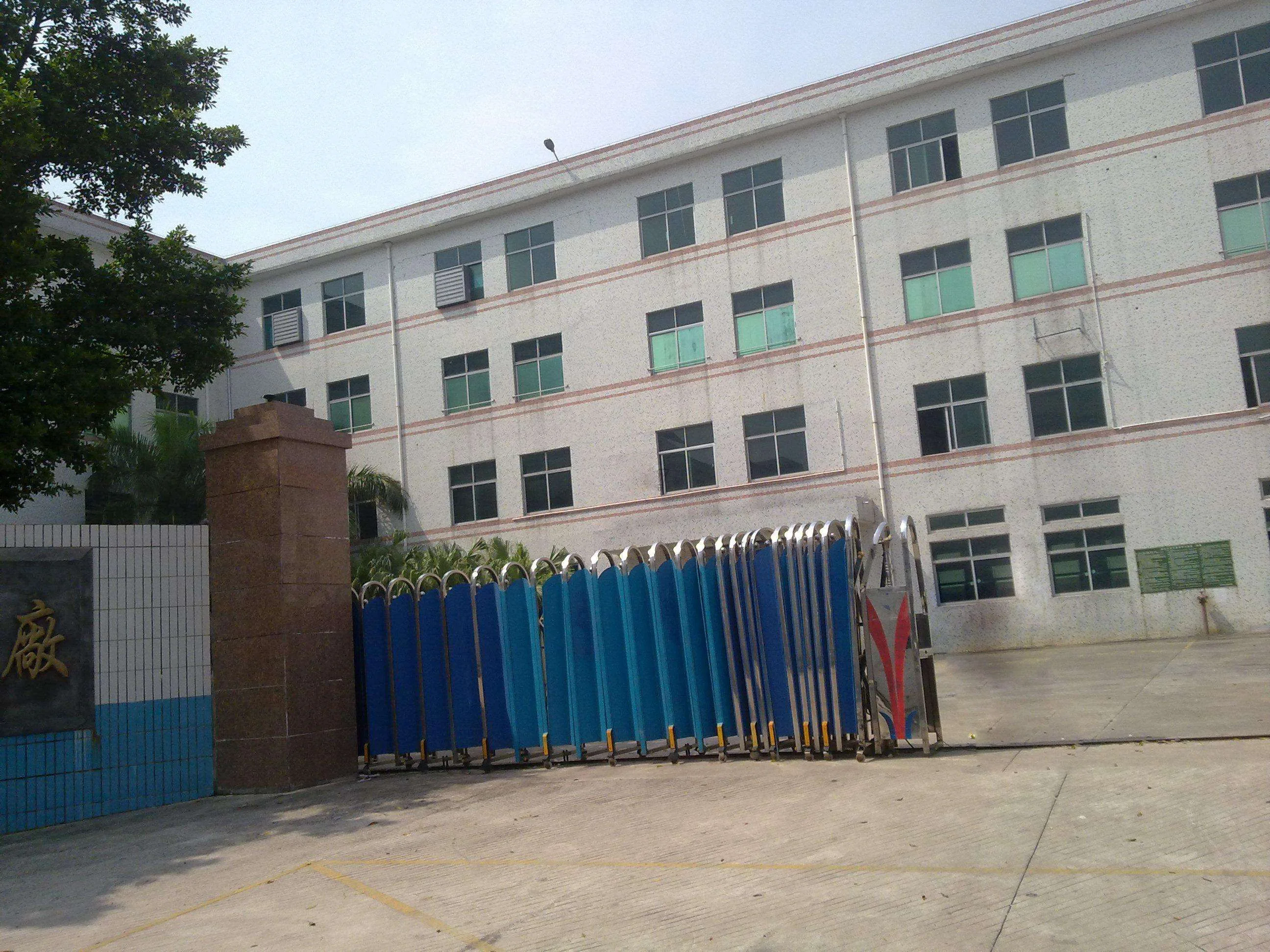
Baoji New Century Trade Co., Ltd.
- Trading Company
- Shaanxi, China
- Lead time35 days
- Avg. response≤ 2h
Main productstitanium screw,titanium bolt,titanium machined parts,Titanium CNC parts,custom titanium parts
Main marketsNorth America(55.00%), Western Europe(9.00%), Mid East(7.00%), Northern Europe(6.00%), Southeast Asia(5.00%), Eastern Asia(4.00%), South Asia(3.00%), Southern Europe(3.00%), Domestic Market(3.00%), Eastern Europe(3.00%), Oceania(2.00%)

- Trading Company
- China Jiangsu
- Lead time30 days
- Avg. response≤ 5h
Main productsFastener Insertion Machine, Self Clinching Machine, Bending &Cutting, Hydraulic Steel Worker, Grinding Machine, Bending Tools, Press Brake, V-Cutting Machine, Corner Forming Machine, Hydraulic Ironworker
Main marketsSoutheast Asia/ Mideast,Domestic,Europe,North America

Shandong Yifa Casting & Forging Co., Ltd.
- Verified by SGS
- Manufacturer/Factory
- China Shandong
- Lead time45 days
- Avg. response≤ 8h
Main productsRigging Hardware, Shackle G209 G210 G2130 G2150, Load Binder L140 L150 EU. Safety Type, Wire Rope Clip DIN741 DIN1142 JIS Type, Hook G70 G80 Grab Hook Slip Hook Rtj Hook, Power Line Fittings Turnbuckle Wire Rope, Carabiner& Belt Hook Quick Links, Chain En818-2 G100 Alloy Lifting&Lashing DIN766, Stainless Steel Items&Swivel&Thimble&Block, Construction Accessories Links Eyebolt&Nut
Main marketsSouth America,Eastern Europe,Mid East,North America,Southeast Asia,Eastern Asia,Oceania,Western Europe,Africa
Dongguan Maoming Hardware Co., Ltd.
- Verified by SGS Group
- Manufacturer, Trading Company
- Lead time15 days
- Avg. response≤ 2h
Main productsBolt, CNC Machining, Precision Parts, CNC Lathe, Fastener Pin
Main marketsNorth America(70%), Southeast Asia(20%), Eastern Asia(10%)

- Verified by BV
- Combined
- China Zhejiang
- Lead time30 days
- Avg. response≤ 7h
Main productsBolts, Nuts, Threaded Rods, Stud Bolts, Washers, Fasteners, A325 Structural Bolts, A193 Grade B7 All Threaded Rods, A194 Grade 2h Heavy Hex Nuts, F436 Hardened Flat Washers
Main marketsSouth America,Europe,North America
Zhejiang Certeg International Co., Ltd.
- Trading Company
- Zhejiang, China
- Lead time15 days
- Avg. response≤ 5h
Main productsSteel pipe,Steel coil,Roofing sheet,Steel profile,Sandwich panel
Main marketsAfrica(30.00%), Southeast Asia(30.00%), South America(10.00%), Mid East(10.00%), Oceania(10.00%), Eastern Europe(6.50%), North America(2.00%), South Asia(1.00%), Eastern Asia(0.50%)
- Manufacturer, Trading Company
- Shaanxi, China
- Lead time20 days
- Avg. response≤ 7h
Main productsTitanium,Zirconium,Niobium,Chromium,Nickel
Main marketsNorth America(50.00%), Domestic Market(30.00%), Western Europe(16.00%), Eastern Europe(2.00%), Northern Europe(2.00%)
Handan Deteng Fastener Co., Ltd.
- Verified by TüVRheinland
- Manufacturer, Trading Company
- Lead time20 days
- Avg. response≤ 1h
Main productsNut, Bolt, Inner Wall Gecko, Flat Washer, Tooth Bar
Main marketsDomestic Market(50%), Africa(16%), Mid East(13%)

Shanghai G&T Industry Co., Ltd.
- Verified by TUVRHEINLAND
- Trading Company
- China Shanghai
- Lead time15 days
- Avg. response≤ 3h
Main productsBolt, Nut, Threaded Rod &Stud Bolts, A193 B7/B7m/B16/L7/L7m, A193 B8/B8m, Customized Fastener, A453 Gr660
Main marketsSouth America,Africa,Southeast Asia/ Mideast,Europe,Australia,North America

Xi'an Viber Exp & Imp Co., Ltd.
- Verified by CTI
- Trading Company
- China Shaanxi
- Lead time23 days
- Avg. response≤ 1h
Main productsMasonry Anchor, Tapping Screw, Driling Screw, Chipboard Screw, Drywall Screw, Anchor Bolt, Hex Nut, Machine Screw, Concrete Screw, Wedge Anchor
Main marketsEast Asia(Japan/ South Korea),Europe

Handan Haoqiang Fasteners Manufacturing Co., Ltd.
- Verified by SGS
- Combined
- China Hebei
- Lead time30 days
- Avg. response≤ 8h
Main productsHex Bolt, Hex Nut, Flange Nut, Flange Bolt, High Strength Bolt, ASTM/ANSI, Bolt and Nut, Spring Washer, Flat Washer, Screws
Main marketsSouth America,Africa,Southeast Asia/ Mideast

Jiaxing Newscrew Fastener Co., Ltd.
- Verified by TUVRHEINLAND
- Trading Company
- China Jiangsu
- Lead time30 days
- Avg. response≤ 15h
Main productsSteel & Stainless Steel Screw, Steel & Stainless Steel Bolt, Steel & Stainless Steel Nut, Steel & Stainless Steel Threaded Rod, Steel & Stainless Steel Washer, Steel & Stainless Steel Anchor, Steel & Stainless Steel Rivet
Main marketsSouth America,Europe




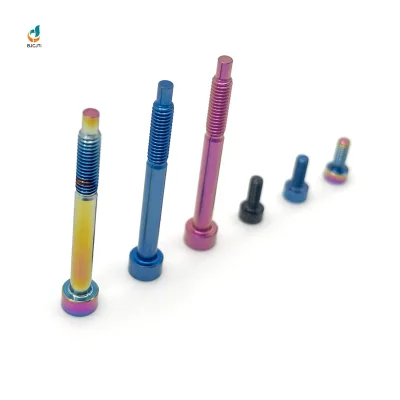






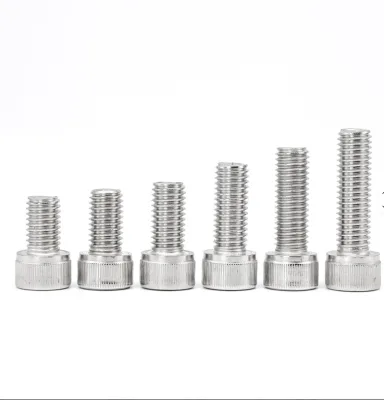
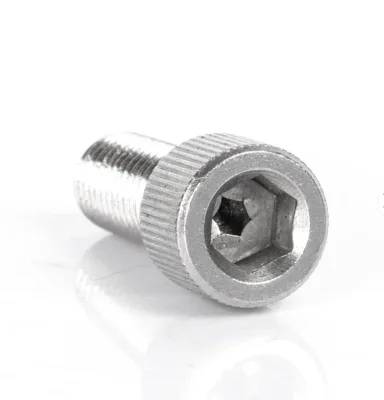
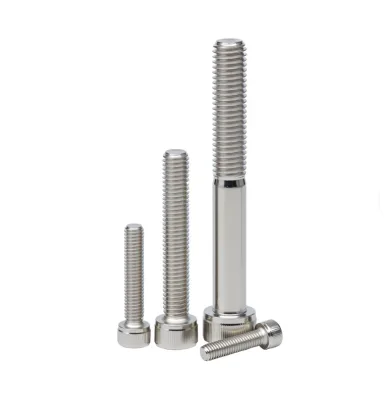
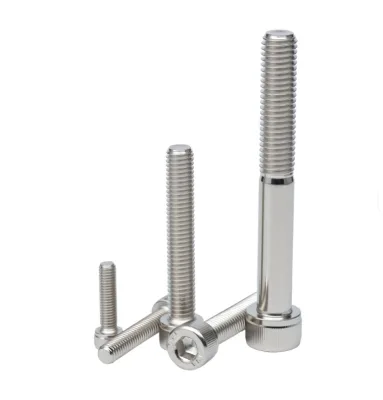


Comprehensive Sourcing Guide
Anodized Titanium Hex Socket Cap Supplier Concentration and Factory Types
The current supplier landscape for Anodized Titanium Hex Socket Cap components reveals a distinct geographic concentration in Shaanxi, China, which serves as a primary manufacturing hub for these specialized fasteners. This regional clustering suggests a mature supply chain ecosystem where raw material processing, machining, and surface treatment capabilities are co-located, potentially reducing logistical friction for bulk orders. Buyers evaluating this market should note that the majority of entities operating in this zone identify as Manufacturer/Factory entities, indicating direct control over the production process rather than mere intermediation. This structural advantage often translates to greater flexibility in handling custom specifications, such as specific anodizing colors or non-standard thread pitches, which are frequently requested for racing and motorcycle applications. The presence of established industrial infrastructure in Shaanxi supports the high-precision machining required for titanium alloys, ensuring that dimensional tolerances for hex socket head screws are maintained consistently across production batches.
Beyond pure manufacturing entities, the supplier base also includes Trading Companies and hybrid entities that combine manufacturing with trading operations. These mixed-type suppliers may offer a broader portfolio of related hardware, such as steel pipes, stainless steel bars, or marine hardware, alongside titanium fasteners. While this diversification can be advantageous for buyers seeking consolidated sourcing for multiple hardware needs, it requires careful vetting to ensure that the titanium-specific expertise remains robust. Some suppliers in this category may leverage their trading networks to source raw titanium billets from various origins, which could introduce variability in material traceability if not properly managed. Understanding the specific company type is crucial for determining the level of direct engagement with the production floor. Buyers should prioritize suppliers who explicitly list OEM capabilities and own brand development, as these indicators suggest a deeper investment in proprietary tooling and quality control systems tailored to the unique challenges of working with titanium alloys.
How to Verify Anodized Titanium Hex Socket Cap Suppliers
Verification of supplier credentials is a critical step in mitigating risk when sourcing Anodized Titanium Hex Socket Cap components, particularly given the high value of the raw material and the precision required for aerospace or automotive applications. Buyers should prioritize suppliers who hold recognized system certifications, such as ISO 9001, which demonstrates a standardized approach to quality management throughout the production lifecycle. In the current market, some suppliers have also secured additional certifications like ISO 14001 for environmental management or BSCI for social compliance, which may be relevant for buyers with strict sustainability or ethical sourcing mandates. Additionally, third-party verification badges, such as those from TÜV Rheinland, provide an external layer of assurance regarding the supplier’s operational legitimacy and financial stability. These verification marks are not merely decorative; they often correlate with rigorous internal audits and consistent adherence to international standards, reducing the likelihood of receiving substandard products that fail to meet specified mechanical properties.
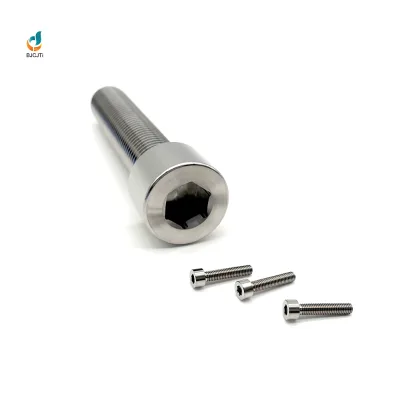
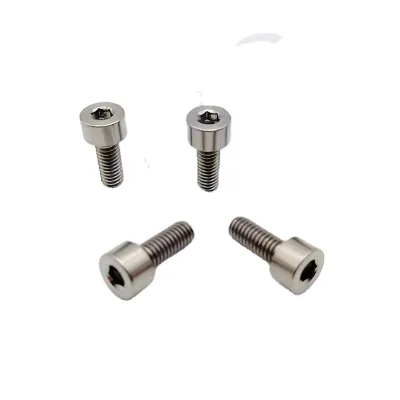
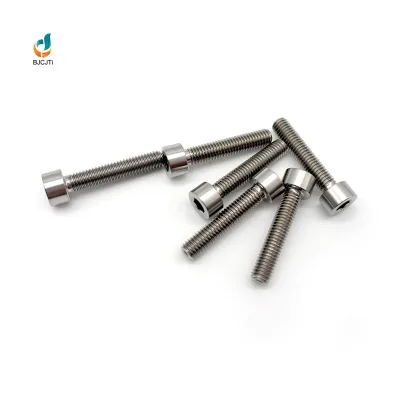
Beyond certifications, buyers must verify the technical specifications and material authenticity of the products offered. Titanium hex socket cap screws are often graded according to specific standards such as GB, DIN, ANSI, JIS, or GOST, and suppliers must clearly declare which standard their products comply with. It is essential to confirm that the material is indeed Titanium or Titanium Alloy, as mislabeling can lead to catastrophic failures in high-stress applications. Buyers should request material test reports or certificates of analysis that detail the chemical composition and mechanical properties, such as tensile strength and hardness, for the specific grade of titanium being used. Furthermore, the anodizing process itself must be verified to ensure it meets the required corrosion resistance and aesthetic standards. Suppliers who offer customization options for surface color or finish should provide samples or detailed technical data sheets that outline the thickness and durability of the anodized layer. This due diligence ensures that the final product aligns with the buyer’s engineering requirements and regulatory obligations.
What to Compare Across Anodized Titanium Hex Socket Cap Suppliers
When evaluating multiple suppliers for Anodized Titanium Hex Socket Cap components, buyers should systematically compare key operational metrics to identify the most suitable partner for their specific needs. One of the most significant differentiators is the lead time, which can vary considerably across the supplier base. Some manufacturers report lead times as short as 23 days, while others may require up to 38 days or more, depending on order volume and current production capacity. This variance is crucial for buyers managing tight inventory schedules or just-in-time manufacturing processes. Additionally, the minimum order quantity (MOQ) is a critical factor, with some suppliers requiring as few as 100 pieces, making them suitable for prototyping or small-batch runs, while others may set MOQs at 1000 pieces or higher, catering to large-scale industrial procurement. Understanding these thresholds helps buyers align their order sizes with supplier capabilities, avoiding unnecessary costs or delays associated with small batch production.
Response time and communication efficiency are also vital comparison points, as they directly impact the speed of issue resolution and order processing. Suppliers with response times under two hours, such as those reporting a 1.71-hour average, demonstrate a high level of responsiveness that can be invaluable during the negotiation and post-order support phases. In contrast, suppliers with longer response times, such as those averaging nearly five hours, may present challenges for buyers requiring rapid clarification on technical details or urgent order modifications. Buyers should also compare the range of main products offered, as suppliers with a broader portfolio may have more robust supply chains for raw materials but potentially less focused expertise in titanium fasteners. Finally, the availability of OEM services and customization options should be weighed against the supplier’s ability to maintain consistent quality across varied specifications. A supplier that offers extensive customization but has a slower response time may not be ideal for dynamic projects requiring frequent design iterations.
Common Anodized Titanium Hex Socket Cap Sourcing Risks
Sourcing Anodized Titanium Hex Socket Cap components carries inherent risks related to material authenticity and surface treatment quality, which can significantly impact the performance and longevity of the final assembly. One primary risk is the potential for material substitution, where suppliers may use lower-grade titanium alloys or even stainless steel coated to mimic titanium, leading to failures in high-stress applications. This risk is exacerbated by the lack of visible differentiation between high-quality and substandard titanium without specialized testing equipment. Buyers must be vigilant in requesting material certifications and conducting independent testing to verify the chemical composition and mechanical properties of the received goods. Additionally, the anodizing process itself is prone to inconsistencies, such as uneven coloration, insufficient coating thickness, or poor adhesion, which can compromise the corrosion resistance of the fasteners. Suppliers who do not have rigorous quality control measures in place may deliver batches with significant variations in finish quality, leading to aesthetic and functional defects in the end product.
Another significant risk is the variability in manufacturing standards and compliance with international specifications. Titanium hex socket cap screws are produced to various standards, including DIN, GB, ANSI, and JIS, and deviations from these standards can result in compatibility issues with existing hardware or assembly lines. Suppliers who claim to offer multiple standards may lack the specialized tooling or expertise to maintain tight tolerances across all specifications, leading to dimensional inaccuracies that can cause assembly failures. Furthermore, the risk of supply chain disruptions is heightened by the geographic concentration of suppliers in specific regions, such as Shaanxi, China. Any local regulatory changes, environmental restrictions, or logistical bottlenecks can impact production schedules and delivery times. Buyers should also be aware of the potential for intellectual property infringement if they are sourcing custom-designed fasteners, as some suppliers may lack robust IP protection protocols. Mitigating these risks requires thorough due diligence, clear contractual agreements, and ongoing quality monitoring throughout the sourcing process.
Anodized Titanium Hex Socket Cap Regional Sourcing and Logistics
The geographic concentration of Anodized Titanium Hex Socket Cap suppliers in Shaanxi, China, presents both opportunities and challenges for international buyers regarding logistics and supply chain management. This regional clustering facilitates efficient raw material sourcing and production coordination, as suppliers can access local titanium mills and machining facilities with reduced transportation costs. However, this concentration also means that buyers are reliant on a specific logistical corridor for exports, which can be susceptible to regional disruptions such as port congestion, customs delays, or transportation strikes. Buyers should carefully evaluate the supplier’s export experience and their ability to navigate international shipping regulations, particularly for high-value items like titanium fasteners. The choice of packaging is also critical, as titanium components require protection against corrosion and physical damage during transit. Suppliers who offer export-standard wooden cases or customized packaging solutions can help mitigate the risk of damage, ensuring that the anodized finish remains intact upon arrival.
Logistics planning must also account for the lead times associated with shipping from Shaanxi to various global destinations. While some suppliers may offer rapid production lead times, the actual delivery time can be extended by ocean freight schedules or air freight availability. Buyers should establish clear communication channels with their suppliers to track production progress and coordinate shipping arrangements well in advance. Additionally, the use of freight forwarders with experience in handling precision hardware can help streamline the customs clearance process and reduce the risk of delays. Buyers should also consider the total landed cost, which includes not only the product price but also shipping, insurance, and import duties. By understanding the logistical landscape, buyers can make informed decisions about inventory management and order timing, ensuring that they maintain adequate stock levels without tying up excessive capital in inventory. Proactive logistics planning is essential for maintaining supply chain resilience and meeting customer demand consistently.
Anodized Titanium Hex Socket Cap Commercial Terms and Order Planning
Commercial terms and order planning are pivotal aspects of sourcing Anodized Titanium Hex Socket Cap components, as they directly influence the total cost of ownership and the efficiency of the procurement process. Buyers should carefully negotiate pricing structures, which can vary based on order volume, customization requirements, and material grade. Some suppliers offer competitive pricing for standard sizes, with prices ranging from low single digits to higher amounts for specialized or custom configurations. It is essential to clarify whether the quoted price includes packaging, testing, and certification costs, as these can add significant value to the final invoice. Additionally, buyers should establish clear payment terms that balance risk and cash flow, such as using escrow services or letter of credit arrangements for larger orders. These financial safeguards protect both parties and ensure that payment is released only upon satisfactory delivery and inspection of the goods.
Order planning must also consider the supplier’s production capacity and lead times to avoid bottlenecks in the supply chain. Buyers should align their order volumes with the supplier’s MOQ and production schedule, ensuring that they place orders well in advance of their required delivery dates. For projects requiring frequent design changes or custom specifications, buyers should establish a framework for managing revisions and additional costs. Clear communication regarding technical drawings, material specifications, and quality standards is essential to prevent misunderstandings and rework. Buyers should also plan for potential quality inspections, either through third-party agencies or on-site visits, to verify that the products meet their requirements before shipment. By integrating commercial terms and order planning into a cohesive strategy, buyers can optimize their sourcing operations, reduce costs, and ensure a reliable supply of high-quality Anodized Titanium Hex Socket Cap components.
FAQs
Where are Anodized Titanium Hex Socket Cap screws manufactured?
These fasteners are manufactured in Shaanxi Province, China. Suppliers in this region specialize in titanium alloy products and offer various customization options for racing and motorcycle applications. Buyers should verify specific factory locations before placing orders.
What is the typical lead time for these titanium screws?
Lead times vary between 7 to 38 days depending on the supplier and order volume. Some manufacturers offer a delivery window of 7 to 15 days for standard orders. Larger quantities or custom specifications may extend the production schedule significantly.
What are the minimum order quantities for titanium hex screws?
Minimum order quantities range from 100 pieces to 1000 pieces per order. Specific requirements depend on the product model and customization needs. Buyers should confirm the exact MOQ with the supplier to ensure it aligns with their procurement strategy.
Which certifications do these titanium fastener suppliers hold?
Many suppliers hold ISO 9001, ISO 9000, and ISO 14001 certifications. Some manufacturers are also verified by TÜV Rheinland. These credentials indicate adherence to quality management and environmental standards for the production of titanium alloy fasteners.
How fast do suppliers typically respond to inquiries?
Response times generally range from 1 to 4.93 hours. Faster response rates are common among verified manufacturers in Shaanxi. Buyers can expect quicker communication from suppliers with higher verification status and established trading operations.
What standards are used for these titanium hex socket screws?
Products comply with DIN, GB, ANSI, JIS, GOST, and BSW standards. Specific models like DIN 912 are available in various sizes. Buyers must specify the required standard to ensure compatibility with their existing mechanical systems and assembly requirements.
What is the price range for anodized titanium hex screws?
Prices typically range from 0.10 to 10.00 USD per piece. The cost depends on the grade, size, and surface finish such as anodizing or PVD. Bulk orders often result in lower unit prices compared to small quantity purchases.