WiFi RF RGB LED Controller Suppliers and Manufacturers
Explore 31 verified suppliers offering WiFi RF RGB LED Controller options with varying lead times, response speeds, and certifications. Compare specifications like load power and input voltage to select the right partner for your project needs today; review the available evidence before requesting comparable quotations from suitable candidates.
Updated
Suppliers List
Shenzhen Chuhong Trading Co., Ltd.
- Trading Company, Distributor/Wholesaler
- Guangdong, China
- Lead time0 days
- Avg. response≤ 6h
Main productsLED CHIP,LED light strip,LED light string,LED controller,LED dimmer
Main marketsSouth Asia(20.00%), South America(20.00%), Southern Europe(10.00%)
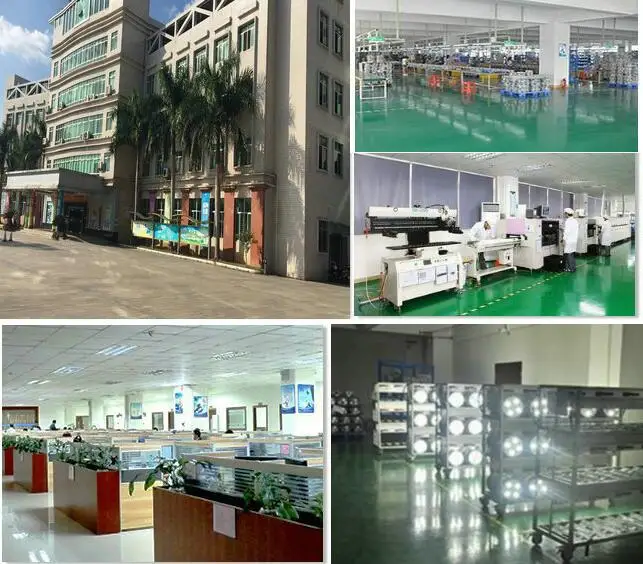
Green Lantern Optoelectronic Light Factory
- Manufacturer, Trading Company
- Guangdong, China
- Lead time7 days
- Avg. response≤ 7h
Main productscamping lanetern,head lamp,flashlight,led strip light,led night light
Main marketsWestern Europe(17.00%), Southern Europe(13.00%), Domestic Market(12.00%), Mid East(10.00%), Central America(9.00%), Northern Europe(8.00%), South America(8.00%), North America(7.00%), Eastern Asia(5.00%), Eastern Europe(5.00%), South Asia(2.00%), Africa(1.00%), Southeast Asia(1.00%)
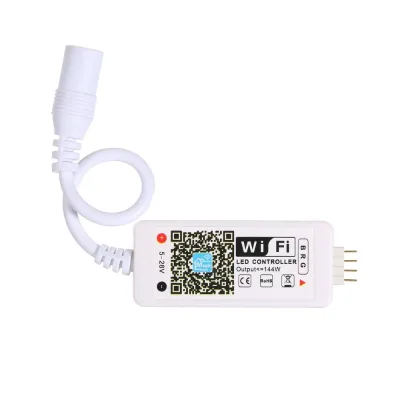
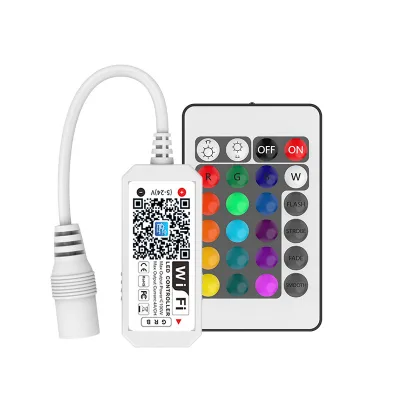
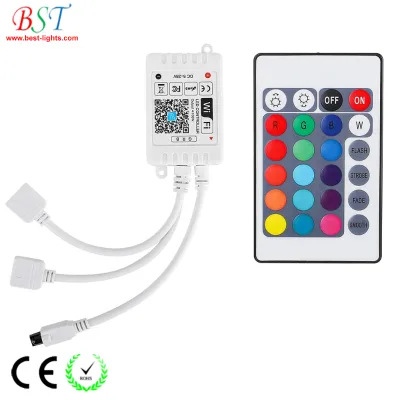
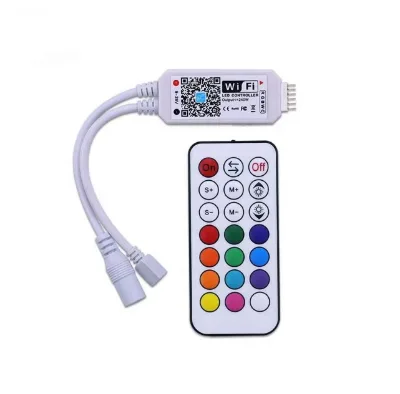
RGB Magic Home Wifi LED RGB Controller DC12V Mini Wifi Wireless Controller for RGB LED Strip Light
$2.50 - $3.08
MOQ: 2 pieces
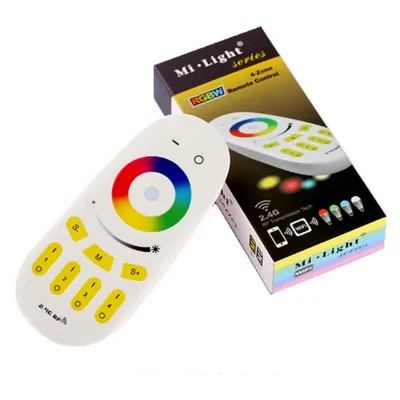
Shenzhen Grilight Technology Co., Ltd.
- Verified by TüVRheinland
- Trading Company
- Lead time12 days
- Avg. response≤ 3h
Main productsLED Strip Light, LED Driver, LED Neon Light, LED Aluminum Profile, LED Power Supply
Main marketsNorth America(35%), Western Europe(20%), South America(15%)

Shen Zhen WIN-KARE Technology Co.,Ltd
- Verified by BV
- Trading Company,Manufacturer/Factory
- China Guangdong
- Lead time45 days
- Avg. response≤ 4h
Main productsDimmer Switch, Lighting Controller, Switch, Power Socket, AC Socket, LED Switch, Power Cord, Connector, Terminal, Rocker Switch
Main marketsSouth America,Eastern Europe,Southeast Asia,Oceania,Western Europe

RGBW Mini Music WiFi LED Remote Controller Pixels RGB LED Strip Light Controller
$4.20 - $5.00
MOQ: 100 Pieces


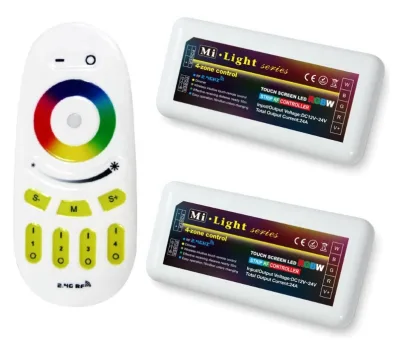
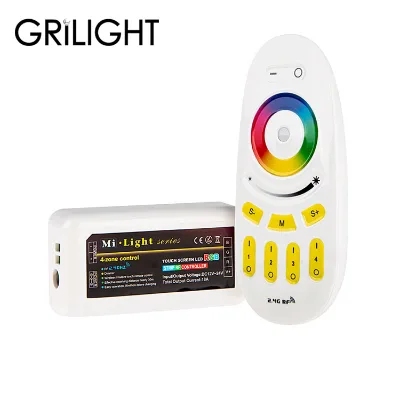
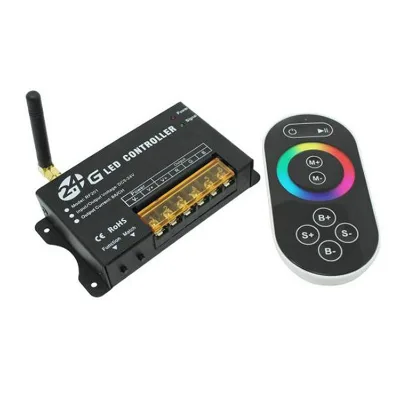
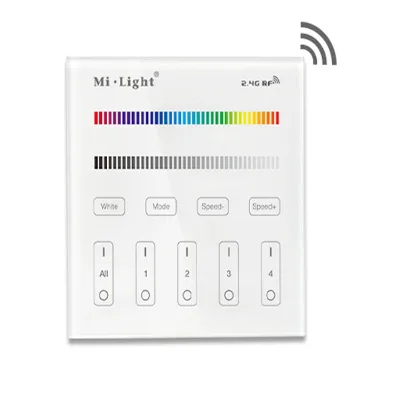
12V 2.4G LED Waterproof RF RGB Strip Wireless Touch Screen Remote Controller
$4.00 - $6.00
MOQ: 100 Pieces
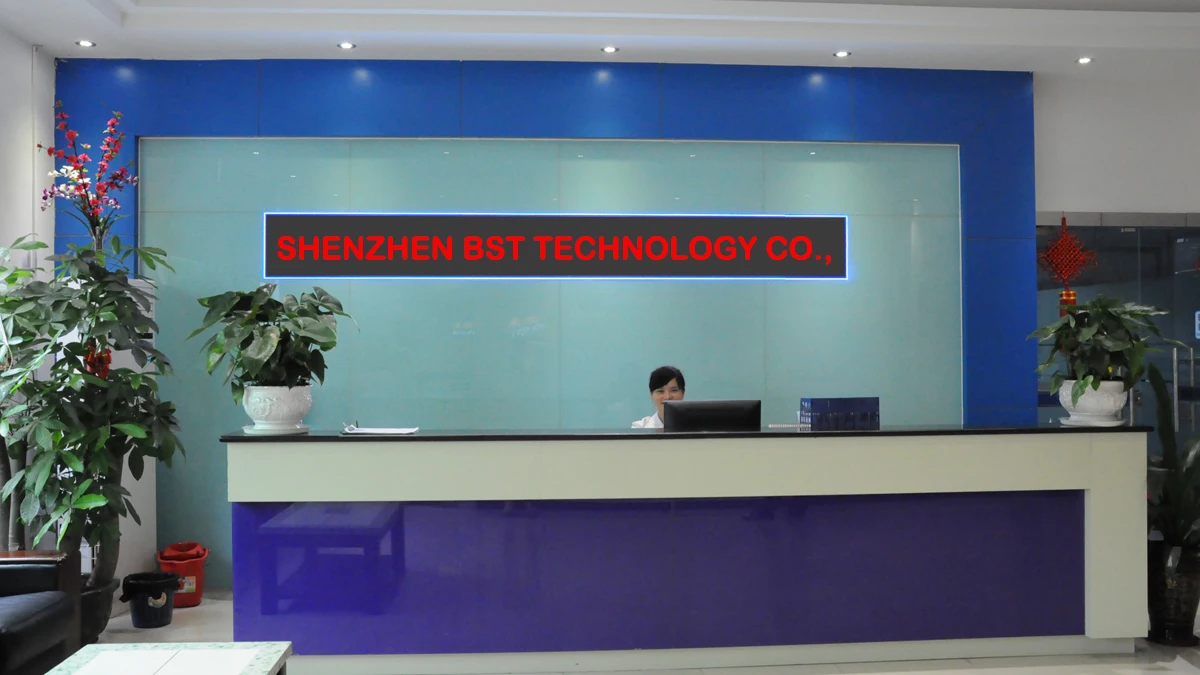
Shenzhen BST Technology Co., Limited
- Manufacturer
- Guangdong, China
- Lead time7 days
- Avg. response≤ 3h
Main productsFlexible LED strip lights,LED Controller,LED Strip Controller,LED Strip Connector,LED Power Supply
Main marketsSouth America(30.00%), North America(20.00%), Central America(10.00%), Western Europe(10.00%), Southern Europe(10.00%), Eastern Europe(10.00%), Mid East(5.00%), Northern Europe(5.00%)

- Combined
- China Guangdong
- Lead time23 days
- Avg. response≤ 4h
Main productsLED Strip Light, LED Light Bar, LED Neon Lighting, Light Box, Neon Sign, Power Supply, LED Cabinet Light, LED Power Track, LED Track Light, LED Shelf Light
Main marketsEast Asia(Japan/ South Korea),Domestic,Europe,Australia,North America


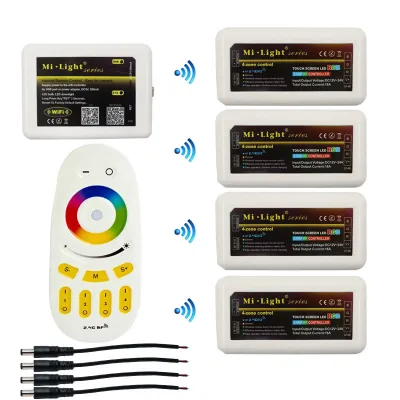
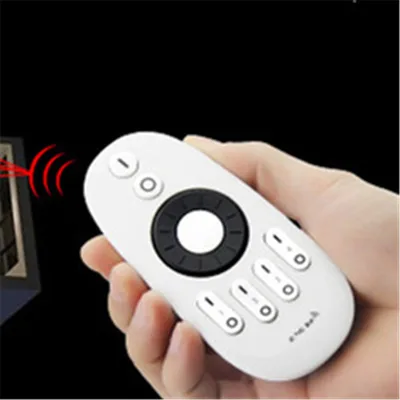
RGB or RGBW RF Wireless LED Remote Controls with Ultra Sensitive Color Adjustment Touch Wheel
$5.45 - $8.35
MOQ: 10 Pieces

$14.42 - $18.18
MOQ: 10 Pieces

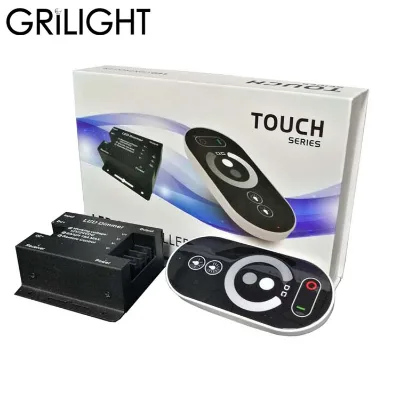
RGB/RGBW LED Remote Controller Wireless 1 Zone LED Remoter Handhold Remote Dimmer
$8.54 - $10.98
MOQ: 10 Pieces
- Verified by TüVRheinland
- Manufacturer, Trading Company
- Lead time15 days
- Avg. response≤ 3h
Main productsLED Pixel Light, LED Strips, LED Landscape Light, LED Window Lights, LED Controller
Main marketsNorth America(60%), Northern Europe(25%), Mid East(5%)
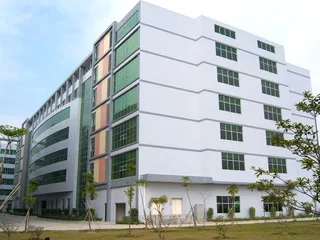
Shenzhen Magic Led Lighting Co., Ltd.
- Manufacturer
- Guangdong, China
- Lead time0 days
- Avg. response≤ 2h
Main productsLED Strip,LED Controller,Aluminum profile,LED Point light,LED module
Main marketsWestern Europe(15.00%), Eastern Europe(15.00%), Northern Europe(10.00%), Central America(10.00%), South America(10.00%), Southeast Asia(10.00%), North America(10.00%), Mid East(5.00%), Oceania(5.00%), Africa(5.00%), Eastern Asia(5.00%)

- Manufacturer, Trading Company
- Guangdong, China
- Lead time10 days
- Avg. response≤ 7h
Main productsZigBee LED Flood Light,ZigBee LED Garden Light,ZigBee LED Bulb,ZigBee LED Downlight,ZigBee LED Controller
Main marketsWestern Europe(25.00%), Domestic Market(15.00%), North America(15.00%), Northern Europe(10.00%), Southeast Asia(10.00%), Southern Europe(8.00%), Eastern Europe(5.00%), Central America(2.00%), Oceania(2.00%), South Asia(2.00%), Mid East(2.00%), Eastern Asia(2.00%), Africa(1.00%), South America(1.00%)
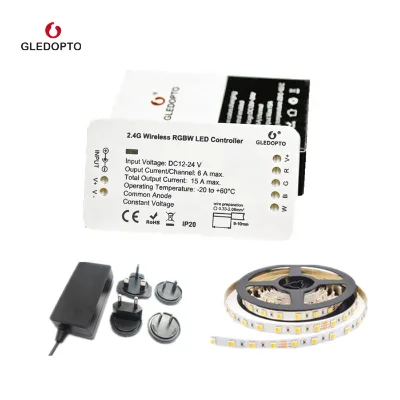
$10.29 - $12.41
MOQ: 1 pieces
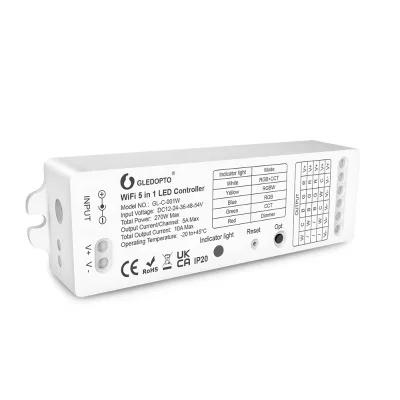
Shenzhen CXWON Technology Co., Ltd.
- Verified by Intertek
- Trading Company
- Lead time7 days
- Avg. response≤ 4h
Main productsSolar Garden Light, Solar Flood Light, Smart Lighting, LED Strip, Solar Street Light
Main marketsSouth America(30%), North America(20%), Western Europe(12%)

SHENZHEN CHICOYO TECHNOLOGY CO., LTD.
- Manufacturer, Distributor/Wholesaler
- Guangdong, China
- Lead time7 days
- Avg. response≤ 5h
Main productsSmart LED Lights,LED Strip Lights,Smart LED Controllers,Car accessories
Main marketsNorth America(25.00%), Western Europe(20.00%), South America(8.00%), Southeast Asia(8.00%), Mid East(8.00%), Domestic Market(7.00%), Oceania(5.00%), Northern Europe(5.00%), Central America(5.00%), Southern Europe(3.00%), Eastern Europe(3.00%), Africa(1.00%), South Asia(1.00%), Eastern Asia(1.00%)
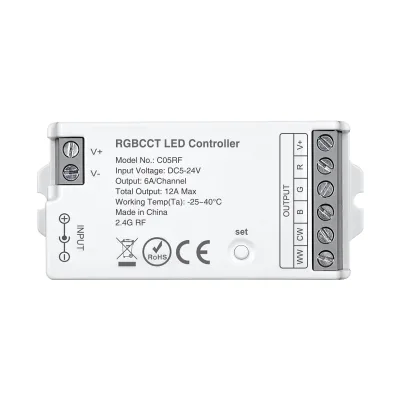
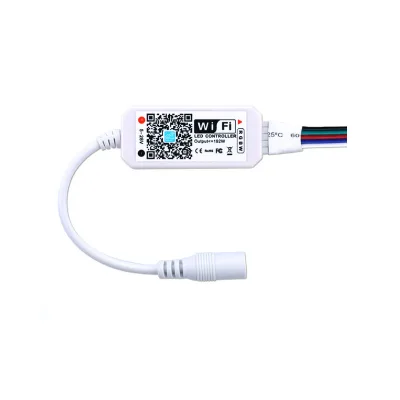
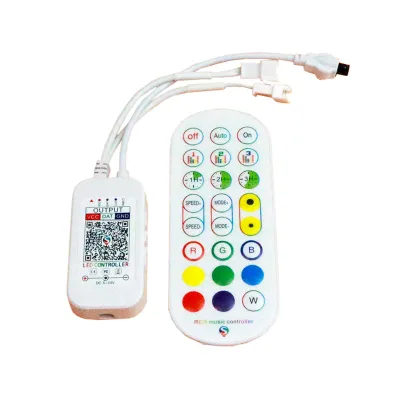
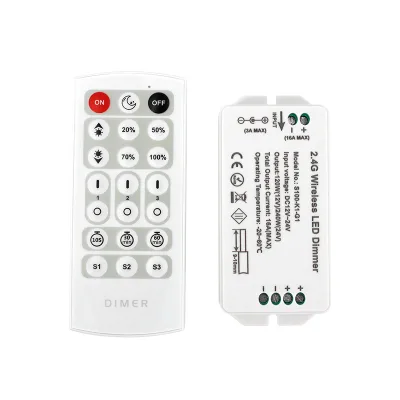
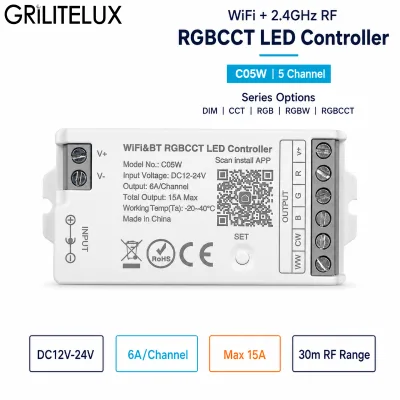
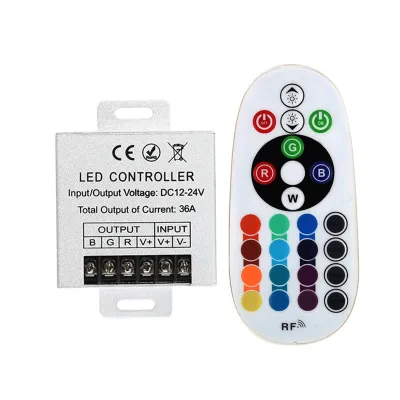
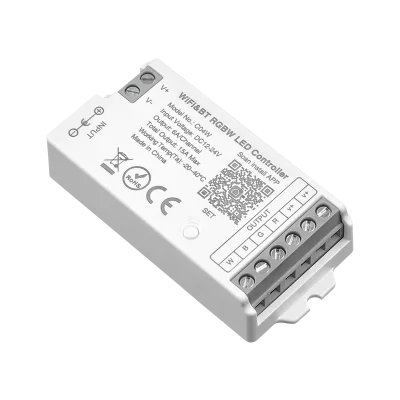
DC12-24V Input 6A/Channel Smart 2.4G Rgb Rgbw Control System Led Rf Controller
$3.40 - $4.20
MOQ: 2 pieces
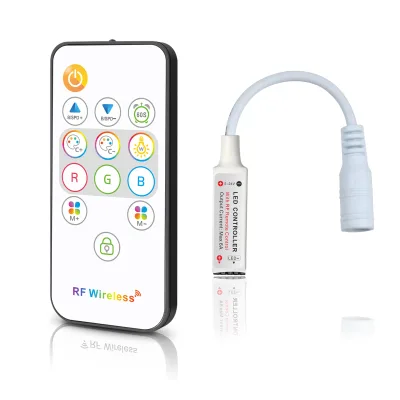
NEW Arrival RF 13KEY Monochrome Colors Controller DC 5V 12V 24V RGB Led Strip Lights Led Controller
$0.9258 - $1.3167
MOQ: 10 pieces
Meizhou Juncheng Technology Co., Ltd.
- Trading Company
- Guangdong, China
- Lead time7 days
- Avg. response≤ 4h
Main productsled strip light,led flex neon light,led solar light,led street light,led wall light
Main marketsEastern Europe(20.00%), South America(20.00%), North America(20.00%), Eastern Asia(5.00%), Mid East(5.00%), Central America(5.00%), Africa(5.00%), Southeast Asia(5.00%), Northern Europe(3.00%), Oceania(3.00%), Domestic Market(3.00%), Western Europe(2.00%), South Asia(2.00%), Southern Europe(2.00%)
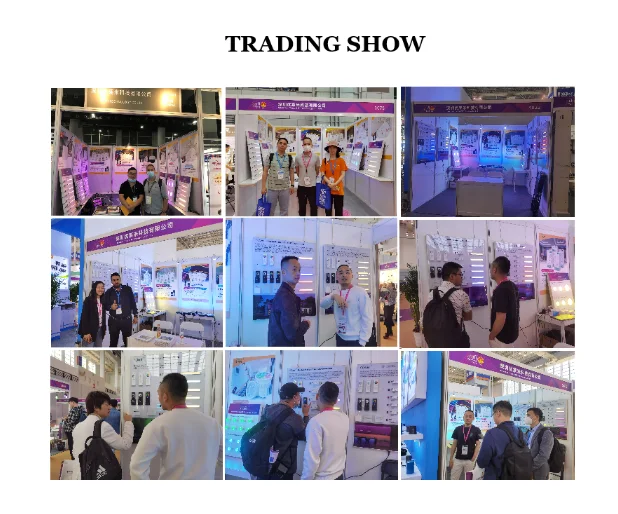
Shenzhen You Lai Mi Technology Co., Ltd.
- Manufacturer
- Guangdong, China
- Lead time5 days
- Avg. response≤ 3h
Main productsSmart LED Lighting,Zigbee/WiFi&Blue-tooth LED Strip Controllers,Zigbee/WiFi&Blue-tooth LED Lights,2.4GHz RF LED Strip Controllers,2.4GHz RF LED Lights
Main marketsWestern Europe(70.00%), Eastern Europe(20.00%), Northern Europe(5.00%), North America(5.00%)
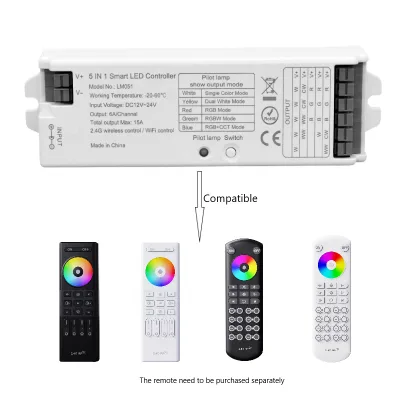
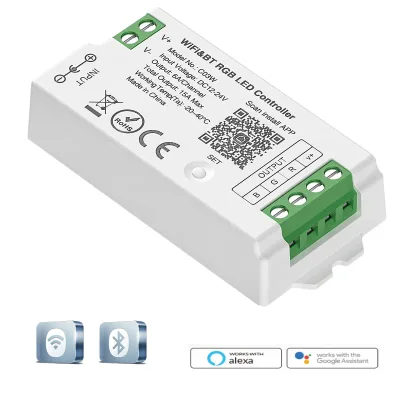
Smart Control WiFi RGB LED Controller 15A DC Power 12v 24v Music Controller
$7.50 - $8.50
MOQ: 5 pieces
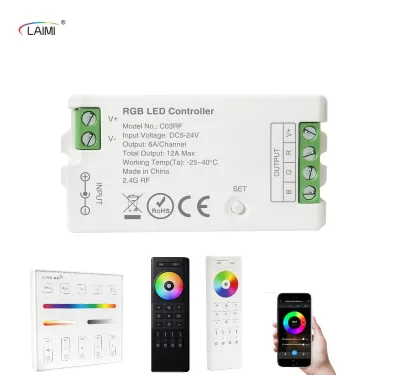
$3.4843 - $4.0985
MOQ: 100 pieces
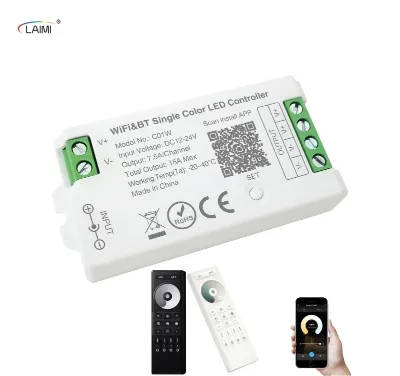
Hot Sale Wifi Tuya Single Color Led Controller Works 12V 24V COB Neon Led Strips
$8.00 - $8.50
MOQ: 2 pieces
Shenzhen Leynew Technology Co., Ltd.
- Manufacturer, Trading Company
- Guangdong, China
- Lead time0 days
- Avg. response≤ 11h
Main productsLED Controller,DMX controller,RGB amplifier,led dimmer,DALI controller
Main marketsDomestic Market(40.00%), North America(15.00%), Western Europe(15.00%), Eastern Europe(10.00%), Northern Europe(5.00%), South America(5.00%), Southern Europe(5.00%), Mid East(3.00%), Southeast Asia(2.00%)
Hunan Grace Technology Co., Ltd.
- Manufacturer, Trading Company
- Hunan, China
- Lead time3 days
- Avg. response≤ 1h
Main productsLED Strip Light,LED Controller,Power supply,LED Accessories,LED Lighting
Main marketsNorth America(60.00%), Western Europe(30.00%), South America(5.00%), Eastern Europe(3.00%), Domestic Market(1.00%), Southeast Asia(1.00%)
$4.82 - $5.18
MOQ: 10 pieces

Shenzhen Li Ming Optoelectronics Co., Ltd.
- Manufacturer, Trading Company
- Guangdong, China
- Lead time10 days
- Avg. response≤ 2h
Main productsLED neon strip,LED module light,led flexible strip,LED rigid bar light,LED pixel light
Main marketsMid East(40.00%), South Asia(20.00%), Oceania(9.00%), Southern Europe(6.00%), Africa(5.00%), Western Europe(5.00%), Eastern Asia(5.00%), South America(5.00%), Eastern Europe(3.00%), Northern Europe(2.00%)

Nanjing Jinshuo Technology Co., Ltd.
- Verified by TUVRHEINLAND
- Trading Company,Manufacturer/Factory
- China Jiangsu
- Lead time15 days
- Avg. response≤ 1h
Main productsLED Whips, LED Light Bar, LED Work Light, LED Headlight, LED Neon Rope, LED Strip Light, LED Module, Auto Parts
Main marketsSouth America,Eastern Europe,Mid East,North America,Southeast Asia,Oceania,Western Europe,Africa

$4.00 - $4.50
MOQ: 10 Pieces


Shenzhen Led Home Opto-Electronics Co., Ltd.
- Verified by TUVRHEINLAND
- Combined
- China Guangdong
- Lead time30 days
- Avg. response≤ 5h
Main productsLED Profile, LED Flexible Strip, LED Downlight, LED Linear Light, LED Neon Flex Strip, LED Rigid Strip, Slim Silicon LED Neon Flex, Silicon Extrusion Integrated LED Strip
Main marketsSoutheast Asia/ Mideast,Domestic,Europe,North America


RGBW LED Controller Panel Controller with Screen for LED Strip LED Lighting
$6.00 - $10.00
MOQ: 1 Pieces


Huizhou Karrey Plastic Metal Electronic Co., Ltd.
- Manufacturer, Trading Company
- Guangdong, China
- Lead time3 days
- Avg. response≤ 1h
Main productsFiber optic light engine,LED controller,fiber optic dance light,LED DMX512 decoder,DIY star ceiling light
Main marketsCentral America(80.00%), Western Europe(10.00%), Eastern Asia(8.00%), Southeast Asia(2.00%)
- Manufacturer
- Guangdong, China
- Lead time7 days
- Avg. response≤ 12h
Main productsLED Wall Washer,LED Flood Light,Led Ceiling Light,LED Underground Light,LED Underwater Light
Main marketsNorthern Europe(15.00%), North America(11.00%), South America(10.00%), Central America(10.00%), Southeast Asia(10.00%), Mid East(10.00%), South Asia(5.00%), Southern Europe(5.00%), Western Europe(5.00%), Eastern Asia(5.00%), Eastern Europe(5.00%), Domestic Market(3.00%), Oceania(3.00%), Africa(3.00%)
Jiangmen Hezhongyi Technology Co., Ltd
- Manufacturer, Trading Company
- guangdong, China
- Lead time7 days
- Avg. response≤ 8h
Main productsLED STRIP LIGHT,POWER SUPPLY,SOLAR SYSTEM,LED COB STRIP,LED MODULES
Main marketsMid East(20.00%), Southeast Asia(16.00%), South America(15.00%), Eastern Asia(10.00%), South Asia(5.00%), Western Europe(5.00%), Eastern Europe(5.00%), North America(5.00%), Oceania(5.00%), Africa(5.00%), Central America(3.00%), Southern Europe(3.00%), Northern Europe(3.00%)
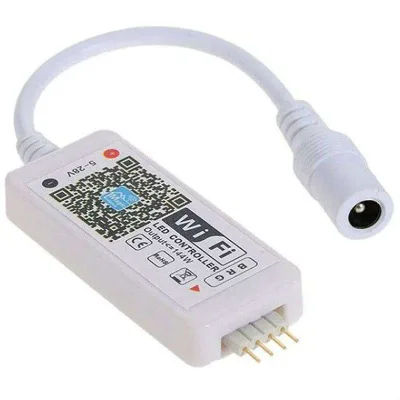
$2.1047 - $2.2575
MOQ: 50 pieces
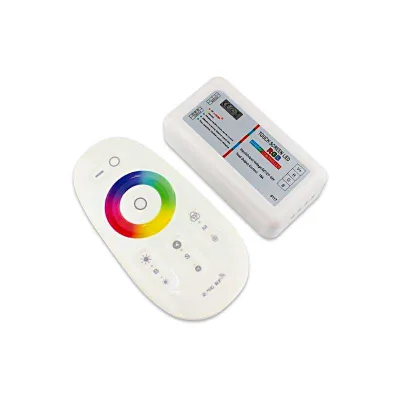
$1.1909 - $1.3467
MOQ: 50 pieces

Zhongshan Gamder Electric Appliance Co., Ltd.
- Verified by BV
- Combined
- China Guangdong
- Lead time30 days
- Avg. response≤ 9h
Main productsWall Switch, Wall Socket, Dimmer Switch, BS Socket, European Socket, LED Switch, USB Socket, Smart LED Driver, Smart Switch, Reflected Lights
Main marketsSouth America,Africa,Southeast Asia/ Mideast,East Asia(Japan/ South Korea),Europe,North America


Intelligent LED Strip Light Controller Zigbee Wireless, Multi-Scene Mode Rgbcw
$7.38 - $8.44
MOQ: 50 Pieces

Adjustable LED Strip Dimmer Controller Zigbee Wireless, Multi-Scene Mode Rgbcw
$7.38 - $8.44
MOQ: 50 Pieces

Wholesale Intelligent LED Strip Light Controller Zigbee Wireless, Multi-Scene Mode Rgbcw
$7.38 - $8.44
MOQ: 50 Pieces

Zigbee Low-Voltage Smart LED Strip Controller RGB / CCT, Smart Dimming Control
$6.60 - $7.54
MOQ: 50 Pieces
Shenzhen Jingmei Electronic Technology Co., Limited
- Manufacturer, Trading Company
- Guangdong, China
- Lead time3 days
- Avg. response≤ 2h
Main productsLED Controller,LED Dimmer,LED Amplifier,DMX512 Decoder,LED Pixel Controller
Main marketsWestern Europe(34.00%), North America(20.10%), Eastern Europe(18.10%), Domestic Market(6.30%), South America(5.60%), Eastern Asia(5.60%), Northern Europe(5.60%), Southern Europe(3.00%), Mid East(1.00%), Oceania(0.70%)

Zhongshan Kaiyi Electronics Co., Ltd
- Verified by SGS
- Combined
- China Guangdong
- Lead time15 days
- Avg. response≤ 2h
Main productsWireless Remote Control Switch, Smart Switch, Wireless Panel Switch, Lighting Switch
Main marketsAfrica,Southeast Asia/ Mideast,Europe
Shenzhen Golden Ocean Lighting Co., Ltd.
- Verified by SGS Group
- Manufacturer, Trading Company
- Lead time4 days
- Avg. response≤ 2h
Main productsLED Strip Lights, Silicone Neon Lights, LED Aluminum Profile, Cabinet Lights, Smart Controller
Main marketsSouth America(40%), North America(10%), Eastern Asia(10%)
Shenzhen Lanbaoli Electronics Co., Ltd.
- Manufacturer
- Guangdong, China
- Lead time0 days
- Avg. response≤ 2h
Main productssensor switch,LED driver,2.4G wireless switch,2.4G remote controller,RF wireless remote
Main marketsWestern Europe(40.00%), North America(20.00%), Eastern Europe(10.00%)
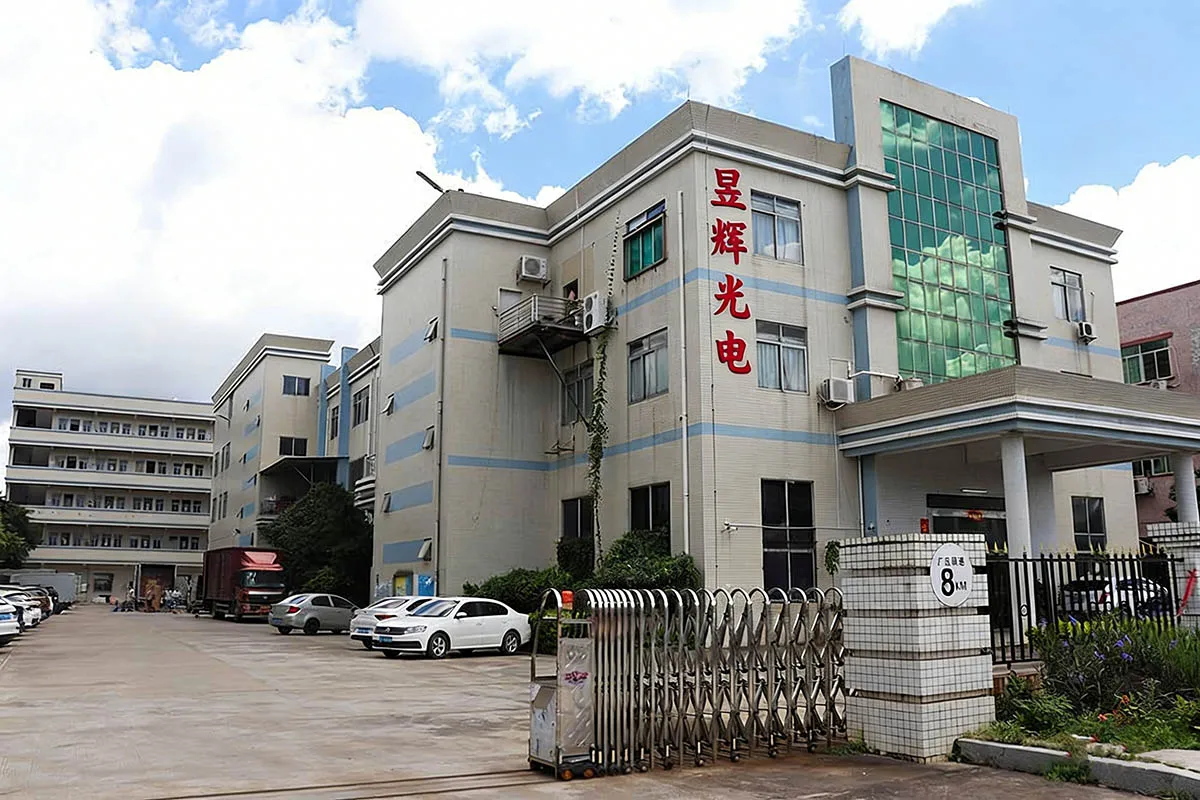
Wuyishan Yhint Photoelectric Technology Co., Ltd.
- Manufacturer, Trading Company
- Fujian, China
- Lead time30 days
- Avg. response≤ 6h
Main productsHoliday Lighting,Landscape Lighting,Solar lighting,Outdoor Lighting,ighting Accessories
Main marketsDomestic Market(15.00%), South America(15.00%), North America(15.00%), Southern Europe(10.00%), Western Europe(10.00%), Northern Europe(8.00%), Central America(8.00%), Eastern Europe(7.00%), Southeast Asia(3.00%), South Asia(2.00%), Eastern Asia(2.00%), Mid East(2.00%), Oceania(2.00%), Africa(1.00%)
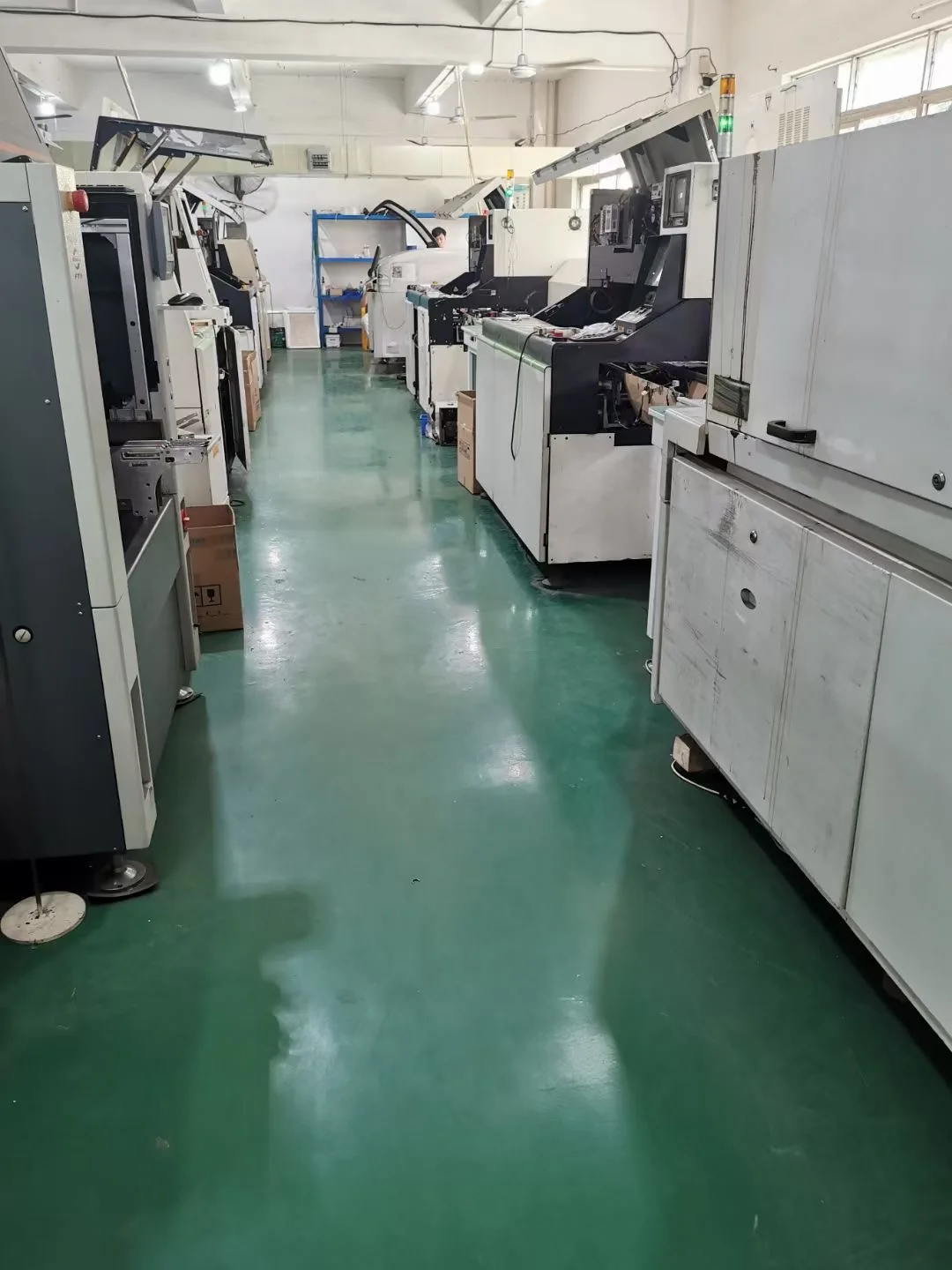
Zhongshan Hedihui Technology Co., Ltd.
- Trading Company
- Guangdong, China
- Lead time5 days
- Avg. response≤ 7h
Main productsneon light,emergency bulb,floodlight,led modules,strip light
Main marketsNorth America(50.00%), Mid East(30.00%), Eastern Asia(20.00%)
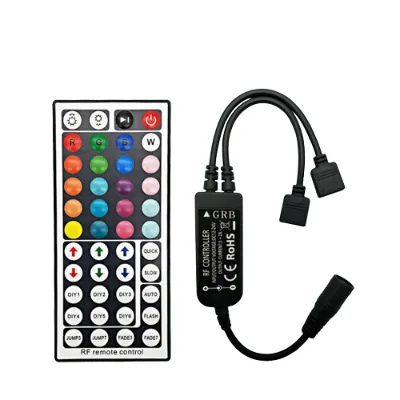
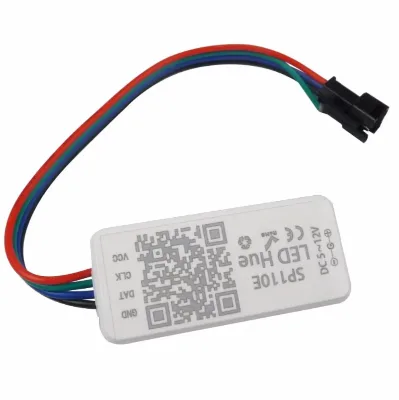
$2.3564 - $2.5106
MOQ: 50 pieces
Guangzhou EBY Optoelectronic Technology Co., Ltd.
- Trading Company
- Guangdong, China
- Lead time10 days
- Avg. response≤ 10h
Main productsElectrical Wire,LED Connector,LED Connect Wire,LED Splitter Box,Power Supply
Main marketsWestern Europe(40.00%), North America(30.00%), Domestic Market(15.00%), Oceania(5.00%), Southeast Asia(5.00%), Mid East(5.00%)
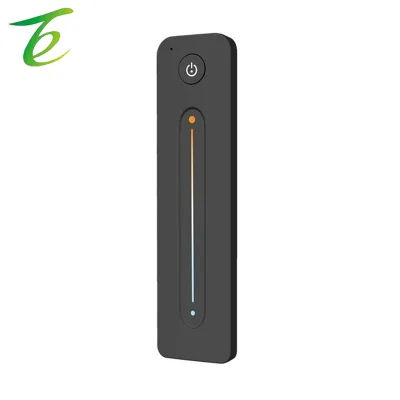
$1.00 - $10.00
MOQ: 100 Minimum
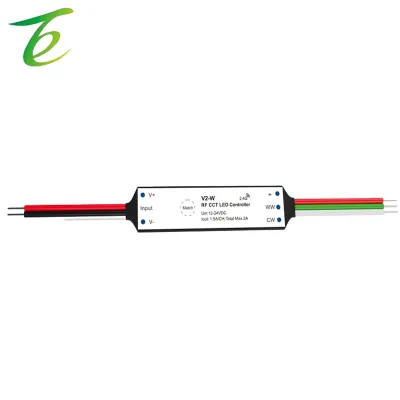
$1.00 - $10.00
MOQ: 99999 Minimum

Ningbo AVS Technology Co., Ltd.
- Combined
- China Zhejiang
- Lead time30 days
- Avg. response≤ 15h
Main productsAccessory, Electronics, Bluetooth, Amplifier, Isolator, Fuseholder, Wire, Speaker, Subwoofer, Loc
Main marketsSouth America,Africa,Southeast Asia/ Mideast,East Asia(Japan/ South Korea),Europe,Australia,North America

GUANGZHOU MS LIGHTING CO., LIMITED
- Combined
- China Guangdong
- Lead time15 days
- Avg. response≤ 5h
Main productsLED Light, Moving Head Light, Stage Light, Professional Light, Scan Light, Smoke Machine, Follow Spot, Laser Light, LED Stage Light, Disco Light
Main marketsSouth America,Southeast Asia/ Mideast,Europe


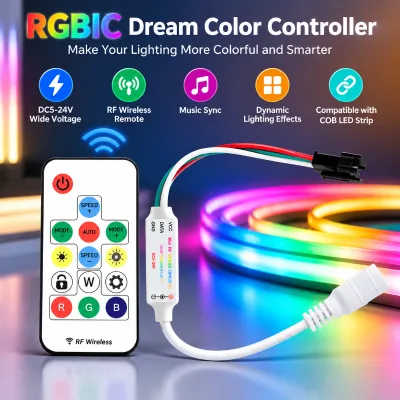
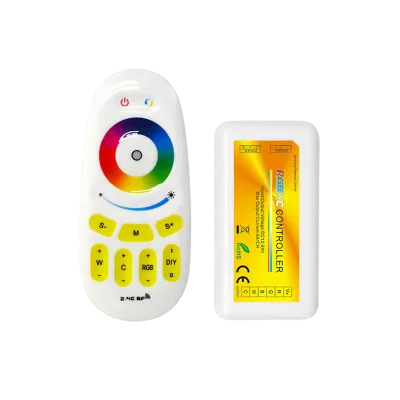
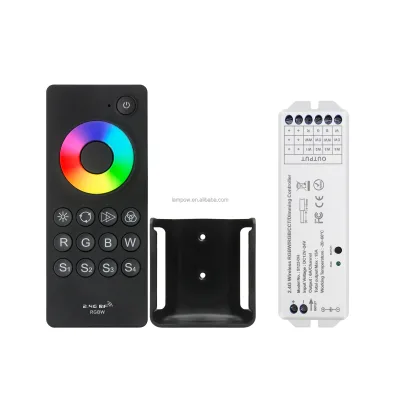
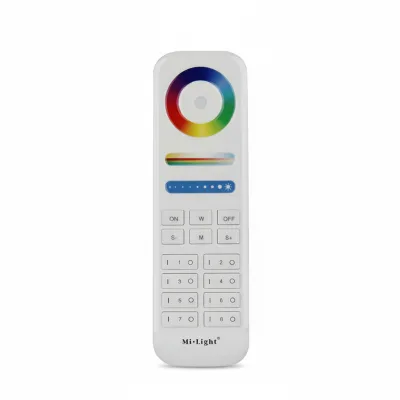


Comprehensive Sourcing Guide
WiFi RF RGB LED Controller Supplier Concentration and Factory Types
The current supplier landscape for WiFi RF RGB LED Controller products reveals a distinct concentration of manufacturing and trading entities within specific geographic regions. Evidence indicates that a significant portion of these suppliers are located in Guangdong, China, a region widely recognized for its robust electronics supply chain and mature manufacturing infrastructure. This geographic clustering is not merely a statistical observation but a practical reality for buyers seeking efficient sourcing. When evaluating potential partners, it is crucial to recognize that the majority of results originate from this single province, which suggests a high density of specialized component suppliers, assembly lines, and logistics networks dedicated to LED lighting accessories. Buyers should leverage this concentration by prioritizing suppliers with verified addresses in this area, as it often correlates with faster production cycles and easier access to raw materials like chips and circuit boards. However, the presence of Guangdong-based suppliers does not guarantee uniform quality or pricing; rather, it provides a baseline for comparing operational efficiency. The concentration also implies that many suppliers may share similar technical capabilities or source components from the same local ecosystem, which can simplify quality control but may also limit product differentiation. Therefore, while the location is a strong indicator of supply chain maturity, it should be used as one of several filters rather than the sole determinant of supplier suitability.
Beyond location, the types of companies offering these controllers vary significantly, impacting the buyer’s relationship with the supplier. The observed data shows a mix of Trading Companies, Distributors/Wholesalers, and Manufacturers. Trading companies often provide a broader catalog of lighting accessories, including LED strips, dimmers, and power supplies, which can be advantageous for buyers seeking a one-stop solution for complete lighting projects. These entities typically excel in customer service and flexible order sizes but may have less direct control over production timelines. In contrast, manufacturers, who also appear in the results, offer deeper technical expertise and potentially better pricing for high-volume orders, as they control the assembly process directly. Some suppliers operate as hybrid entities, functioning as both manufacturers and trading companies, which can offer the best of both worlds but requires careful verification of their actual production capacity. Buyers must distinguish between these types by examining the supplier’s main products and company type declarations. For instance, a supplier listing LED chips and controllers as main products alongside a manufacturer designation likely has in-house assembly capabilities, whereas a distributor focusing on finished goods may rely on external factories. Understanding this distinction is vital for negotiating terms, as manufacturers may be more rigid on MOQs but more flexible on customization, while trading companies might offer more lenient terms for smaller, mixed orders.
How to Verify WiFi RF RGB LED Controller Suppliers
Verification is the cornerstone of mitigating risk when sourcing electronic components like Wifi Rf Rgb Led Controllers, where technical specifications and compliance are paramount. Buyers must prioritize suppliers who display third-party verification badges, such as TüVRheinland, which indicates that an independent auditor has reviewed the supplier’s business legitimacy and operational capabilities. This verification status is a strong signal of reliability, suggesting that the company has undergone rigorous checks regarding its legal standing and physical existence. However, verification alone is not a guarantee of product quality; it merely confirms that the supplier is a legitimate business entity. Therefore, buyers should combine verification status with a detailed review of the supplier’s certifications. The presence of system certifications such as CE, LVD, EMC, and RoHS is critical for these electronic devices, as they ensure compliance with international safety and electromagnetic compatibility standards. A Declaration of Conformity is also observed in some results, which serves as a self-declaration of compliance but should be backed by actual test reports from accredited laboratories. Buyers should request these test reports to verify that the controllers meet the specific voltage and power requirements of their target markets, particularly for products operating at DC12V or DC24V. Ignoring these certifications can lead to customs delays or product recalls, making them non-negotiable for serious procurement efforts.
In addition to certifications, buyers should assess the supplier’s responsiveness and transparency as indicators of their operational health. The response time is a key metric that reflects how quickly a supplier engages with potential clients, which is crucial for resolving technical queries or negotiating custom specifications. A response time of six to seven hours, as observed in some results, suggests a professional sales team that is actively monitoring inquiries, whereas slower responses may indicate understaffing or poor management. Buyers should also look for suppliers who provide detailed product attributes, such as input voltage ranges, connection modes, and max load power, as this level of detail demonstrates technical competence and transparency. For example, a supplier listing specific attributes like "Common Anode" connection mode or "DC5-24V" input voltage is more likely to provide accurate and reliable products than one with vague descriptions. Furthermore, buyers should verify the supplier’s establishment year and business history, although this data may not always be explicitly displayed. If such information is missing, buyers should ask directly about the company’s history and experience in the LED industry. A supplier with a long track record is more likely to have refined their quality control processes and customer service protocols. By combining verification badges, certification checks, response time analysis, and technical detail reviews, buyers can build a comprehensive profile of each supplier’s reliability and suitability for their specific sourcing needs.
What to Compare Across WiFi RF RGB LED Controller Suppliers
When evaluating multiple suppliers for Wifi Rf Rgb Led Controllers, buyers must systematically compare key operational metrics to identify the most suitable partner for their specific requirements. One of the most critical factors is the Minimum Order Quantity (MOQ), which varies significantly across suppliers and directly impacts inventory management and cash flow. For instance, some suppliers may offer an MOQ of just two units, which is ideal for prototyping or small-scale testing, while others may require orders of ten or more units, catering to bulk buyers. Buyers should align their order volume with the supplier’s MOQ to avoid unnecessary inventory costs or missed opportunities for bulk discounts. Additionally, the lead time is a crucial metric that affects supply chain reliability. A lead time of zero days might indicate ready stock, allowing for immediate shipment, whereas a lead time of seven days suggests a production cycle that requires planning. Buyers with urgent needs should prioritize suppliers with shorter lead times or confirmed stock availability, while those with flexible timelines can negotiate better pricing with suppliers who operate on a make-to-order basis. Comparing these metrics side-by-side helps buyers balance cost, speed, and volume to find the optimal supplier for their current project phase.
Beyond MOQ and lead time, buyers should compare the technical specifications and pricing structures offered by different suppliers. The price range for these controllers can vary, with some products listed at as low as $2.50 and others at higher price points, reflecting differences in features, build quality, and brand reputation. Buyers should not solely focus on the lowest price but should evaluate the value proposition, including the maximum load power, input voltage compatibility, and additional features like Wi-Fi or RF control. For example, a controller with a 144W max load power and Wi-Fi connectivity may command a higher price but offers greater versatility for complex lighting setups. Buyers should also compare the warranty terms, with many suppliers offering a one-year warranty, which provides a safety net for potential defects. Additionally, the single package size and weight are important for calculating shipping costs, especially for air freight. A supplier offering a compact package size of 10x5x5 cm may reduce shipping expenses compared to one with a larger 12x14x8 cm package. By meticulously comparing these technical and commercial details, buyers can make informed decisions that align with their technical requirements and budget constraints, ensuring they select a supplier that offers the best overall value rather than just the lowest initial cost.
Common WiFi RF RGB LED Controller Sourcing Risks
Sourcing Wifi Rf Rgb Led Controllers involves several inherent risks that buyers must proactively manage to ensure a smooth procurement process. One significant risk is the discrepancy between advertised specifications and actual product performance, particularly regarding electrical parameters. Suppliers may list a maximum load power of 144W, but the actual continuous load capacity might be lower, leading to overheating or failure in real-world applications. Buyers should verify these specifications by requesting detailed datasheets or conducting sample tests before placing large orders. Another risk is the variability in wireless connectivity reliability, as Wi-Fi and RF controllers depend on stable signal transmission. Inconsistent performance can result in delayed responses or dropped connections, which is unacceptable for smart lighting systems. Buyers should inquire about the specific wireless protocols used and ask for evidence of signal range and stability, such as test reports or customer feedback. Additionally, the risk of counterfeit or substandard components is present, especially when dealing with unverified suppliers. Using low-quality chips or capacitors can shorten the lifespan of the controller and compromise safety. Buyers should prioritize suppliers with verified certifications and transparent supply chains to mitigate this risk.
Another common risk is the lack of clear communication regarding customization and after-sales support. Many suppliers offer standard products, but buyers may require custom branding, packaging, or specific firmware configurations. If the supplier’s capabilities for customization are not clearly defined, buyers may face delays or additional costs. It is essential to confirm whether the supplier can handle OEM/ODM requests and what the associated MOQs and lead times are for customized orders. Furthermore, after-sales support is critical for resolving technical issues or handling defective products. Buyers should assess the supplier’s warranty policy and return procedures to ensure they have adequate protection against product failures. Some suppliers may offer a one-year warranty, but the process for claiming it can be complex and time-consuming. Buyers should clarify the steps for returns, replacements, and refunds before finalizing any agreement. Additionally, the risk of logistical delays cannot be ignored, especially when sourcing from international suppliers. Customs clearance, shipping disruptions, or incorrect packaging can delay delivery and impact project timelines. Buyers should work with suppliers who have experience in international shipping and provide tracking information to monitor the shipment’s progress. By identifying and addressing these risks early in the sourcing process, buyers can establish a more resilient and reliable supply chain for their WiFi RF RGB LED Controller needs.
WiFi RF RGB LED Controller Regional Sourcing and Logistics
Regional sourcing plays a pivotal role in determining the efficiency and cost-effectiveness of procuring Wifi Rf Rgb Led Controllers, with Guangdong, China, emerging as a dominant hub for these products. The concentration of suppliers in this region offers buyers access to a mature ecosystem of component manufacturers, assembly facilities, and logistics providers, which can significantly reduce lead times and shipping costs. Buyers leveraging this geographic advantage can benefit from faster production cycles, as suppliers often have ready access to raw materials and skilled labor. However, relying on a single region also exposes buyers to regional risks, such as local policy changes, labor shortages, or natural disasters. To mitigate these risks, buyers should consider diversifying their supplier base or establishing strong relationships with multiple suppliers within the region to ensure continuity of supply. Additionally, buyers should evaluate the supplier’s logistics capabilities, including their experience with international shipping and their ability to handle customs documentation. Suppliers with established logistics networks can offer more reliable delivery schedules and better tracking options, which are crucial for maintaining inventory levels and meeting customer demands.
Logistics planning is equally important when sourcing from international suppliers, as shipping costs and transit times can vary widely depending on the destination and shipping method. Buyers should compare different shipping options, such as air freight for urgent orders and sea freight for bulk shipments, to optimize costs and delivery times. The single package size and weight of the controllers, as provided by suppliers, are critical factors in calculating shipping costs, as they determine the volumetric weight and overall freight charges. Buyers should also consider the packaging quality to ensure that the controllers are
FAQs
What is a WiFi RF RGB LED Controller used for?
A WiFi RF RGB LED Controller manages color, brightness, and lighting modes for RGB strip lights. It connects to your strip via a receiver and lets you adjust settings through a smartphone app over wifi or with an RF remote. Many models support common anode connections and run on DC 12-24V input, so check your strip's voltage and wiring before ordering.
How do wifi and RF control differ in these controllers?
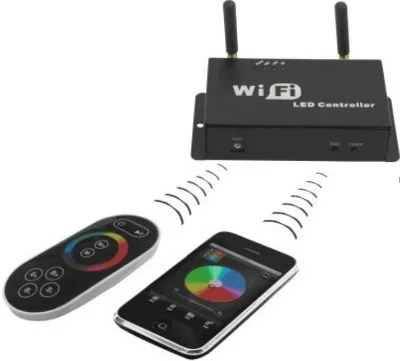
Wifi controllers connect to your home network, enabling app control, scheduling, and remote access from anywhere with internet. RF remote controllers use radio frequency signals, typically working without wifi and offering a control distance around 30 meters on some 2.4G models. Many buyers combine both, using wifi for automation and an RF remote as a fast manual backup.
What input voltage should I choose for an RGB controller?
Match the controller's input voltage to your LED strip and power supply. Common options include DC 12V, DC 12-24V, and DC 5-24V ranges, so a 12V or 24V strip needs a controller covering that range. Using the wrong voltage can cause dim output or damage, so confirm the strip specification and maximum load power before placing an order.
What load capacity do these controllers typically handle?
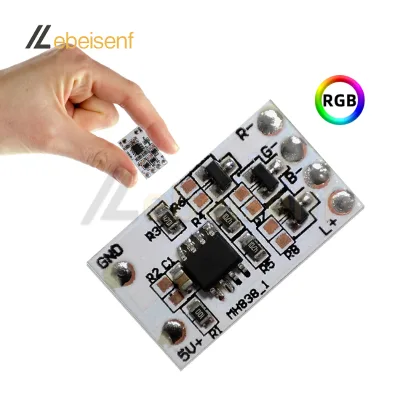
Load capacity varies by model. Examples in current listings include a 144W wifi RGB controller with 6A per channel output and a compact 10W switch-control board for small DIY craft lights. Add up the wattage of your connected strip and choose a controller rated above that total, leaving headroom so the unit does not run at its maximum continuously.
What is the typical minimum order quantity and price?
MOQs are generally low for these controllers. Current listings show MOQs of 2 to 10 pieces, and unit prices ranging from roughly 2.50 to 3.08 dollars for a wifi RGB controller to about 6.09 dollars for a mini wifi RGB dimmer. Actual quotes depend on order quantity, configuration, and shipping terms, so request a quotation based on your specific volume.
How fast can buyers expect responses and lead times?
Response times among listed suppliers range from about 6 to 7 hours, which is typical for trading companies and manufacturers in this category. Lead times vary more widely; some listings show around 7 days while others show no published lead time. Always confirm production time in writing before ordering, and ask whether sample orders ship faster than bulk production runs.
Are these suppliers manufacturers or trading companies?
Both types appear in this category. Some suppliers list themselves as manufacturers combined with trading operations, while others are trading companies, distributors, or wholesalers serving LED lighting brands. Manufacturers may offer better pricing and customization, while trading companies can aggregate multiple products like strips, dimmers, and drivers. Verify the company type and any system certifications, such as CE or RoHS, before committing.
What product details should I verify before ordering?
Confirm the input voltage range, maximum load power, connection mode, and app or remote compatibility for your strip type. Also check the warranty period, which is listed as 1 year on several models, plus package dimensions and gross weight for shipping estimates. Ask whether the controller supports RGB, RGBW, or RGBWW strips, since wiring and channel requirements differ between these configurations.