Aluminum Frame Hand Trolley Suppliers and Manufacturers
Compare 23 verified Aluminum Frame Hand Trolley suppliers in China Shandong by response time, lead time, and product specifications. Review details on materials, load capacity, and customization options before contacting factories directly; review the available evidence before requesting comparable quotations from suitable candidates.
Updated
Suppliers List

Shandong Phoenixking Group Co., Ltd
- Verified by SGS
- Trading Company
- China Shandong
- Lead time15 days
- Avg. response≤ 25h
Main productsWheelbarrow, Shelf
Main marketsDomestic

Qingdao Homeshine International Trading Co., Ltd.
- Manufacturer, Trading Company
- Shandong, China
- Lead time40 days
- Avg. response≤ 1h
Main productsRoll cage,Metal folding basket,Plastic Pallet,Storage equipment,Shelves
Main marketsWestern Europe(11.11%), Eastern Asia(11.11%), Mid East(11.11%), Oceania(11.11%), Africa(11.11%), Southeast Asia(11.11%), Eastern Europe(11.11%), South America(11.11%), North America(11.11%)

Qingdao Future Tool Co., Limited
- Verified by SGS
- Combined
- China Shandong
- Lead time30 days
- Avg. response≤ 13h
Main productsWheel Barrow, Hand Trolley, Tool Cart, Air Wheel and Solid Wheel, Service Cart, Castor, Agriculture Wheel, Platform Hand Truck, Rim, Tire and Tube
Main marketsAustralia
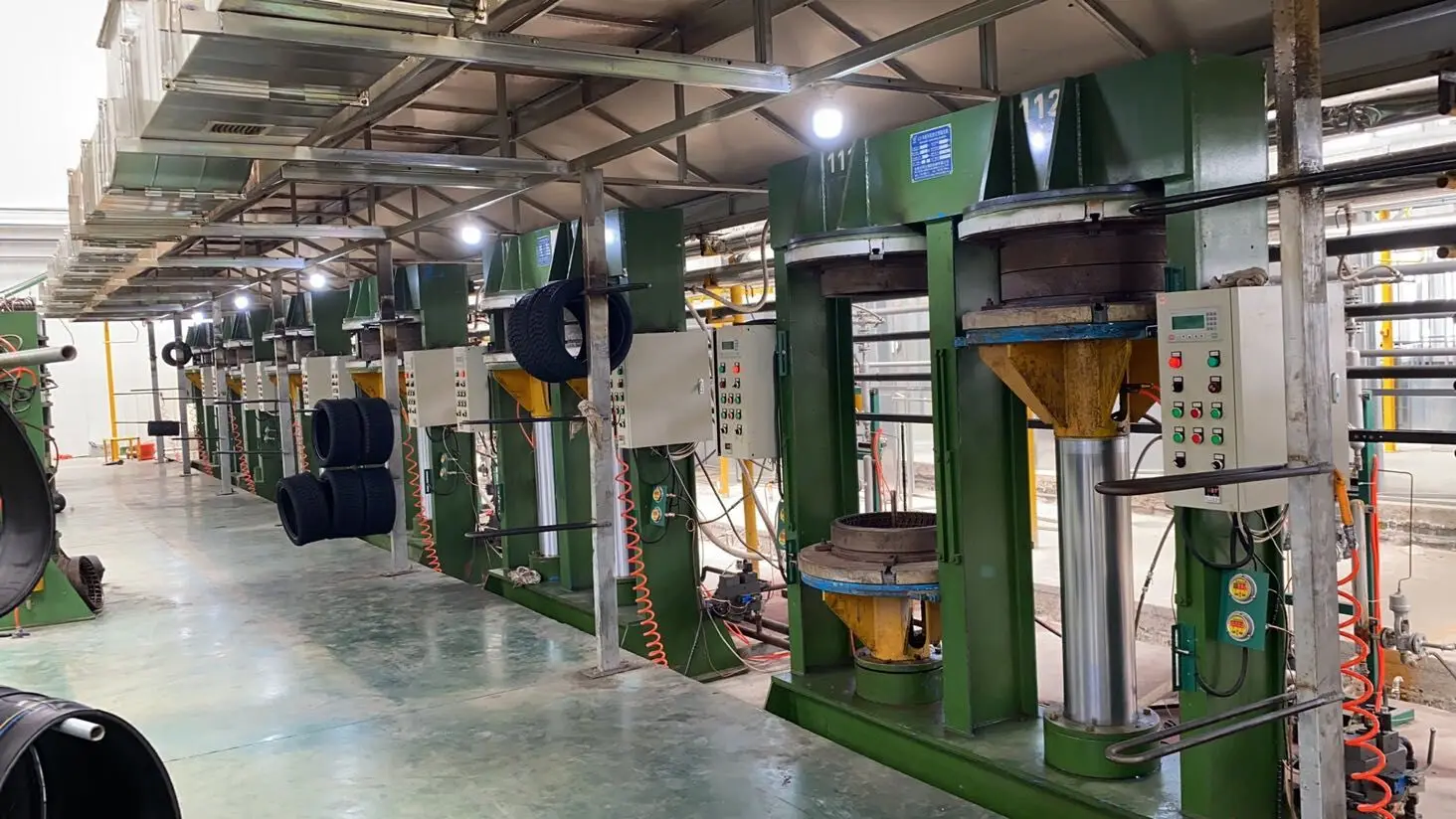
Qingdao Jintai Hand Truck Co., Ltd.
- Manufacturer, Trading Company
- Shandong, China
- Lead time20 days
- Avg. response≤ 2h
Main productsgolf tires,lawn mower tires,ATV tires,wheelbarrow tires,tool carts
Main marketsNorth America(30.00%), Southeast Asia(12.00%), Central America(10.00%), Western Europe(10.00%), Eastern Europe(10.00%), Mid East(8.00%), South Asia(5.00%), Oceania(5.00%), Africa(3.00%), South America(3.00%), Domestic Market(2.00%), Southern Europe(1.00%), Eastern Asia(1.00%)

QINGDAO GOLDEN SOURCE INDUSTRY CO., LTD.
- Verified by TUVRHEINLAND
- Combined
- China Shandong
- Lead time30 days
- Avg. response≤ 4h
Main productsOil Boom, Rubber Wheel, Wheel Barrow, Hand Trolley, Rubber Mat, Rubber Product, Wheelbarrow, Dustbin Wheel, Pneumatic Wheel, PU Foam Wheel
Main marketsSouth America,Southeast Asia/ Mideast,Europe

Aluminum Trolley Hand Trolley Shopping Cart Folding Hand Trolley (HT1864)
$58.00 - $65.00
MOQ: 100 Pieces


- Manufacturer
- China Zhejiang
- Lead time0 days
- Avg. response≤ 5h
Main productsLadder, Multi-Purpose Ladder, Telescopic Ladder, Householder Ladder, Work Platfrom, Scaffolding Ladder, Multi-Functional Ladder, Steel Ladder, Aluminum Ladder, Step Ladder


2 in 1 Multi Functional Aluminum-Plate Hand Truck Convertible Hand Trolley
$10.08 - $31.98
MOQ: 100 Pieces


Platform Hand Truck Portable Foldable Aluminium Alloy Climbing Hand Cart Easy Carry Trolley
$10.08 - $31.98
MOQ: 100 Pieces

YONGKANG JEK INDUSTRY AND TRADE CO., LTD
- Verified by SGS
- Combined
- China Zhejiang
- Lead time30 days
- Avg. response≤ 4h
Main marketsSouth America,Southeast Asia/ Mideast,Europe


150kg Trade Red Welded Aluminum Frame Robust Folding Hand Trolley, Hand Truck, Hand Trolley
$10.98 - $15.98
MOQ: 50 Pieces

90kg Compact Folding Handle Easy Storage Folding Hand Trolley, Hand Truck, Hand Trolley
$10.98 - $11.98
MOQ: 50 Pieces

Heavy-Duty 70kgs with Aluminium Frame & Solid Rubber Wheels Folding Hand Trolley
$10.98 - $11.98
MOQ: 50 Pieces


90kg Space Saving Fold Down Grip Folding Hand Trolley, Hand Truck, Hand Trolley
$10.98 - $11.98
MOQ: 50 Pieces
Qingdao Fullershine Industrial Co., Ltd.
- Manufacturer, Trading Company
- Shandong, China
- Lead time45 days
- Avg. response≤ 11h
Main productsWHEELBARROW,RUBBER WHEEL,WHEELBARROW TYRE AND TUBE,HAND TROLLEY,TOOL CART
Main marketsSouth America(15.00%), Africa(15.00%), Southeast Asia(10.00%), Oceania(10.00%), Domestic Market(5.00%), South Asia(5.00%), Southern Europe(5.00%), Northern Europe(5.00%), Central America(5.00%), Western Europe(5.00%), Eastern Asia(5.00%), Mid East(5.00%), Eastern Europe(5.00%), North America(5.00%)
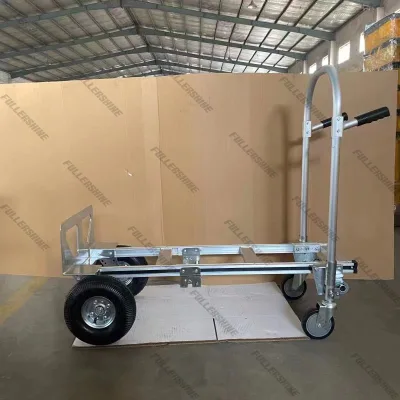
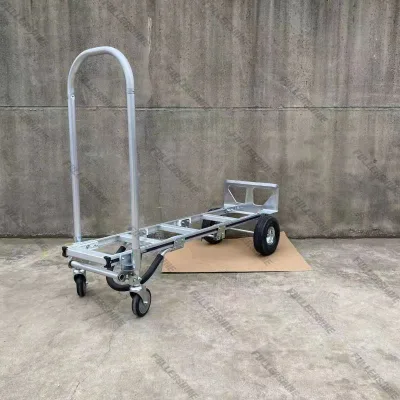
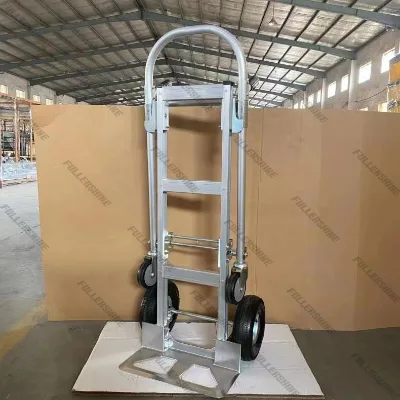
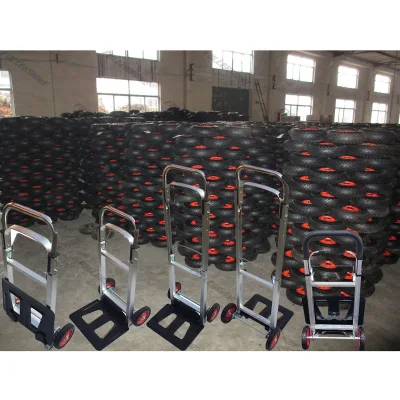
$17.00 - $35.00
MOQ: 300 units
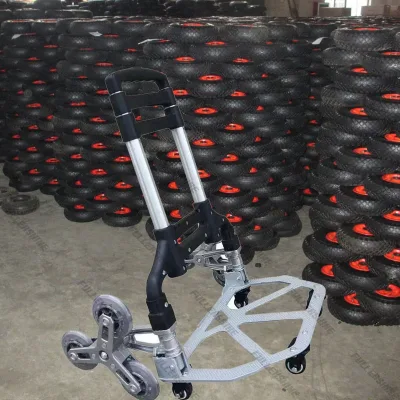

Shanghai Robustworks Hardware Tools Co., Ltd.
- Verified by TUVRHEINLAND
- Combined
- China Shanghai
- Lead time23 days
- Avg. response≤ 10h
Main productsHand Truck, Folding Cart, Metal Rack, Work Bench, Folding Basket, Hand Trolley, Hand Tools, Pack and Roll, Storage Shelf, Work Table
Main marketsSouth America,Others(foreignTradeCapacity.exportBusinessCapacityMarketOther),East Asia(Japan/ South Korea),Europe,Australia,North America

- Manufacturer
- China Zhejiang
- Lead time30 days
- Avg. response≤ 17h
Main productsWorkbench, Work Table, Hand Truck, Trolley, Saw Horse, Scaffold, Storage Shelf, Miter Saw Stand, Saw Stand, Scaffolding
Main marketsSouth America,Africa,Southeast Asia/ Mideast,East Asia(Japan/ South Korea),Europe,Australia,North America

Qingdao Zeruida Industry & Trade Co., Ltd.
- Trading Company,Manufacturer/Factory
- China Shandong
- Lead time15 days
- Avg. response≤ 5h
Main productsFiberglass Ladder, Aluminum Ramp, Aluminum Ladder, Steel Ramp, Aluminum Hand Truck, Special Hand Cart, Customized Service, Garden Cart
Main marketsSouth America,Eastern Europe,Mid East,North America,Southeast Asia,Eastern Asia,Oceania,Western Europe,Africa
Qingdao Elite Agriculture Group Co., Ltd.
- Verified by TüVRheinland
- Trading Company
- Lead time30 days
- Avg. response≤ 3h
Main productsFlower Trolley, Pipe Rail Trolley, Harvest Trolley, Folding Wagon, Tyre Rack
Main marketsDomestic Market(45%), North America(35%), South America(5%)
- Verified by TüVRheinland
- Manufacturer, Trading Company
- Lead time30 days
- Avg. response≤ 4h
Main productsBoltless Shelving, Garage Shelving, Fiberglass Step Ladder, Aluminum Ladder, Fiberglass Cable Tray
Main marketsNorth America(50%), Southern Europe(15%), Eastern Europe(10%)
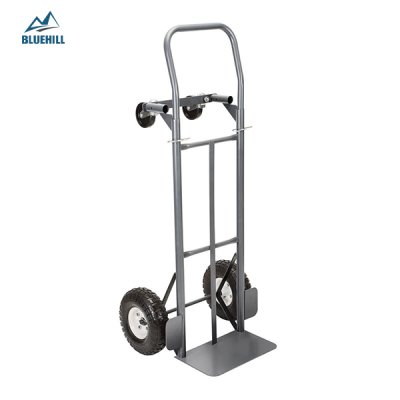
Hot Sale Welding Structure Hand Trolley for Supermarket
$24.80 - $25.80
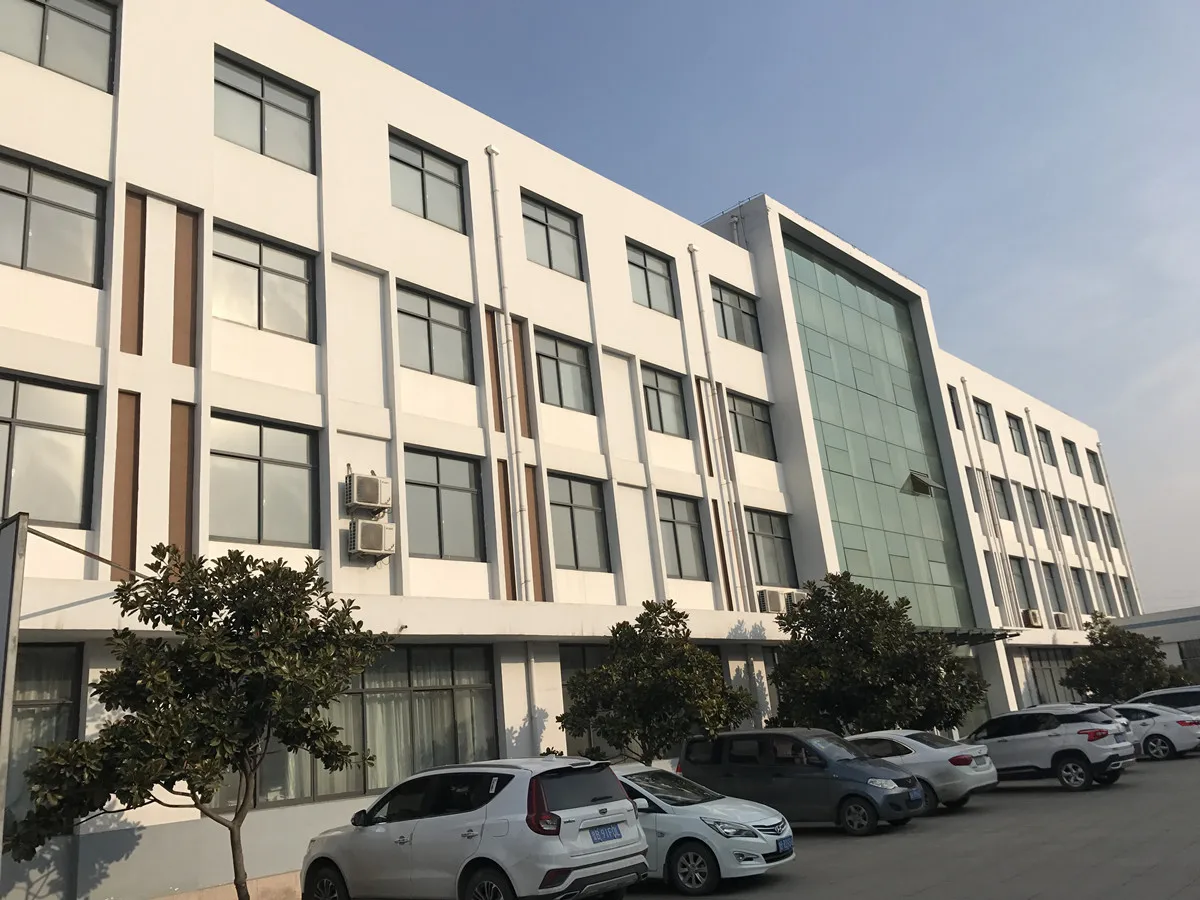
Qingdao Huatian Hand Truck Co., Ltd.
- Verified by SGS Group
- Manufacturer, Trading Company
- Lead time30 days
Main productsHand Truck, Wheel Barrow, Platform hand truck, Tool Cart, Hand Trolley
Main marketsNorth America(40%), Eastern Asia(25%), Western Europe(10%)
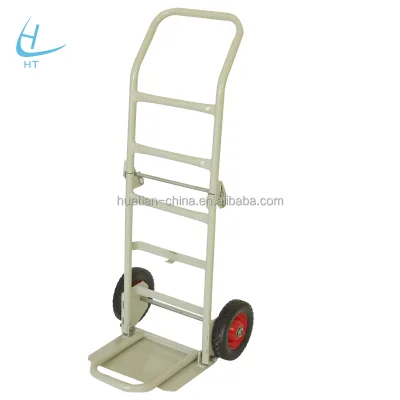
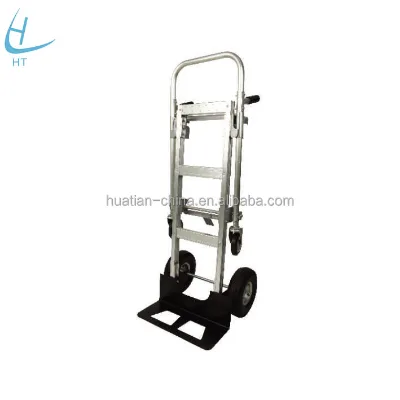
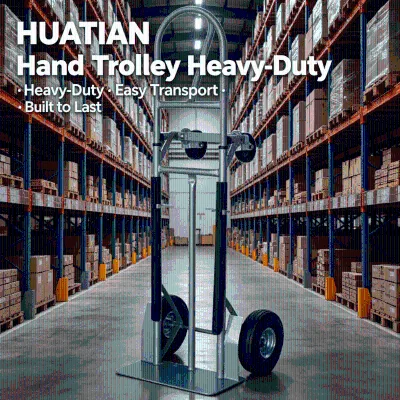
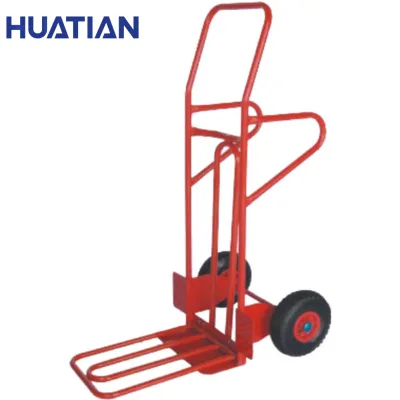

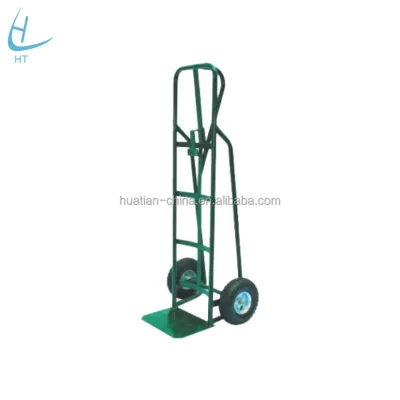
Durable, Easy and Convenient to Assemble and Use,Aluminum Frame Hand Push Trolley Cart
$21.4601 - $37.8099
MOQ: 100 Minimum
Qingdao Antai Industrial Products Co., Ltd.
- Trading Company
- Shandong, China
- Lead time25 days
- Avg. response≤ 4h
Main productswagon cart,sack truck,cargo carrier,bicycle trailer cart,wheel
Main marketsWestern Europe(30.00%), Eastern Europe(30.00%), North America(15.00%), Northern Europe(10.00%), Southern Europe(10.00%), South America(5.00%)
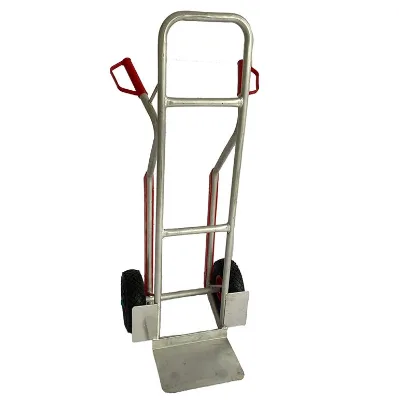
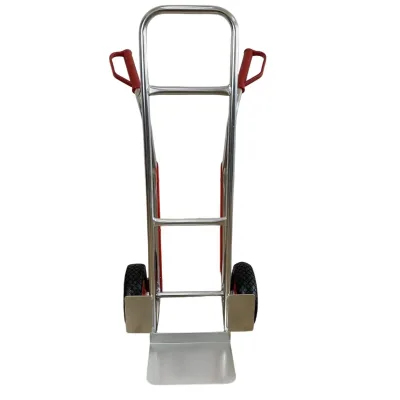
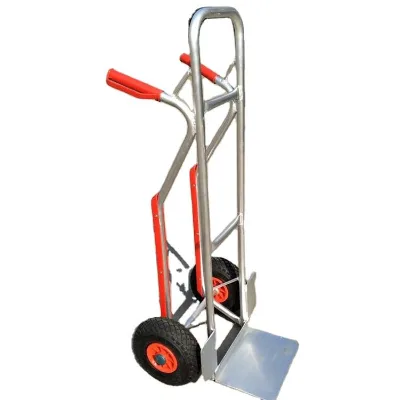
Good Price Aluminum Material Hand Trolley for Carrying Goods Capacity Hand Truck
$11.12 - $11.20
MOQ: 200
Dongguan Baoyu Hardware Products Co., Ltd.
- Manufacturer, Trading Company
- Guangdong, China
- Lead time25 days
- Avg. response≤ 3h
Main productsShopping Cart; Flatbed Trolley; Luggage Cart; Storage Box; Hand Cart
Main marketsDomestic Market(60.00%), North America(20.00%), Western Europe(10.00%), Mid East(5.00%), Eastern Asia(5.00%)
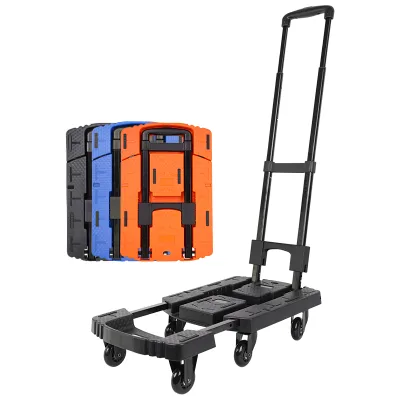
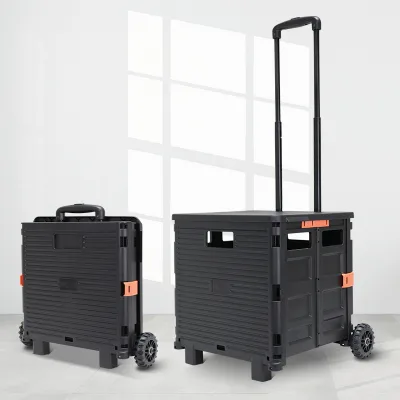
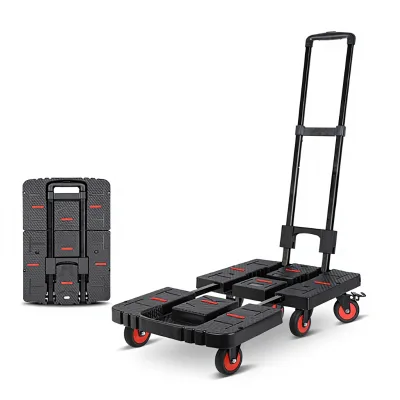
Factory Plastic Foldable Plastic Trolleys Roll Container Structure Hand Trolley
$12.2702 - $15.34
MOQ: 50 pieces
Qingdao Kingstar Metal Products Co., Ltd.
- Manufacturer, Trading Company
- Shandong, China
- Lead time35 days
- Avg. response≤ 3h
Main productsUtility Metal Shelving,Furniture Moving Dolly/Roller,Hand Trolleys,Storage rack,Garage Shelf
Main marketsWestern Europe(51.00%), North America(20.00%), Southern Europe(14.00%), South America(4.00%), Eastern Europe(3.00%), Southeast Asia(3.00%), Oceania(2.00%), Eastern Asia(1.00%), Africa(1.00%), Northern Europe(1.00%)
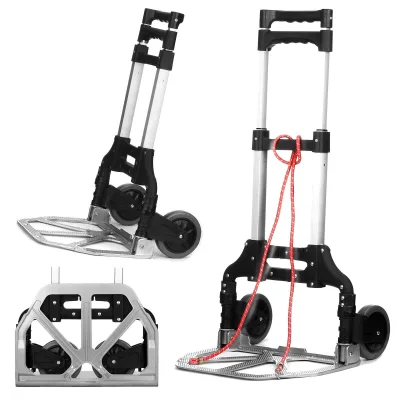
OEM Customisable Aluminium Foldable 2 Wheeler Luggage Cart Adjustable Hand Trolley
$12.10 - $13.30
MOQ: 800 pieces
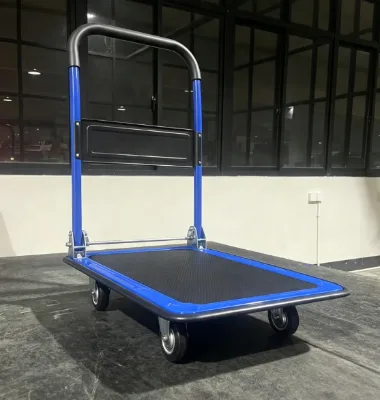
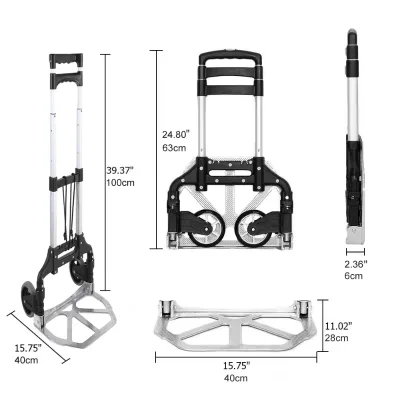
Adjustable 2-Wheel Aluminium Hand Trolley for Shopping Factory Price with OEM Customization Support
$12.10 - $13.30
MOQ: 800 pieces

Hubei Space Double Rhombus Logistics Technology Co., Ltd.
- Manufacturer/Factory,Group Corporation
- China Hubei
- Lead time23 days
- Avg. response≤ 12h
Main productsCaster, Wheel, Airport Trolley, Check-in Counter, Queue Stand, Airport Chair, Wheelchair, Commode Chair, Walker, Walking Sticker
Main marketsSouth America,Eastern Europe,Mid East,North America,Southeast Asia,Eastern Asia,Oceania,Western Europe,Africa

$11.76 - $12.50
MOQ: 500 Pieces

$11.76 - $12.50
MOQ: 500 Pieces
Qingdao Dongyu Vehicle Co., Ltd.
- Manufacturer, Trading Company
- Shandong, China
- Lead time0 days
- Avg. response≤ 4h
Main productswheelbarrow,hand trolley,tool cart,wheel,table leg
Main marketsAfrica(15.00%), Eastern Europe(15.00%), South America(15.00%), Western Europe(15.00%), North America(10.00%), Southeast Asia(6.00%), Mid East(5.00%), Northern Europe(5.00%), South Asia(5.00%), Domestic Market(3.00%), Eastern Asia(3.00%), Southern Europe(3.00%)
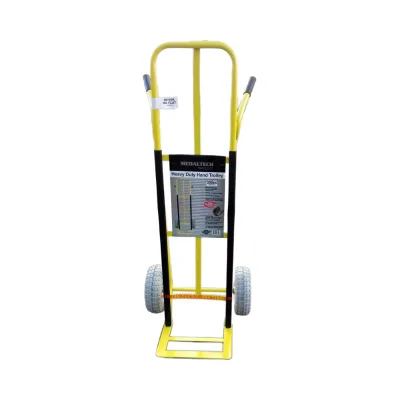
180KG Hand Trolley with Convenient PU Tire Multipurpose Tools for Multiple Uses
$10.80 - $11.00
MOQ: 500
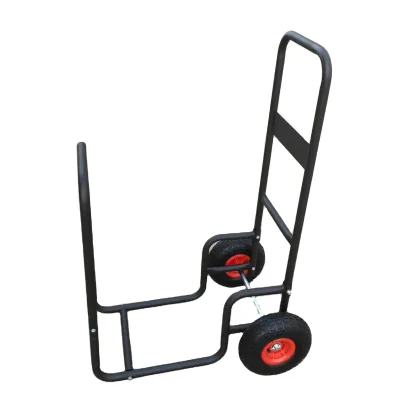
Customizable OEM Support Metal Firewood Rack Iron Tool Cart Hand Carts & Trolleys
$20.00
MOQ: 500 pieces
Qingdao Ever-Leading Tools Co., Ltd.
- Manufacturer
- Lead time旺季: "1 - 800":45,"> 800":"To be negotiated", 淡季: "1 - 800":45,"> 800":"To be negotiated"
- Avg. response≤ 3h
Main productsKayak Rack, Mobile Chair Trolley, WheelBarrow, Garden Cart, Shelving & Rack
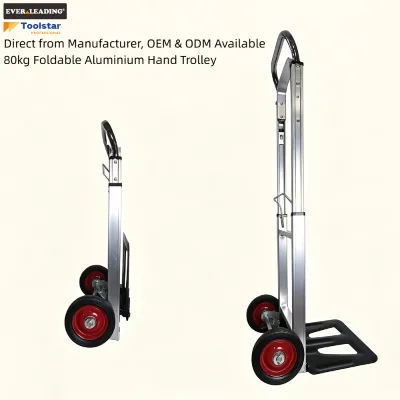
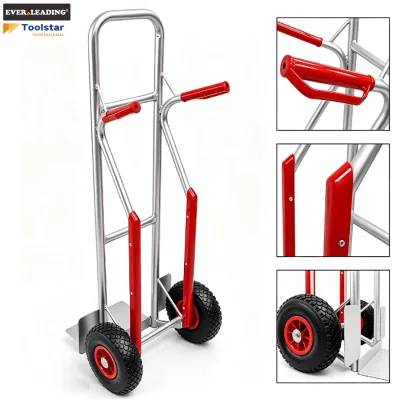
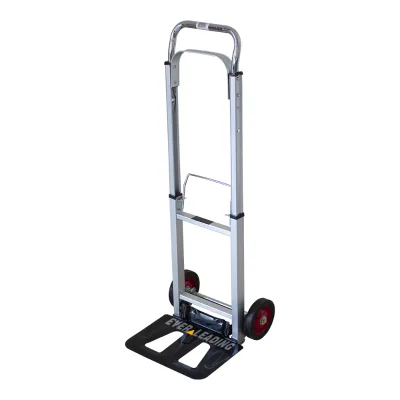
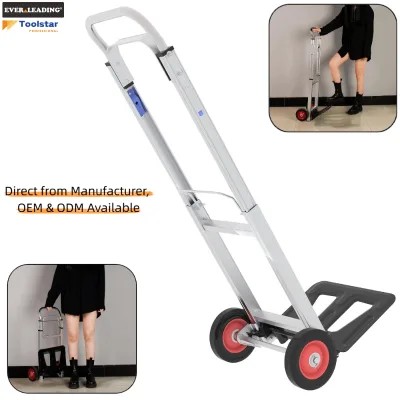
LD-HT1001 Foldable Aluminium Hand Trolley with Platform Customizable OEM Support
$13.1618 - $15.0124
MOQ: 200 pieces

Guangzhou Orda Logistics System Co., Ltd
- Verified by CTI
- Combined
- China Guangdong
- Lead time30 days
- Avg. response≤ 1h
Main productsTrolley, Roll Container, Hand Cart, Auto Parts Pallet, Wire Mesh Container, Metal Container, Stack Rack, Steel Pallets, Bicycle Rack
Main marketsEast Asia(Japan/ South Korea),Domestic,Europe,North America
Qingdao Dongshengxu Industry Co., Ltd.
- Manufacturer, Trading Company
- Shandong, China
- Lead time30 days
- Avg. response≤ 2h
Main productsRUBBER WHEEL,WHEEL BARROW,METAL ASHTRAY,FIRE FIGHTING TOOL,MIXER
Main marketsSoutheast Asia(80.00%), South America(10.00%), South Asia(2.00%), Southern Europe(2.00%), Western Europe(2.00%), Mid East(2.00%), Africa(2.00%)

Qingdao Huanya Metal Products Co., Ltd.
- Combined
- China Shandong
- Lead time30 days
- Avg. response≤ 25h
Main productsWheel Barrow, Wheelbarrow, Hand Truck, Hand Trolley, Folding Table, Rubber Wheel, PU Foam Tyre, Flat Free Tire, Pneumatic Wheel, PU Foam Tire
Main marketsDomestic,Europe,Australia,North America




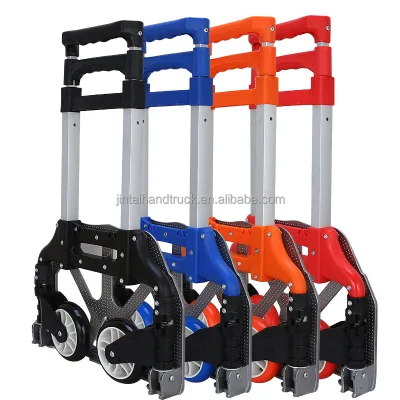


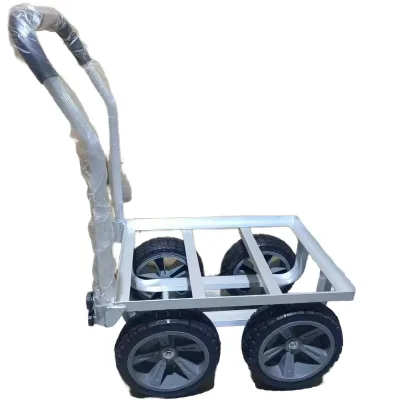
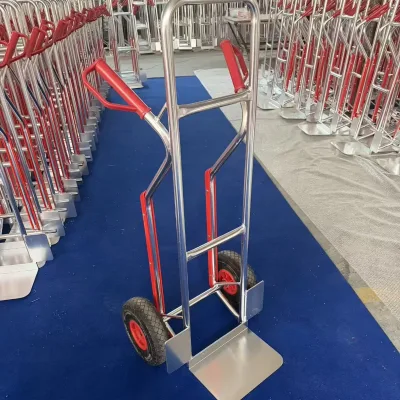
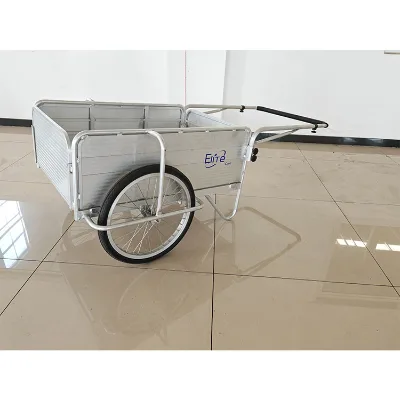




Comprehensive Sourcing Guide
Aluminum Frame Hand Trolley Supplier Concentration and Factory Types
The current supplier landscape for aluminum frame hand trolleys reveals a distinct concentration of manufacturing and trading entities within specific industrial regions in China. Data indicates that a significant portion of these suppliers are located in Shandong province, which serves as a notable hub for this category of material handling equipment. This geographic clustering suggests that buyers seeking aluminum hand trucks will likely encounter vendors operating out of this area, potentially benefiting from established local supply chains for raw materials like aluminum and steel. The presence of suppliers in this region implies a mature ecosystem for producing heavy-duty trolleys, including models with folding mechanisms and pneumatic wheels. Buyers should recognize that while Shandong is a verified location for many results, the broader market may include manufacturers from other provinces not explicitly highlighted in the current search results. Understanding this concentration helps in anticipating the logistical and communication dynamics associated with sourcing from this specific industrial belt.
Supplier types in this sector vary, encompassing pure trading companies, dedicated manufacturers, and combined entities that offer both production and sales services. Some suppliers are identified as trading companies, which may act as intermediaries connecting buyers with factory production capabilities, while others are listed as manufacturers or combined firms. This diversity in company structure impacts how buyers approach negotiations and quality control. For instance, a trading company might offer a broader range of products, such as wheelbarrows and shelves, alongside hand trolleys, whereas a manufacturer might focus more deeply on specific models like the folding aluminum hand truck. The verification status of these suppliers also varies, with some holding third-party certifications like SGS, which adds a layer of trust regarding their operational legitimacy. Buyers must carefully distinguish between these entity types to align their sourcing strategy with their need for direct factory access versus the flexibility of a trading partner.
How to Verify Aluminum Frame Hand Trolley Suppliers
Verifying the authenticity and capability of Aluminum Frame Hand Trolley suppliers requires a multi-layered approach that goes beyond surface-level profile reviews. One critical step is to check for third-party verification badges, such as SGS, which indicate that an independent agency has assessed the supplier’s business credentials. This verification provides a baseline of trust, confirming that the company exists and operates as described. However, buyers should not rely solely on this badge; they must also scrutinize the supplier’s response time and communication quality. A rapid response time, such as one day or even faster, often correlates with a more active and professional sales team, whereas slower responses might indicate less dedicated support structures. Additionally, examining the supplier’s main products can reveal their specialization; a company listing wheelbarrows and storage equipment alongside hand trolleys may have different expertise levels compared to a firm focused exclusively on material handling tools.
Beyond initial checks, buyers should request detailed product specifications and documentation to validate claims about materials and construction. For aluminum frame trolleys, it is essential to confirm the alloy type and thickness, as well as the quality of welds and joints, which are critical for durability under heavy loads. Buyers can ask for video calls or virtual factory tours to observe production lines directly, ensuring that the supplier has the actual manufacturing capacity they claim. It is also wise to verify the supplier’s export history and references from previous clients, particularly those in similar industries. If a supplier claims to be a manufacturer, asking for specific production process details or quality control protocols can help distinguish them from trading companies. This due diligence minimizes the risk of engaging with unreliable partners and ensures that the chosen supplier can consistently deliver high-quality aluminum hand trolies that meet international standards.
What to Compare Across Aluminum Frame Hand Trolley Suppliers
When evaluating multiple suppliers for aluminum frame hand trolleys, buyers must compare key operational metrics to determine the best fit for their business needs. Lead time is a crucial factor, as it directly impacts inventory management and order fulfillment speed. Some suppliers may offer lead times as short as fifteen days, while others might require up to forty days, depending on production capacity and current order volume. Buyers should align their order planning with these timelines to avoid stockouts or excess inventory. Another important metric is the minimum order quantity (MOQ), which varies significantly across suppliers. For instance, some suppliers may require an MOQ of five hundred units, while others might accept orders as low as four hundred fifty units. Understanding these thresholds helps buyers assess the financial commitment required and whether the supplier can accommodate smaller trial orders or larger bulk purchases.
Response time and customization capabilities are also vital comparison points. Suppliers with faster response times, such as those replying within a day, are often more responsive to urgent inquiries and custom requests. Buyers should inquire about the availability of customization options, such as logo printing, color changes, or structural modifications, as these can be critical for brand differentiation. Additionally, comparing price ranges is necessary, though buyers should look beyond the lowest quote to consider value. Prices for aluminum hand trolleys can range from approximately fourteen dollars to over thirty-five dollars per unit, depending on features like wheel type, load capacity, and folding mechanisms. Buyers should also evaluate the supplier’s supply ability, noting that some may have a monthly capacity of one thousand pieces, while others can produce ten thousand pieces. This capacity information helps ensure that the supplier can scale with the buyer’s growing demand without compromising quality or delivery schedules.
Common Aluminum Frame Hand Trolley Sourcing Risks
Sourcing aluminum frame hand trolleys from international suppliers involves several potential risks that buyers must proactively manage to ensure a smooth procurement process. One significant risk is the discrepancy between product samples and bulk production. While a sample may showcase high-quality aluminum construction and smooth folding mechanisms, the bulk order might suffer from material inconsistencies or manufacturing defects. To mitigate this, buyers should implement strict quality control measures, such as hiring third-party inspection services to check goods before shipment. Another risk is the variability in supplier reliability, particularly with trading companies that may not have direct control over production quality. Buyers should verify the supplier’s actual manufacturing capabilities and establish clear communication channels to address any issues promptly. This diligence helps prevent delays and ensures that the final products meet the specified standards for load capacity and durability.
Logistical and compliance risks are also prevalent in international sourcing. Shipping delays, customs clearance issues, and changes in import regulations can disrupt the supply chain and increase costs. Buyers should work with suppliers who have experience in exporting to their target market and understand the necessary documentation and certifications. Additionally, there is a risk of intellectual property infringement if buyers request custom designs without proper legal agreements in place. It is essential to have clear contracts that protect both parties’ interests and specify quality standards, delivery terms, and payment conditions. Buyers should also be cautious of suppliers who offer prices that seem too good to be true, as this may indicate the use of inferior materials or hidden fees. By anticipating these risks and implementing robust mitigation strategies, buyers can safeguard their investments and build a reliable supply chain for aluminum frame hand trolleys.
Aluminum Frame Hand Trolley Regional Sourcing and Logistics
The regional concentration of Aluminum Frame Hand Trolley suppliers in Shandong province offers specific logistical advantages and considerations for buyers. This region is well-connected to major ports, such as Qingdao, which facilitates efficient export shipping. Buyers sourcing from this area can benefit from streamlined logistics, as many suppliers are familiar with the export processes and can arrange freight forwarding services. However, buyers should also consider the distance between the supplier’s factory and the port, as this can impact transit times and costs. For buyers in different parts of the world, understanding the shipping routes and transit times from Qingdao to their destination is crucial for accurate delivery planning. Additionally, buyers should be aware of any regional trade policies or tariffs that may affect the cost of importing aluminum hand trolleys from China.
Logistics planning also involves selecting the appropriate shipping method based on order volume and urgency. For large orders, sea freight is often the most cost-effective option, while air freight may be necessary for smaller, urgent shipments. Buyers should negotiate shipping terms with their suppliers, such as FOB (Free on Board) or CIF (Cost, Insurance, and Freight), to clarify responsibilities for transportation and insurance. It is also important to consider packaging details, as aluminum hand trolleys are often bulky and require careful packing to prevent damage during transit. Suppliers may offer different packaging options, such as bulk packing or carton packing, each with its own implications for shipping volume and cost. By carefully planning the logistics and understanding the regional advantages, buyers can optimize their supply chain and reduce overall procurement costs.
Aluminum Frame Hand Trolley Commercial Terms and Order Planning
Effective order planning for aluminum frame hand trolleys requires a clear understanding of commercial terms and payment structures. Buyers should negotiate favorable payment terms, such as a deposit followed by balance payment upon shipment, to balance risk and cash flow. It is also important to clarify the Incoterms used in the contract, as this determines who is responsible for shipping, insurance, and customs duties. Buyers should ensure that the contract includes detailed specifications for the products, including dimensions, load capacity, and material grades, to avoid disputes upon delivery. Additionally, buyers should discuss warranty and after-sales support terms, as these can provide protection against manufacturing defects. Understanding these commercial terms helps buyers manage their financial exposure and ensures a transparent transaction process.
Order planning also involves forecasting demand and aligning production schedules with supplier lead times. Buyers should consider seasonal fluctuations in demand and plan their orders accordingly to avoid delays. It is advisable to place orders well in advance, especially for customized products, to allow sufficient time for production and quality control. Buyers should also maintain open communication with their suppliers to stay updated on production progress and any potential changes. By integrating commercial terms with strategic order planning, buyers can optimize their inventory levels and ensure a steady supply of aluminum frame hand trolies. This proactive approach helps businesses respond quickly to market changes and maintain customer satisfaction through reliable product availability.
FAQs
What is the price range for aluminum hand trolleys?
Prices for aluminum hand trolleys typically range from $14.00 to $35.99 per unit. The final cost depends on specific model features, load capacity, and customization options. Buyers should verify exact pricing with suppliers based on order volume and shipping terms.
What is the minimum order quantity for these trolleys?
The minimum order quantity is generally 450 to 500 units. This threshold ensures efficient production and shipping logistics for manufacturers. Buyers seeking smaller quantities should contact suppliers directly to negotiate terms or explore existing stock options.
How long does production take for aluminum trolleys?
Production lead times vary between 15 and 40 days depending on the supplier and order complexity. Faster turnaround times are available for standard models, while customized designs may require additional manufacturing time. Confirm specific schedules with your chosen supplier.
Are aluminum hand trolleys customizable for specific needs?
Yes, customization is available for many aluminum hand trolley models. Buyers can request specific materials, wheel types, and structural modifications. Suppliers offer ODM and OBM support to tailor products to unique operational requirements and branding preferences.
What is the typical response time from suppliers?
Supplier response times range from 1 to 25 hours. Quick responders typically reply within a day, ensuring efficient communication during the sourcing process. Faster response times indicate active sales teams ready to assist with inquiries and order processing.
Where are aluminum hand trolleys manufactured?
Most aluminum hand trolleys are manufactured in Shandong, China. This region is a known hub for metal handling equipment production. Buyers should verify the specific origin and shipping port, such as Qingdao, to understand logistics and import duties.