Source anti-glare mini led spot light for Room Decoration Lighting
Compare 30 anti-glare mini led spot light options from verified Chinese suppliers. Buyers can evaluate specifications like power, color temperature, and certifications for room decoration and general lighting applications; compare the available evidence and request quotations based on your requirements.
Updated
Key considerations
Products List


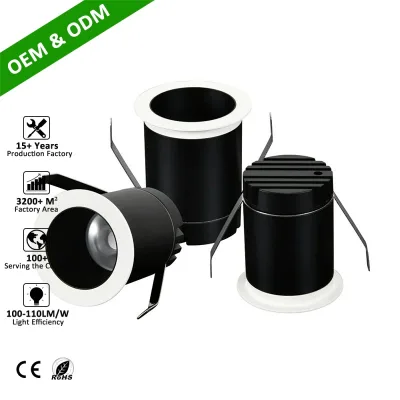
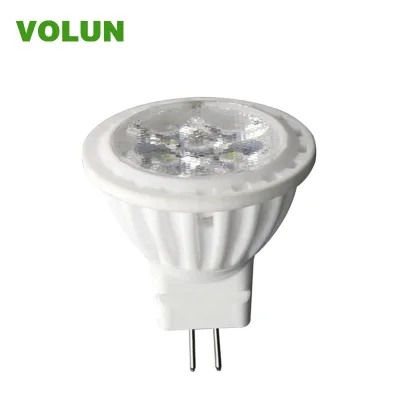
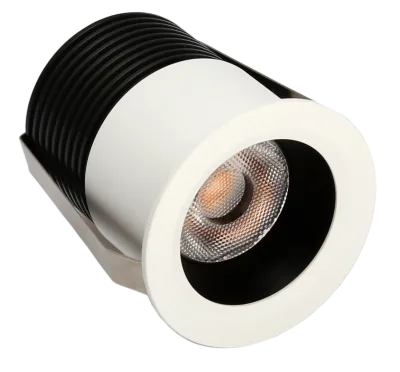
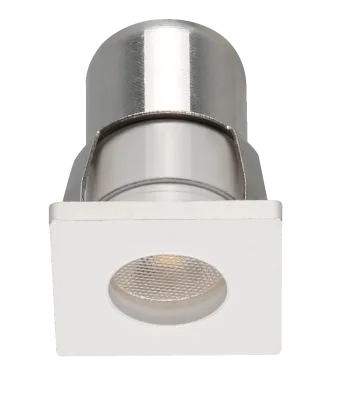


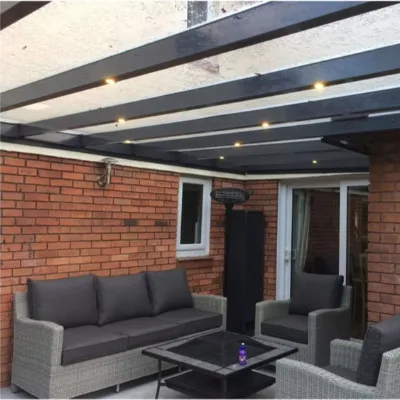

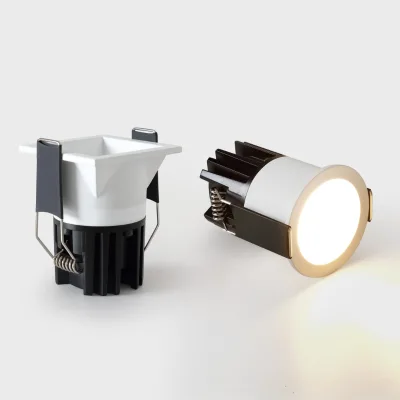
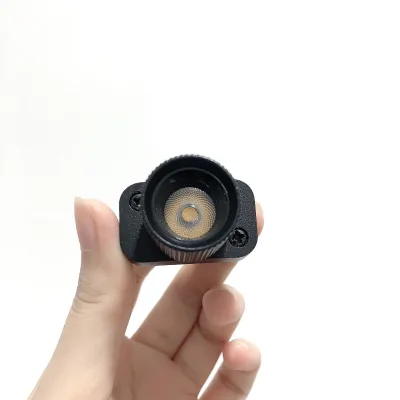
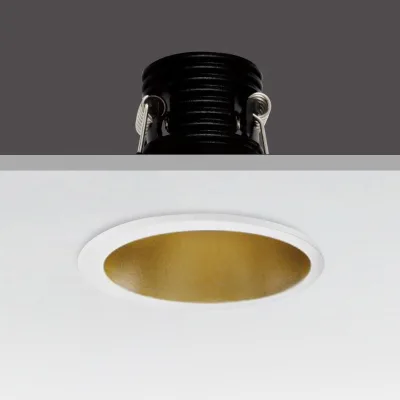
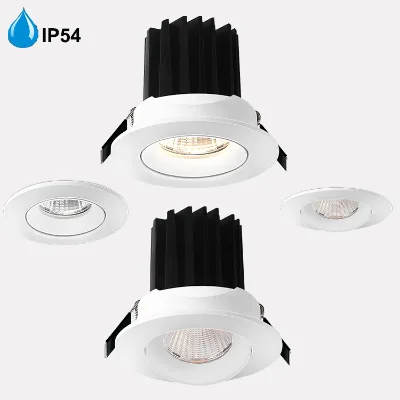
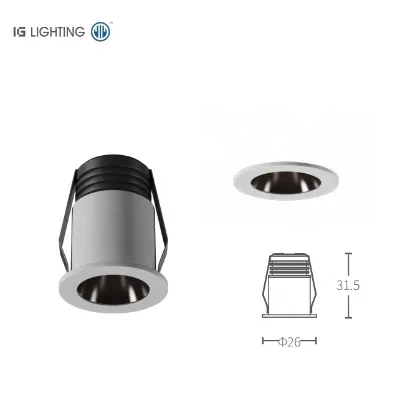
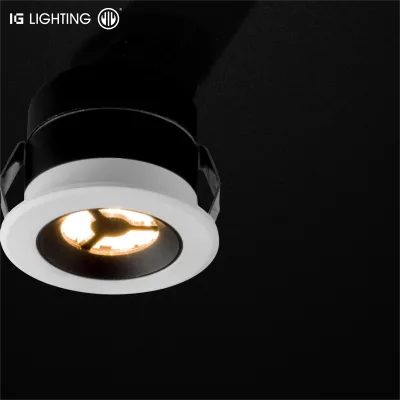
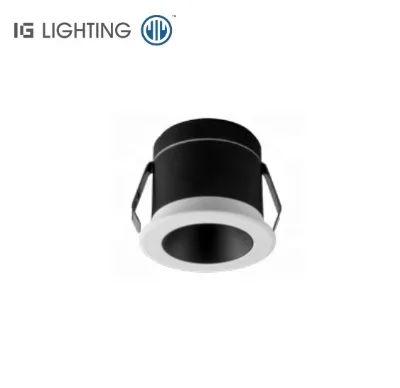


Adjustable 3W LED Spotlight for Display Case Lighting Mini LED Spotlight
$7.00 - $10.00
MOQ: 100 Pieces

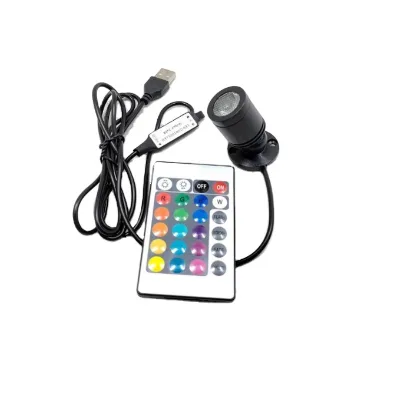

Mini Spot Light Round COB Spot Light Anti Glare Recessed Trimless Spotlight
$4.90 - $9.90
MOQ: 20 Pieces
Comprehensive Sourcing Guide
Anti-Glare Mini Led Spot Light Sourcing Guide
Procuring anti-glare mini LED spot lights requires a disciplined approach to balancing optical performance with electrical safety. Buyers must prioritize specifications that ensure visual comfort while maintaining adequate illumination for specific environments. The market offers a variety of models, but verifying the exact beam angle and color temperature is essential to prevent glare and ensure the light fits the intended aesthetic. This guide outlines the critical verification steps for sourcing these components effectively.
The following sections detail the technical, commercial, and compliance aspects of sourcing these lighting fixtures. By focusing on verified attributes such as input voltage, material composition, and certification status, procurement teams can mitigate risk. The goal is to select suppliers who provide transparent data on product dimensions, power factors, and lifespan, ensuring that the final installation meets both functional and regulatory requirements without unexpected delays or quality issues.
Product Scope and Observed Listing Signals
The observed product range includes mini LED spot lights with varying dimensions, such as L137W74H70mm and L168W42H70mm, indicating a diverse inventory of form factors. These units typically feature aluminum bases and polycarbonate diffusers, which contribute to heat dissipation and light diffusion. The emitting colors range from full spectrum to specific white tones, with color temperatures spanning from warm white to cool white options. This variety allows buyers to match the lighting to specific interior design schemes, whether for residential rooms or decorative applications.
Listing signals also highlight key operational attributes, including power ratings of 10W and 15W, and input voltages that generally cover 100-240V AC ranges. Some models specify a power factor of 0.9, which is a positive indicator of electrical efficiency. The life expectancy is often cited at 50,000 hours, suggesting durability for long-term use. Buyers should note that while some listings mention DC power sources, the majority operate on AC input, so verifying the specific electrical requirements for each model is crucial to avoid compatibility issues during installation.
Technical Specifications to Verify
Verifying the beam angle is critical for controlling glare and directing light effectively. Observed data includes beam angles of 24 degrees and 120 degrees, which serve vastly different lighting purposes. A narrower angle provides focused accent lighting, while a wider angle offers general illumination. Additionally, the color rendering index (Ra) of 80 is a standard metric for color accuracy, ensuring that objects appear natural under the light. Buyers must confirm these optical parameters to ensure the selected spot light meets the specific visual needs of the project.
Electrical specifications require careful review, particularly regarding input voltage and current type. While many models support a wide voltage range of 85-265V, some listings specify 220V or 110V, which may limit their use in certain regions. The IP rating of IP44 indicates protection against solid objects and water splashes, suitable for indoor use but not for wet environments. Buyers should also check the installation style, which is often embedded, and verify the cut-out dimensions, such as L83*W75mm, to ensure the fixture fits the ceiling or wall aperture correctly.
Compliance and Safety Documentation
Certification is a primary concern for international procurement, as it ensures the product meets regional safety and electromagnetic compatibility standards. Observed certifications include CE, EMC, LVD, CCC, and RoHS, which are widely recognized in various markets. Some listings also mention SAA certification, which is specific to Australian and New Zealand standards. Buyers must verify that the specific model they intend to purchase holds the necessary certifications for their target market, as compliance requirements vary significantly by region and application.
Documentation should also include detailed test reports and material safety data sheets. The presence of RoHS certification indicates that the product is free from certain hazardous substances, which is important for environmental compliance and worker safety. Buyers should request copies of these documents to verify the authenticity of the certifications. Additionally, checking for any additional safety standards related to electrical insulation and fire resistance is advisable, especially for embedded lighting fixtures that may be in contact with building materials.
Cost Drivers and Commercial Terms
The observed price range for these mini LED spot lights is between 1 and 130 USD, reflecting significant variation based on specifications and brand. Factors influencing cost include the quality of the LED chips, such as Bridgelux, which is known for reliability and performance. Higher power ratings, such as 15W compared to 10W, and specialized features like dimmability or specific color temperatures can also increase the price. Buyers should analyze the cost per watt and the total cost of ownership, including potential energy savings due to high efficiency.
Minimum order quantities (MOQ) range from 1 to 200 units, offering flexibility for both small-scale and large-scale procurement. Buyers with smaller requirements may face higher unit costs, while larger orders can leverage economies of scale. It is important to clarify the packaging details, such as carton packing, to ensure safe transit and efficient storage. Additionally, buyers should inquire about lead times and shipping terms to avoid delays, especially if the project has a tight deadline. Negotiating bulk discounts and clear return policies can further optimize the commercial terms.
Supplier Qualification and Quality Control
Selecting a qualified supplier involves verifying their manufacturing capabilities and quality control processes. Buyers should look for suppliers who provide detailed product specifications and are transparent about their production standards. The place of origin, such as Guangdong, China, is a common hub for lighting manufacturing, but buyers should still conduct due diligence to ensure the supplier has a robust quality management system. Requesting samples before placing a large order is a prudent step to verify the physical quality and performance of the spot lights.
Quality control should include checks for consistency in color temperature, brightness, and build quality. Buyers should ask about the supplier’s testing procedures, including burn-in tests and electrical safety checks. It is also important to verify the supplier’s ability to provide customization services, as some listings indicate that customization is available. This can be useful for tailoring the lighting solution to specific project requirements. Establishing a clear communication channel with the supplier for addressing any quality issues post-delivery is essential for long-term partnership success.
Long-Term Procurement Checks
Long-term procurement success depends on monitoring the performance and reliability of the spot lights over time. Buyers should track metrics such as lumen maintenance and color shift to ensure the lighting quality remains consistent throughout the product’s lifespan. The cited life expectancy of 50,000 hours is a key indicator, but real-world performance may vary based on usage conditions and environmental factors. Regularly reviewing supplier performance and product feedback can help identify any emerging quality issues early.
Sustainability and regulatory changes are also important considerations for long-term procurement. Buyers should stay informed about evolving environmental regulations and certification requirements that may impact the product’s marketability. Additionally, considering the availability of replacement parts and the supplier’s support for lighting and circuitry design services can enhance the overall value of the procurement. Building a relationship with a reliable supplier who can adapt to changing market needs and provide ongoing support is crucial for maintaining a stable and efficient lighting supply chain.
FAQs
What certifications do these anti-glare mini led spot lights have?
These lights hold EMC, LVD, CE, CCC, and RoHS certifications. Some models also include SAA certification. These standards ensure compliance with international safety and electromagnetic compatibility requirements for reliable operation in various global markets.
Can these lights be customized for specific projects?
Yes, customization is available for these anti-glare mini led spot lights. Buyers can request specific adjustments to meet unique project requirements. This flexibility allows for tailored solutions that align with particular design aesthetics or functional needs.
What is the expected lifespan of the LED chips?
The LED chips have an expected lifespan of 50,000 hours. This durability ensures long-term performance and reduces maintenance costs. The lights utilize Bridgelux chips, which are known for their reliability and consistent light output over extended periods.
What input voltage ranges are supported by these spot lights?
These spot lights support an input voltage range of 100-240V. Some models also accommodate 85-265V, 110V, 220V, 12V, and 24V. This wide voltage compatibility ensures stable operation across different electrical systems and regions.
What materials are used in the construction of these lights?
The base material is aluminum, providing robust heat dissipation and structural integrity. The diffuser is made of polycarbonate, ensuring durability and effective light distribution. These materials contribute to the overall longevity and performance of the lighting fixtures.
What are the available beam angles for these mini spot lights?
Available beam angles include 24 degrees and 120 degrees. The 24-degree angle offers focused illumination, while the 120-degree angle provides wider coverage. Buyers can select the appropriate angle based on their specific lighting design requirements.