Anti-Static Conductive Carbon Yarn Suppliers and Manufacturers
Source Anti-Static Conductive Carbon Yarn from 22 verified manufacturers in Guangdong and Hebei. Compare certifications like Oeko-Tex and ISO, response times, and lead times to find the right partner. Request samples to verify quality; review the available evidence before requesting comparable quotations from suitable candidates.
Suppliers List
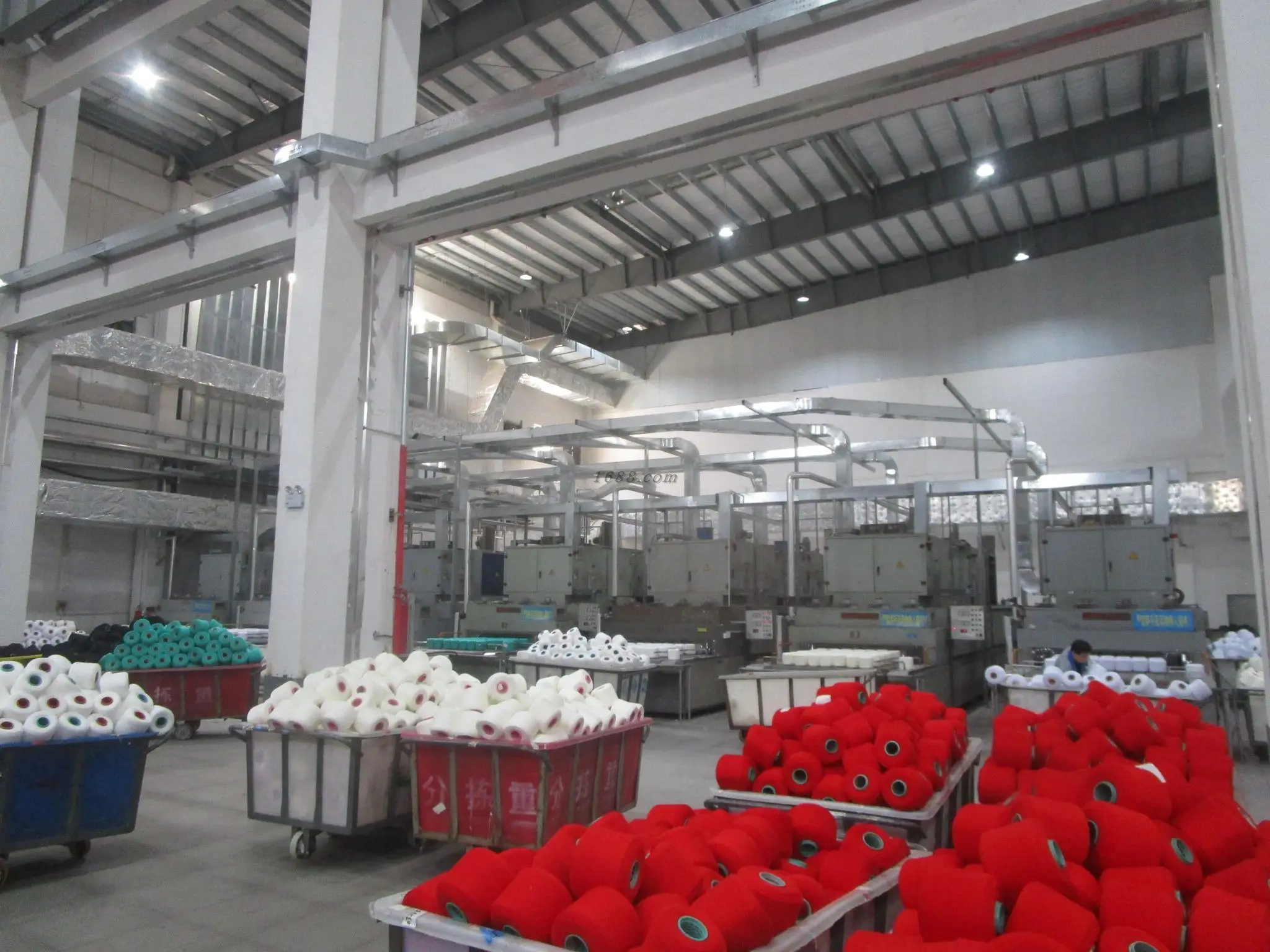
Dongguan Velve Thread Manufacturer
- Manufacturer
- Guangdong, China
- Lead time10 days
- Avg. response≤ 8h
Main productsReflective Thread,Glow In the Dark Thread,Paper Yarn,Recycled Yarn,Conductive Thread
Main marketsDomestic Market(69.00%), Western Europe(5.00%), Mid East(5.00%), North America(4.00%), South Asia(4.00%), Eastern Asia(3.00%), Northern Europe(3.00%), Southeast Asia(2.00%), Oceania(1.00%), Eastern Europe(1.00%), South America(1.00%), Southern Europe(1.00%), Central America(1.00%)
Baoding Sanyuan Textile Technology Co., Ltd.
- Verified by SGS Group
- Manufacturer, Trading Company
- Lead time20 days
- Avg. response≤ 5h
Main productsMetal Yarn/Fabric, Radiation Protective Fabric/Suit, Flame Retardant Fabric/Suit, Antistatic Fabric/Suit
Main marketsDomestic Market(78%), North America(4%), South Asia(4%)
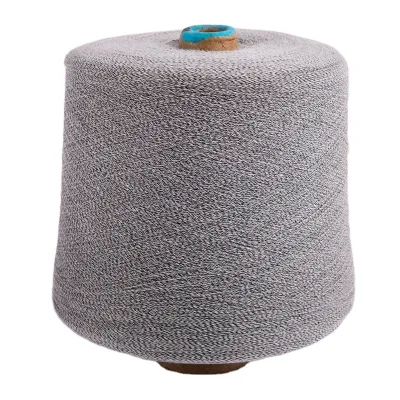
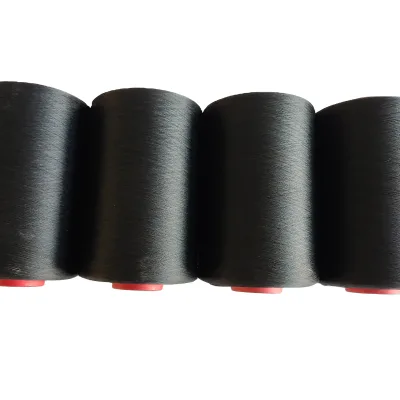
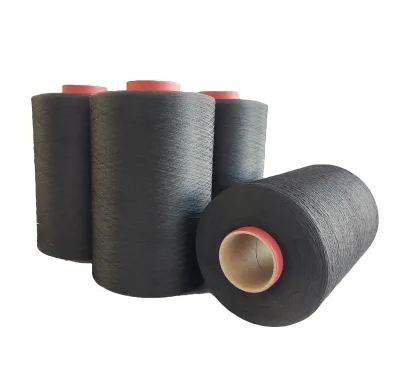
Nylon Carbon Fiber Anti-static Yarn for Knitting & Weaving 20d Eco-Friendly
$34.12 - $36.19
MOQ: 1 Minimum
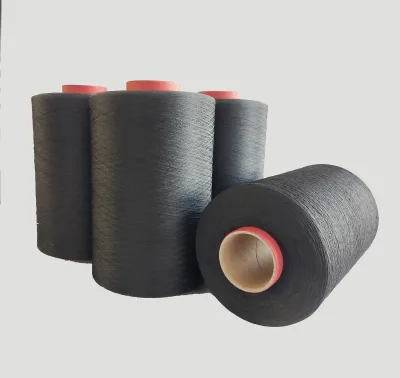

Jiaxing B-Bolen Textile Products Co., Ltd.
- Verified by SGS
- Trading Company,Manufacturer/Factory
- China Zhejiang
- Lead time23 days
- Avg. response≤ 1h
Main productsPara-Aramid Yarn, Meta-Aramid Yarn, UHMWPE Yarn (C, Flame-Retardant Blended Yarn, Aramid Fabric, Flame-Resistant Fabric, Aluminized Aramid Fabric, Aramid Sewing Thread, Modacrylic Yarn, High Performance Yarns
Main marketsSouth America,Eastern Europe,North America,Southeast Asia,Eastern Asia,Oceania,Western Europe


$8.50 - $9.00
MOQ: 300 kilograms


Heat Resistant Aramid Kevlar Yarn Flame Retardant Aramid Yarn Suppliers
$21.00 - $21.50
MOQ: 500 kilogram
Suzhou Xinhai New Material Co., Ltd.
- Manufacturer/Factory
- China Jiangsu
- Lead time23 days
- Avg. response≤ 7h
Main productsYarn, DTY, FDY, POY, Recycled Yarn, Spandex Yarn, Special Yarn, Ity Yarn, Cationic Yarn
Main marketsSouth America,Eastern Europe,Mid East,North America,Southeast Asia,Eastern Asia,Oceania,Western Europe,Africa

ESD Conductive Thread Carbon Conductive Yarn Anti-Static Yarn for Electronics Manufacturing
$25.00 - $35.00
MOQ: 1 kg


Suzhou Qiaoke Environmental Protection Fiber Co., Ltd.
- Verified by SGS
- Trading Company,Manufacturer/Factory,Group Corporation
- China Jiangsu
- Lead time23 days
- Avg. response≤ 1h
Main productsTwist Yarn, Polyester Yarn FDY/DTY/POY, Nylon FDY/DTY/POY/HOY, Cationic Polyester, Streched Yarn, Ity, Covered Yarn, FDY, DTY, Spandex Yarn
Main marketsSouth America,Eastern Europe,Mid East,North America,Southeast Asia,Eastern Asia,Oceania,Western Europe,Africa


High-Quality Anti-Static Polyester Carbon Powder Conductive Yarn for Filter Fabric
$1.32 - $3.75
MOQ: 1 kg


Suzhou Jiekon Puri-Tech Co., Ltd.
- Verified by TUVRHEINLAND
- Trading Company
- China Jiangsu
- Lead time15 days
- Avg. response≤ 25h
Main productsMicrofiber Cleanroom Wiper, Cleanroom Wiper, Sticky Mat, Finger Cot, Anti Static Clothes, Anti Static Fabric
Main marketsDomestic


98% Polyester Fiber 2% Conductive Yarn Anti- Static Electricity Dust-Free Fabric
$1.00 - $10.00
MOQ: 100 Meters

98% Polyester Fiber 2% Conductive Yarn No- Static Electricity Dust-Free Fabric
$1.00 - $2.00
MOQ: 100 Meters


SUN HONG PAPER TECH XUZHOU LTD
- Verified by BV
- Manufacturer/Factory
- China Jiangsu
- Lead time23 days
- Avg. response≤ 1h
Main productsForming Fabric, Press Felt, Dryer Fabric, Screen Basket, Press Roll, Dryer Cylinder, Cylinder Mould, Doctor Blade, Vacuum Suction Cover, Hydrapulper
Main marketsSouth America,Eastern Europe,Mid East,Southeast Asia,Eastern Asia,Oceania,Africa

XIAMEN TOB NEW ENERGY TECHNOLOGY CO., LTD.
- Verified by TUVRHEINLAND
- Trading Company
- China Fujian
- Lead time23 days
- Avg. response≤ 8h
Main productsBattery Production Line Solution, Battery Making Machine, Battery Materials, Battery R&D Equipment, Battery Tester
Main marketsEurope,North America

Suzhou Chunsheng Environmental Protection Fiber Co., Ltd.
- Verified by TUVRHEINLAND
- Trading Company,Manufacturer/Factory,Other
- China Jiangsu
- Lead time15 days
- Avg. response≤ 8h
Main productsRecycled Yarn, Recycled Nylon, Yarn, Biodegradable Yarn, Functional Yarn, Polyester, RPET, PLA, Monofilament, Ppolyester Yarn
Main marketsSouth America,Eastern Europe,Mid East,North America,Southeast Asia,Eastern Asia,Oceania,Western Europe,Africa

Beijing Haoai Electronic Technology Co., Ltd.
- Verified by SGS
- Manufacturer/Factory
- China Beijing
- Lead time15 days
- Avg. response≤ 2h
Main productsRFID Blocking Fabric, Emf Shielding Fabric, Emf Shield Clothing, Nickel Copper Fabric, EMI Shielding Fabric, Earthing Sheet, Conductive Fabric, Anti Radiation Fabric, Silver Mesh Fabric, Magnetic Health Care Fabric
Main marketsSouth America,Eastern Europe,Mid East,North America,Southeast Asia,Eastern Asia,Oceania,Western Europe,Africa

Tianjin Glory Tang New Material Co., Ltd.
- Verified by SGS
- Trading Company
- China Tianjin
- Lead time15 days
- Avg. response≤ 7h
Main productsYarn, Fiber, Nonwoven, Boppfilm, BOPET Film, Polyester Yarn, Plugging Agent, Defoamers, Fabric, Eco-Friendly Nonwoven Fabric
Main marketsSouth America,Others(foreignTradeCapacity.exportBusinessCapacityMarketOther),Southeast Asia/ Mideast,East Asia(Japan/ South Korea),Europe,North America

HITEX COMPOSITE (NINGBO) CO.,LTD.
- Verified by BV
- Trading Company
- China Zhejiang
- Lead time15 days
- Avg. response≤ 1h
Main productsComposites, Thermal Insulation Materials, Sealing & Gaskets, Refractories, Engineering Plastics, Carbon Fiber, Aramid Fiber, Basalt Fiber, Quartz Fiber, Ceramic Fiber
Main marketsSoutheast Asia/ Mideast,Europe

Ningbo Sunwell Sealing Materials Co., Ltd.
- Manufacturer/Factory
- China Zhejiang
- Lead time105 days
- Avg. response≤ 24h
Main productsGasket, Braided Packing, Compression Sheets, Sealing Equipments, Sealing Gaskets, Spiral Wound Gaskets, Ring Joint Gaskets
Main marketsSouth America,Eastern Europe,Mid East,North America,Southeast Asia,Eastern Asia,Oceania,Western Europe,Africa

Ningbo Ruifeng Sealing Materials Co., Ltd.
- Verified by TUVRHEINLAND
- Combined
- China Zhejiang
- Lead time30 days
- Avg. response≤ 13h
Main productsSealing Gland Packing, Glass Fiber Products, Asbestos Products, Carbon Fiber Products, PTFE/Teflon, Ceramic Fiber Products, Braided Packing, Expanded Graphite Products, Heat Insulation, Fireproof
Main marketsAustralia

HeBei XiongAn HengYun Technology Co., Ltd.
- Verified by TUVRHEINLAND
- Combined
- China Hebei
- Lead time15 days
- Avg. response≤ 3h
Main productsFiberglass Mesh, Fiberglass Cloth, Fiberglass Yarn, Fiberglass Roving, Aluminum Foil Fiberglass Cloth, Fiberglass Self-Adhesive Tape, Fiberglass Chopped Strand Mat, Corner Bead with Fiberglass Mesh, Fiberglass Woven Roving, 7628 Fiberglass Cloth
Main marketsSouth America,Southeast Asia/ Mideast


Corrosion-Resistance High Temperature Resistance High Strength Fiberglass Yarn
$0.54 - $2.55
MOQ: 1000 kg
Jiangsu Tiandizao New Material Tech Co., Ltd.
- Verified by SGS
- Combined
- China Jiangsu
- Lead time60 days
- Avg. response≤ 7h
Main marketsSouth America,Africa,Southeast Asia/ Mideast,East Asia(Japan/ South Korea),Europe

Zhangjiagang Hengfeng Textile Co., Ltd.
- Combined
- China Jiangsu
- Lead time30 days
- Avg. response≤ 20h
Main productsFlame Retardant Yarn, Flame Retardant Fabric, Fire Resistant Yarn, Anti Fire Fabric, Modacrylic Yarn, Flame Retardant Polyester Yarn
Main marketsEast Asia(Japan/ South Korea)
Suzhou City Yishuang New Material Co., Ltd.
- Verified by TUVRHEINLAND
- Combined
- China Jiangsu
- Lead time15 days
- Avg. response≤ 8h
Main marketsDomestic

Zhangjiagang Tianjun Trade Co., Ltd.
- Verified by TUVRHEINLAND
- Trading Company
- China Jiangsu
- Lead time23 days
- Avg. response≤ 12h
Main productsFire Retardant Yarn, Flame Retardant Fabric, Modacrylic Blending Yarn, Modacrylic Blending Fabric
Main marketsOthers(foreignTradeCapacity.exportBusinessCapacityMarketOther),Europe

Beijing Tongyizhong New Material Technology Corporation
- Verified by TUVRHEINLAND
- Combined
- China Beijing
- Lead time15 days
- Avg. response≤ 7h
Main productsUHMWPE Fiber, Bulletproof Vest, Ballistic Helmet, Ud Sheet, Body Armor Plate, Armor Plate, Police Equipment, Cut-Resistant Glove, Bulletproof Helmet, PE Ud
Main marketsSouth America,Africa,Southeast Asia/ Mideast,East Asia(Japan/ South Korea),Domestic,Europe,North America

- Trading Company,Manufacturer/Factory
- China Zhejiang
- Lead time30 days
- Avg. response≤ 11h
Main productsFabric, Trimming, Lace, Tape, Zipper, Sewing Thread, Button, Scissors, Garments Accessories, Sewing Machine Parts
Main marketsSouth America,Eastern Europe,Mid East,North America,Southeast Asia,Eastern Asia,Oceania,Western Europe,Africa

Jiujiang Xinxing Fiberglass Material Co., Ltd.
- Verified by SGS
- Combined
- China Jiangxi
- Lead time15 days
- Avg. response≤ 23h
Main productsFiberglass Cloth, Fiberglass Yarn
Main marketsSouth America,Southeast Asia/ Mideast,Domestic,Europe


Comprehensive Sourcing Guide
Anti-Static Conductive Carbon Yarn Supplier Concentration and Factory Types
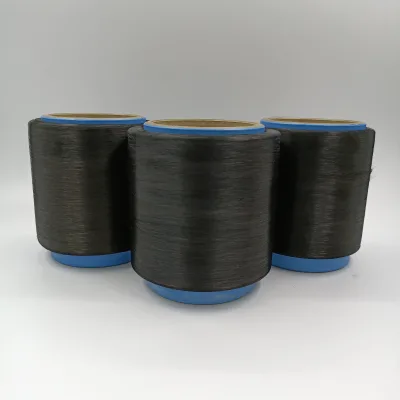
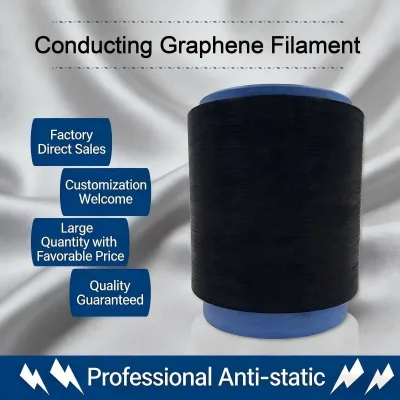
The current supplier landscape for Anti-Static Conductive Carbon Yarn reveals a distinct concentration of manufacturing activity within Guangdong, China, alongside significant production hubs in Hebei, China. These regions host a mix of pure manufacturers and hybrid entities operating as both manufacturers and trading companies. The primary product focus in these clusters includes conductive carbon yarn, graphene fiber yarn, and various anti-static filaments designed for smart knitting and technical wear. Buyers observing these results will note that the main product portfolios often extend beyond simple yarn to include related items like reflective thread, recycled yarn, and specialized protective fabrics such as radiation protective suits or flame retardant materials. This diversification suggests that many facilities possess the technical capacity to handle complex textile processing requirements beyond standard spinning operations.
Factory types identified in the search results range from dedicated manufacturers to combined manufacturer-trading entities, each offering different operational advantages. Manufacturers in these clusters typically emphasize their direct control over the production process, which is critical for maintaining the specific electrical resistance properties required in conductive yarns. Some suppliers list capabilities for light customization, sample processing, and graphic processing, indicating a readiness to adapt to specific client needs regarding yarn count, twist, and coating. The presence of companies offering both spun and filament yarn types, with varying evenness and strength characteristics, demonstrates a mature industrial base capable of serving diverse applications from sewing and knitting to weaving. Buyers should verify the specific factory type against their volume and customization requirements to ensure the supplier can meet their technical specifications without unnecessary intermediaries.
How to Verify Anti-Static Conductive Carbon Yarn Suppliers
Verification of Anti-Static Conductive Carbon Yarn suppliers requires a rigorous check of system certifications and third-party validation records to ensure product integrity and compliance. The available data indicates that reputable suppliers often hold certifications such as FSC, Oeko-Tex Standard 100, RCS, GRS, ISO 9001, ISO 14001, ISO 50001, and ISO 45001. These credentials are not merely administrative but serve as proof of adherence to environmental, safety, and quality management standards essential for industrial textile applications. Additionally, verification status from recognized groups like SGS Group provides an external layer of confidence regarding the supplier's operational legitimacy. Buyers must confirm that these certifications are current and specifically cover the conductive yarn products they intend to purchase, as some suppliers may hold general facility certifications that do not extend to their specialized conductive fiber lines.
Beyond certifications, buyers should scrutinize response times and sample availability as indicators of supplier reliability and communication efficiency. The observed response times in the current results vary, with some suppliers indicating an eight-hour response window while others demonstrate a five-hour turnaround. A faster response time often correlates with a more active sales team and better logistical coordination, which is vital when sourcing specialized materials like conductive yarn. Furthermore, the availability of samples is a critical verification step; suppliers explicitly stating that samples are available allow buyers to test physical properties such as electrical resistance, evenness, and strength before committing to larger orders. Buyers should request samples to verify claims regarding yarn count, material composition like graphene or carbon fiber, and the specific anti-static features to ensure the product meets the technical requirements of their end-use applications.
What to Compare Across Anti-Static Conductive Carbon Yarn Suppliers
When evaluating potential partners, buyers must compare key operational metrics including lead times, minimum order quantities, and pricing structures to align with their production schedules and budget constraints. The data shows lead times ranging from ten days to twenty days, a variance that can significantly impact supply chain planning and inventory management. Minimum order quantities also differ substantially, with some suppliers offering a single item as a starting point while others require a minimum of twenty units. These differences dictate the flexibility of the supply chain; a lower MOQ allows for smaller, more frequent orders which reduces inventory risk, whereas higher MOQs may offer better economies of scale for large-volume production runs. Buyers should calculate the total cost of ownership, factoring in the price per unit which ranges from approximately nine to fifty dollars depending on the specific product configuration and material composition.
In addition to logistical metrics, comparing product specifications and technical attributes is essential for ensuring the yarn meets the precise needs of the application. Suppliers offer a variety of yarn counts, including 20D, 20D+75D, 20D+100D, and 20D+150D, alongside different twist levels ranging from no twist to specific twist per meter values. The electrical resistance properties are a critical differentiator, with some products specifying a resistance range of 10^5 to 10^8Ω/CM, while others focus on high strength or smooth evenness. Buyers must match these technical details to their specific requirements for anti-static fabric, smart knitting, or weaving applications. Comparing the material composition, such as nylon carbon fiber versus graphene fiber, and the intended use cases like sewing, knitting, or weaving, ensures that the selected supplier can deliver a product that performs reliably in the final manufactured good.
Common Anti-Static Conductive Carbon Yarn Sourcing Risks
One of the primary risks in sourcing Anti-Static Conductive Carbon Yarn involves the inconsistency of technical performance across different batches or suppliers. The conductive properties of the yarn, such as electrical resistance and anti-static functionality, are highly dependent on the manufacturing process and the quality of the carbon or graphene coating. If a supplier lacks rigorous quality control measures, the resulting yarn may exhibit uneven conductivity, leading to failures in the final anti-static fabric or electronic textile products. Buyers must be vigilant about verifying the consistency of the "Evenness" and "Strength" attributes, as variations in these parameters can compromise the structural integrity and electrical performance of the yarn during the knitting or weaving process. Relying solely on a single data point without physical testing can lead to significant production disruptions.
Another significant risk is the potential mismatch between the supplier's claimed capabilities and their actual production capacity or customization flexibility. While some suppliers list capabilities for light customization and sample processing, others may have rigid production lines that cannot accommodate specific model numbers or unique yarn counts required by the buyer. The difference in lead times, ranging from ten to twenty days, also introduces a risk of supply chain delays if the supplier underestimates their production capacity or faces raw material shortages. Furthermore, the variation in main product portfolios, where some suppliers focus on conductive yarn while others offer a broader range of protective fabrics, may indicate a lack of specialized focus. Buyers should assess whether the supplier's core expertise aligns with their specific needs to avoid the risk of receiving suboptimal products or facing delays due to capacity constraints.
Anti-Static Conductive Carbon Yarn Regional Sourcing and Logistics
Sourcing from the identified regions of Guangdong and Hebei in China offers distinct logistical advantages and challenges that buyers must navigate carefully. Guangdong, known for its advanced manufacturing infrastructure, often provides faster access to international shipping routes and a mature ecosystem of logistics providers, which can facilitate quicker lead times and more efficient export processes. The concentration of manufacturers in this region suggests a competitive market with potentially lower transportation costs for finished goods. However, buyers must account for the specific location of the factory within the province, as inland facilities may have different shipping dynamics compared to coastal hubs. The presence of suppliers in Hebei, another major industrial center, offers an alternative sourcing option, though the logistics network may differ in terms of transit times and cost structures depending on the specific port of departure.
Logistical planning must also consider the packaging specifications and weight of the products to ensure accurate freight cost calculations and safe transport. The observed single package sizes vary, with dimensions ranging from 15x15x15 cm to 30x30x30 cm, and single gross weights ranging from 1.0 kg to 2.0 kg. These variations impact the total volume and weight of the shipment, which directly influences freight charges and handling requirements. Buyers should verify the packaging details with the supplier to optimize container loading and minimize shipping costs. Additionally, the origin location affects the transit time to the buyer's destination, and buyers should factor in potential customs clearance delays or regulatory requirements specific to the import of conductive textile materials. Understanding these regional logistics nuances is crucial for maintaining a reliable and cost-effective supply chain for Anti-Static Conductive Carbon Yarn.
Anti-Static Conductive Carbon Yarn Commercial Terms and Order Planning
Commercial terms for Anti-Static Conductive Carbon Yarn orders are heavily influenced by the minimum order quantities and pricing tiers established by individual suppliers. The data indicates a wide range of pricing, from approximately nine dollars to over fifty dollars per unit, which often correlates with the complexity of the yarn, the material composition, and the order volume. Buyers must carefully analyze the price ranges to determine the most cost-effective option that meets their quality standards. The minimum order quantities, which can be as low as one unit or as high as twenty units, play a critical role in the initial investment and cash flow planning. Suppliers with lower MOQs may be more suitable for prototyping or small-batch production, while those with higher MOQs might offer better unit economics for large-scale manufacturing runs.
Order planning must also account for the sample availability and the specific customization options offered by the supplier to ensure a smooth transition from prototype to mass production. The availability of samples allows buyers to validate the product's performance before committing to a larger order, reducing the risk of costly mistakes. Suppliers offering customization capabilities, such as specific yarn counts, twist levels, or coating types, provide greater flexibility in meeting unique application requirements. Buyers should establish clear communication channels to discuss these customization details and confirm the lead times, which can range from ten to twenty days. By aligning the commercial terms, including pricing and MOQs, with the technical specifications and lead times, buyers can create a robust order plan that minimizes risk and ensures timely delivery of high-quality Anti-Static Conductive Carbon Yarn.
FAQs
Where are Anti-Static Conductive Carbon Yarn manufacturers located?
Manufacturers of this yarn are primarily located in Guangdong and Hebei, China. Guangdong suppliers offer graphene fiber options with specific certifications. Hebei facilities specialize in carbon filament yarns with high strength ratings for industrial applications.
What certifications do these conductive yarn suppliers hold?
Suppliers hold various system certifications including FSC, Oeko-Tex Standard 100, RCS, ISO 9001, and ISO 14001. Some products specifically list GRS and Oeko-Tex Standard 100 on their attributes. Verify specific certificates for your compliance needs before ordering.
What is the minimum order quantity for conductive carbon yarn?
Minimum order quantities vary by supplier and product type. Some listings accept orders as low as one unit, while others require a minimum of twenty units. Check individual product pages to confirm the specific MOQ for the yarn count you need.
How long does it take to receive samples or orders?
Lead times for production range from ten to twenty days depending on the supplier. Response times for inquiries are typically five to eight hours. Sample availability is confirmed for many listings, allowing you to verify quality before committing to larger orders.
What are the electrical resistance specifications for this yarn?
Electrical resistance values for conductive yarns typically range from 10^5 to 10^8 ohms per centimeter. This range ensures effective anti-static properties for various textile applications. Specific resistance levels depend on the material composition and coating process used by the manufacturer.
What yarn counts are available for anti static carbon yarn?
Available yarn counts include 20D, 20D plus 75D, 20D plus 100D, and 20D plus 150D. Some suppliers also offer 20D, 22D, or 20D plus 280D configurations. Select the count that matches your knitting or weaving requirements for optimal performance.
Can I find eco-friendly anti static conductive yarn options?
Yes, several listings feature eco-friendly attributes alongside anti-static functionality. Materials include recycled yarns and carbon fiber coated options that meet environmental standards. Look for products explicitly marked as eco-friendly to ensure they align with your sustainability goals.