Antistatic Plastic ESD Tweezers Suppliers and Manufacturers
Explore 20 verified options for Antistatic Plastic ESD Tweezers from Jiangsu, China. Compare response times, lead times, certifications like ISO and RoHS, and pricing ranges to find the right factory. Contact suppliers directly to request samples and confirm MOQ requirements.
Suppliers List

Suzhou Quanjuda Purification Technology Co., Ltd
- Trading Company,Manufacturer/Factory
- China Jiangsu
- Lead time0 days
- Avg. response≤ 8h
Main productsESD Fabric, ESD Garment, ESD Uniform, Sticky Mat, ESD Shoes, ESD Wrist Strap, ESD Glove, Disposable Facemask, Cleanroom Wipers, ESD Finger Cots

Suzhou Jiekon Puri-Tech Co., Ltd.
- Verified by TUVRHEINLAND
- Trading Company
- China Jiangsu
- Lead time15 days
- Avg. response≤ 25h
Main productsMicrofiber Cleanroom Wiper, Cleanroom Wiper, Sticky Mat, Finger Cot, Anti Static Clothes, Anti Static Fabric
Main marketsDomestic

Xiamen Qianyu Technology Co., Ltd.
- Trading Company
- China Fujian
- Lead time15 days
- Avg. response≤ 5h
Main productsCleanroom Wipes, 100% Polyester Wipes, Cleanroom Double-Knit Polyester Wipes, SMT Roll Wipes, Microfiber Cloth, 2ply Cleanroom Wipes, SMT Stencil Wipes, Nonwoven Cleaning Paper, Industrial Cleaning Cloth, Cleanroom Swabs
Main marketsAfrica,Southeast Asia/ Mideast,Europe

- Verified by BV
- Manufacturer/Factory
- China Guangdong
- Lead time15 days
- Avg. response≤ 2h
Main productsESD Products, Cleanroom Products, Reliability Test Equipment, ESD Consumables, Purification Equipment, Hardwares, Electronic Compenents, Tools, Filtering Parts
Main marketsSouth America,Eastern Europe,Mid East,North America,Southeast Asia,Eastern Asia,Oceania,Western Europe,Africa
Dongguan Shangda Purification Products Co., Ltd.
- Manufacturer, Trading Company
- Guangdong, China
- Lead time0 days
- Avg. response≤ 2h
Main productsAntistatic slippers,anti-static clothing,Dust-free paper,finger cot,antistatic gloves
Main marketsSouth Asia(10.00%), Northern Europe(10.00%), Central America(10.00%), Western Europe(10.00%), Eastern Asia(10.00%), Mid East(10.00%), Africa(10.00%), Southeast Asia(10.00%), South America(10.00%), North America(10.00%)

Shanghai Leenol Industrial Co., Ltd.
- Verified by SGS
- Trading Company,Manufacturer/Factory
- China Shanghai
- Lead time15 days
- Avg. response≤ 9h
Main productsSMT PCB Magazine Rack, ESD Workbench, ESD Box/Tray/Trolley, ESD Packing Bags, Cleanroom Products, ESD Testers, ESD PCB Trolley, Sticky Mat, ESD PVC Flooring/Tile, ESD Chairs
Main marketsSouth America,Eastern Europe,Mid East,North America,Southeast Asia,Eastern Asia,Oceania,Western Europe,Africa
Shenzhen Jinliyang Technology Co., Ltd.
- Manufacturer, Trading Company
- Guangdong, China
- Lead time8 days
- Avg. response≤ 4h
Main productsSoldering Station/Hot Air Rework Station/DC Power Supply/Test Leads/Screwdriver Set
Main marketsNorth America(15.00%), Western Europe(15.00%), South America(10.00%), Eastern Asia(8.00%), Domestic Market(8.00%), Eastern Europe(7.00%), Mid East(7.00%), Southeast Asia(6.00%), South Asia(5.00%), Southern Europe(5.00%), Central America(5.00%), Northern Europe(5.00%), Oceania(2.00%), Africa(2.00%)
Shenzhen Fairtech Electronics Co.,LTD
- Manufacturer
- Guangdong, China
- Lead time7 days
- Avg. response≤ 9h
Main productsESD garment,ESD Magazine Rack,ESD box,ESD Fabric,ESD Bag
Main marketsNorthern Europe(17.00%), Western Europe(15.00%), North America(15.00%), Central America(15.00%), Eastern Europe(14.00%), South America(14.00%), Southern Europe(10.00%)
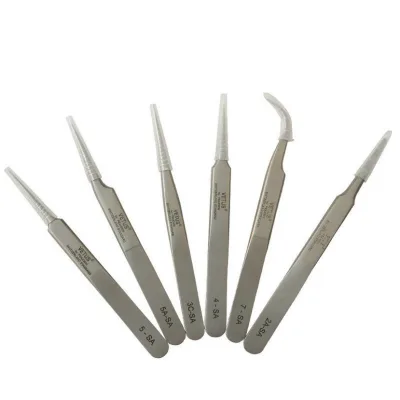
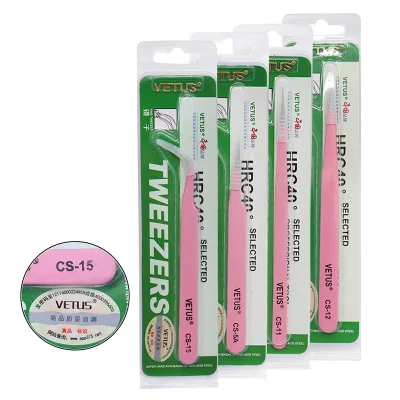
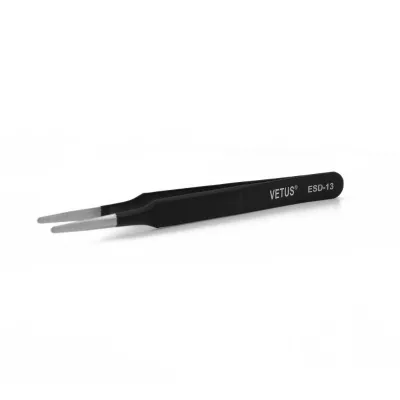
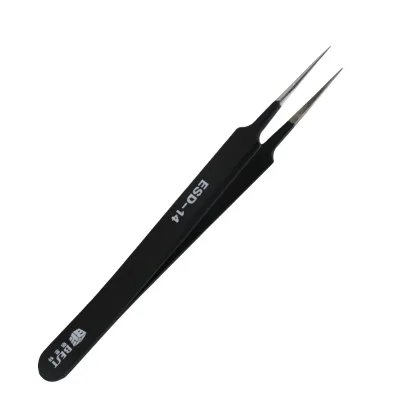
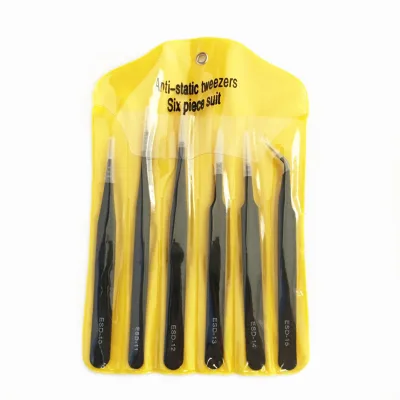
Custom Original ESD Antistatic Tweezer Vetus Tweezer Assembly for Electronic Use
$0.61 - $6.14
MOQ: 10 Minimum
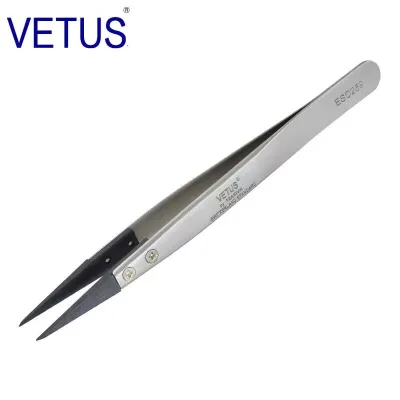
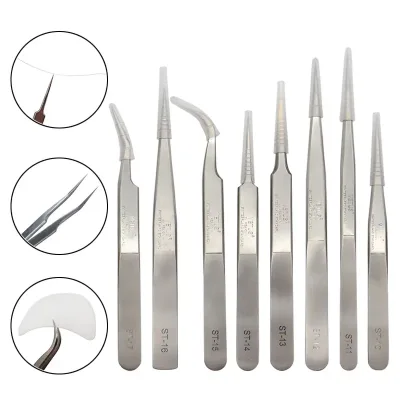
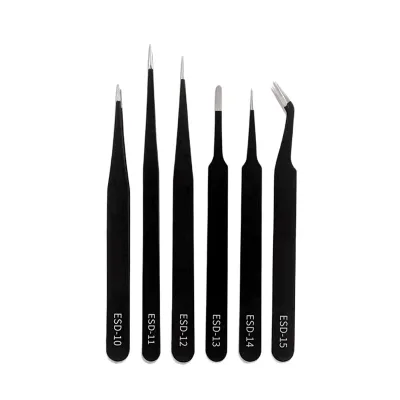
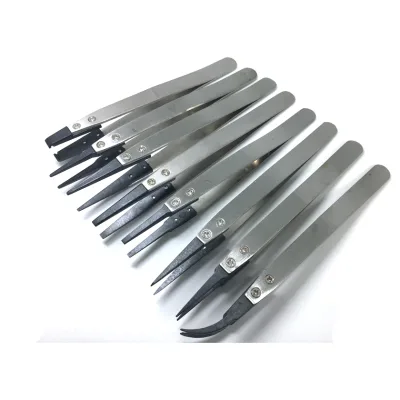
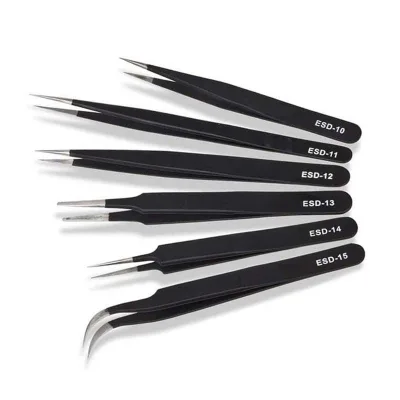
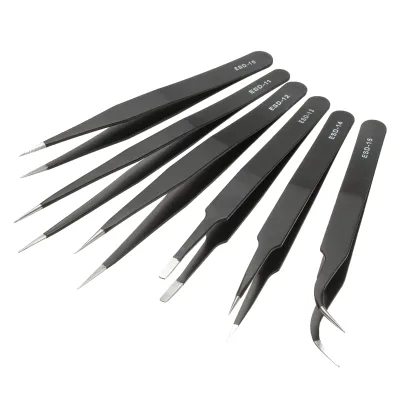
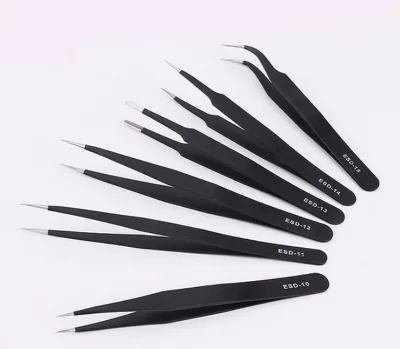
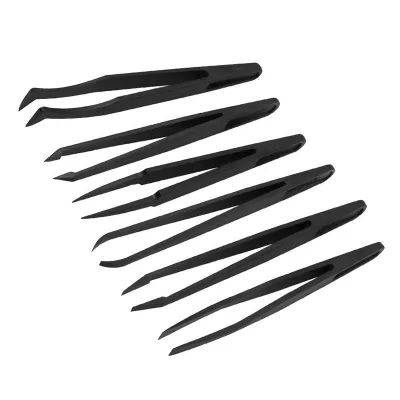
High Quality Black Anti-static ESD Plastic Tweezers Set Pointed Flat Curved Tips Tweezers
$0.61 - $6.14
MOQ: 10 Minimum
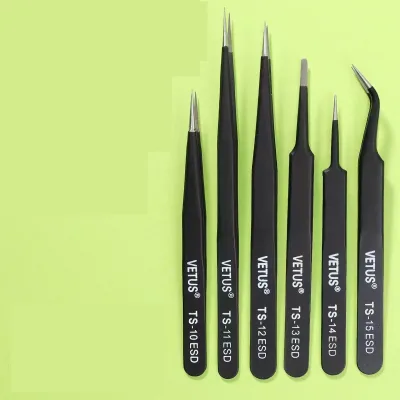
$0.61 - $6.14
MOQ: 10 Minimum

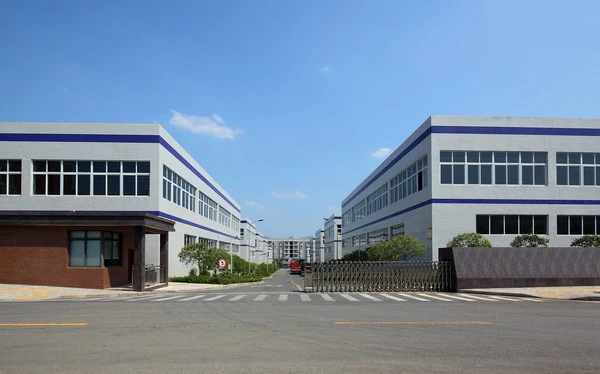
Shanghai Herzesd Industrial Co., Ltd.
- Trading Company
- Shanghai, China
- Lead time3 days
- Avg. response≤ 3h
Main productsESD PCB Magazine Rack,ESD PCB cart,ESD Box,ESD Acrylic,ESD Rubber Mat
Main marketsSouth America(30.00%), Southeast Asia(20.00%), Eastern Europe(20.00%), North America(20.00%), Northern Europe(1.00%)
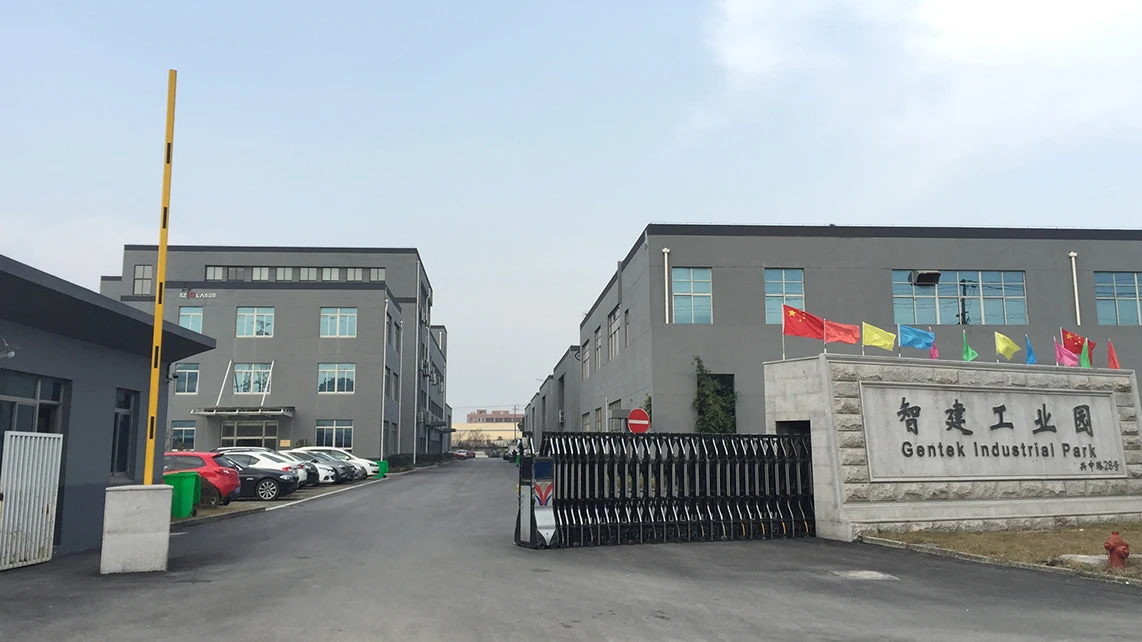
Suzhou GI Technology Co., Ltd.
- Manufacturer, Trading Company
- jiangsu, China
- Lead time3 days
- Avg. response≤ 5h
Main productsSticky Mat,Cleanroom Wiper,Cleanroom Wipe,Cleanroom Swab,Artificial turf
Main marketsAfrica(100.00%), Central America(100.00%), South Asia(20.00%), North America(20.00%), Domestic Market(10.00%), South America(10.00%), Oceania(5.00%), Southeast Asia(5.00%), Southern Europe(5.00%), Northern Europe(5.00%), Eastern Europe(5.00%), Western Europe(5.00%), Eastern Asia(5.00%), Mid East(5.00%)
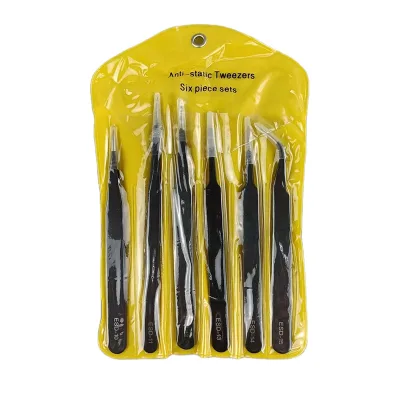
$0.28 - $0.37
MOQ: 10 pieces
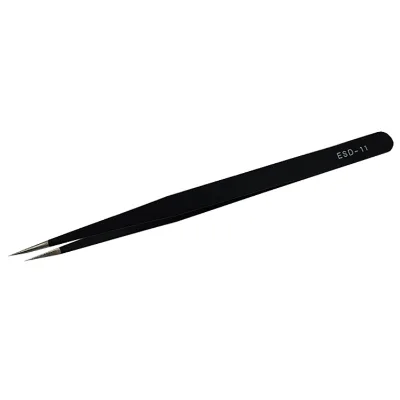
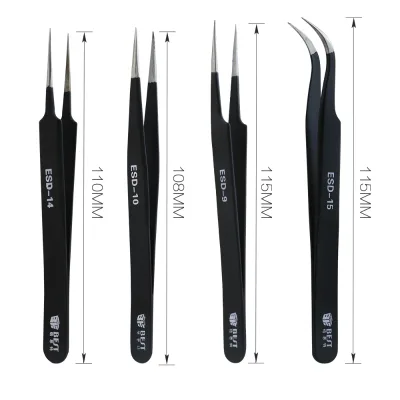
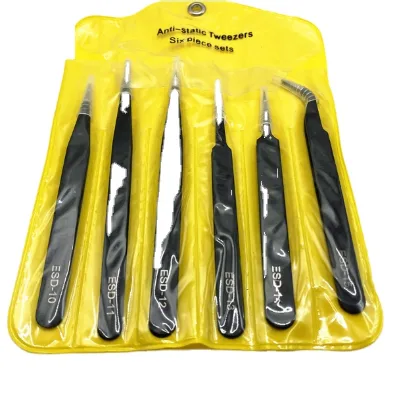
High Quality 140mm ESD-11 Black Stainless Steel ESD Anti Static Tweezers for Electronics
$0.28 - $0.37
MOQ: 100 pieces
Guangzhou Hui Bo Information Technology Co., Ltd.
- Manufacturer, Trading Company
- Guangdong, China
- Lead time15 days
- Avg. response≤ 5h
Main productsGalvanized Steel Roller Track/Aluminum Alloy Roller Track/Lean Pipe/Metal Joints For Pipes/Roller Track Mounts
Main marketsNorth America(50.00%), South America(25.00%), Southeast Asia(10.00%), Eastern Europe(10.00%), Eastern Asia(5.00%)
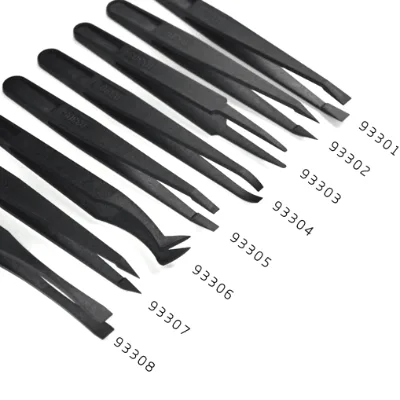
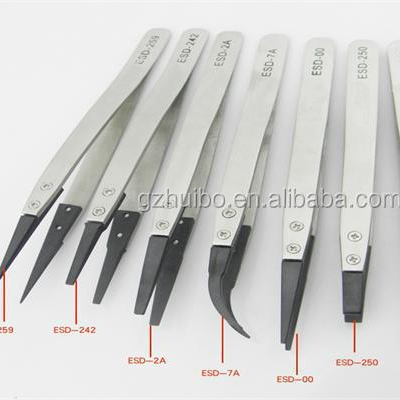
Original Anti Static Stainless Steel ESD Tweezer for Cleanroom and Electronics Factory
$0.40 - $0.90
MOQ: 10000 pieces
Shenzhen Gemisky Technology Co., Ltd.
- Trading Company
- Guangdong, China
- Lead time5 days
- Avg. response≤ 4h
Main productsCleanroom Wiper Roll,ESD Magazine Rack,ESD Box,ESD Gloves,ESD Bag
Main marketsNorth America(36.00%), Southeast Asia(18.00%), Eastern Europe(12.00%), Western Europe(10.00%), South America(9.00%), Domestic Market(8.00%), Eastern Asia(7.00%)
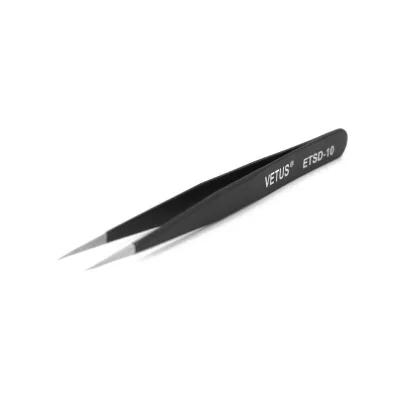
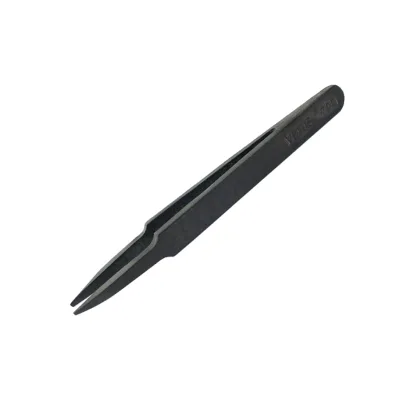
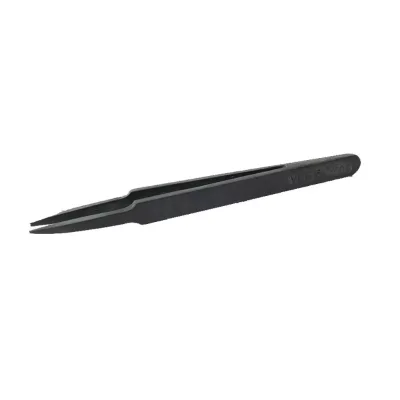
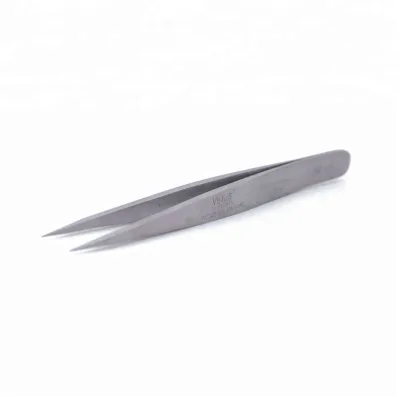
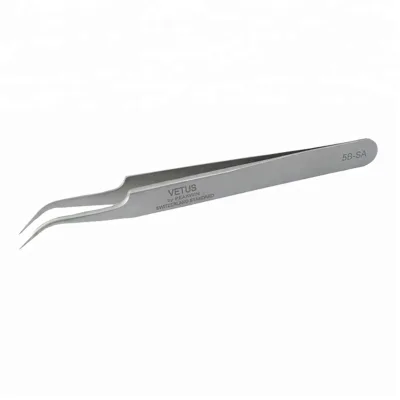
Manufacturers Wholesale Multifunction Black Anti-static Stainless Esd Tweezer for Industrial
$1.53 - $2.35
MOQ: 20 pieces

DONGGUAN ANTISK ELECTRONIC CO., LTD
- Verified by SGS
- Trading Company
- China Guangdong
- Lead time15 days
- Avg. response≤ 2h
Main productsESD Mat, Grounding Mat, Grounding Bed Sheet, Grounding Fitted Sheet, ESD Waste Bin, ESD Chairs, ESD Magazine Rack, ESD Brush, Cleanroom Wiper, ESD Box
Main marketsEast Asia(Japan/ South Korea),Europe,North America


ESD-11 Electronic Industrial Black Stainless Steel ESD Tweezer Antistatic Tweezer for Mobile
$0.50 - $0.75
MOQ: 1 Pieces


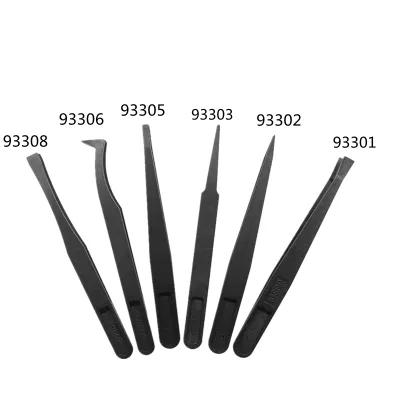
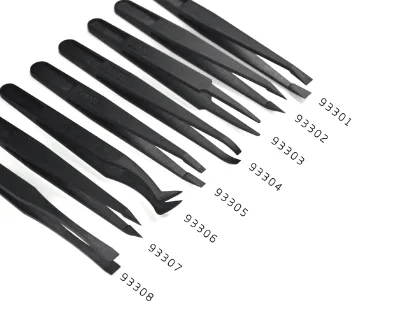
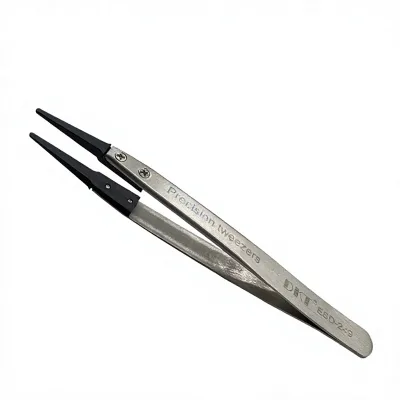
93301 ESD Safe Plastic Tweezer, Tips; Angled, Squared, Flat, Trapezoid, 11.6 Cm
$0.07 - $0.15
MOQ: 50 Pieces
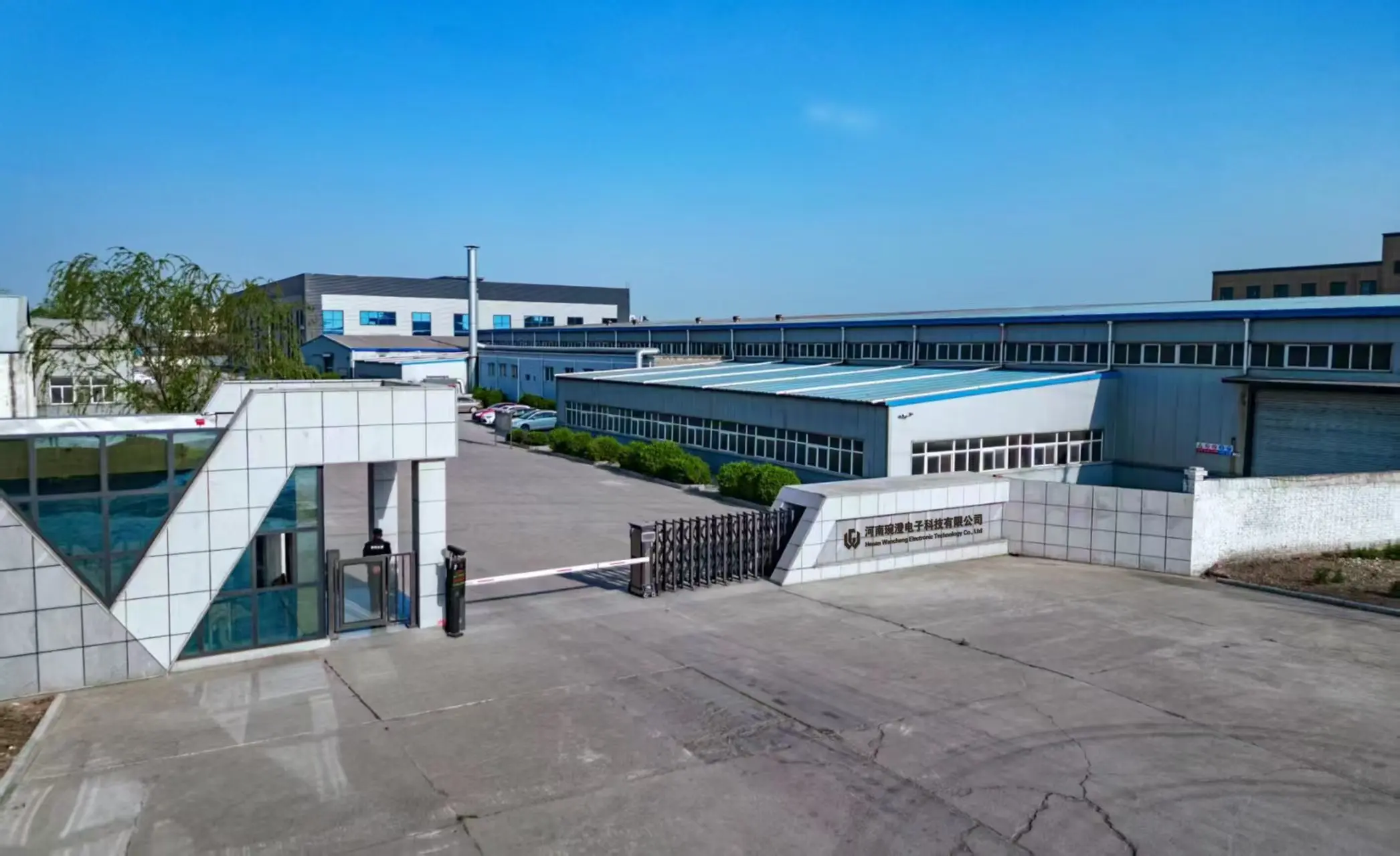
Henan Wancheng Electronic Technology Co., Ltd.
- Trading Company
- Henan, China
- Lead time0 days
- Avg. response≤ 1h
Main productsESD Antistatic And Cleanroom Products,ESD Rubber Mat,SMT Stencil roll wipe,Clean Swabs,Cleanroom Wipers
Main marketsSouth America(90.00%)
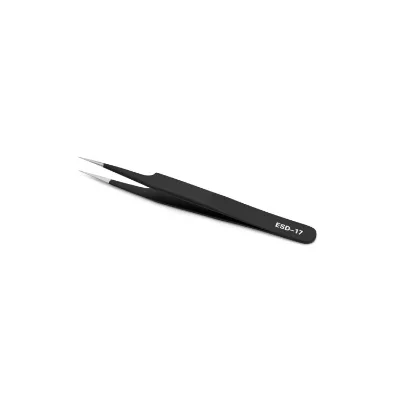
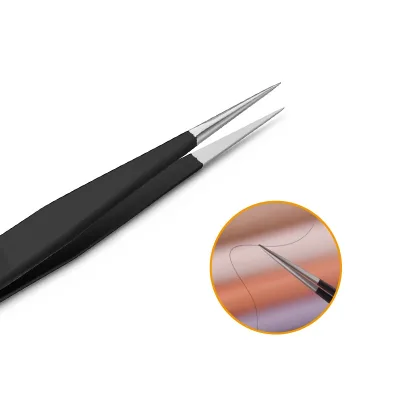
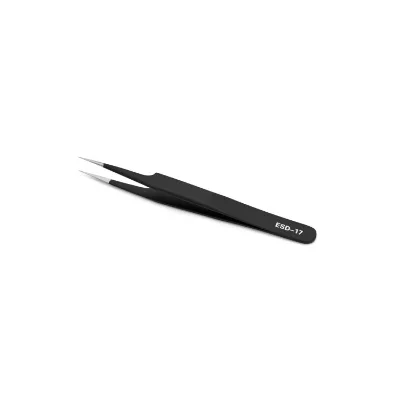
$0.90 - $1.20
MOQ: 100 pieces
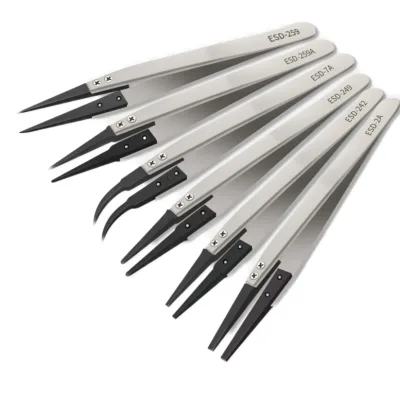
Shenzhen Jiulingsheng Technology Co., Ltd.
- Trading Company
- Guangdong, China
- Lead time0 days
- Avg. response≤ 4h
Main productsScrewdriver,Scraper,Suction Cup,Screwdriver Set,Tweezers
Main marketsSouth America(100.00%), Africa(100.00%), Domestic Market(50.00%), South Asia(20.00%), North America(10.00%), Mid East(4.00%), Southern Europe(2.00%), Eastern Europe(2.00%), Northern Europe(2.00%), Central America(2.00%), Western Europe(2.00%), Eastern Asia(2.00%), Oceania(2.00%), Southeast Asia(2.00%)
Shenzhen Eles Technology Co., Ltd.
- Verified by TüVRheinland
- Trading Company
- Lead time7 days
- Avg. response≤ 2h
Main productsESD Antistatic And Cleanroom Products, ESD Rubber Mat, ESD Bag, Sticky Mats, ESD Chair
Main marketsSoutheast Asia(20%), Domestic Market(20%), North America(15%)

FUZHOU LIWANG ELECTRONIC TECHNOLOGY CO., LTD.
- Combined
- China Fujian
- Lead time15 days
- Avg. response≤ 17h
Main productsMicromotor, Nail Drill, Jewelry Tools, Nail Drill Bits
Main marketsSouth America,Africa,Southeast Asia/ Mideast,East Asia(Japan/ South Korea),Europe,Australia,North America

Best Price Factory Anti Static PPS Head Changeable Stainless Steel ESD Tweezers
$1.00 - $2.00
MOQ: 10 Sets

$1.00 - $2.00
MOQ: 1999 Pieces

Stainless Steel Black Precision Metal ESD Tweezers for Multifunctional Electronic Industry
$1.00 - $2.00
MOQ: 1999 Pieces

Shenzhen Alisi Electronic Technology Co., Ltd.
- Trading Company, Distributor/Wholesaler
- Guangdong, China
- Lead time3 days
- Avg. response≤ 2h
Main productselectron component,temperature controller,Auto parts,sensor,Wireless Controller
Main marketsSouth America(20.00%), Eastern Europe(20.00%), North America(15.00%), Western Europe(5.00%), Domestic Market(5.00%), South Asia(5.00%), Southern Europe(5.00%), Northern Europe(5.00%), Central America(5.00%), Eastern Asia(3.00%), Mid East(3.00%), Oceania(3.00%), Africa(3.00%), Southeast Asia(3.00%)

Zhejiang Gongdong Medical Technology Co., Ltd.
- Verified by SGS
- Combined
- China Zhejiang
- Lead time30 days
- Avg. response≤ 15h
Main productsBlood Collection Tube, Viginal Speculum, Urine Container, Transfer Pipette, Pipette Tips, Petri Dish, Centrifugation Tube, Test Tube Rack, Samples Cup, Culorimetric Cup
Main marketsSouth America,Africa,Southeast Asia/ Mideast,East Asia(Japan/ South Korea),Europe,Australia,North America
Atrih Ningbo Import & Export Co., Ltd.
- Verified by SGS Group
- Trading Company
- Lead time30 days
- Avg. response≤ 2h
Main productsGifts & Promotion, Home and Garden Products, Personal Care and Household Cleaning Products, Package Printing Products
Main marketsNorth America(40%), South America(30%), Eastern Europe(5%)


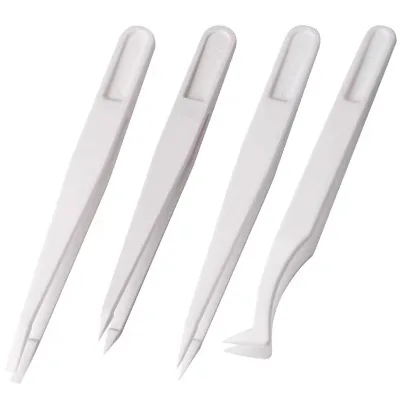
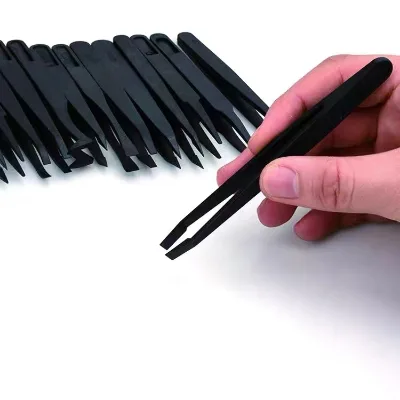


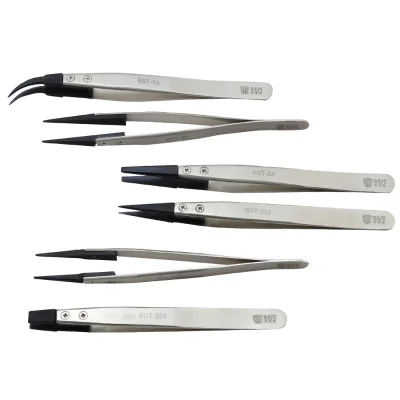
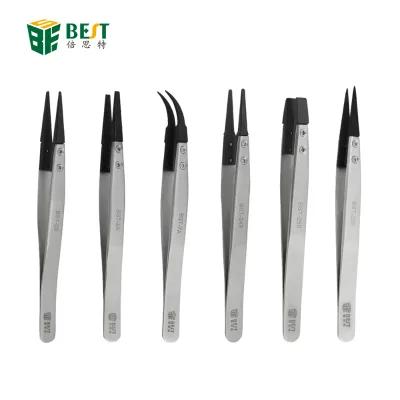
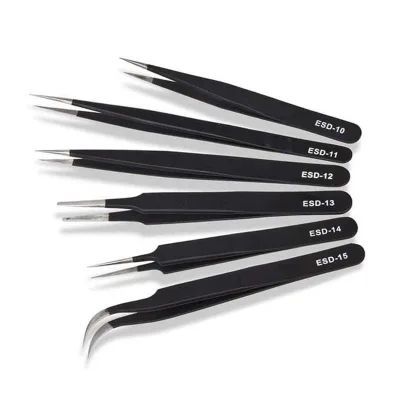



Comprehensive Sourcing Guide
Antistatic Plastic ESD Tweezers Supplier Concentration and Factory Types
Suppliers of Antistatic Plastic ESD Tweezers tend to cluster in Chinese provinces with strong electronics-manufacturing bases, and one location appearing repeatedly in current supplier results is Jiangsu. This concentration is not accidental: cleanroom consumables and ESD-control products are usually produced close to the SMT lines, printing workshops, and electronics-maintenance operations that consume them. When you shortlist suppliers, treat geography as a signal rather than a guarantee — a Jiangsu-based seller is plausibly embedded in the local static-control supply chain, but you should still confirm whether the listed origin reflects the actual production site or merely a trading office address.
The market splits into two supplier types visible in current results: manufacturers/factories and trading companies, with some firms operating as both. Several list ESD garments, sticky mats, wrist straps, gloves, and cleanroom wipers as main products alongside tweezers, which indicates a broad static-control catalog rather than a specialized tweezer factory. That breadth can simplify procurement for buyers building a full ESD program, but it may also mean tweezers are a sideline. Ask directly whether tweezer production is in-house or subcontracted. Also note that one supplier in the results carries third-party verification (TÜV Rheinland), while others show none — verification status varies and should be a filter criterion, not an assumption applied across the category.
How to Verify Antistatic Plastic ESD Tweezers Suppliers
Begin verification with business identity and system certifications. Some suppliers in current results list ISO 9001 and ISO 14001 management-system certifications, while others show no certification at all. Where a certificate is claimed, request the certificate number and issuing body, then confirm validity through the certifier rather than accepting a PDF at face value. Third-party platform verification, such as the TÜV Rheinland badge displayed by one supplier here, adds a layer of assurance about the legal entity, but it does not certify product performance — both checks matter independently.
Next, verify production reality and product claims. One supplier lists an own brand plus OEM and ODM capability, which you can test by asking for a factory video walk-through, a recent export packing list, or samples with customized marking. Scrutinize the electrical specifications: current listings state surface resistance ranges of 10e3–10e6 ohms for some conductive plastic tweezers and 10e6–10e11 ohms for others — these serve different ESD-control purposes, and a supplier who cannot explain which range suits your process is worth avoiding. Ask for RoHS or CE documentation where listings claim it, and request a sample batch with measured resistance readings from the actual production lot. Finally, check responsiveness empirically: observed response times in the current results range from under eight hours to about twenty-five hours, so send the same inquiry to several suppliers and compare how quickly and how substantively they reply before committing to audits or samples.
What to Compare Across Antistatic Plastic ESD Tweezers Suppliers
Build a comparison grid using the attributes suppliers actually display. Current listings reveal wide spread on several dimensions. Minimum order quantities range from 10 pieces on one stainless-steel-handled conductive tweezer listing to 100 pieces on most plastic models and up to 10,000 pieces on another — so if you need low-volume trials, MOQ alone will eliminate some candidates. Indicative unit prices on listed items span roughly from under 0.10 USD to around 1.80 USD depending on material, precision, and tip configuration, which makes like-for-like comparison essential: a 0.10 USD toothed-tip industrial tweezer is not interchangeable with a precision stainless model.
Beyond price and MOQ, compare lead time, response speed, and product scope. One supplier in the results shows a 15-day lead time while another shows effectively none displayed — where lead time is absent, ask for a written quote for your specific quantity. Response times already noted range from roughly 7.7 to 25 hours; consistent response behavior during quoting usually predicts post-order communication. Compare main-product coverage too: suppliers listing full ESD lines (wipers, mats, garments, footwear) may bundle shipping and simplify invoicing, while focused sellers may offer deeper tweezer variants. Weigh company type, displayed certifications, customization support (OEM/ODM appears on several listings), and warranty statements — one listing states a one-year warranty — as tie-breakers between otherwise similar quotes.
Common Antistatic Plastic ESD Tweezers Sourcing Risks
The most common risk in this category is specification drift. Listings describe surface resistance ranges that differ by orders of magnitude — conductive grades around 10e3–10e6 ohms versus dissipative grades around 10e6–10e11 ohms — and buyers who order by photo alone can receive a tweezer that is electrically wrong for their workstation. Because plastic tweezers are inexpensive, the temptation is to skip incoming inspection; resist it. Specify the resistance range, tip shape (flat, pointed, round, right-angle, or elbow variants appear across listings), and material in the purchase order, and test a sample from each delivered batch rather than only from the pre-production sample.
The second cluster of risks concerns supplier identity and volume terms. Trading companies may present themselves as factories, leading to unexpected middleman margins or inconsistent quality when production is subcontracted. Very low MOQs can be convenient but sometimes indicate a seller holding stock rather than controlling production, which affects reordering consistency. Conversely, high-volume MOQs — one listing shows 10,000 pieces — can lock you into a large inventory of a part you have not qualified at volume. Other risks include certifications claimed on listings but not documented, no displayed lead time leading to optimistic delivery assumptions, and non-waterproof or non-cleanroom-grade variants shipped where a cleanroom-grade product was expected. Mitigate each risk contractually: written specifications, agreed inspection rights, and a defined remedy for out-of-spec shipments.
Antistatic Plastic ESD Tweezers Regional Sourcing and Logistics
Because confirmed supplier locations in this category sit in Jiangsu, China, logistics planning should start from that reality. Jiangsu is adjacent to major Yangtze Delta ports, so sea freight is the default for bulk orders and express air freight works well for samples and small urgent batches given the low weight of plastic tweezers. Confirm the actual dispatch point with each supplier — a trading company may ship from a different city than its registered address — and ask which port and incoterms apply before comparing freight-inclusive prices.
Regional clustering within China also affects sourcing strategy. When multiple suppliers concentrate in one province, visiting two or three facilities in a single trip becomes practical, and local material supply chains for conductive plastics tend to be mature, supporting faster customization. For buyers outside China, evaluate total landed cost rather than unit price: for an item listing at a fraction of a dollar per piece, freight, duties, and handling can dominate cost at small quantities, which argues for consolidating tweezers with other cleanroom consumables from the same supplier — several here offer wipers, sticky mats, garments, and footwear. Lead time expectations should account for production plus transit: one displayed lead time of 15 days gives a reasonable planning baseline, but confirm your quantity's actual schedule. Finally, keep a buffer stock strategy appropriate to consumables; reordering across borders with a two- to four-week cycle is normal, and stock-outs of a low-cost tool can idle an expensive production line.
Antistatic Plastic ESD Tweezers Commercial Terms and Order Planning
Plan orders around the MOQ and price structure the listings reveal. With minimums of 10, 100, and 10,000 pieces across current results and unit prices from roughly 0.10 to 1.80 USD, your negotiating leverage depends on volume tier: at 100-piece trial quantities expect standard catalog items and modest customization at best, while quantities approaching 10,000 pieces justify requesting OEM marking, custom packaging, and tiered pricing. Ask for quotes at two or three volume levels so you can see the price curve, and clarify whether packaging (one piece per box versus poly bag or bulk carton, as different listings describe) affects the quoted price.
On payment and terms, prefer structures that protect the buyer: a small deposit with balance against inspection or shipping documents is standard for first orders, and any escrow or platform-backed payment option available on the sourcing channel should be used for unverified suppliers, especially those without third-party verification badges or system certifications. Put lead time, resistance specification, tip configuration, packing standard, and remedy terms in writing before paying. For repeat orders, negotiate a framework arrangement with fixed pricing for a defined period and rolling forecasts, since plastic resin costs and exchange rates can move small-item prices noticeably at scale. Finally, budget a qualification phase: order samples or a minimal batch, verify electrical and mechanical performance in your own process, then scale volumes with the supplier who demonstrated both product consistency and reliable communication through the trial.
(Word count: approximately 1,395)
FAQs
What is the price range for Antistatic Plastic ESD Tweezers?
Prices for Antistatic Plastic ESD Tweezers range from 0.10 to 1.80 USD per unit depending on the specific model and material. Some standard plastic options start at 0.10 USD, while stainless steel variants may reach 1.80 USD. Buyers should verify exact pricing based on their required quantity and customization needs.
What is the minimum order quantity for these tweezers?
The minimum order quantity varies significantly by product type. Some listings require a minimum of 10 pieces, while others demand 100 or even 10,000 pieces. Buyers must check the specific product details to confirm the exact MOQ before placing an order to ensure compliance with supplier requirements.
Are these tweezers suitable for cleanroom environments?
Yes, many Antistatic Plastic ESD Tweezers are explicitly designed for cleanroom applications. They feature surface resistance values between 10e3 and 10e11 Ohms to prevent static damage. These tools are commonly used in SMT production lines and electronic component maintenance rooms where static control is critical for product safety.
What certifications do these ESD tweezers hold?
Common certifications include RoHS, ISO, CE, and GS standards. Some products also carry ISO 9001 and ISO 14001 system certifications. Buyers should verify specific product attributes to ensure the tweezers meet the required safety and environmental standards for their specific industry applications and regulatory compliance needs.
Where are these antistatic tweezers manufactured?
These products are primarily manufactured in Jiangsu, China. The origin is consistently listed as Jiangsu for various plastic and stainless steel models. Buyers sourcing from this region should consider the logistics and lead times associated with shipping from this specific manufacturing hub in China.
What customization options are available for these tweezers?
Customization is widely available for these Antistatic Plastic ESD Tweezers. Suppliers offer OEM and ODM support, allowing for custom branding and specific tip shapes. Buyers can request modifications to handle materials, tip surfaces, and packaging to align with their unique production requirements and brand identity specifications.
What is the typical lead time for these products?
Lead times vary by supplier, with some listing zero days while others indicate up to 15 days. Response times also differ, ranging from approximately 7 hours to 25 hours. Buyers should confirm the specific delivery schedule with the supplier to ensure it aligns with their production timeline and project deadlines.